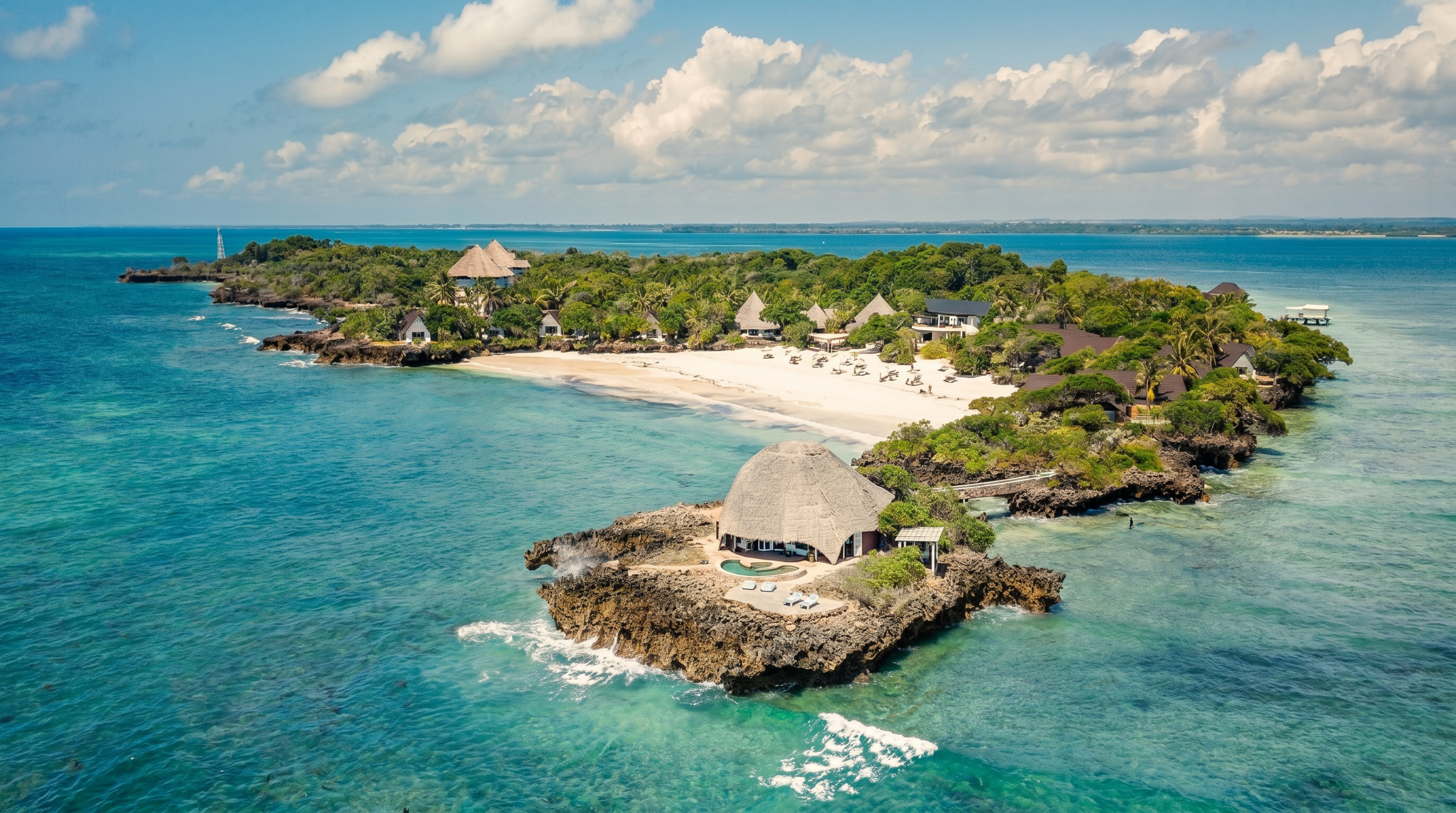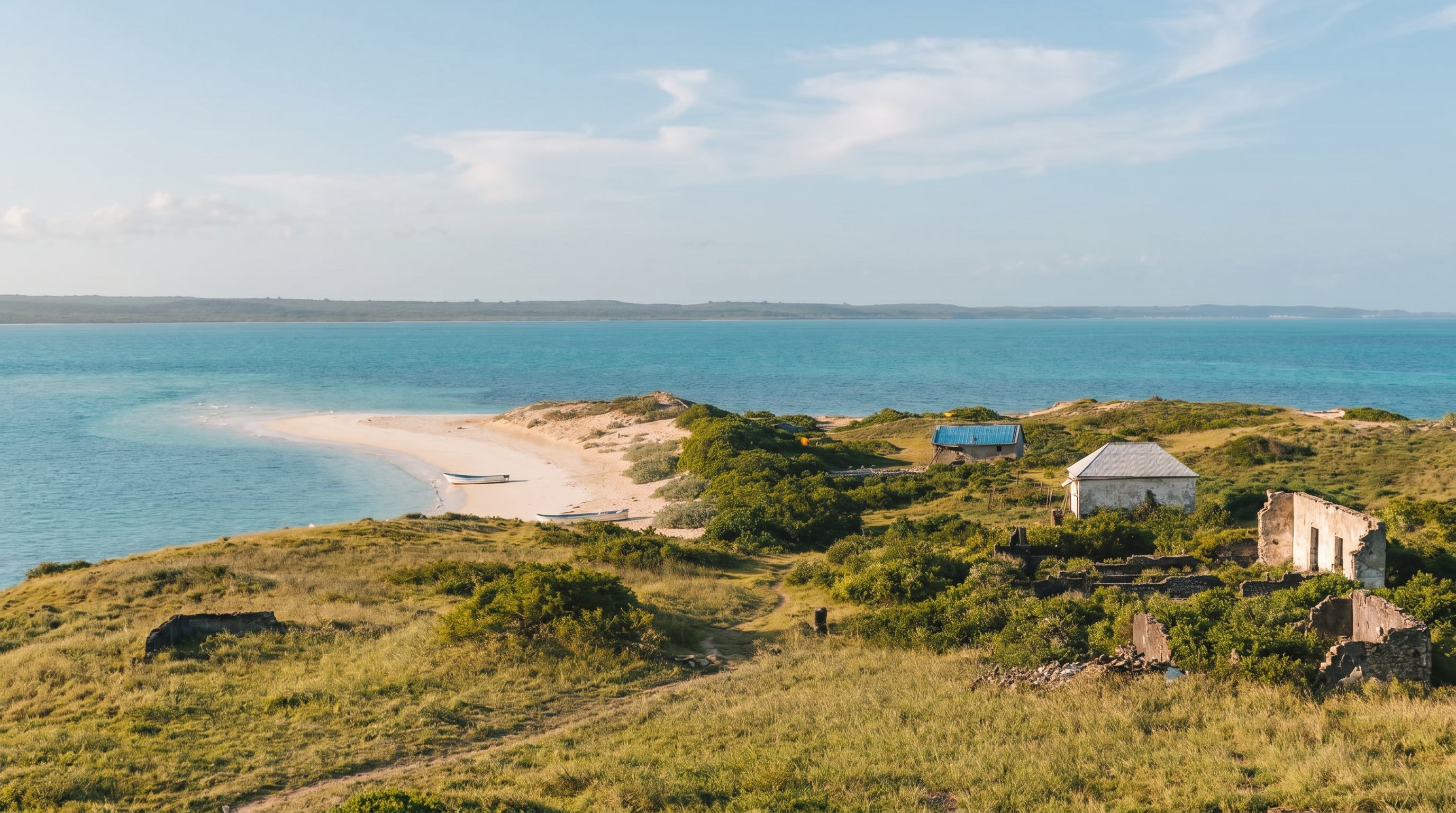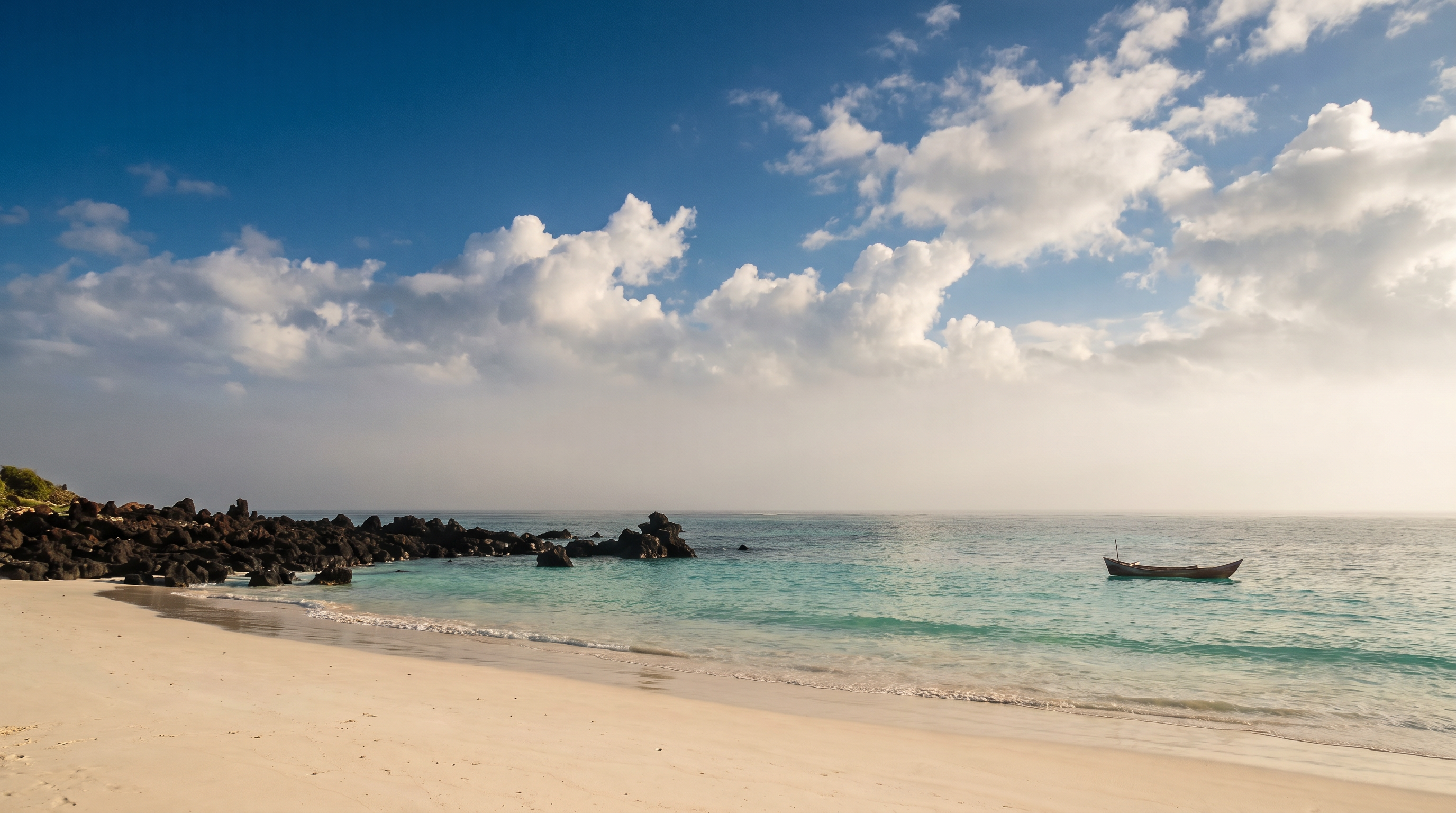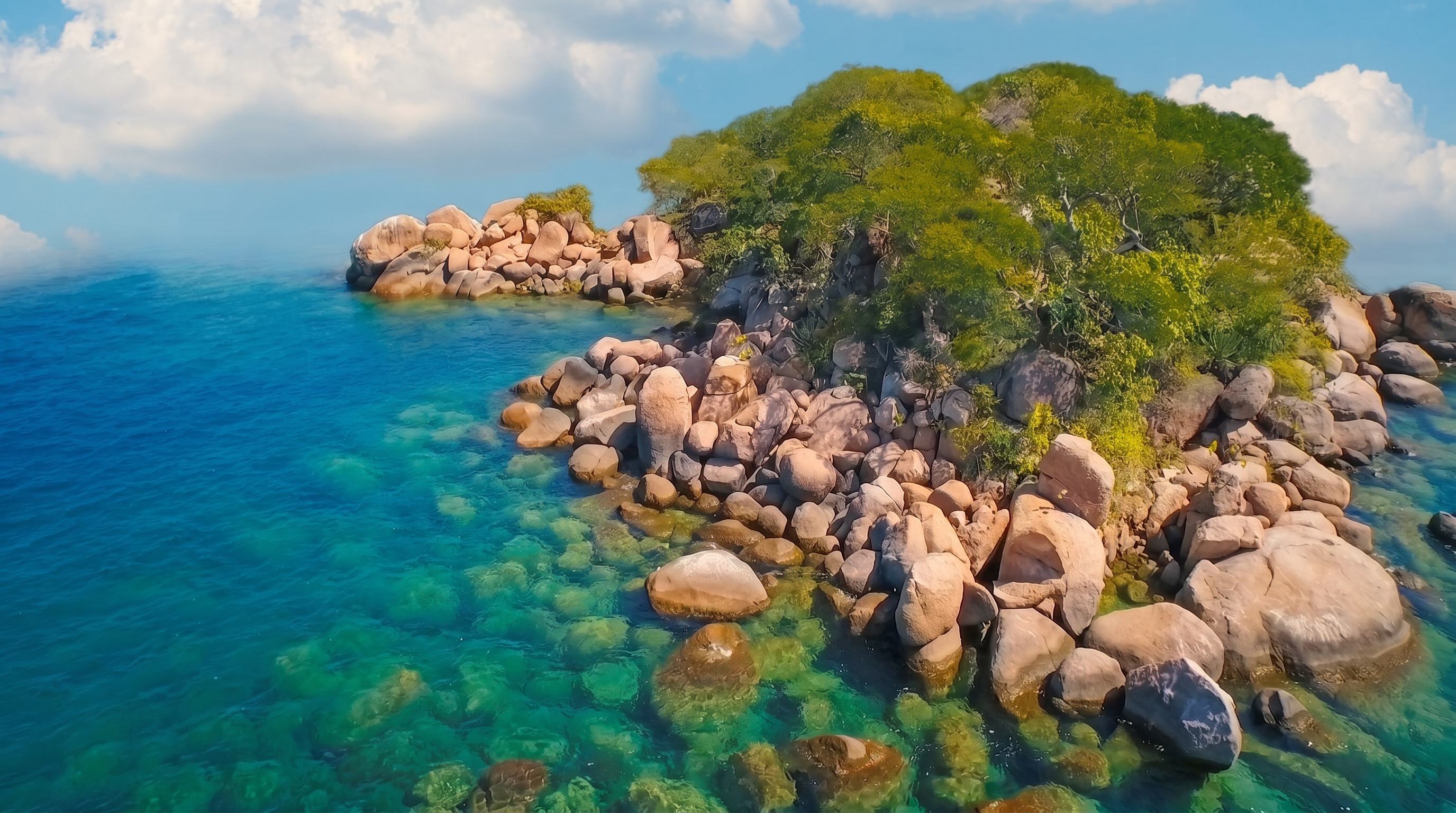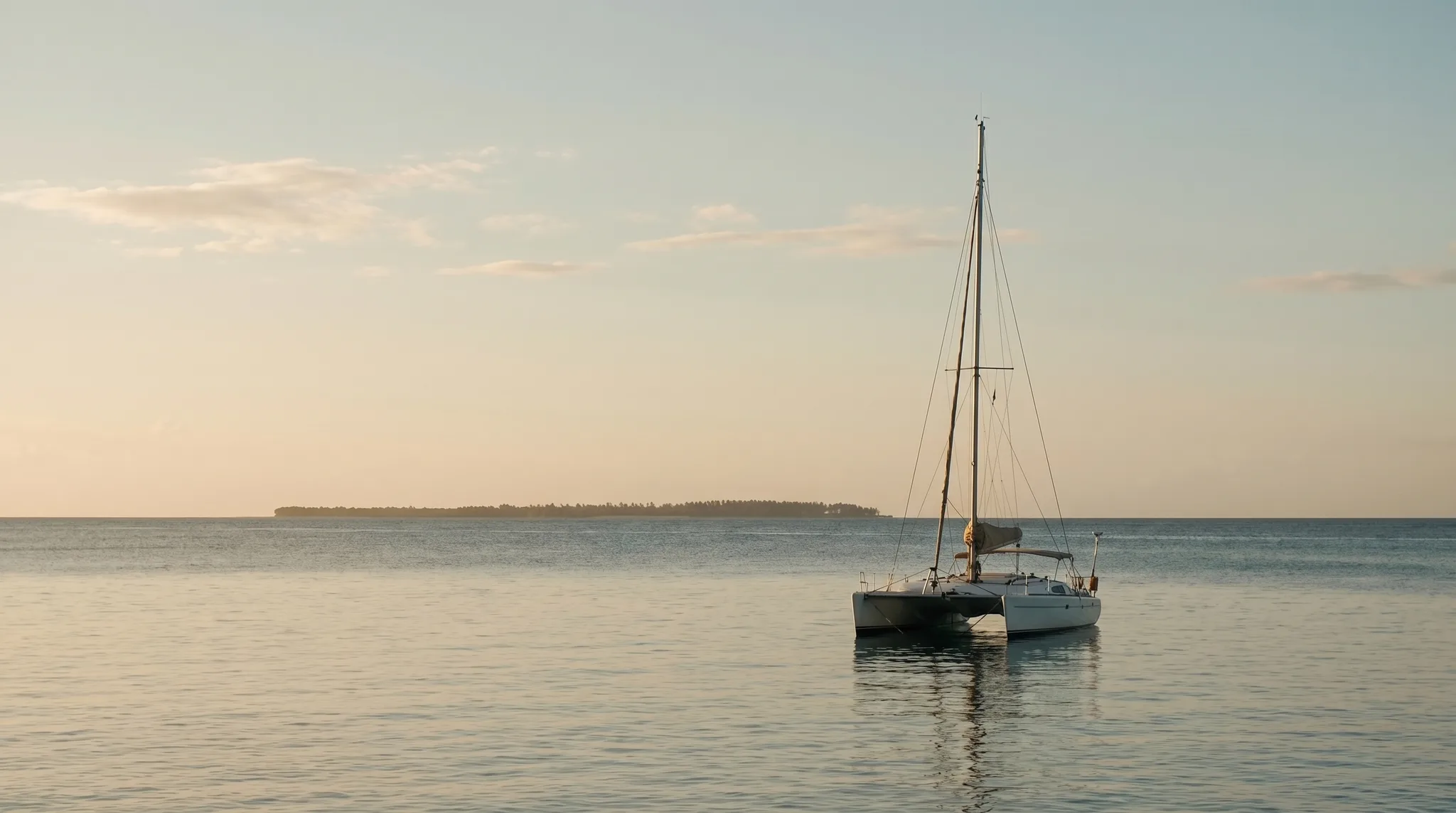
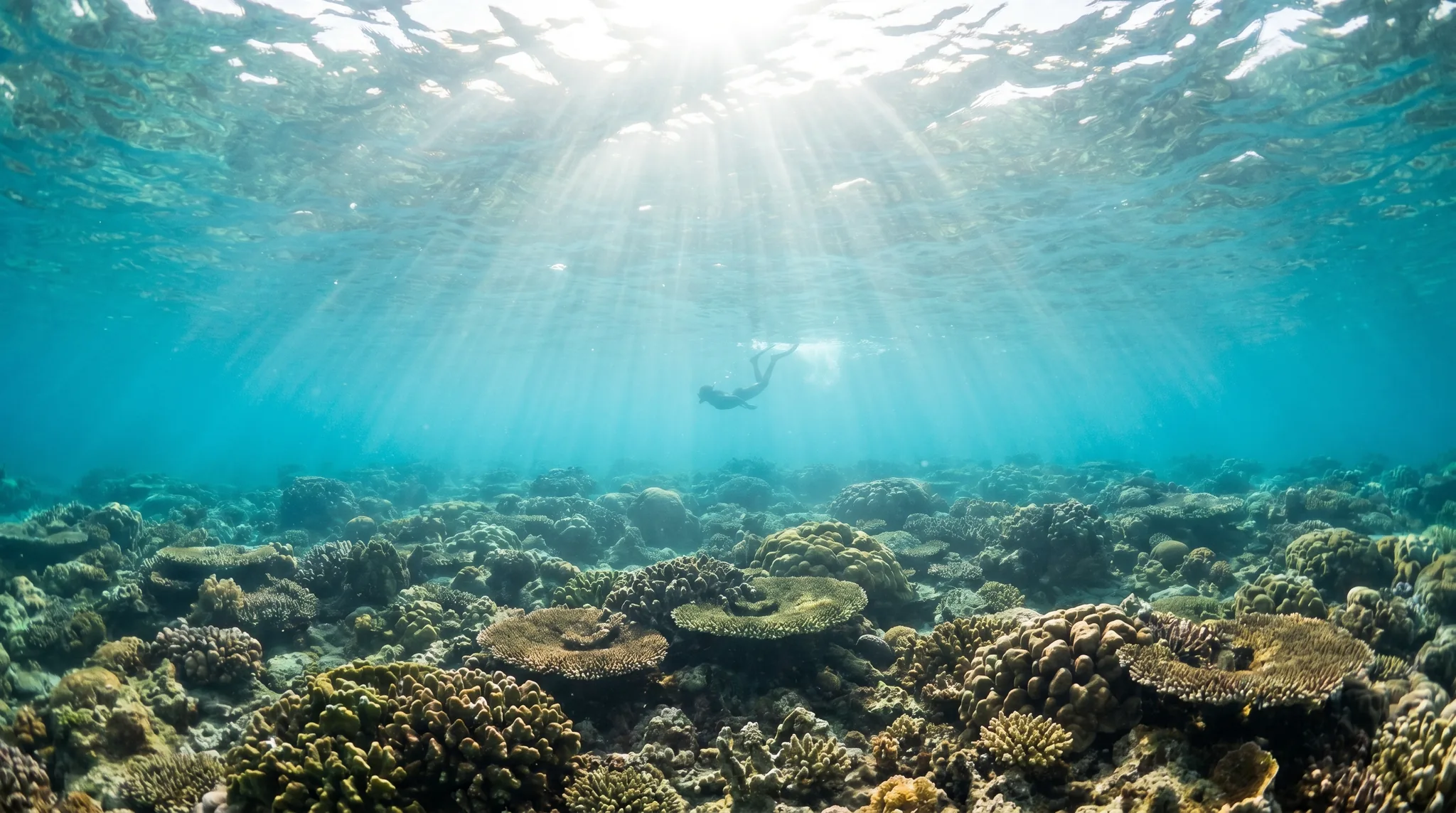
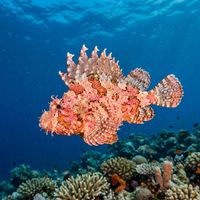
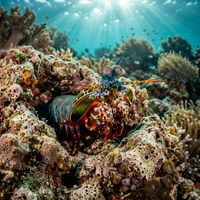
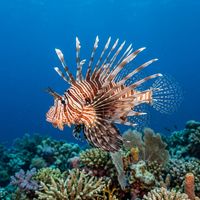
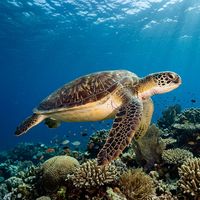
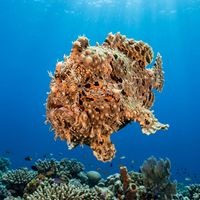
Tanzania's underwater landscape spans three distinct island groups, each with its own character. Zanzibar anchors the region with the greatest concentration of sites, ranging from shallow sanctuary reefs to drifting wall dives. Pemba Island draws more experienced divers to deep walls, strong currents, and dramatic drop-offs such as End of the World and Fundo Gap. Mafia Island rounds out the trio with ancient hard coral formations and calm, shallow sites like Tom's Garden. Across all three areas, cryptic species define the experience: Indian Lionfish and Leaf Scorpionfish are observed at the great majority of sites, while Peacock Mantis Shrimp, Giant Frogfish, and Robust Ghost Pipefish reward attentive divers. Wrasses and Melon Butterflyfish are ever-present on the reef, and Green Sea Turtle sightings are well documented throughout. Water stays warm year-round, with visibility often stretching to impressive distances.
3 areas
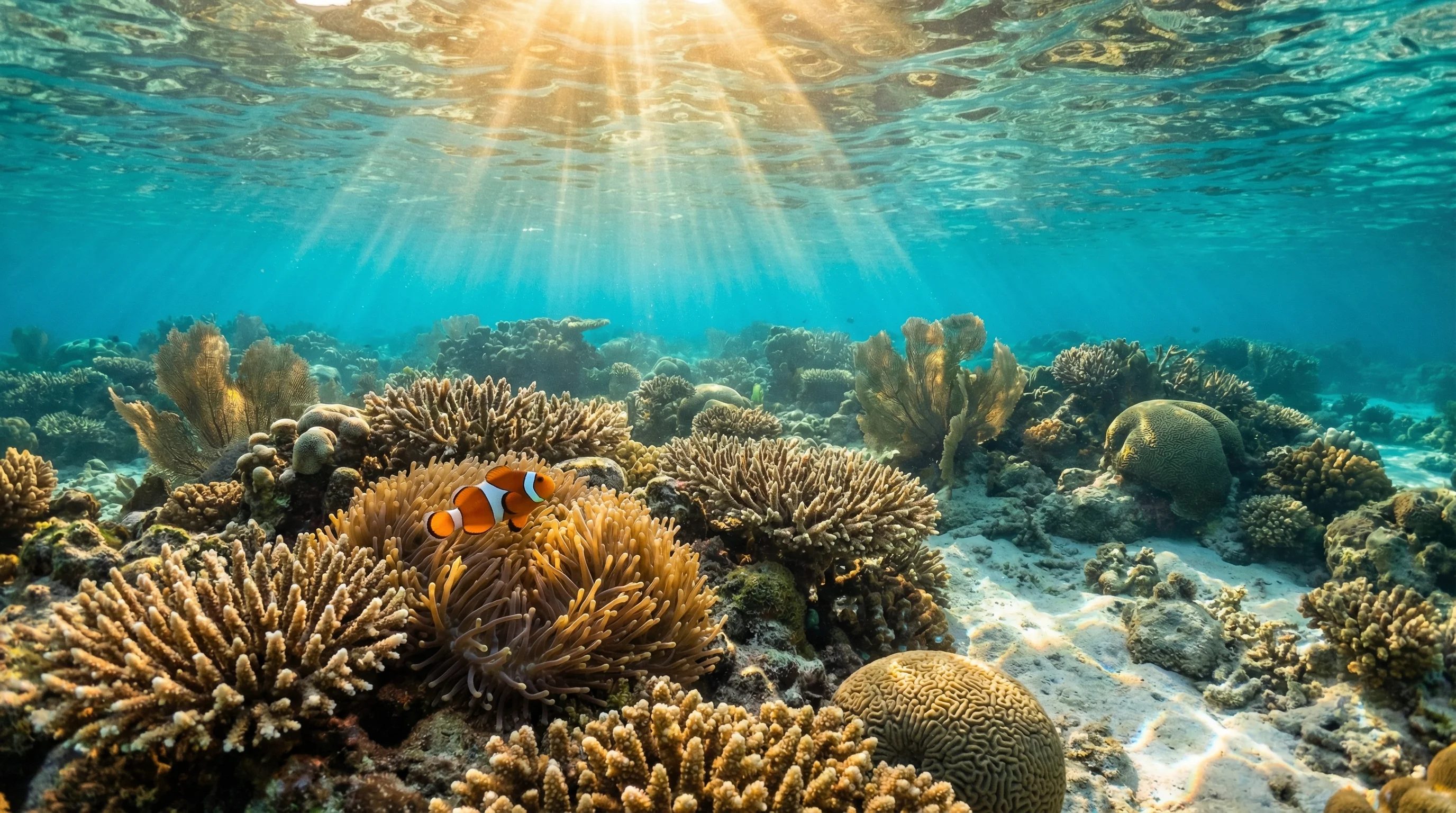 71
71Reef walls, drift dives and a wreck, with Peacock Mantis Shrimp and Green Sea Turtle among the signature residents.
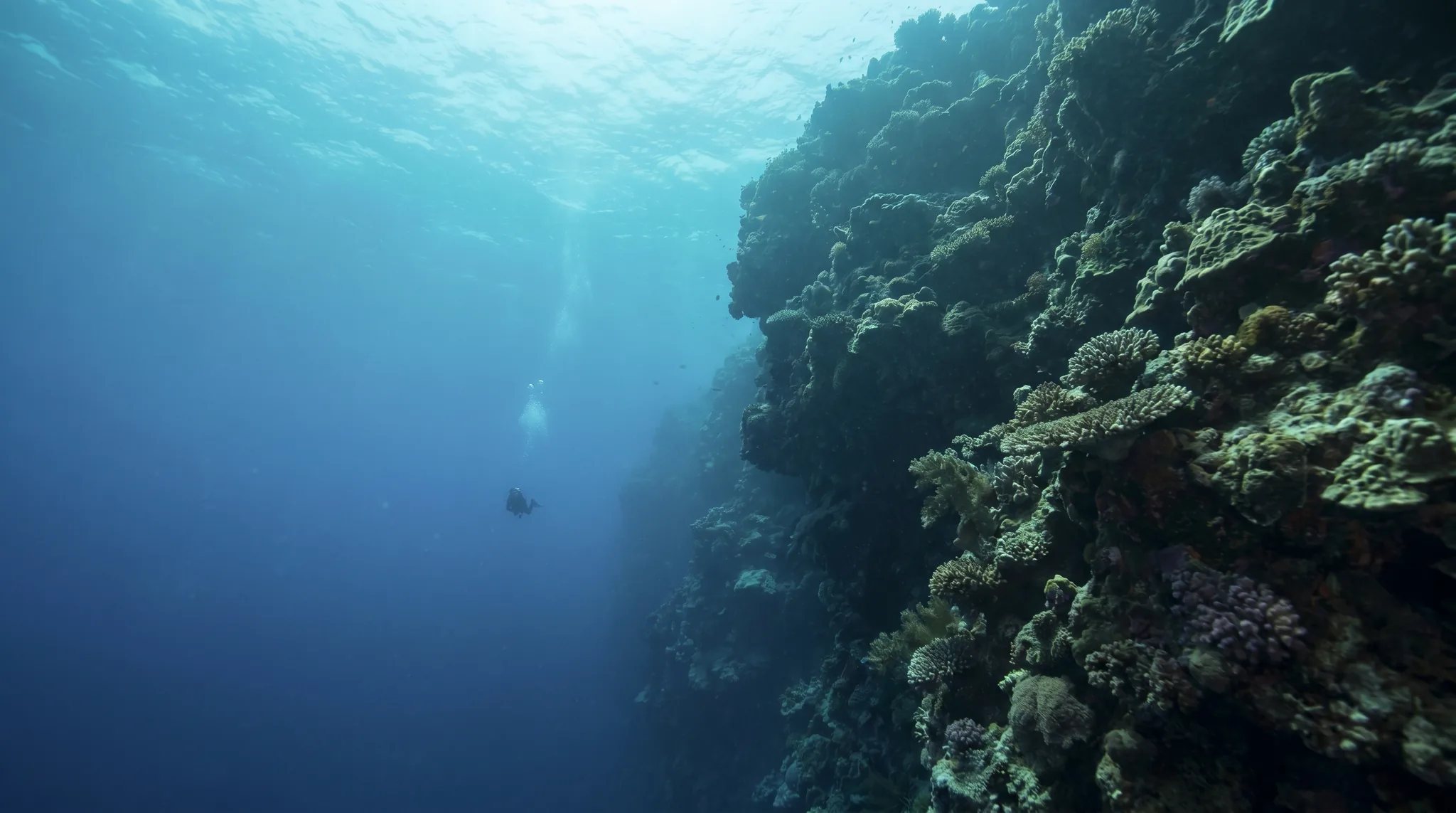 16
16Boat-accessed walls, drift reefs, and muck diving with Leaf Scorpionfish, Napoleon Wrasse, and Grey Reef Shark.
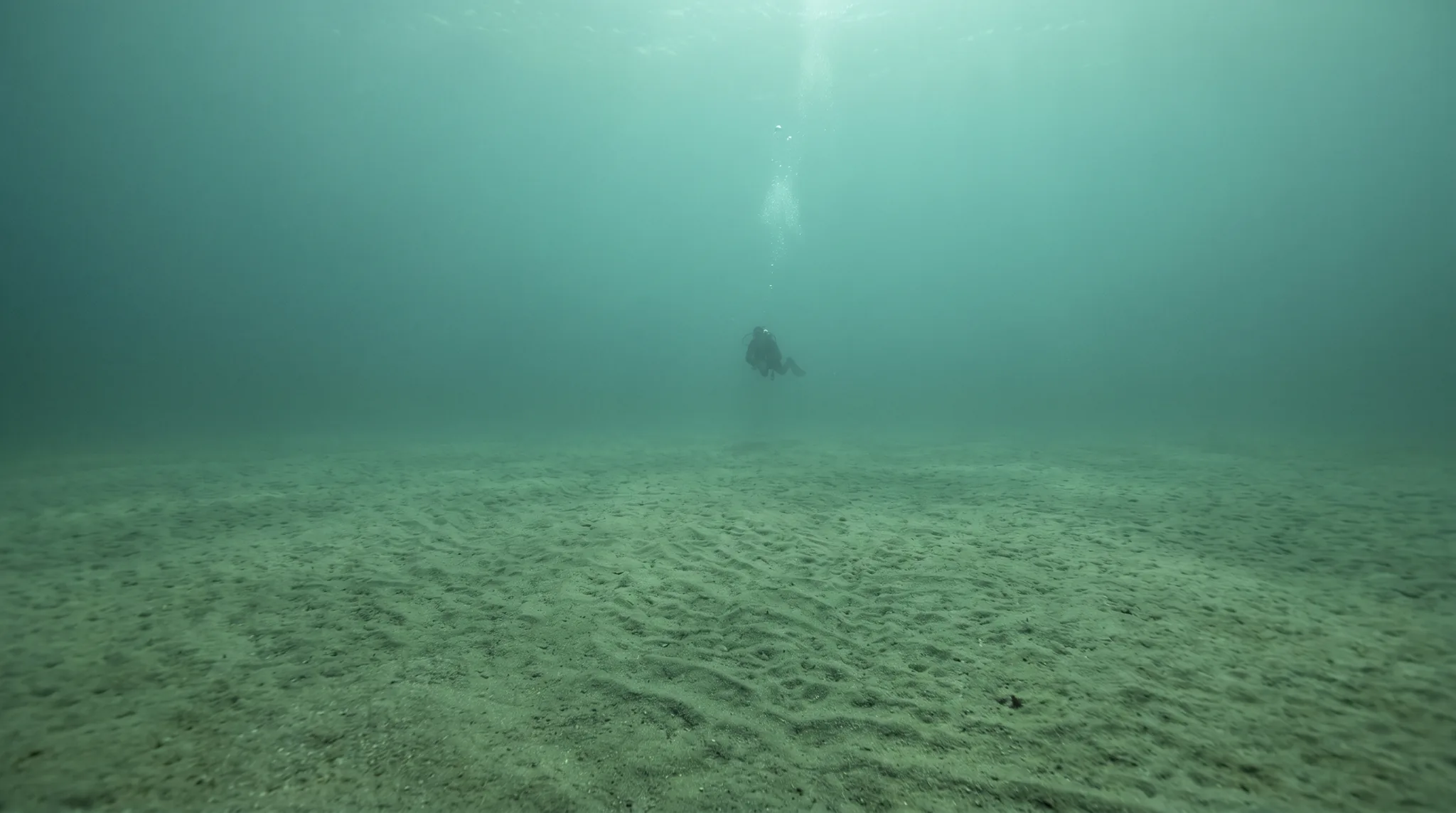 9
9A protected marine park in the Indian Ocean with reef, muck, wall, and drift diving and strong macro life.
Monthly water temperature across Tanzania's sites, from satellite sea-surface data corrected for depth. The band shows the site-to-site spread.
Water temperature remains warm across all months, dipping only slightly during the cooler mid-year period from around June through September before climbing again toward the end of the year. The best-months data points to October, March, and February as peak periods, likely reflecting calmer seas and clearer water after the main rains ease. Pemba Island's exposed sites are particularly sensitive to current and swell, so conditions there reward timing your visit to the drier seasons.
60 operators


Water temperature around Tanzania ranges from about 26°C in July to 29°C in February, based on satellite sea-temperature data for its dive sites.
In the warm season (about 29°C) a rash guard or 3mm shorty is comfortable in Tanzania; in the coldest months (about 26°C) step up to a 3mm full suit.
Fin maps 96 sites in Tanzania (85 scuba diving sites and 20 snorkelling spots, with some suited to both), organised into 3 areas.
Across Tanzania's dive sites, January, February, March, June and October are most often reported as the best months to visit.
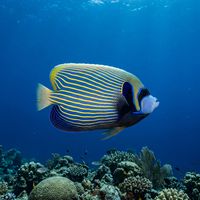
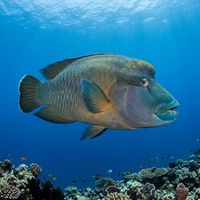
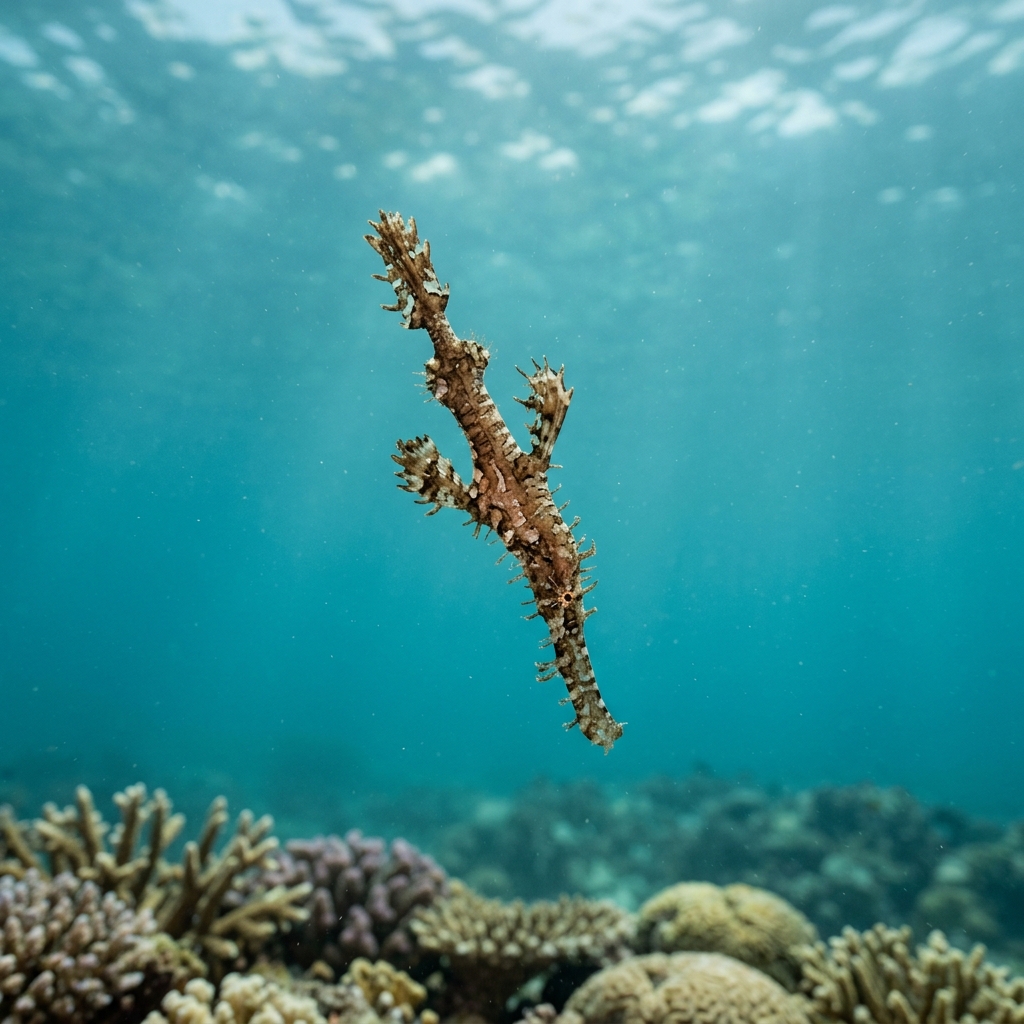
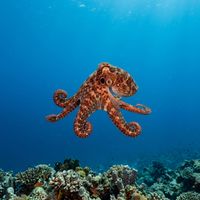
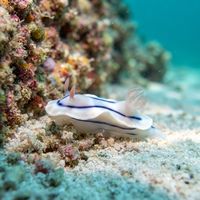
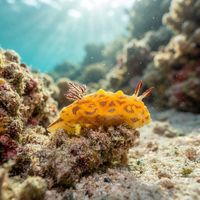
Observed species across Tanzania's sites include Indian Lionfish, Leaf Scorpionfish, Peacock Mantis Shrimp, and multiple nudibranch species such as the Chromodoris Nudibranch and Nembrotha Nudibranch. Green Sea Turtle, Napoleon Wrasse, and Robust Ghost Pipefish are among the signature sightings, while Day Octopus, Crocodilefish, and Bluespotted Fantail Ray appear with some regularity. Wrasses and Melon Butterflyfish are common across nearly all sites, and the Giant Frogfish is an occasional but well-documented find.
Yes, a good portion of Tanzania's sites are rated for beginners, including Chumbe Reef Sanctuary, Aquarium, Mandela Wall, and Milimani South. These sites are generally shallow or moderate in depth and introduce new divers to healthy reef environments without strong currents. More advanced sites, particularly on Pemba Island such as Fundo Gap and End of the World, involve strong currents and significant depth and are better suited to experienced divers.
Zanzibar has the largest number of sites and covers the widest range of skill levels, from protected sanctuary reefs to wall dives along its northern and western coasts. Pemba Island is the destination for divers seeking depth and current, with sites that drop steeply and demand solid buoyancy control. Mafia Island has fewer sites but is known for ancient hard coral structures and calm, approachable conditions at places like Tom's Garden and Milimani South.
The majority of sites across Tanzania are reached by boat, including all of Pemba Island's sites and most of those around Zanzibar and Mafia Island. A smaller number of sites, such as Chumbe Reef Sanctuary, Muyuni Plate Corals, and Leon's Wall, allow shore entry. Operators including Zanzibar Dive, ScubaReef Zanzibar, and Fun Divers Zanzibar run boat trips to the main sites, and there are numerous operators based across the region to choose from.