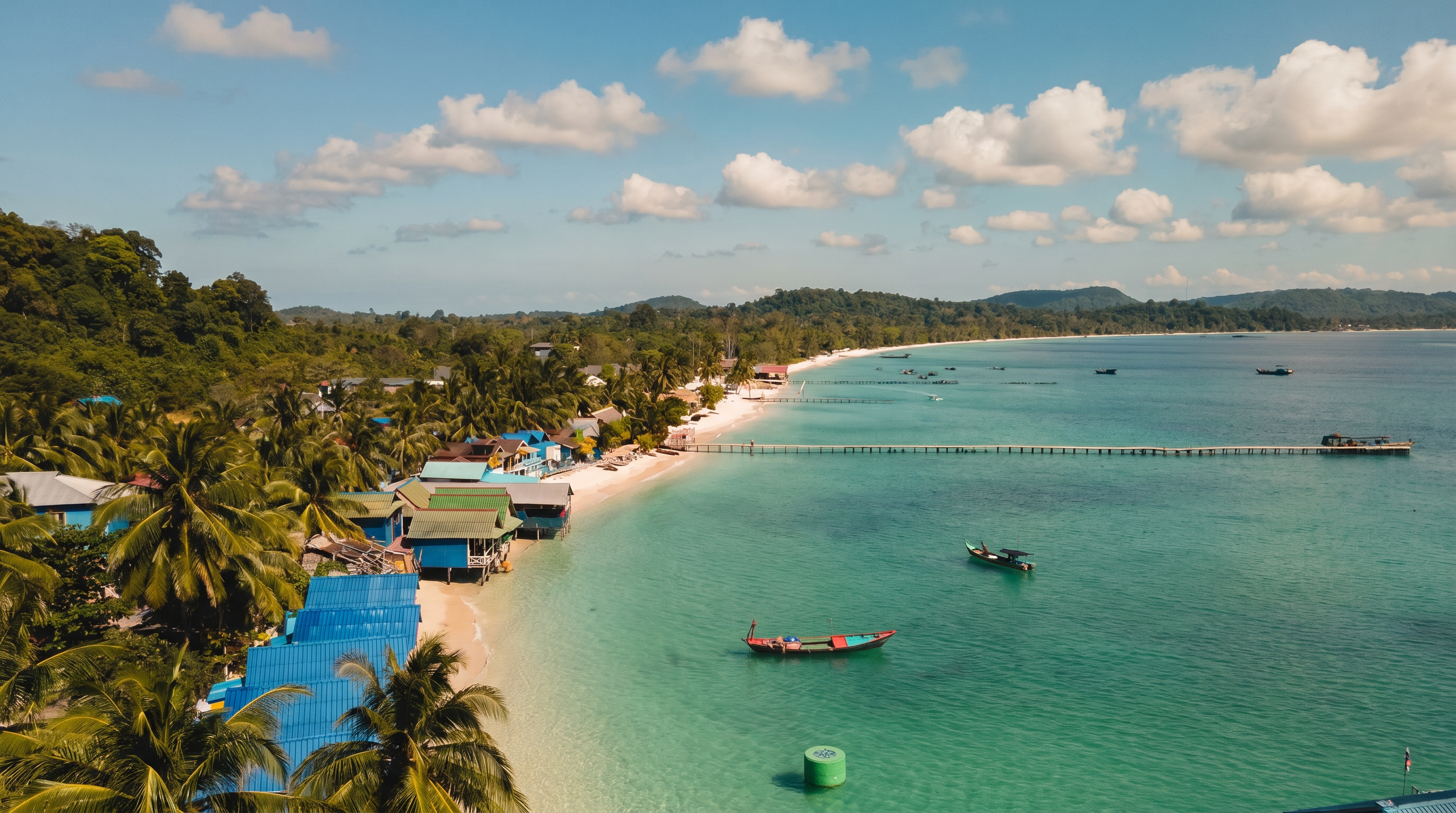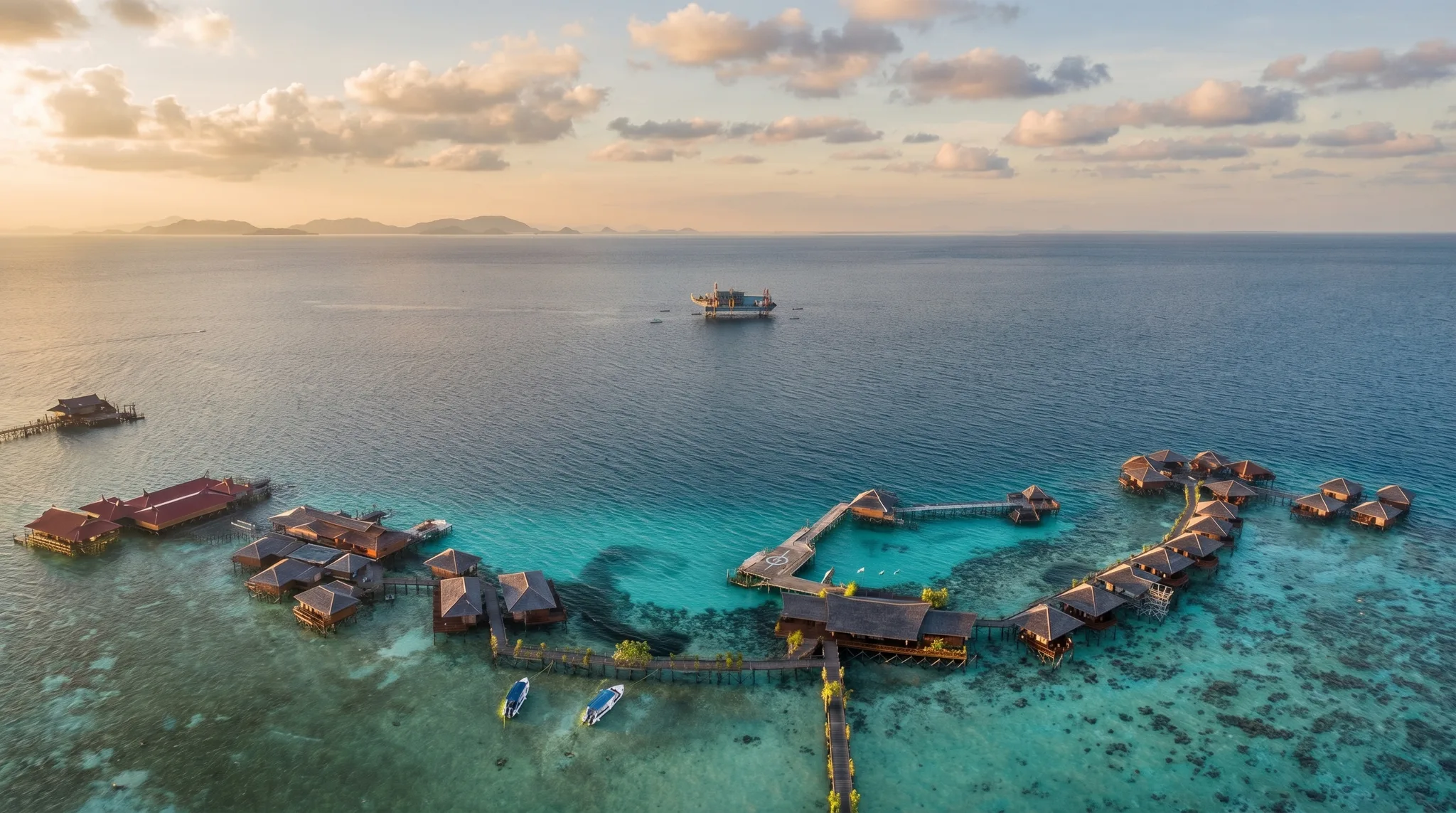
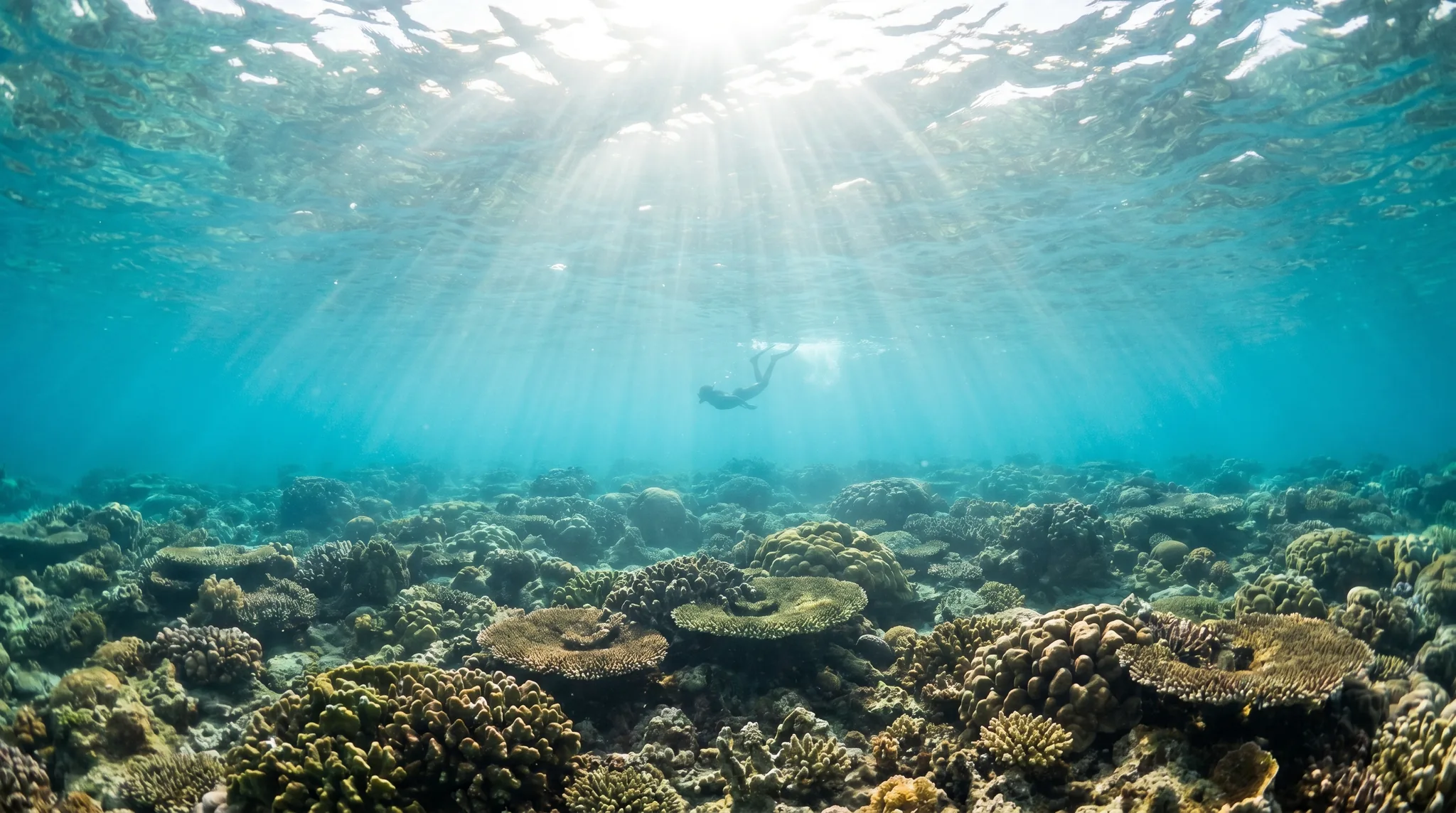
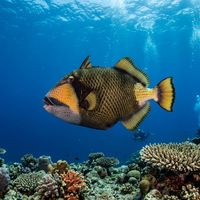
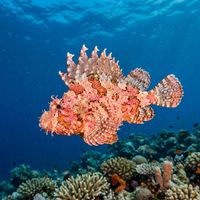
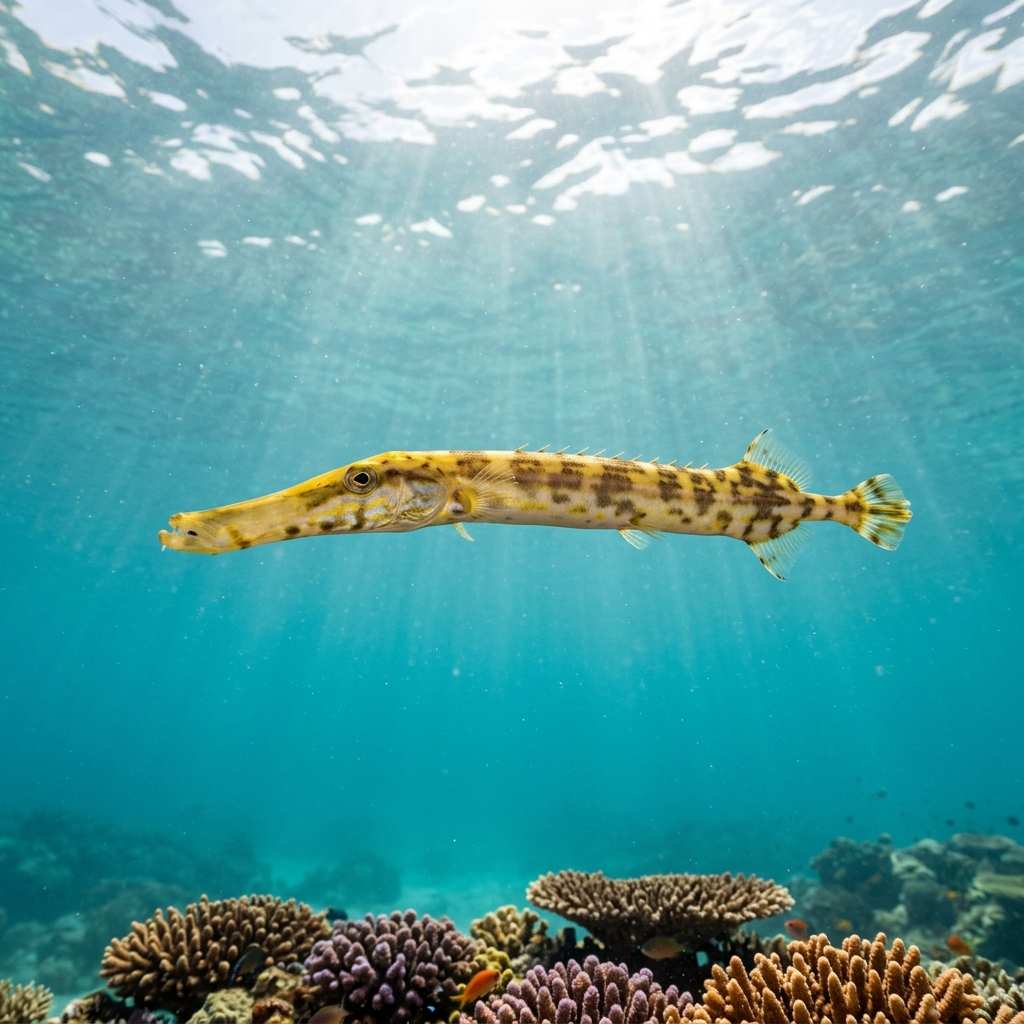
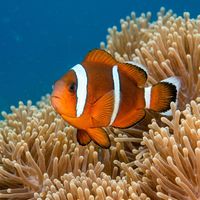
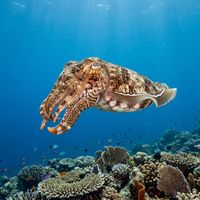
Vietnam's diving is spread across four distinct sub-areas: Nha Trang, Phu Quoc, Con Dao, and the Cham Islands. Reef diving dominates the site mix, but Nha Trang alone offers walls, pinnacles, drift dives, cave systems, and even an artificial reef at Cemetery Bay. Sites like Electric Nose push into advanced territory with deep pinnacle topography, while the majority of the country's sites are rated for beginners, making Vietnam accessible to a wide range of experience levels. Nearly all access is by boat. Marine life across the region is rich and observation-backed: the Flagtail Triggerfish, Moorish Idol, and Pacific Trumpetfish appear at almost every site, while the Chromodoris Nudibranch, Broadclub Cuttlefish, Leaf Scorpionfish, and Green Sea Turtle are signature encounters. Water stays warm throughout the year, peaking from late spring through autumn.
4 areas
 22
22Island reef diving with strong macro life, beginner-friendly sites, and a dedicated advanced pinnacle and wall circuit.
15Boat-access coral reefs across two island clusters, strong on beginner diving and reef critters including Seahorse and Frogfish.
10Reef diving in Vietnam with resident Green Sea Turtle on every site and occasional Whale Shark encounters.
6Monthly water temperature across Vietnam's sites, from satellite sea-surface data corrected for depth. The band shows the site-to-site spread.
Water temperatures stay warm across all months, rising to their highest from late spring through October and easing slightly over the cooler months of January and February. The best-months data points strongly to March through August as peak season, with April standing out as the most favoured month. October sees a notable dip in conditions, likely reflecting regional weather patterns, so divers planning around visibility should lean toward the spring and early summer window.


65 operators
Reef sites off Hoi An in the East Sea, spanning shallow coral gardens accessible to beginners and intermediate divers year-round.
Water temperature around Vietnam ranges from about 25°C in January to 29°C in May, based on satellite sea-temperature data for its dive sites.
In the warm season (about 29°C) a rash guard or 3mm shorty is comfortable in Vietnam; in the coldest months (about 25°C) step up to a 3mm full suit.
Fin maps 53 sites in Vietnam (53 scuba diving sites and 7 snorkelling spots, with some suited to both), organised into 4 areas.
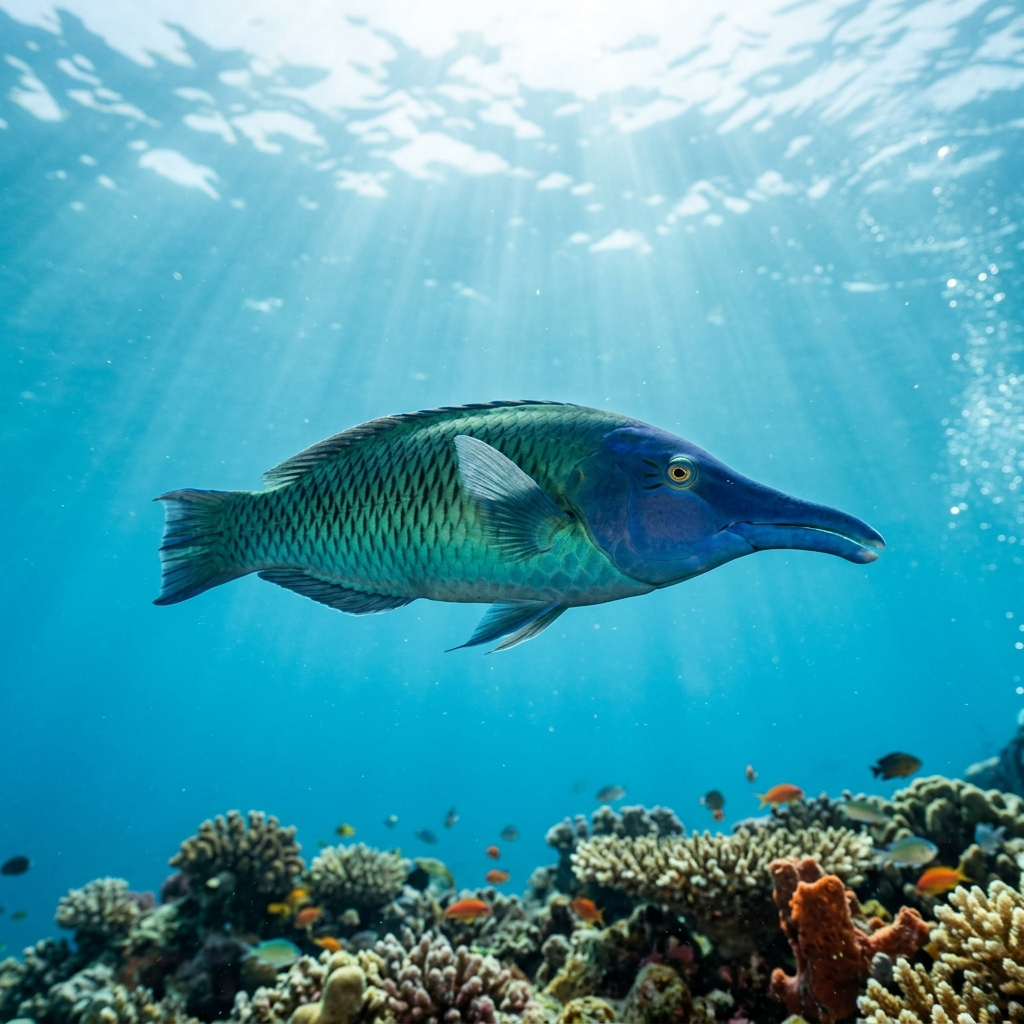
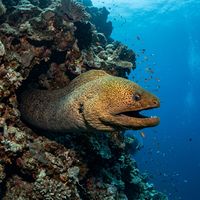
Observation-backed sightings cover a wide range of species across Vietnam's sites. The Flagtail Triggerfish, Moorish Idol, and Pacific Trumpetfish are encountered at almost every site, while the Chromodoris Nudibranch, Varicose Wart Slug, and multiple pufferfish species are very common. Signature encounters include the Green Sea Turtle, Broadclub Cuttlefish, Leaf Scorpionfish, Zebra Lionfish, and Giant Moray.
The majority of Vietnam's dive sites are rated for beginners, with shallow to moderate reef dives available in all four sub-areas. Sites such as Rainbow Reef, Mama Hanh Beach, and Whale Island Housereef offer gentle entry conditions and manageable depths. Advanced sites like Electric Nose, which features deep pinnacle and wall topography, are also available for more experienced divers looking for a greater challenge.
Nha Trang is the largest sub-area by site count and offers the greatest variety of site types, including walls, caves, drift dives, pinnacles, and an artificial reef. The Cham Islands focus on reef slopes with mild currents and are well suited to beginner and intermediate divers. Phu Quoc, in the south, has a solid concentration of reef sites accessed via the An Thoi Archipelago. Con Dao rounds out the four with a smaller but dedicated set of sites.
Almost all of Vietnam's dive sites require a boat to reach, with shore entry available at only a small number of sites such as Whale Island Housereef and Cemetery Bay. A wide range of dive operators serve the region, including Rainbow Divers, Nha Trang Diving Club, Amadive Phu Quoc Dive Center, Sasa Eco Diving, and Angel Dive Center, among others. Operators are spread across the main sub-areas, so it is straightforward to find local support wherever you base yourself.