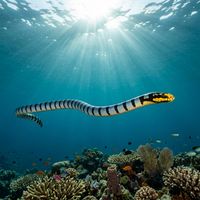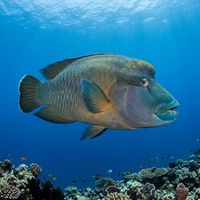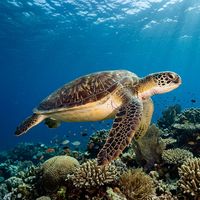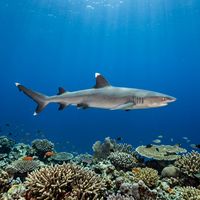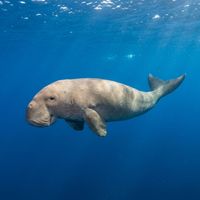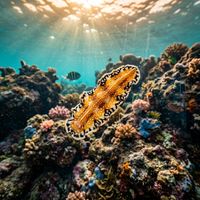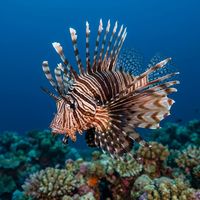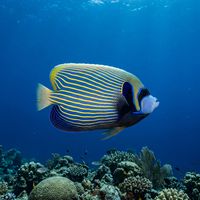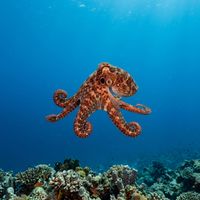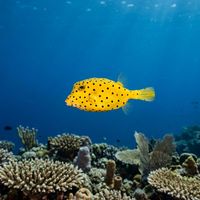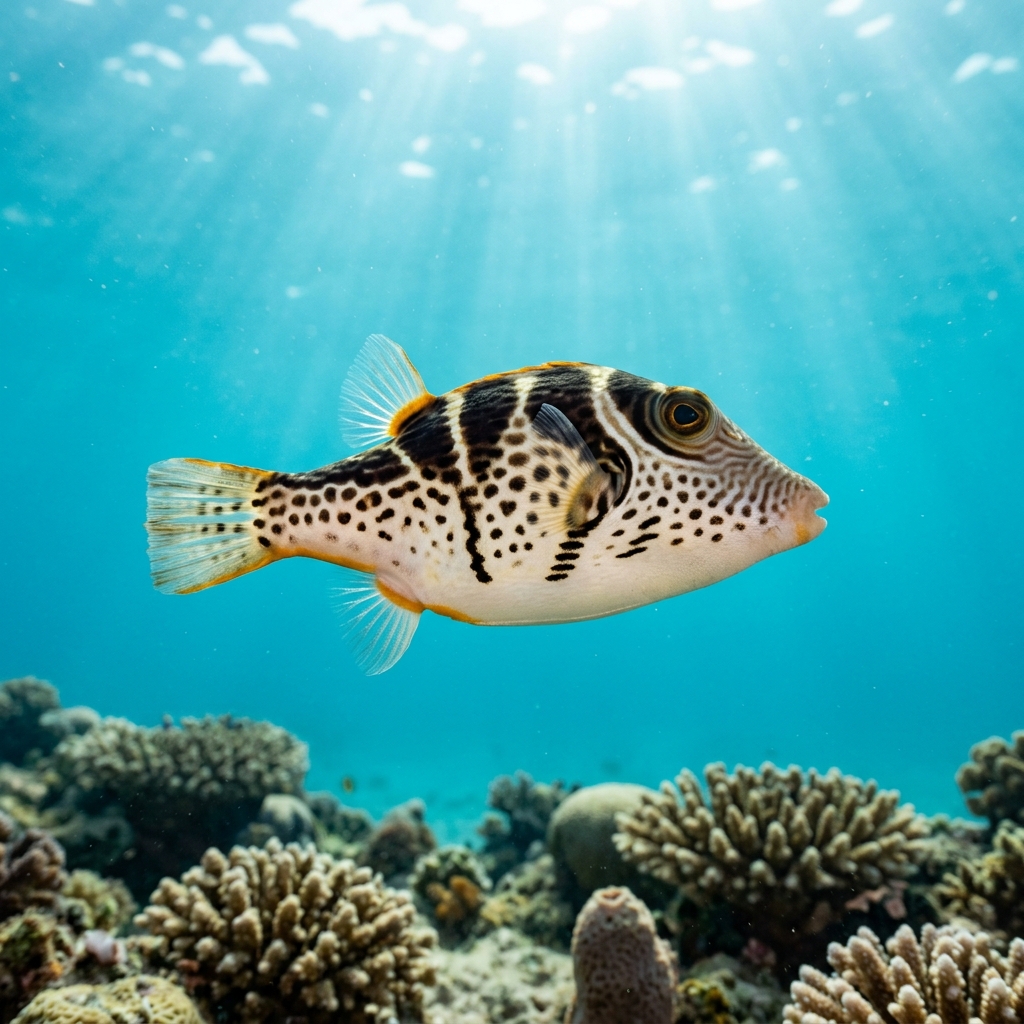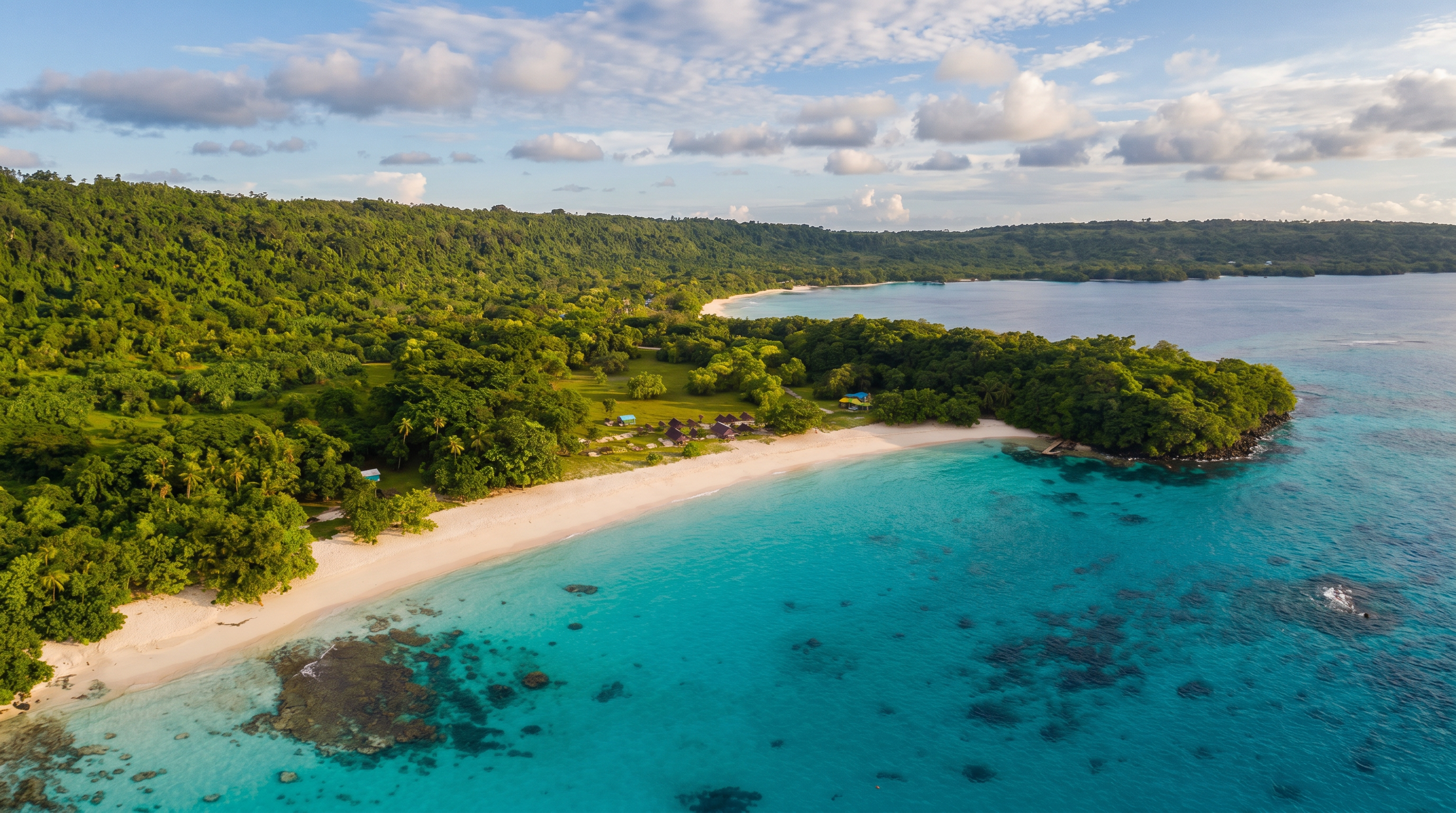
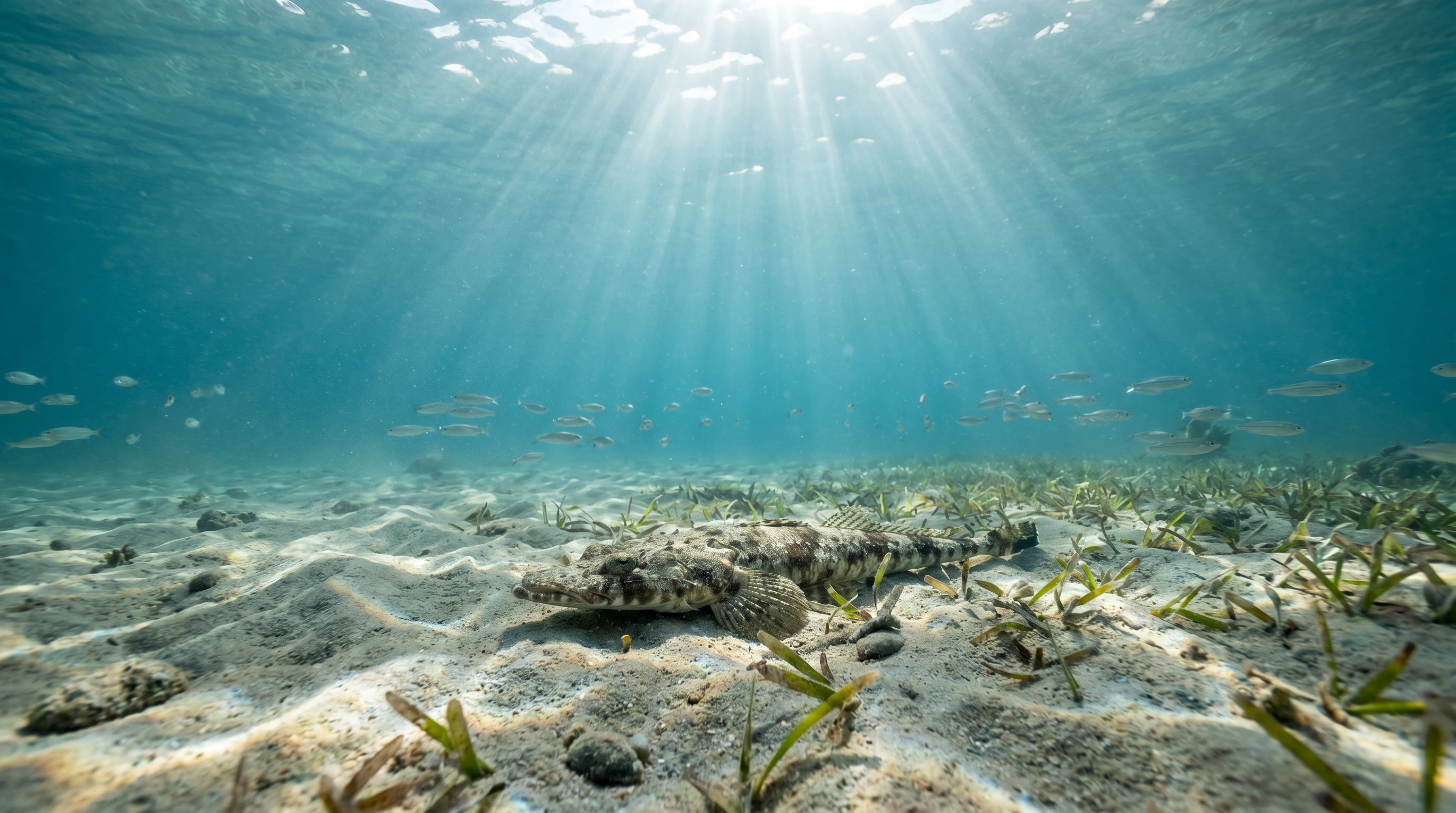
New Caledonia offers a varied underwater landscape spread across five distinct sub-areas, from the busy dive hub of Nouméa to the remote walls and caves of Hienghène and the sheltered reef pools of Île des Pins. Site types range from shallow seagrass beds and natural pools suited to beginners through to deep drift walls and cavern systems that demand advanced skills. The region's signature species set it apart: Sea Krait is a common sight across many sites, Dugong graze the seagrass, and Napoleon Wrasse appear occasionally alongside Whitetip Reef Shark and Grey Reef Shark. The Loyalty Islands add a handful of accessible reef sites, while Bourail and Île des Pins contribute caves and canyon topography. Visibility varies widely depending on season and exposure, rewarding those who time their visit well.
5 areas
 32
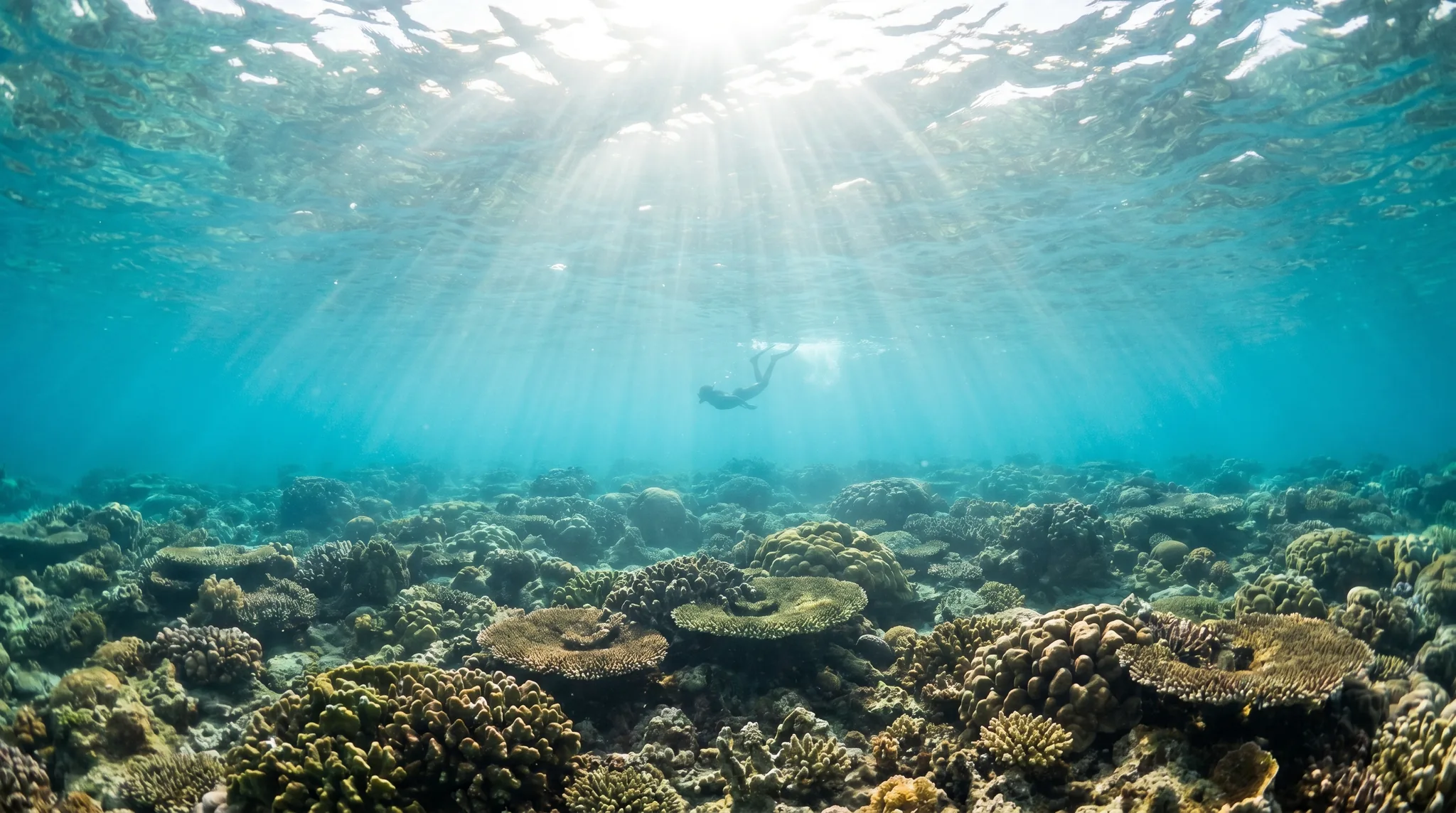
32Reef passages, wrecks, and seagrass beds with Sea Krait, Napoleon Wrasse, and Whitetip Reef Shark regularly observed.
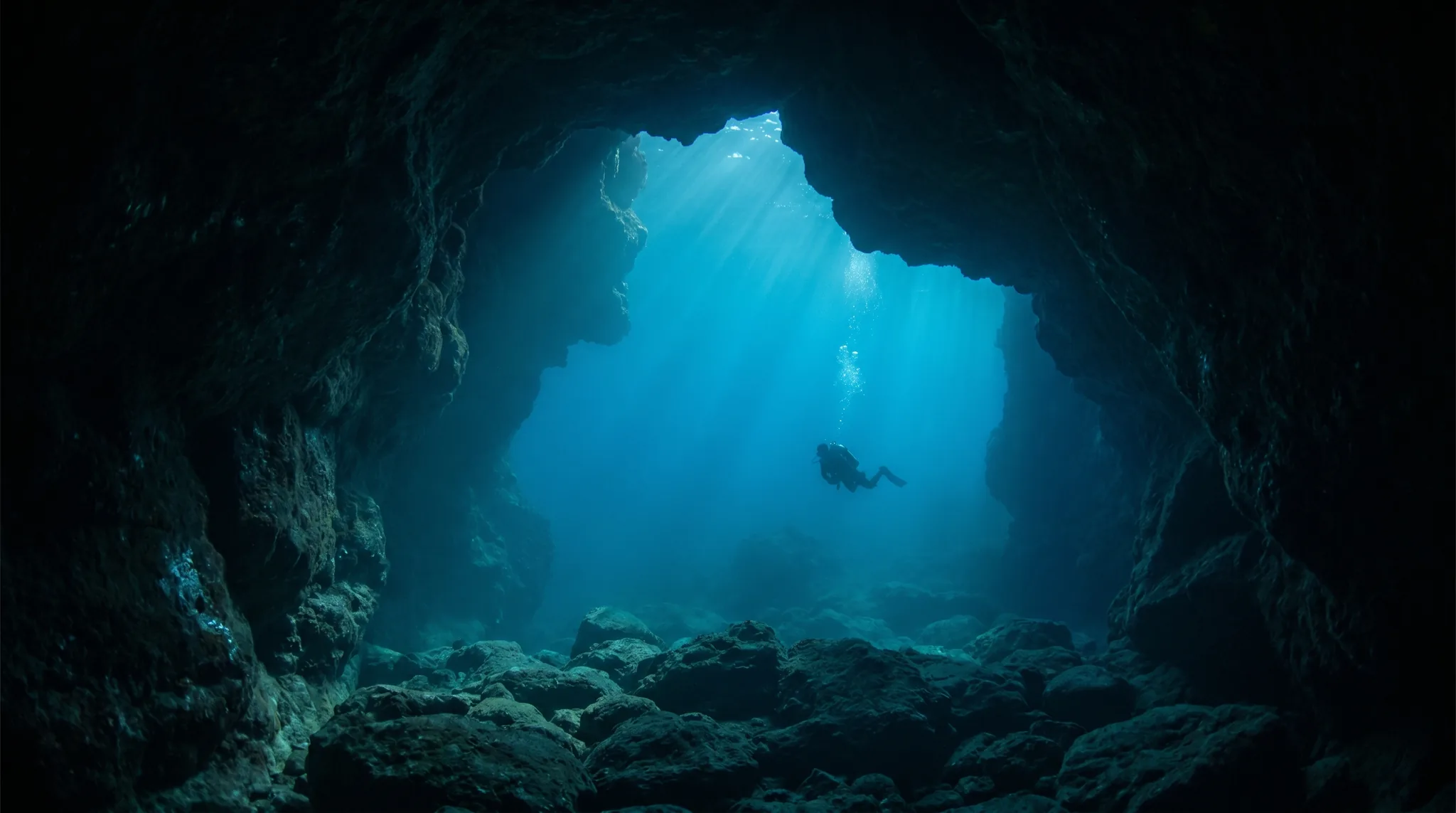
16Reef caves, canyons and drop-offs with reef sharks, Ribbon Eel and Green Sea Turtle observed across dive sites.
 13
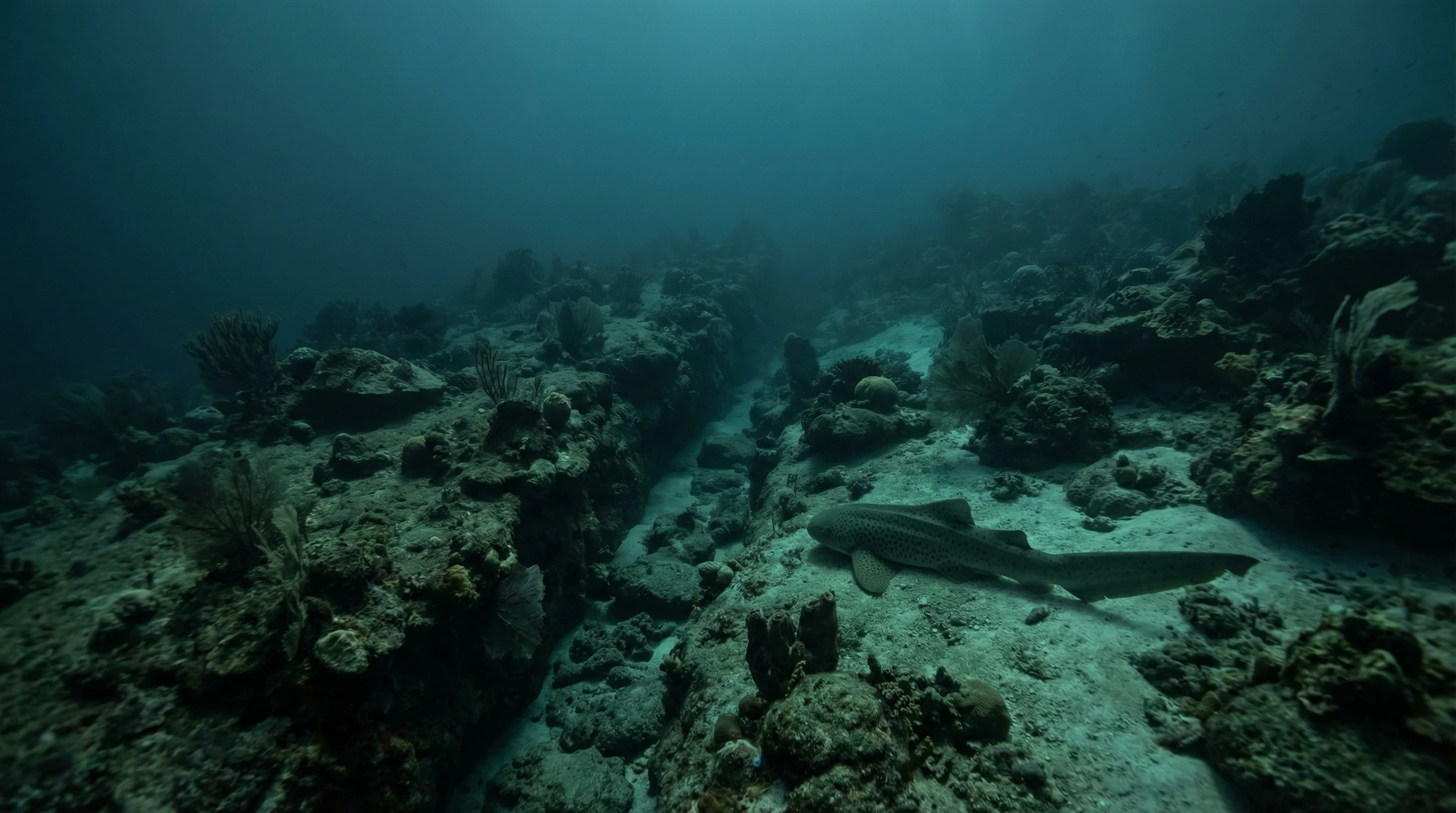
13Two contrasting zones: sheltered snorkel bays around Kuto and cave-filled northern reefs for divers chasing walls, drop-offs and Grey Reef Shark.
 10
10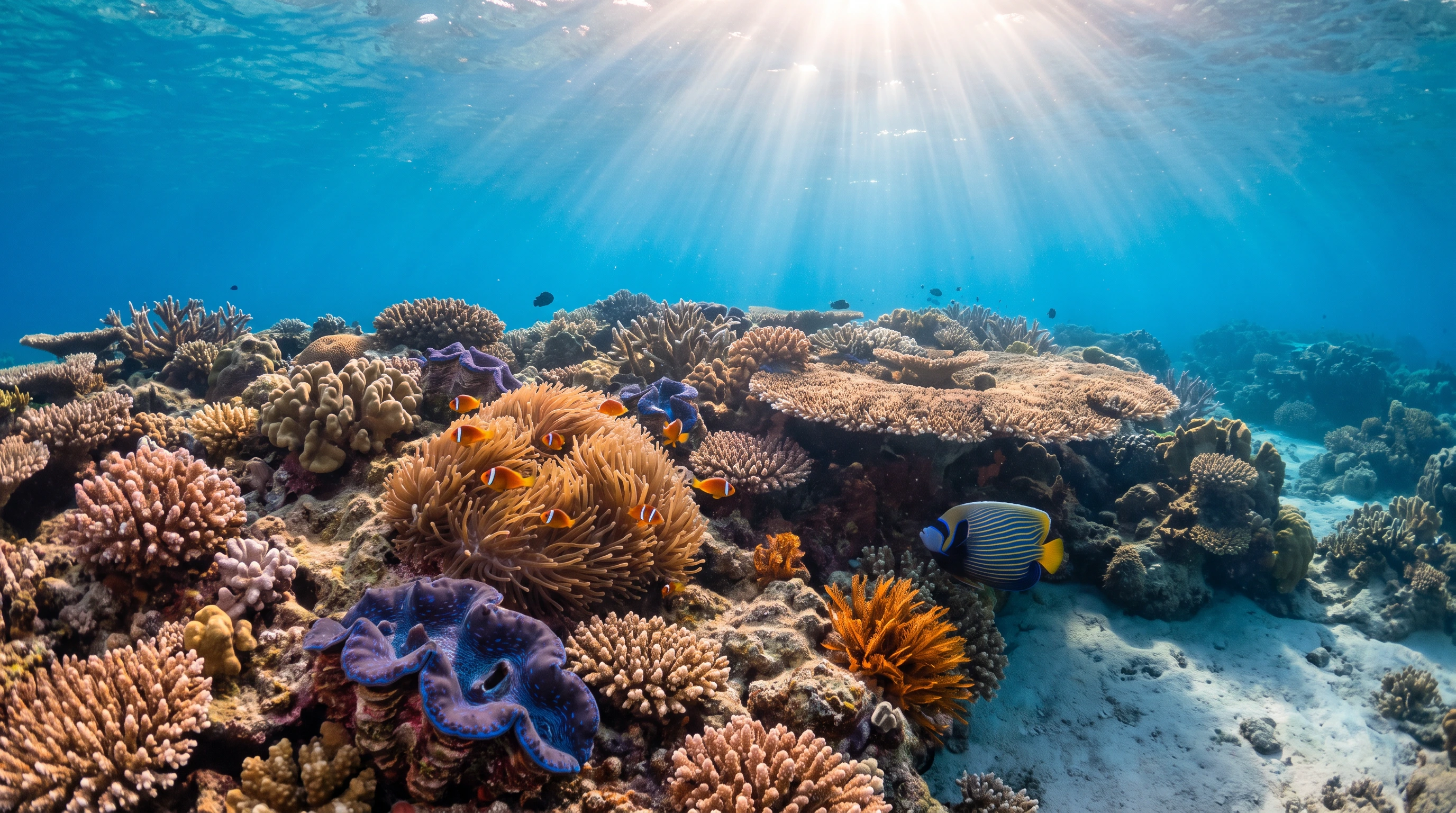
Monthly water temperature across New Caledonia's sites, from satellite sea-surface data corrected for depth. The band shows the site-to-site spread.
Water temperatures peak through the southern summer months and ease to their coolest in the cooler dry season, when visibility tends to be at its best and diver activity is highest according to the data. The peak period for dives runs from mid-year through to early spring, reflecting calmer conditions and clearer water. Sites range from sheltered shallow reefs accessible in most conditions to exposed deep walls where current and surge can be significant.
44 operators
New Caledonia
Hienghene, New Caledonia
Deep walls, caverns and drift sites with Dugong, Sea Krait and multiple shark species observed across the lagoon.
Water temperature around New Caledonia ranges from about 23°C in July to 27°C in January, based on satellite sea-temperature data for its dive sites.
In the warm season (about 27°C) a rash guard or 3mm shorty is comfortable in New Caledonia; in the coldest months (about 23°C) step up to a 3mm full suit.
Fin maps 76 sites in New Caledonia (56 scuba diving sites and 28 snorkelling spots, with some suited to both), organised into 5 areas.
Observed species include Whitetip Reef Shark and Grey Reef Shark, which appear regularly across reef and wall sites. Napoleon Wrasse and Green Sea Turtle are occasional highlights, while Dugong have been recorded at seagrass sites. Sea Krait is one of the most commonly seen species across the region.
The region caters to a wide range of experience levels. Beginner-rated sites such as Plage De Moara and Baie De Jinek offer shallow reef dives with straightforward conditions. Intermediate divers have options including drift and artificial reef sites near Nouméa, while advanced divers can tackle deep walls and cave systems such as Faille Shark and Grotte de la Troisième.
Nouméa has the largest concentration of sites and the most dive operators, making it the practical base for most visitors. Île des Pins is known for sheltered snorkelling bays and cave diving, while Hienghène offers wall and drop-off sites including Faille de Noupaa. Bourail adds cave and canyon topography, and the Loyalty Islands contribute accessible reef sites like Baie De Jinek, which can be reached directly from shore.
Both entry types are well represented across New Caledonia. Shore entries are available at several Nouméa sites, at cave sites near Île des Pins, and at snorkelling spots such as Kanumera Bay and La Piscine Naturelle. Deeper or more remote sites, including Corne de Tenia and Grottes de Gadji, require boat access and are typically reached through one of the region's operators.