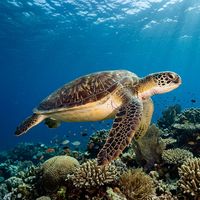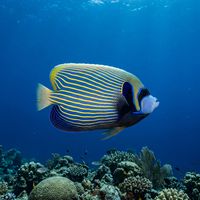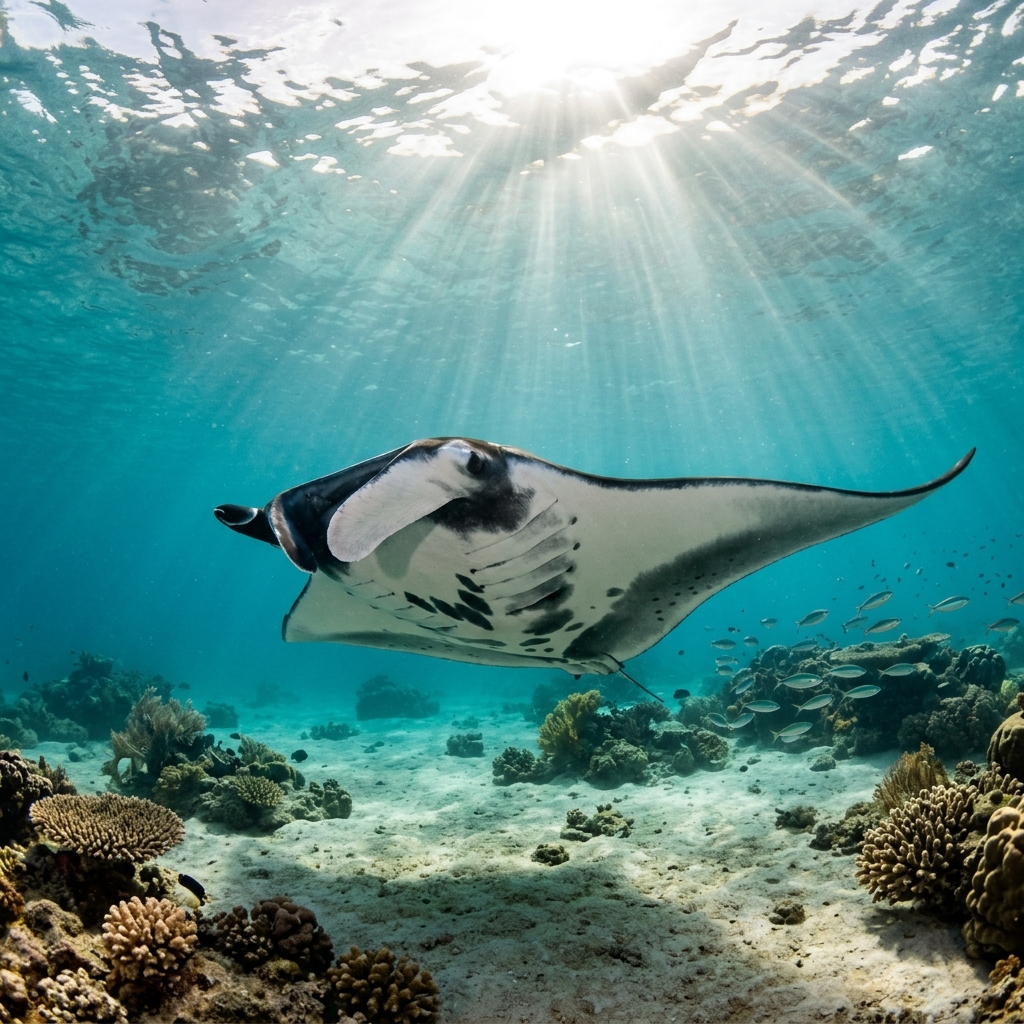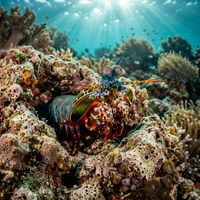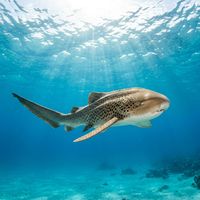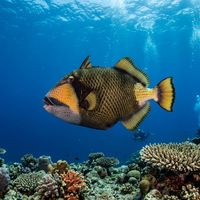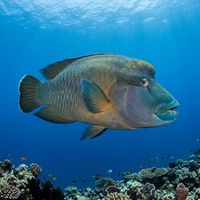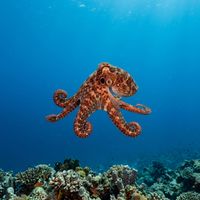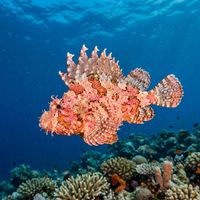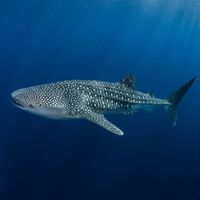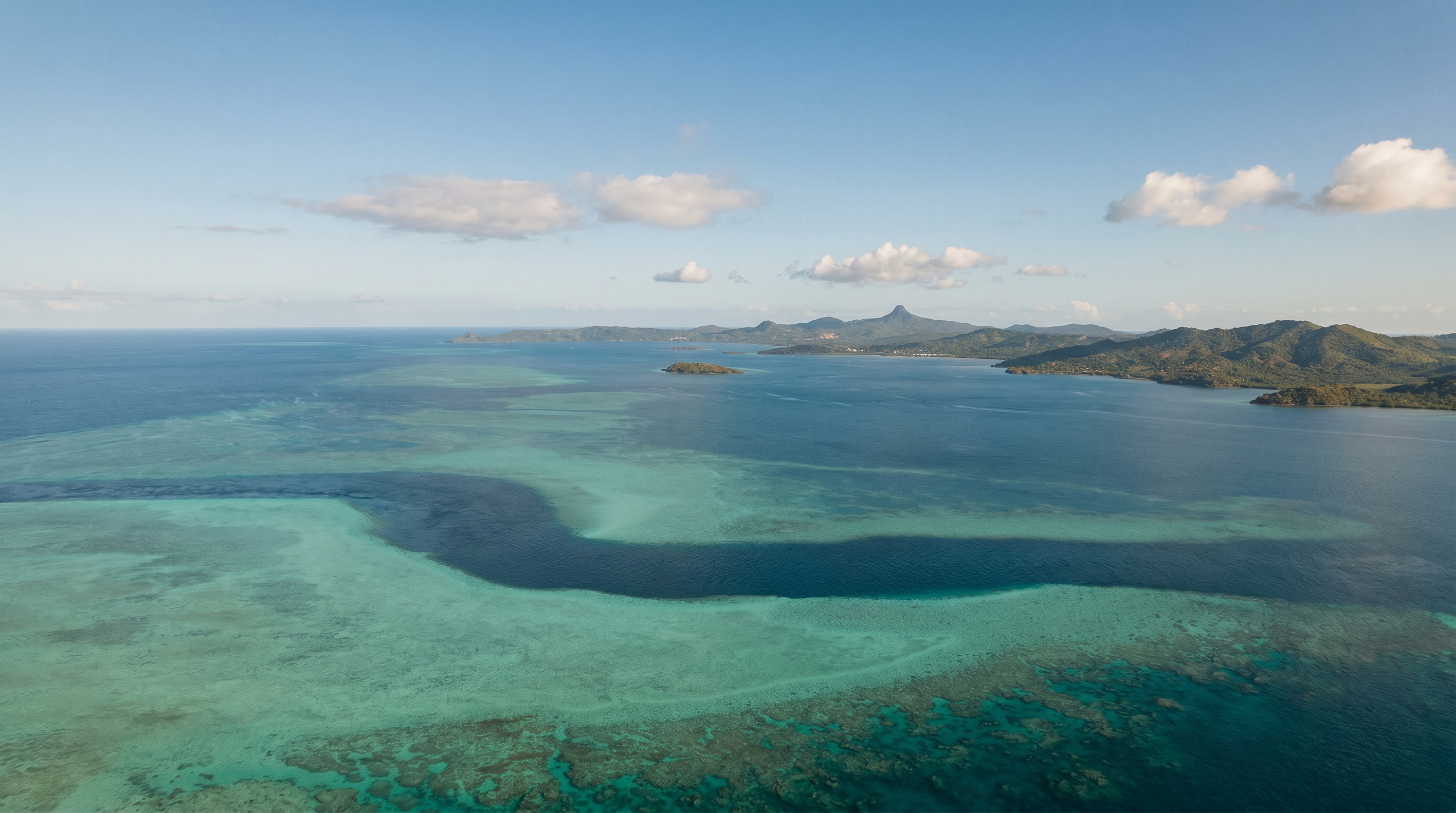
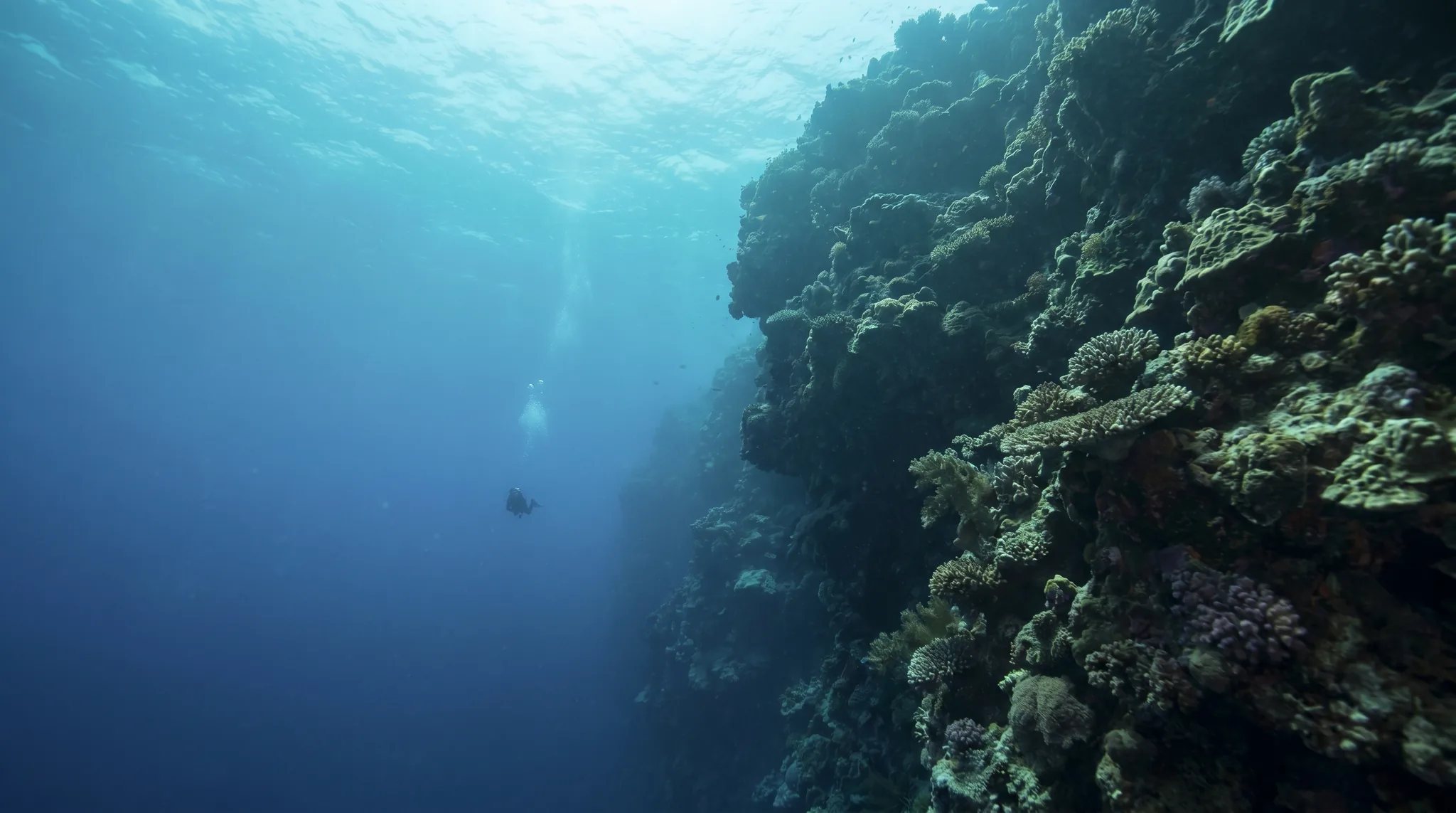
Madagascar's diving is defined by the contrast between its sub-areas and the extraordinary breadth of life across its reefs. Nosy Be holds the great majority of sites, offering everything from shallow beginner reefs at Nosy Kisimamy to the deep walls, pinnacles and canyons of Grand Banc and Greg's Wall. Toliara adds reef and cave diving at sites such as Nosy Satrana, while the Radama Archipelago delivers drift and wall diving at Banco Rosario and Atnam. Diego-Suarez and the East Coast extend the geography further. Green Sea Turtle and Longfin Bannerfish are encountered across almost every site. Reef Manta Ray, Zebra Shark, Napoleon Wrasse and Peacock Mantis Shrimp are consistently observed, and Whale Shark appears on occasion. The site mix runs from gentle coral gardens for beginners to complex multi-terrain dives for advanced divers.
4 areas
 33
33A varied dive destination off Madagascar, known for deep walls, reef systems and reliable Green Sea Turtle sightings across sites suited to all levels.
 8
8Barrier reef diving on Madagascar's southwest coast, with drift, wall, and cave sites and strong macro life.
2Reef and drop-off diving at Madagascar's northern tip, with low diver traffic and warm water for most of the year.
2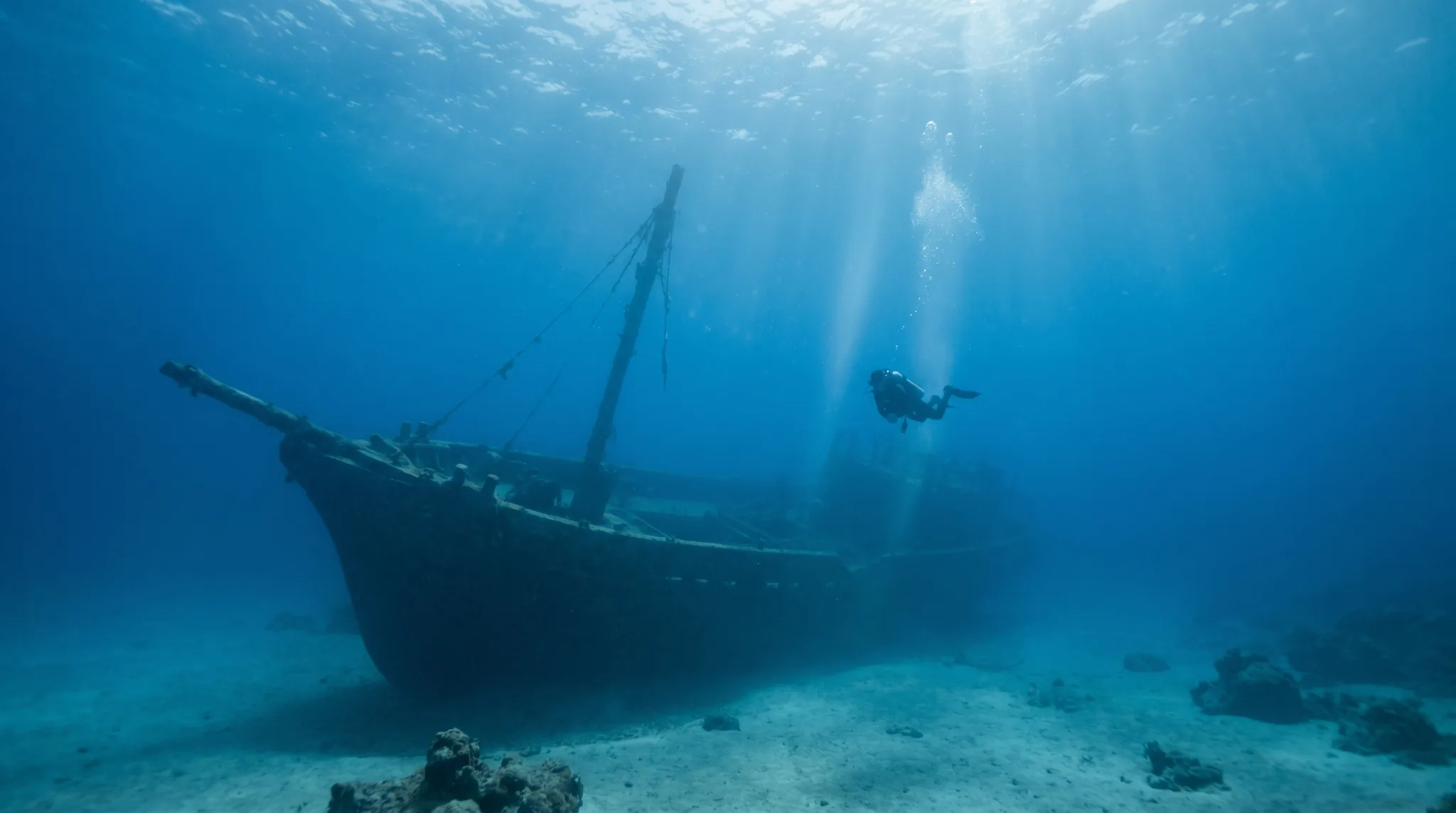
Madagascar covers a wide stretch of coastline, so conditions vary by area. The band below shows the spread across its sites through the year.
Water stays warm throughout the year, peaking from December through May before easing slightly into the cooler months of September and October. The histogram of preferred dive months points clearly to a dry-season peak running from April through November, when visibility tends to be stronger and conditions more settled. Cyclone season around the wet months of January to March can affect exposed sites, particularly in the north, so timing a trip for the drier half of the year gives the most consistent results.
43 operators
Hell-Ville, Madagascar
Intermediate reef diving off Sainte-Marie on Madagascar's Indian Ocean coast, with seasonal whale encounters.
Madagascar spans a wide latitude range, so water temperature varies a lot by area: roughly 24-30°C across its dive sites. Check the individual area pages for local conditions.
Fin maps 45 sites in Madagascar (44 scuba diving sites and 4 snorkelling spots, with some suited to both), organised into 4 areas.
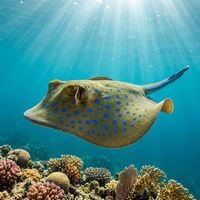
Green Sea Turtle and Longfin Bannerfish are observed across nearly every site in the region. Reef Manta Ray, Zebra Shark, Napoleon Wrasse and Peacock Mantis Shrimp are all commonly sighted, and Emperor Angelfish, Bluespotted Fantail Ray, Day Octopus and Leaf Scorpionfish appear regularly. Whale Shark visits occasionally, and the reefs also support Giant Moray, Indian Lionfish, Chromodoris Nudibranch and Varicose Wart Slug for divers who look carefully.
Yes, a good portion of the sites cater specifically to beginner divers. Nosy Kisimamy, Charlies Point, Nosy Tanikely South, Banc des gorgones and Nosy Tanikely Sud all offer shallow reef diving with mild currents and are rated for entry-level divers. Intermediate sites such as Banc Rosario, Banc des Licornes and the Mitsio Wreck provide a natural step up, while advanced terrain like Greg's Wall and Grand Banc is reserved for more experienced divers.
Nosy Be is the hub of diving in Madagascar, offering the widest selection of sites from gentle reef dives to deep offshore walls and drift dives in the Radama Archipelago. Toliara, in the south, is smaller in scale but includes reef and cave diving at sites such as Nosy Satrana. Diego-Suarez and the East Coast each contribute a small number of sites and extend the range of diving across the island. Operators are concentrated in the Nosy Be area, with Diego Diving Mario Matteo serving the north.
All of the top sites in Madagascar are accessed by boat, and this applies across Nosy Be, Toliara and the Radama Archipelago. Many sites lie offshore, including offshore banks and island reefs that are only reachable by vessel. A number of established operators, including Aquadiving, Manta Diving, Sakatia Lodge and Oceane's Dream, run boat-based programmes from the Nosy Be area.