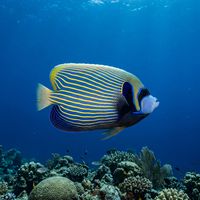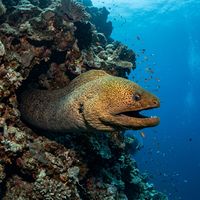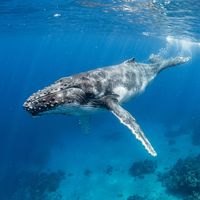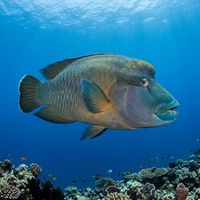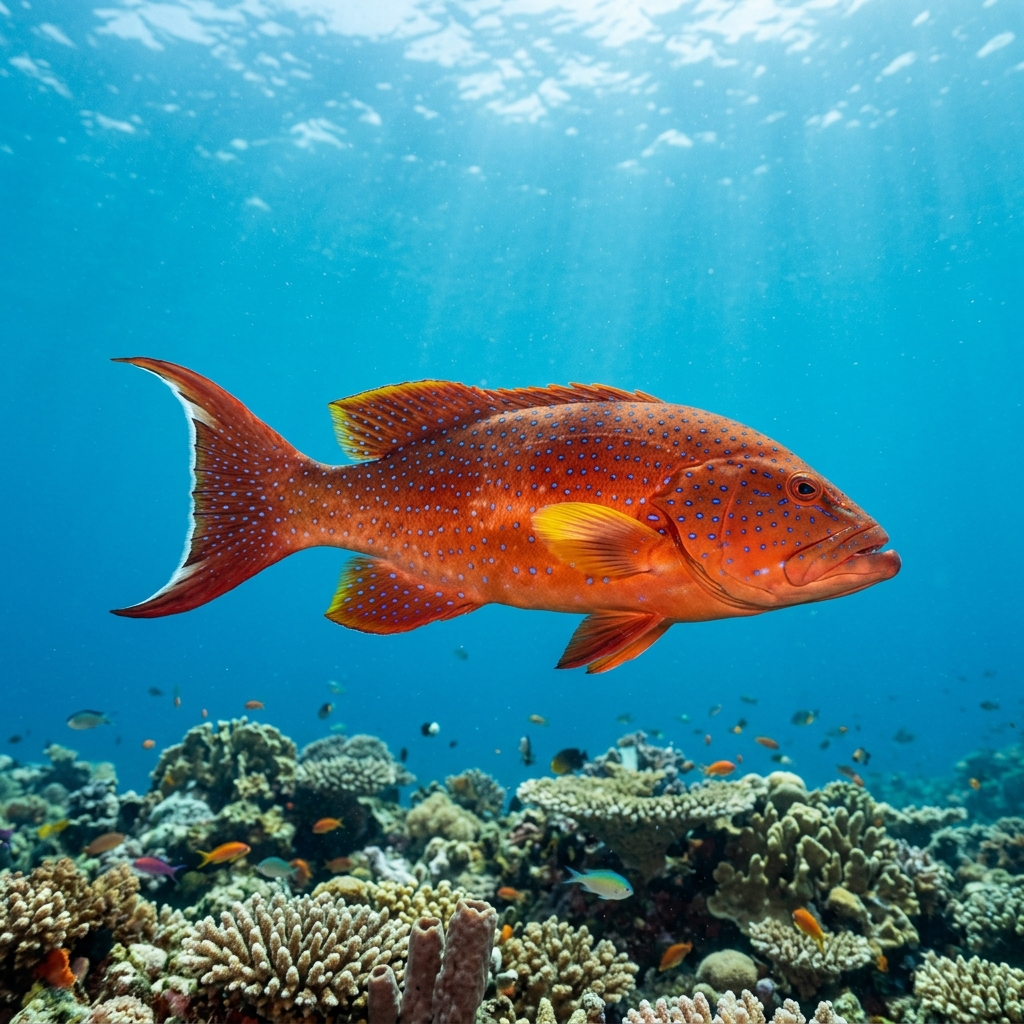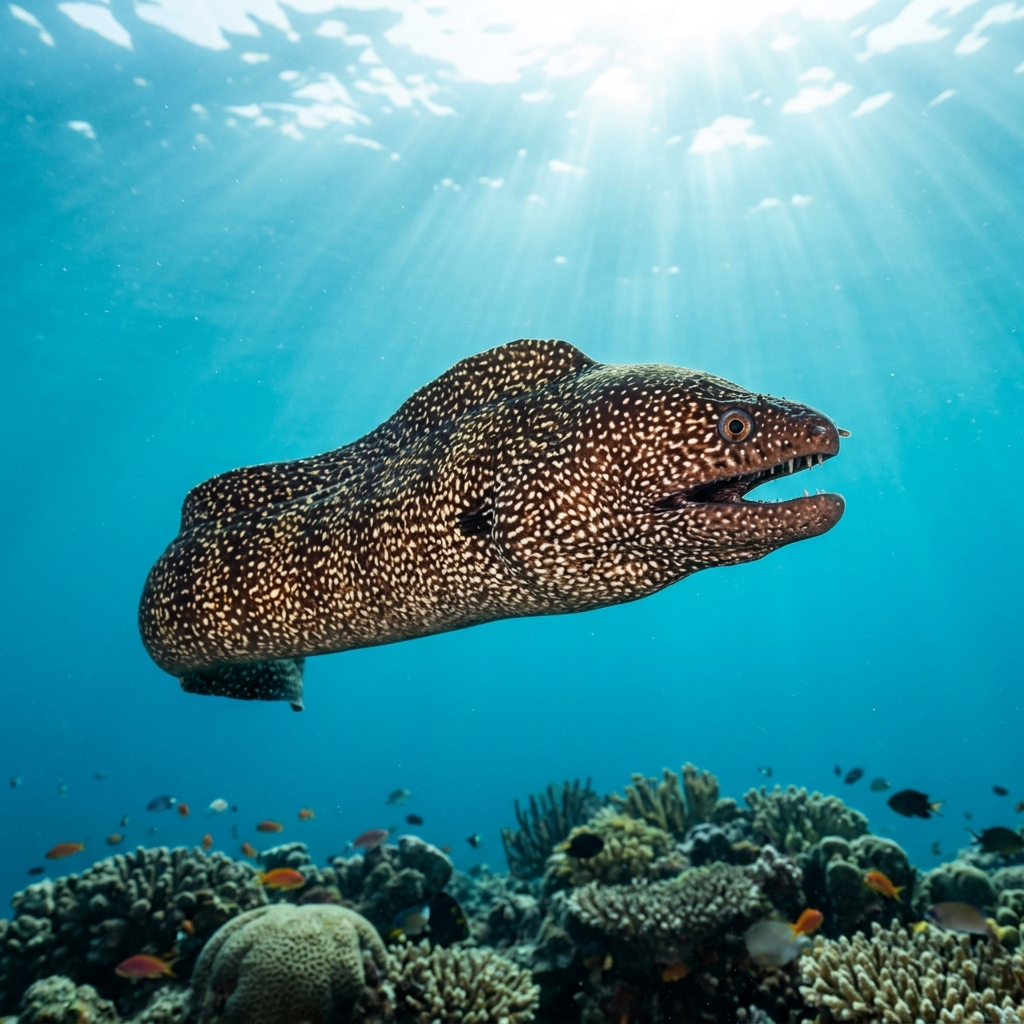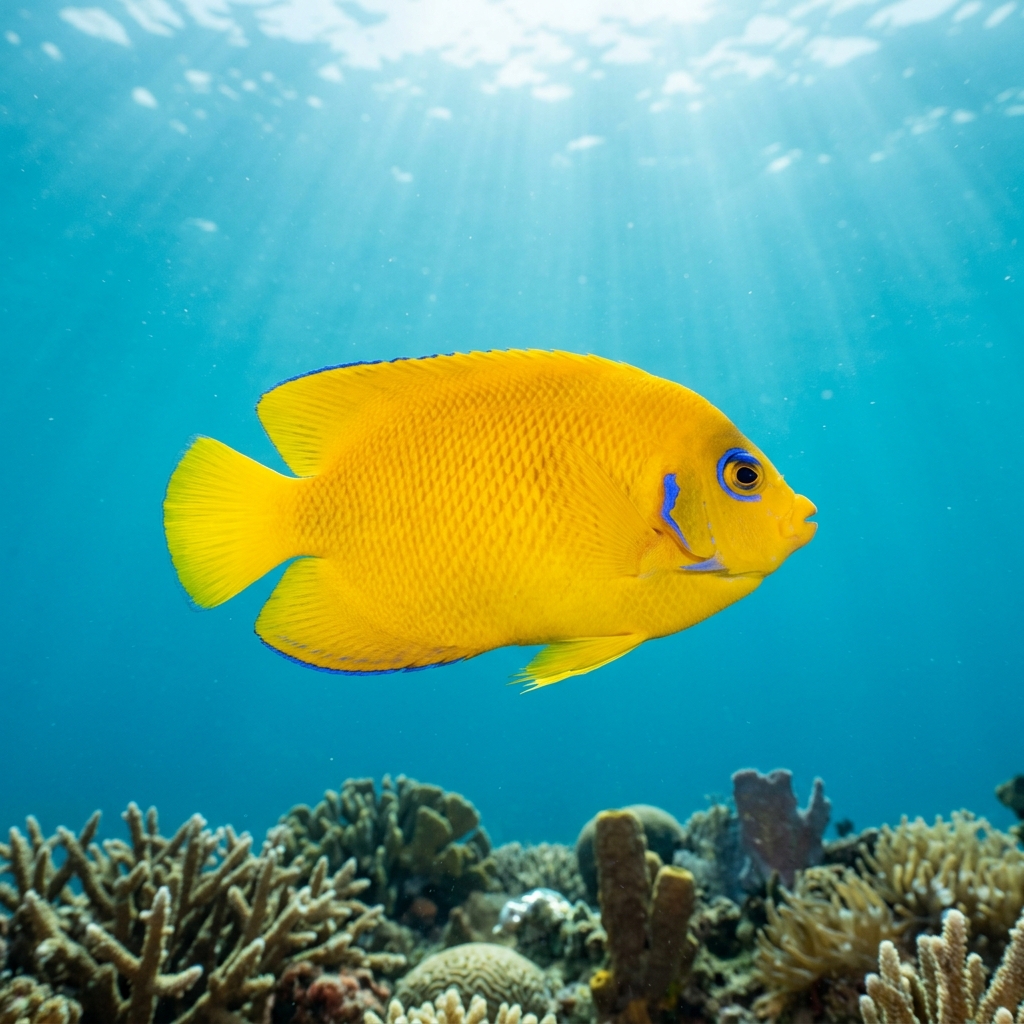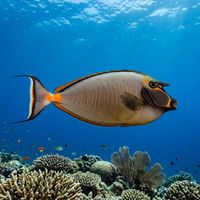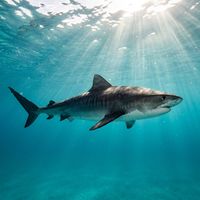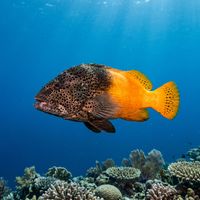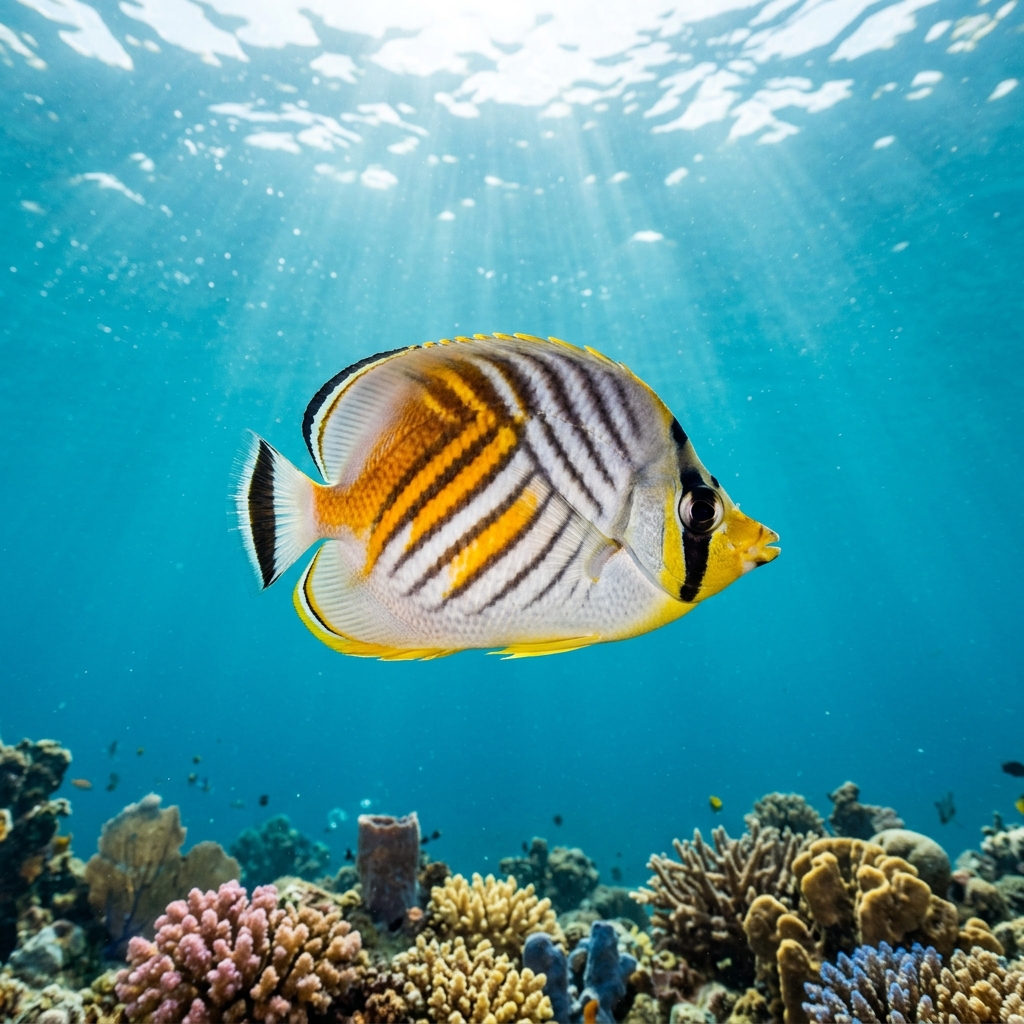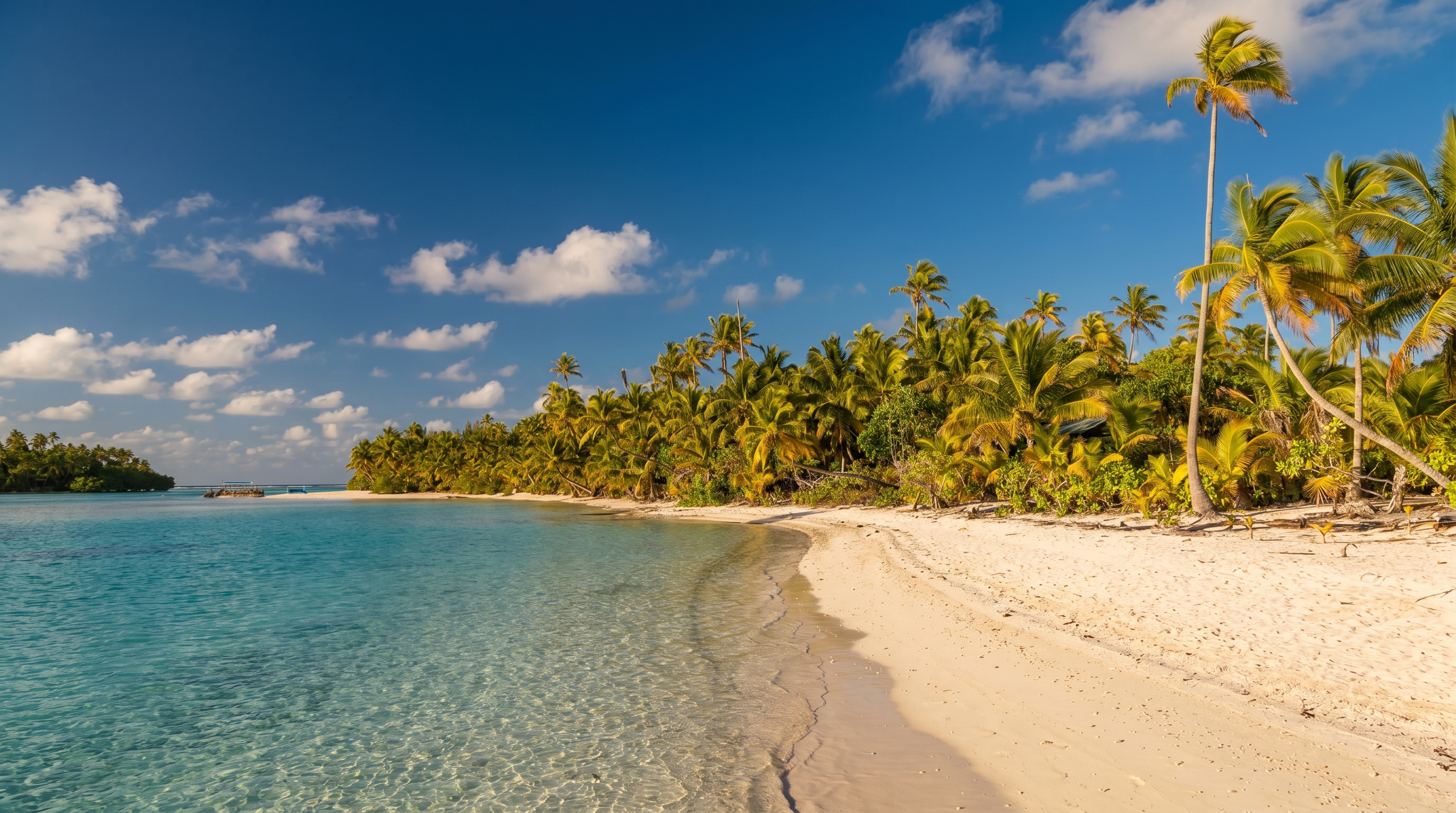
The Cook Islands centres its diving almost entirely around Rarotonga, with Aitutaki contributing a single site to the mix. Reef diving dominates, ranging from very shallow lagoon environments to deeper boat-access walls and passages. The Mataora Wreck adds a distinctive artificial reef dimension, while Mushroom Forest is noted for its unusual coral formations. Conditions lean mild, with beginner-friendly shore entries such as Alberto's sitting alongside more demanding intermediate sites like Arutanga Passage. The species list is characteristically reef-heavy: Wrasse and Rock Cod appear across almost every site, while Giant Moray and Turkey Moray are consistent finds. Emperor Angelfish and a variety of butterflyfish add colour throughout. Humpback Whale and Tiger Shark are observed occasionally, making certain months notably more exciting. Water stays warm year-round, but the cooler mid-year months draw the most diving activity.
2 areas

Monthly water temperature across Cook Islands's sites, from satellite sea-surface data corrected for depth. The band shows the site-to-site spread.
Water temperatures are warmest from February through April and ease to their coolest between July and October, which is also when diving activity peaks. The cooler mid-year window brings clearer conditions and the best chance of encountering Humpback Whale on passage. Shore entry is available at several Rarotonga sites, while deeper boat-access dives suit those comfortable with mild currents.
7 operators

Avarua, Cook Islands
Water temperature around Cook Islands ranges from about 25°C in July to 28°C in February, based on satellite sea-temperature data for its dive sites.
In the warm season (about 28°C) a rash guard or 3mm shorty is comfortable in Cook Islands; in the coldest months (about 25°C) step up to a 3mm full suit.
Fin maps 35 sites in Cook Islands (35 scuba diving sites and 8 snorkelling spots, with some suited to both), organised into 2 areas.
Across Cook Islands's dive sites, June, July, August, September and October are most often reported as the best months to visit.
The Cook Islands has observation-backed records for Grey Reef Shark and Tiger Shark at a range of sites, along with occasional Humpback Whale encounters during the cooler mid-year months. Giant Trevally and Napoleon Wrasse appear regularly, and Giant Moray is one of the most consistently encountered larger animals on the reefs.
A good portion of the sites are rated beginner level, including shore-entry dives like Alberto's and the boat-access Mataora Wreck and Coral Gardens. Conditions at these sites feature mild currents and forgiving depths. Intermediate sites such as Mushroom Forest and Arutanga Passage are also available for those wanting a step up in depth and challenge.
Rarotonga holds the vast majority of dive sites in the Cook Islands, offering reef dives, a wreck, and shore entries spread along its coast. Aitutaki contributes a single site, Arutanga Passage, which is a boat-access reef dive with a wide depth range and intermediate rating. Divers based on Rarotonga will find operators including Dive Rarotonga, Pacific Divers, and Cook Island Divers, while Aitutaki Scuba serves the outer island.
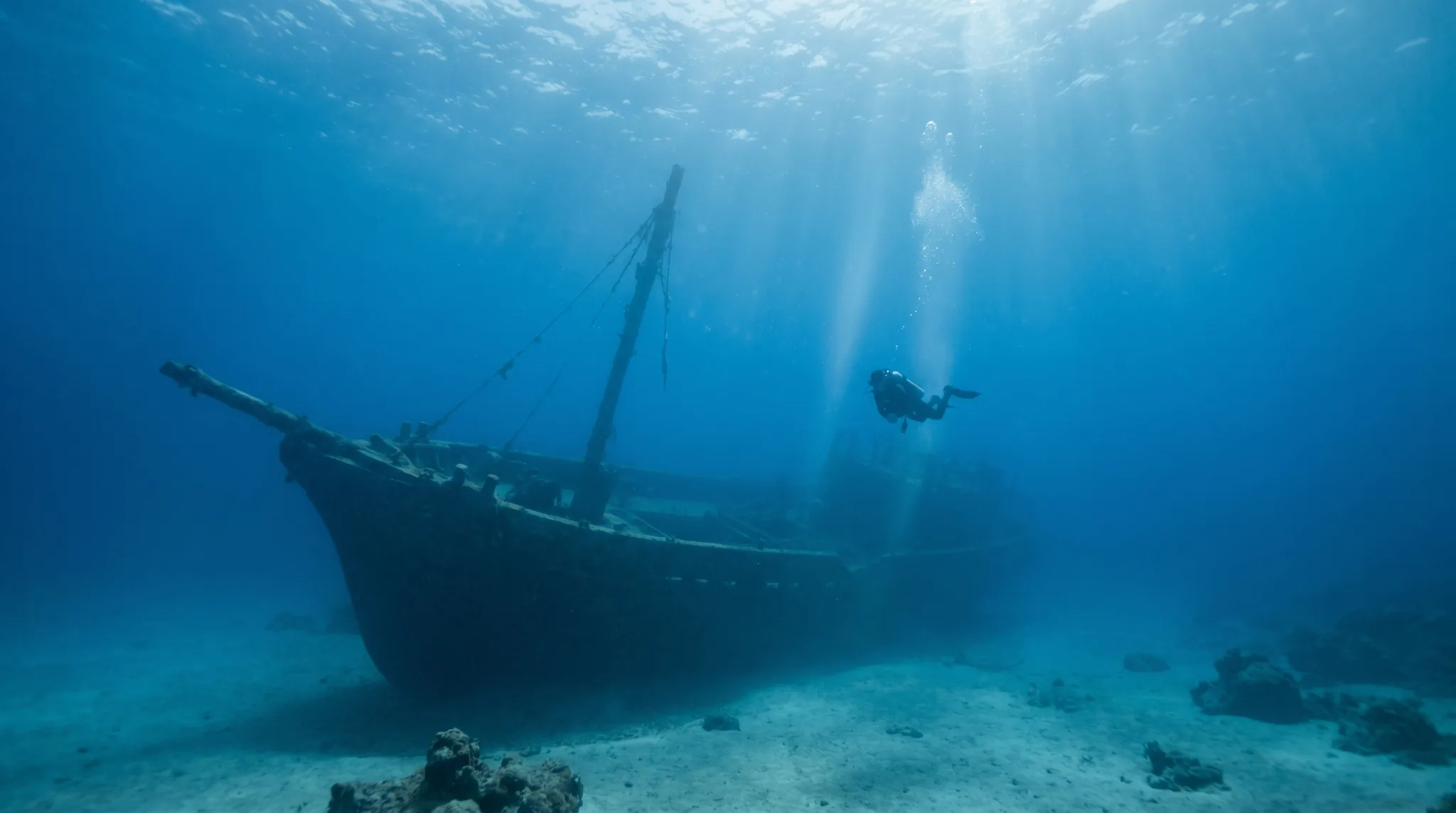
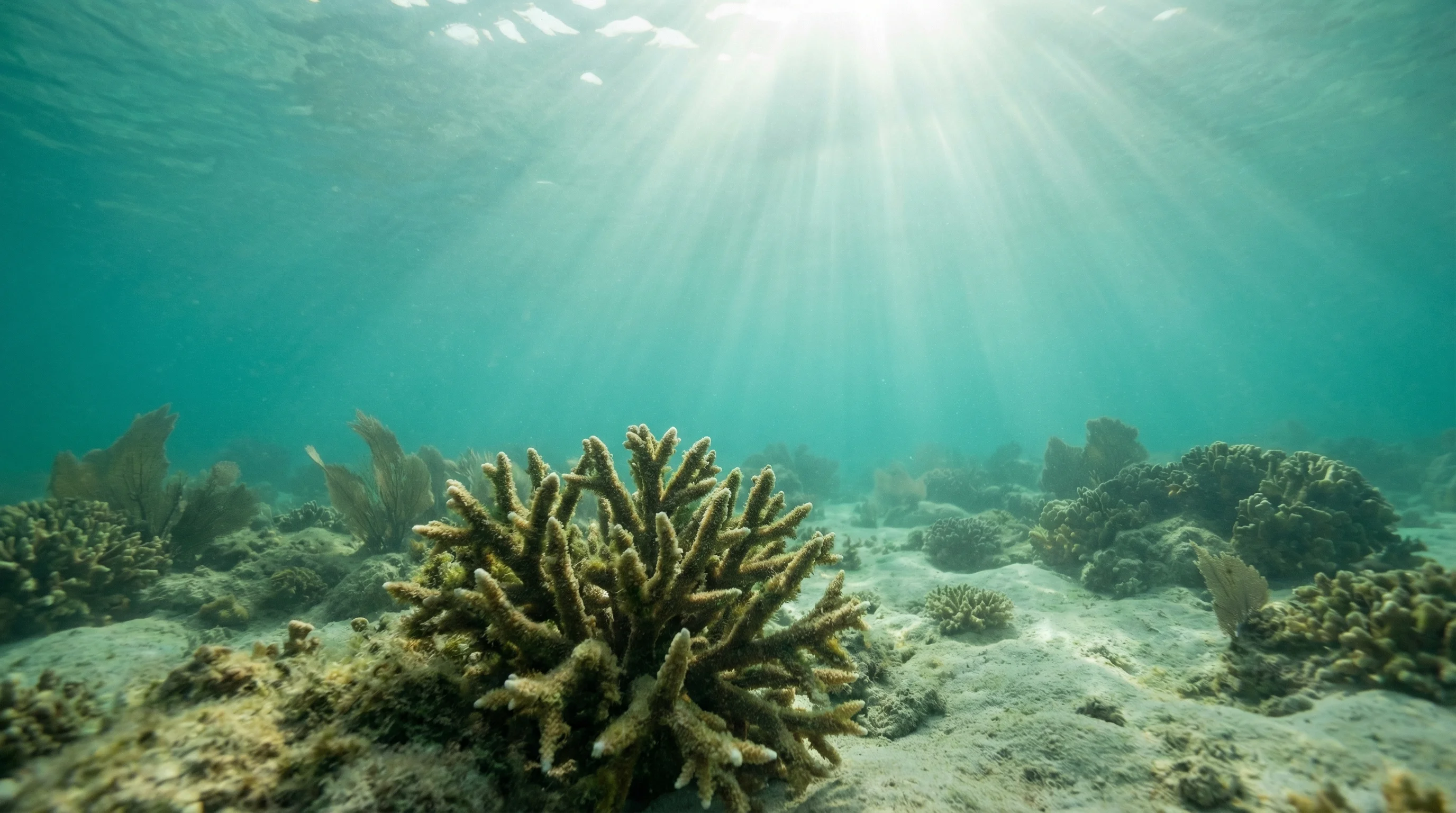
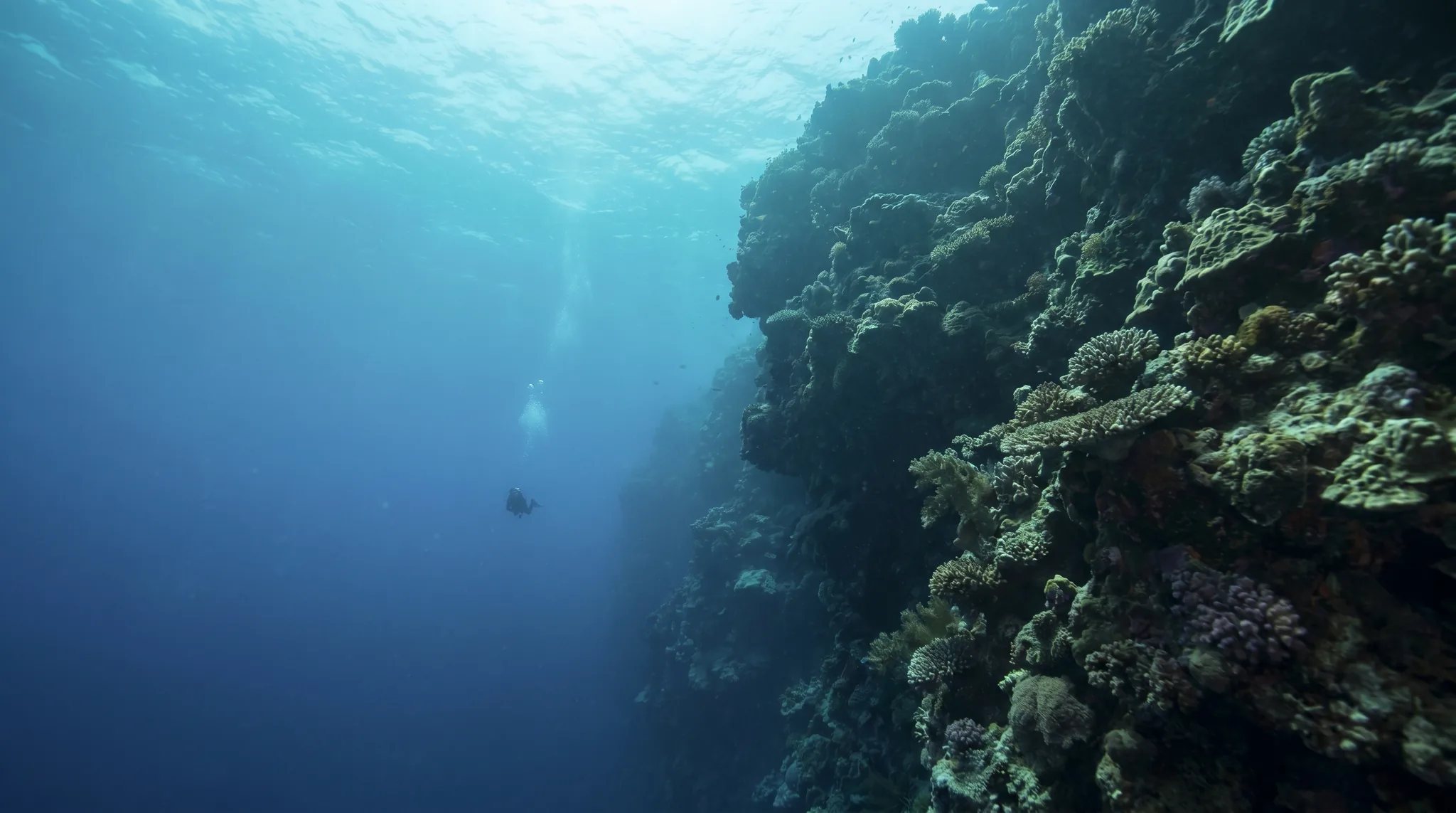
Reef diving is the foundation of the experience, from the very shallow Aroa Marine Reserve to the deeper walls of Mushroom Forest. The Mataora Wreck is the standout artificial reef, sitting at an accessible intermediate depth and popular for the marine life it has attracted since sinking. Several sites combine reef and artificial reef character, and passage diving is represented by Arutanga Passage.