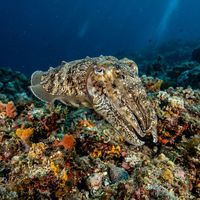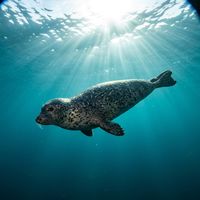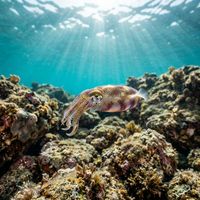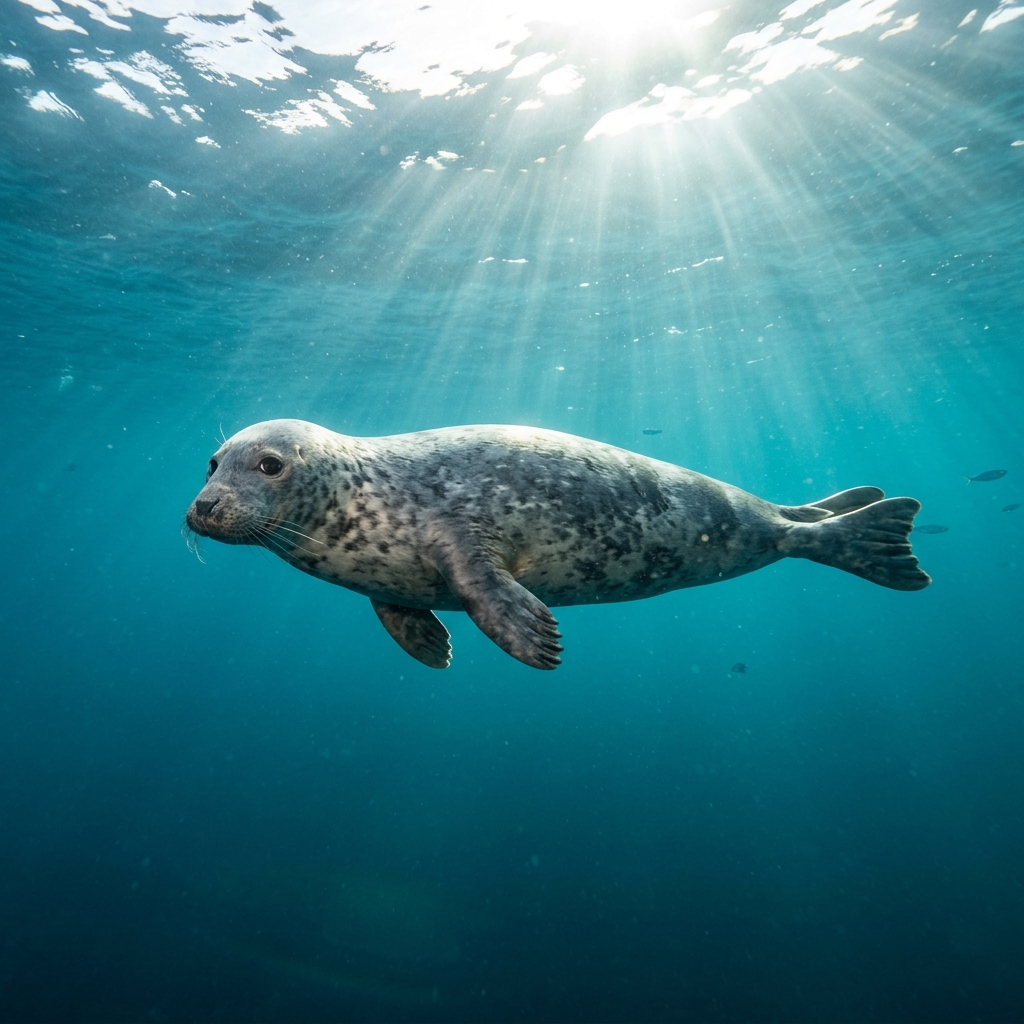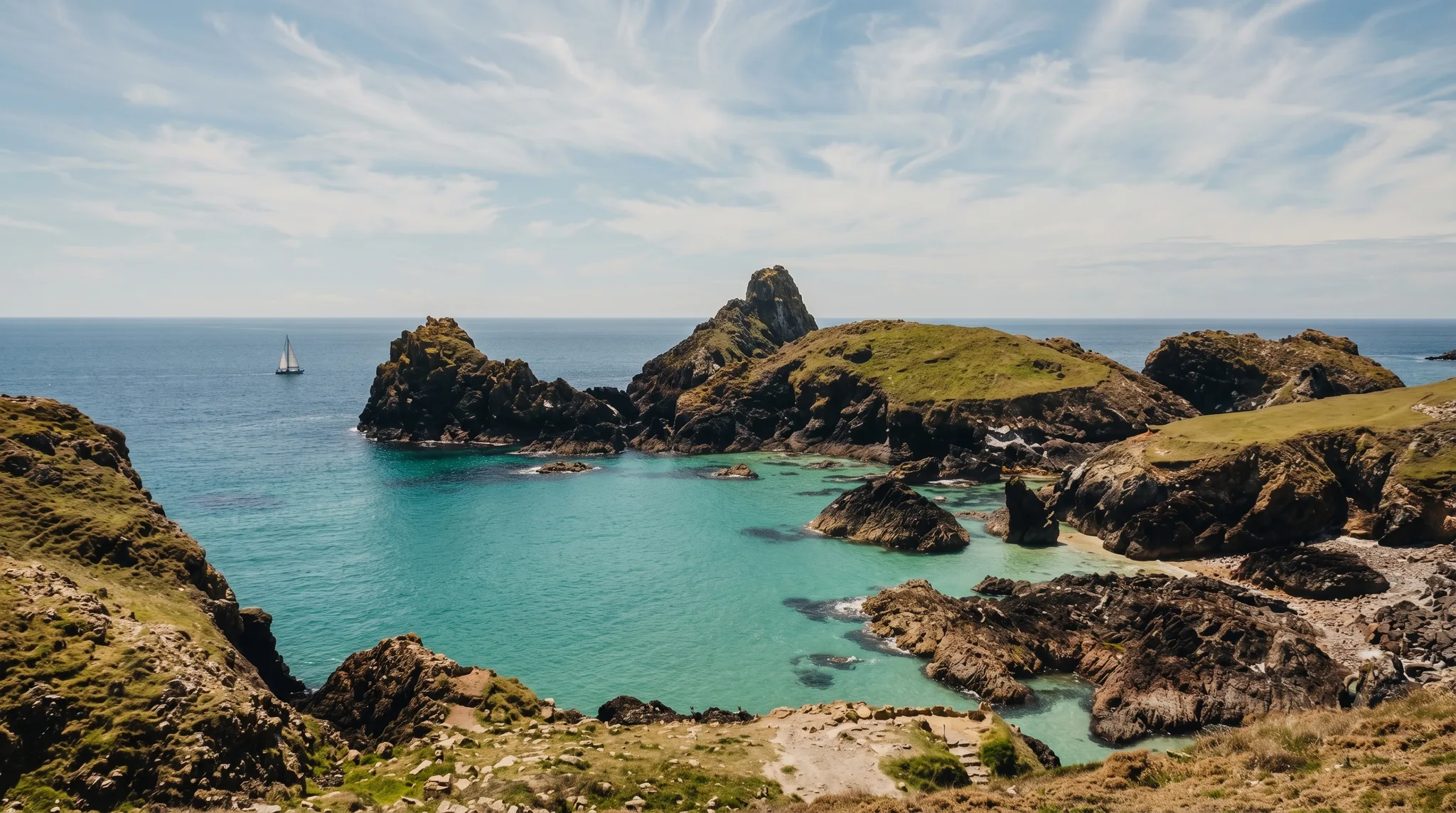
The United Kingdom offers one of the most varied cold-water diving experiences anywhere, built around wrecks, reefs, pinnacles, kelp forests, walls and caves. Scotland dominates the site count, with Scapa Flow's scuttled German High Seas Fleet battleships drawing advanced divers from afar, while England accounts for the largest share overall, ranging from beginner-friendly Portland Harbour to the offshore pinnacles of Hand Deeps. Northern Ireland and Wales add substantial reef and wreck diving, and the Isle of Man contributes kelp forest and cave sites. Signature encounters include the European Common Cuttlefish, Harbor Seal, Gray Seal and Bobtail Squid, all observation-backed across a wide spread of sites. Visibility is modest and water stays cold year-round, rewarding divers who invest in proper exposure protection and buoyancy control.
6 areas
 270
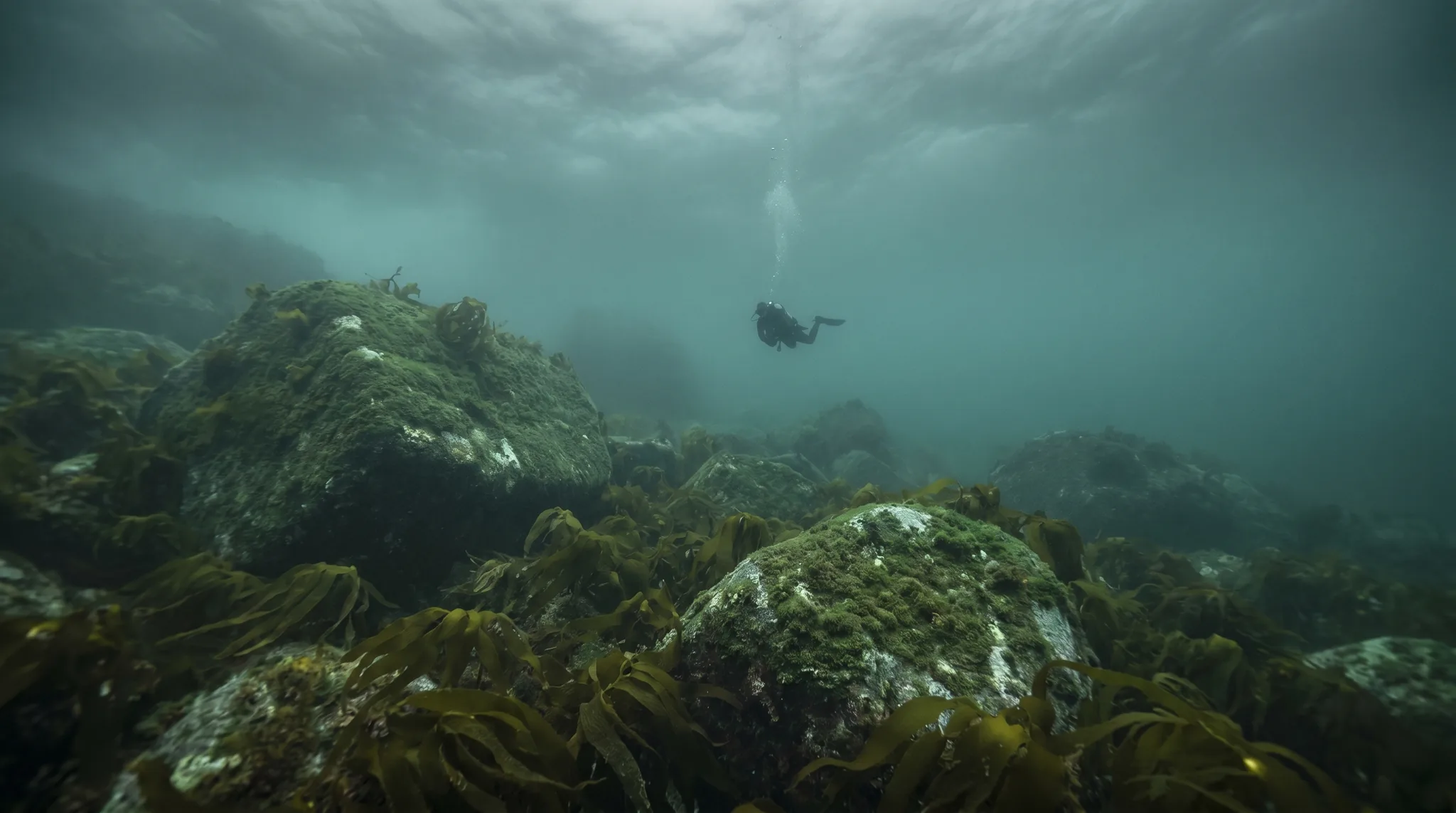
270Cool-water diving defined by cuttlefish, seals and a wealth of wrecks and reefs across contrasting coastal sub-regions.
 147
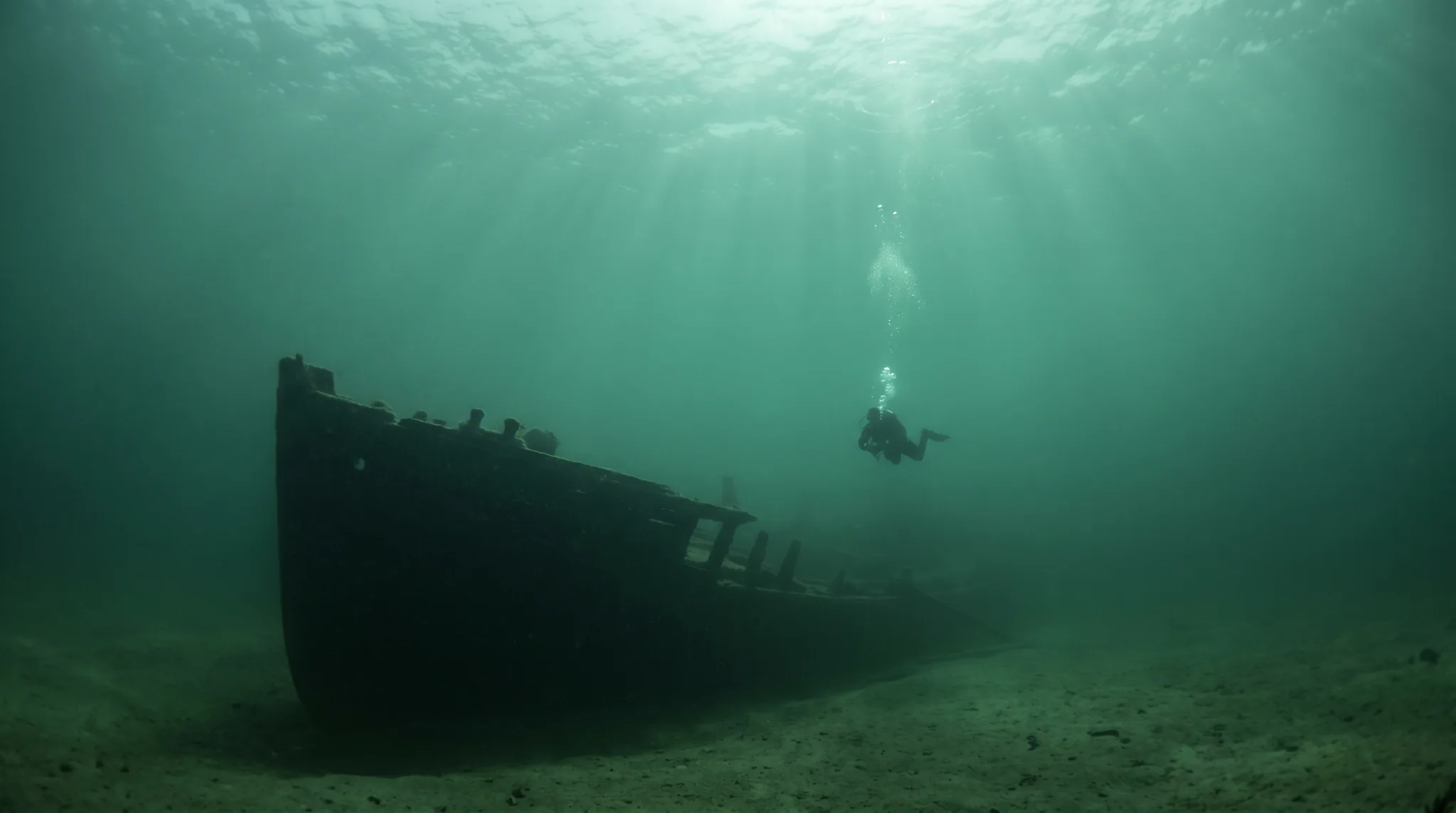
147Historic wreck diving at Scapa Flow combined with kelp-draped reefs, resident seals, and cuttlefish across Scotland's diverse coastal sub-areas.
138Seal encounters, kelp reefs and an impressive cast of cold-water invertebrates across two contrasting coastlines.
71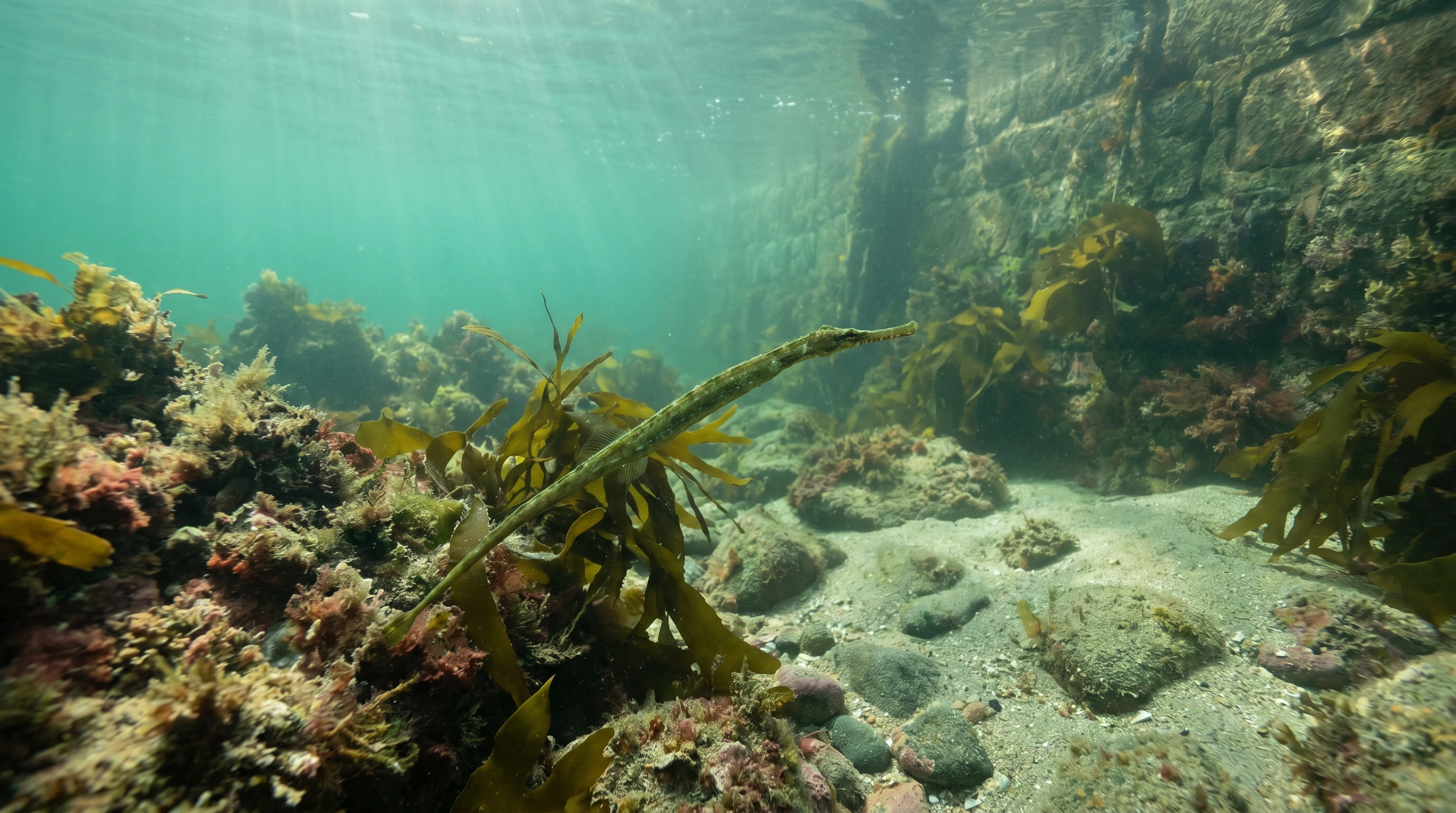
Monthly water temperature across United Kingdom's sites, from satellite sea-surface data corrected for depth. The band shows the site-to-site spread.
Water temperature follows a clear seasonal arc, coldest in late winter and rising to its warmest in late summer, making the period from late spring through early autumn the most comfortable for extended dives. Exposure to swell and tidal currents varies considerably by sub-area: offshore pinnacle and wreck sites in England and Scotland can carry strong flow, while sheltered harbours and freshwater quarry sites offer calmer, more controlled conditions. Winter diving is possible for committed drysuiters, and some sites reward the off-season with reduced boat traffic and excellent macro life.
398 operators

Wrecks, kelp forests, drift dives and seal encounters across four distinct sub-areas, from flooded quarries to open coastal reefs.
Water temperature around United Kingdom ranges from about 8°C in March to 15°C in August, based on satellite sea-temperature data for its dive sites.
In the warm season (about 15°C) a 7mm or semi-dry suit is comfortable in United Kingdom; in the coldest months (about 8°C) step up to a drysuit.
Fin maps 645 sites in United Kingdom (469 scuba diving sites and 232 snorkelling spots, with some suited to both), organised into 6 areas.
Across United Kingdom's dive sites, May, June, July, August and September are most often reported as the best months to visit.
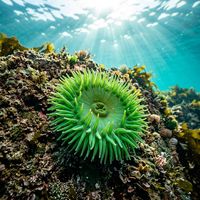
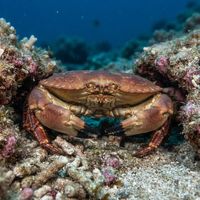
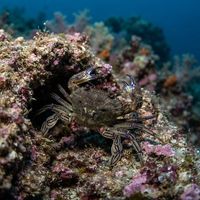
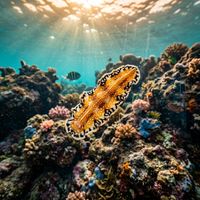
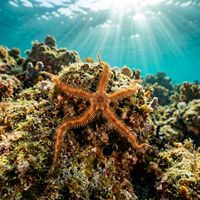
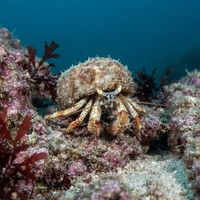
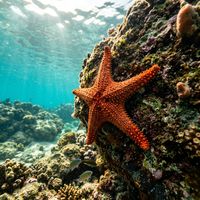
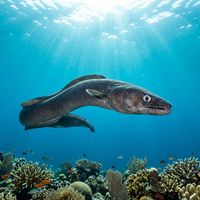
The United Kingdom's waters support a rich mix of temperate species, all observation-backed across a wide range of sites. Brittle Star and Sea Star are among the most frequently encountered, while European Common Cuttlefish, Catshark, Squat Lobster, Conger Eel and Sea Slug are common finds on reef and wreck dives. Harbor Seal and Gray Seal are regularly spotted, and less frequent but real sightings include Bobtail Squid, Skate, Monkfish and John Dory.
Scotland is the destination for historic large-wreck diving, anchored by the Scapa Flow fleet. England has the broadest range, from beginners' harbours and sheltered quarry sites on the Dorset Coast to advanced offshore pinnacles off the south coast. Northern Ireland and Wales both offer substantial reef and wreck options, while the Isle of Man adds kelp forest and cave topography at sites such as Peel Castle and Fenella Beach. Jersey and Guernsey round out the map with a smaller but distinct set of sites.
The majority of sites listed are boat-access only, which reflects the offshore nature of many of the best reefs and wrecks. That said, a meaningful number of sites offer shore or combined entry, including Portland Harbour, Cathedral Rock and the freshwater artificial reef at Ndac on the Dorset Coast. Divers planning a self-guided trip should check entry type per site, as tidal timing often matters for shore entries.