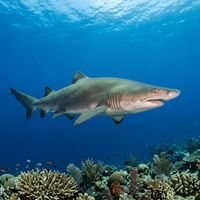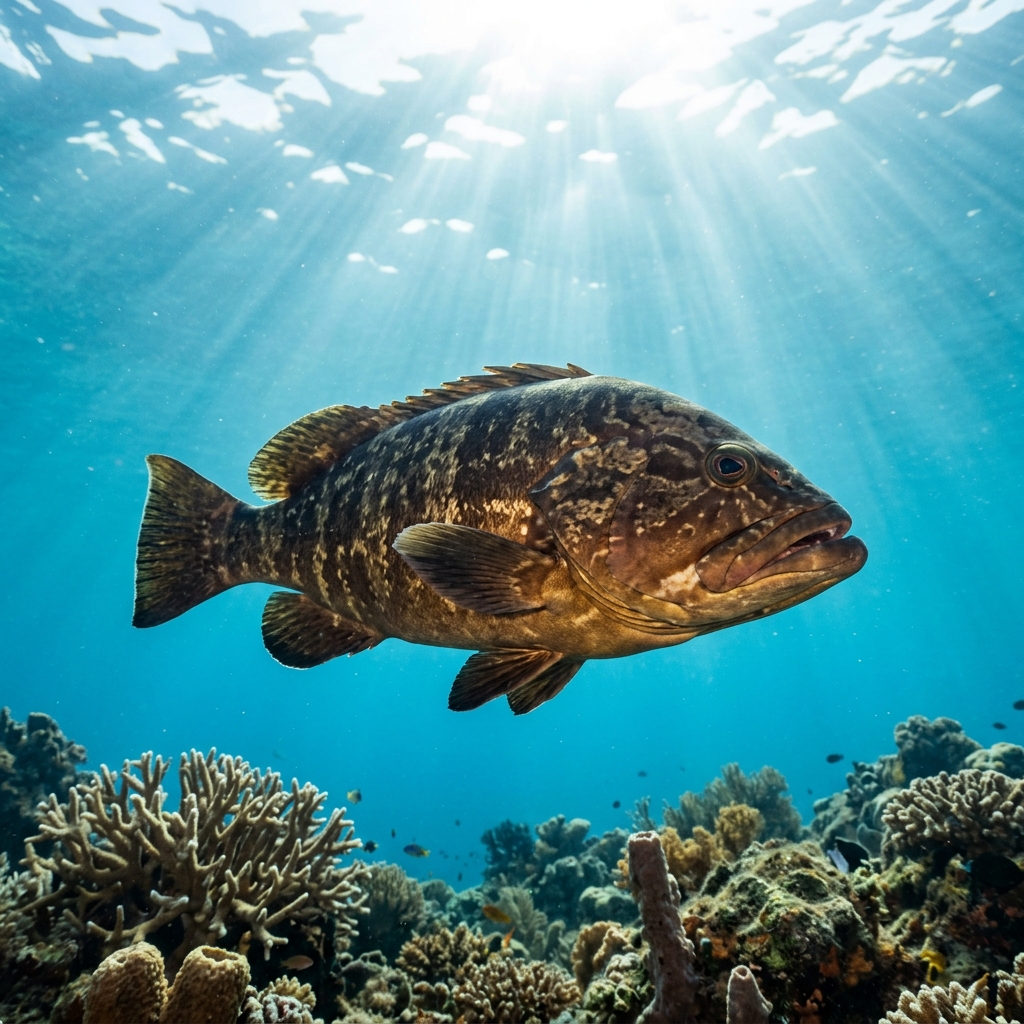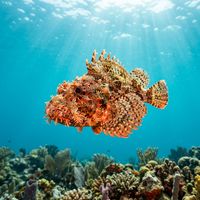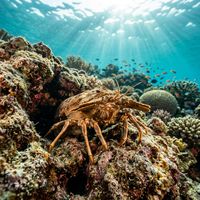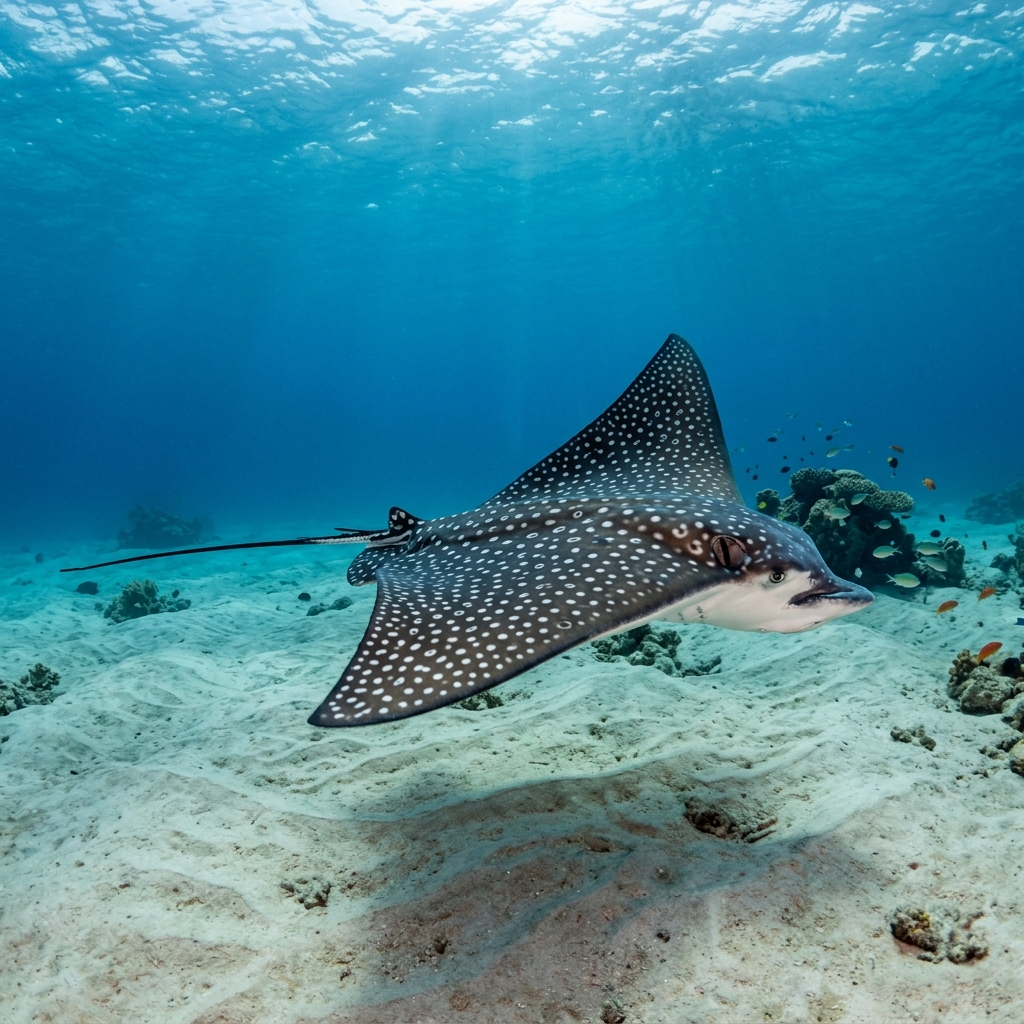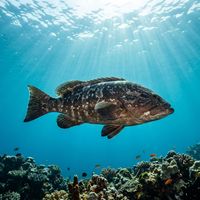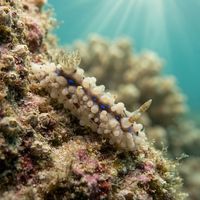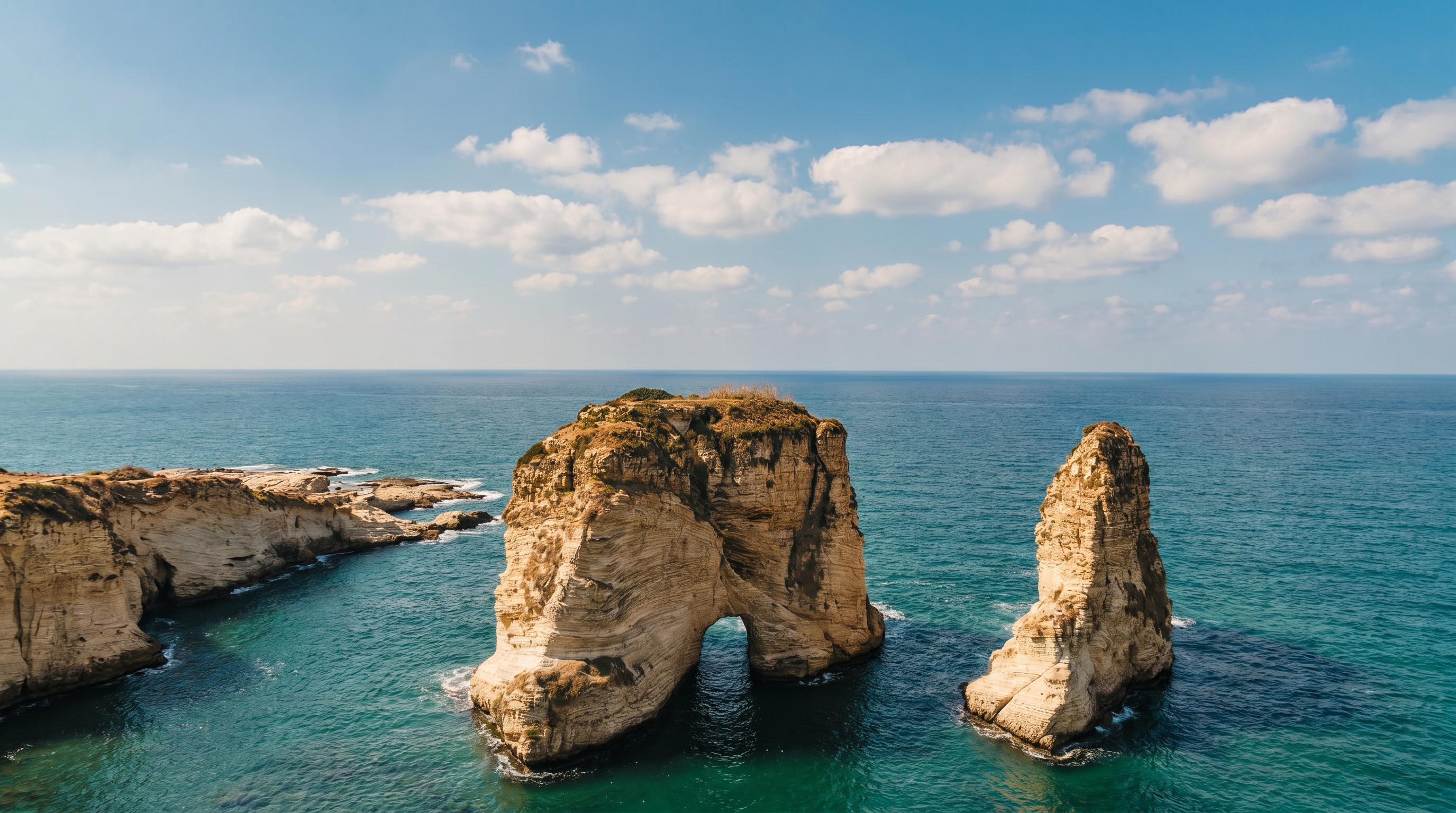
Lebanon's dive sites concentrate along four distinct coastal stretches: Batroun, Beirut, Jounieh, and Tyre. The character shifts considerably between them, from deep wall and drift dives to accessible reef and wreck combinations suited to newcomers. Bubbles Cliff in Batroun is the standout advanced site, a plunging wall where strong currents are the norm and depth is significant. Palapas Shore Dive in Beirut offers the opposite: a shore-entry reef and wreck in shallow to moderate depths, ideal for building confidence. Across the region, the Dusky Grouper and Grey Nurse Shark are reliably encountered, alongside Scorpionfish, Slipper Lobster, and the occasional Eagle Ray. A generous spread of operators across all sub-areas means guided diving is straightforward to arrange wherever you base yourself.
4 areas
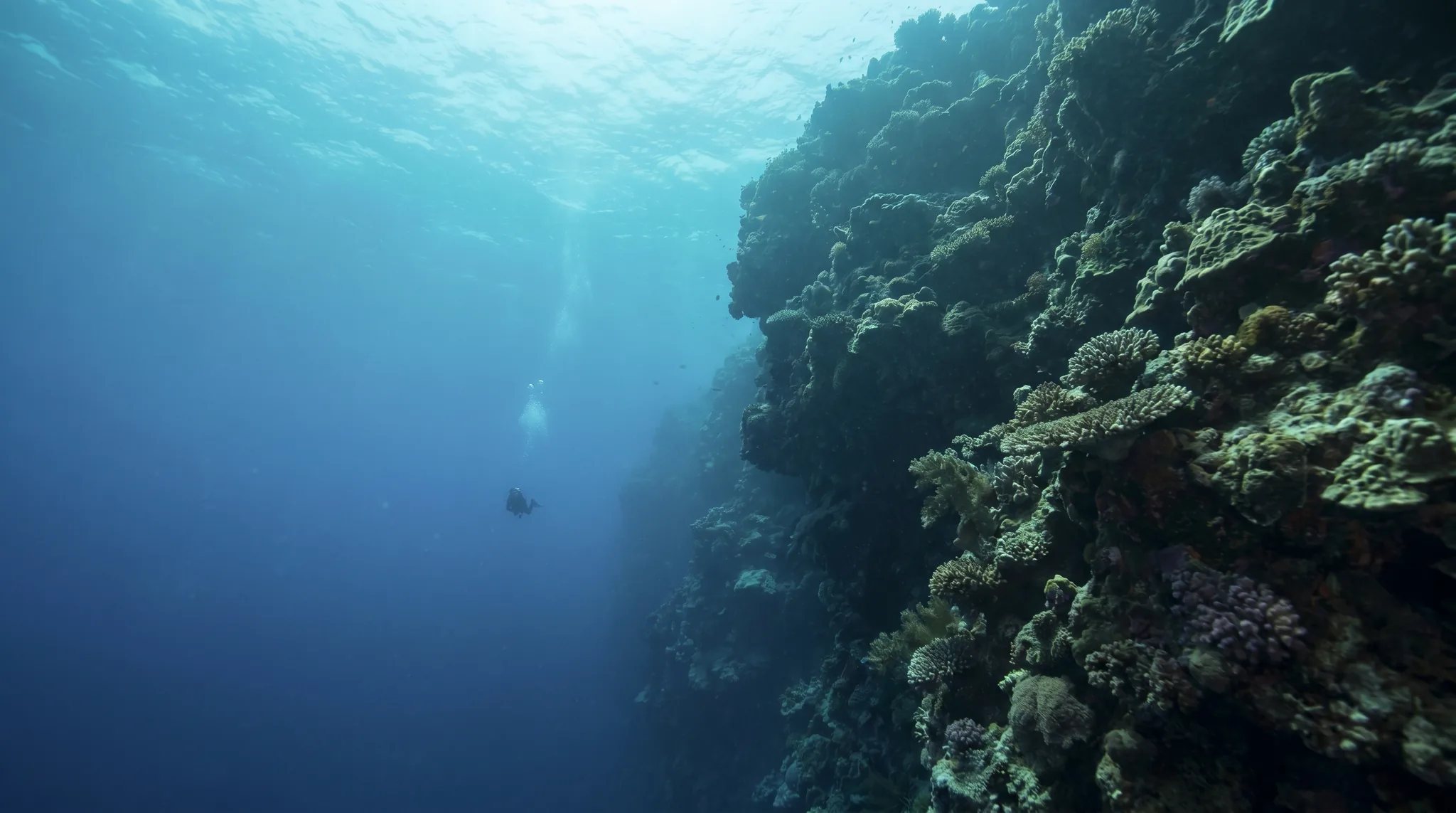 5
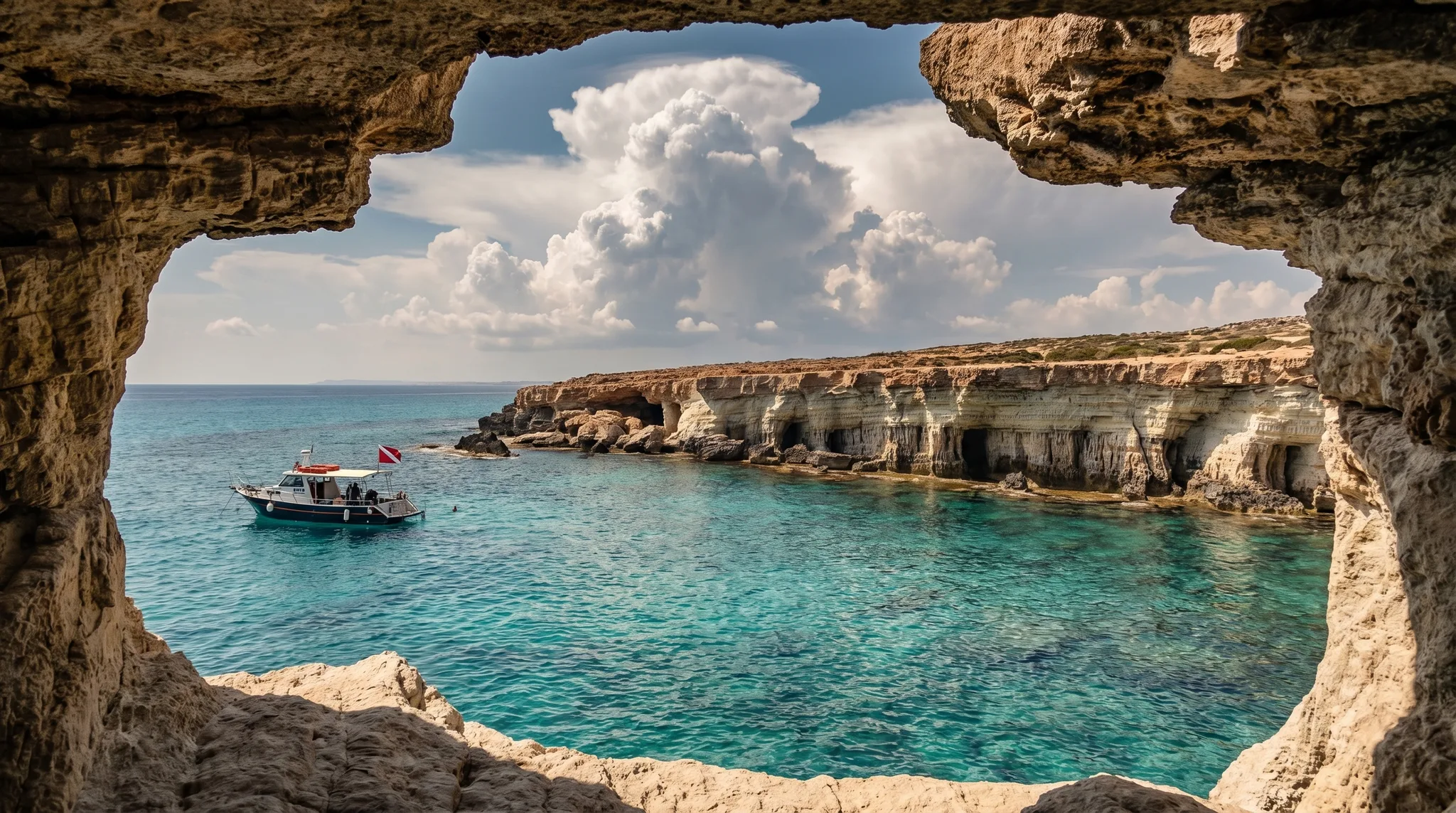
5A varied eastern Mediterranean diving area with walls, caves, wrecks, and reefs ranging from beginner to advanced.
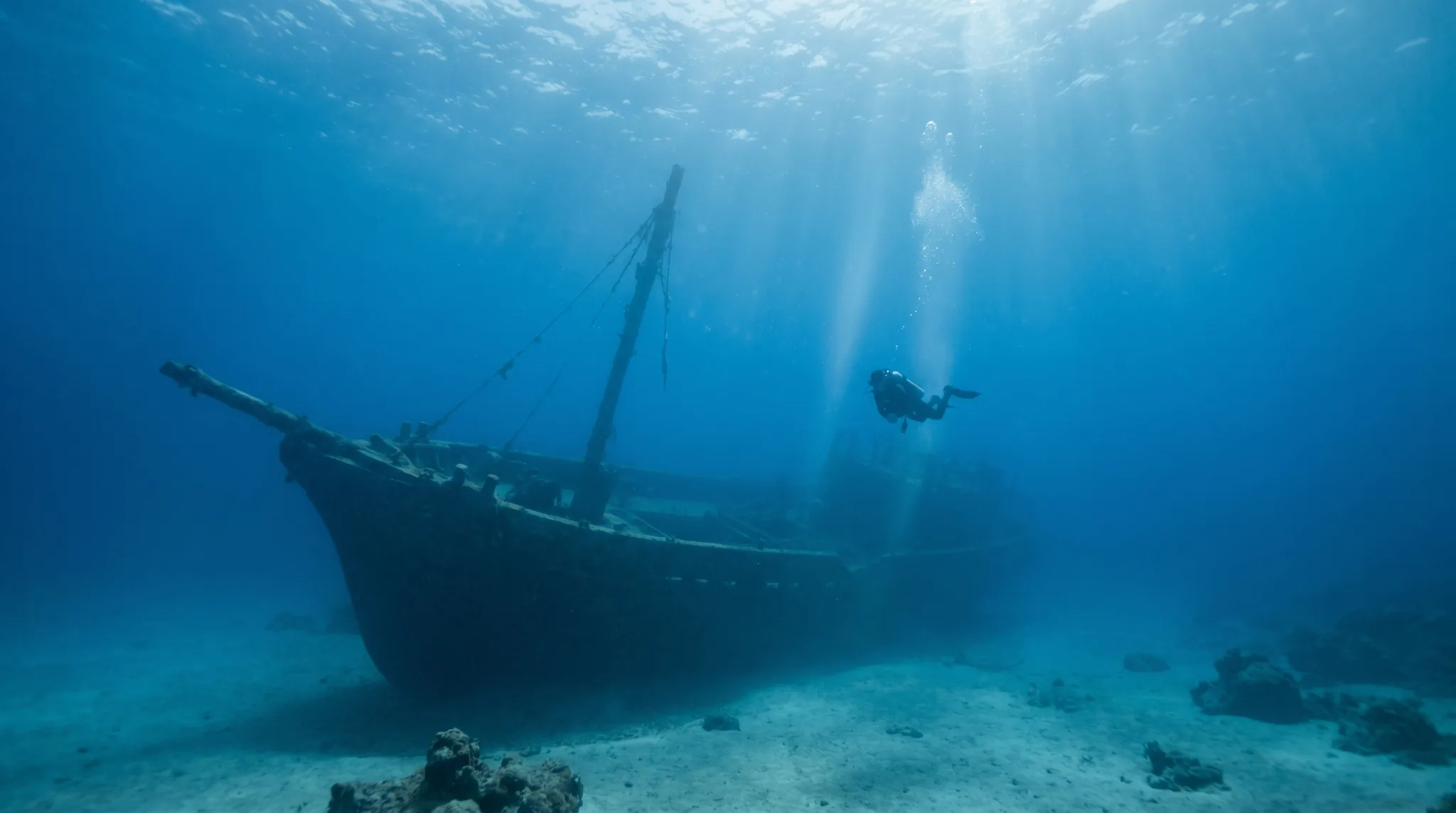 5
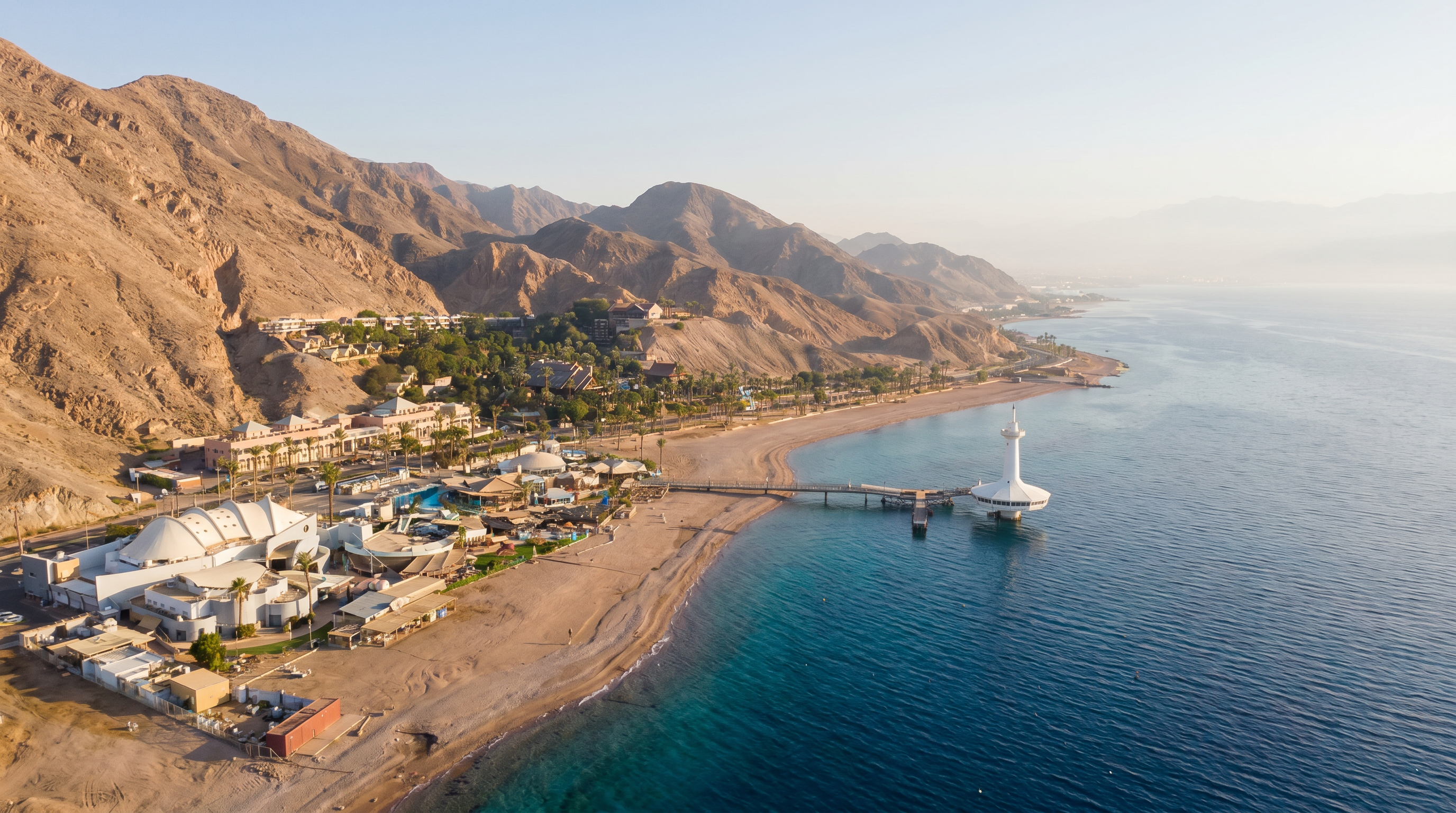
5Beirut offers wrecks, walls, and reef dives directly off the Lebanese capital, from beginner shallows to advanced depths.
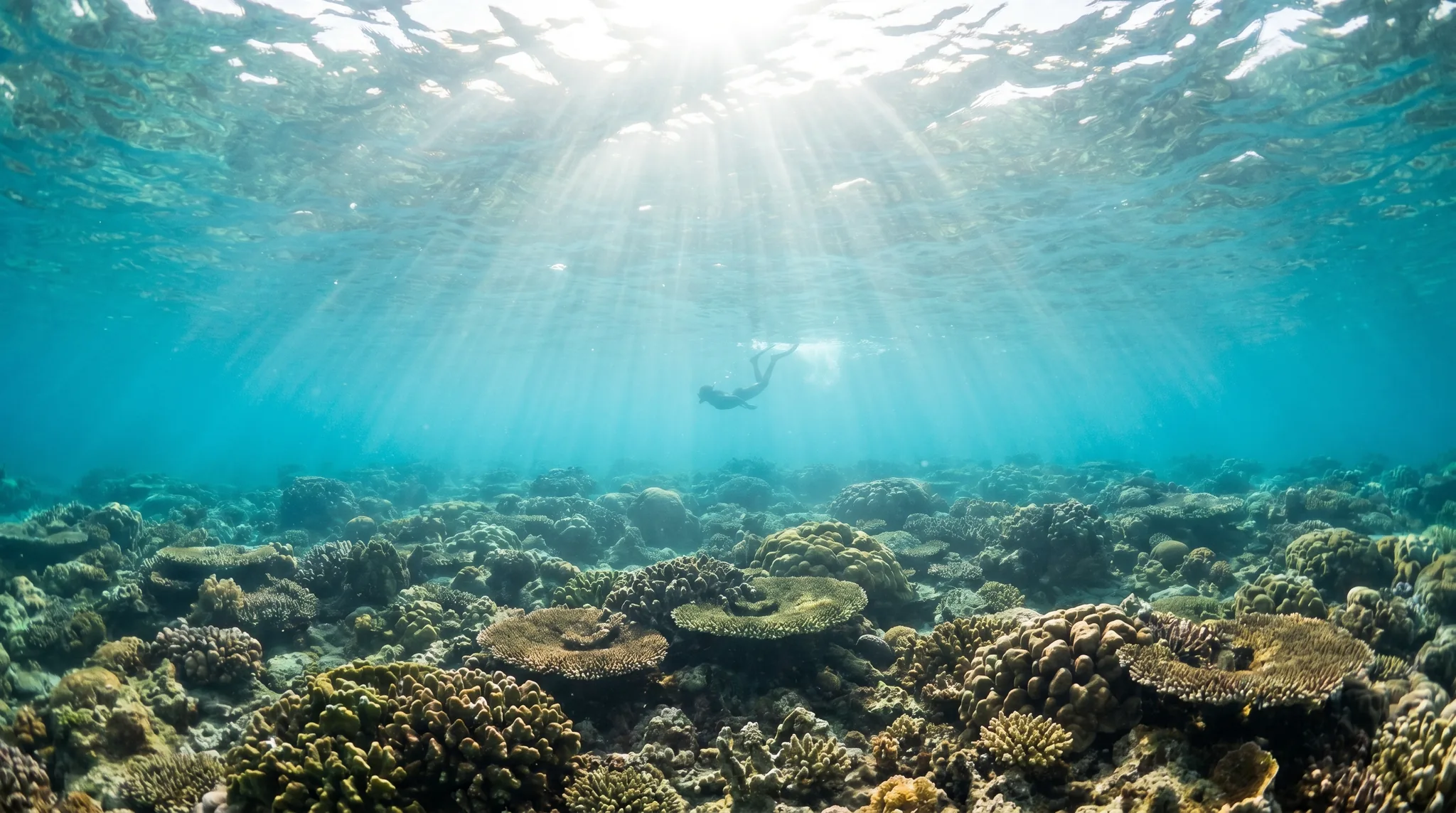 3
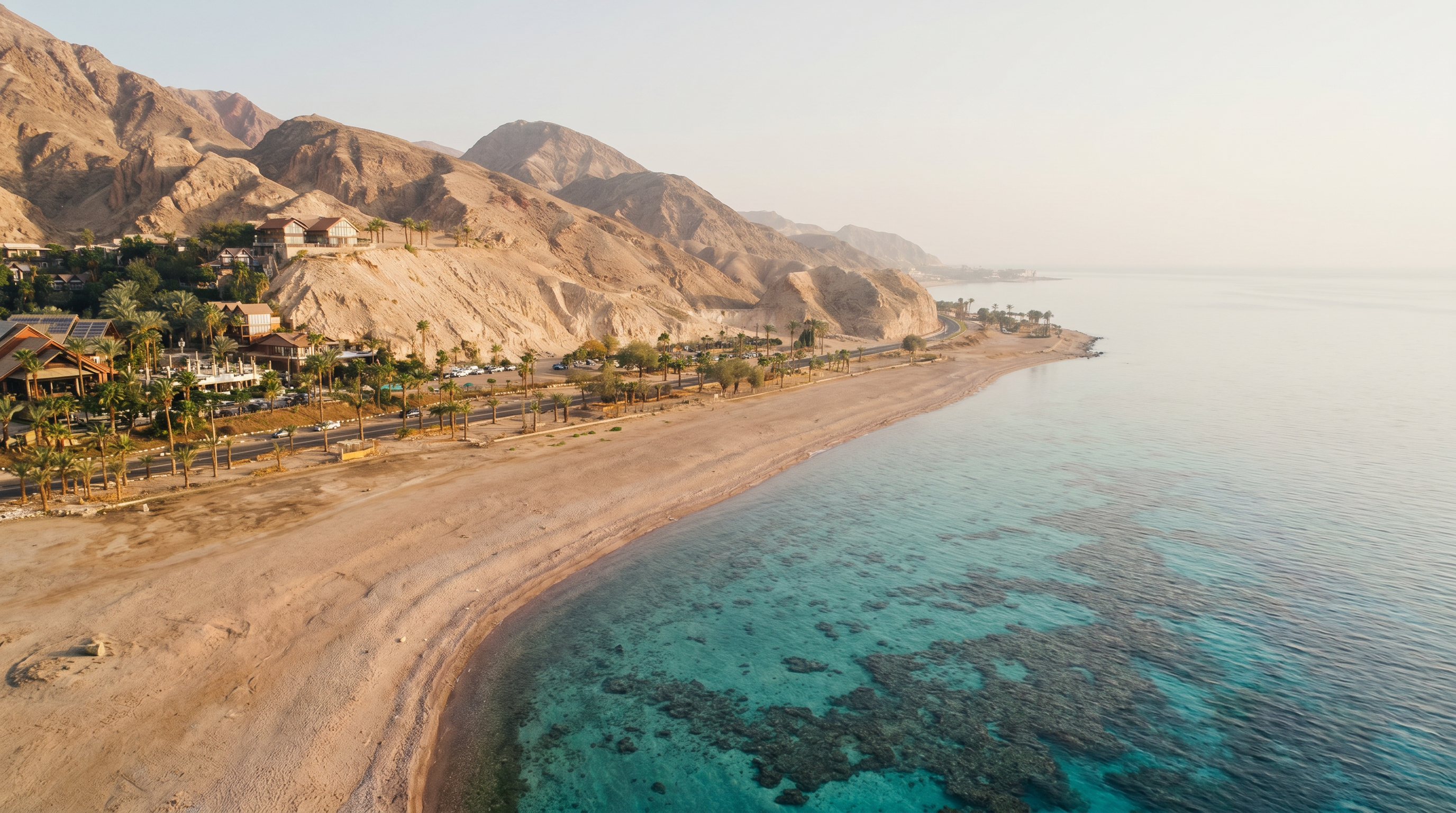
3Jounieh Bay combines deep advanced wrecks with a beginner-friendly shore dive in a sheltered Mediterranean bay.
2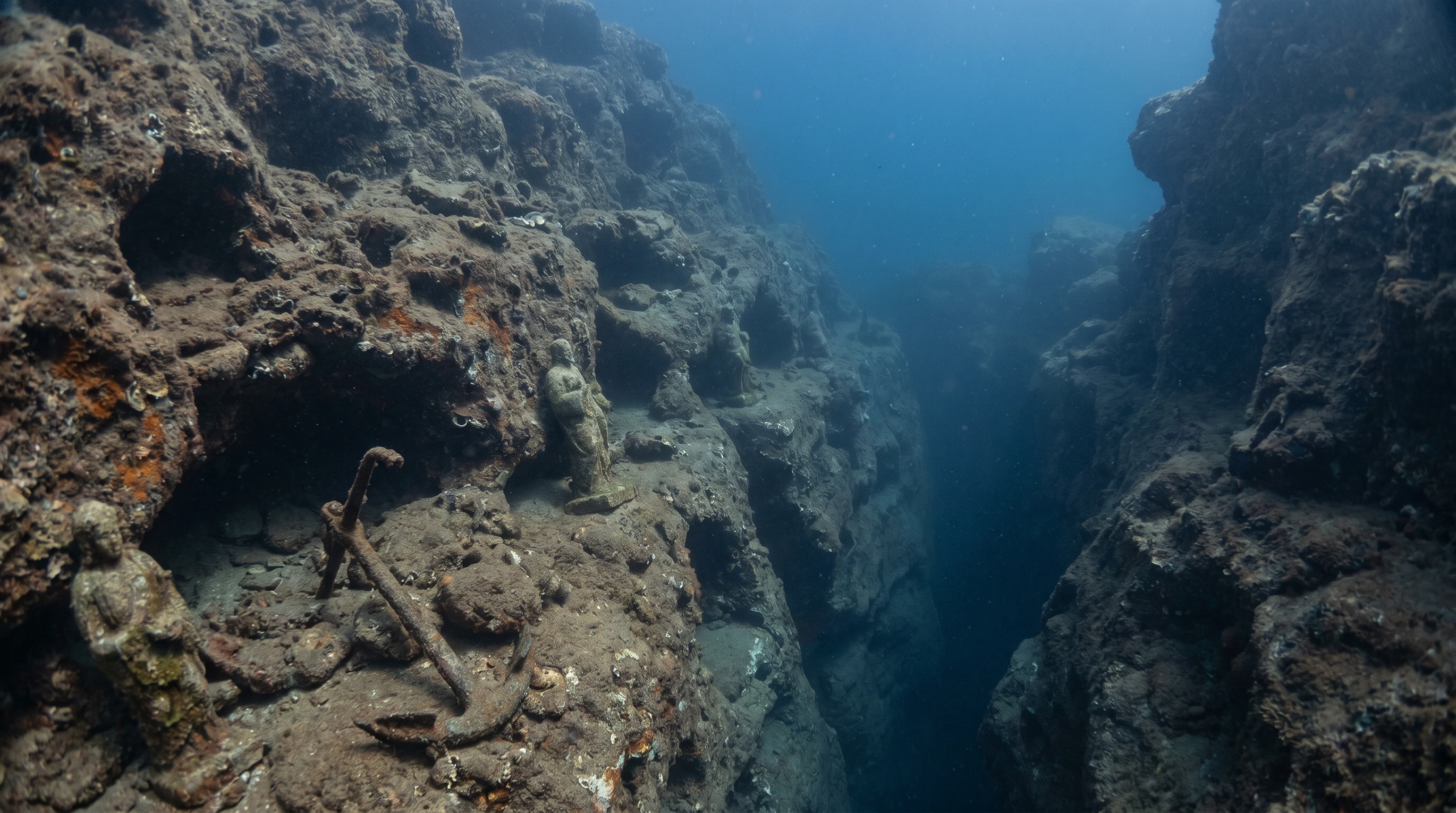
Monthly water temperature across Lebanon's sites, from satellite sea-surface data corrected for depth. The band shows the site-to-site spread.
Water temperatures follow a clear seasonal arc, coolest through winter and early spring, then climbing steadily from late spring into a warm summer and early autumn peak. The warmest months align with the best-rated diving period, running from late spring through early autumn, when conditions are most settled. Some sites, particularly deep walls like Bubbles Cliff, carry strong currents regardless of season, so checking local conditions before diving is important.
42 operators
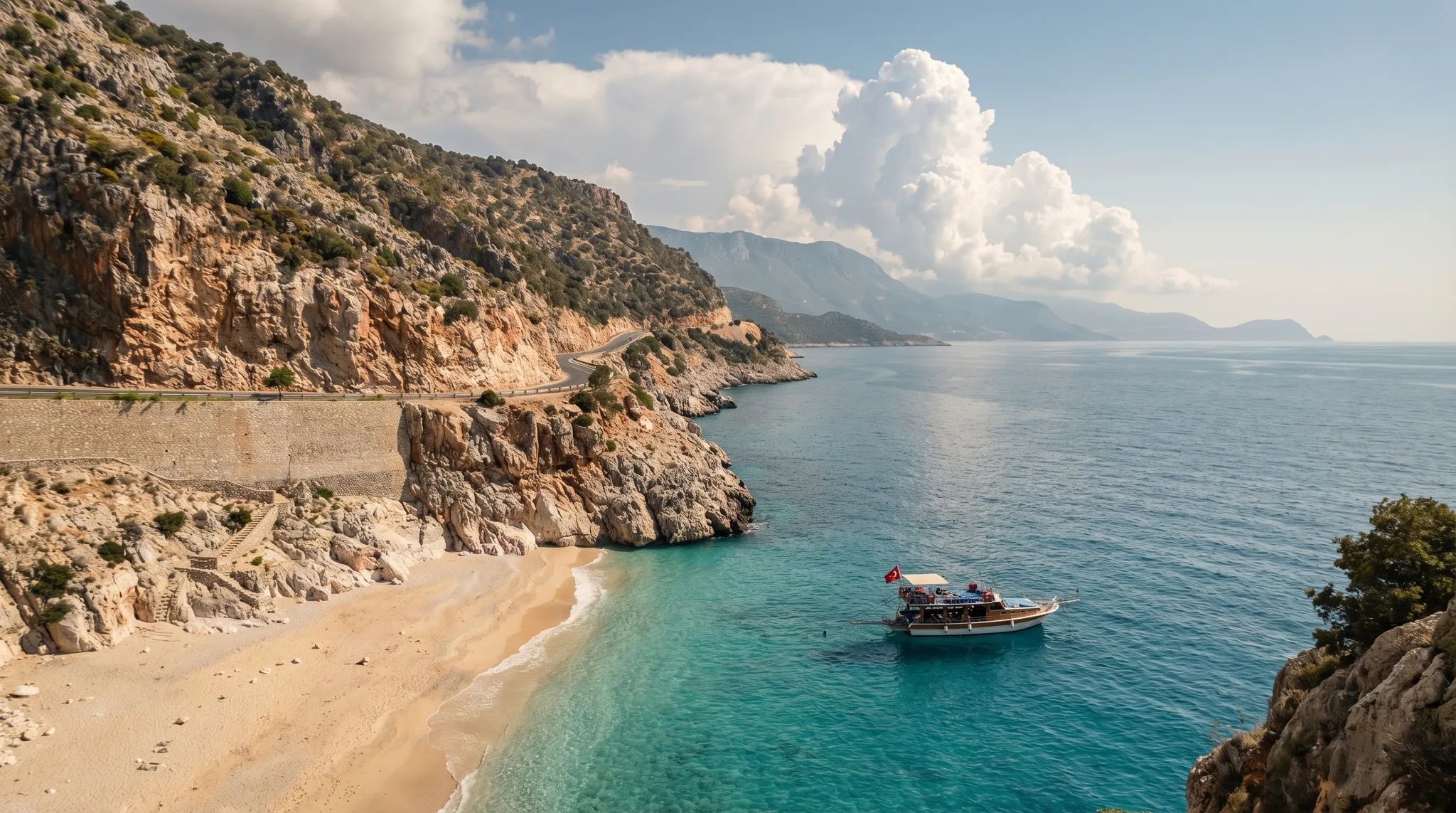
Tyre's sites combine a deep reef and an offshore wreck in historically significant southern Lebanese waters, for intermediate and advanced divers.
Water temperature around Lebanon ranges from about 18°C in February to 27°C in September, based on satellite sea-temperature data for its dive sites.
In the warm season (about 27°C) a rash guard or 3mm shorty is comfortable in Lebanon; in the coldest months (about 18°C) step up to a 5mm suit.
Fin maps 15 sites in Lebanon (15 scuba diving sites and 1 snorkelling spots, with some suited to both), organised into 4 areas.
Across Lebanon's dive sites, May, June, July, August and September are most often reported as the best months to visit.
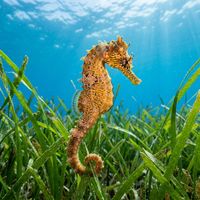
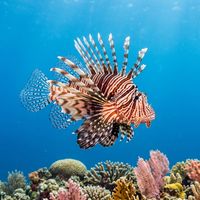
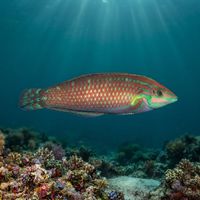
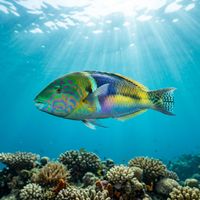
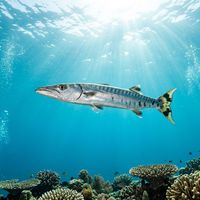
The Grey Nurse Shark and Dusky Grouper are the signature species, observed across sites throughout the region. Scorpionfish and Slipper Lobster are also very commonly encountered, while Eagle Ray, Lionfish, Turkish Wrasse, Barracuda, and European Parrotfish have all been recorded. Patient divers may also come across Seahorse at certain sites.
The mix of sites includes options for all levels. Palapas Shore Dive in Beirut is specifically rated for beginners, with a shore entry and a shallow to moderate depth range across reef and wreck terrain. Advanced divers are well served by sites like Bubbles Cliff in Batroun, which involves significant depth and regular strong currents.
Batroun and Beirut each host the largest number of sites and represent the two contrasting ends of the experience spectrum, from deep technical walls to beginner-friendly shore dives. Jounieh offers a smaller cluster of sites in a more sheltered setting, while Tyre, in the south, has fewer sites but adds geographic variety. Having multiple operators active across all sub-areas makes it easy to explore more than one area on a single trip.
Entry options vary by site: some, like Palapas Shore Dive, are accessible directly from shore, while others require a boat. A wide range of dive operators is active across the region, including Samir Sport, NISD, Scuba Diving Lovers Lebanon, Deep Sea Diving Center, Bubbles, Azzi Sport Marine, and Xiphias Diving Center, among others. This breadth of provision means that guided access to most sites is straightforward to arrange.