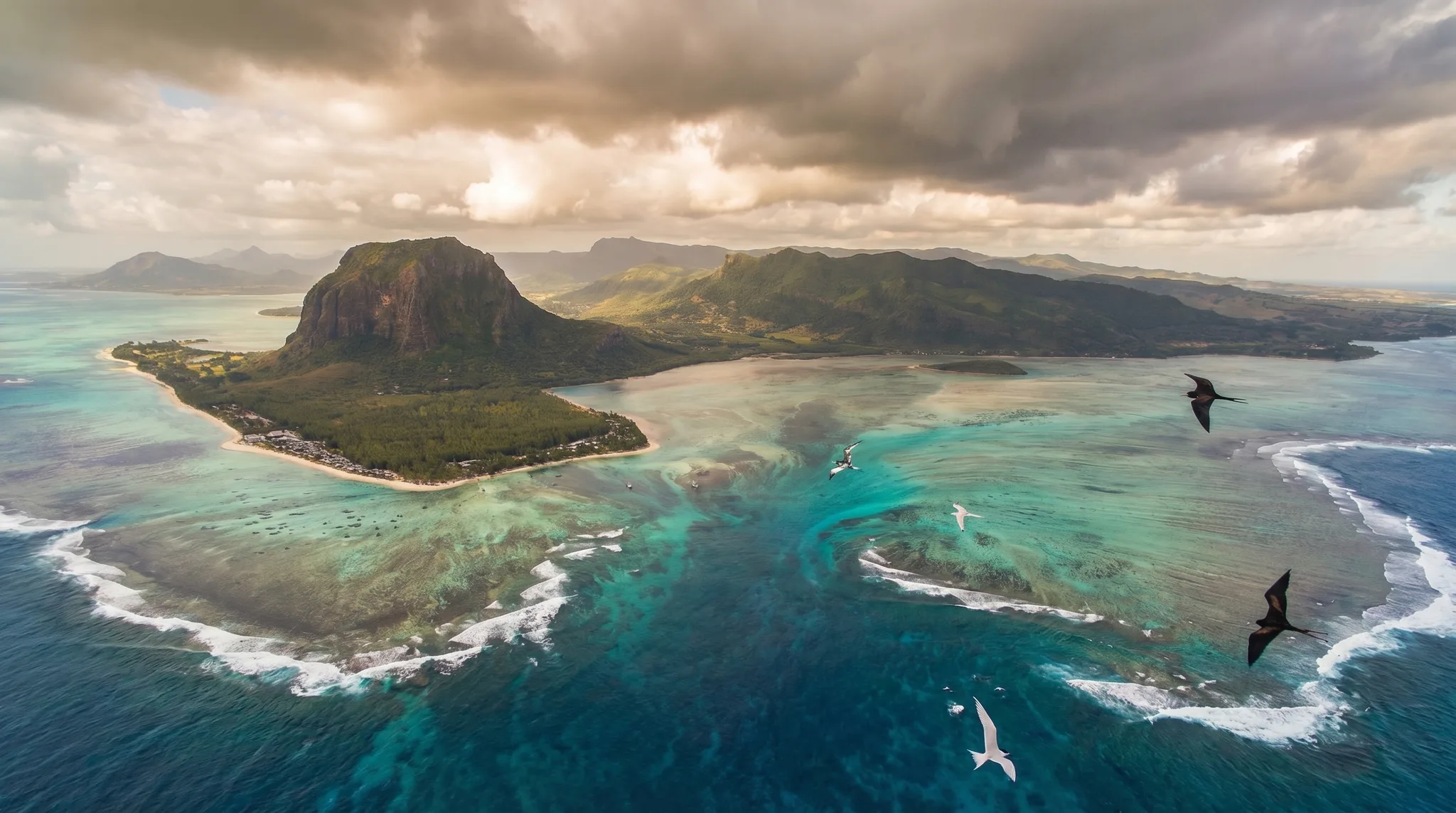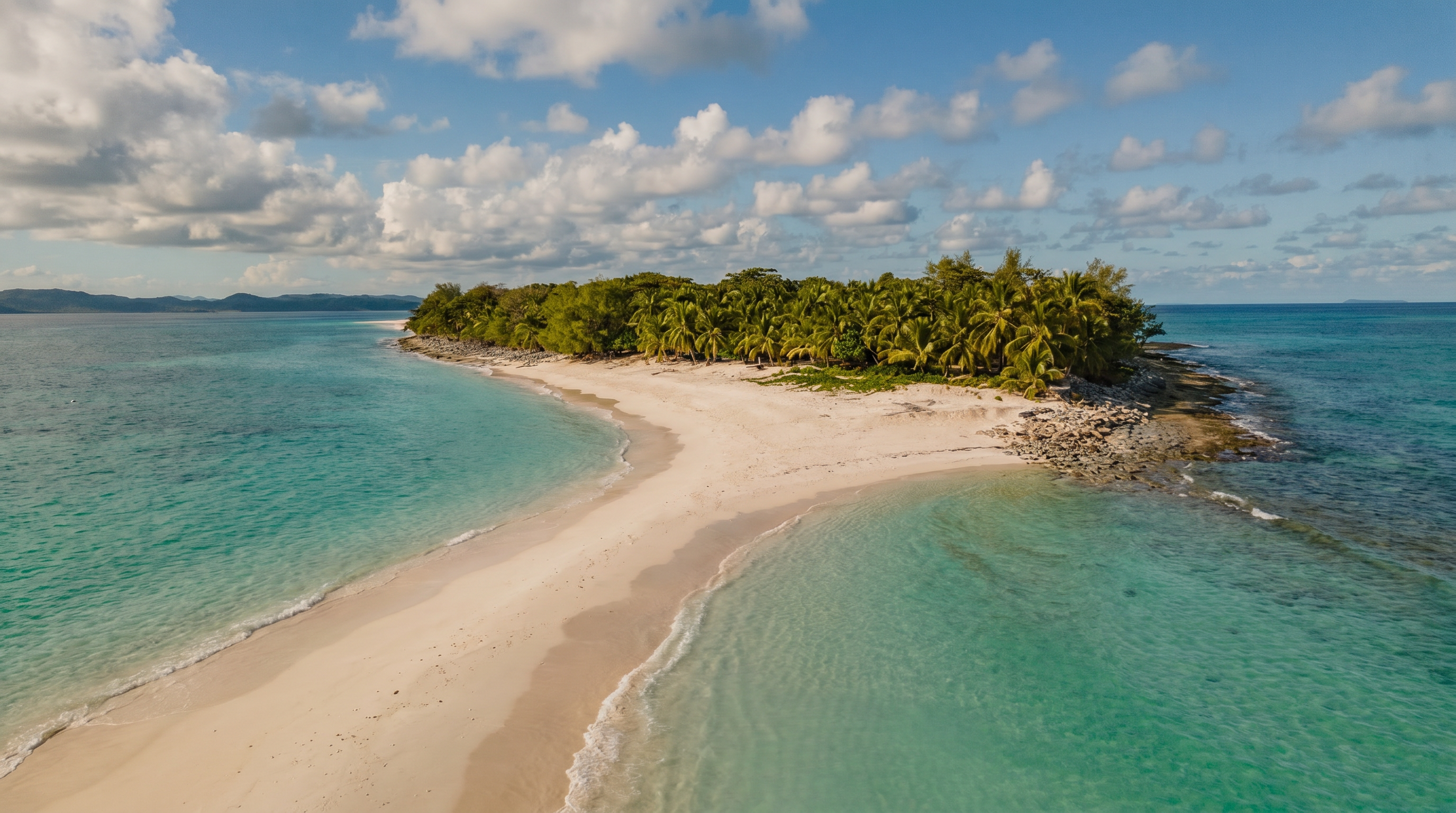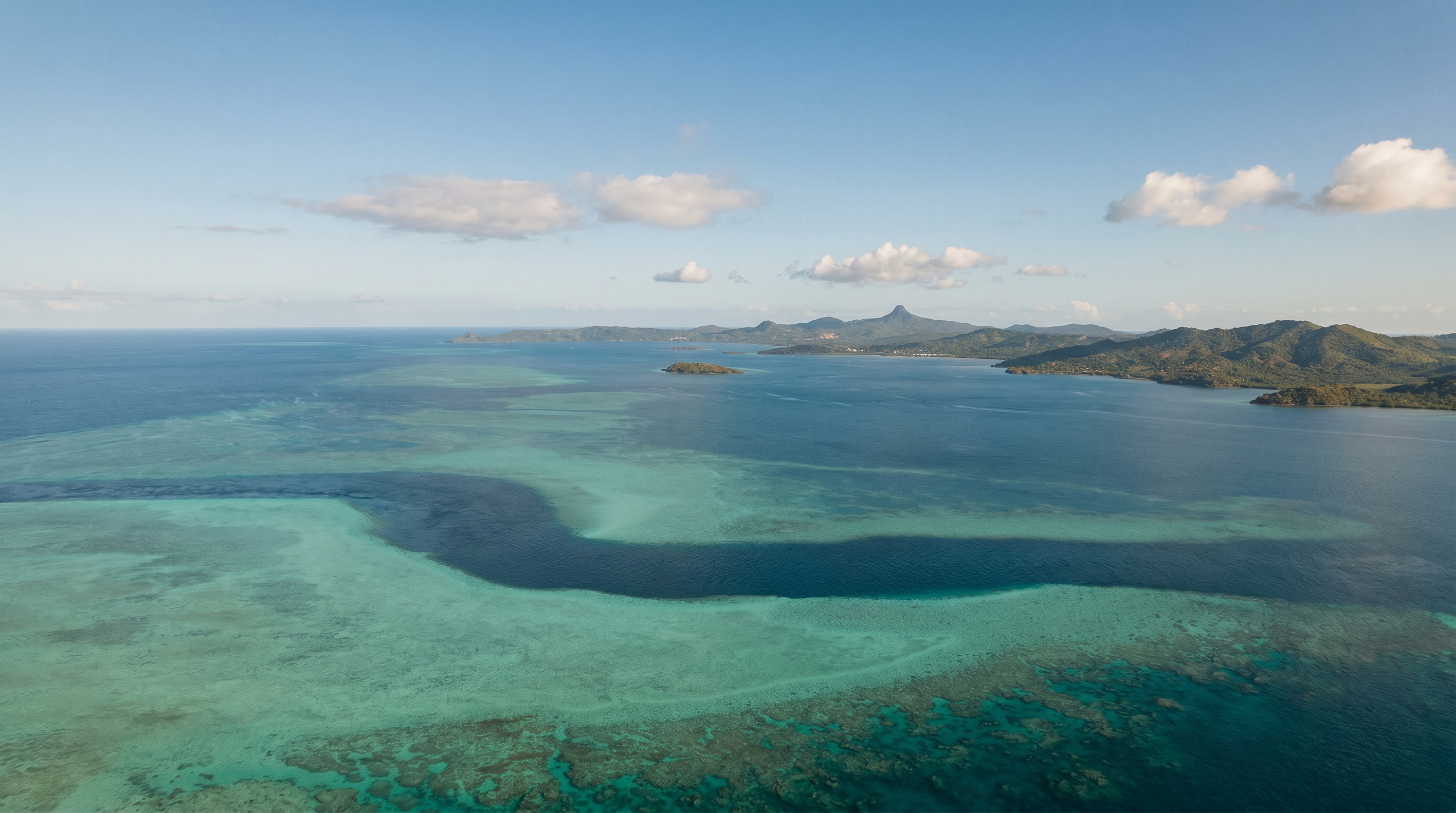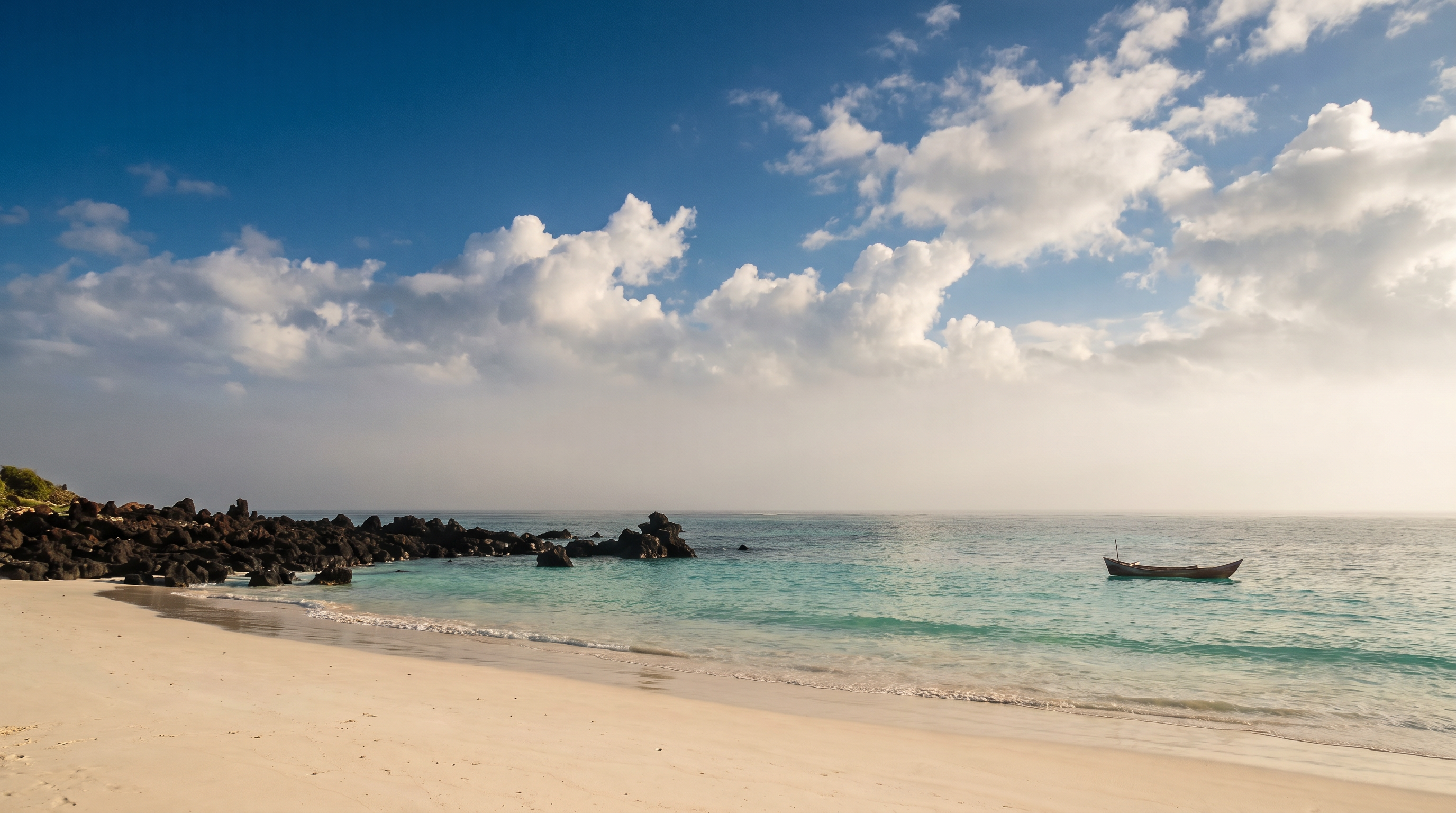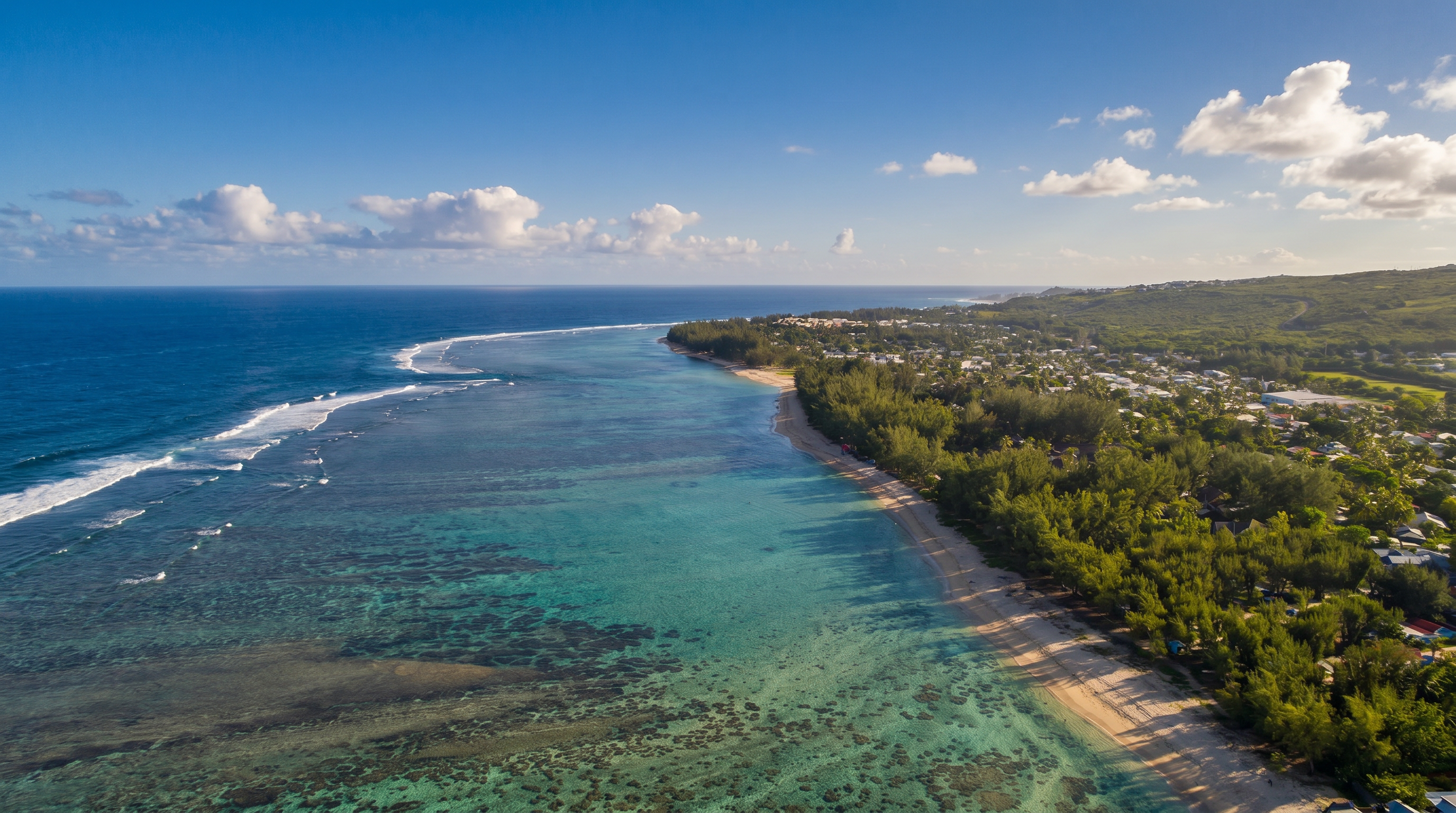
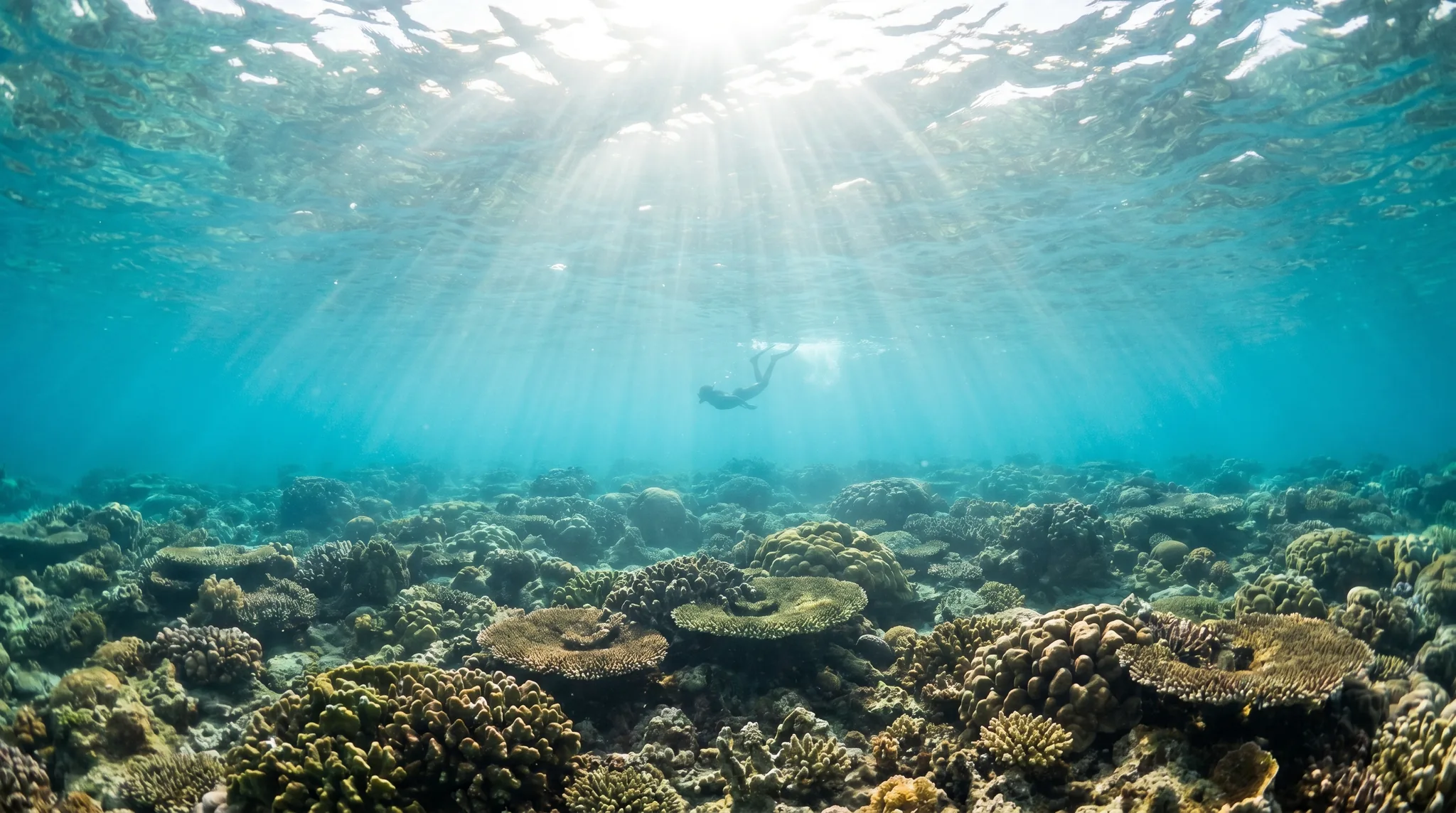
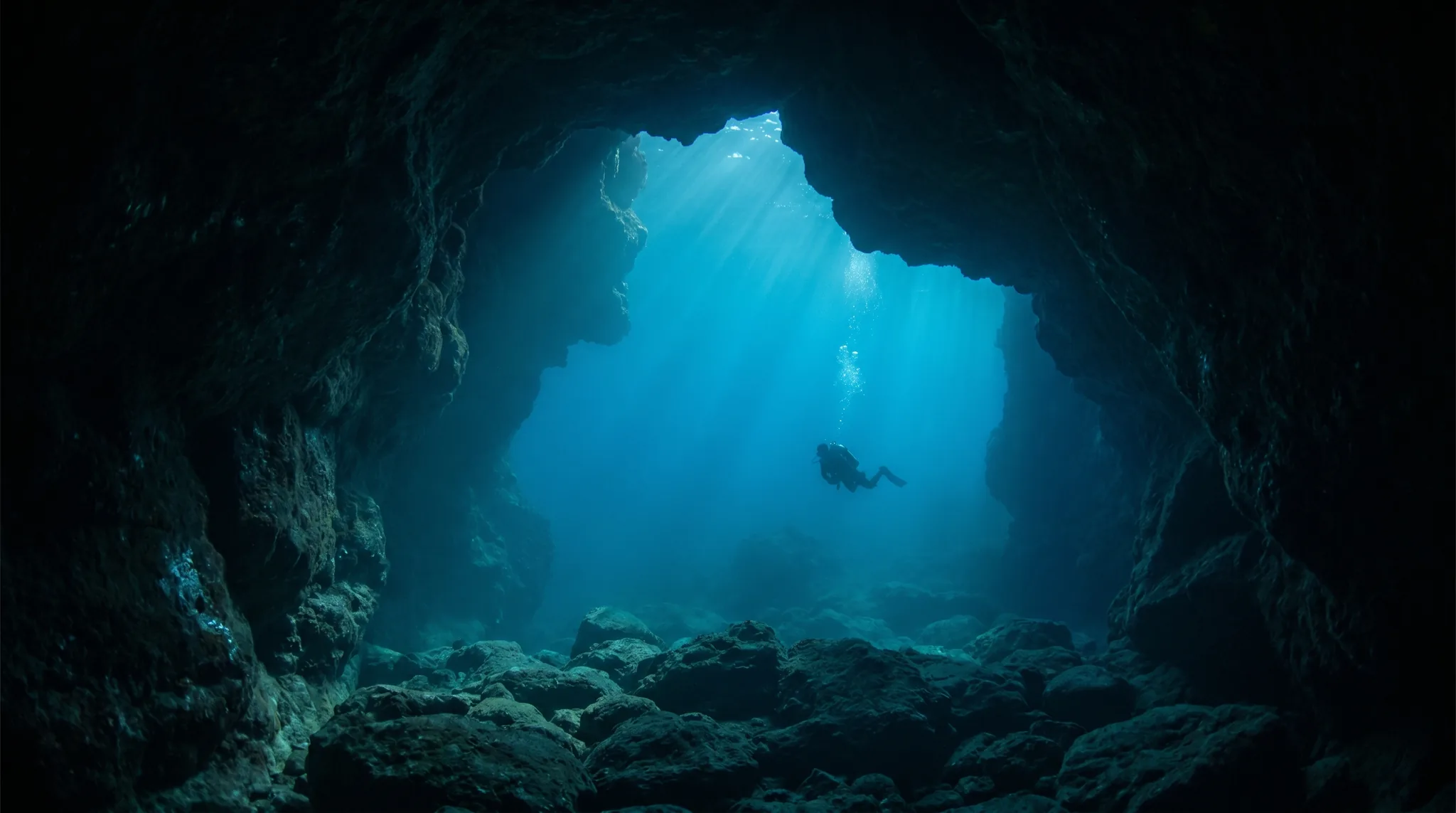
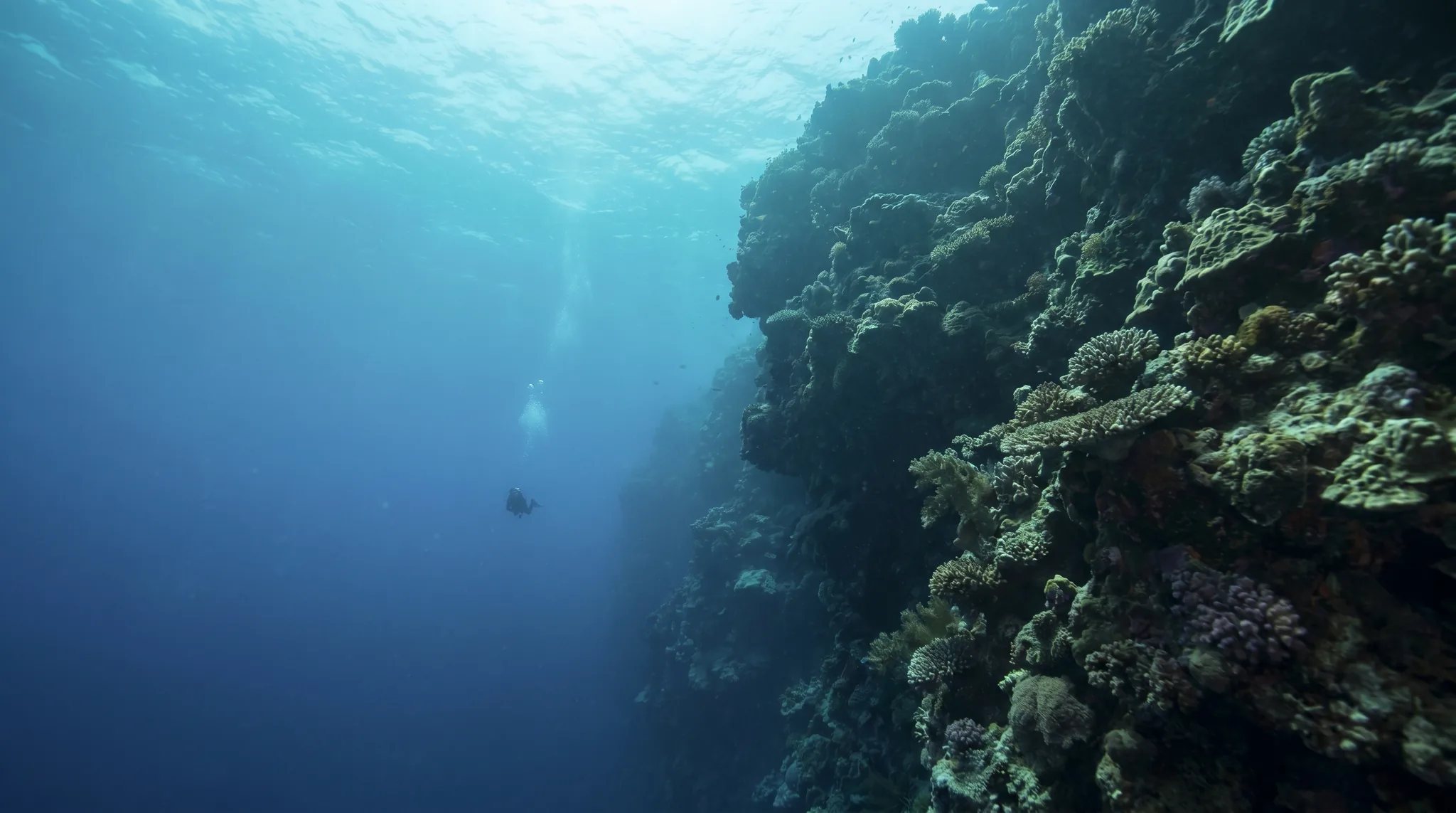
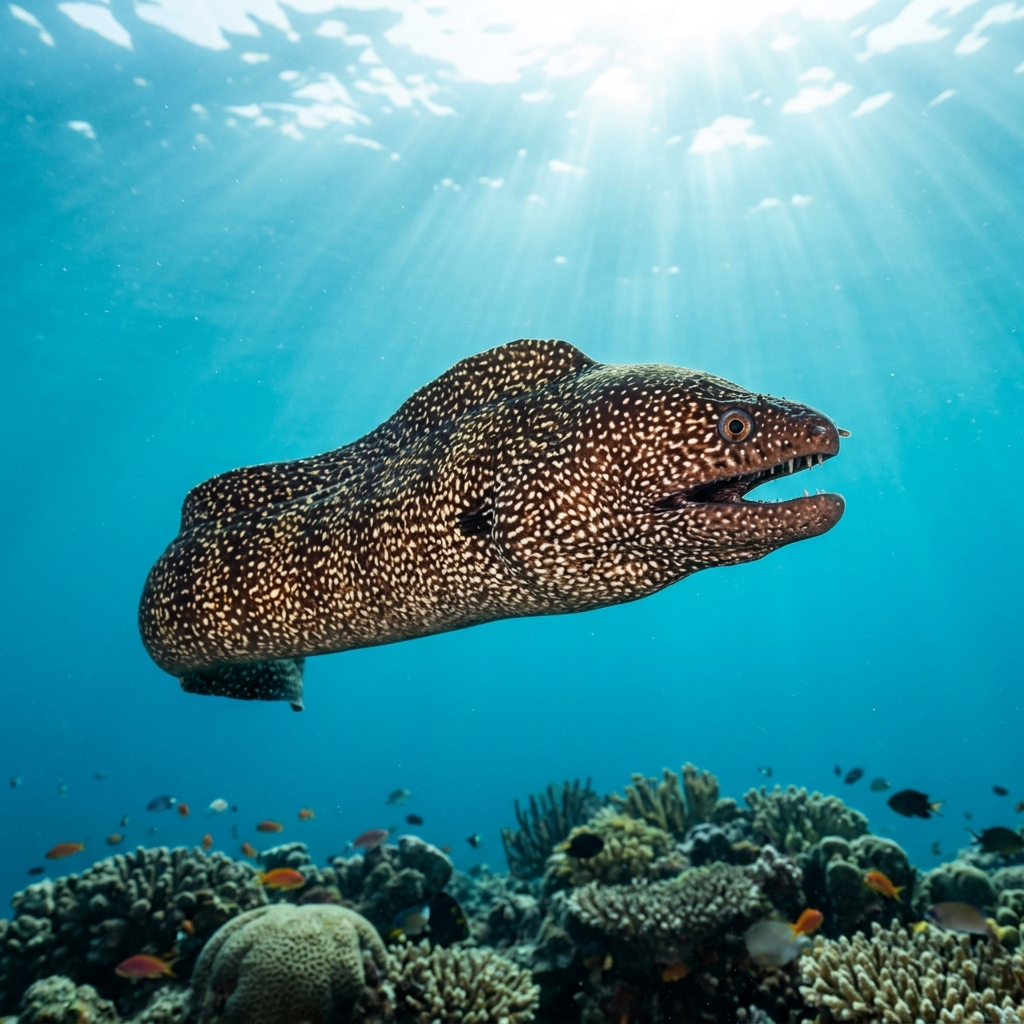
Réunion's underwater character is shaped by a fringing reef system that stretches across three distinct sub-areas: Saint-Paul, Saint-Leu, and Saint-Pierre. The reef produces a wide range of site types, from shallow coral plateaux and lagoons suited to beginners, to deep walls, drift passages, caves, and a wreck for experienced divers. The Turkey Moray and Wrasse are encountered with remarkable regularity, while the Emperor Angelfish, Spanish Dancer, and Green Sea Turtle make for memorable sightings. Conditions shift noticeably through the year, with the austral winter and shoulder months seeing higher diver activity and generally cleaner water. Saint-Paul holds the largest concentration of sites, with Saint-Leu close behind; Saint-Pierre offers a smaller, quieter selection. Shore and boat access are both available, and a strong base of operators runs throughout the island.
3 areas
 29
29Volcanic reef diving from shallow lagoons to deep walls, with a rich cast of resident morays, rays and cryptic species.
19A reef system spanning caves, walls, wrecks and drift dives, with reliable encounters with moray eel and Green Sea Turtle.
5Volcanic walls, sheltered lagoons, and rocky pools on Réunion's southwest coast, accessible to beginners and intermediate divers alike.
Monthly water temperature across Reunion's sites, from satellite sea-surface data corrected for depth. The band shows the site-to-site spread.
Water is at its warmest from January through April, easing into cooler conditions over the austral winter months of July, August, and September. The best-months data shows a clear peak in diver activity from June through October, when conditions tend to favour visibility and currents suit drift diving along the reef passages. Cooler months call for an extra layer, while the warmer summer period offers comfortable diving with a lighter exposure suit.
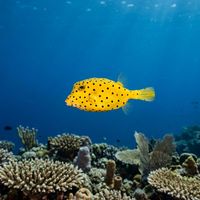
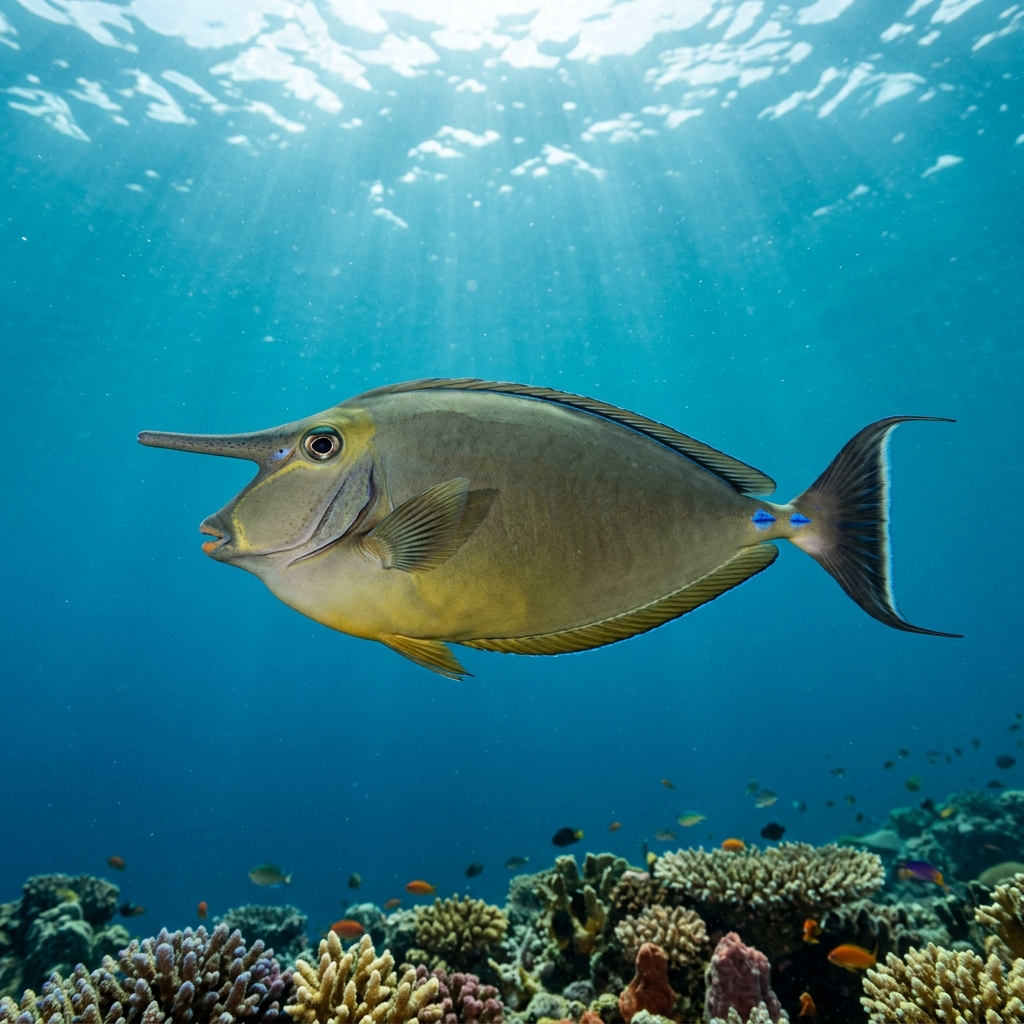
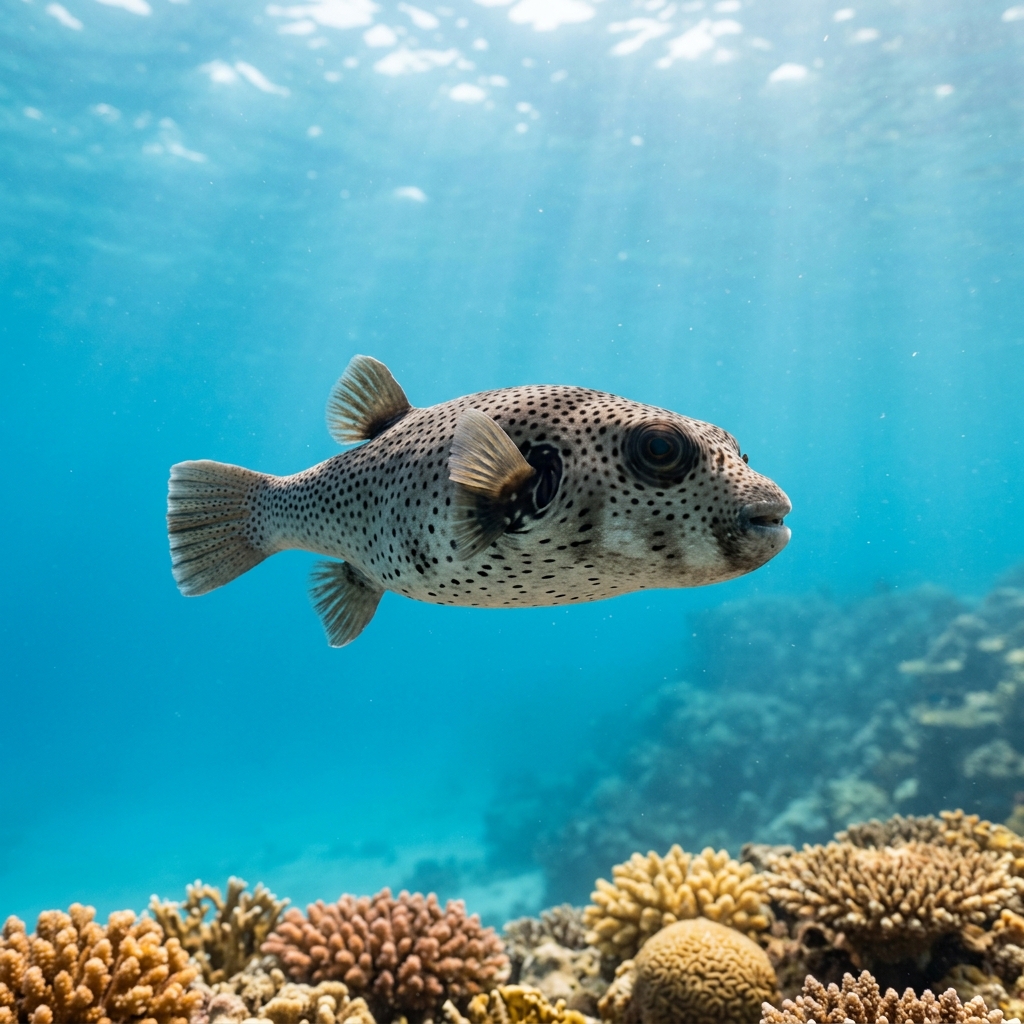
21 operators
Saint-Paul, Reunion
Saint-Paul, Reunion
Saint-Leu, Reunion
Saint-Leu, Reunion
Water temperature around Reunion ranges from about 24°C in July to 28°C in January, based on satellite sea-temperature data for its dive sites.
In the warm season (about 28°C) a rash guard or 3mm shorty is comfortable in Reunion; in the coldest months (about 24°C) step up to a 3mm full suit.
Fin maps 53 sites in Reunion (46 scuba diving sites and 10 snorkelling spots, with some suited to both), organised into 3 areas.
Across Reunion's dive sites, June and October are most often reported as the best months to visit.
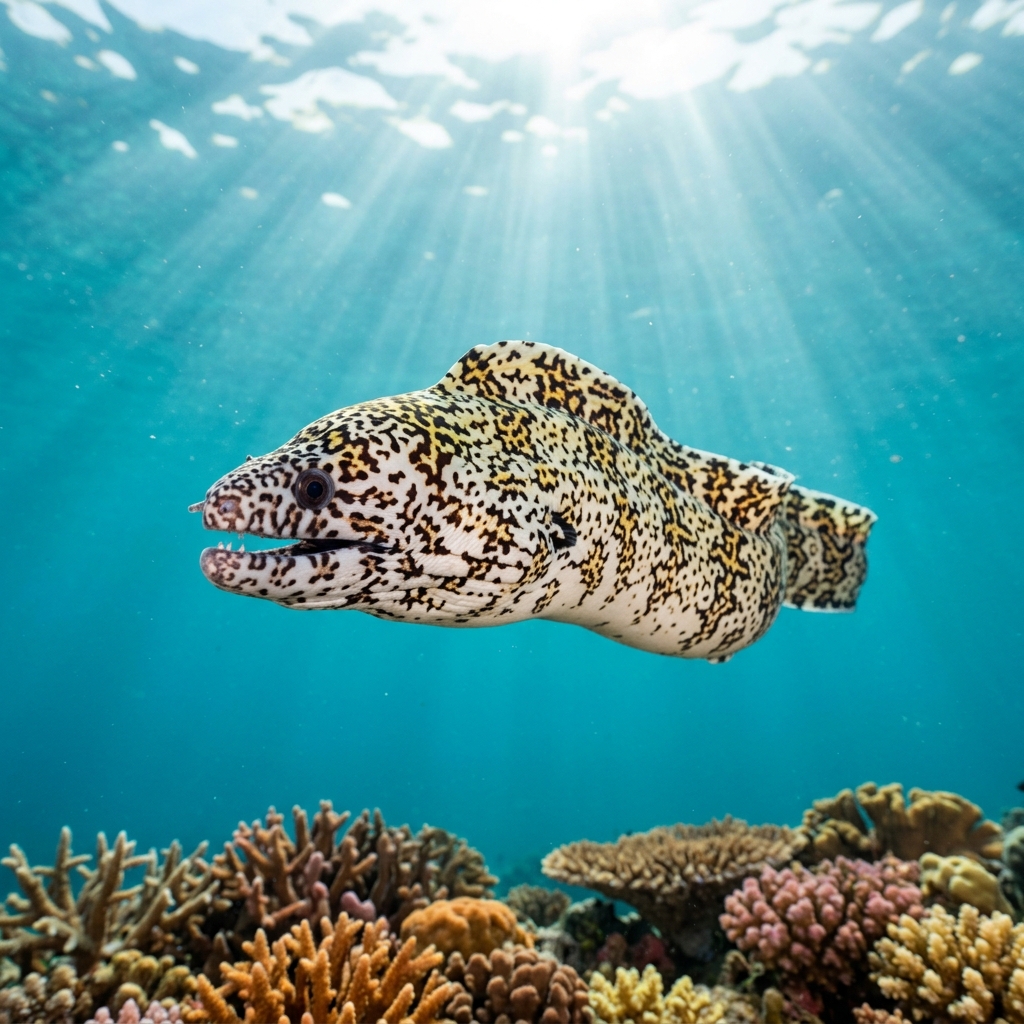
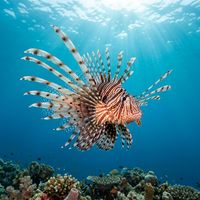
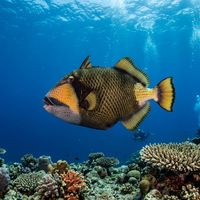
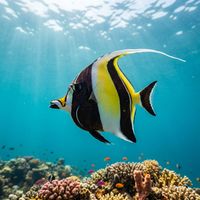
The reef fish life is particularly rich, with Turkey Moray, Snowflake Moray, Spotfin Lionfish, Titan Triggerfish, and Indian Lionfish all recorded as common sightings. Signature species include the Emperor Angelfish, Green Sea Turtle, Spanish Dancer, Spotted Eagle Ray, and Robust Ghost Pipefish. Wrasse and Moorish Idol appear across almost all sites, making even a short dive eventful.
Réunion caters well to a range of skill levels. Many sites across Saint-Paul and Saint-Leu, including Maison verte, Les Arches, and Le Banc Doré, are rated for beginners and sit at accessible depths on calm coral plateaux. Advanced and intermediate divers have their own options, including the deep wall at Grand tombant de La Possession, the wreck Antonio Lorenzo, and the technical arch at L'Arche de Noel.
Saint-Paul is the largest sub-area by site count and covers a broad mix of reef, cave, drift, wall, and wreck dives. Saint-Leu offers a similarly varied selection with a slightly smaller portfolio. Saint-Pierre, in the south, is quieter and has fewer sites, including the sheltered Lagon De Saint-Pierre, which suits very new divers and snorkellers.
The majority of dive sites in Réunion are boat-access only, and several operators including Le Dodo Palmé, Bleu Marine Réunion, and Reunion Diving run regular departures. Shore entry is available at a smaller number of sites, notably Grande Anse Rocky Pool and Lagon De Saint-Pierre, which are well suited to independent snorkellers and introductory dives. Passe de Trois Bassins accepts both shore and boat entry.