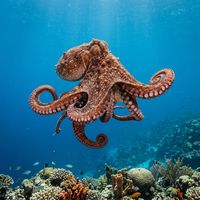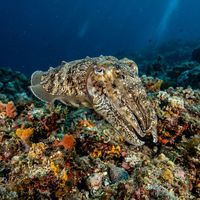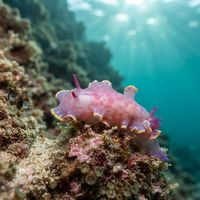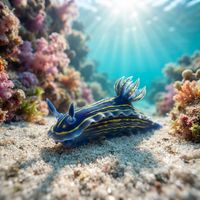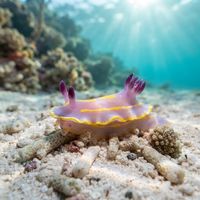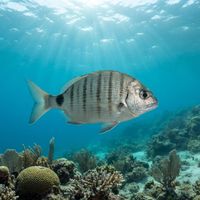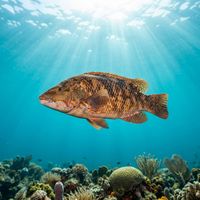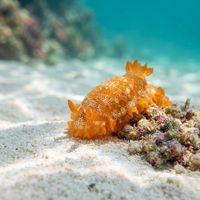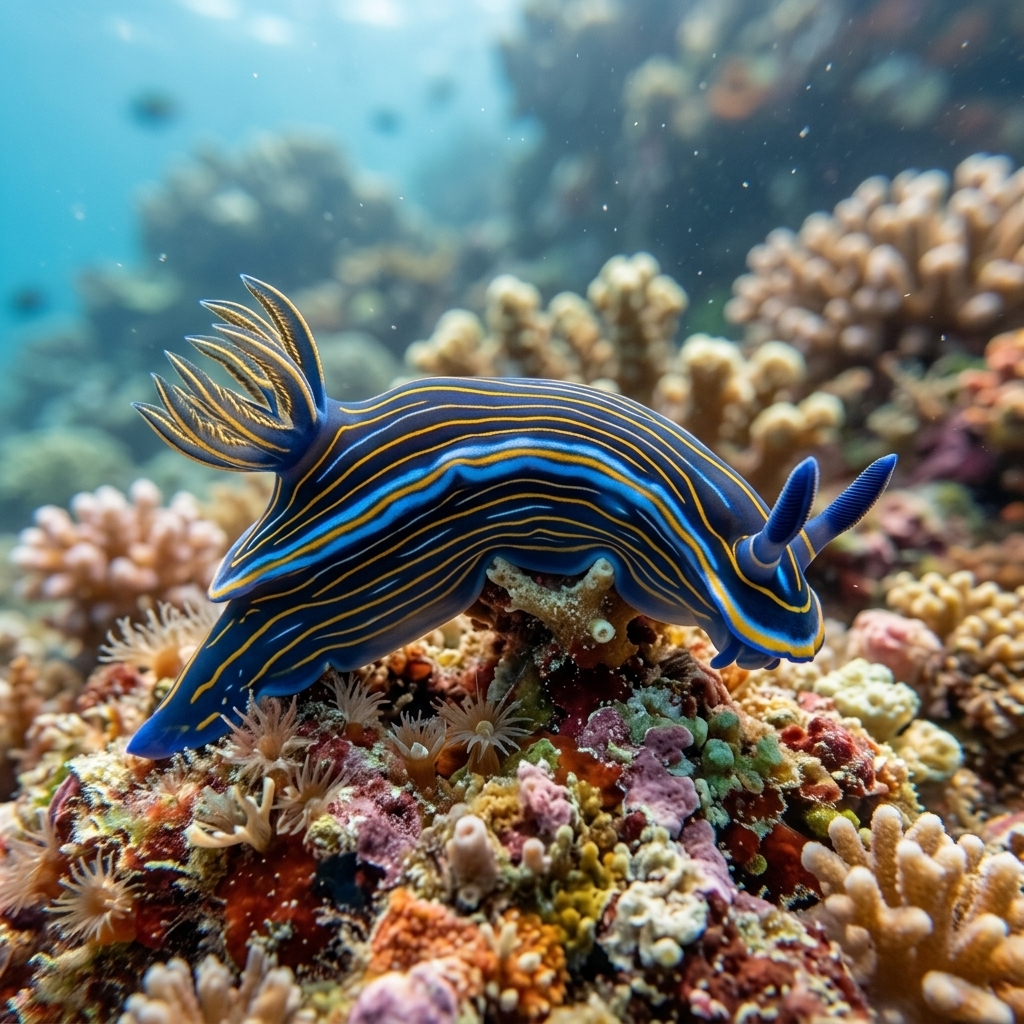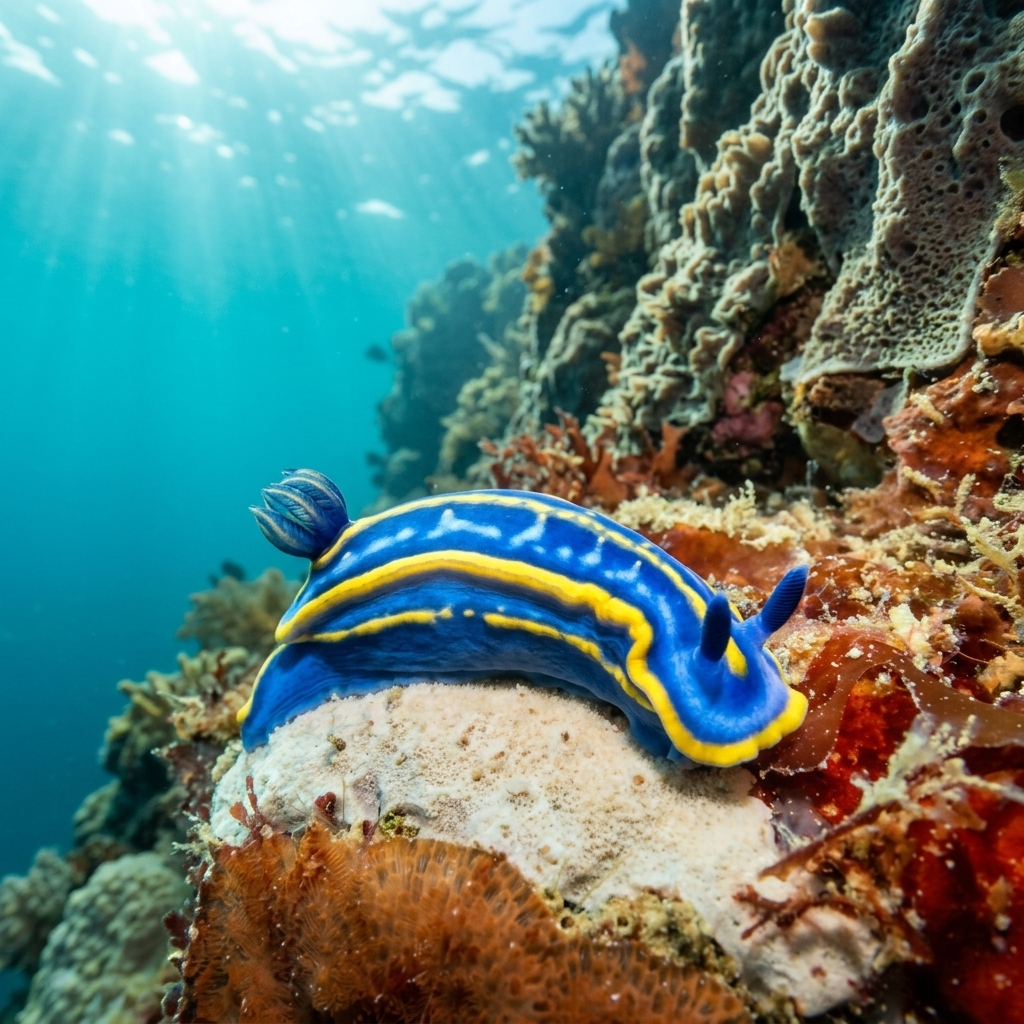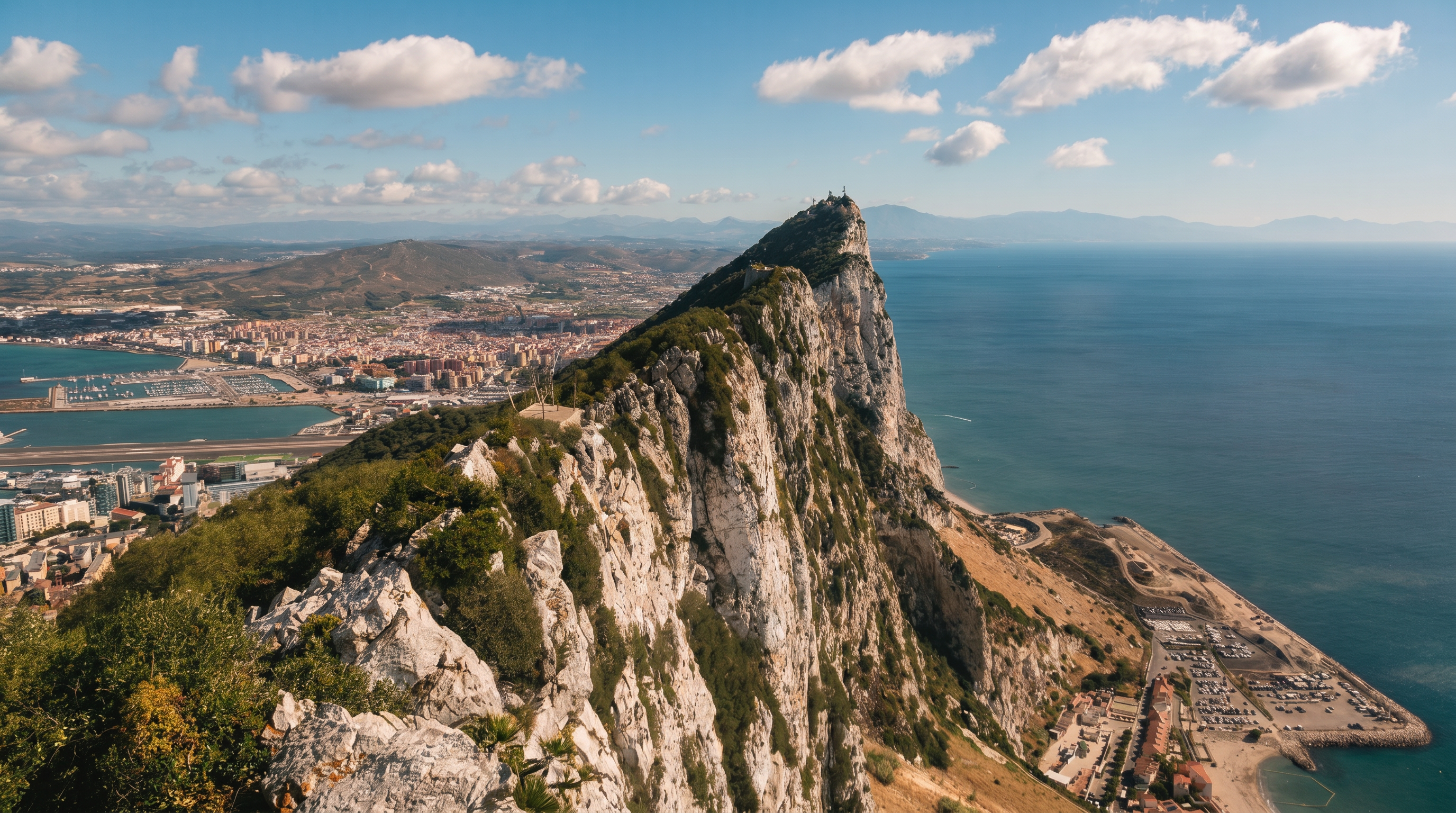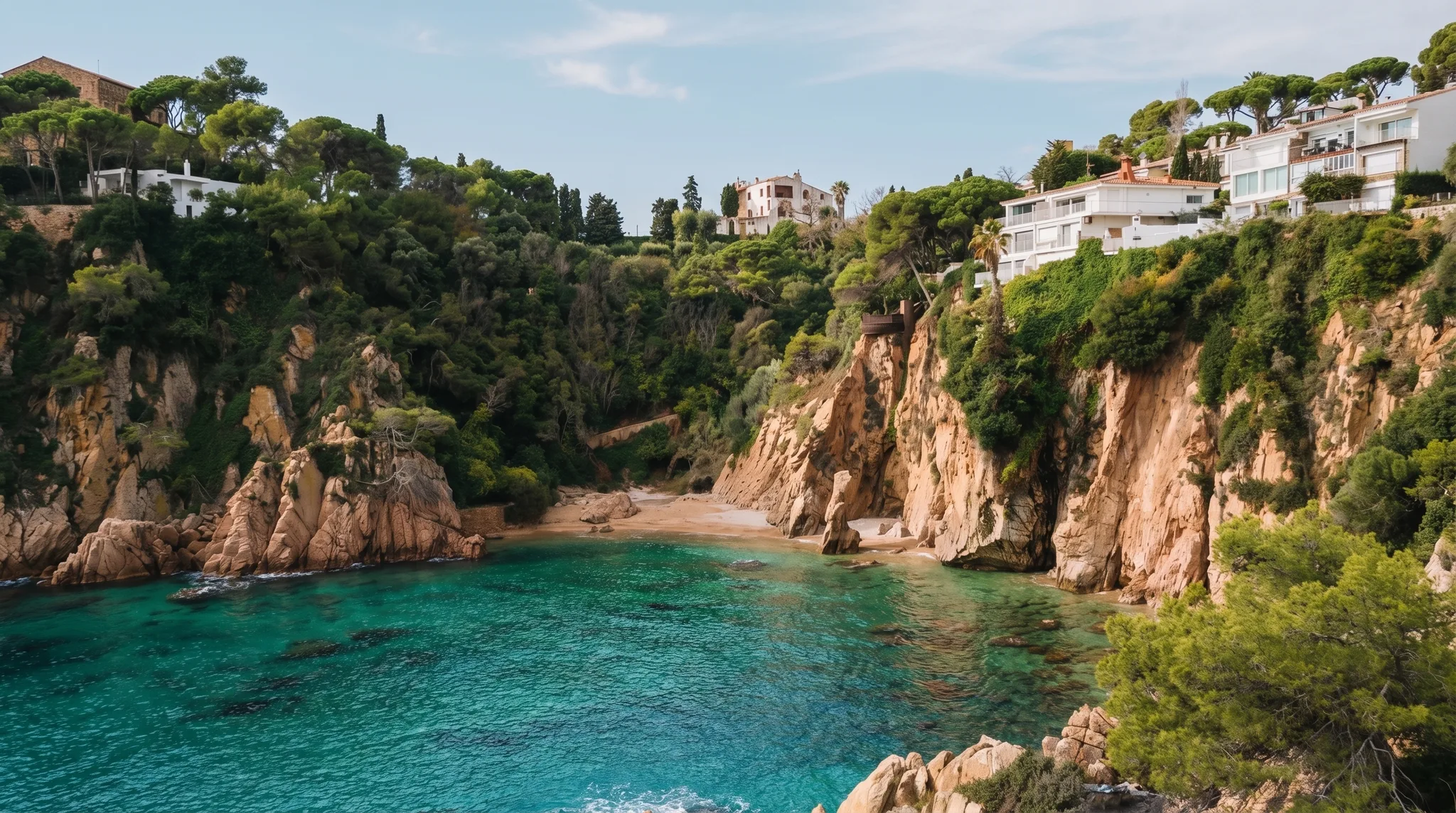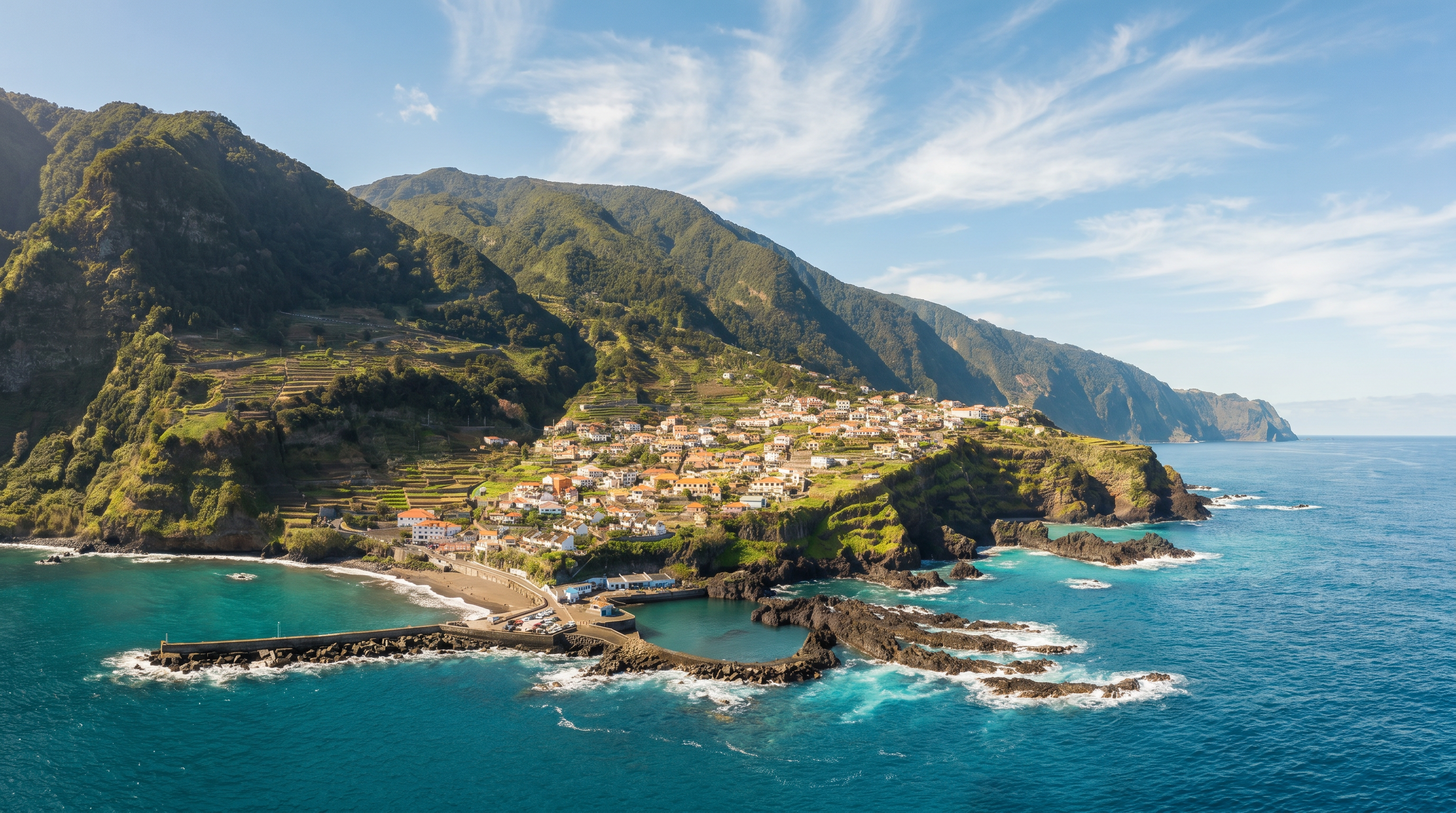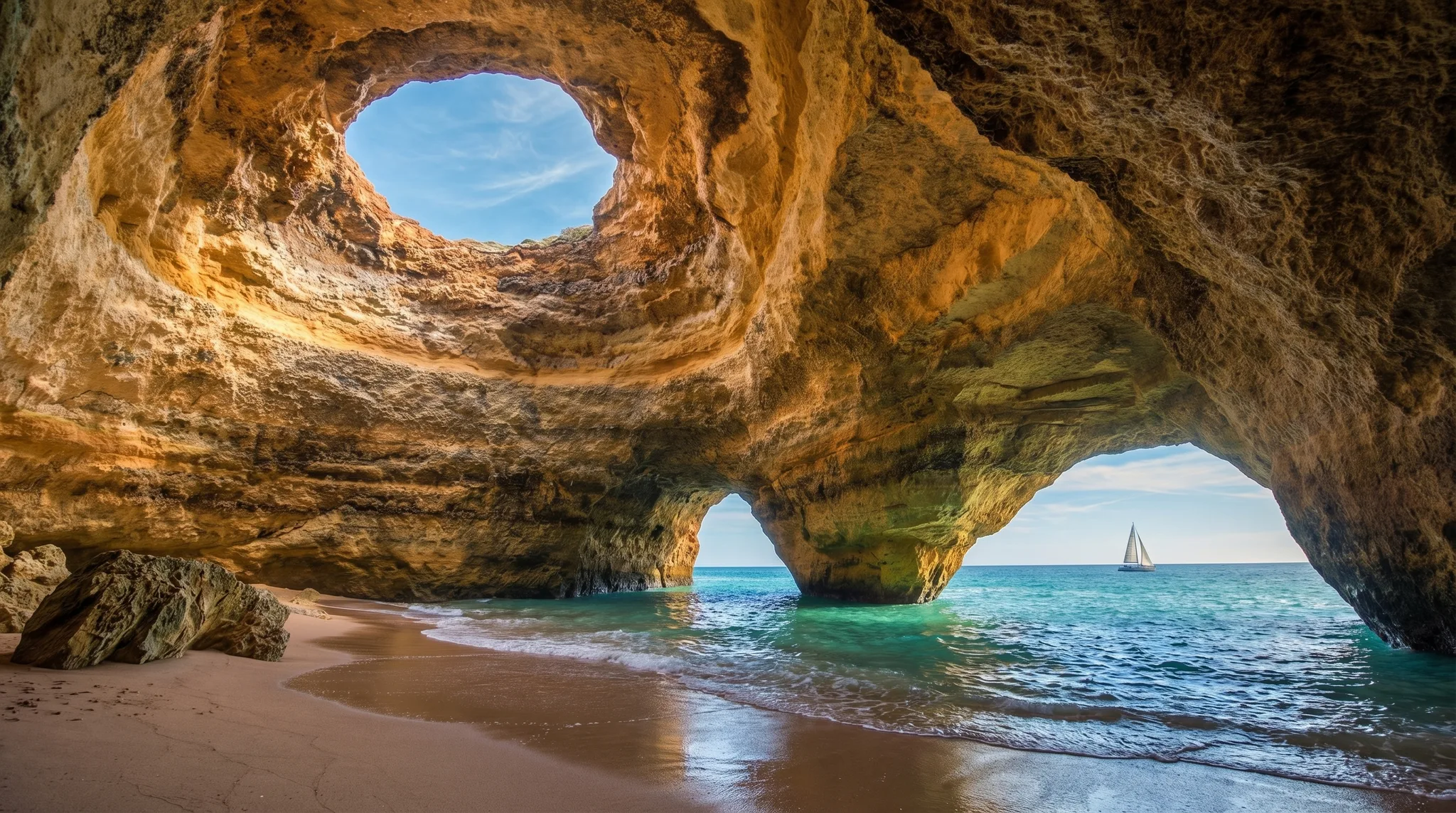
Portugal's underwater landscape spans three distinct sub-areas, from the warm, cave-riddled reefs of the Algarve to the exposed, current-driven sites of the Lisbon Coast and the wilder northern waters of the Costa Verde. The Algarve holds the greatest concentration of sites, dominated by reef, wall, cave and artificial reef formations across a wide range of depths, with the majority accessible by boat. The Common Octopus and European Common Cuttlefish are encountered with remarkable consistency across the country, while Tompot Blenny, Wrasses, Bream and Scorpionfish fill the reefs. Nudibranch diversity is a quiet highlight, with Felimare villafranca, Tricolor Doris and Giant Doris all observed. Conditions are coolest in late winter and warm gradually through summer into early autumn, when visibility and water temperature both peak. Beginners are well served, though intermediate-grade walls and drop-offs reward more experienced divers.
3 areas
 146
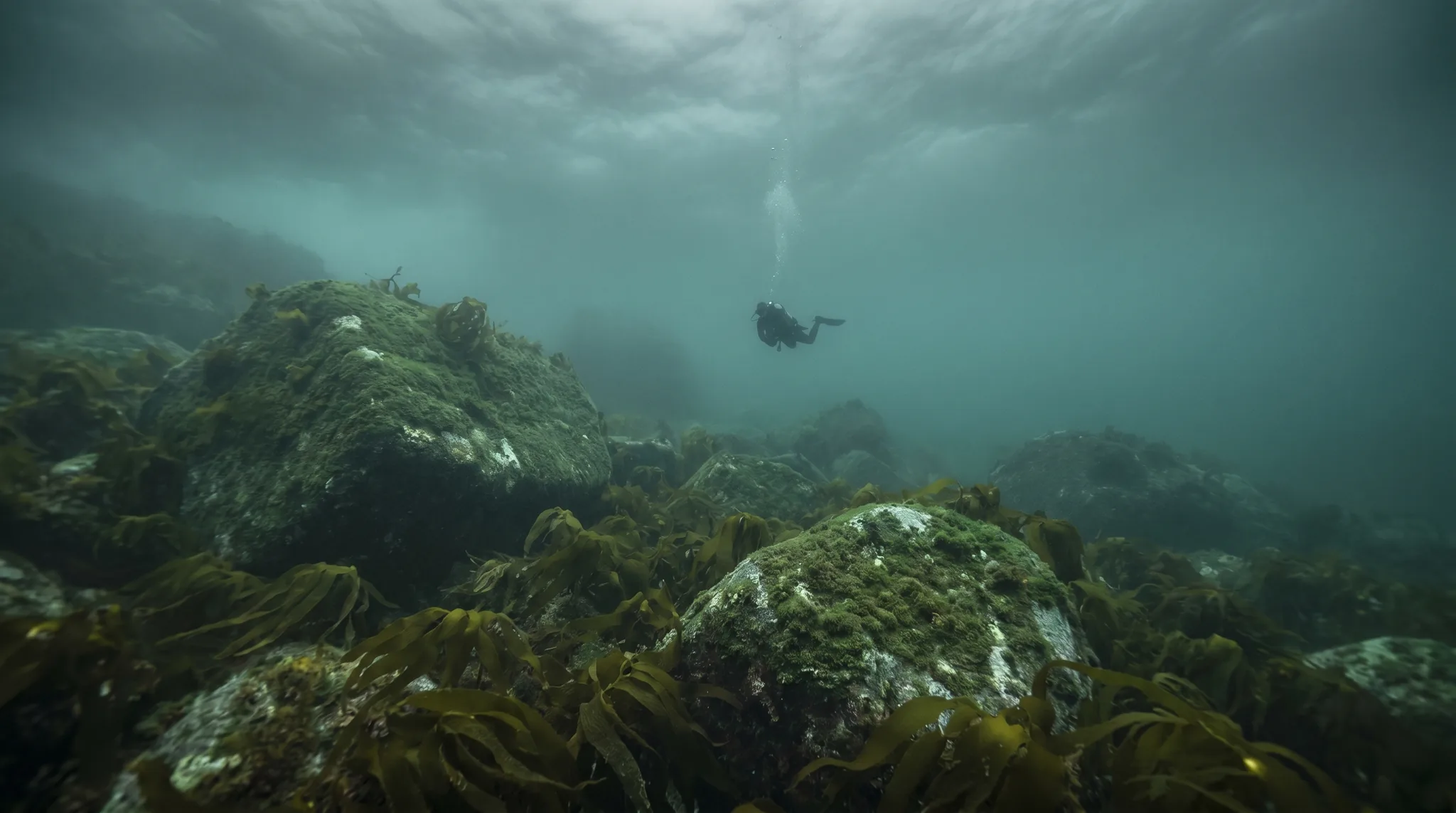
146Reef, cave and wall diving rich in cuttlefish, octopus and nudibranch diversity across four distinct sub-areas of the Algarve coast.
 93
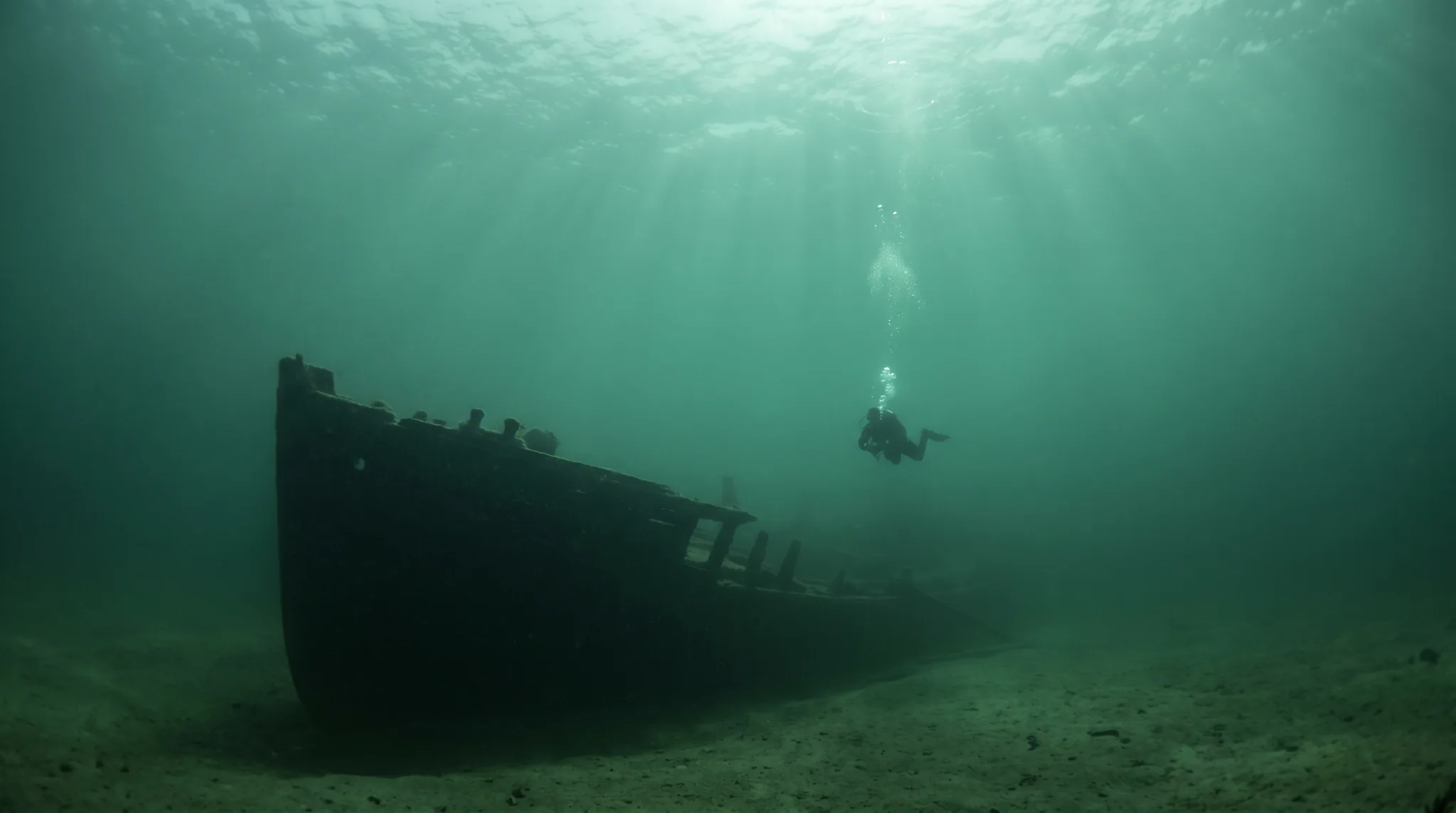
93A varied coastline of reefs, wrecks and caves with outstanding cephalopod and nudibranch life, spread across four contrasting sub-areas.
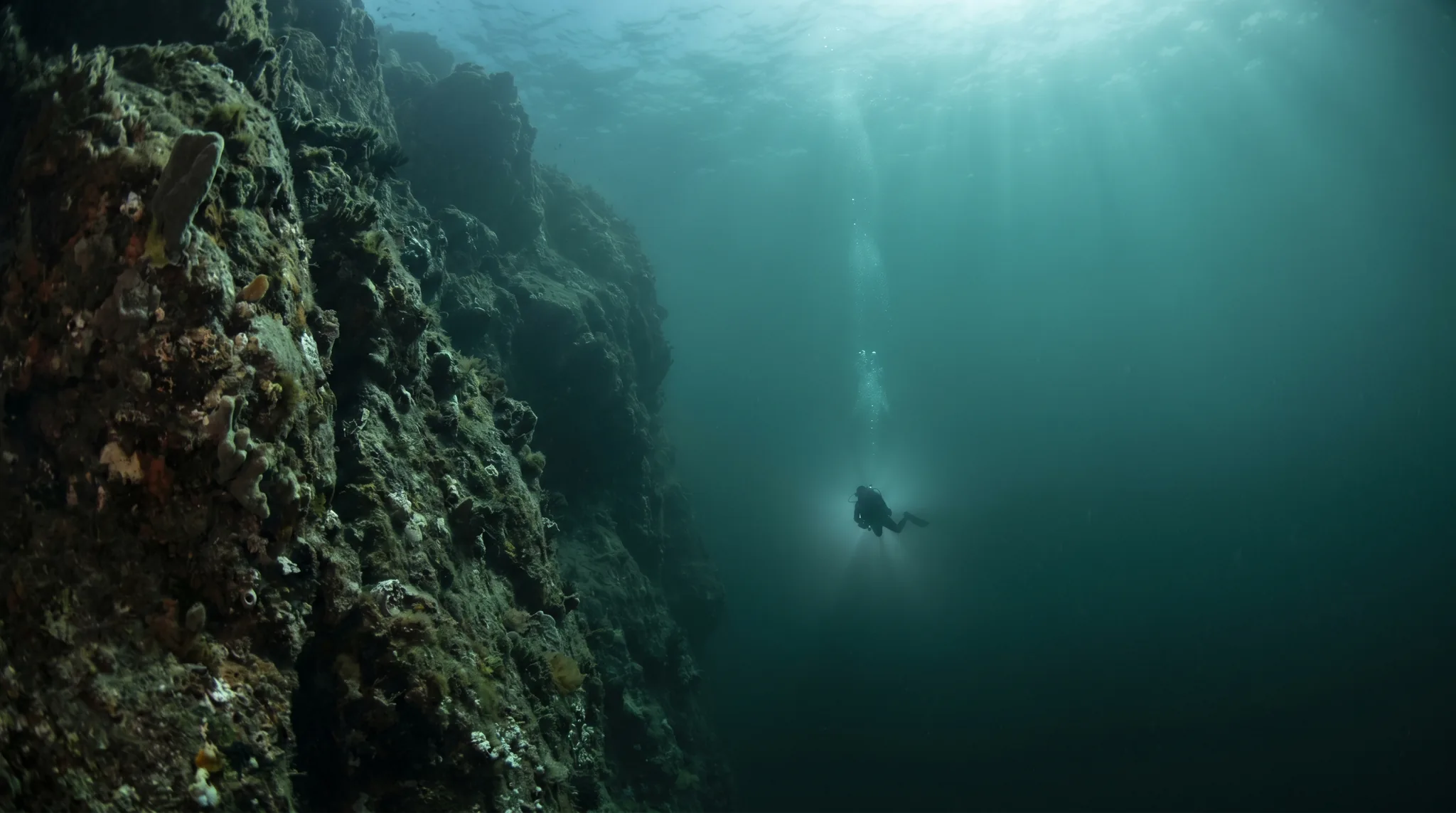
45A wreck-rich coastline with kelp reefs, resident Common Octopus, and the occasional Gray Seal across three distinct sub-areas in northern Portugal.
Monthly water temperature across Portugal's sites, from satellite sea-surface data corrected for depth. The band shows the site-to-site spread.
Water temperature stays cool through winter and spring before climbing steadily from late spring through early autumn, when conditions are most settled and visibility tends to be at its best. Summer and autumn draw the highest diver activity, reflecting calmer seas and warmer water across the Algarve, Lisbon Coast and Costa Verde. Exposed northern sites can carry stronger swells, so conditions vary meaningfully between sub-areas even within the same season.
109 operators




Water temperature around Portugal ranges from about 15°C in March to 19°C in September, based on satellite sea-temperature data for its dive sites.
In the warm season (about 19°C) a 5mm suit is comfortable in Portugal; in the coldest months (about 15°C) step up to a 7mm or semi-dry suit.
Fin maps 284 sites in Portugal (259 scuba diving sites and 50 snorkelling spots, with some suited to both), organised into 3 areas.
Across Portugal's dive sites, May, June, July, August, September and October are most often reported as the best months to visit.
The Common Octopus and European Common Cuttlefish are observed across the vast majority of sites, making them the most reliable sightings in the country. Tompot Blenny, Wrasses, Bream, Scorpionfish and Crab are all very commonly encountered on the reefs. Nudibranch enthusiasts will find Felimare villafranca, Tricolor Doris and Giant Doris, while Conger Eel, Squat Lobster and Gurnard appear occasionally.
A large proportion of Portugal's sites are rated at beginner level, including shallow boat-access reefs such as Maria Luisa, Sulux and Santa Eulalia 2. Shore-entry sites like Península dos Covos offer very shallow reef dives accessible to those just starting out. Intermediate divers are catered for by deeper walls and drop-offs such as Pedra do Lavagante, Caneca Wall and Balanciais Fora.
The Algarve holds the largest concentration of sites and offers the widest variety of site types, from caves and walls to artificial reefs and wrecks, mostly reached by boat. The Lisbon Coast provides a substantial alternative with its own mix of reef and open-water diving, while the Costa Verde in the north has fewer sites and tends to be more exposed. Divers seeking calmer, more sheltered conditions will generally find them most consistently in the Algarve.
The majority of Portugal's dive sites are boat-access only, and most operators run regular scheduled departures along the Algarve. Shore-entry options do exist, including Península dos Covos and Tunnels and Bridge, which are suited to snorkellers and divers who prefer to enter directly from the coast. Having a local operator such as Pura Vida Divehouse, Easydivers Dive Center or Lagos Divers is the most practical way to reach the best offshore sites.