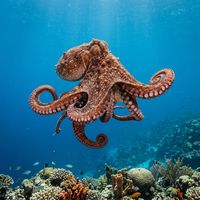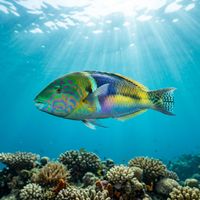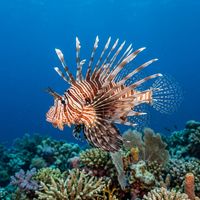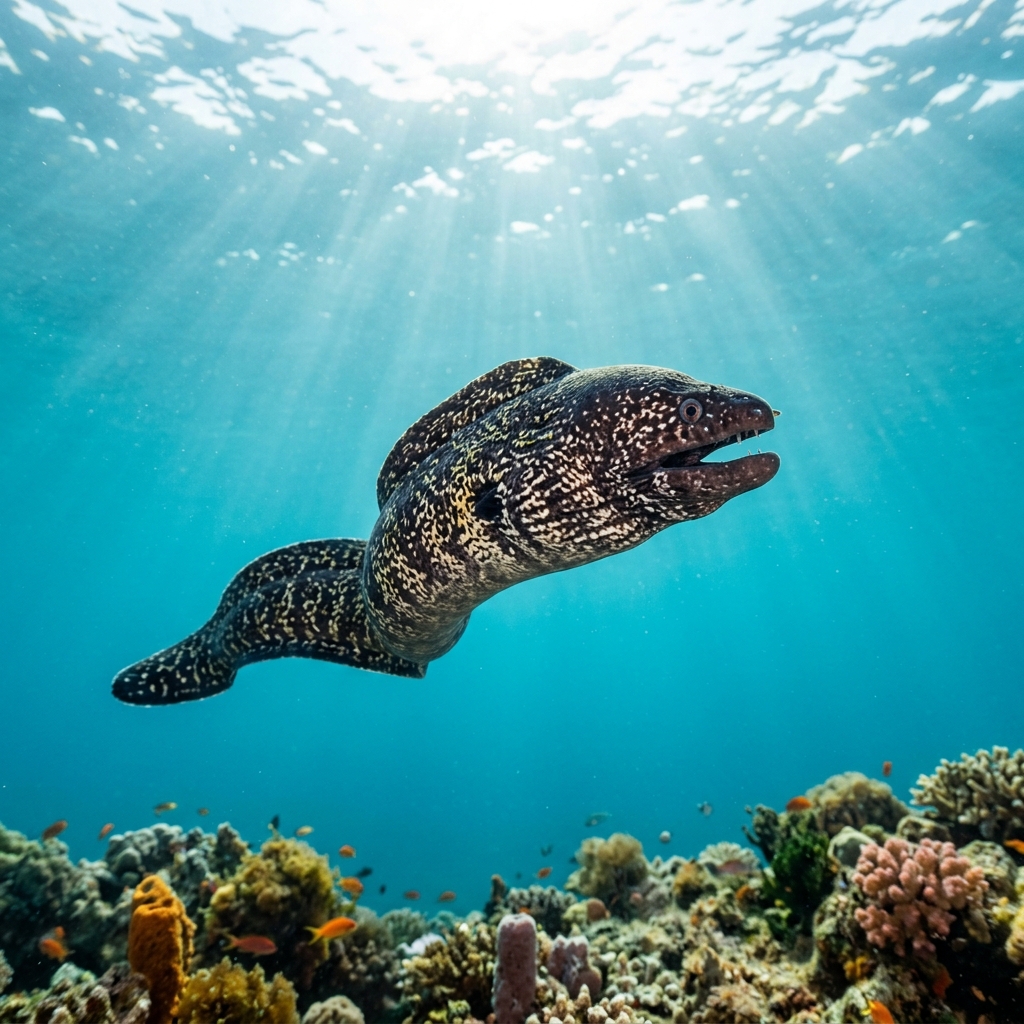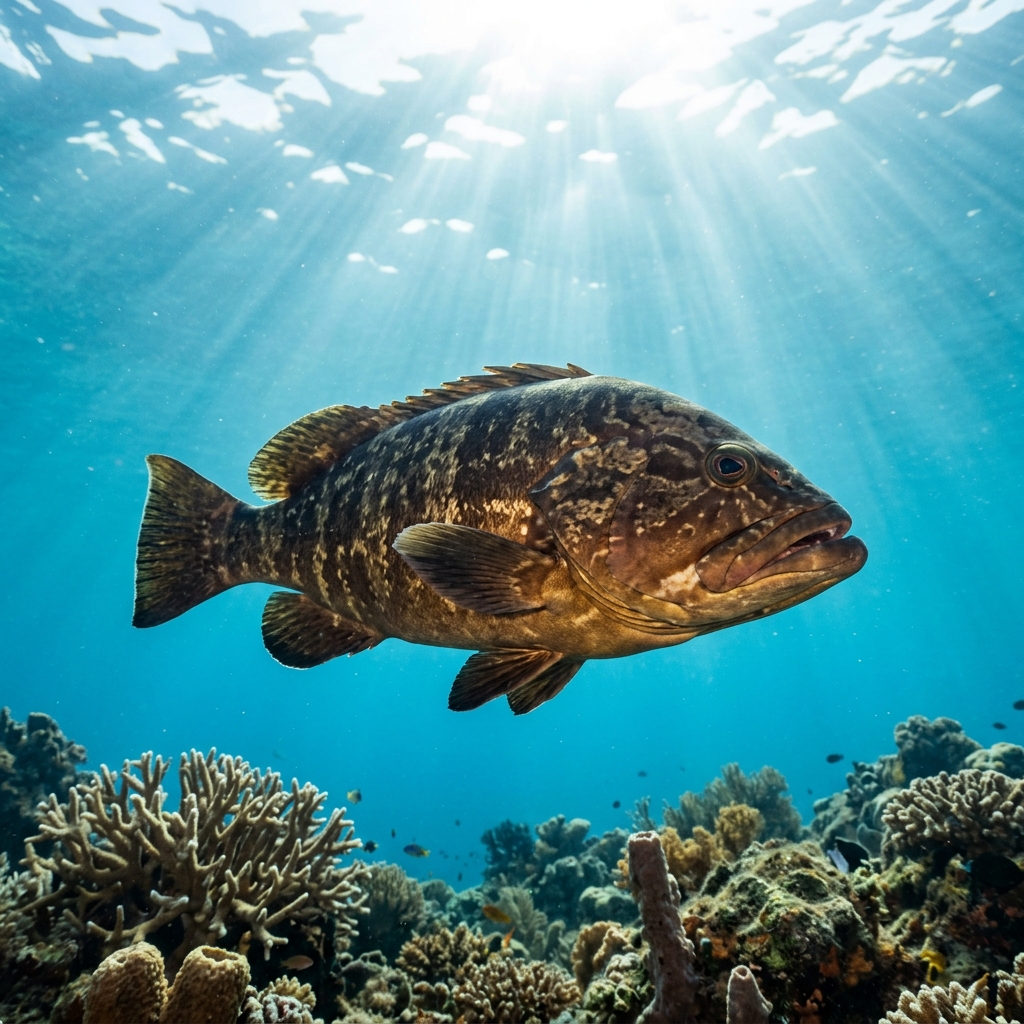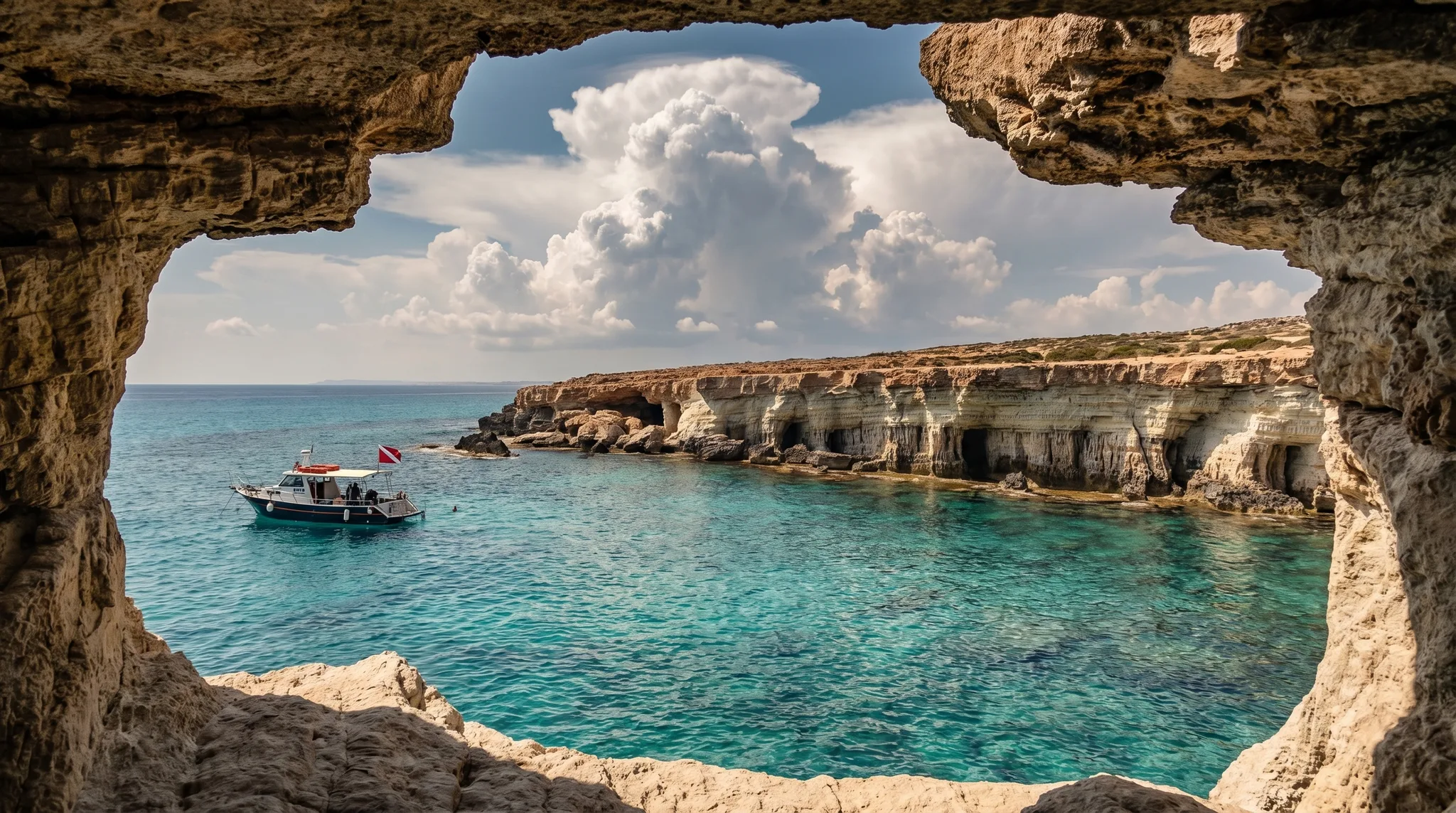
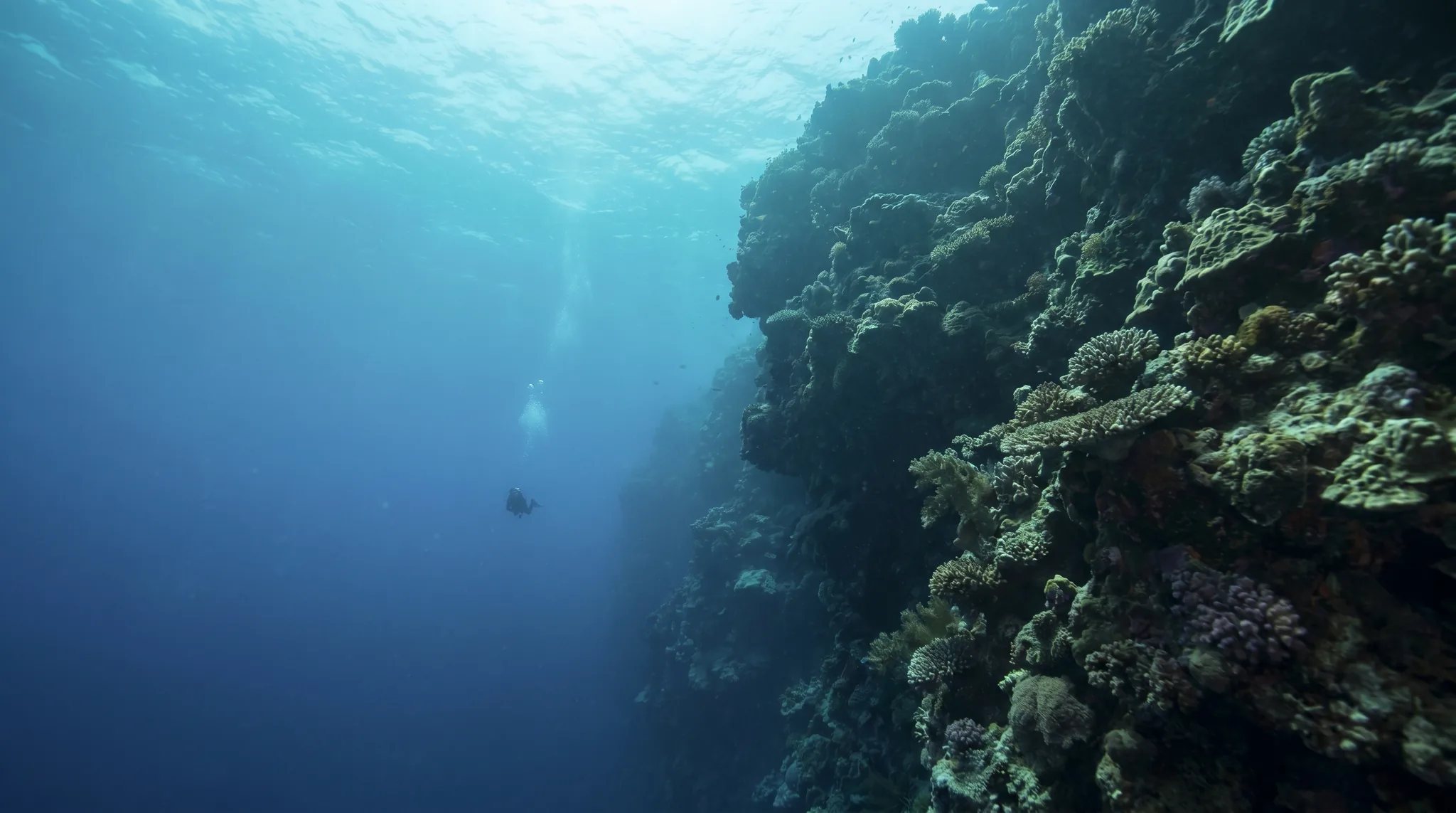
Cyprus offers a varied underwater landscape shaped by rocky reefs, sea caves, canyon systems, and a healthy collection of wrecks, many sunk deliberately as artificial reefs. The island divides into five distinct sub-areas: Ayia Napa and Protaras leads on site count and hosts some of the most dramatic cave and canyon topography, while Paphos provides a mix of accessible shore dives and reef systems. Limassol, Larnaca, and Northern Cyprus each add their own character, from structured artificial reefs to deep walls. The Turkish Wrasse and Goatfish are ever-present, while the Common Octopus, Dusky Grouper, Indian Lionfish, and Mediterranean Moray reward careful eyes. The Loggerhead Sea Turtle has been recorded across sites. Water stays warm from late spring through autumn, with conditions favouring both beginners and intermediate divers across the majority of the site catalogue.
5 areas
 42
42Cave systems, dramatic walls, and wrecks around Cape Greco, with reliable octopus and lionfish sightings throughout.
 39
39Shore and boat diving across wrecks, walls and caves, with a rich resident fish life and sites to suit all levels.
 21
21Artificial wrecks and rocky reefs host Conger Eel, Grouper, and occasional Loggerhead Sea Turtle across a well-structured range of sites for all skill levels.
 16
16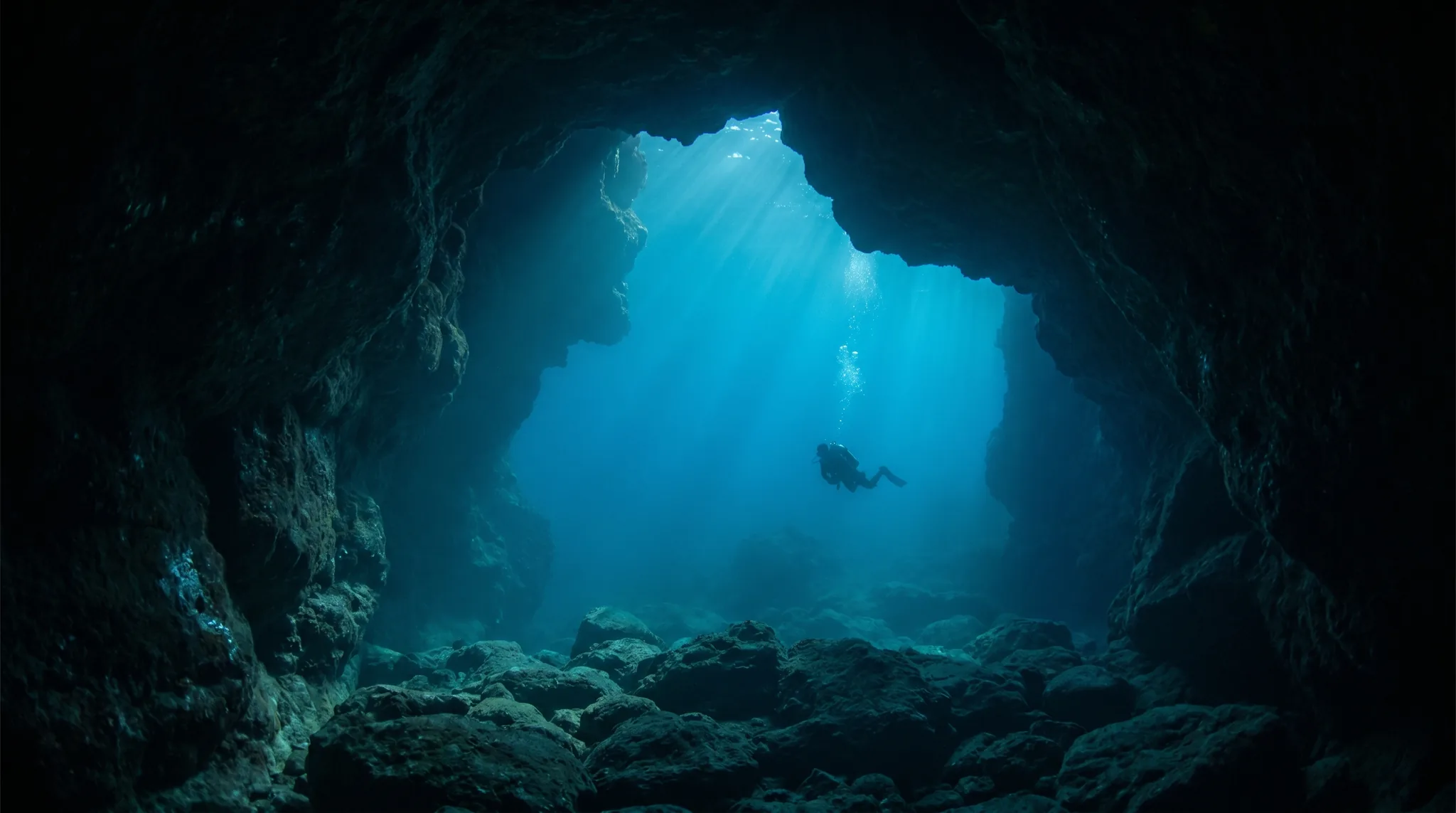

Monthly water temperature across Cyprus's sites, from satellite sea-surface data corrected for depth. The band shows the site-to-site spread.
Water temperature climbs steadily from spring, peaking in September and October when conditions are at their most inviting and the calendar of favoured months is at its fullest. Summer months remain warm and generally settled, making this the core diving season, while April and May offer a good balance of comfortable temperatures and lighter visitor pressure. Through winter the water cools noticeably, and while diving remains possible, the warmest months from late spring to mid-autumn give the most comfortable and productive experience.
107 operators
Walls, wrecks and caves with reliable Loggerhead Sea Turtle encounters across two distinct diving areas.
Water temperature around Cyprus ranges from about 17°C in February to 26°C in September, based on satellite sea-temperature data for its dive sites.
In the warm season (about 26°C) a 3mm full suit is comfortable in Cyprus; in the coldest months (about 17°C) step up to a 7mm or semi-dry suit.
Fin maps 127 sites in Cyprus (127 scuba diving sites and 10 snorkelling spots, with some suited to both), organised into 5 areas.
Across Cyprus's dive sites, May, June, July, August, September and October are most often reported as the best months to visit.
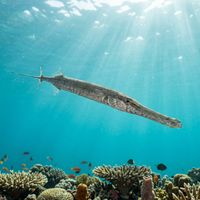
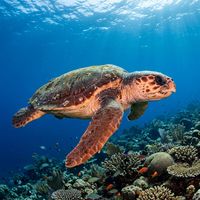
The Turkish Wrasse and Goatfish are among the most frequently observed species across the island's sites. The Common Octopus is a well-documented highlight, and patient divers regularly encounter the Dusky Grouper, Mediterranean Moray, and Indian Lionfish. The Loggerhead Sea Turtle, Conger Eel, European Spiny Lobster, Flying Gurnard, and European Parrotfish have all been recorded by divers.
A significant proportion of Cyprus's sites are rated at beginner level, including accessible shore dives such as Timi Beach and De Costa Bay, both of which offer shallow reef environments with easy entries. The Blue Lagoon is another gentle option with very shallow average depths. Intermediate sites such as Cyclops Cave and Canyon provide progression once foundational skills are in place, and advanced walls and deep drop-offs are available for experienced divers.
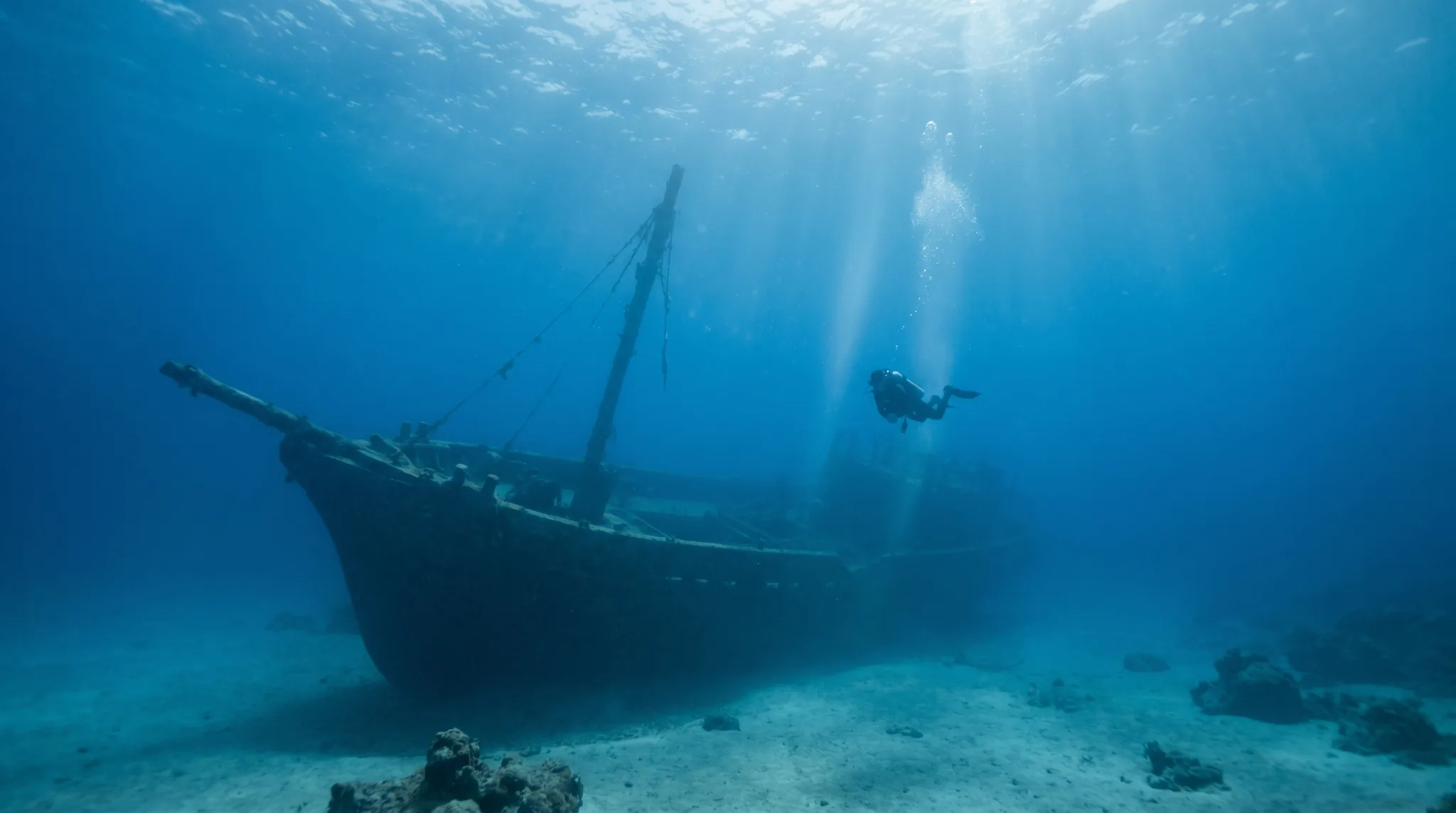
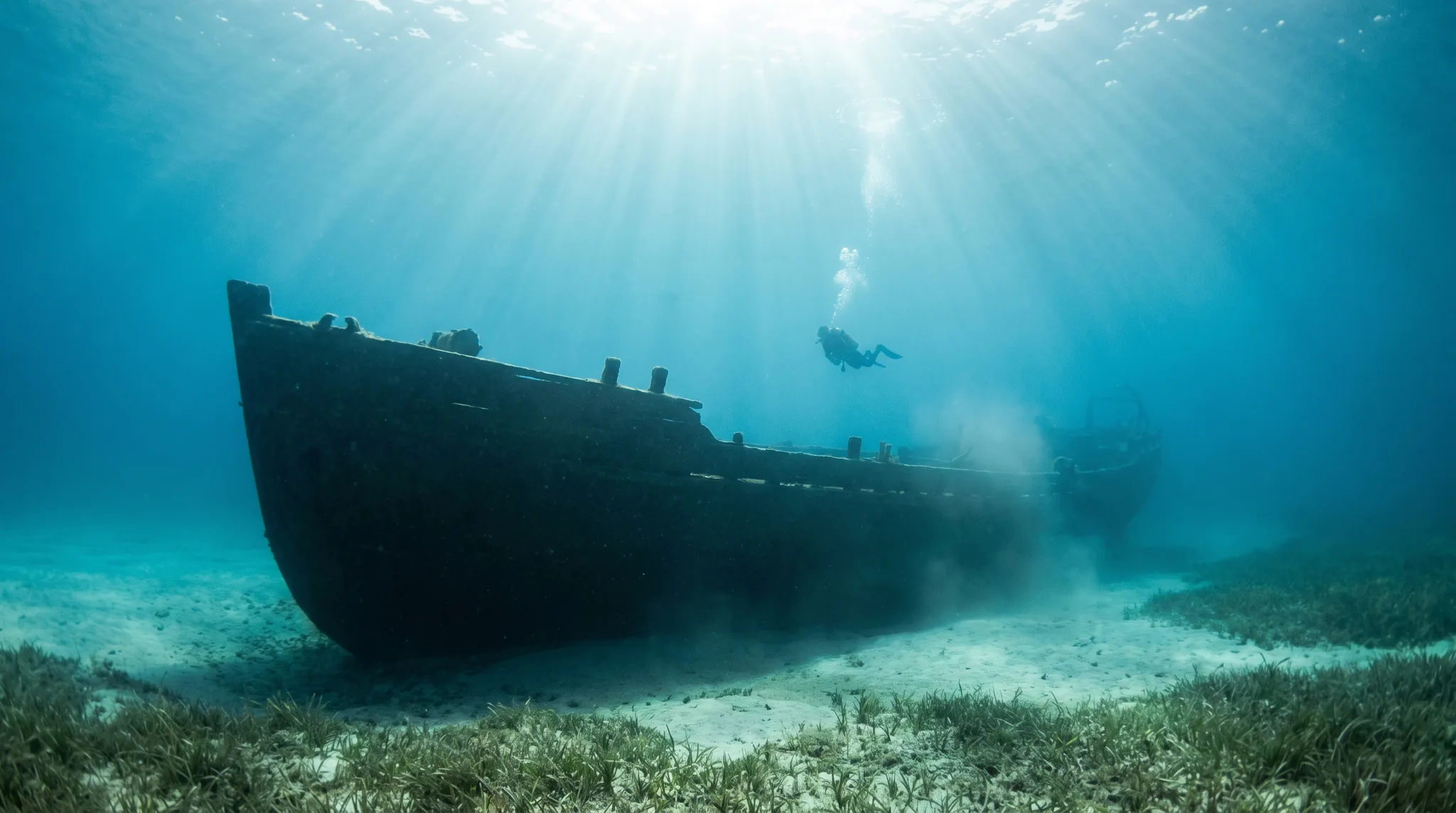
Ayia Napa and Protaras has the largest concentration of sites and includes dramatic cave systems, canyon topography at Canyon and Great Canyon, and wrecks such as the Nemesis. Paphos is well suited to shore-based diving with accessible reef sites. Northern Cyprus offers boat-only sites like Powerstation and the deep wall at Paradise, which demands advanced certification. Limassol and Larnaca round out the island's coverage with reef and artificial reef sites.
Shore entry is available at many of Cyprus's most popular sites, including Timi Beach, White River, Cyclops Cave, and Canyon, making independent access straightforward. Some sites, such as the Nemesis wreck and Powerstation in Northern Cyprus, require a boat. Several sites offer both options, giving divers flexibility depending on their operator or preference. The island's many dive operators, including outfits across all major sub-areas, can organise boat trips to offshore locations.