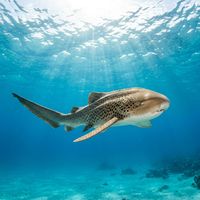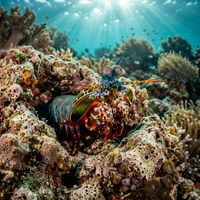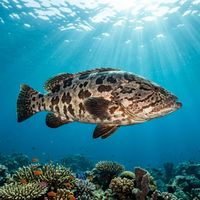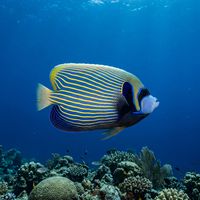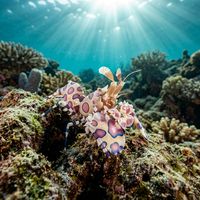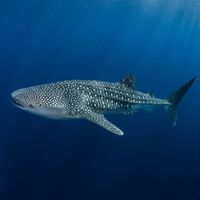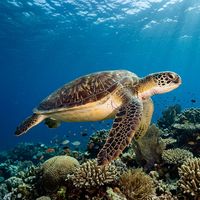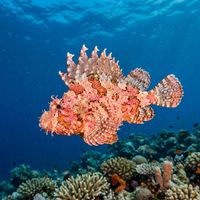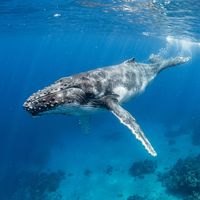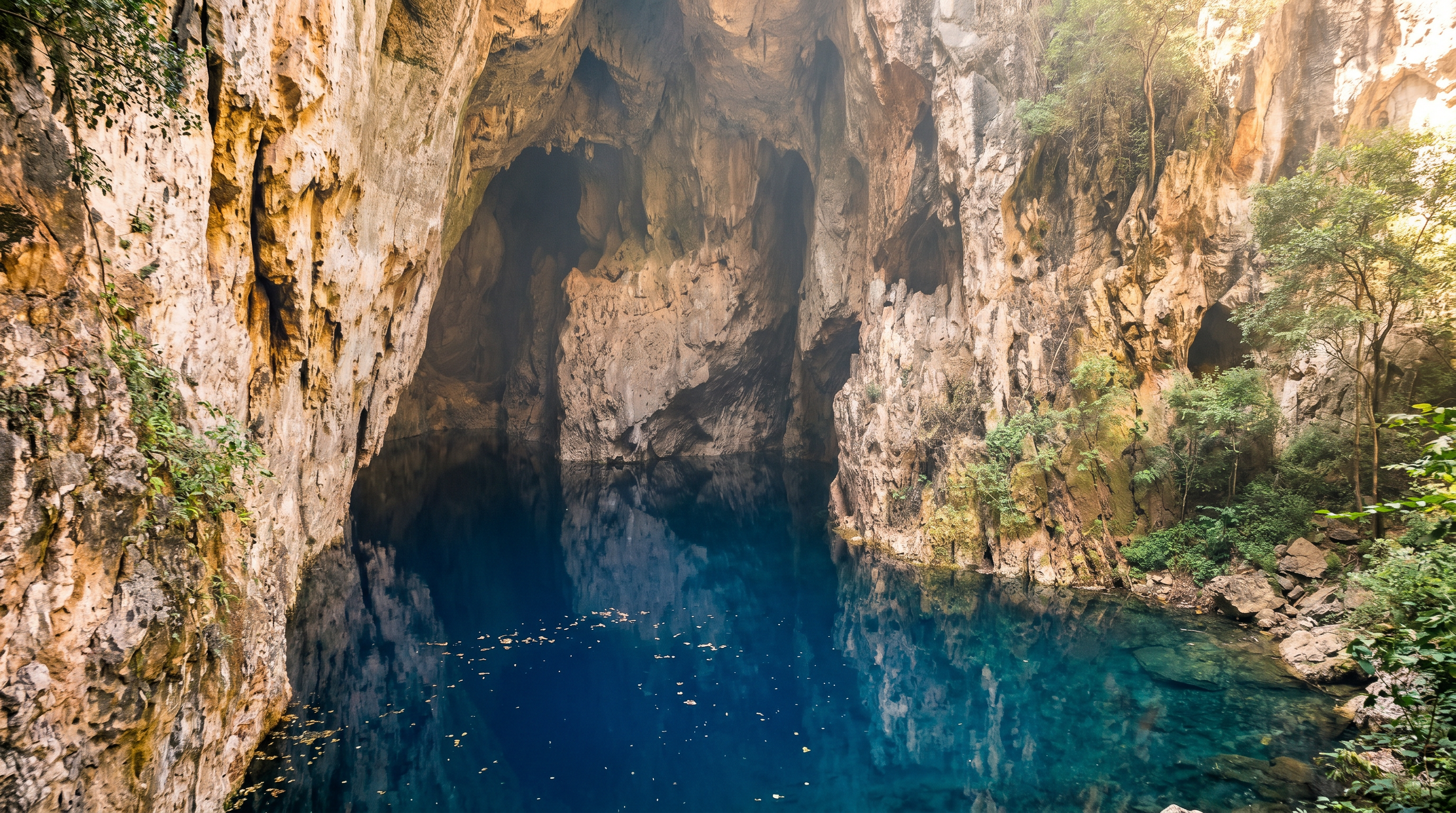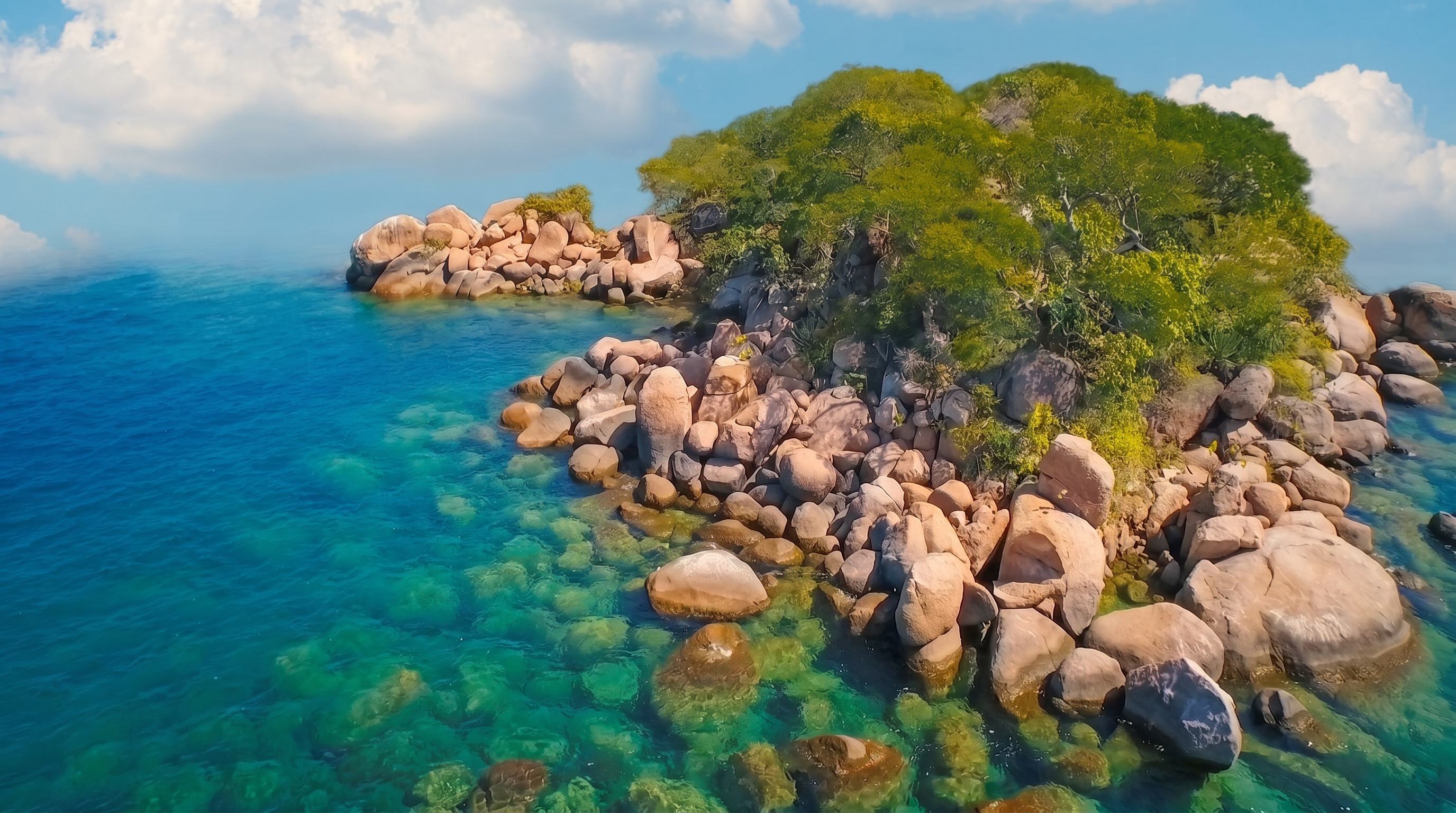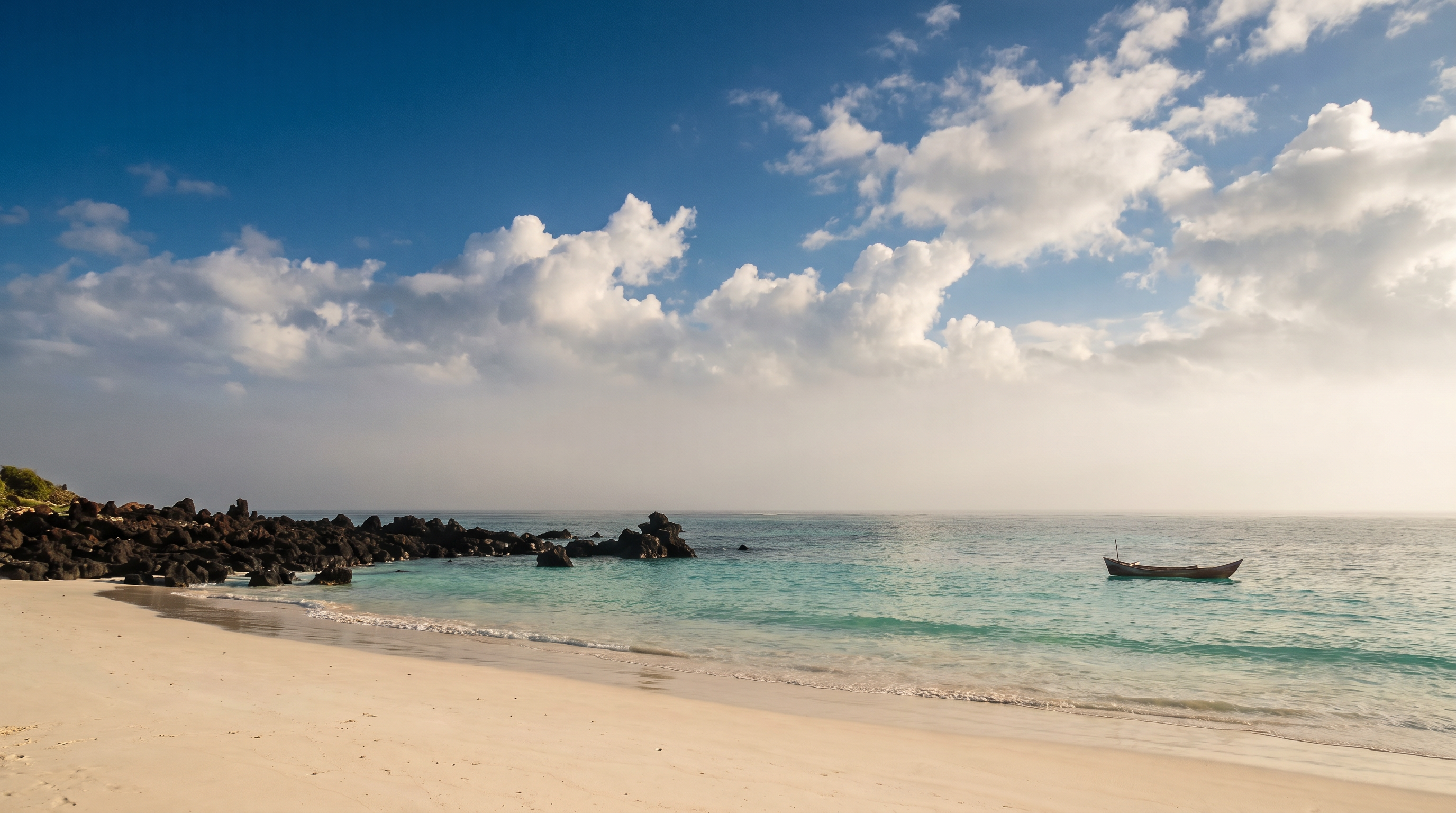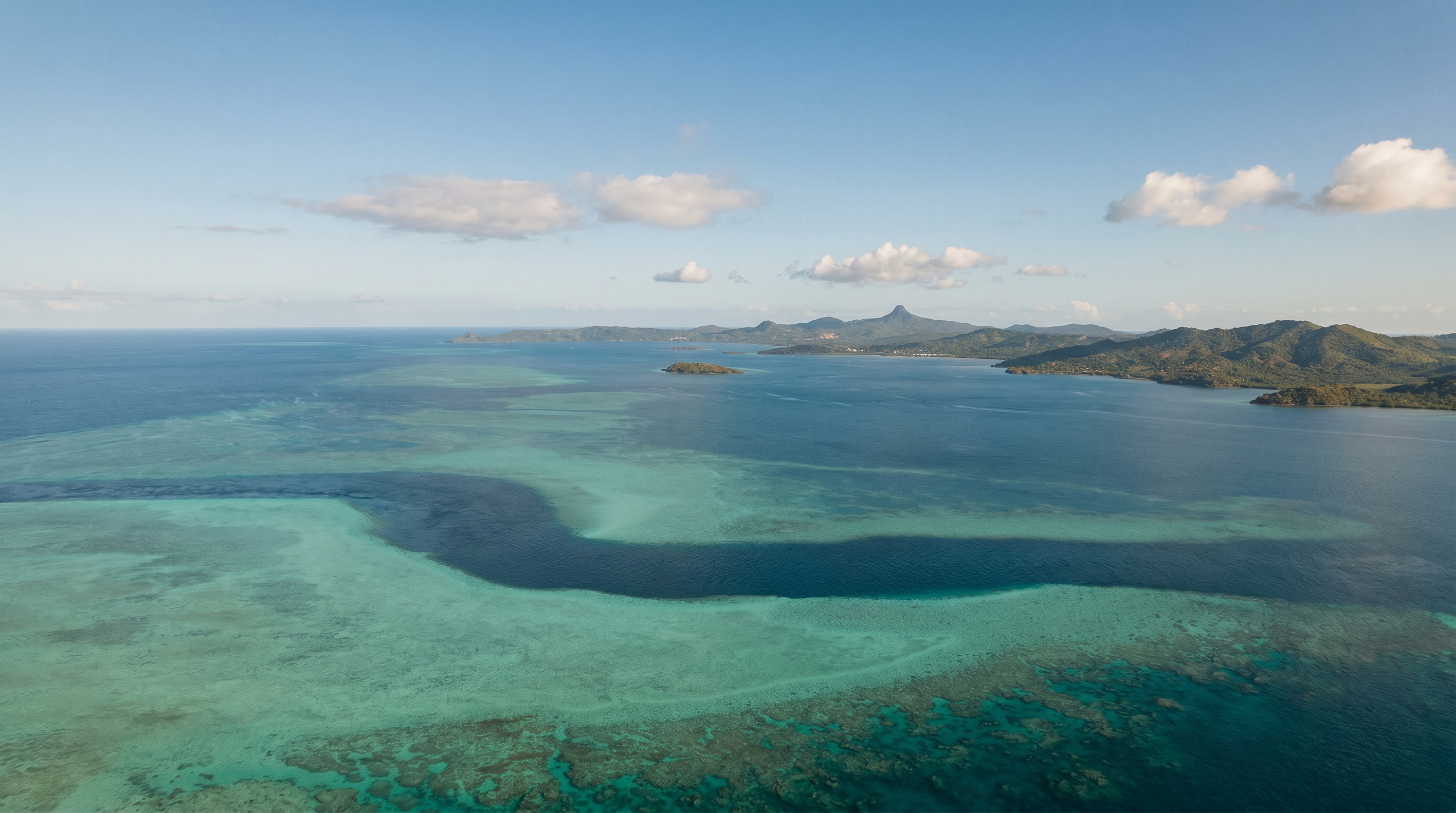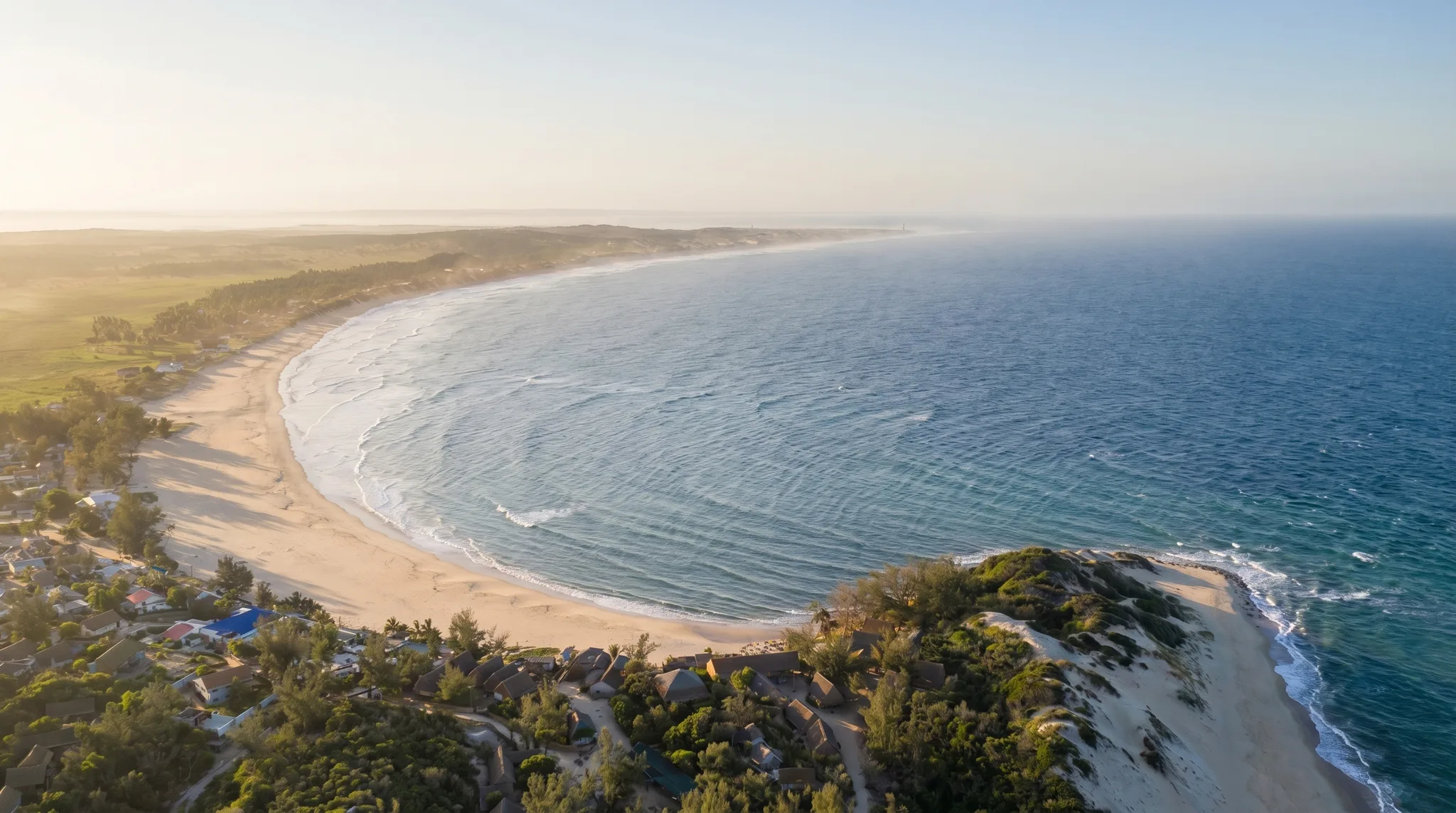
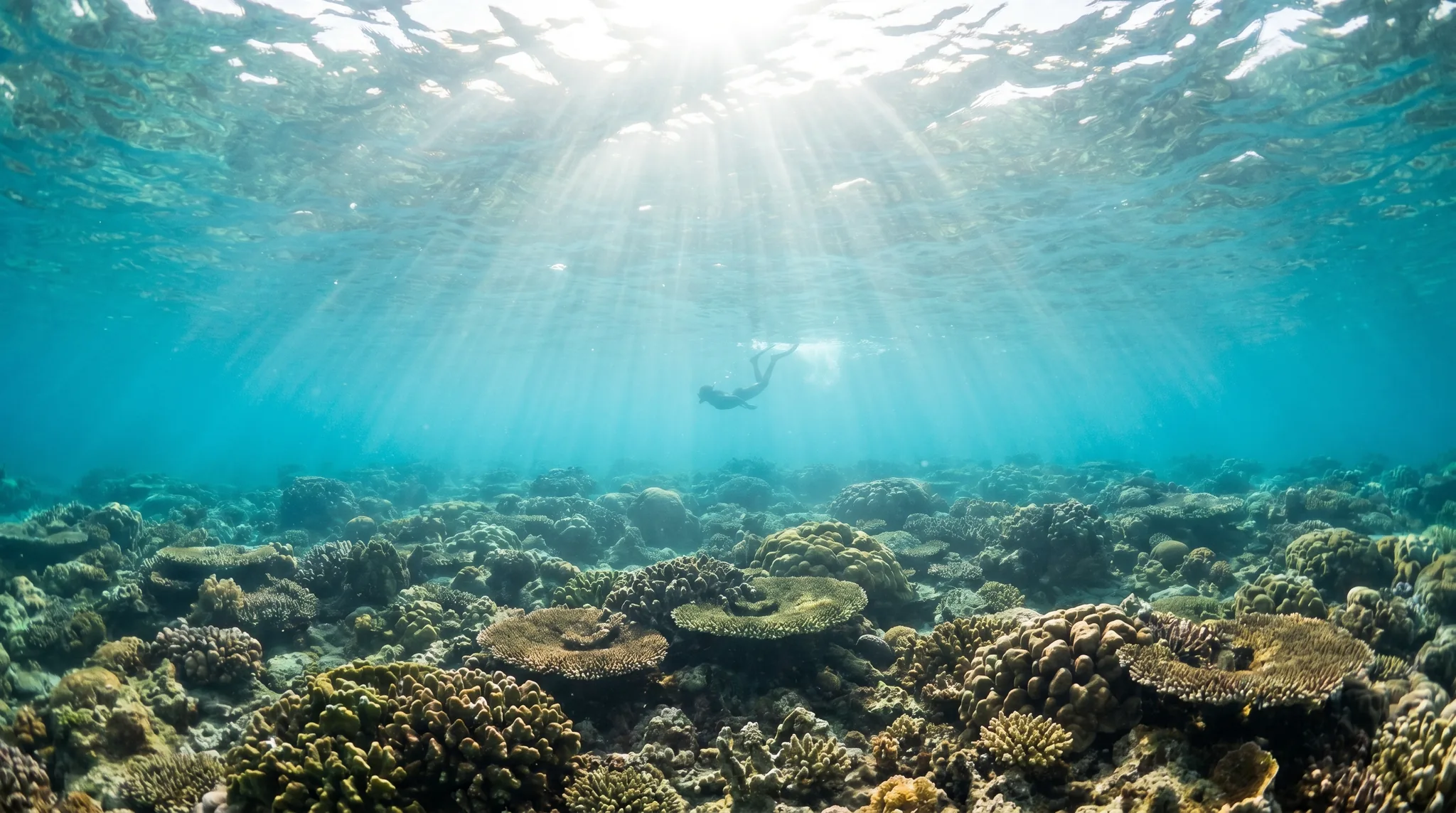
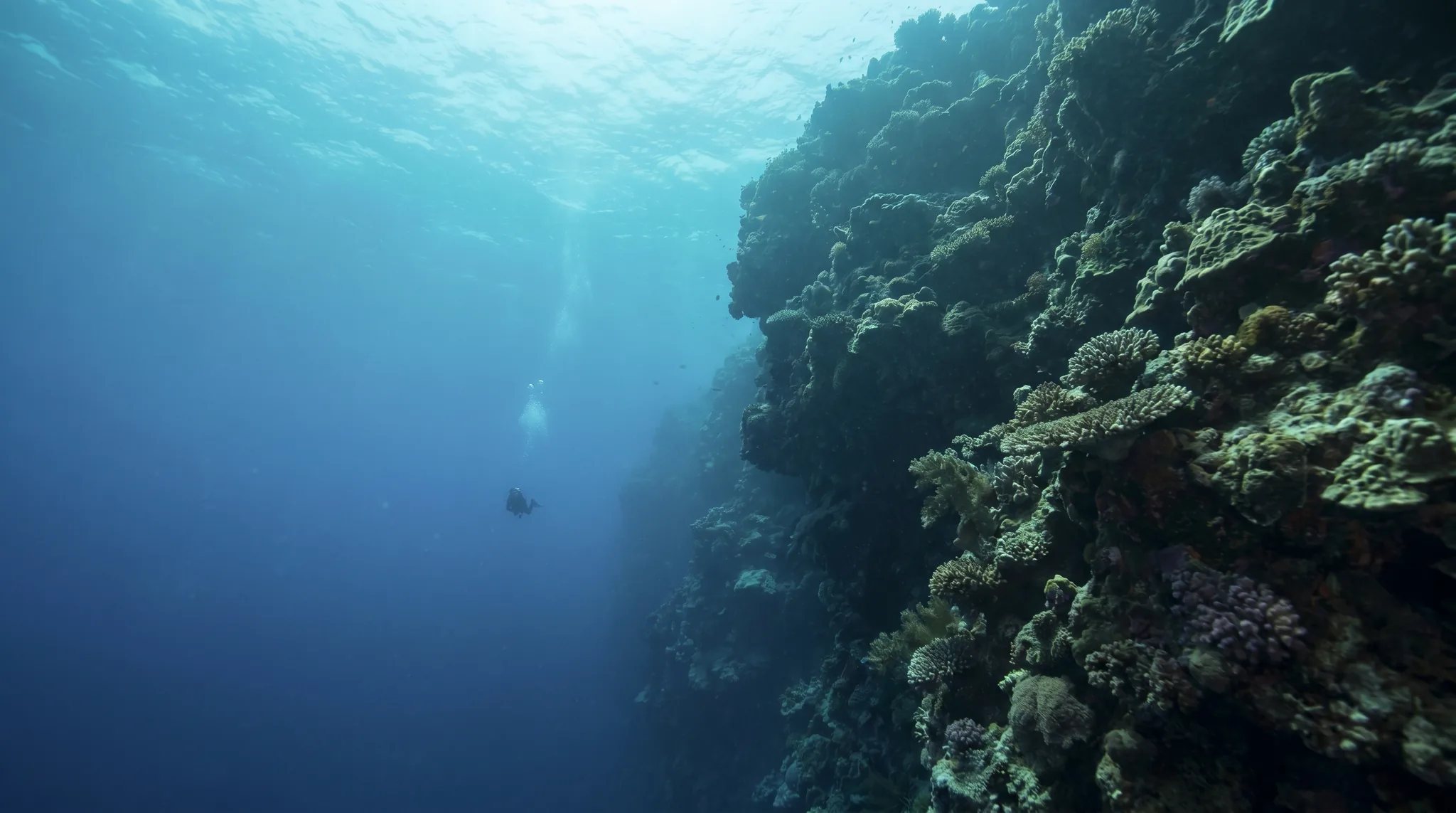
Mozambique's diving is defined by offshore reef systems, strong drift dives, and a marine life list that ranges from the cryptic to the colossal. Sites spread across five distinct sub-areas: the large-format pelagic encounters of Inhambane, the sharky drift reefs of Ponta do Ouro, the deep walls and reef structures of the Bazaruto Archipelago, and the shallower coral gardens of the Quirimbas Archipelago and Pemba. Most dives are boat-access only, with reef and drift combinations dominating the site mix. The skill range is broad, from beginner-friendly shallows like Bee Hive and Les jardins de Babylone to advanced drift dives such as Amazon and Devils. Whale Shark and Humpback Whale sit alongside resident Potato Bass, Zebra Shark, and Guitarfish, while the reefs reward patient eyes with Painted Frogfish, Harlequin Shrimp, and Peacock Mantis Shrimp.
5 areas
 37
37Deep offshore reefs and powerful drift dives with frequent Whale Shark and Zebra Shark encounters across two distinct sub-areas.
17Reef diving with consistent Bull Shark encounters, prolific Potato Bass, and an impressive range of cryptic species across sites suited to all levels.
14Boat-access reef and drift diving with strong pelagic encounters, from shallow beginner reefs to deep pinnacles and caves.
Mozambique covers a wide stretch of coastline, so conditions vary by area. The band below shows the spread across its sites through the year.
Water is at its warmest from January through April, cooling gradually through the southern winter months of July to September before rising again in the final quarter of the year. The best-months data points strongly to October, May, and September as peak periods, likely reflecting calmer seas and improved visibility rather than temperature alone. Exposed offshore sites mean conditions can vary considerably, and advanced drift dives require attention to current strength throughout the year.
41 operators
Inhambane, Mozambique
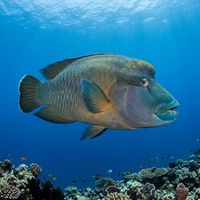
Boat-access reef diving with consistent Green Sea Turtle and Napoleon Wrasse encounters, plus regular Whale Shark sightings across two island groups.
Mozambique spans a wide latitude range, so water temperature varies a lot by area: roughly 22-30°C across its dive sites. Check the individual area pages for local conditions.
Fin maps 90 sites in Mozambique (90 scuba diving sites and 4 snorkelling spots, with some suited to both), organised into 5 areas.
Mozambique has a strong record of observed sightings across a wide range of species. Whale Shark and Humpback Whale are both logged as occasional visitors, while Zebra Shark, Grey Reef Shark, and Grey Nurse Shark appear regularly across multiple sites. Guitarfish, Bluespotted Fantail Ray, and the heavyweight Potato Bass are among the most consistently recorded animals on the reefs.
The site mix covers the full skill range. Beginners are well served by sites such as Bee Hive and Les jardins de Babylone, both of which offer shallow, reef-based dives accessible by boat. Intermediate divers have a large selection of reef and drift sites, and experienced divers can work up to demanding offshore drifts like Amazon and Devils, which require strong buoyancy control and comfort in current.
Inhambane holds the largest concentration of sites and is strongly associated with pelagic encounters, including sites like Amazon and Bench Mark that sit well offshore. Ponta do Ouro offers a mix of reef, wall, drift, and artificial reef at a single versatile site. The Bazaruto Archipelago is home to deeper walls and advanced drift dives, while the Quirimbas Archipelago and Pemba tend towards shallower coral reef dives that suit a wider range of experience levels.
The vast majority of sites in Mozambique require boat access, and several specifically note that boat entry is necessary to avoid shore surf breaks. Pomene is one of the few sites listed with a both-entry option, meaning shore or boat access is possible there. Divers should plan to work with one of the local operators, as self-guided shore entry is not a realistic option across most of the coastline.