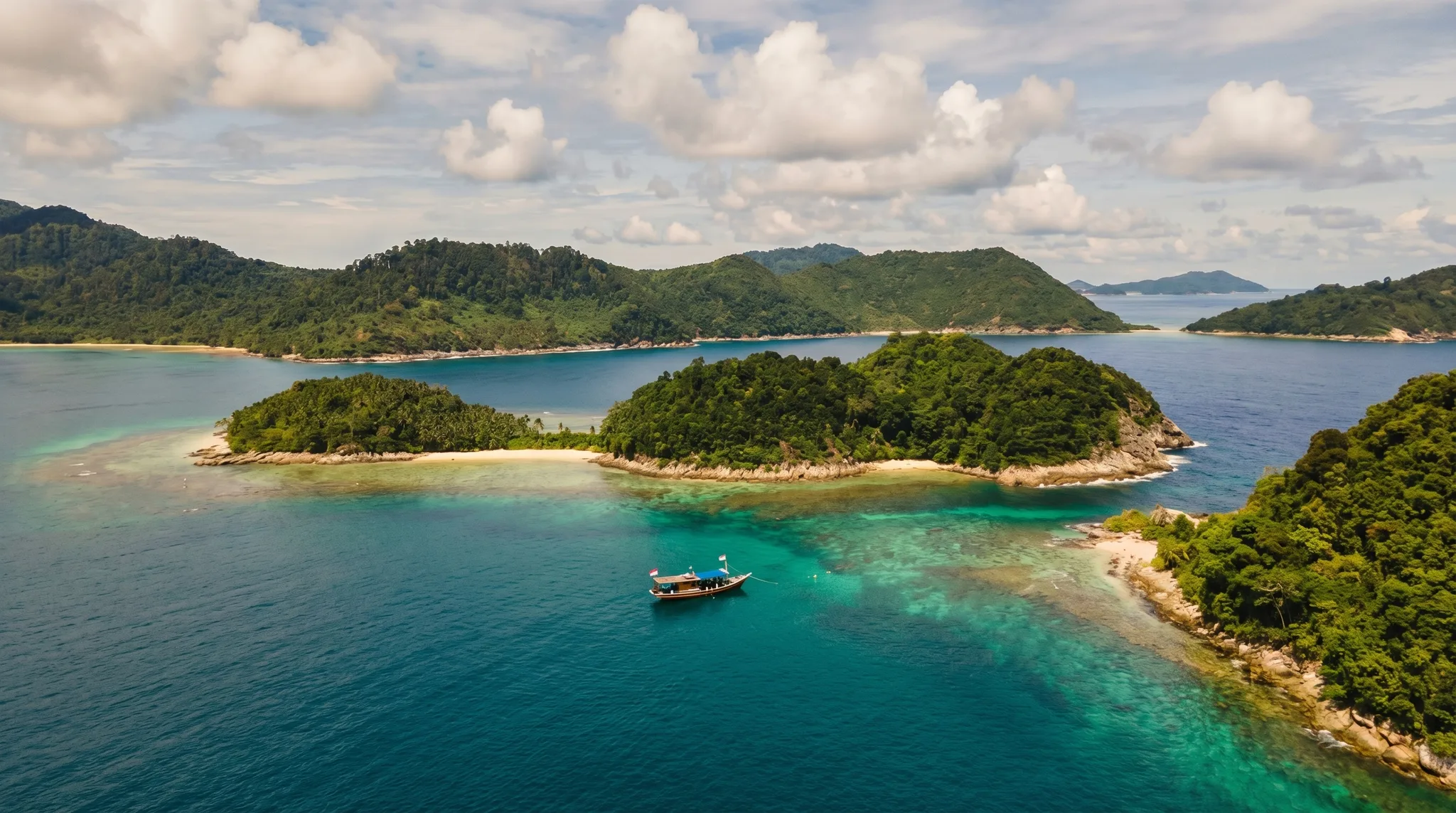
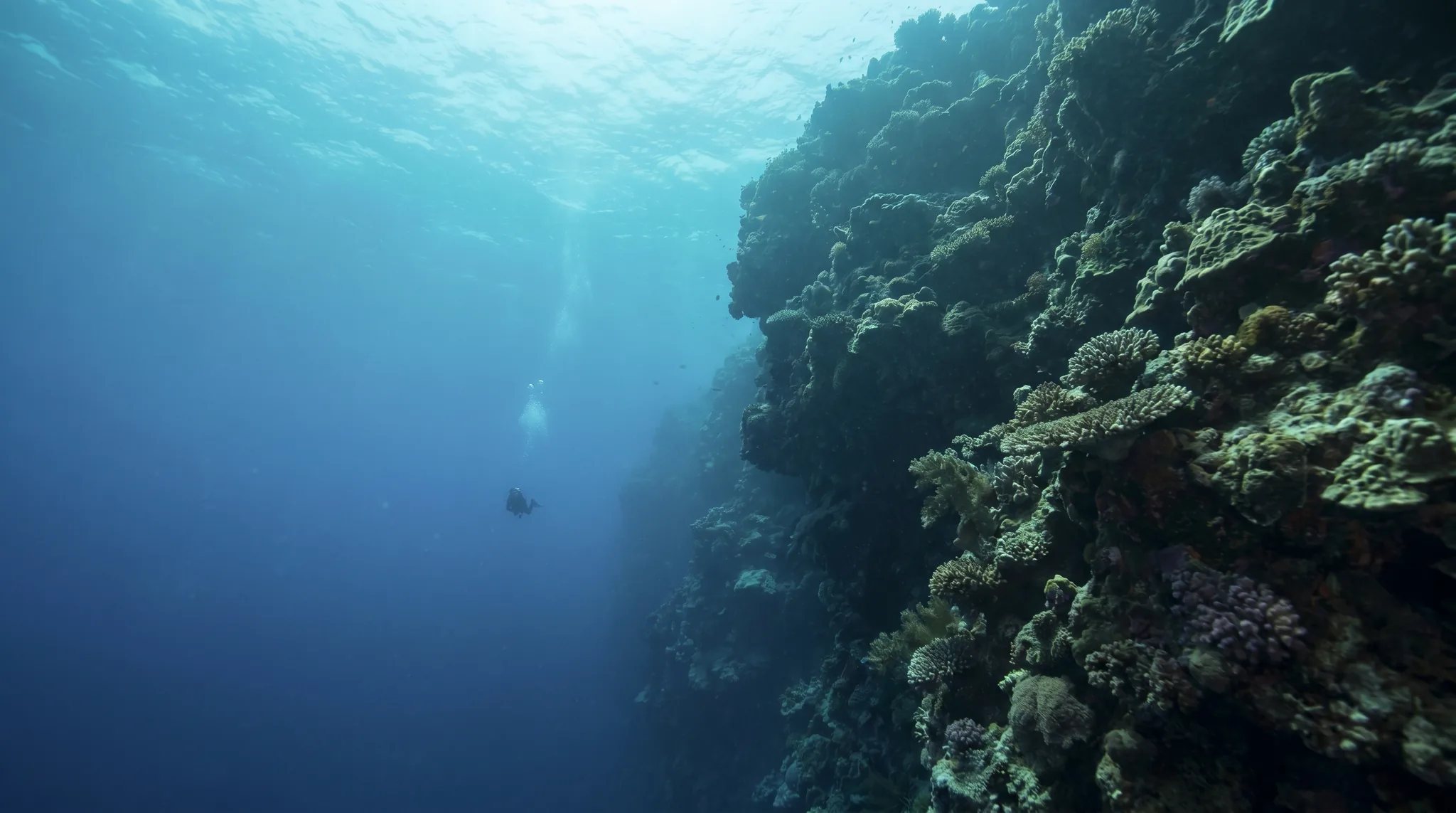
India's dive sites span a remarkable range of sub-areas, from the atoll reefs of Lakshadweep and the Andaman Islands to the exposed rocky outcrops of Karnataka and the reef-and-seagrass beds off Tamil Nadu. Lakshadweep dominates the listing with sites like Neptune's Balcony, The Drop and Butterfly Valley covering walls, drift passages and sheltered slopes around Agatti Island. The Andaman Islands add the largest concentration of sites overall. Pondicherry and Karnataka bring natural and artificial reef combinations to the mix. Conditions shape access significantly: the best months cluster around October through March, while June and the surrounding monsoon weeks see a sharp drop in activity across most sub-areas. The signature species list is strong, with observed Green Sea Turtle, Napoleon Wrasse, Zebra Shark and Indian Lionfish appearing across a wide spread of sites.
7 areas
 26
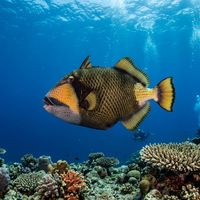
26Diverse reef diving across three distinct areas, with consistent sightings of Napoleon Wrasse, Titan Triggerfish and Common Clownfish.
 19
19Atoll reef diving across two distinct island groups, with walls, drift sites and regular Grey Reef Shark sightings.
 16
16Boat-access reef and wreck diving with Indian Lionfish, Laced Moray and Pharaoh Cuttlefish as signature sightings.
 12
12
Monthly water temperature across India's sites, from satellite sea-surface data corrected for depth. The band shows the site-to-site spread.
Water temperatures stay warm and consistent throughout the year, rising slightly toward late spring before easing back in the cooler months. The best-months data shows a pronounced dip around June through early September, reflecting monsoon influence that limits access across most sub-areas. October through March is the most reliable window, with conditions at their most settled and visibility at its best.
80 operators
Reef and artificial structures hosting Green Sea Turtle, Whale Shark encounters, and dives for every level from shallow reef to deep wall.
Water temperature around India ranges from about 28°C in January to 30°C in April, based on satellite sea-temperature data for its dive sites.
With water around 28–30°C, a rash guard or 3mm shorty works in India year-round.
Fin maps 97 sites in India (93 scuba diving sites and 12 snorkelling spots, with some suited to both), organised into 7 areas.
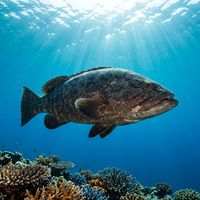
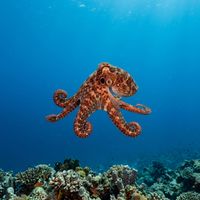
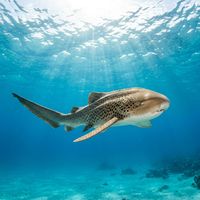
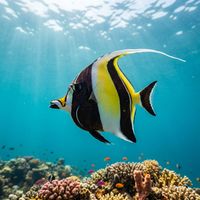
Observed species across India's sites include the Green Sea Turtle, Indian Lionfish, Napoleon Wrasse, Zebra Shark and Queensland Grouper. More widely spread across sites are the Porcupinefish, Moorish Idol, Titan Triggerfish, Flatworm, Mantis Shrimp and Day Octopus. The Grunt is the most frequently recorded species, appearing at the vast majority of sites listed.
A good proportion of India's listed sites are rated for beginners, including sheltered reef dives like Oval and Hard Coral Cafe in Lakshadweep and Oasis off Tuticorin. Sites such as The Drop, Bomb Rock East and Neptune's Balcony are rated advanced and involve walls, strong currents or deeper water. Intermediate options like Great Wall and Water Line sit in between, offering more variety for divers with some experience.
Lakshadweep, centred on Agatti Island, offers the widest variety of site types including atoll walls, drift dives and sheltered slopes, with the highest concentration of top-rated sites in the data. The Andaman Islands hold the largest total number of sites. Goa, Pondicherry and Karnataka bring artificial reef structures and exposed reef sites to the mix, while Tamil Nadu features reef-and-seagrass habitats around Tuticorin.
All of the top-listed sites in India are reached by boat, including the atoll sites around Agatti Island and the reef structures off Tuticorin and Netrani Island. There are many operators running trips across the country, with names including Lacadives, Dive India, Temple Adventures and Scuba Spirit Netrani among those listed. Shore entry does not feature among the highlighted sites in the data.