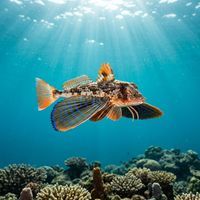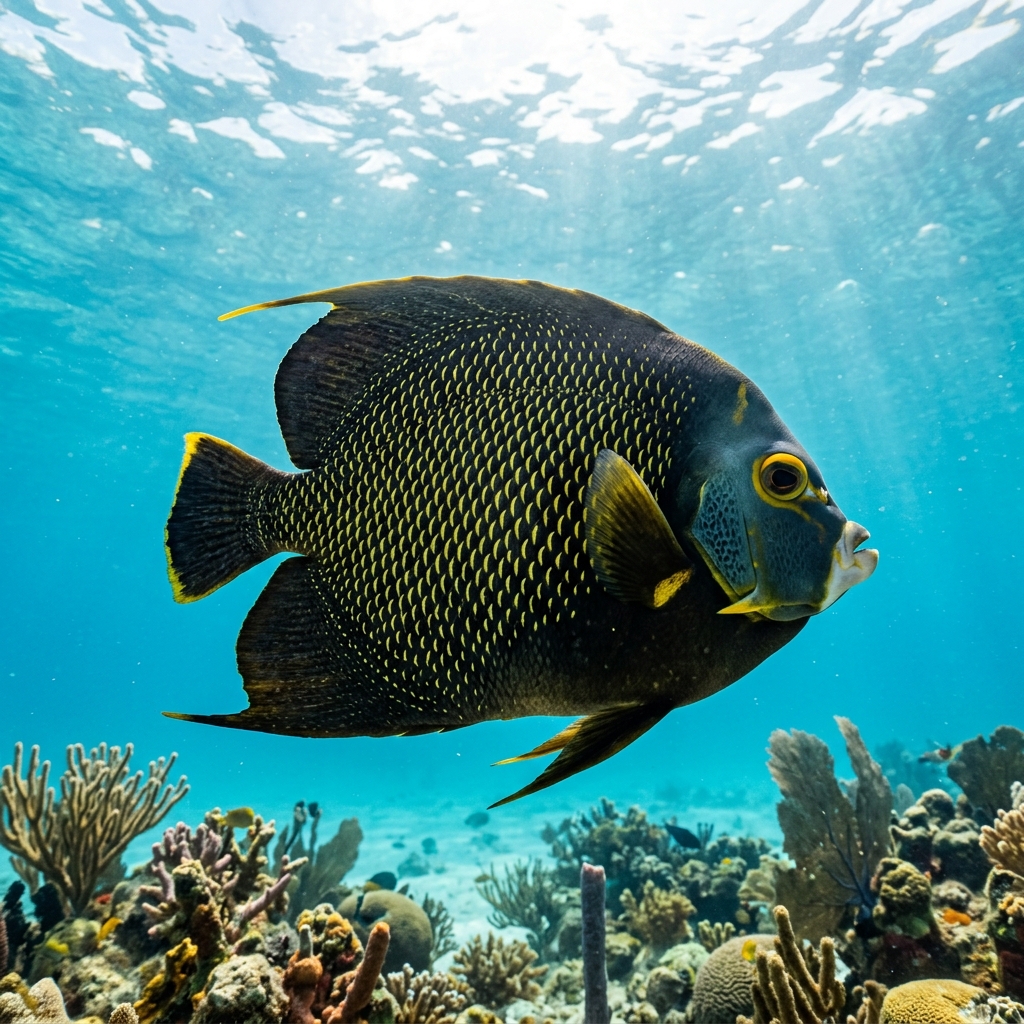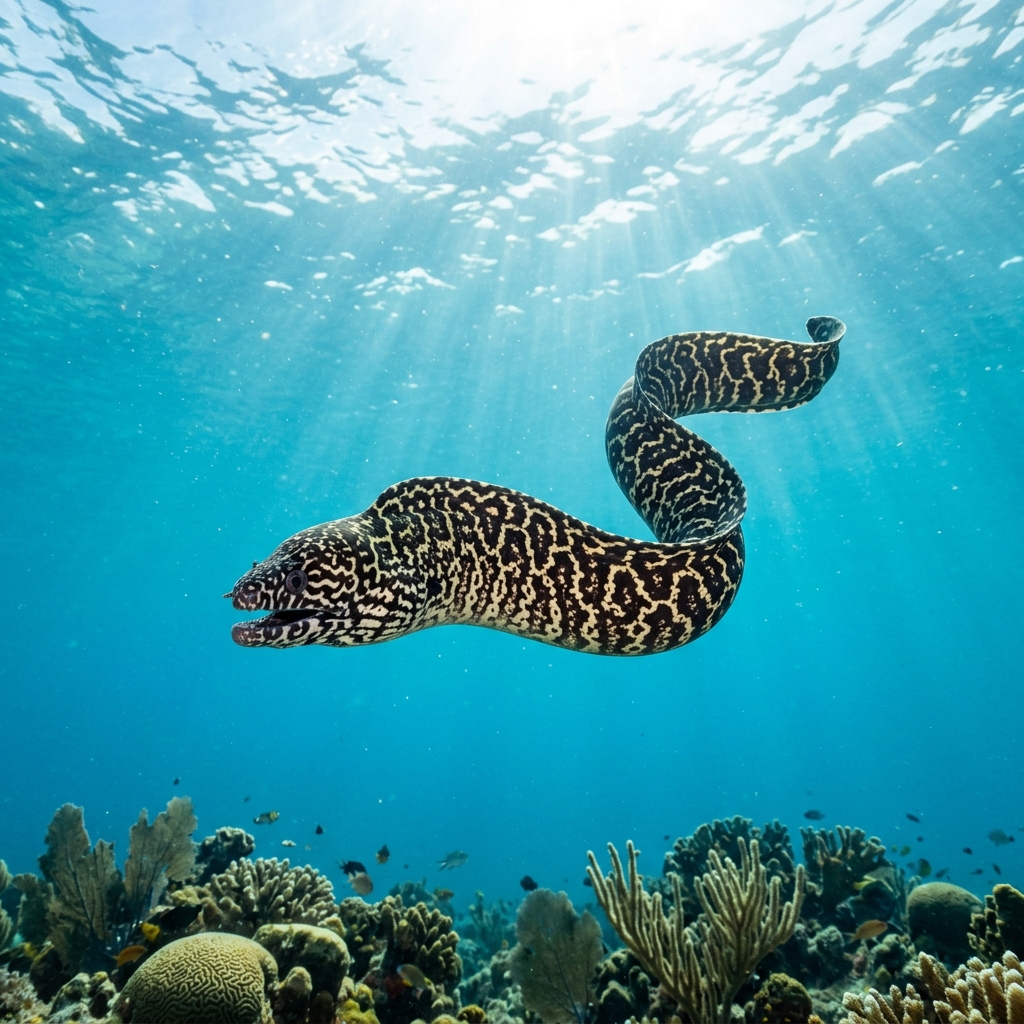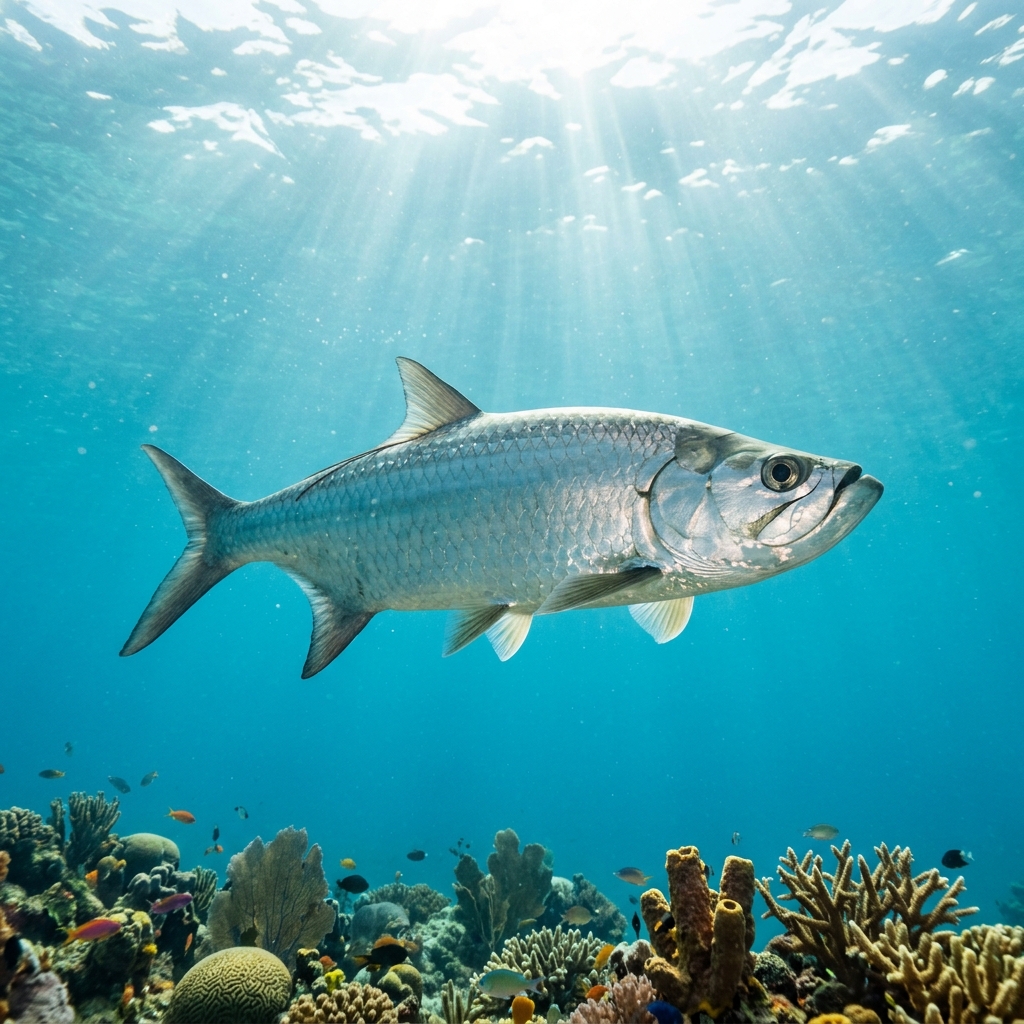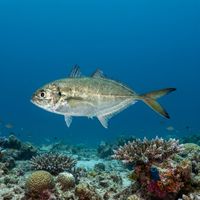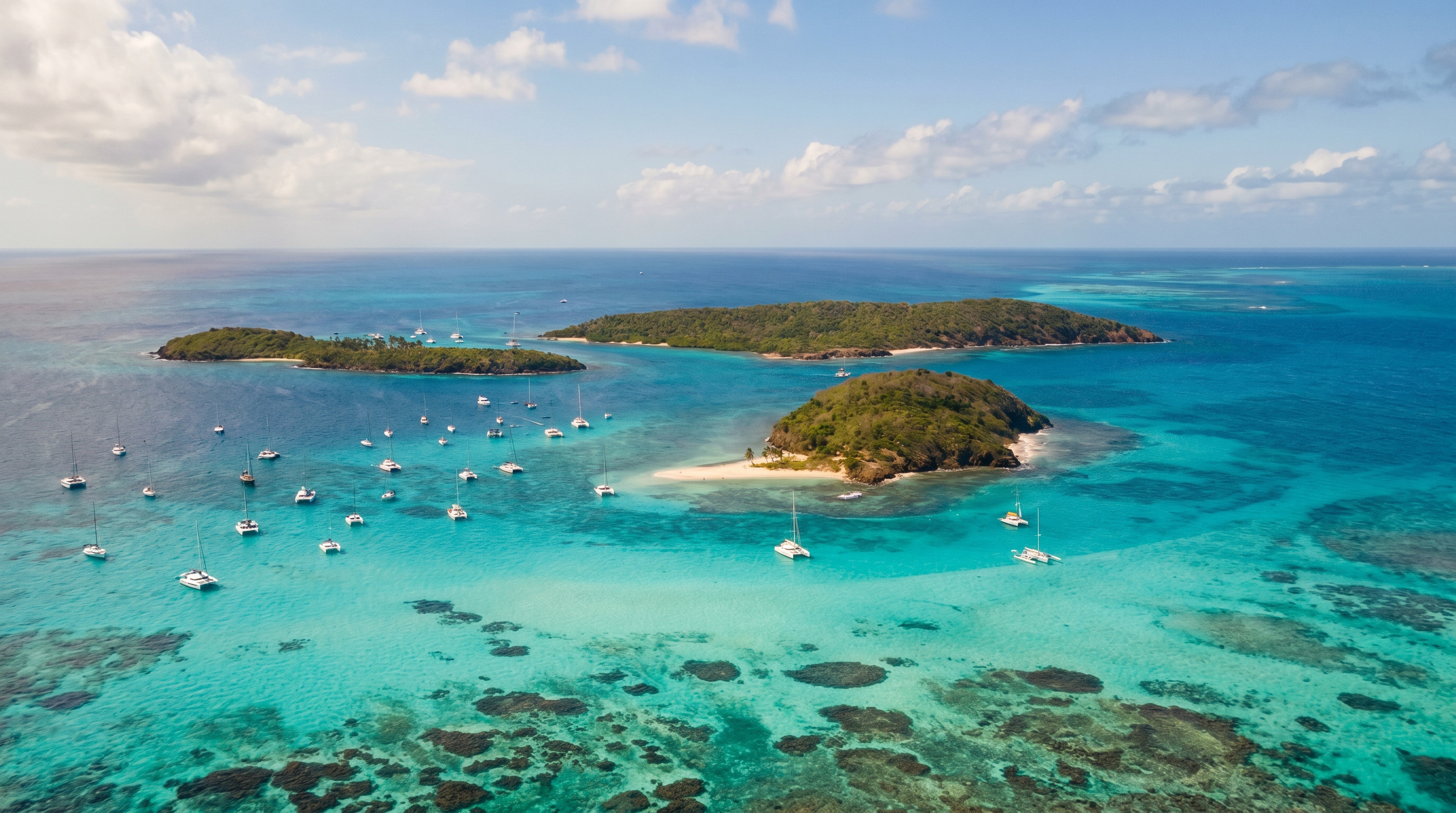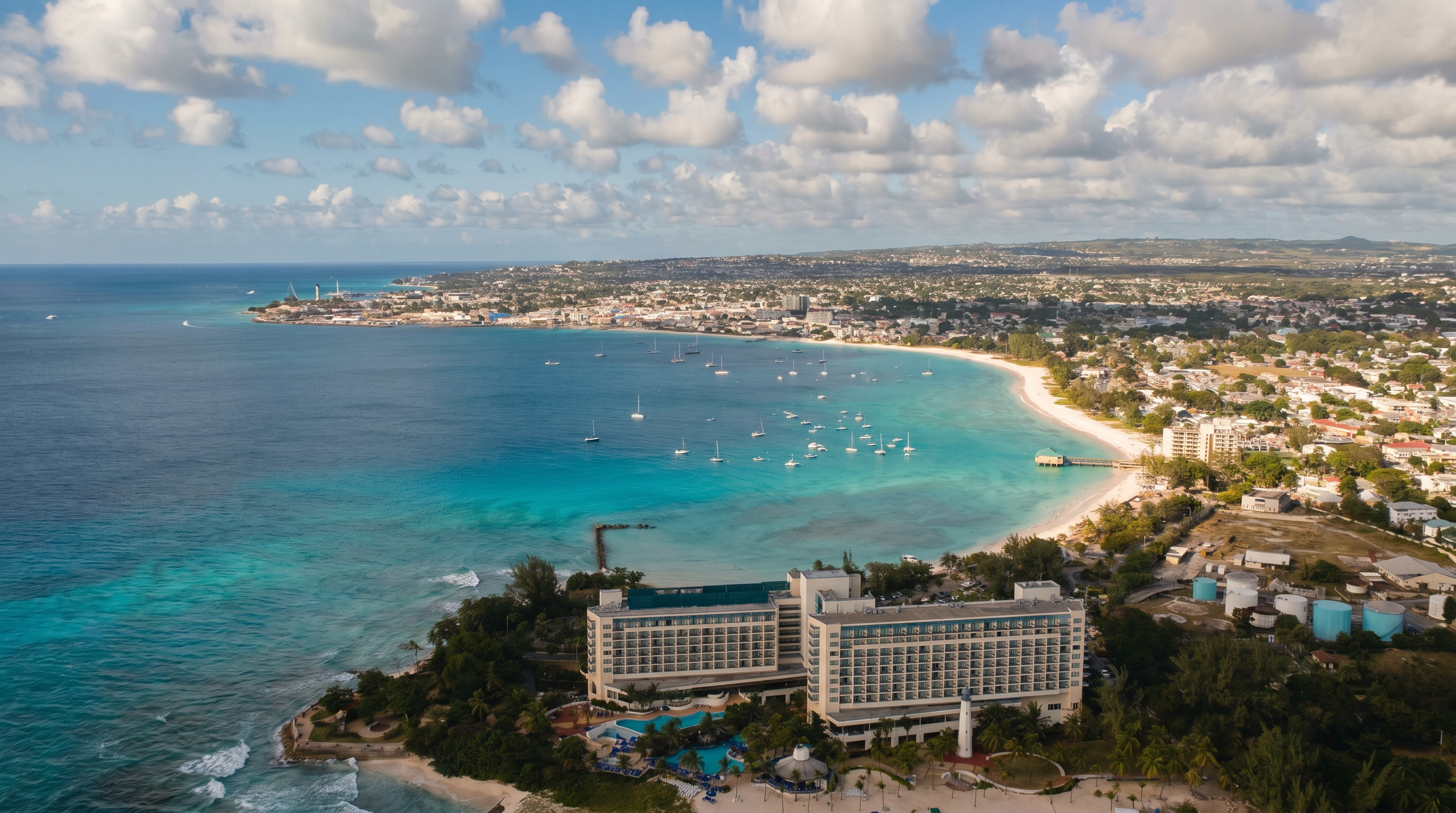
Barbados is defined by its exceptional concentration of wreck diving, with Carlisle Bay forming the heart of the experience. A collection of deliberately sunk vessels and decommissioned structures sits at approachable depths, creating artificial reefs that have been colonised by a rich cross-section of Caribbean marine life. The vast majority of sites are here, ranging from shallow beginner-friendly wrecks to deeper advanced dives such as the SS Stavronikita. The West Coast adds a small selection of natural reef sites, including Horseshoe Reef, where hard corals and rock formations offer a contrast to the bay's wreck-dominated character. Across both sub-areas, divers consistently encounter the Flying Gurnard, Atlantic Tarpon, French Angelfish, and Whiptail Stingray, while Seahorse sightings add an element of patient discovery. Most sites are boat-accessed, though several wrecks in Carlisle Bay are reachable from shore.
2 areas
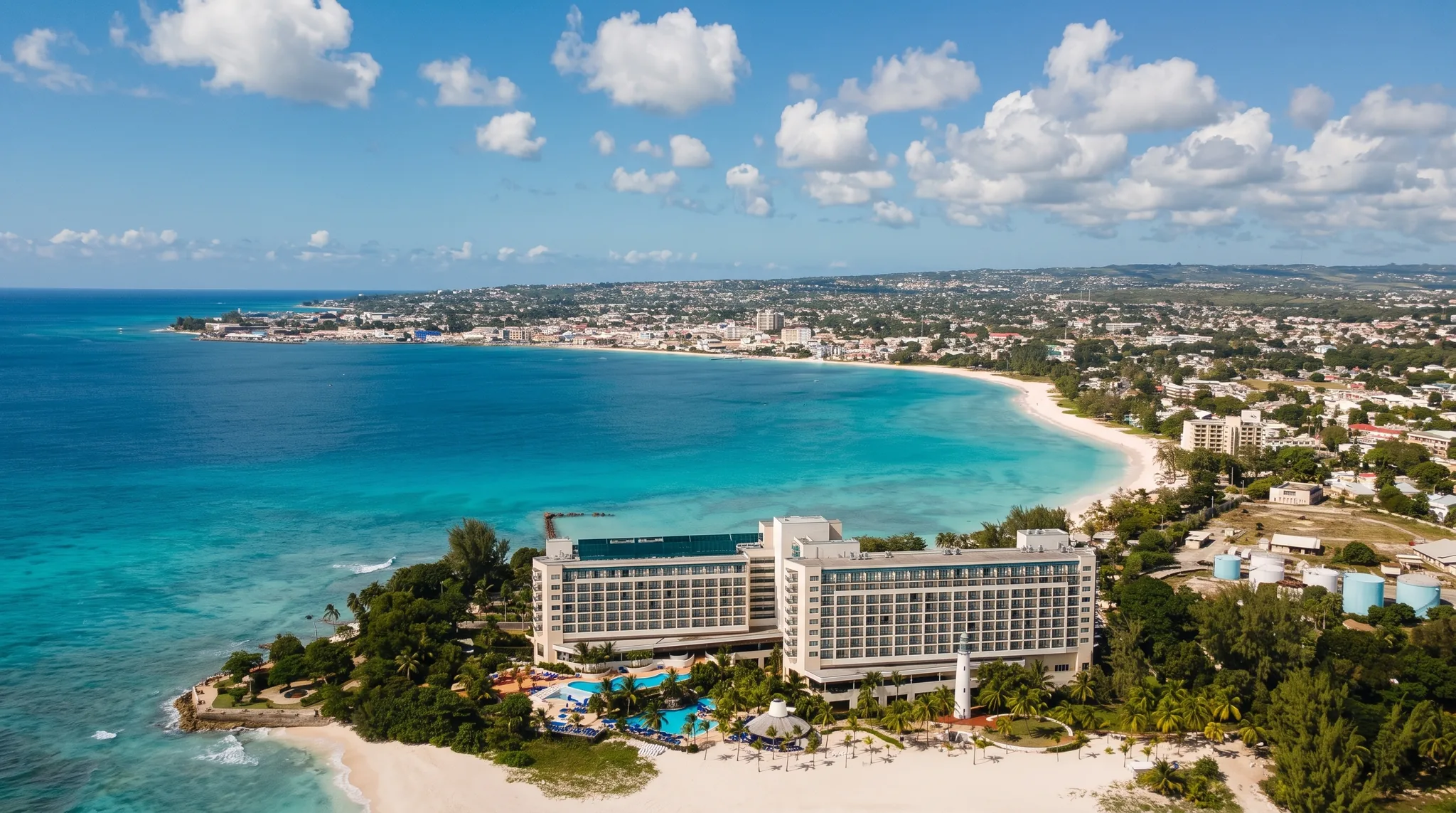 18
18A compact bay packed with shipwrecks and artificial reefs, accessible to divers of all levels with standout marine life including Flying Gurnard and Atlantic Tarpon.
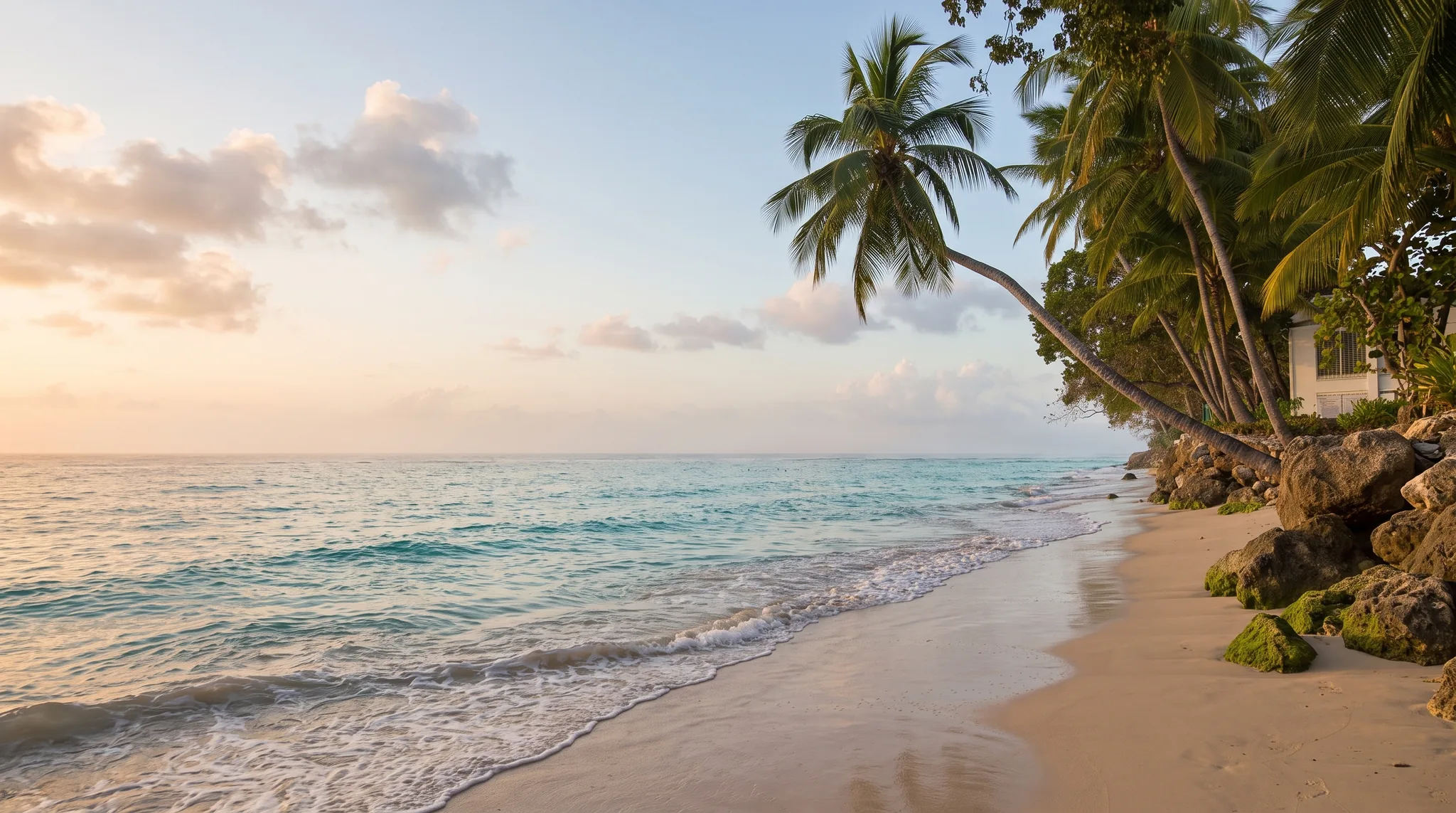 2
2Sheltered Caribbean Sea diving built around shipwrecks, warm water year-round, and marine life ranging from turtles to nurse sharks.
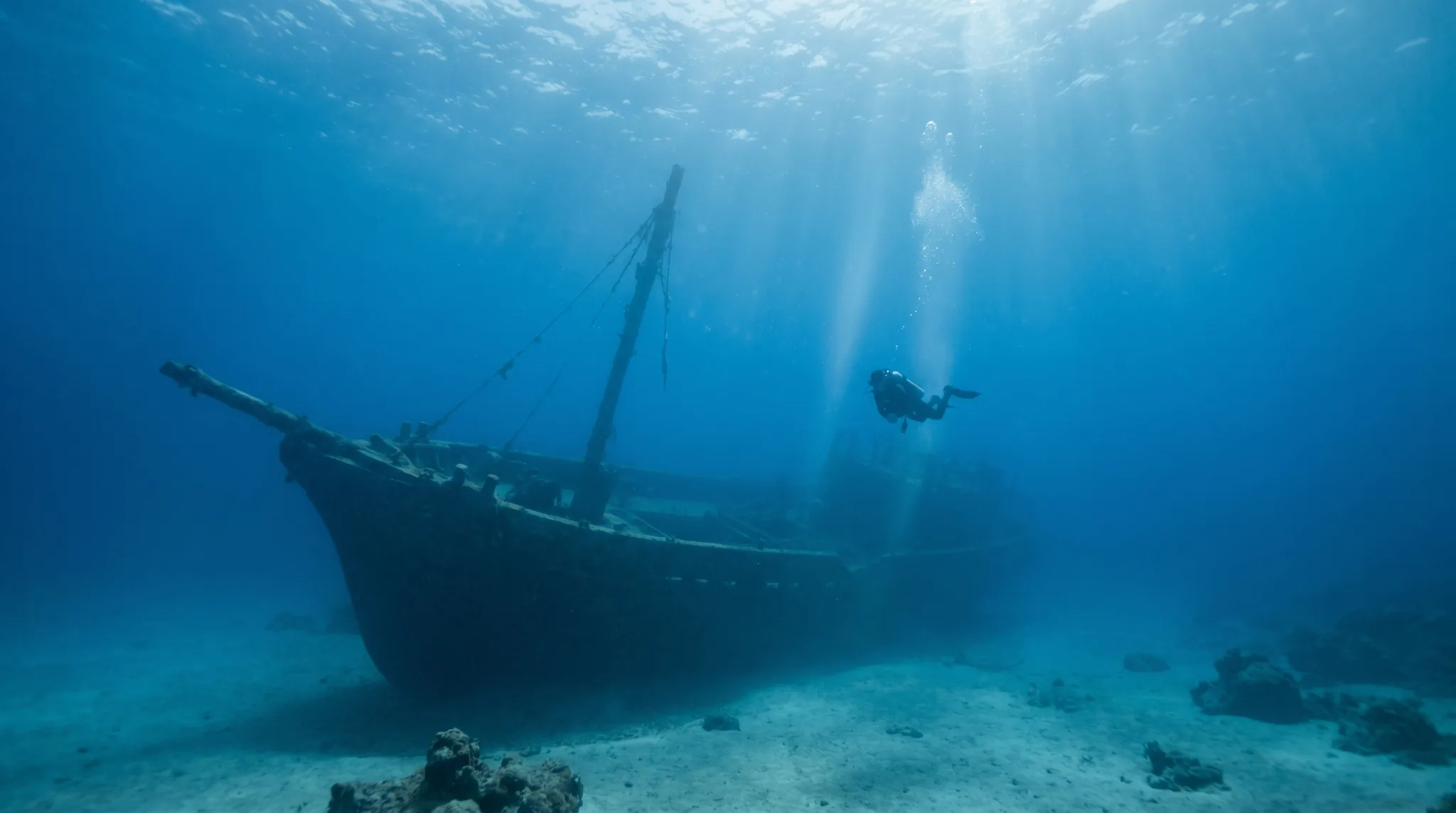

Monthly water temperature across Barbados's sites, from satellite sea-surface data corrected for depth. The band shows the site-to-site spread.
Water temperatures remain warm throughout the year, rising to their highest in the late summer and early autumn months. The best-rated diving periods cluster around late winter into spring and again in December, likely reflecting calmer seas and better visibility before and after the wetter mid-year months. Divers planning a trip around peak conditions will find the shoulder seasons most rewarding, though the sheltered nature of Carlisle Bay means diving is rarely impossible.
23 operators

Water temperature around Barbados ranges from about 27°C in January to 30°C in September, based on satellite sea-temperature data for its dive sites.
With water around 27–30°C, a rash guard or 3mm shorty works in Barbados year-round.
Fin maps 20 sites in Barbados (20 scuba diving sites and 3 snorkelling spots, with some suited to both), organised into 2 areas.
Across Barbados's dive sites, January, February, March, April, May and December are most often reported as the best months to visit.
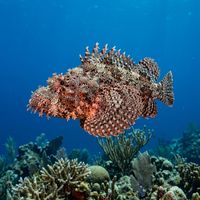
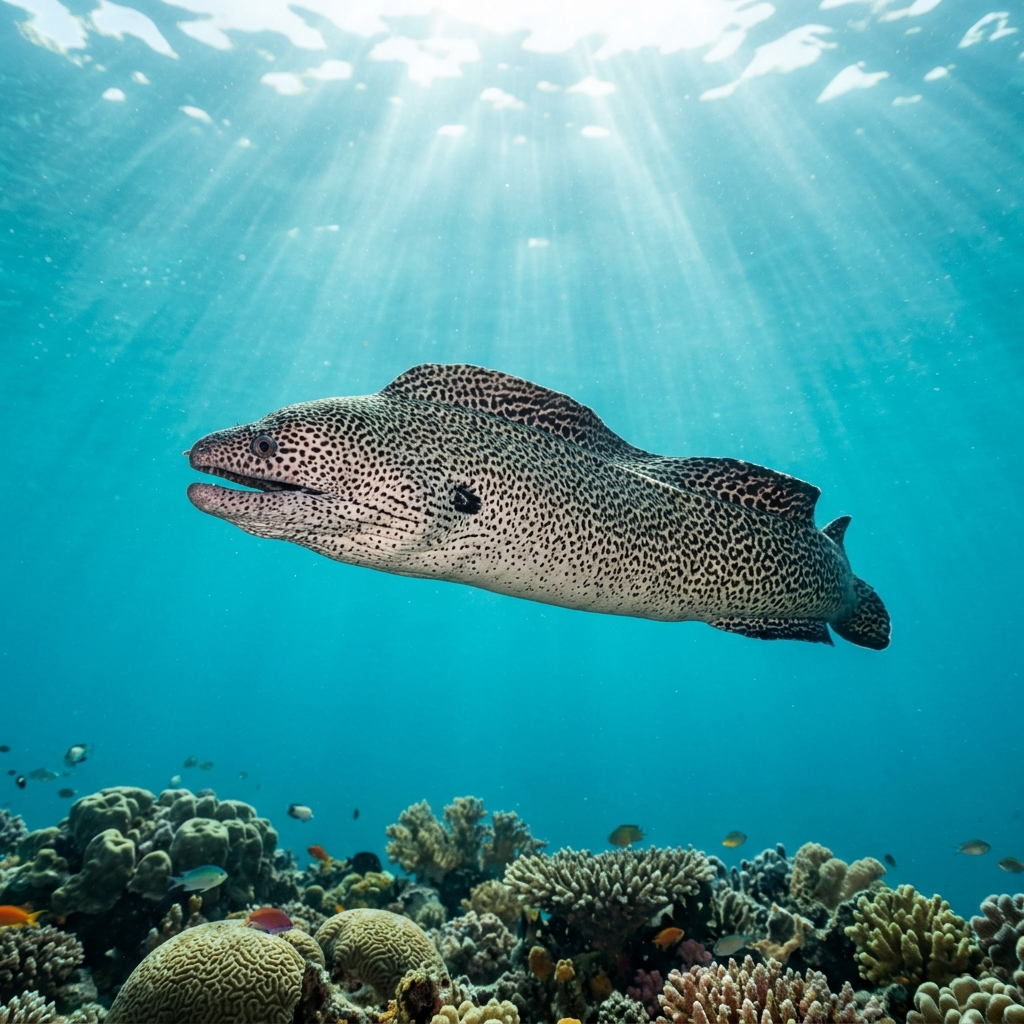
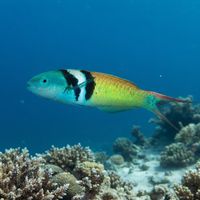
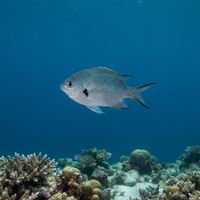
The species list is broad and well observed across the sites. The Flying Gurnard, Atlantic Tarpon, French Angelfish, and Blue Tang are encountered very commonly throughout Carlisle Bay. Spotted Scorpionfish and Spotted Moray reward slower, more attentive dives, while the Whiptail Stingray is a frequent sight on sandy patches. Seahorse sightings, though occasional, have been recorded and are among the more sought-after finds.
A good number of sites are rated for beginners, particularly within Carlisle Bay where wreck sites such as the Ce-Trek Shipwreck, Bajan Queen Shipwreck, and Friars Crag sit at approachable depths. Several of these can be reached by shore entry as well as boat, which suits divers building confidence. Intermediate and advanced sites like Old Fort, Neptune Goddess, and the SS Stavronikita are available for those looking to progress.
Carlisle Bay is by far the larger sub-area, with the great majority of listed sites concentrated there. It is dominated by wrecks and artificial reefs at a range of depths, making it accessible to divers of most skill levels. The West Coast offers fewer sites but includes natural reef diving, with Horseshoe Reef featuring hard corals and rock formations that provide a different character to the bay's wreck-centred landscape.
Both options exist depending on the site. Several Carlisle Bay wrecks, including the Carlisle Bay Shipwrecks cluster, the Ce-Trek Shipwreck, and Old Jetty, offer shore entry as well as boat access. Sites further offshore, such as the Boot, SS Stavronikita, and Neptune Goddess, are boat-access only. Multiple operators are based in the area and run regular trips to the full range of sites.