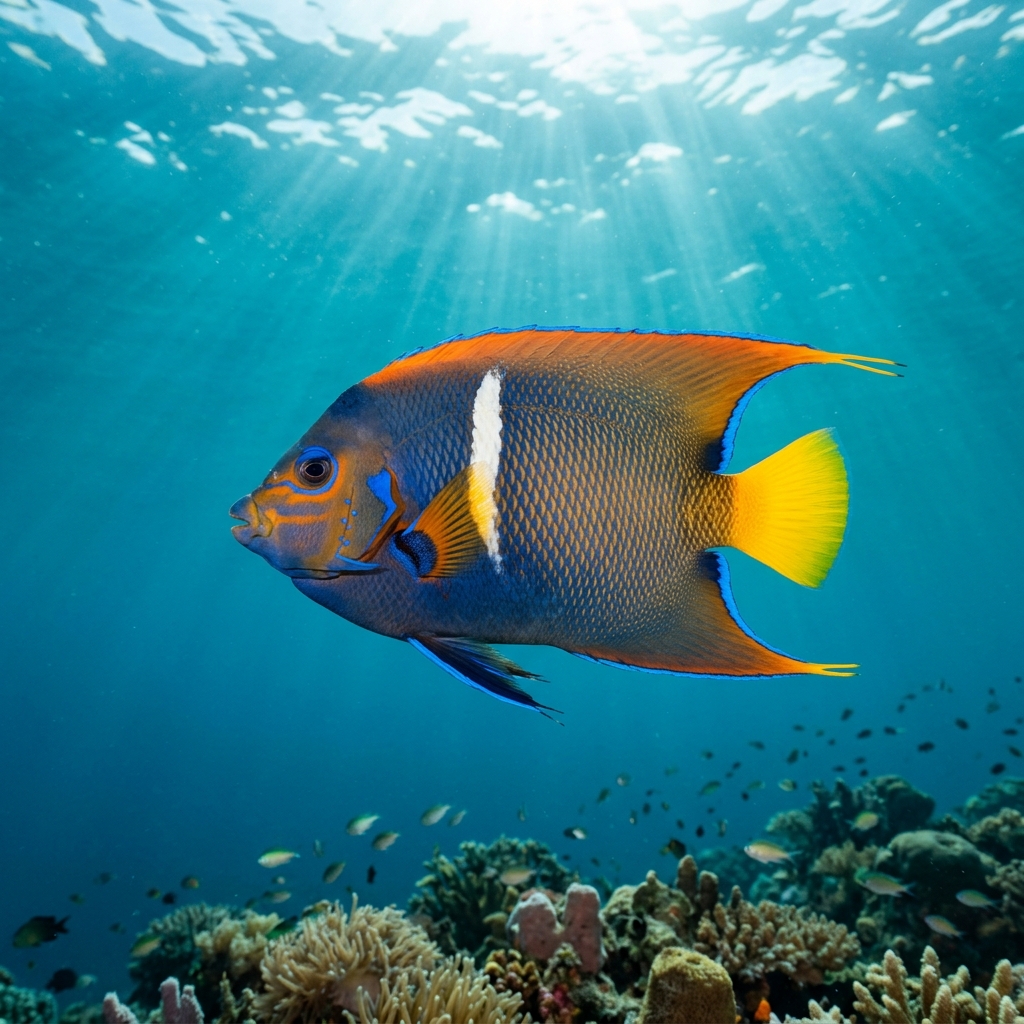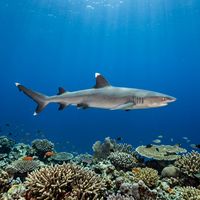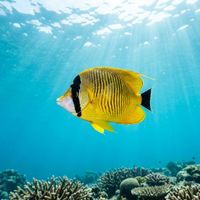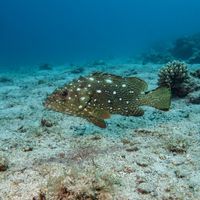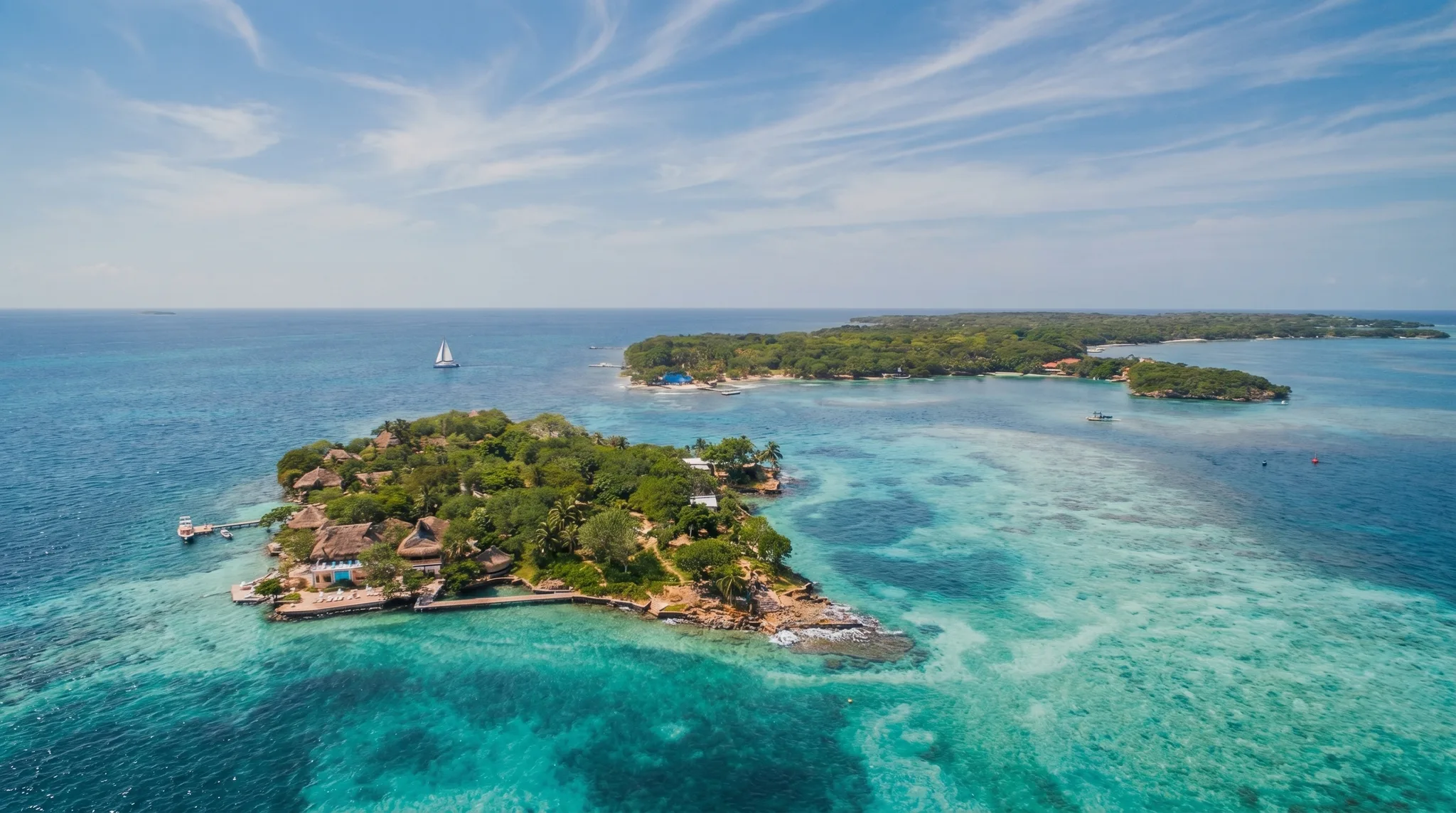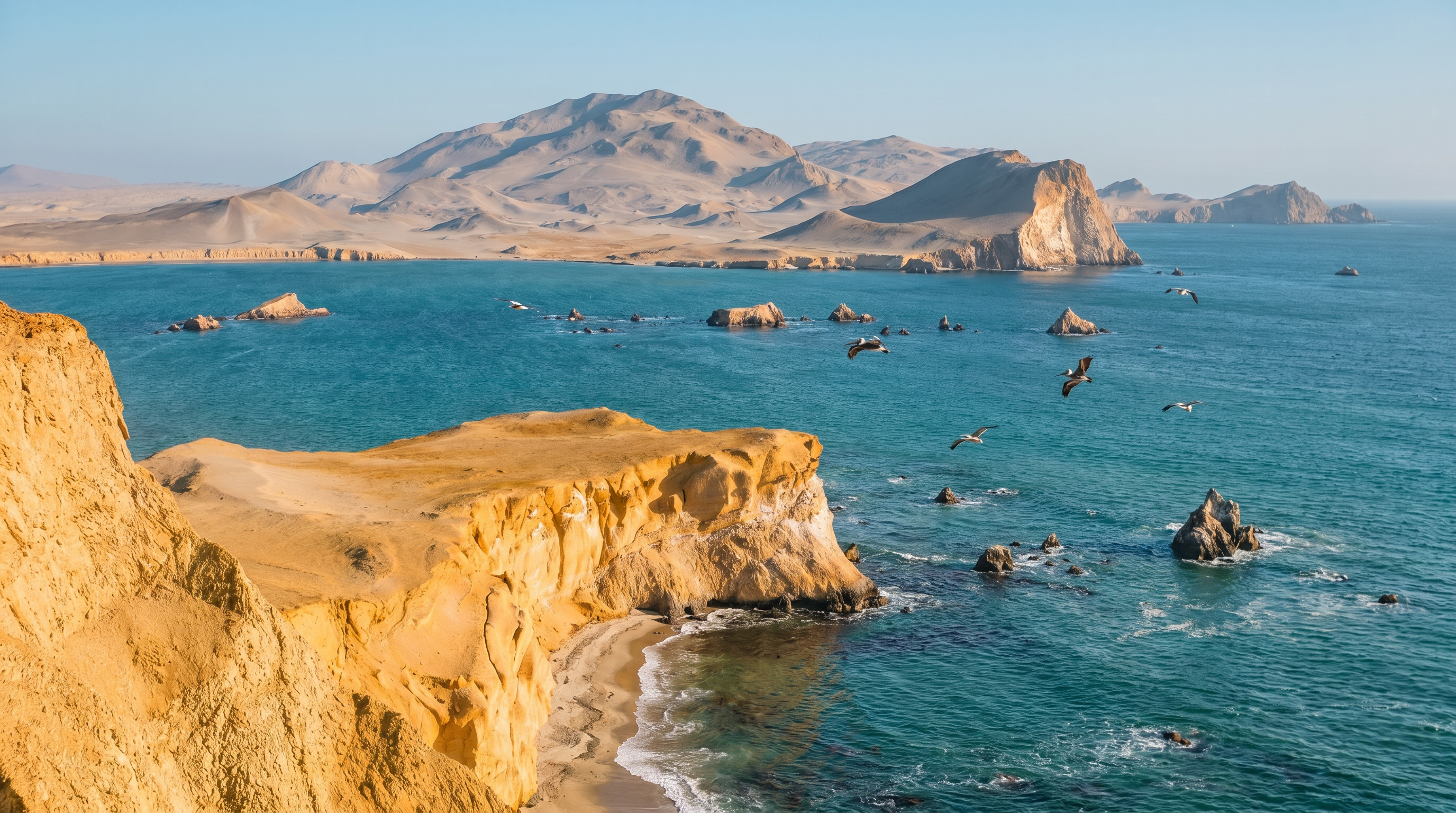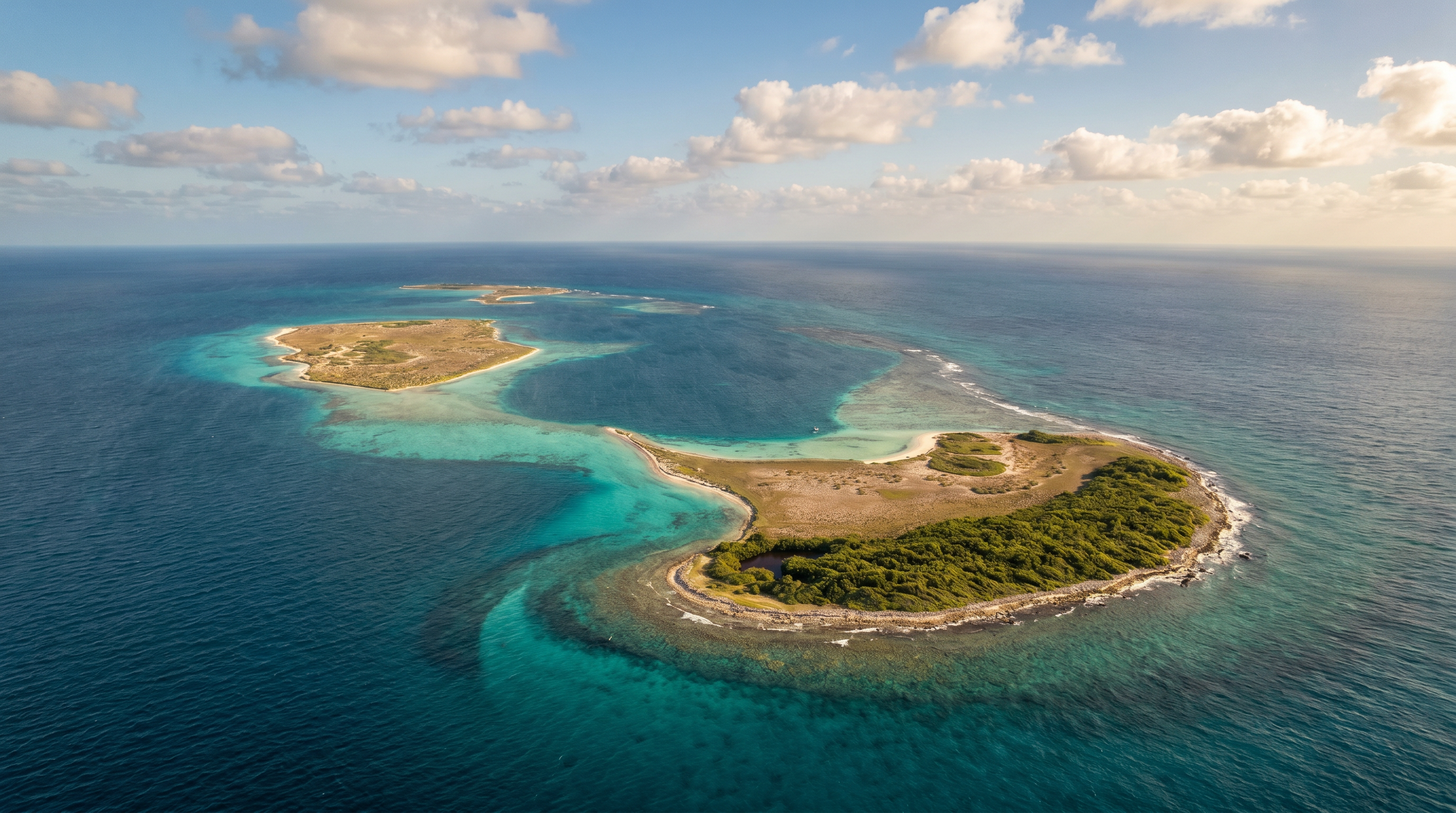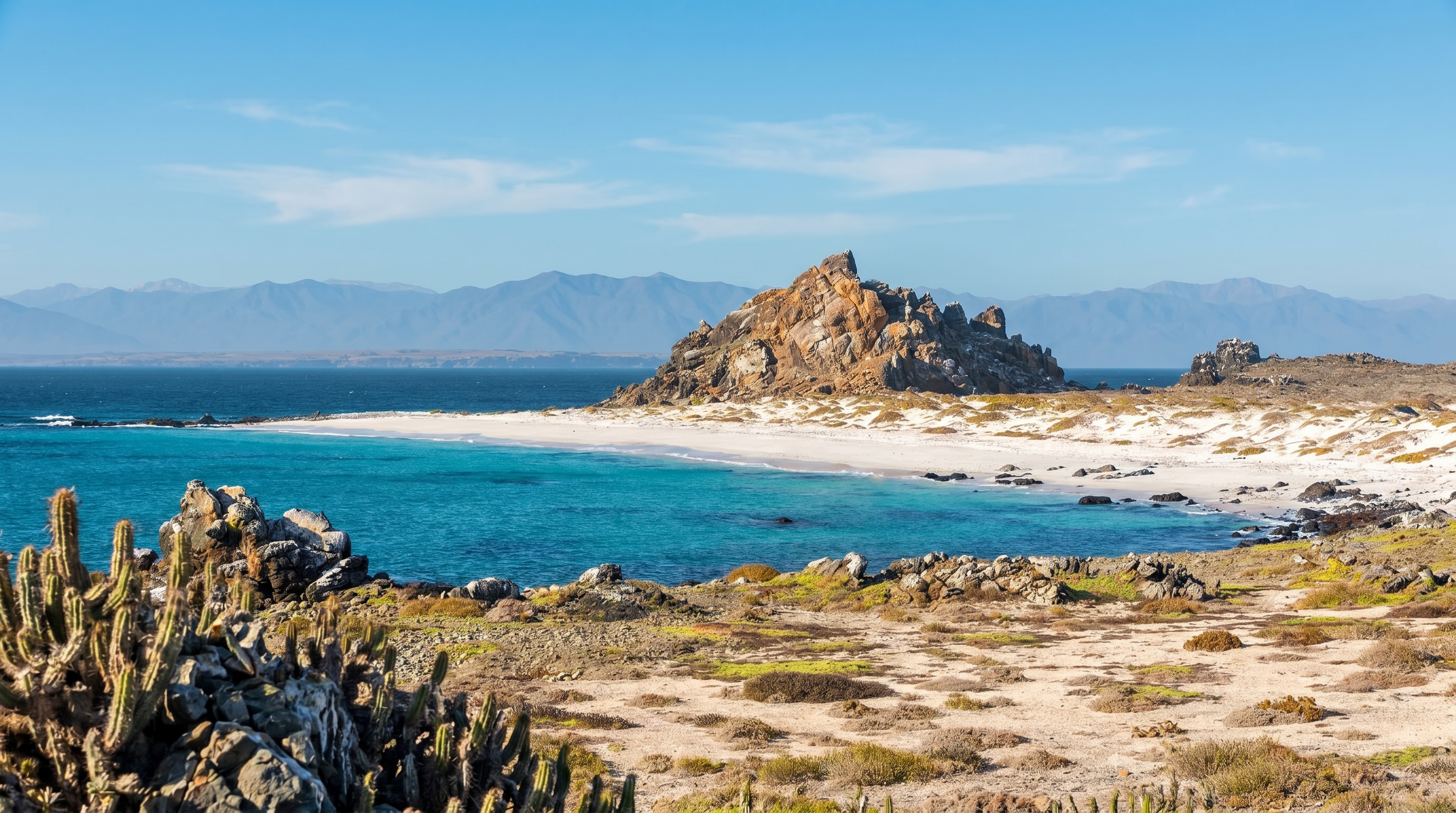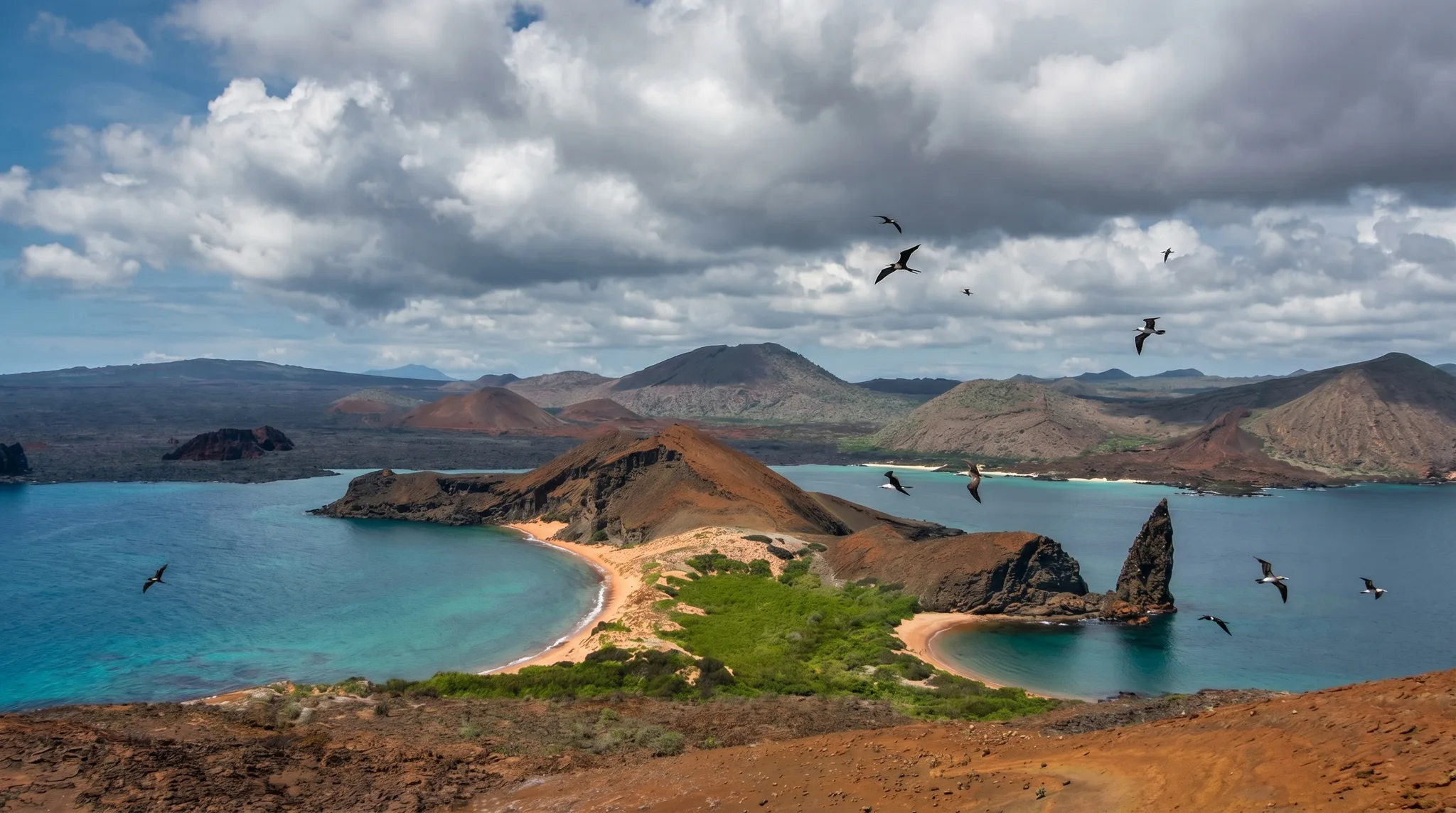
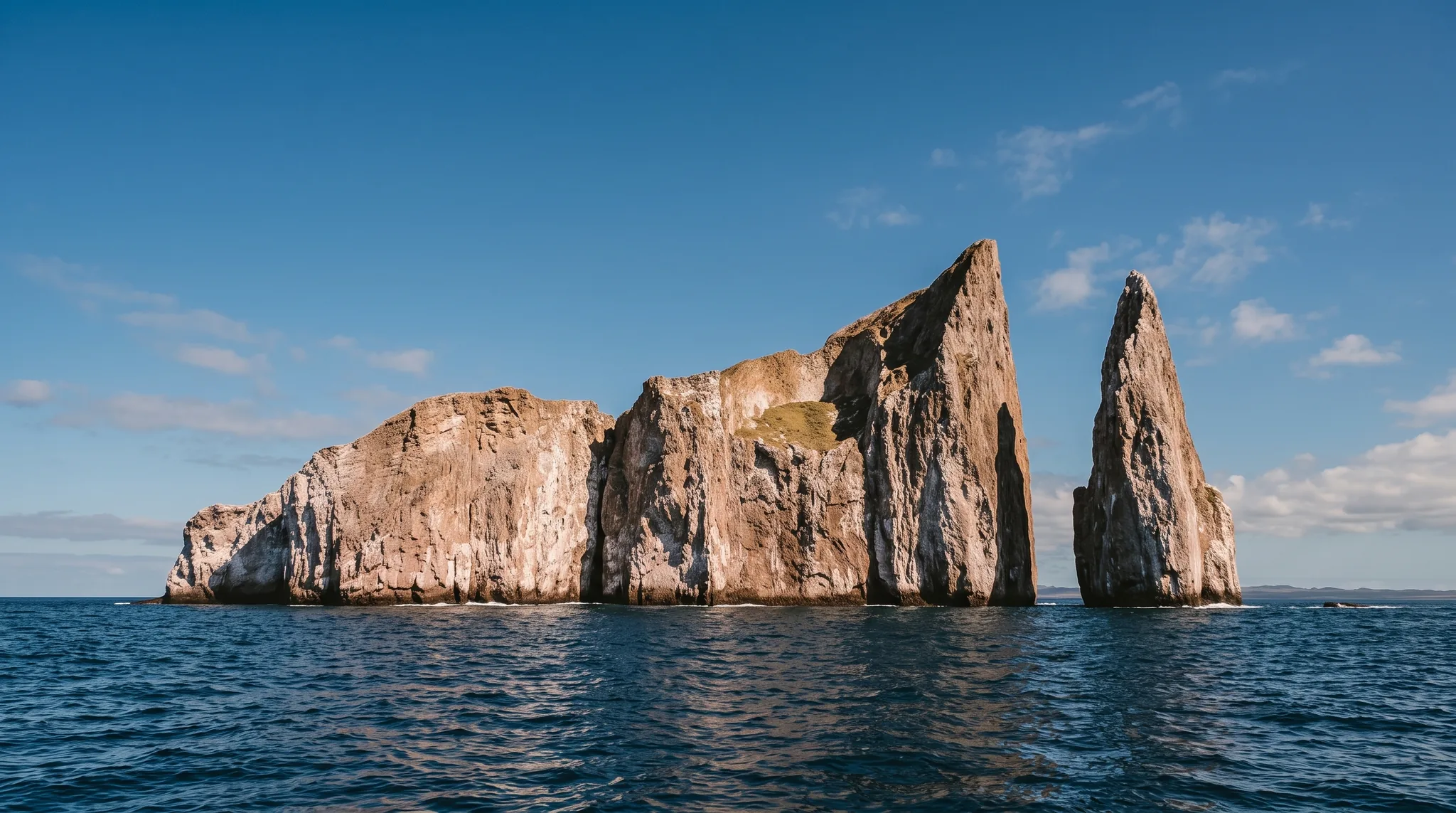
Ecuador's underwater territory splits into two distinct sub-areas: the Galápagos Islands, which holds the great majority of the region's sites, and the Pacific Coast. The Galápagos sites range from sheltered beginner bays like Concha de Perla and Playa de la Estación to challenging drift dives at Gordon Rocks and deep walls at Pinzón Island and Kicker Rock. Volcanic topography shapes much of the diving, with lava tunnels at Los Túneles, pinnacles at Bartolome Island, and the rock pillars of Pillars of Evolution at Darwin Island. The California Sea Lion and Spotted Eagle Ray are observed across a broad sweep of sites, while the Razor Surgeonfish and King Angelfish are among the most frequently encountered reef fish. Whitetip Reef Shark, Green Sea Turtle, and the occasional Whale Shark and Oceanic Manta Ray complete a fauna profile that few regions can match in variety.
2 areas
 108
108Volcanic reefs, drift dives and resident California Sea Lion encounters across five distinct island groups in Ecuador.
 22
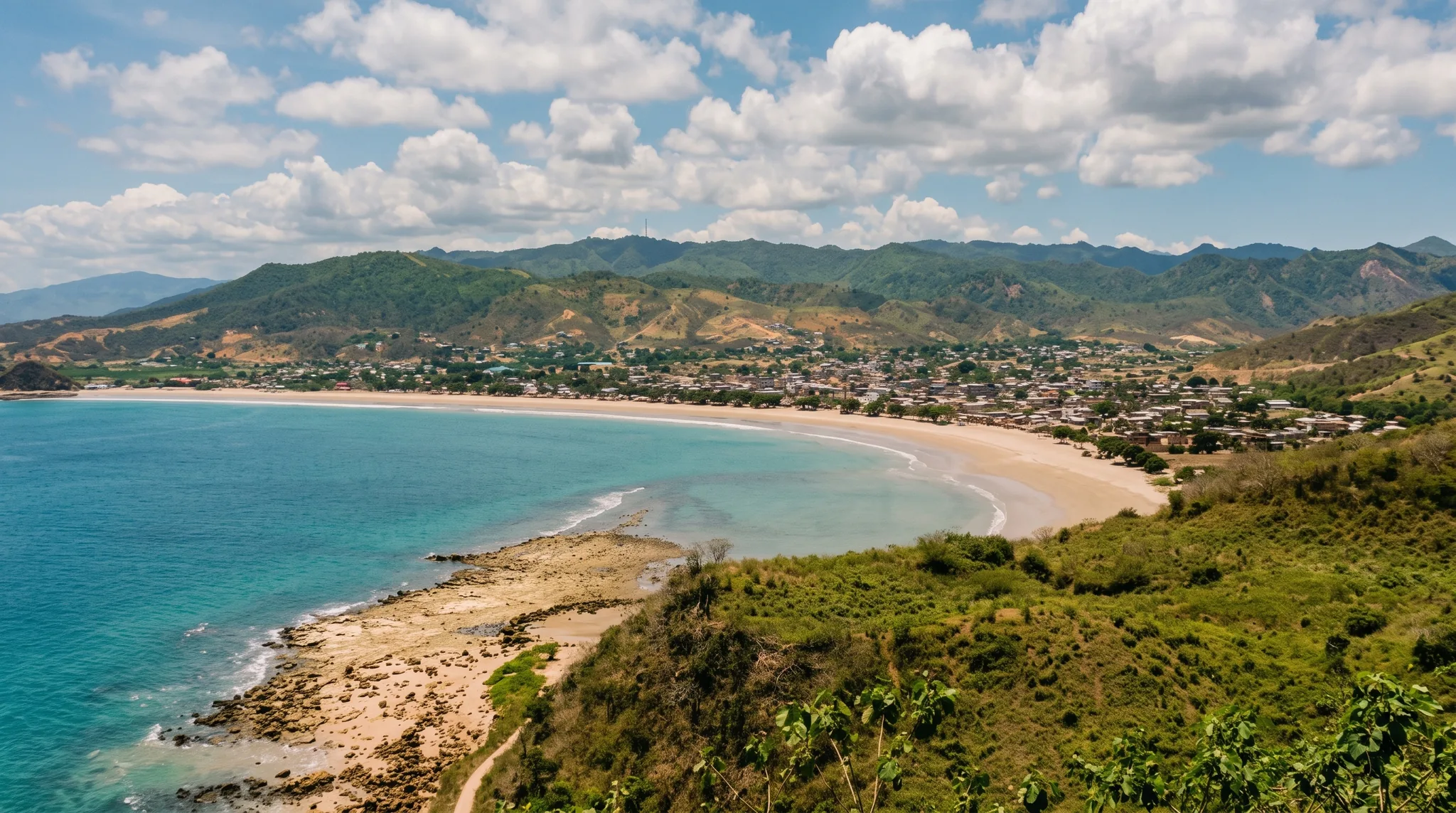
22Reef, wall, and pinnacle diving with observation-backed Whale Shark, Oceanic Manta Ray, and Smooth Hammerhead encounters off Ecuador's Pacific Coast.
Monthly water temperature across Ecuador's sites, from satellite sea-surface data corrected for depth. The band shows the site-to-site spread.
Water temperature dips to its coolest from August through October, bringing colder upwellings that often coincide with stronger currents and the nutrient-rich conditions that attract large pelagics. The warmer months from January through April bring calmer, clearer water suited to reef exploration. Diver ratings peak from June through August, suggesting these shoulder months balance conditions well despite cooler temperatures.
68 operators
Jipijapa, Ecuador
Puerto Ayora, Ecuador

Water temperature around Ecuador ranges from about 21°C in August to 24°C in February, based on satellite sea-temperature data for its dive sites.
In the warm season (about 24°C) a 3mm full suit is comfortable in Ecuador; in the coldest months (about 21°C) step up to a 5mm suit.
Fin maps 130 sites in Ecuador (109 scuba diving sites and 45 snorkelling spots, with some suited to both), organised into 2 areas.
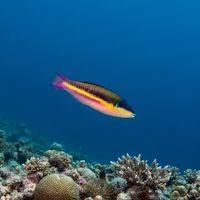
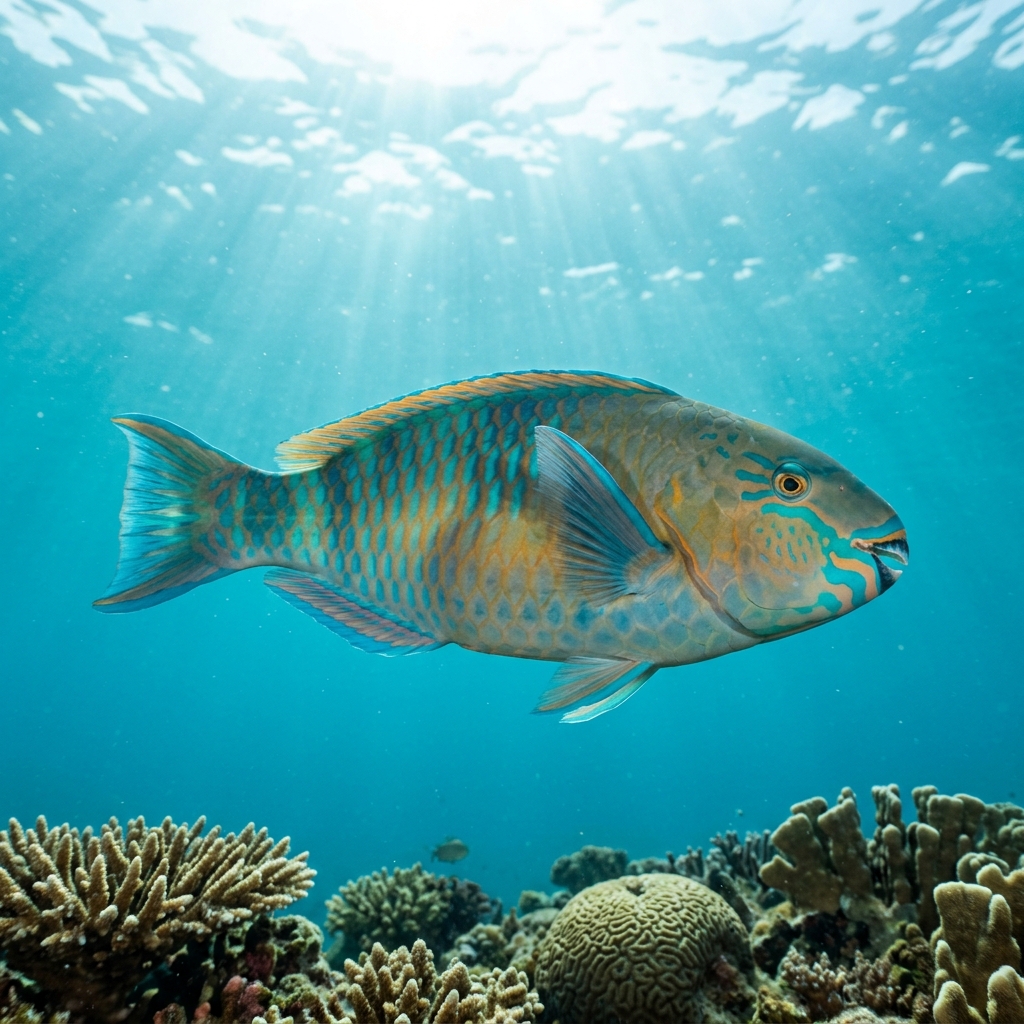
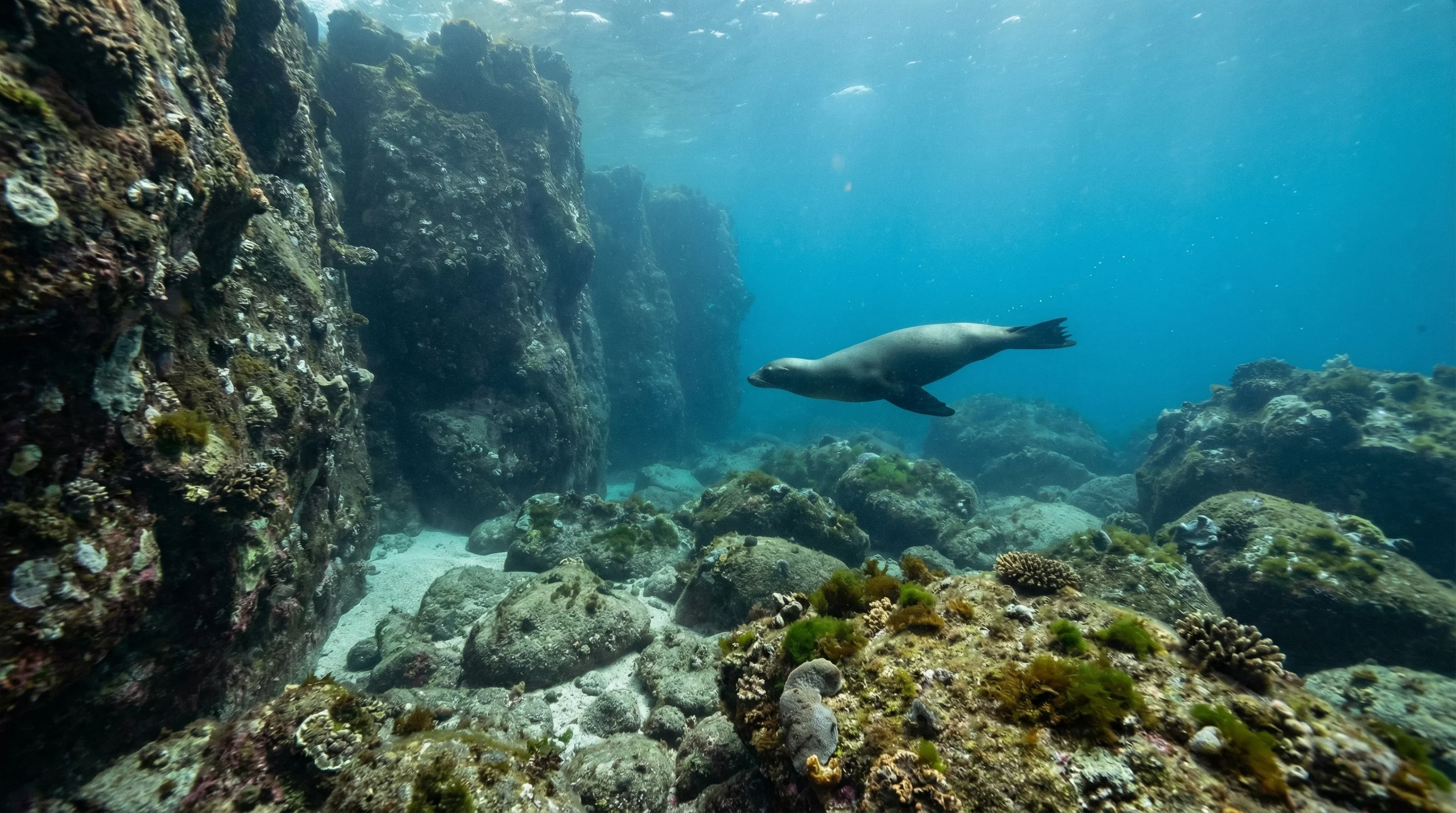
Observed species across Ecuador's sites include the California Sea Lion, Spotted Eagle Ray, Whitetip Reef Shark, and Green Sea Turtle, all of which appear regularly across the Galápagos Islands. Whale Shark and Oceanic Manta Ray have also been recorded, particularly at the more exposed northern sites such as Darwin Island. Reef fish like the King Angelfish, Razor Surgeonfish, and Barberfish are among the most commonly encountered on shallower reefs.
Several sites in the Galápagos Islands are rated at beginner skill level, including Darwin Bay, Los Túneles, Concha de Perla, and Playa de la Estación. However, many of the most celebrated sites, such as Gordon Rocks, Kicker Rock, and North Seymour, carry an intermediate rating due to strong currents and surge. Advanced divers have dedicated options too, including Pillars of Evolution and Corona del Diablo. The skill mix means Ecuador suits a wide range of experience levels, provided site selection is matched to ability.
The Galápagos Islands sub-area holds the large majority of Ecuador's dive and snorkel sites, with a rich mix of reef, wall, drift, pinnacle, and lava-tunnel topography. The Pacific Coast sub-area is smaller in site count but includes reef sites such as Punta Machalilla near Isla de la Plata. Operators are concentrated around the Galápagos, with names such as Wreck Bay Diving Center, Galapagos Dive Academy, and Native Diving Ecuador among those listed.
The majority of dive sites across Ecuador are boat-access only, reflecting the island geography of the Galápagos and the offshore nature of Pacific Coast sites. Shore-entry options do exist, most notably Concha de Perla on Isabela Island and Playa de la Estación, both of which are shallow and beginner-friendly. Divers planning a liveaboard or day-boat itinerary will find the widest range of sites, including deeper walls and remote drift dives.