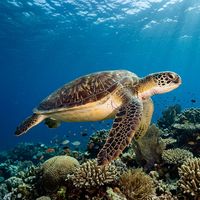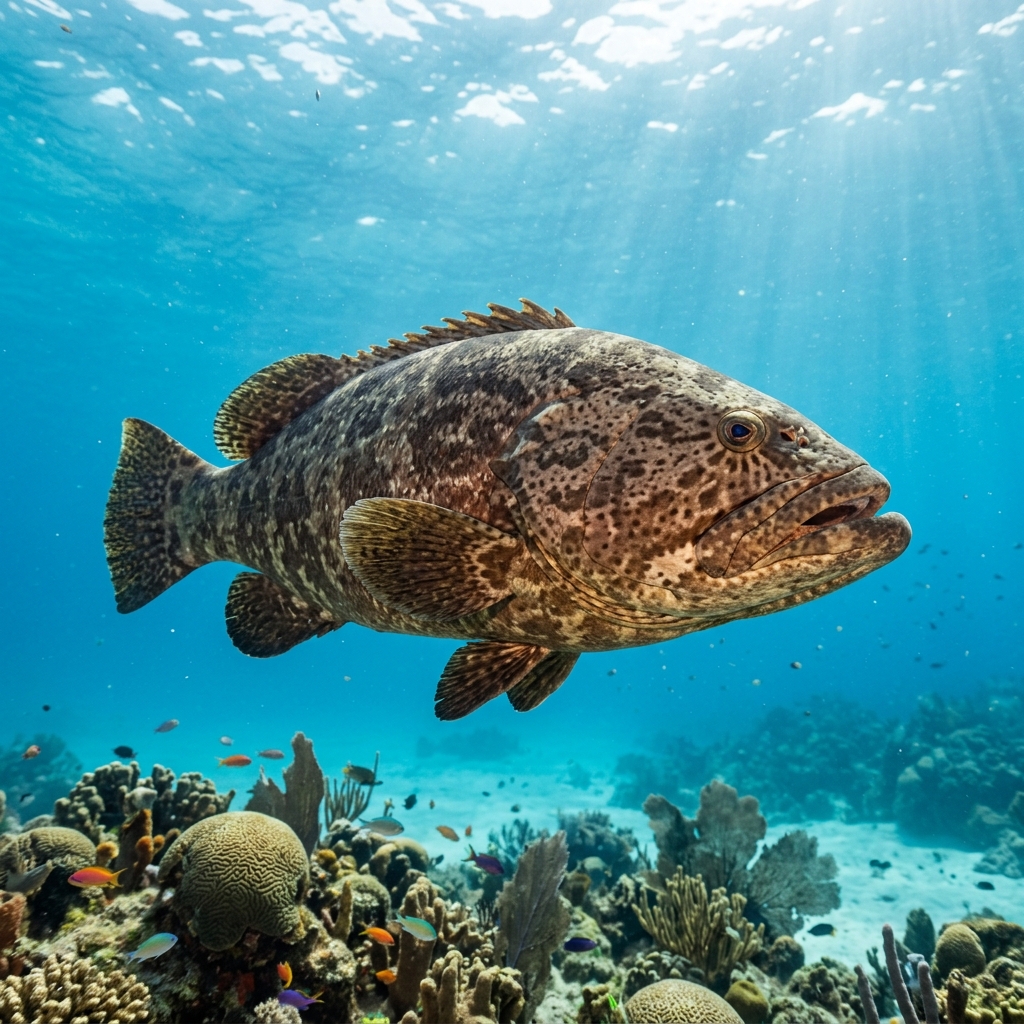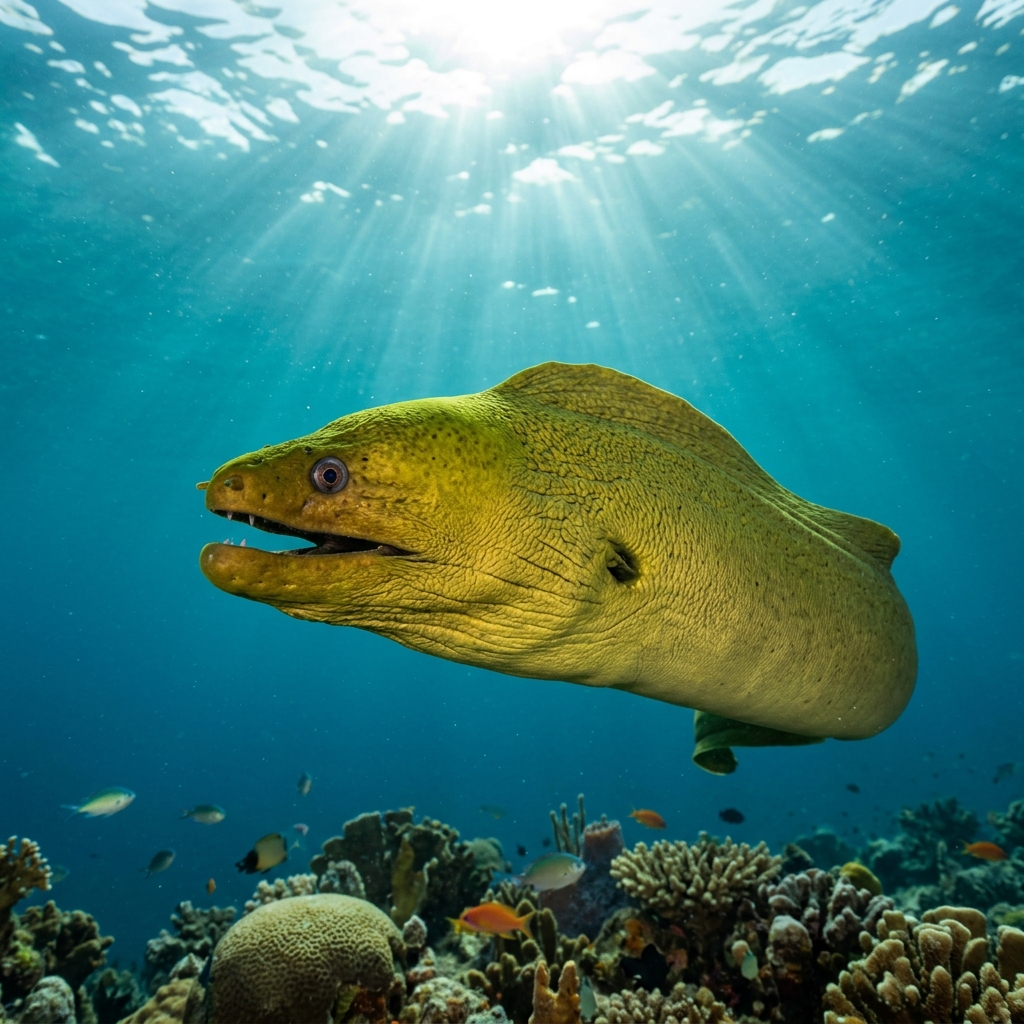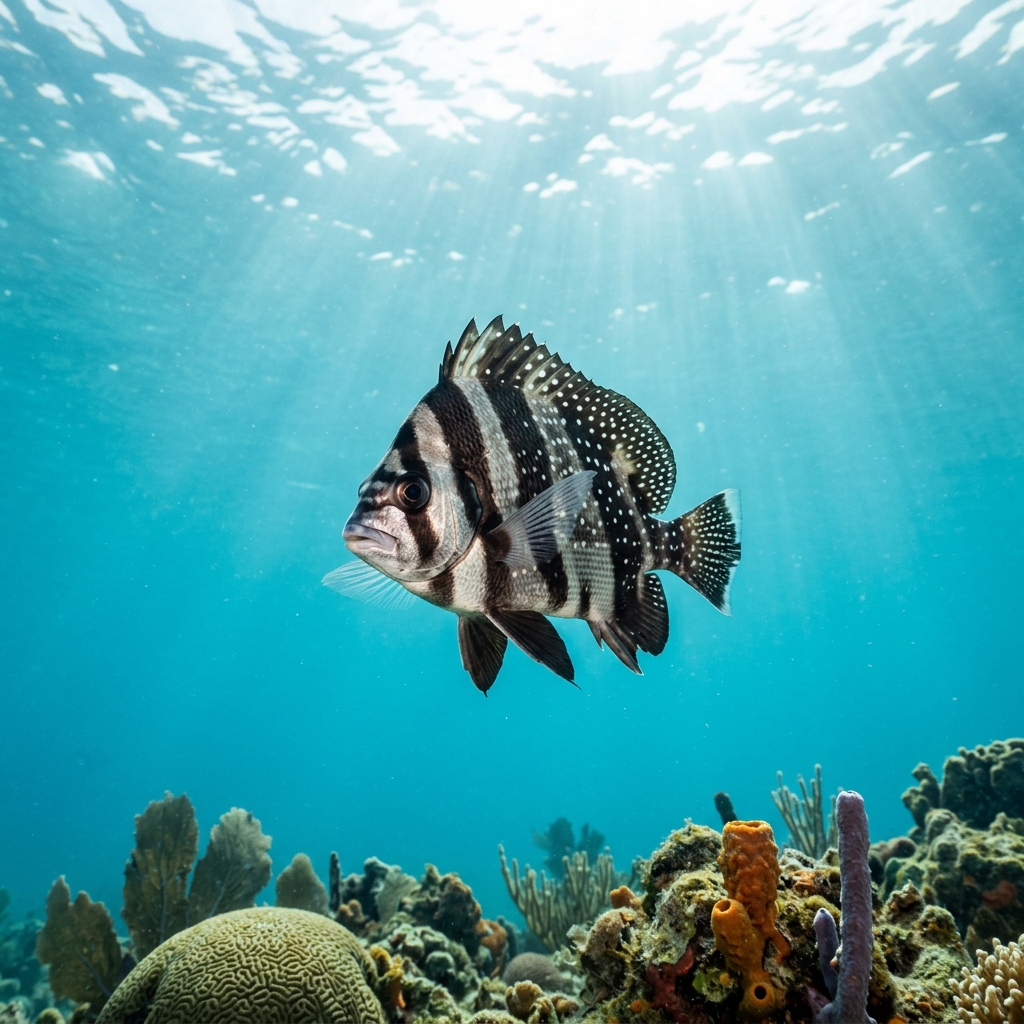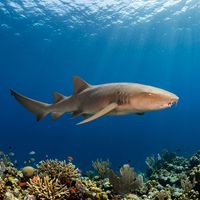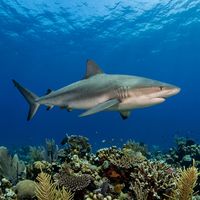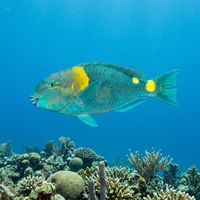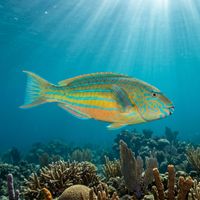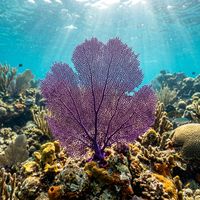
Cuba's underwater character is shaped by a sweep of distinct sub-areas, from the reef walls and cavern systems of Western Cuba to the remote boat-access sites of Jardines de la Reina and the drift reefs of the Canarreos Archipelago. The site mix is broad: coral gardens, sheer walls, wrecks, cenotes, and cave systems give divers a truly varied itinerary. Warm water persists year-round, peaking through summer, while visibility is consistently generous across most areas. The reef community is rich with observation-backed species: Green Sea Turtle and Atlantic Goliath Grouper are commonly encountered, Caribbean Reef Shark and Nurse Shark appear regularly, and parrotfish such as Stoplight Parrotfish and Striped Parrotfish are fixtures on almost every site. Shore entries make several sites accessible without a boat, while liveaboard-style access opens the most remote southern reefs.
5 areas
 47
47Shore and boat diving across reefs, walls, wrecks and flooded cenotes, with Green Sea Turtle and Nurse Shark among the regulars.
 39
39Reef diving with observation-backed Caribbean Reef Shark, Green Sea Turtle, and Nurse Shark across three distinct cays.
 26
26Remote reefs and walls where Caribbean Reef Shark, Goliath Grouper and Whale Shark are regularly observed alongside abundant reef fish.
 19
19
Monthly water temperature across Cuba's sites, from satellite sea-surface data corrected for depth. The band shows the site-to-site spread.
Water stays warm throughout the year, rising to its peak through the summer months and cooling only slightly over winter, making a thin wetsuit sufficient in most seasons. The best-rated months cluster around early spring and the winter shoulder, when settled conditions favour stronger visibility on the reef walls and open-water sites. Summer brings the warmest water but also the wetter season, which can affect sea state on exposed boat-access sites such as Jardines de la Reina.
72 operators
Varadero, Cuba
Reef and wall diving with consistent Atlantic Goliath Grouper, sharks and sea turtles across two distinct island groups.
Water temperature around Cuba ranges from about 26°C in January to 30°C in July, based on satellite sea-temperature data for its dive sites.
In the warm season (about 30°C) a rash guard or 3mm shorty is comfortable in Cuba; in the coldest months (about 26°C) step up to a 3mm full suit.
Fin maps 143 sites in Cuba (126 scuba diving sites and 32 snorkelling spots, with some suited to both), organised into 5 areas.
Across Cuba's dive sites, January, February, March, April, July and December are most often reported as the best months to visit.
Cuba's reefs are home to a range of large, observation-backed species. Green Sea Turtle and Nurse Shark are commonly encountered across many sites, while Atlantic Goliath Grouper is a frequent presence on deeper reefs. Caribbean Reef Shark is also regularly sighted, and Spotted Eagle Ray and Whale Shark appear among the region's signature species.
A good portion of Cuba's sites are rated for beginners, including shore-entry options such as Phillips Dive Park, Coral Beach, and Cueva de los Peces, as well as boat-access sites like El Ballenato and Cabeza de Marcel. Intermediate sites such as Jardines de la Reina and Cenote Cuba Checoslovaquia involve greater depth or overhead environments and suit divers with more experience. The range means the country caters to most skill levels.
Western Cuba and Jardines del Rey hold the largest concentration of sites and include shore-accessible reefs popular with operators based in Varadero. The Central South Coast and Jardines de la Reina are more remote, favouring boat access and offering deeper walls and mixed natural and artificial reef structures. The Canarreos Archipelago features drift reef diving, while Eastern Cuba, though smaller in site count, includes wreck and artificial reef diving at sites such as Phillips Dive Park and Guantanamo Bay Reef.
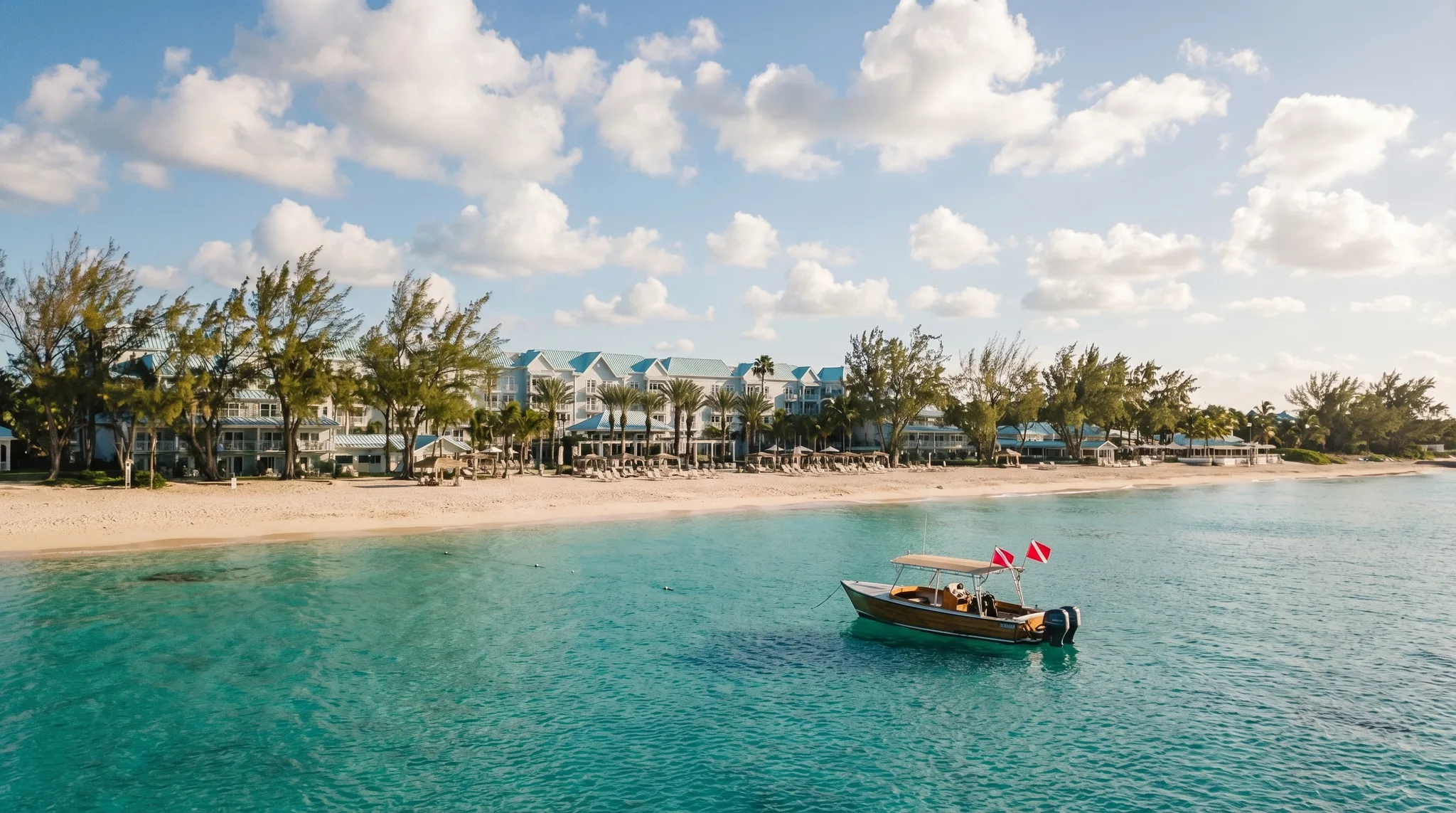
Both options exist across Cuba. Several well-regarded sites are accessible directly from shore, including Coral Beach, Jibacoa, Cueva de los Peces, and Cenote Cuba Checoslovaquia. Boat access opens up the more remote sites, particularly in Jardines de la Reina and the Canarreos Archipelago, where some of the most varied topography is found. A number of operators across Varadero and Maria la Gorda organise both shore and boat trips.