Best for advanced divers, 10-55m, boat entry, moderate current.
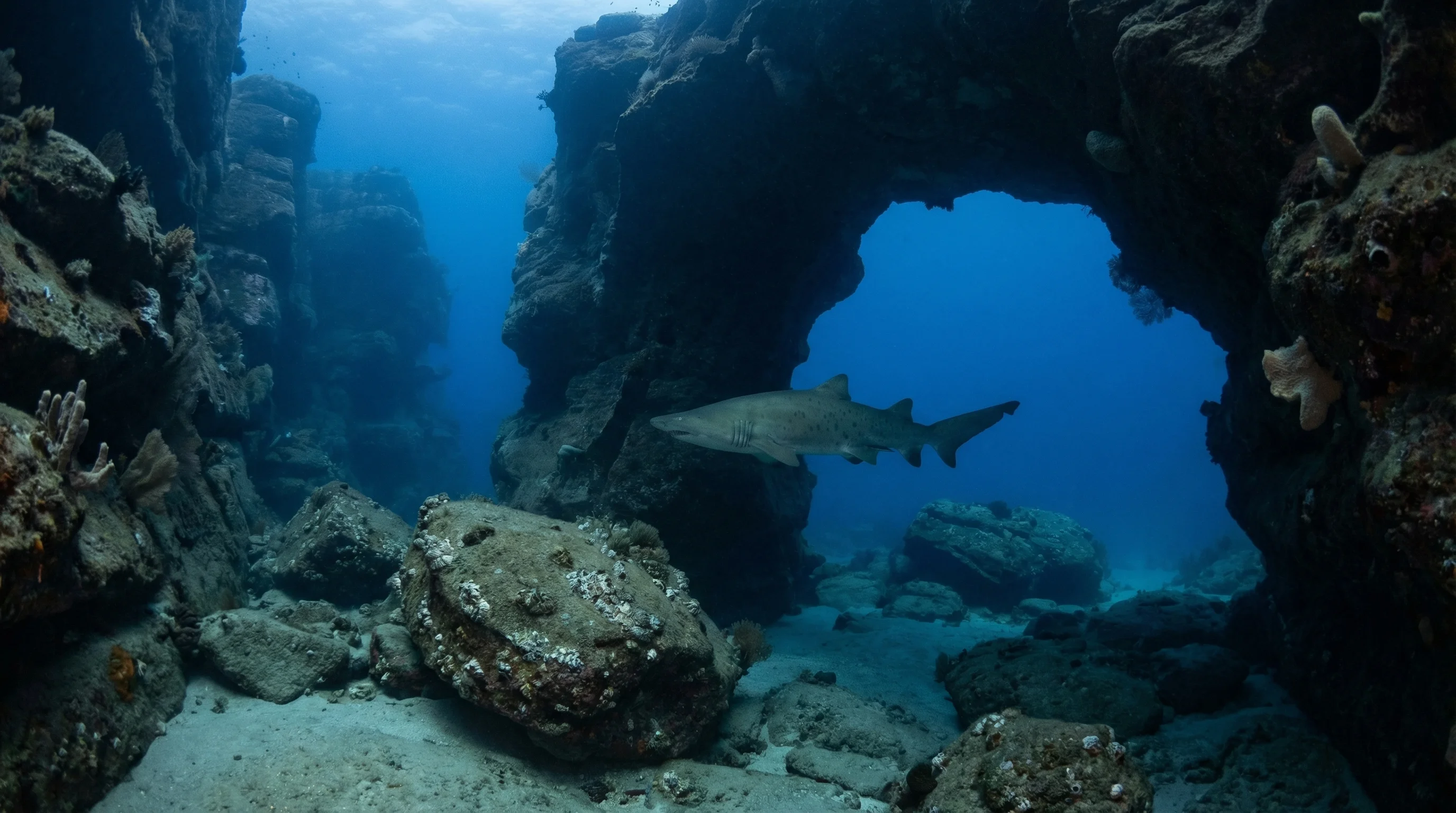
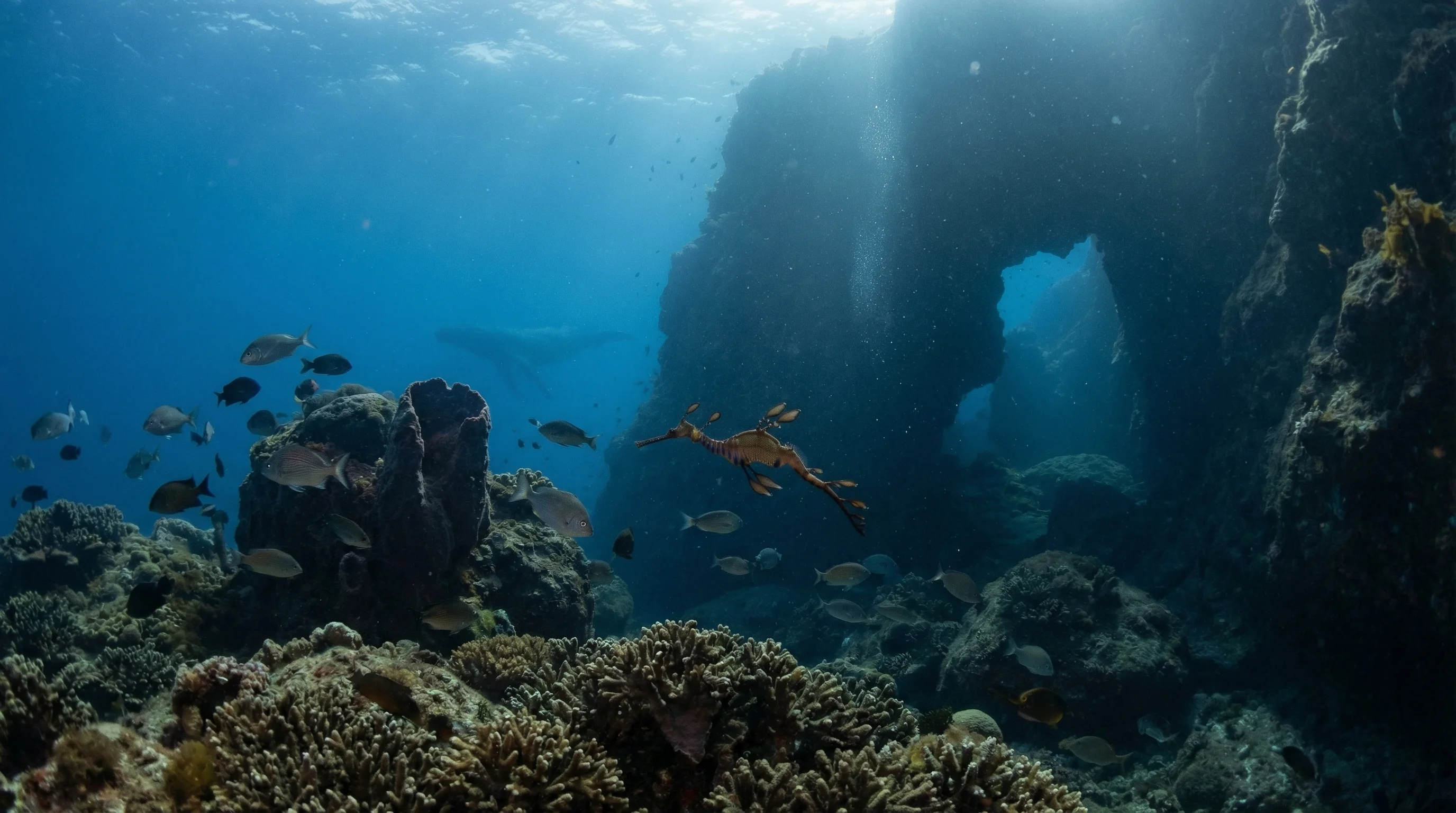
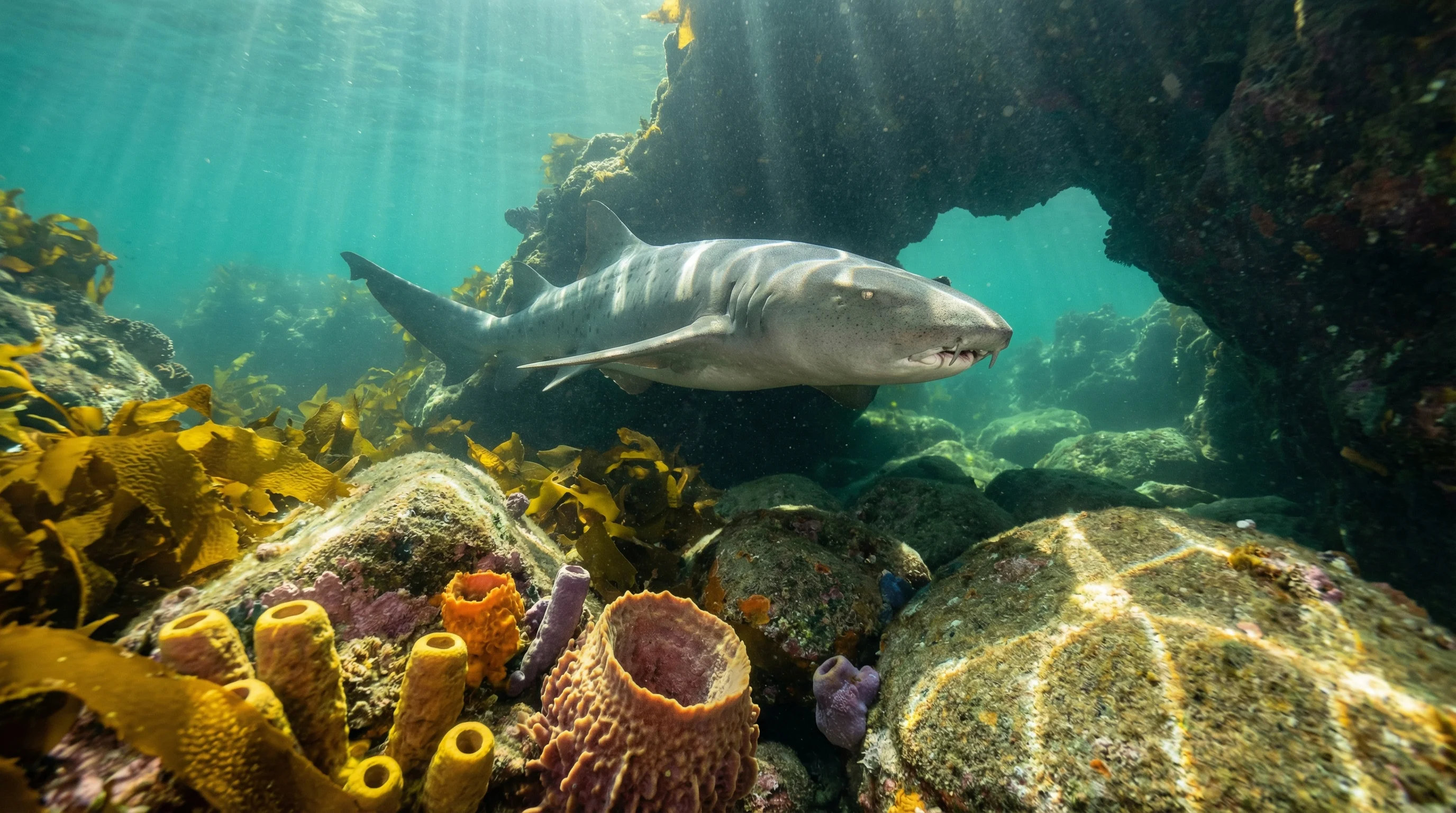
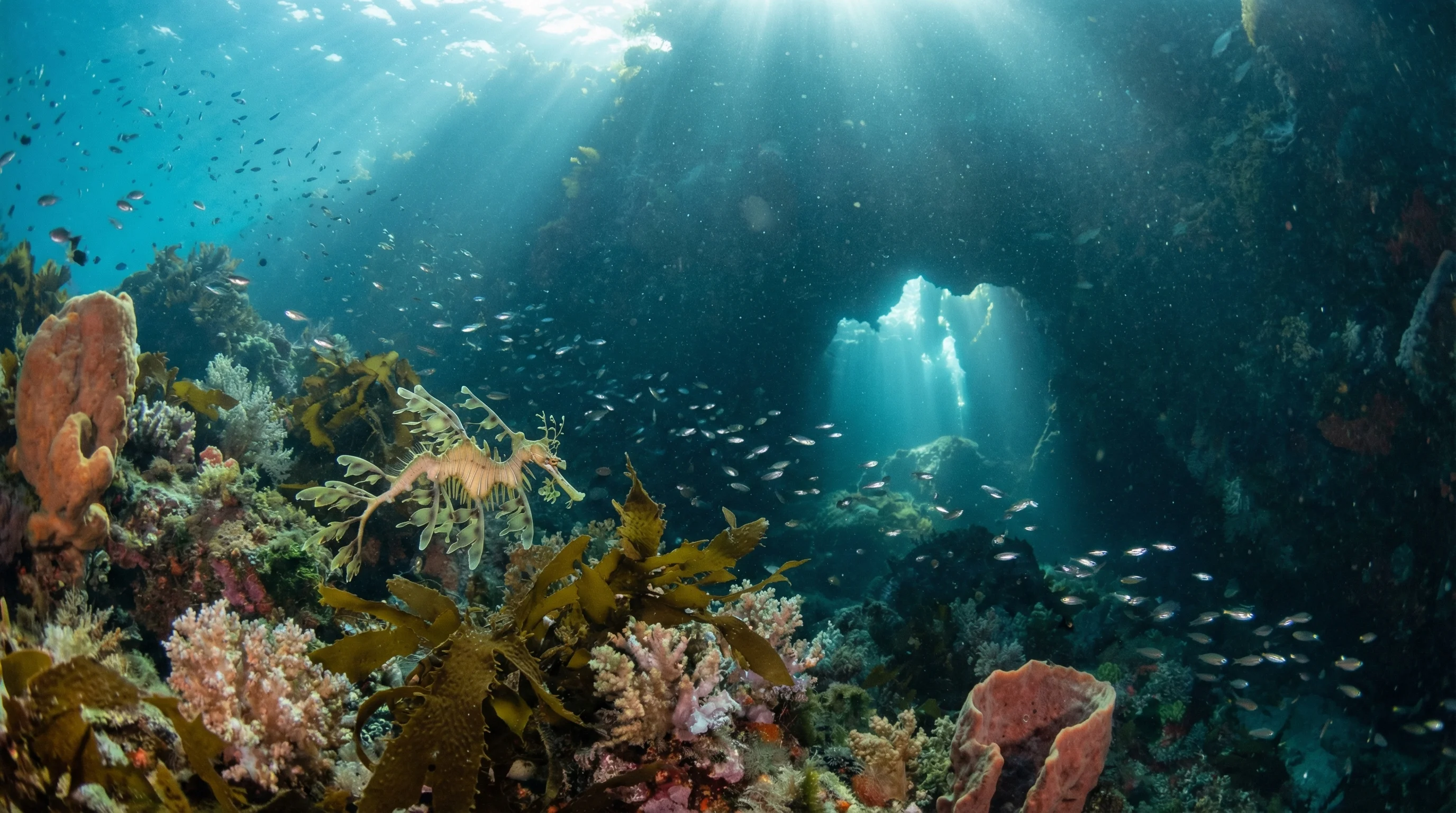
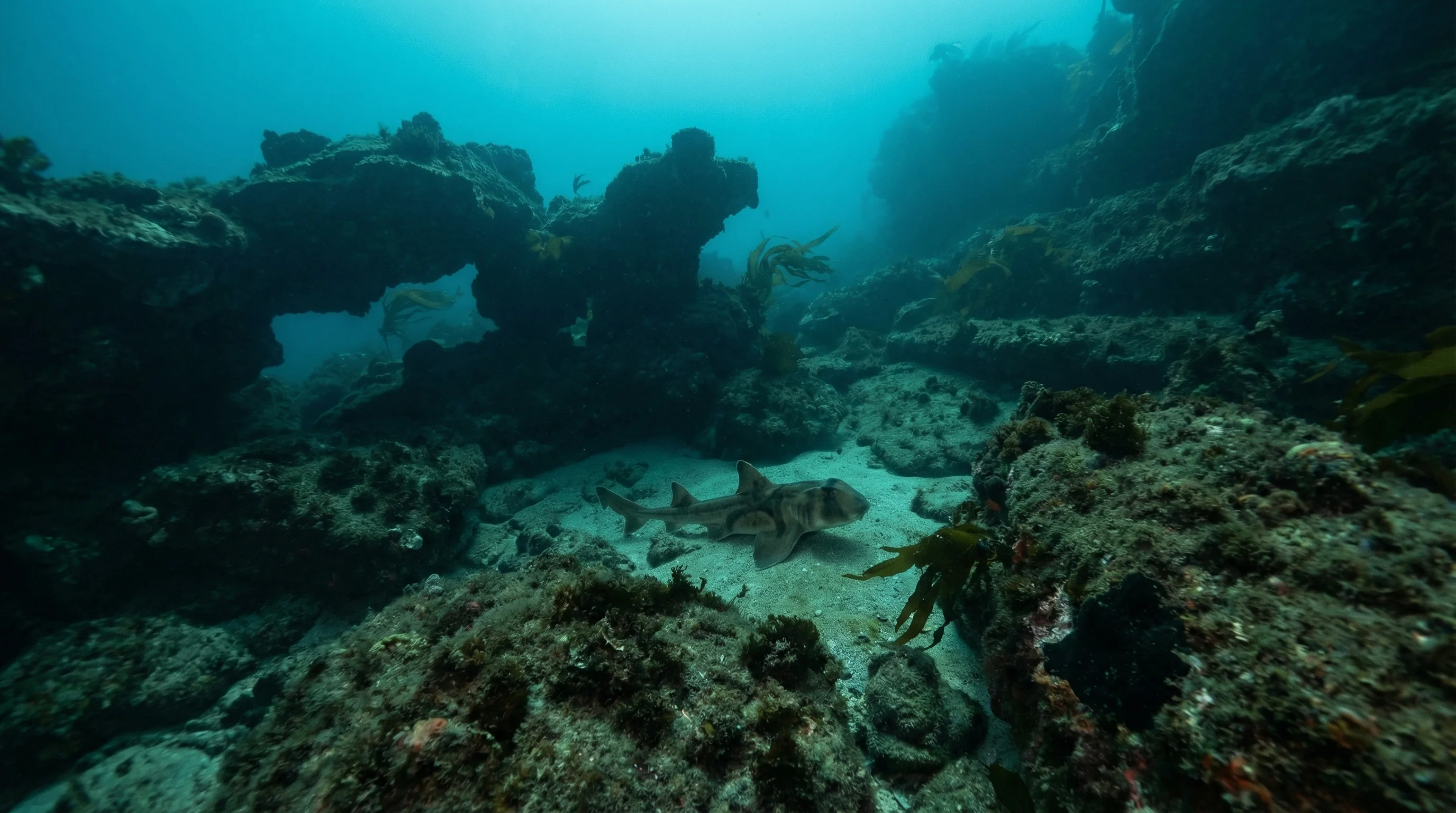
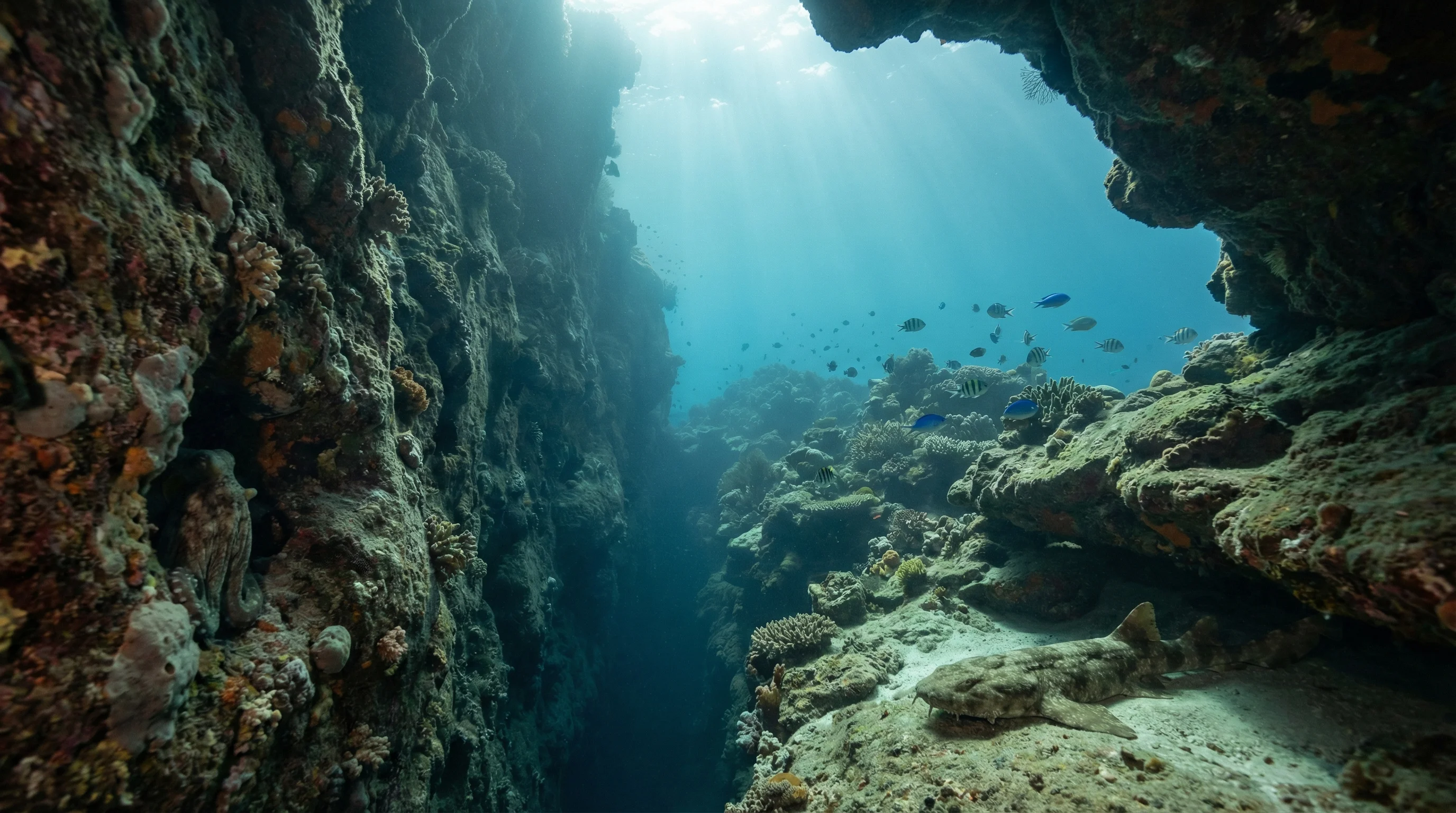
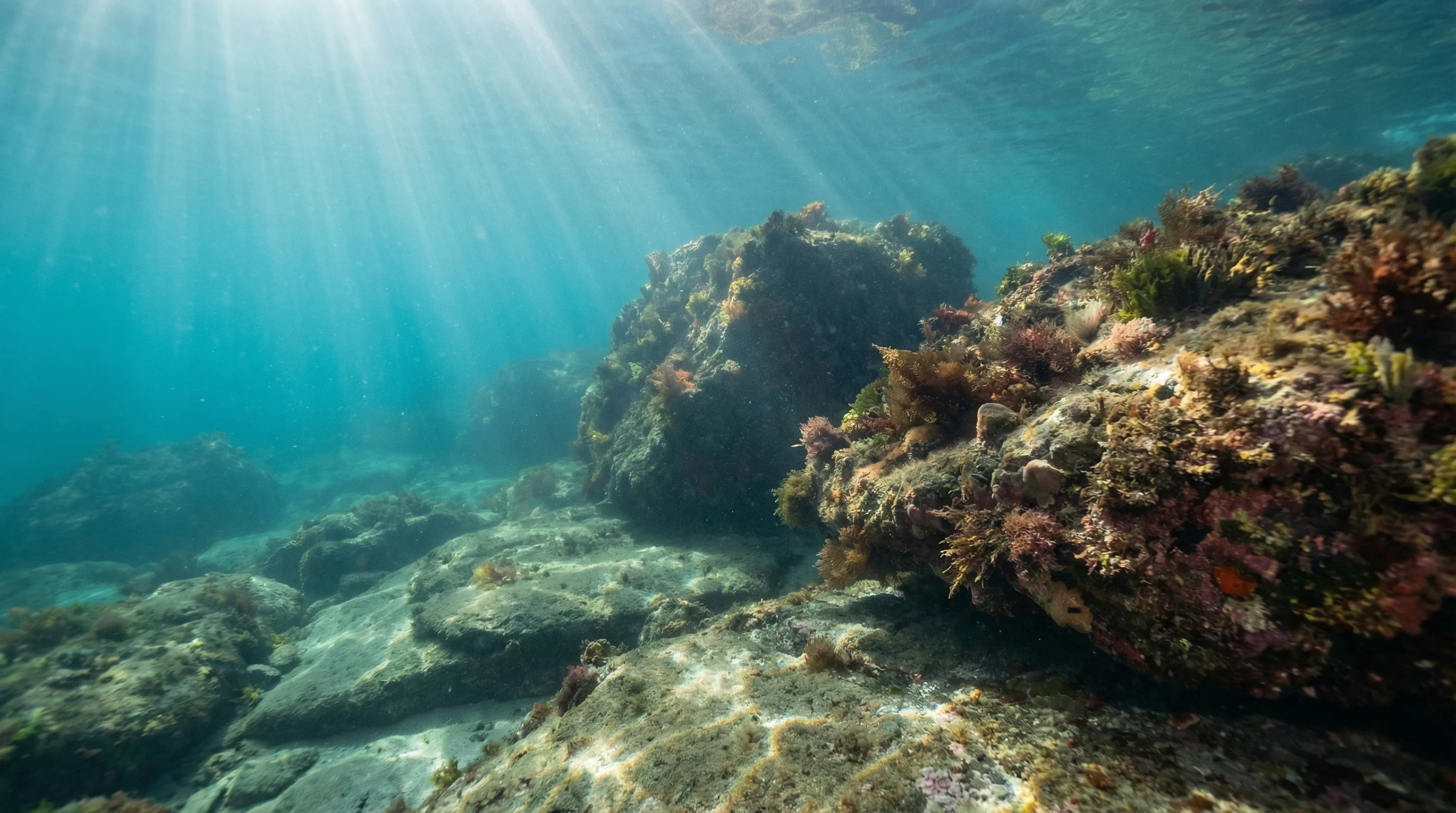
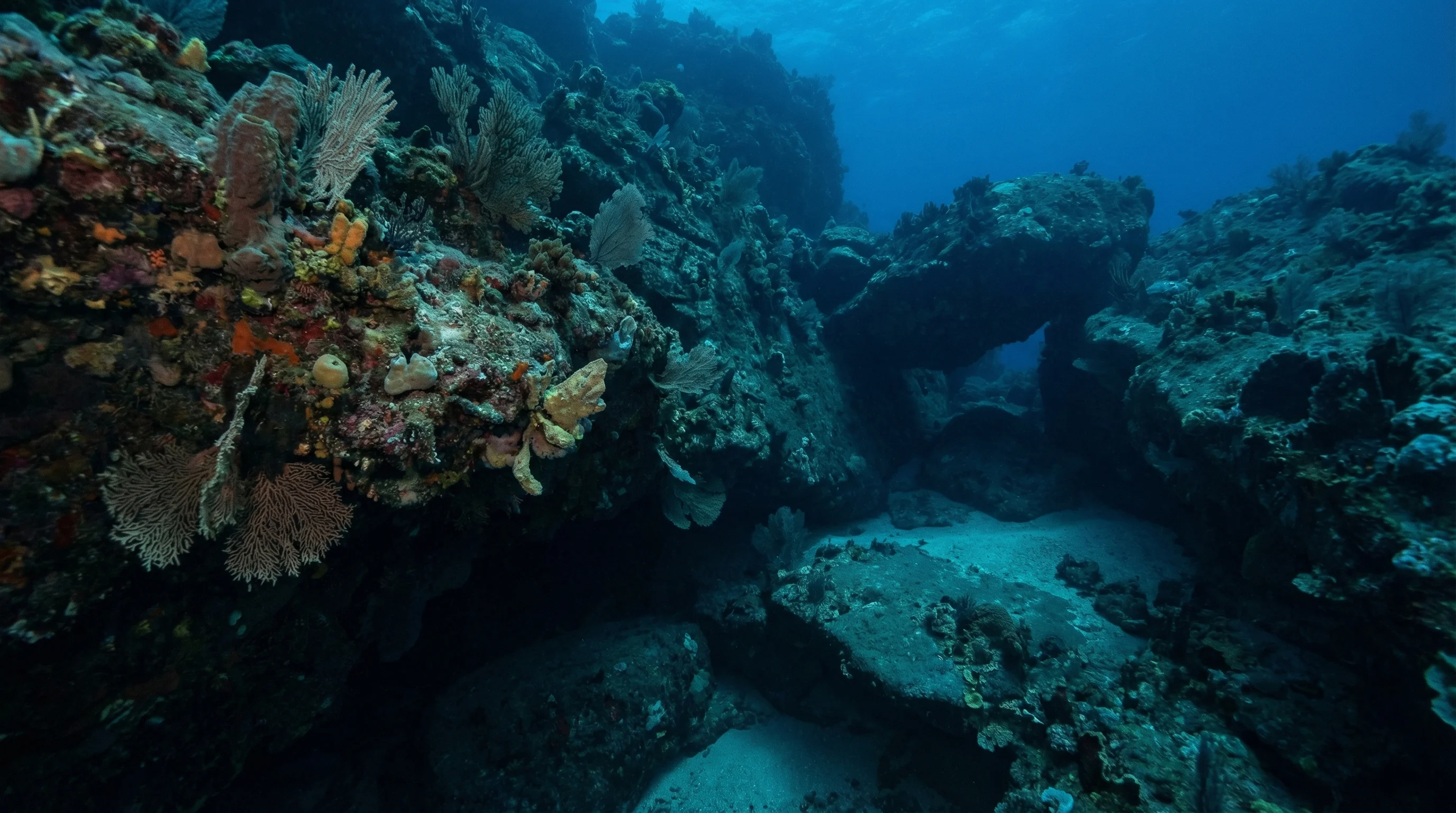
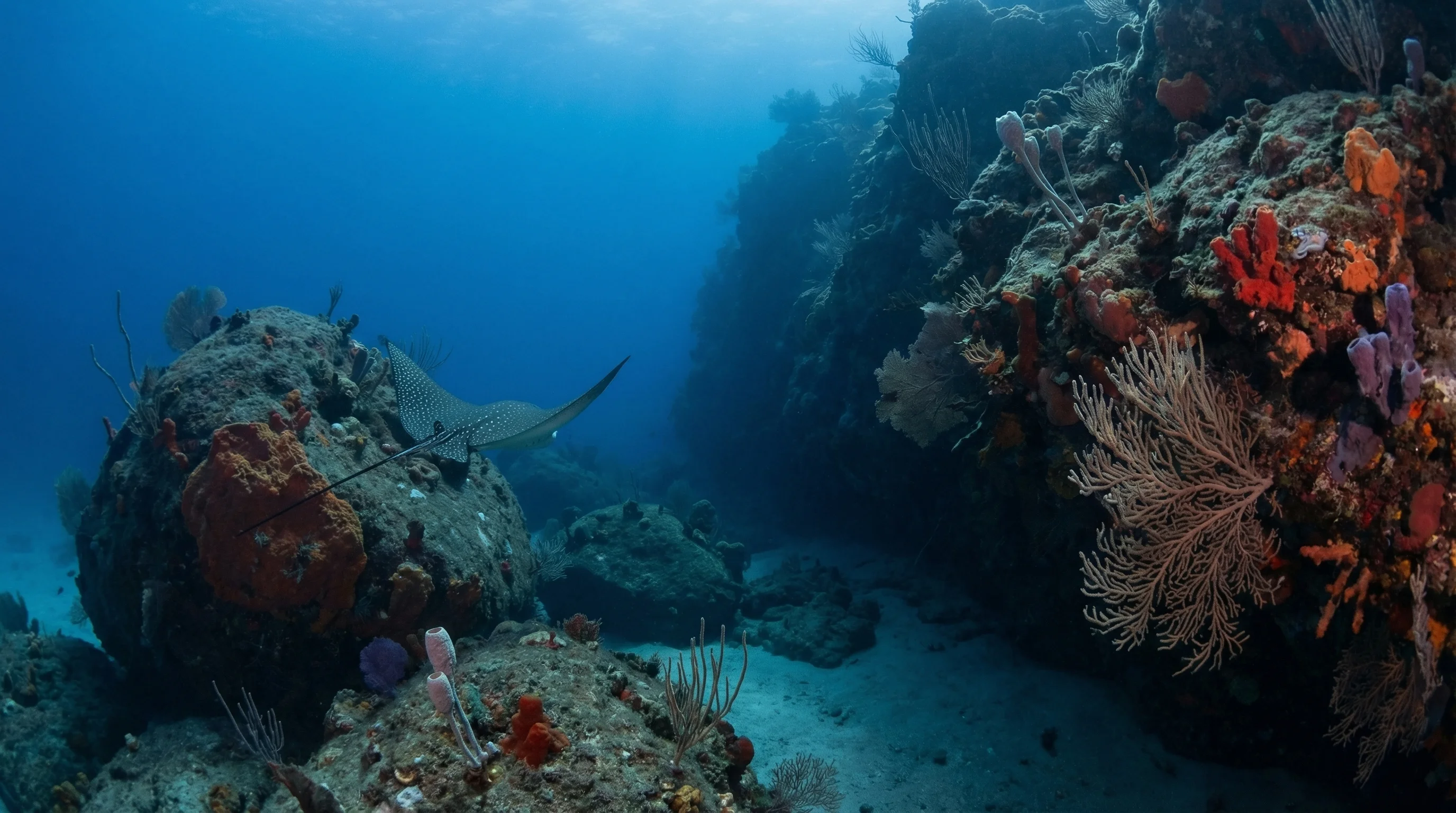
Crocodile Head is an advanced wall and reef site located 125 metres offshore in New South Wales. The topography features a deep gorge dropping to over 50 metres and various caves, requiring careful gas management and appropriate training. Divers experience depths ranging from 10 to 55 metres, with an average of 35 metres. Visibility typically fluctuates between 9 and 30 metres. The site is subject to moderate currents, and divers are advised to time entries around slack water. Due to the depth and current, this site is strictly for advanced divers. Access is by boat only, and conditions are most consistent between May and November.
-35.07477, 150.83440
Only in very calm seas can you travel right through the arch, but in slight seas you can dive right up to the rock platform.
Access is by boat only, with dive charters operating out of nearby towns like Huskisson. The Woollamia Boat Ramp is a likely departure point.
Recorded nearby, within 20km
Depth
10-55m
Visibility
9-30m
Skill Level
Advanced
Entry
Boat
Boat required
Water Temp
17-21°C
Current
Moderate
Best Time
May, Jun, Jul, Aug, Sep, Oct, Nov
No, this site is rated for advanced divers due to the significant depth, presence of caves, and moderate currents.
The site ranges from 10 to 55 metres, with an average depth of 35 metres.
Crocodile Head requires boat access as it is located 125 metres from the shore.
The most consistent conditions occur from May through November.
The main hazards are the deep water, which reaches over 50 metres, and the moderate current.
Diving at Crocodile Head in Jervis Bay requires the following certifications: Advanced, Deep. Always dive within your training limits.
A 7mm wetsuit or semi-dry is recommended for diving at Crocodile Head in Jervis Bay. Water temperatures range from 17°C to 21°C.
Expect moderate currents at Crocodile Head in Jervis Bay. Good buoyancy control and some drift diving experience is helpful.
Visibility at Crocodile Head in Jervis Bay typically ranges from 9 metres to 30 metres. Conditions vary with weather, tides, and seasons.