Gymnothorax prasinus
Olive-green moray common on temperate reefs in New South Wales and North Island NZ, in 15.5-23C water, year-round sightings.
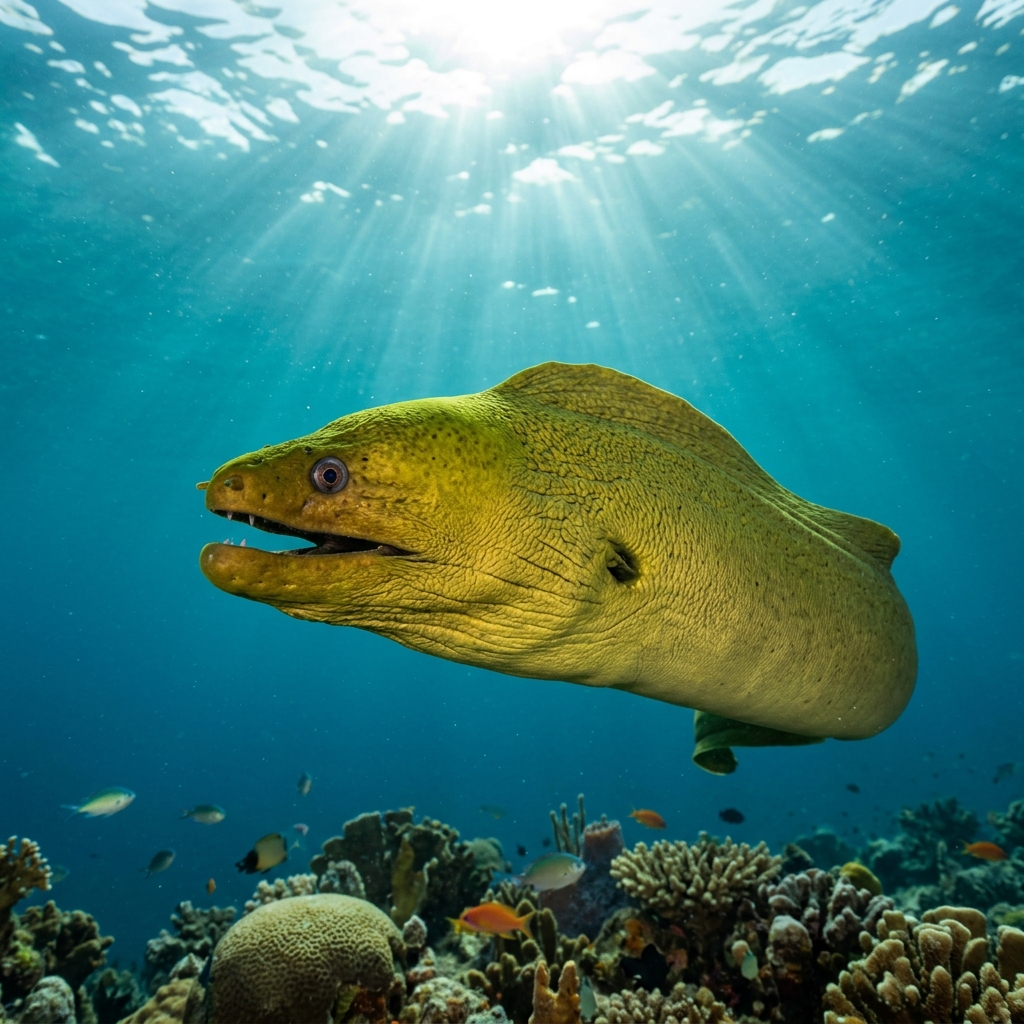
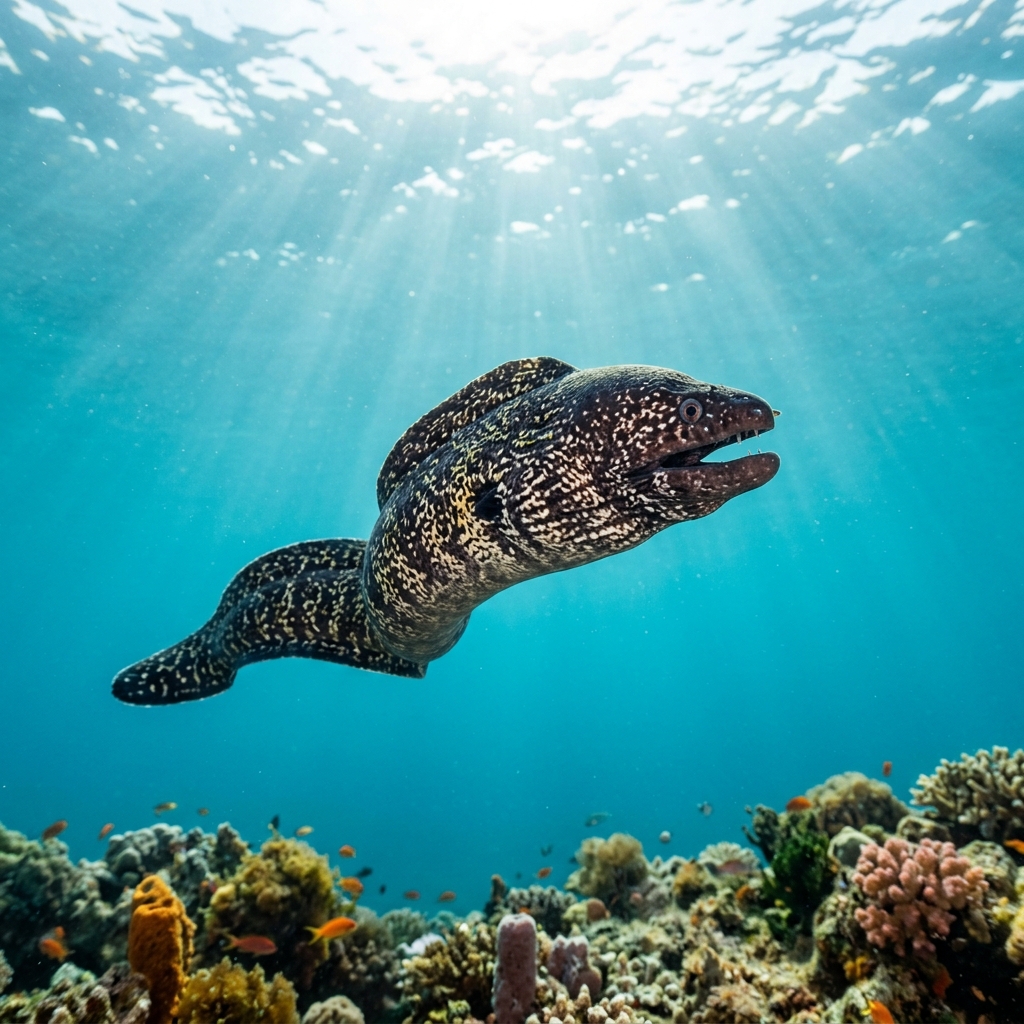
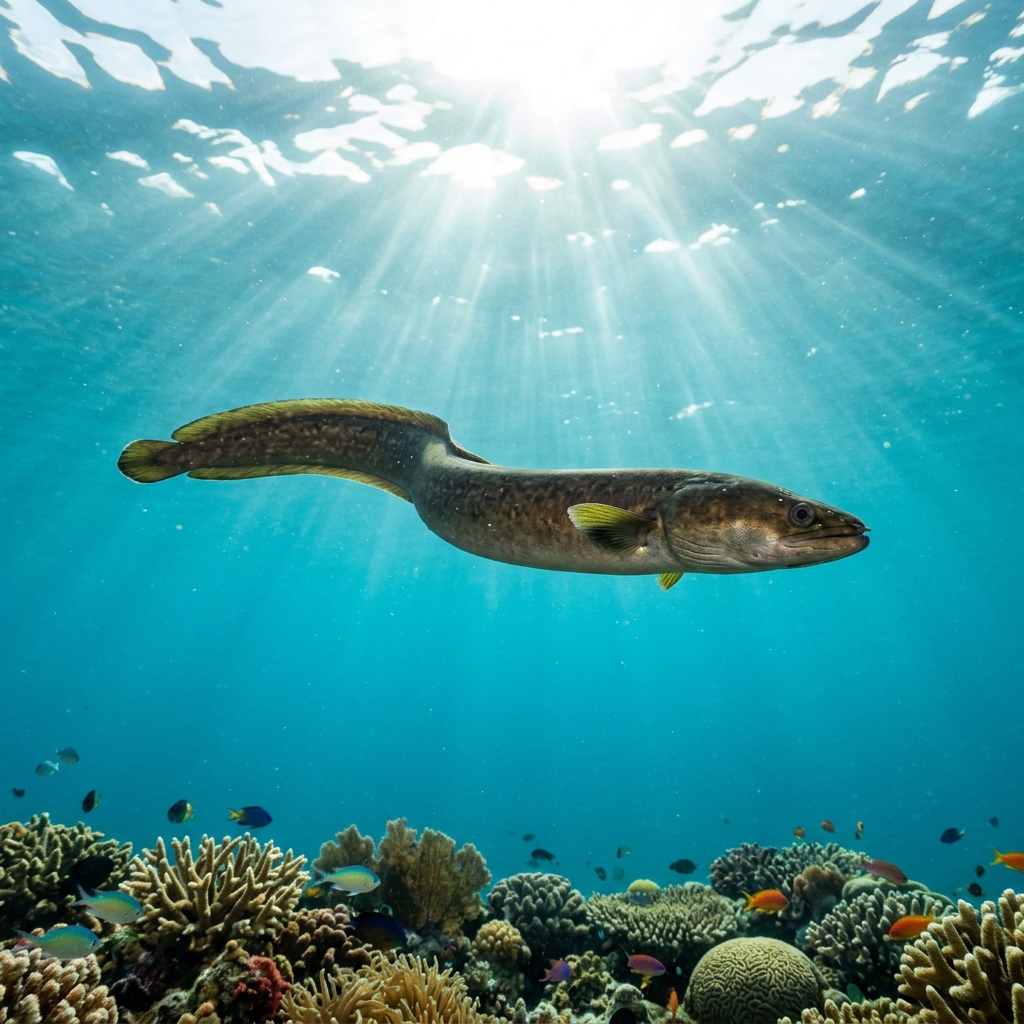
Runs to about 63cm, noticeably smaller and slimmer than tropical morays, with an olive-to-yellowish-green body covered in fine mottling rather than bold bands or spots. Look for the blunt head and small round eye typical of morays, usually poking out from a crevice with just the head visible. Skin tone can shift from murky green to a brighter yellow-green depending on the light and the individual.
Usually found wedged into a crack or under a ledge with just its head showing, watching divers rather than reacting to them. It is logged most often as uncommon to common at a given site, so patient reef scanning rather than a guaranteed encounter is the norm. Like other morays it hunts by scent and ambush, tending to stay tucked away by day and becoming more active as light drops.
Morays rely on a second set of jaws in the throat (pharyngeal jaws) to drag prey down, a trick this species shares with its tropical relatives despite living in much cooler water.
No clear seasonal pattern shows up in the sightings, and with a water-temperature niche of 15.5 to 23C it is holding on to cooler temperate reefs year-round, so any month is fair game.
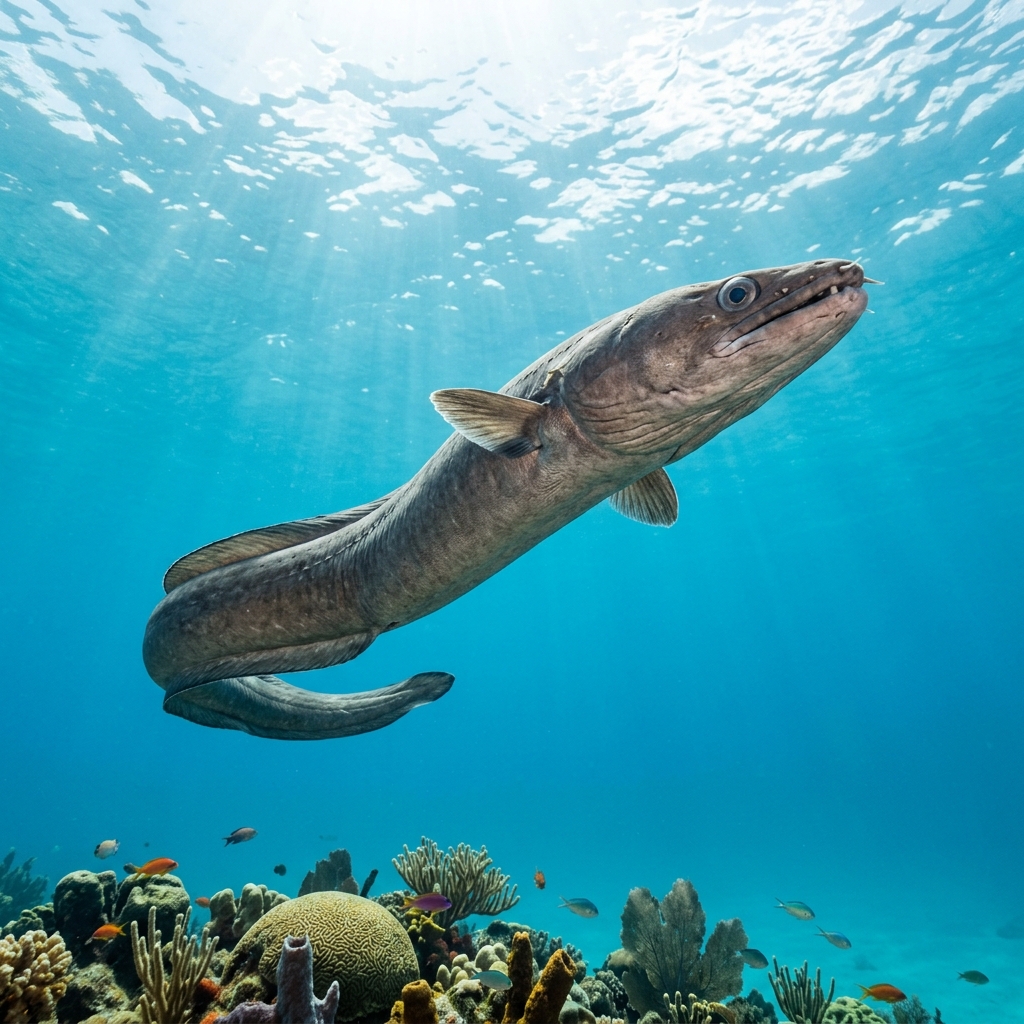
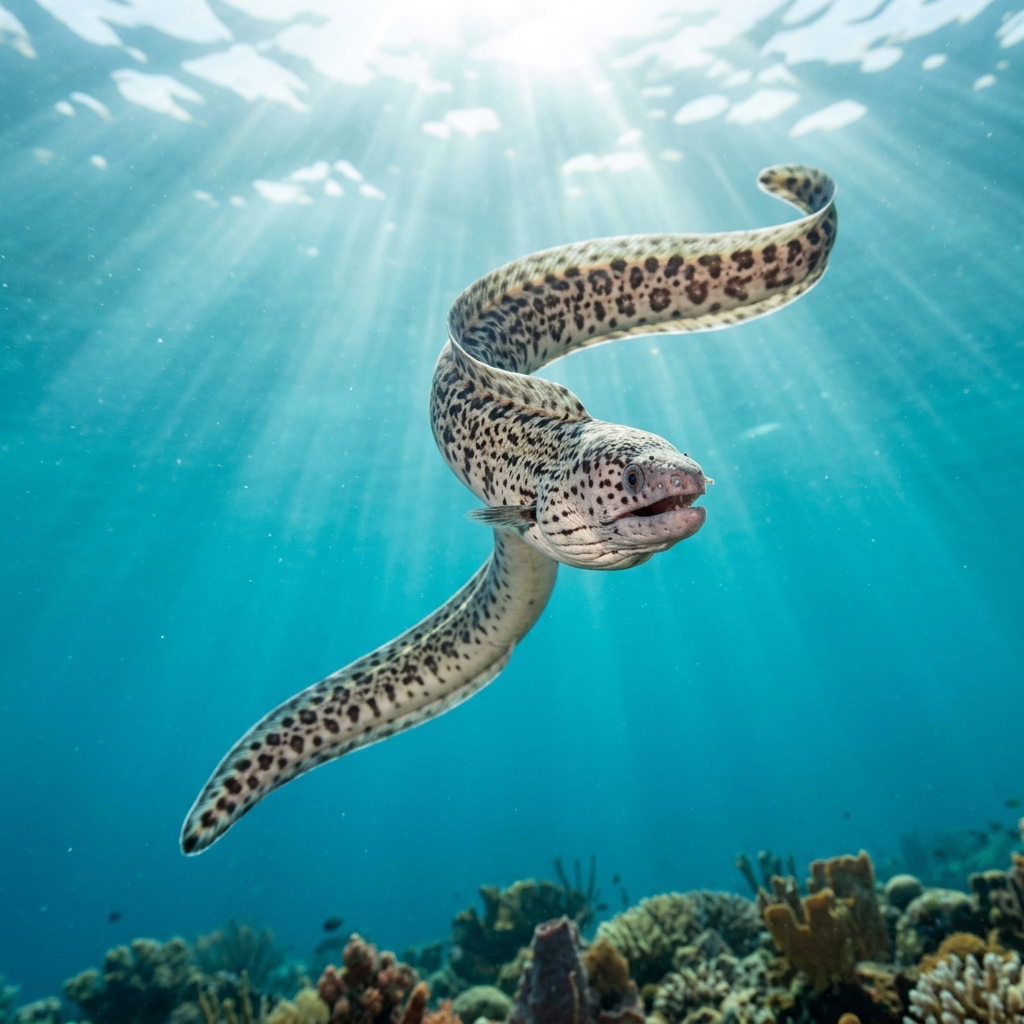
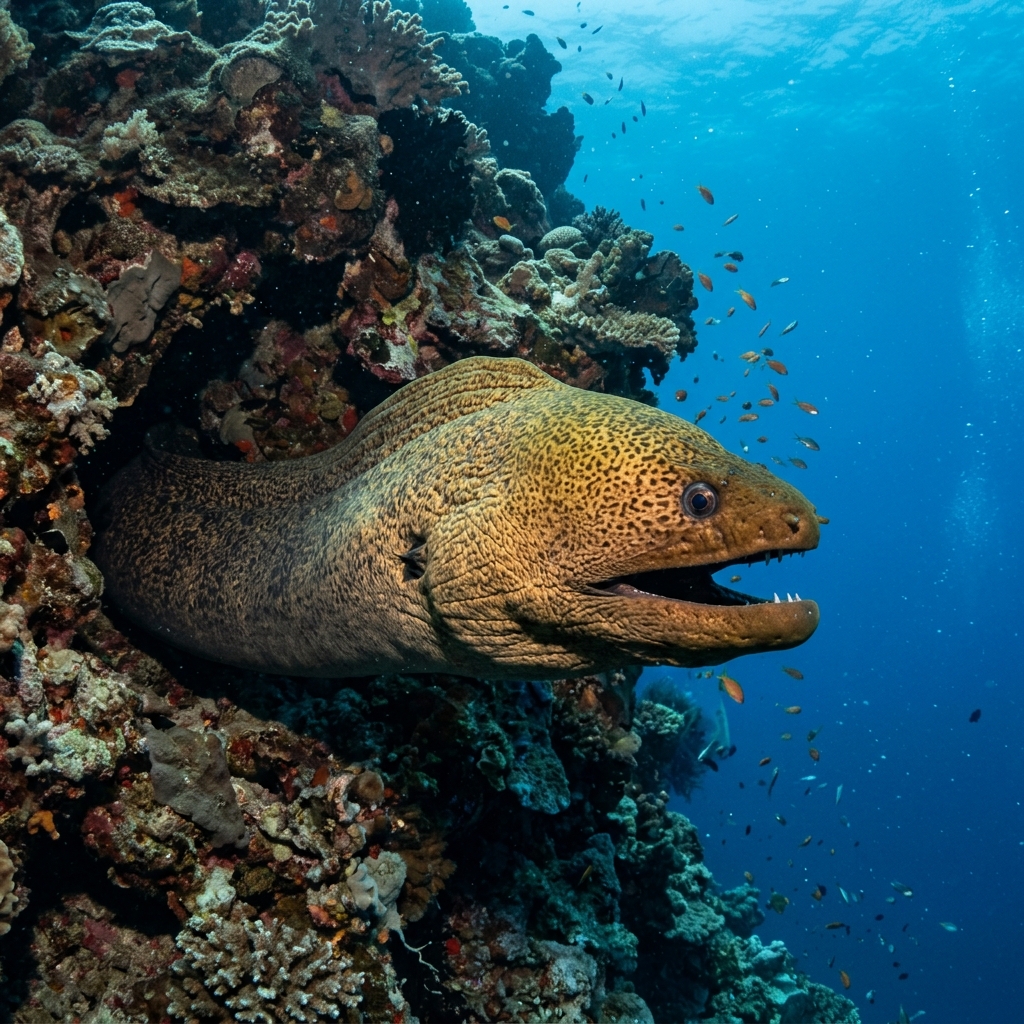
Reef neighbours a diver could mistake it for. Use the identification notes above to tell them apart.
Most reliably logged on temperate reefs in New South Wales, Australia, and North Island, New Zealand, with strong secondary populations in Western Australia and South Australia. Smaller numbers turn up in Tasmania, Victoria, South Island NZ and Queensland, making it very much a southern-Australasia specialty rather than a tropical reef fish.
Mapping where Yellow Moray is logged…
It is most commonly found on reefs in New South Wales, Australia, and North Island, New Zealand, with further sightings across Western Australia, South Australia and Tasmania.
There is no strong seasonal signal in the sightings, so it can be found year-round on the temperate reefs it favours, comfortable across a 15.5 to 23C range.
Look for a small, slim moray to about 63cm with an olive to yellow-green mottled body and no bold bands or spots, usually with just the head showing from a reef crevice.
They typically reach around 63cm, making them noticeably smaller than large tropical morays like the giant moray.
No, they are not considered dangerous to divers. They tend to stay tucked in crevices and are generally left alone if divers do not attempt to touch or feed them.
Like all morays it has a second set of jaws in its throat that pulls prey deeper into its mouth, an adaptation it uses even on the cooler temperate reefs it prefers over tropical water.
Site and sighting data is aggregated from diver logs, iNaturalist and GBIF. For taxonomy and conservation status:
Garden Eel
2,448 sites