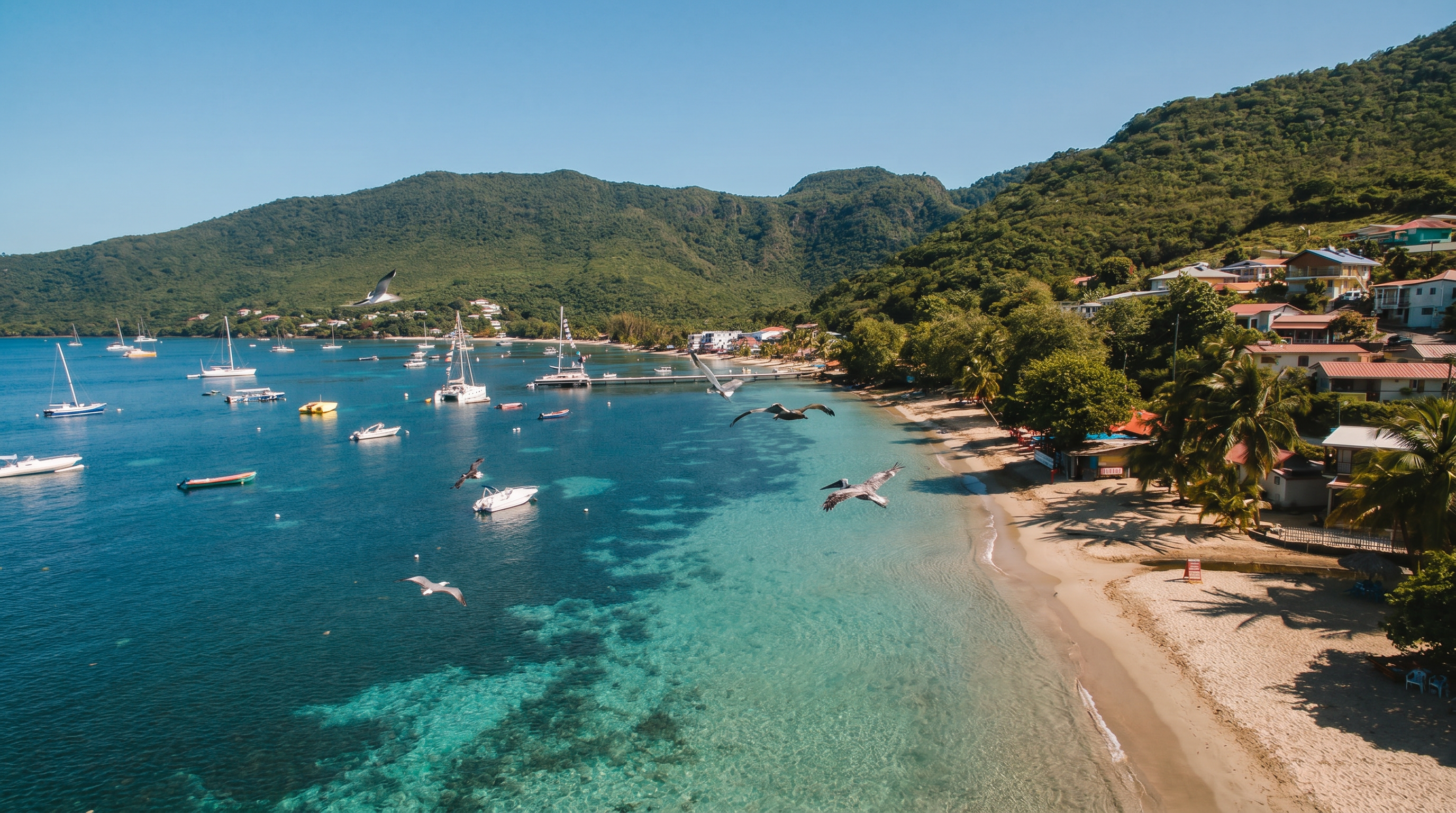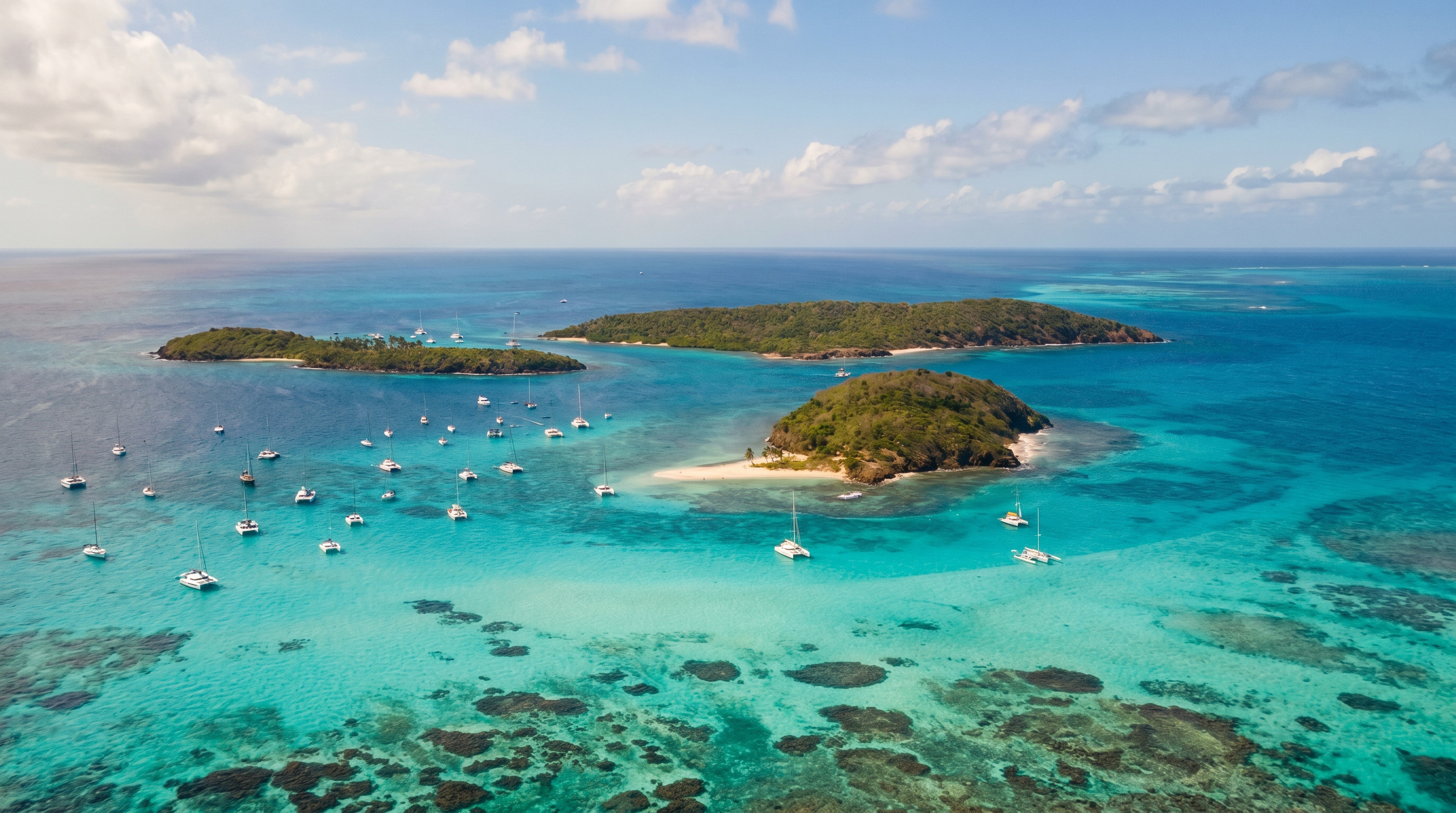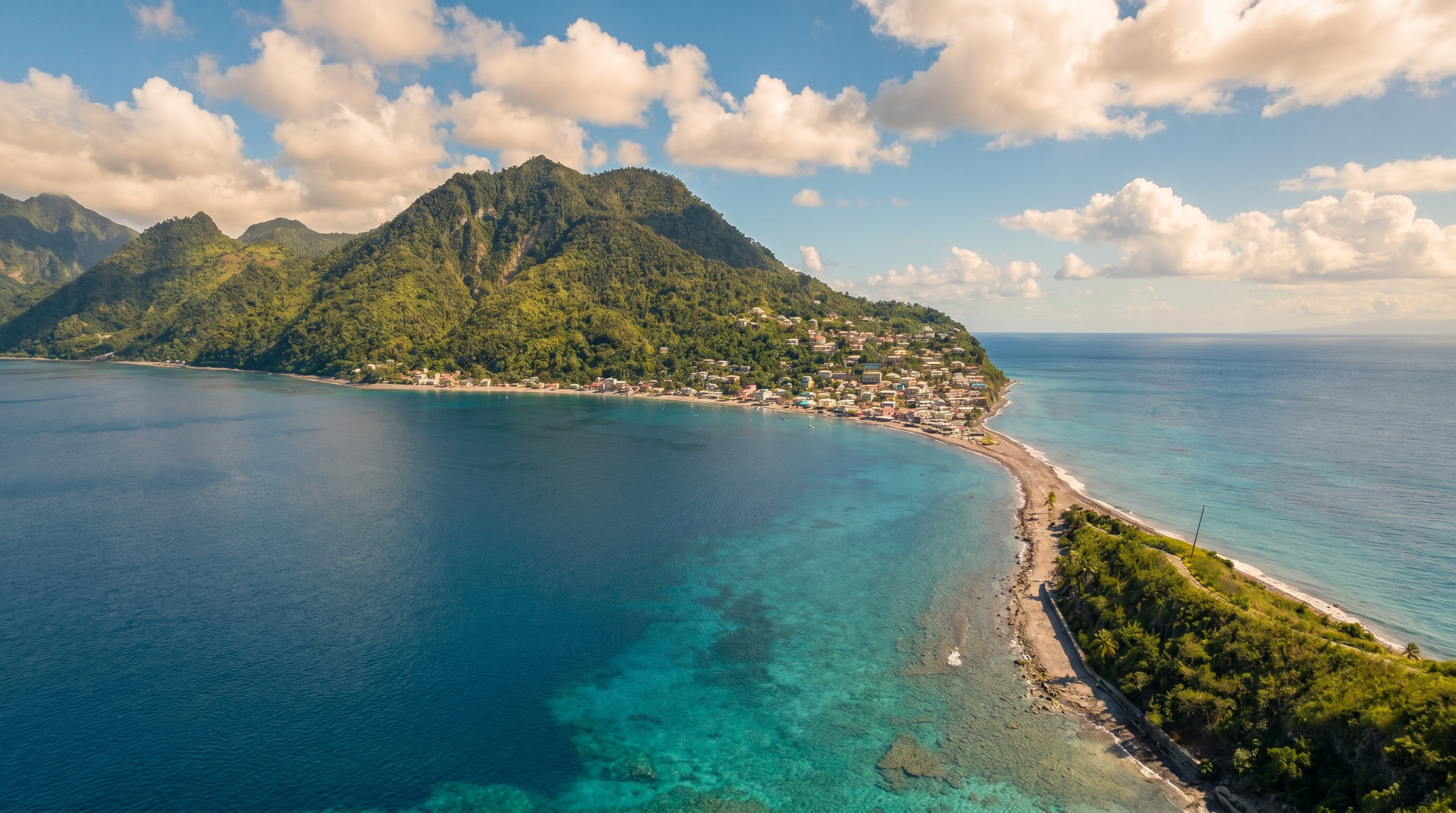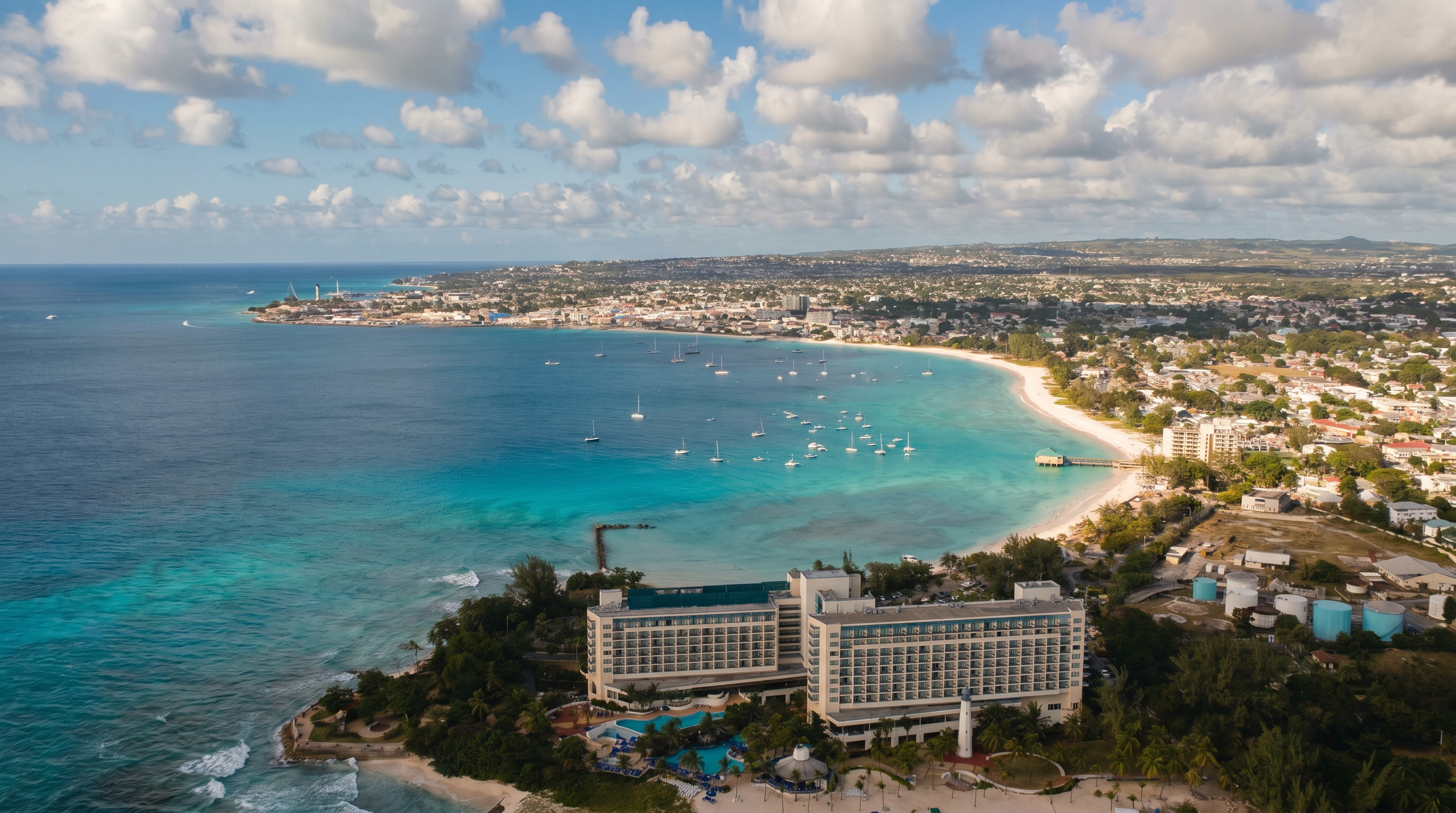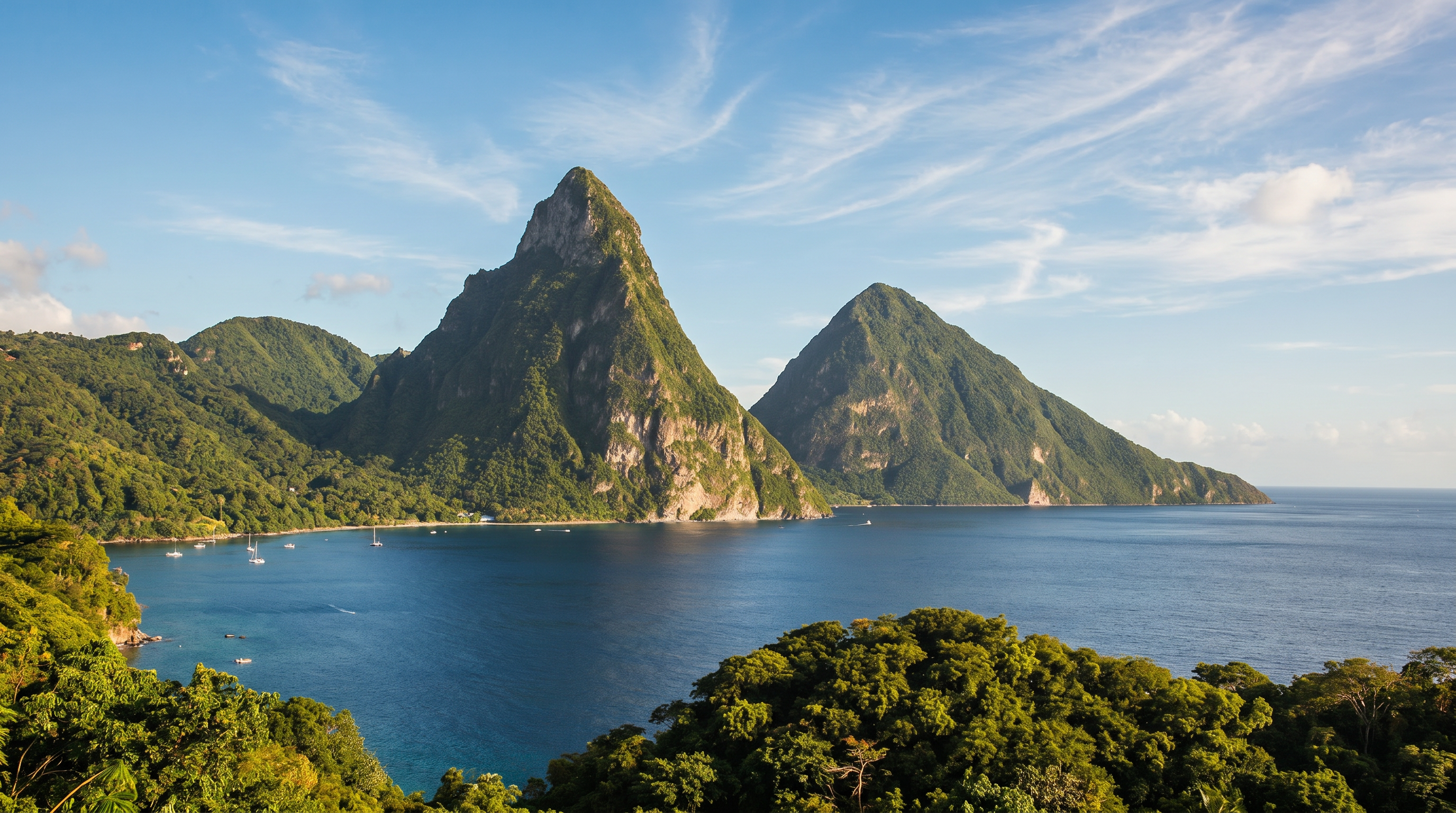
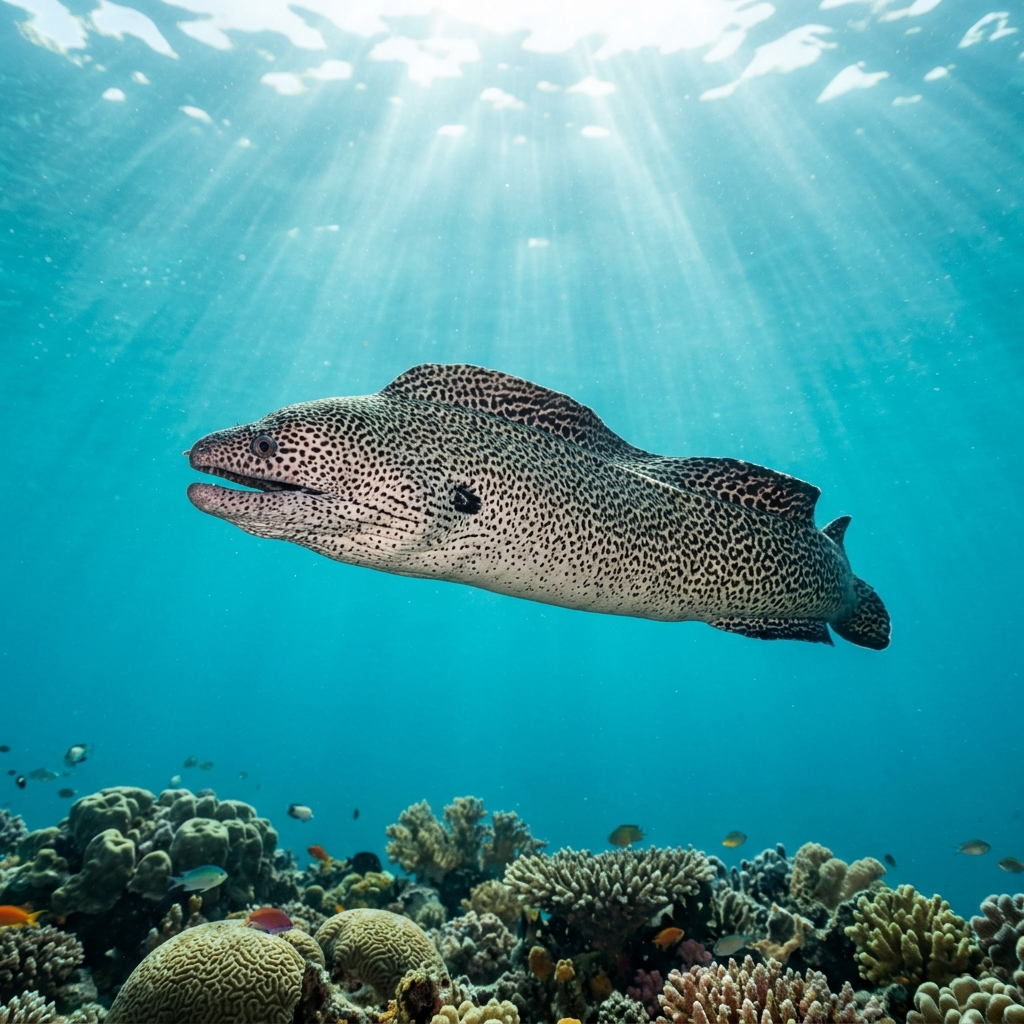
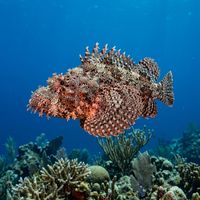
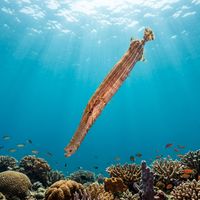
Saint Lucia's underwater landscape is shaped by three distinct sub-areas: Soufriere, the most site-rich zone, anchors the experience with dramatic reef walls, drift dives and the upright freighter wreck of the Lesleen M; Anse Cochon offers a compact cluster of reefs, walls and pinnacles suited to newcomers; and Castries rounds out the choice with a smaller selection of accessible sites. Across all three, the reef fish life is exceptionally consistent. Wrasses, Blue Tang, Queen Parrotfish, Stoplight Parrotfish and Pacific Trumpetfish appear at nearly every site, while Spotted Moray and Spotted Scorpionfish are among the signature encounters. Site variety is broad: shallow beginner reefs sit alongside advanced drift walls and deep pinnacles, meaning the region accommodates a wide range of experience levels across shore and boat entries.
3 areas
 12
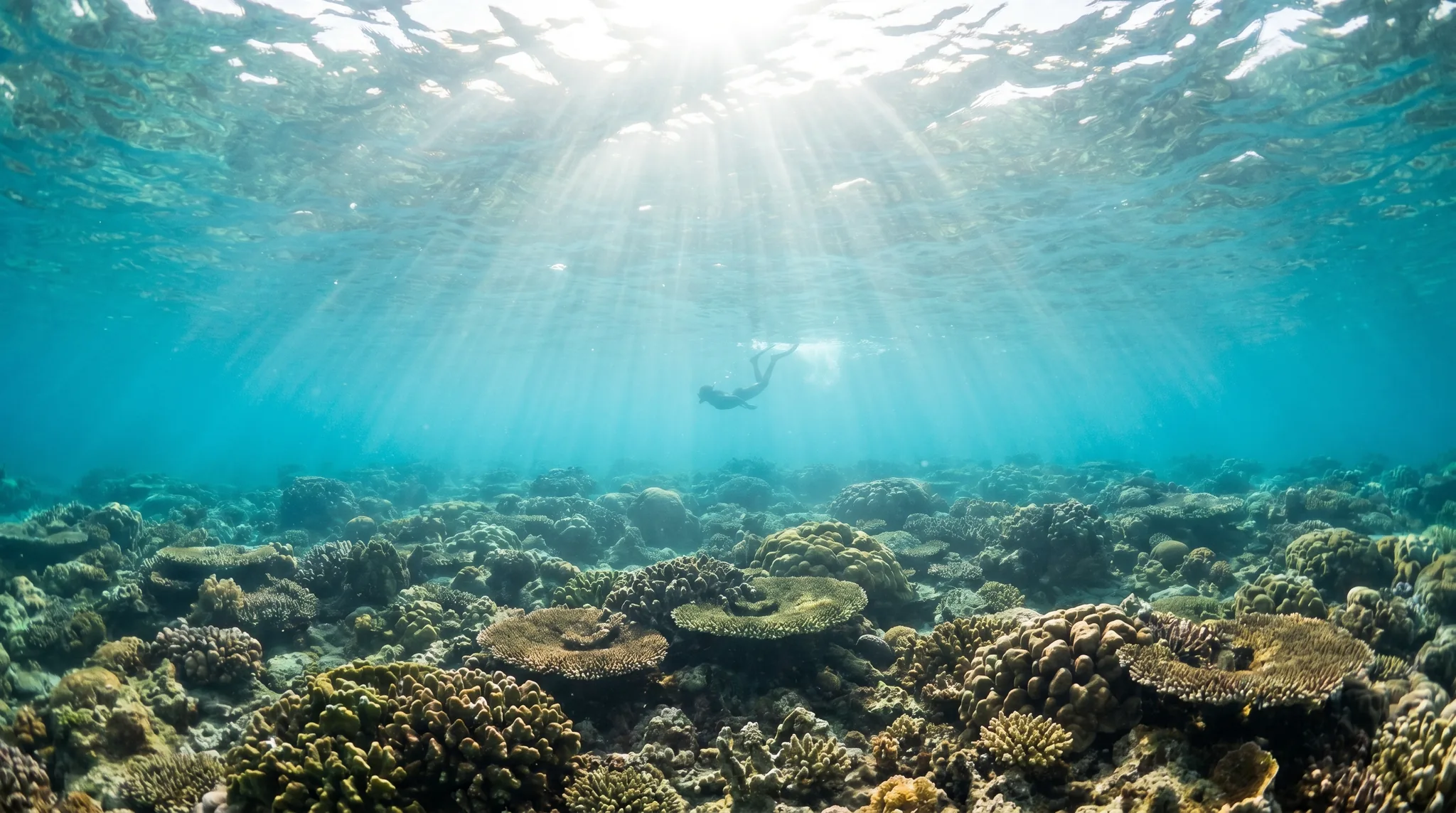
12Reef walls, drift dives and an exceptional fish list define this bay's diverse dive sites in Saint Lucia.
 7
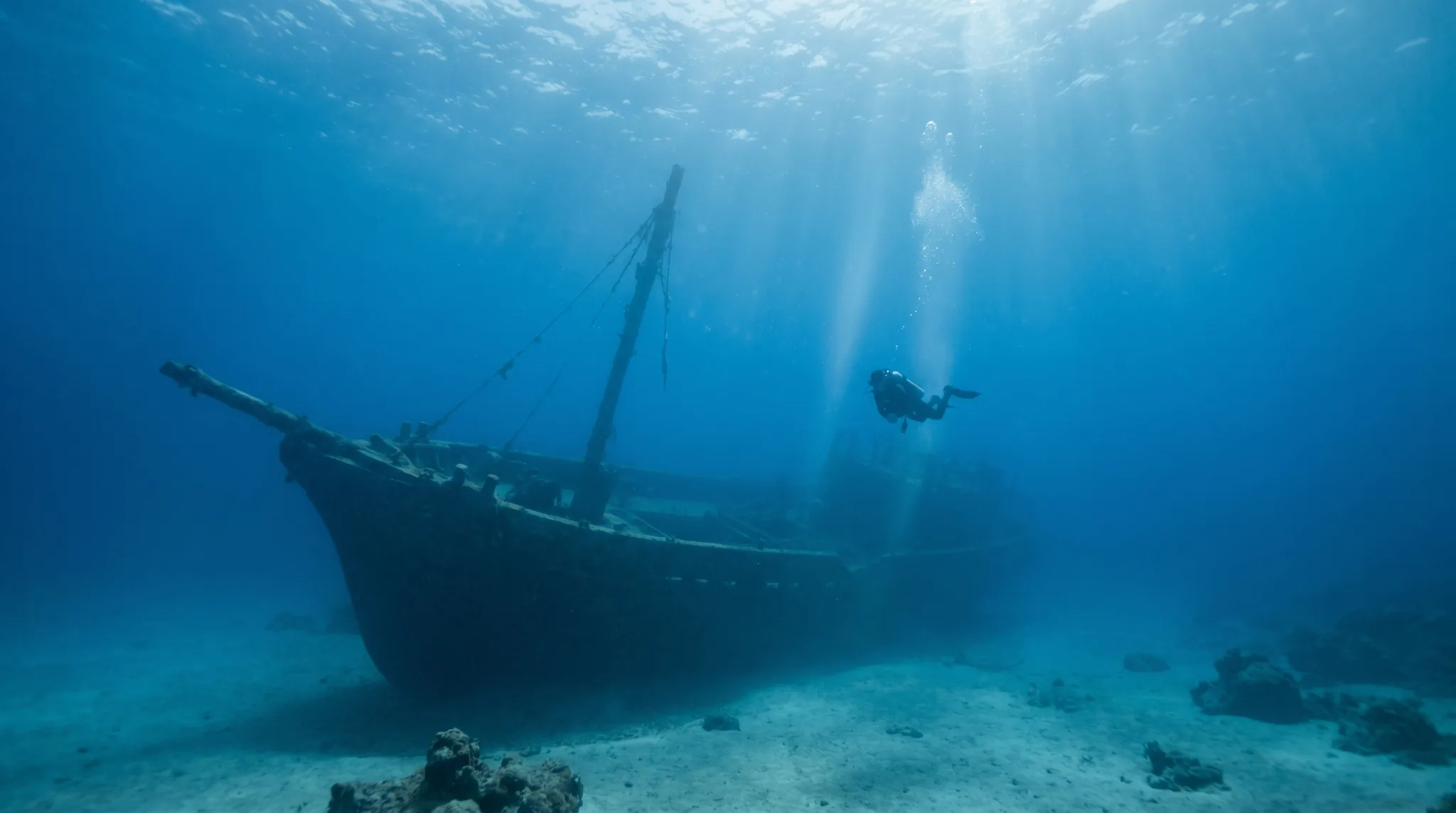
7A sheltered Caribbean bay with wreck, wall, reef, and pinnacle diving suiting all levels.
3Three Caribbean reef sites near Saint Lucia's capital, with turtles and rays in calm, warm water.
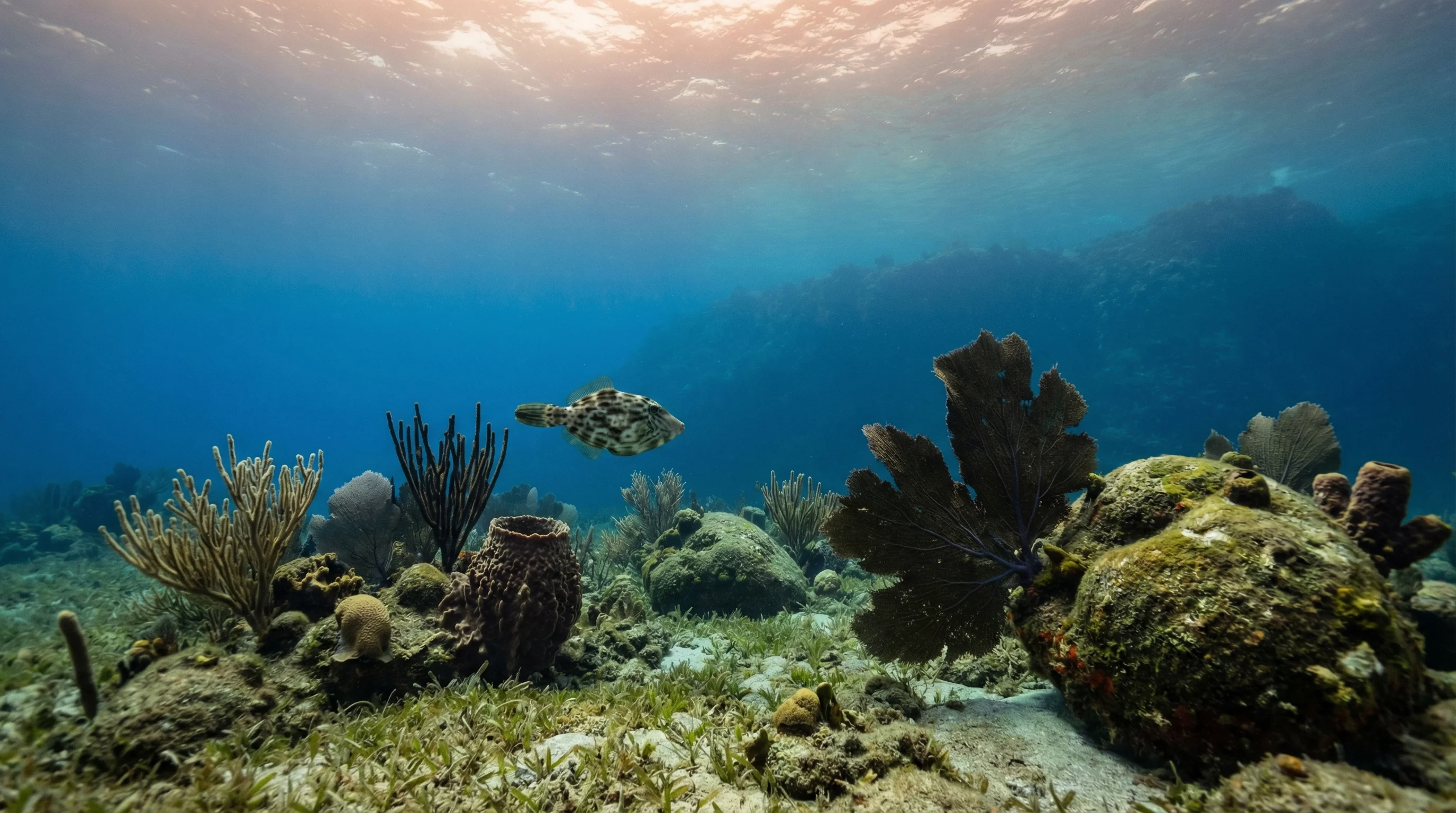
Monthly water temperature across Saint Lucia's sites, from satellite sea-surface data corrected for depth. The band shows the site-to-site spread.
Water stays warm year-round, rising to its peak in September and October, making exposure protection relatively light throughout. The best-months data points strongly to January and February as the prime window, with December and the early months also well regarded, aligning with calmer, drier conditions. Drift-capable sites such as Superman's Flight, Fairyland and Piton Wall can carry meaningful current, so conditions at those sites are best judged on the day with a local operator.
13 operators



Water temperature around Saint Lucia ranges from about 27°C in January to 30°C in September, based on satellite sea-temperature data for its dive sites.
With water around 27–30°C, a rash guard or 3mm shorty works in Saint Lucia year-round.
Fin maps 22 sites in Saint Lucia (21 scuba diving sites and 9 snorkelling spots, with some suited to both), organised into 3 areas.
Across Saint Lucia's dive sites, January, February, March, April, May and December are most often reported as the best months to visit.
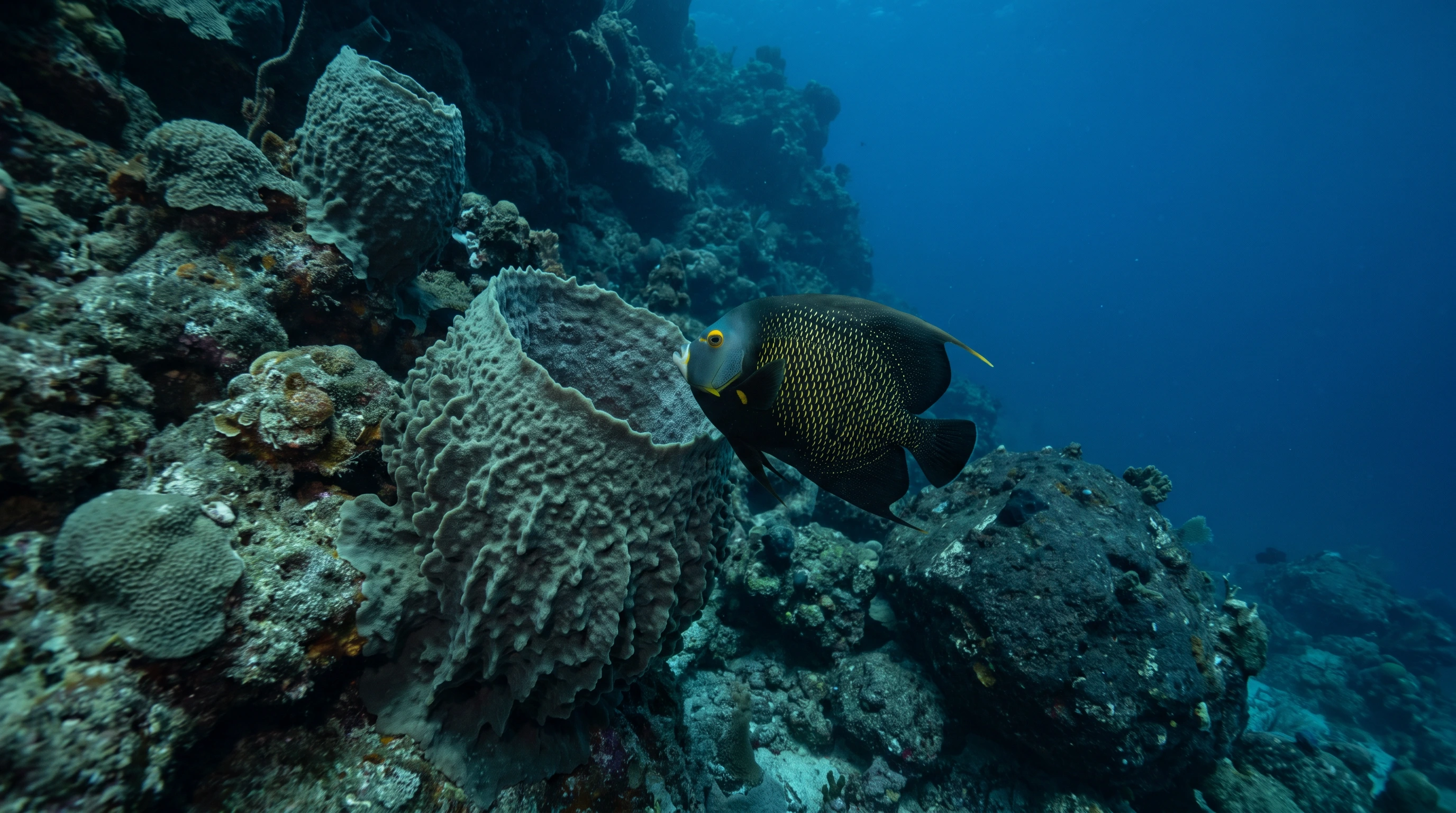
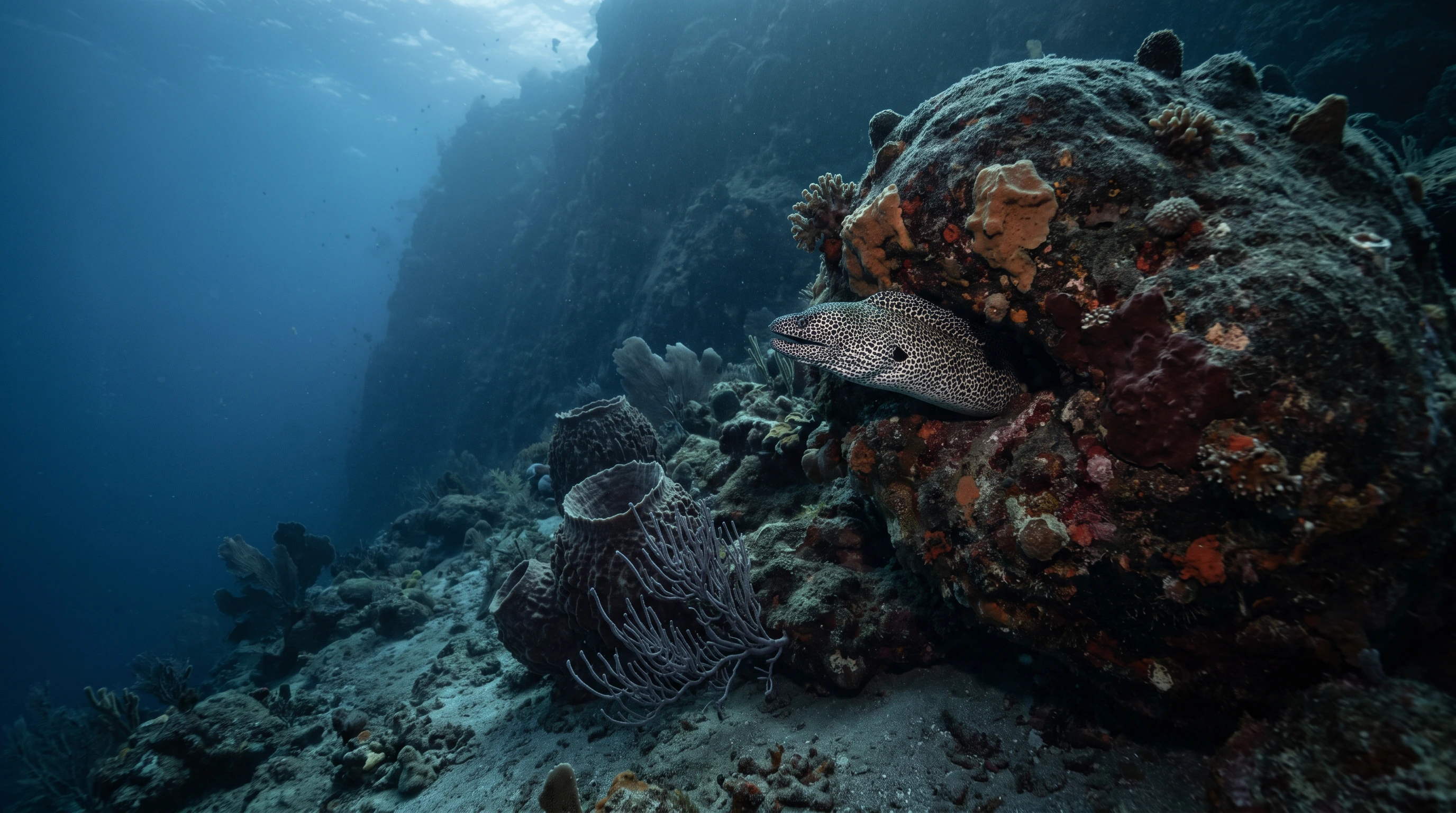
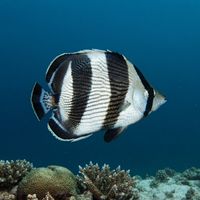
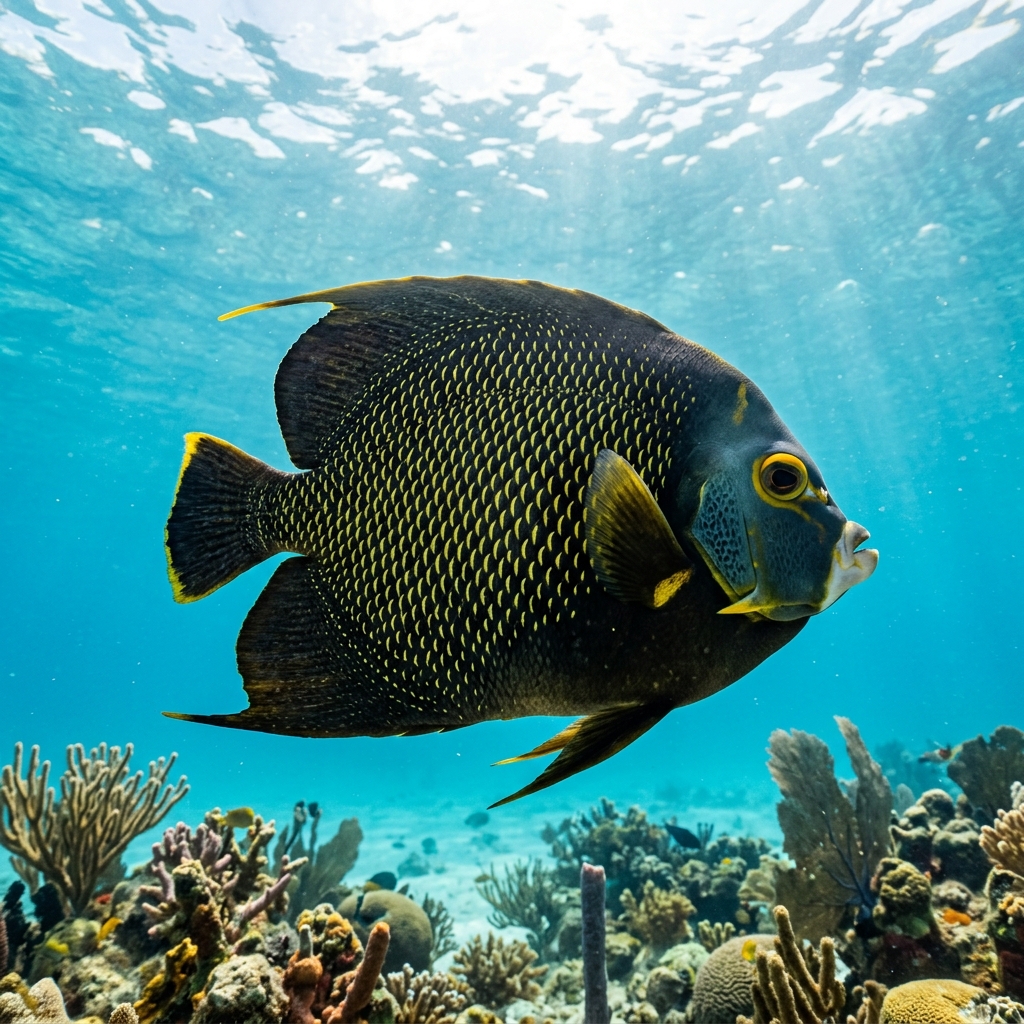
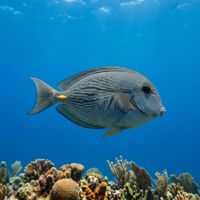
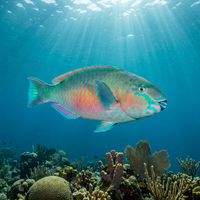
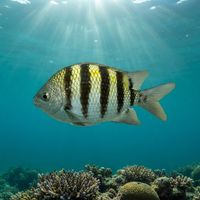
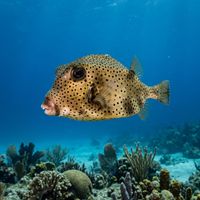
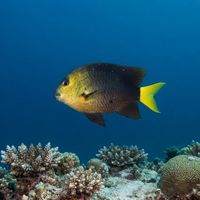
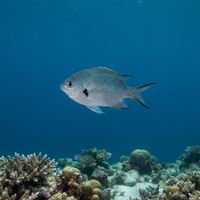
Saint Lucia's reefs host a wide and well-documented mix of species. Spotted Moray, Spotted Scorpionfish, French Angelfish and Indian Lionfish are among the signature sightings, and Frogfish have been observed at a notable share of sites. Wrasses, Blue Tang, multiple parrotfish species including Queen Parrotfish, Stoplight Parrotfish and Redband Parrotfish, and Pacific Trumpetfish are very commonly seen across the region. Arrow Crab, Peacock Flounder and Smooth Trunkfish add variety on the sandy and rubble sections.
Saint Lucia caters well to all levels. Sites such as Sugar Beach, La Roche, Jalousie Reef and Anse Cochon are rated for beginners and include shore-entry options. Intermediate divers have strong options in the Soufriere area with reef walls and drift sites like Superman's Flight. Advanced divers looking for deeper drift walls and greater depth can head to Fairyland or Trou au Diable. The range across sub-areas means mixed-ability groups can dive together on the same trip.
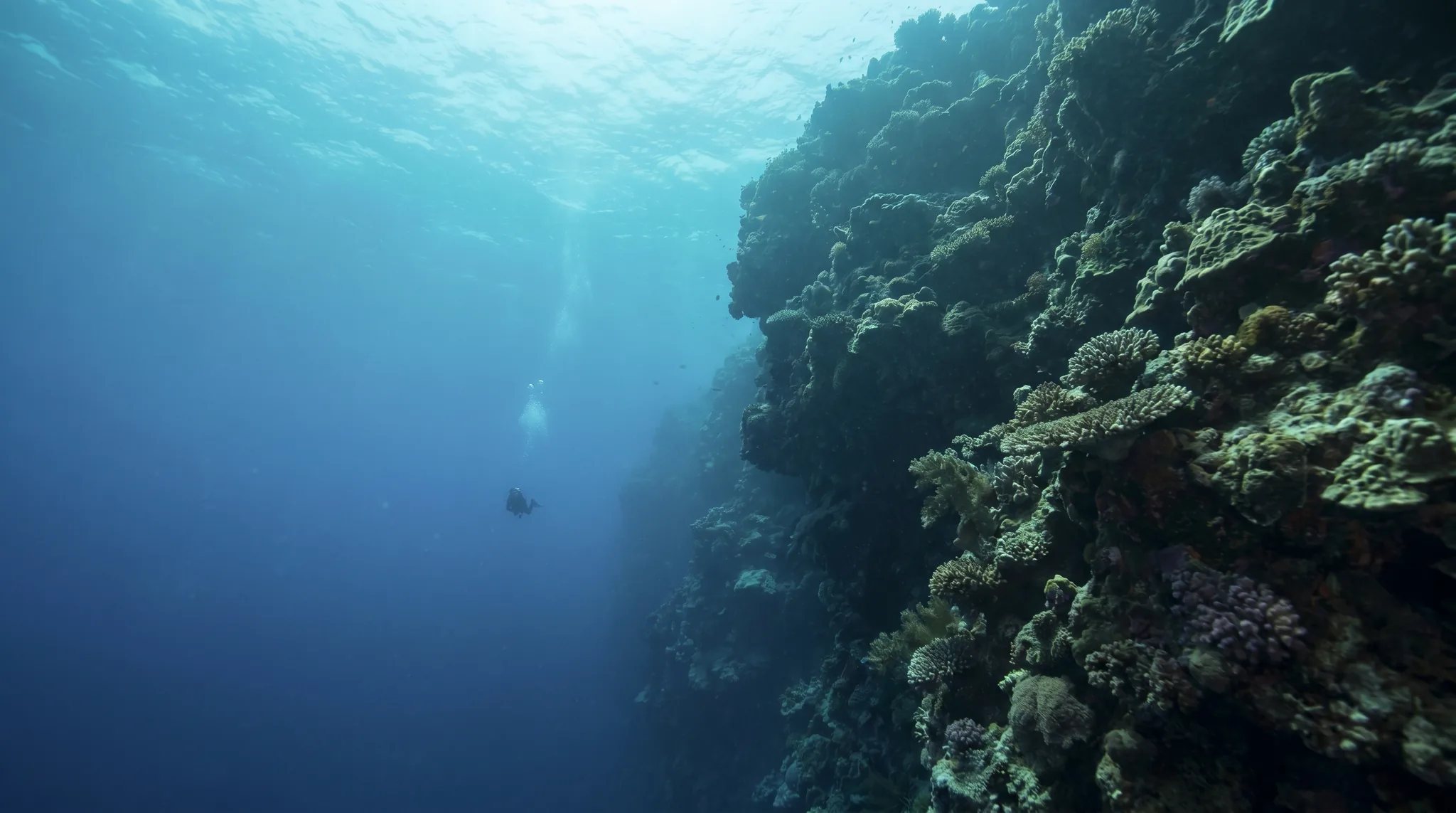
Soufriere is the largest and most varied zone, holding the majority of sites and covering everything from beginner shore reefs to advanced drift walls and the Lesleen M wreck. Anse Cochon offers a more focused selection of reefs, walls and pinnacles that are particularly accessible for beginners, with both shore and boat entry available. Castries has a smaller number of sites and provides a quieter alternative, particularly for divers staying in or near the capital.
Shore entry is available at Sugar Beach and Anse Chastanet in the Soufriere area, making them popular for independent access. Anse Cochon and Jalousie Reef both offer the option of either shore or boat entry. The majority of Saint Lucia's sites, including Superman's Flight, Fairyland, the Lesleen M and Trou au Diable, are boat-access only, so most diving here is organised through one of the local operators.