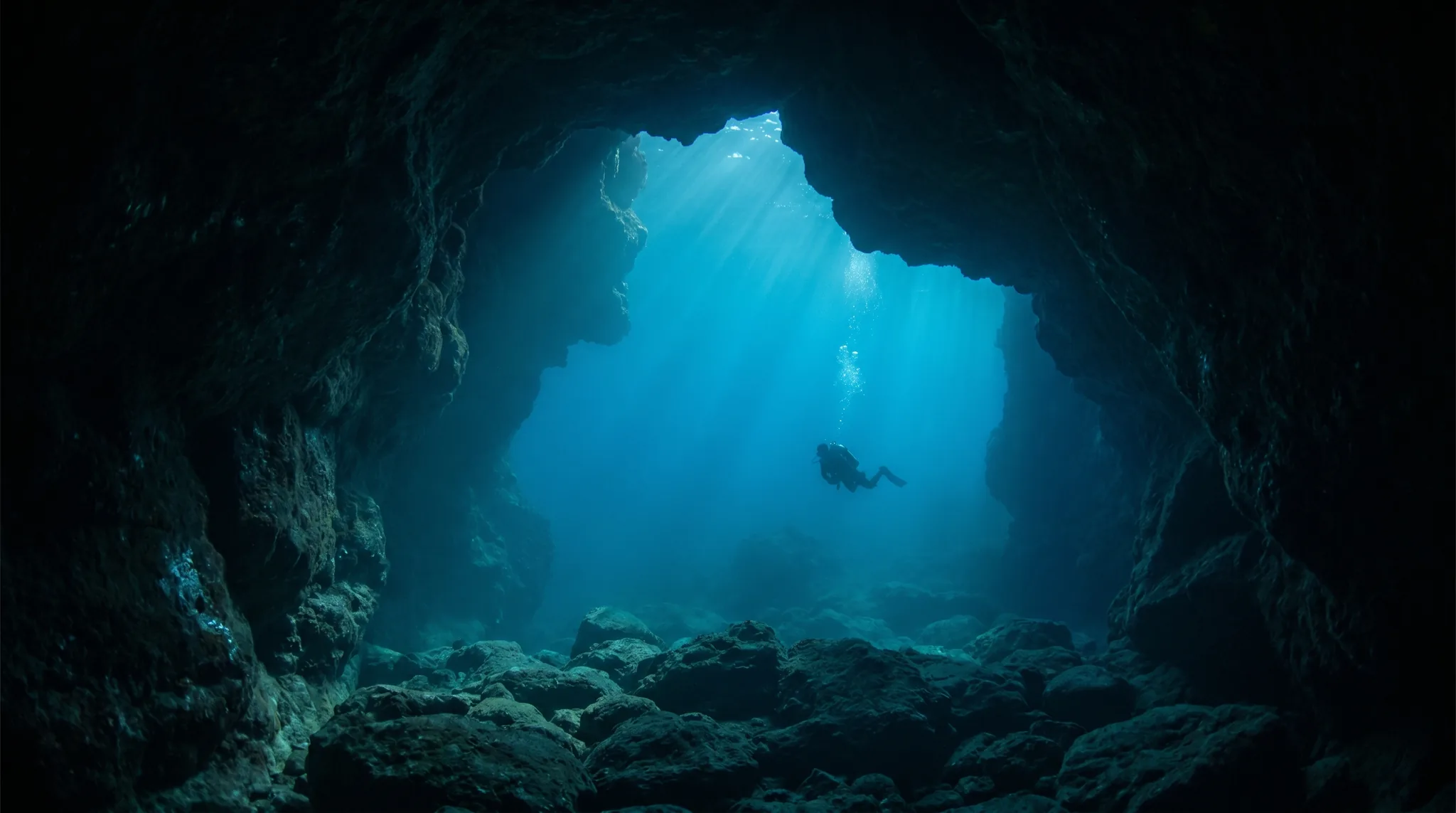
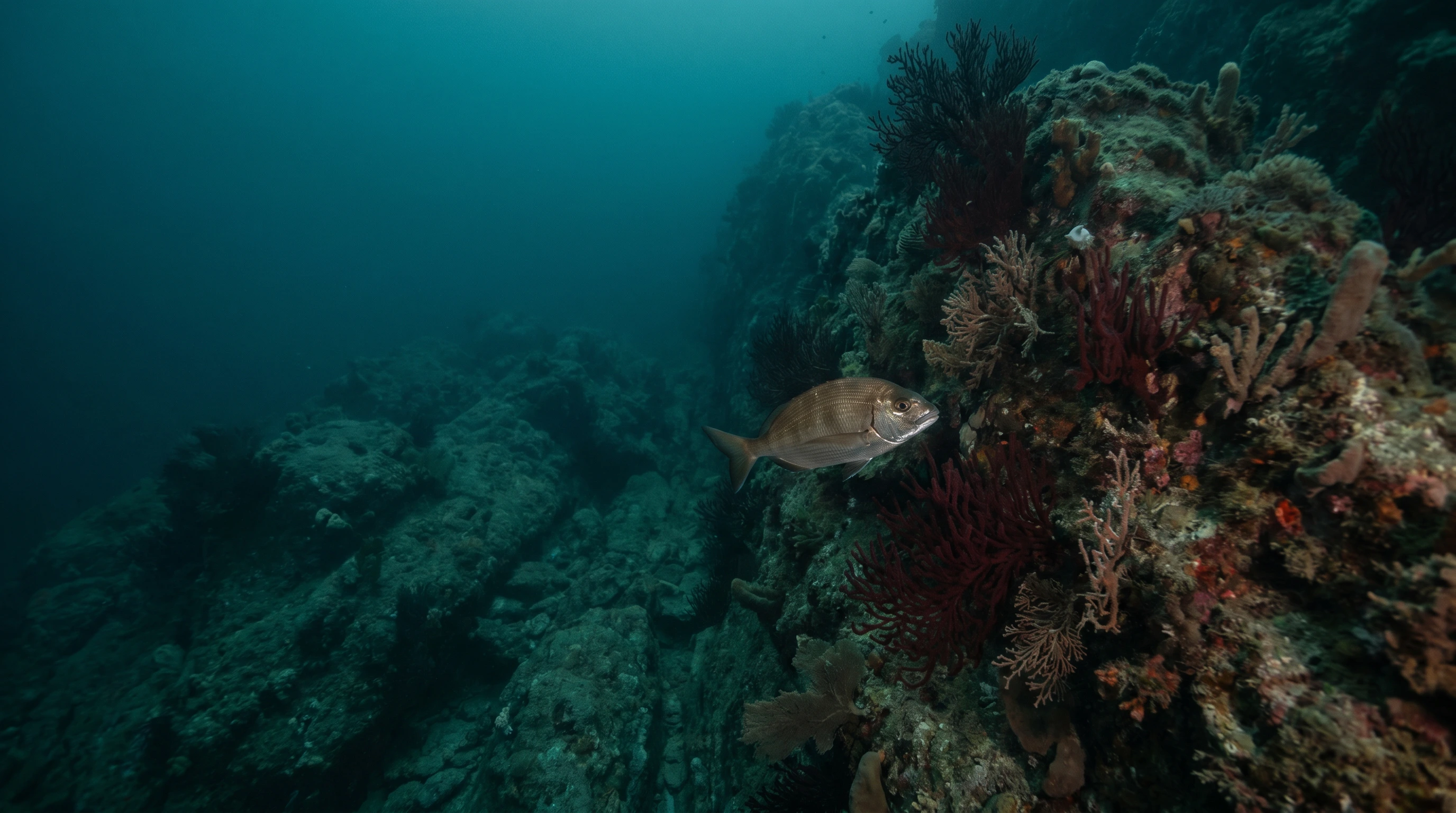
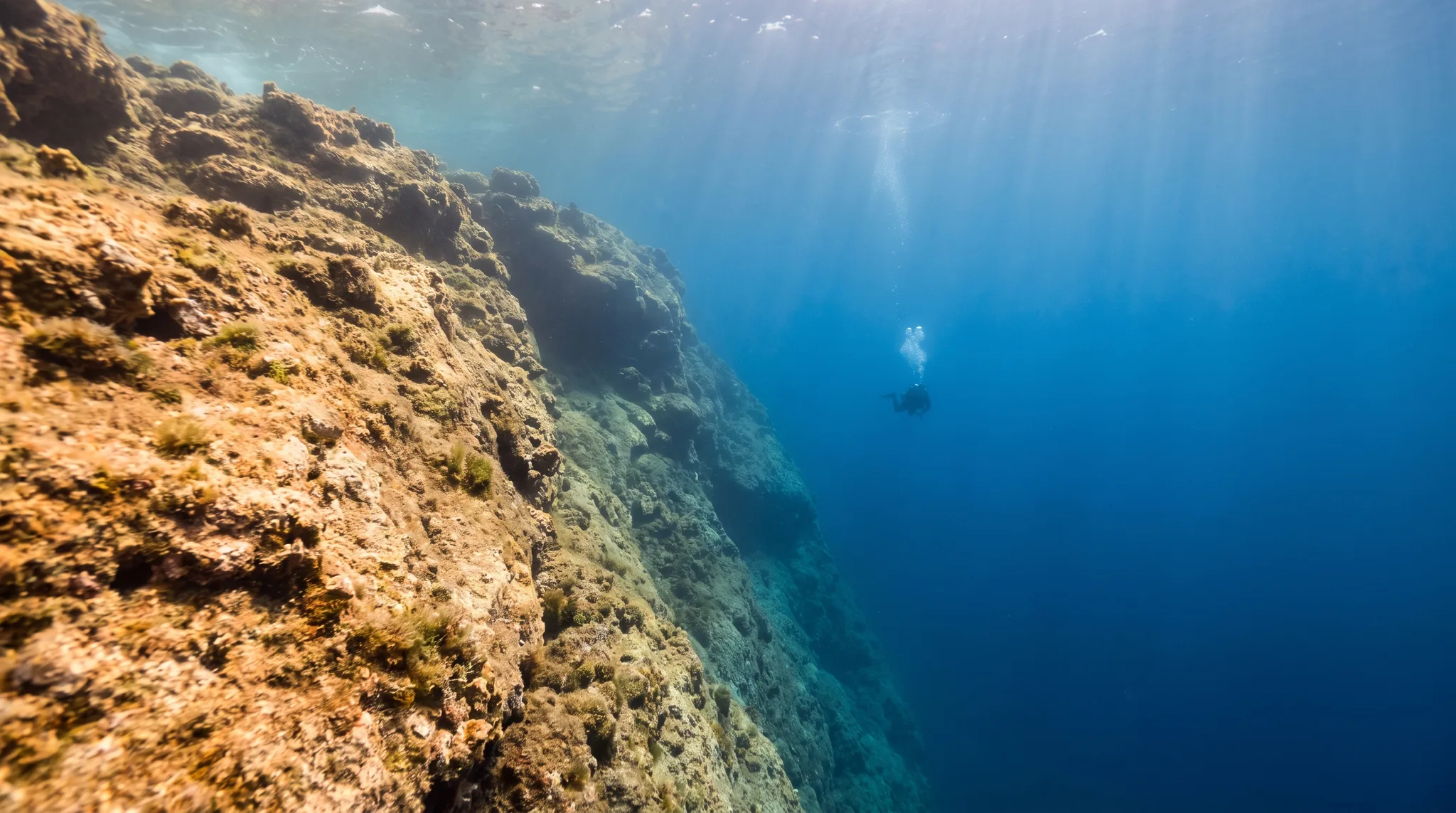
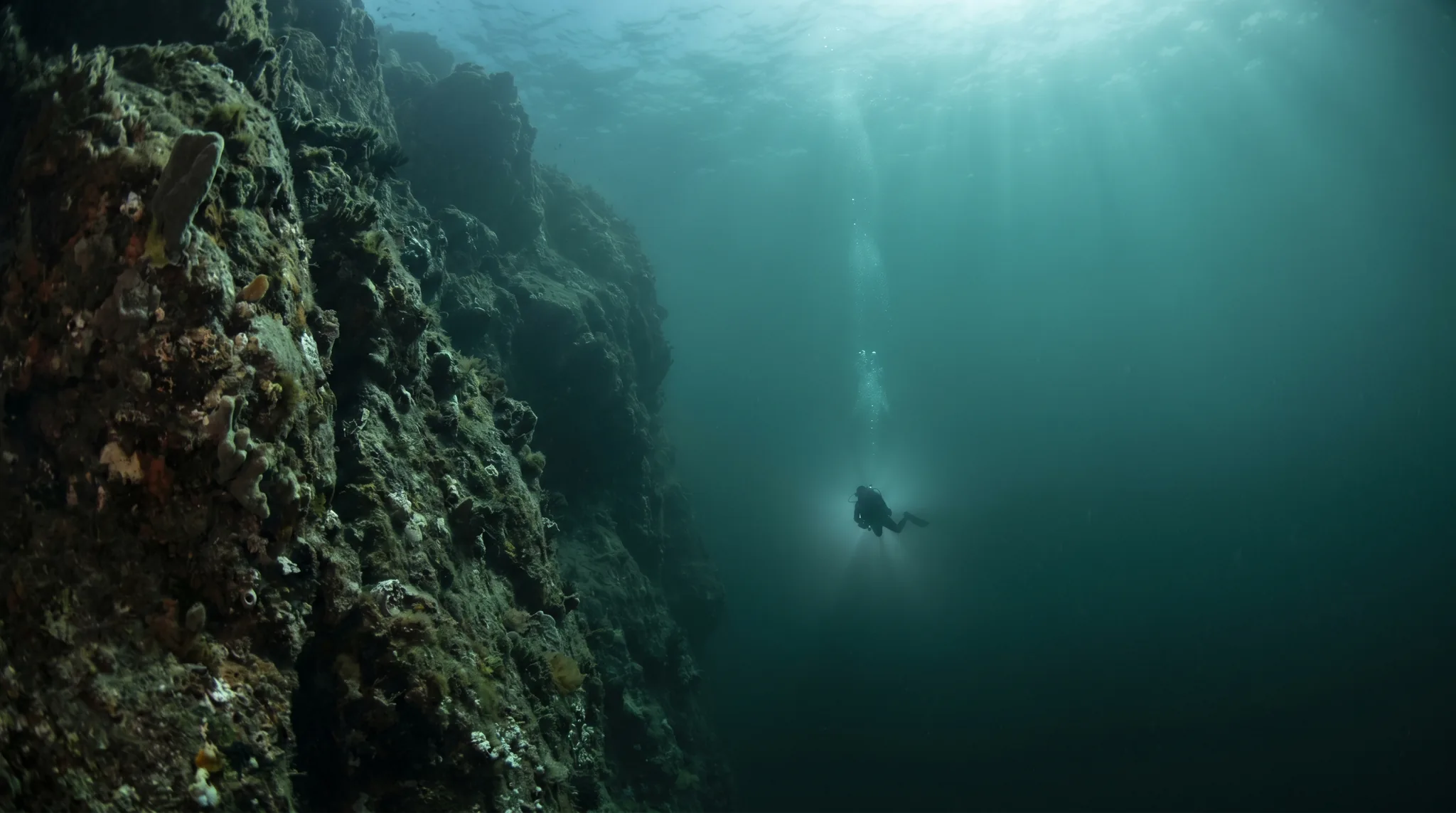
Costa Brava offers an unusually varied underwater landscape across its sub-areas, from the shallow Posidonia seagrass beds and natural rock arches of Lloret de Mar to the deep pinnacles and canyon systems around Cadaqués and the Medes Islands. Rocky reefs dominate, but wrecks and walls add variety. The fauna leans heavily towards cephalopods and reef fish: Common Octopus, Mediterranean Moray, Wrasses, and Scorpionfish are recorded across a large proportion of sites. Conditions range from calm beginner shore dives to advanced drift and drop-off diving.
5 areas
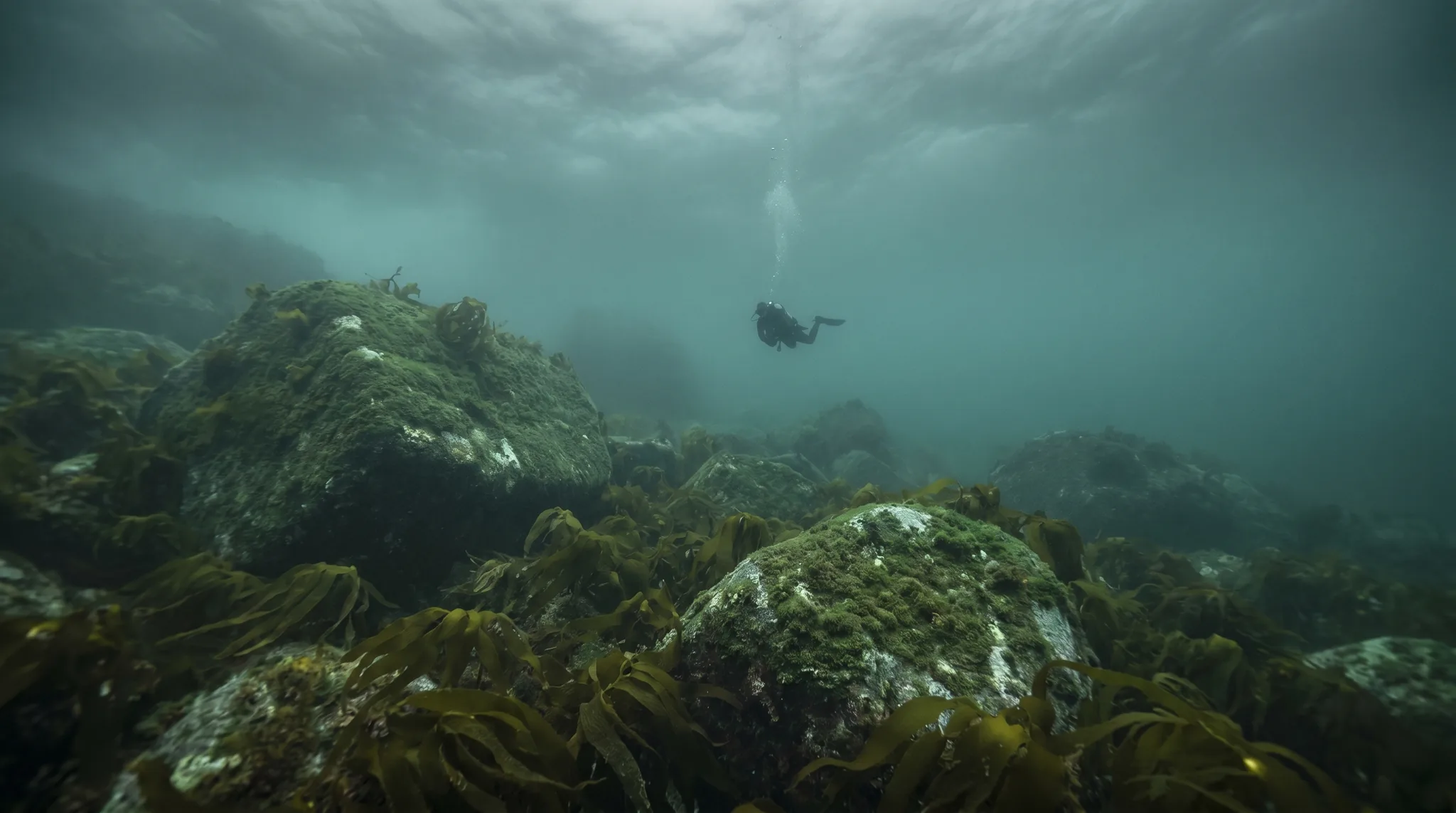
Monthly water temperature across Costa Brava's sites, from satellite sea-surface data corrected for depth. The band shows the site-to-site spread.
Water temperatures rise steadily from spring into summer, reaching their warmest from July through September, when visibility also tends to be at its best. April, June, and October all score strongly for conditions, making the shoulder months a practical alternative to peak summer. Winter diving is possible but cooler temperatures and reduced operator activity make it a quieter period.
132 operators


258 more sites to explore
Rocky islands off Estartit with walls, caves, pinnacles and outstanding nudibranch diversity for divers and snorkellers alike.
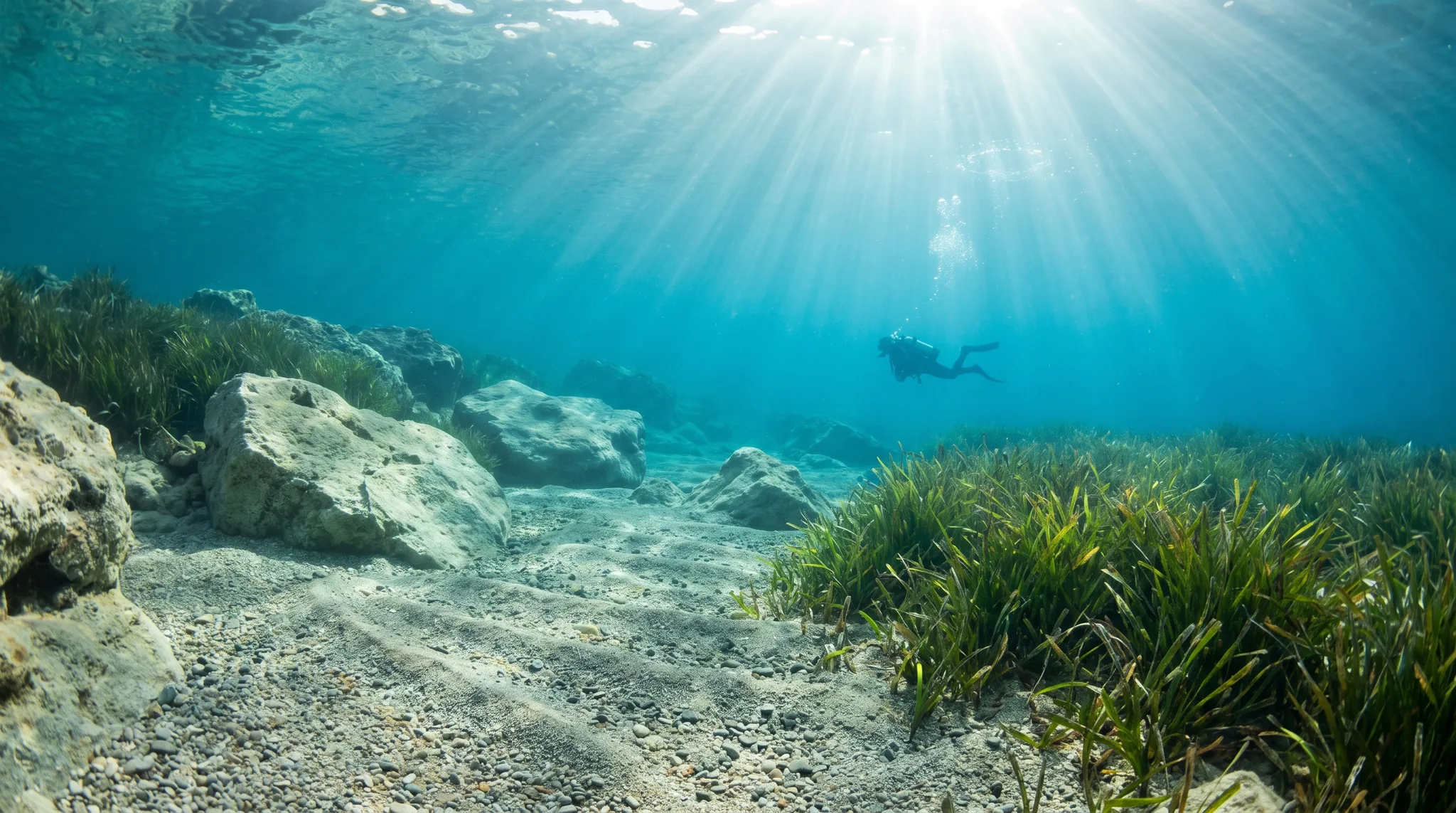
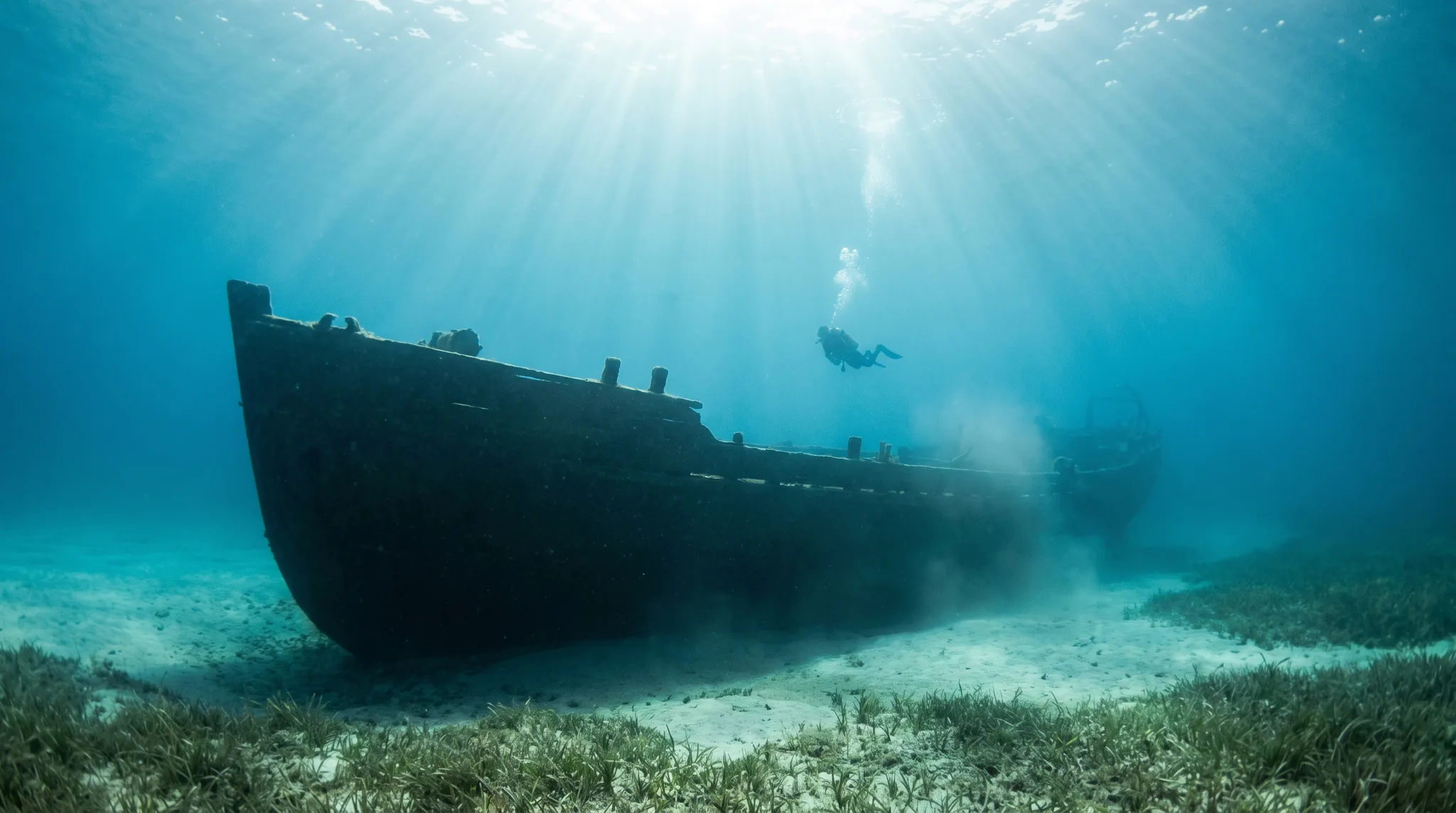
Water temperature around Costa Brava ranges from about 13°C in February to 23°C in August, based on satellite sea-temperature data for its dive sites.
In the warm season (about 23°C) a 3mm full suit is comfortable in Costa Brava; in the coldest months (about 13°C) step up to a 7mm or semi-dry suit.
Fin maps 270 sites in Costa Brava (234 scuba diving sites and 73 snorkelling spots, with some suited to both), organised into 5 areas.
Across Costa Brava's dive sites, May, June, July, August, September and October are most often reported as the best months to visit.
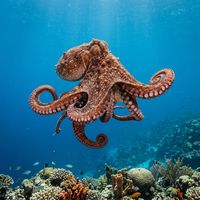
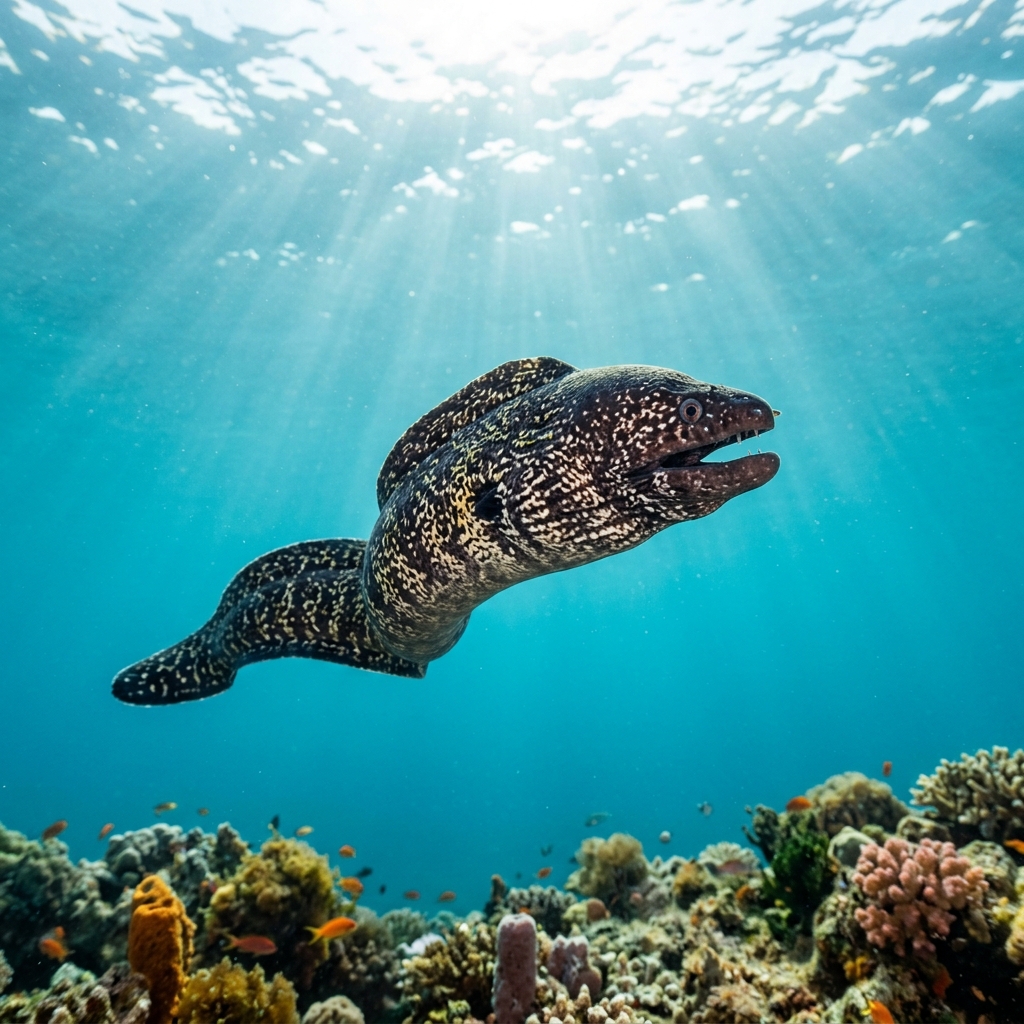
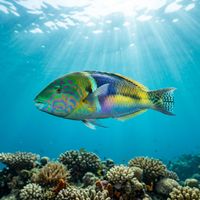
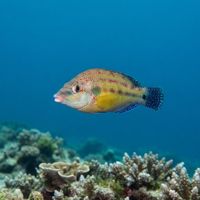
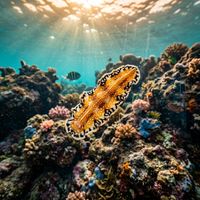
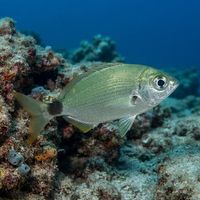
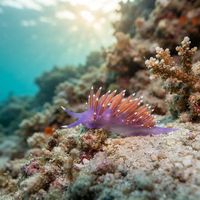
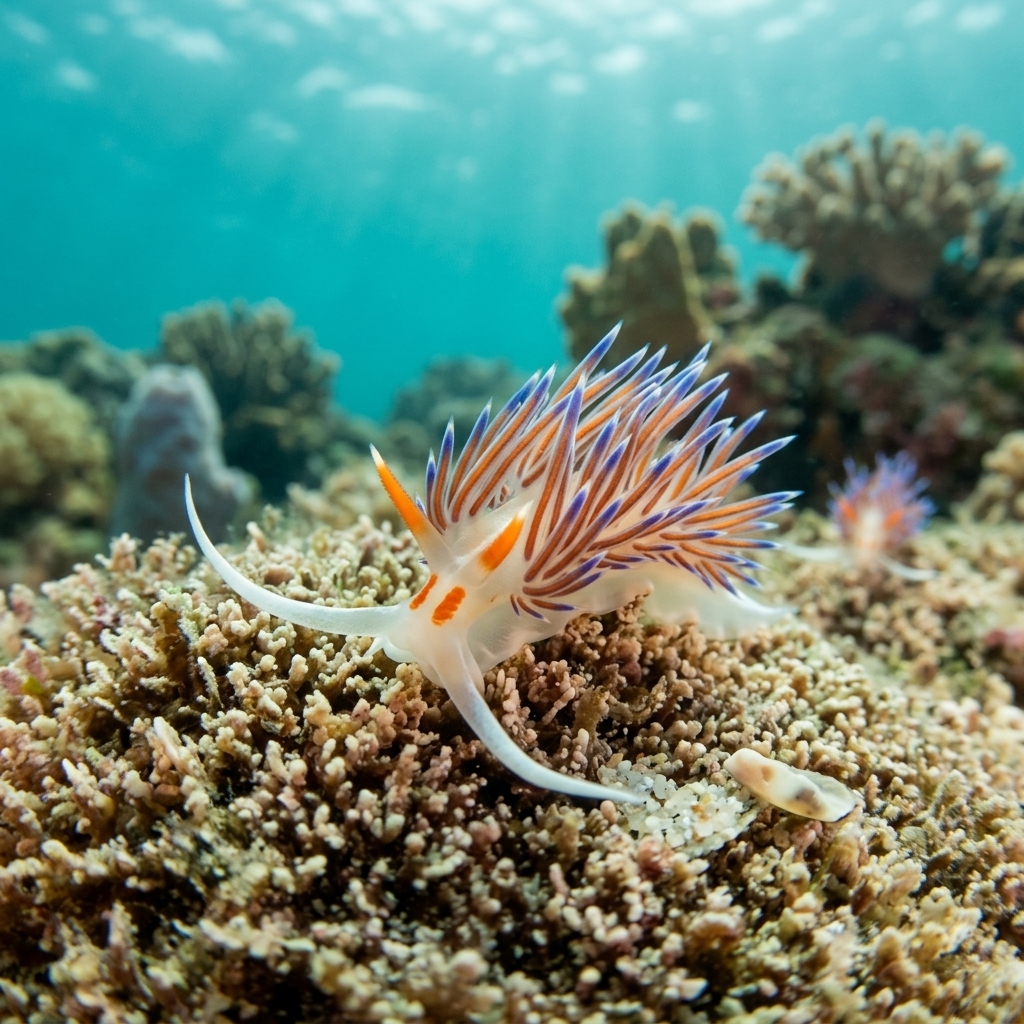
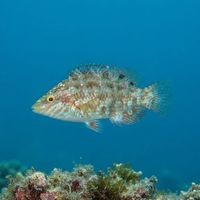
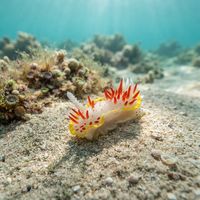
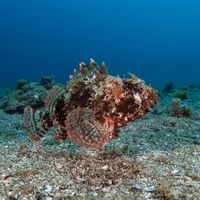
The Costa Brava's reefs are particularly rich in cephalopods and reef fish. Common Octopus and Mediterranean Moray are recorded at the great majority of sites, while European Common Cuttlefish and the occasional White-spotted Octopus add further interest. Wrasses, Scorpionfish, Two-banded Seabream, Striped Red Mullet, and Tompot Blenny are all very commonly observed, and nudibranch species such as Cratena Slug and Mediterranean Violet Aeolid reward close-focus divers.
Yes, a good number of sites are rated for beginners. Shore-accessible reefs such as Els Tres Arcs, Sacaleta Point, and Tamariu House Riff offer shallow, sheltered conditions with clear topography. Beginner-friendly boat dives are also available. Intermediate and advanced sites like Punta Bonita, Massa d'Or, and Pota del Llop are there when you are ready to progress.
The Medes Islands and L'Estartit concentrate on classic Mediterranean reef and wall diving, including deep pinnacle sites and large vertical formations. Cadaqués offers some of the most demanding diving, with advanced drop-offs and canyon topography at sites like Massa d'Or and Isla de Messina. Lloret de Mar and Tossa de Mar tend towards shallower, more accessible reef and cave dives well suited to a range of skill levels.
Both access types are well represented. Sites such as Els Tres Arcs, Sacaleta Point, and the Pere Manel Wreck are reachable directly from shore, which reduces cost and logistical complexity. Many of the deeper reef, wall, and pinnacle dives, including Bolets, Punta Bonita, and Massa d'Or, require a boat. Operators such as Unisub, Tossasub Diving Center, and Calypso Diving can arrange guided boat dives across the region.