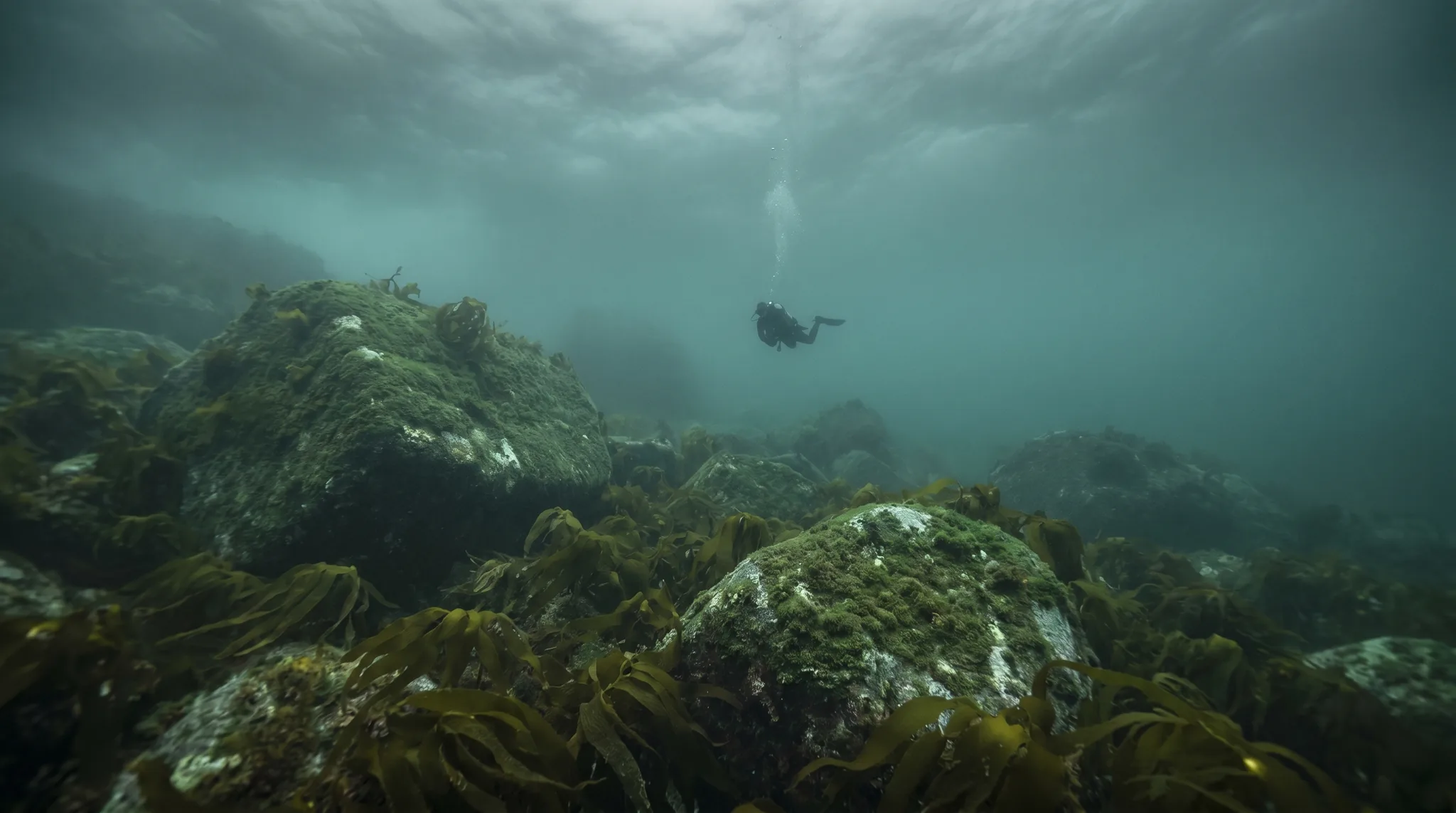
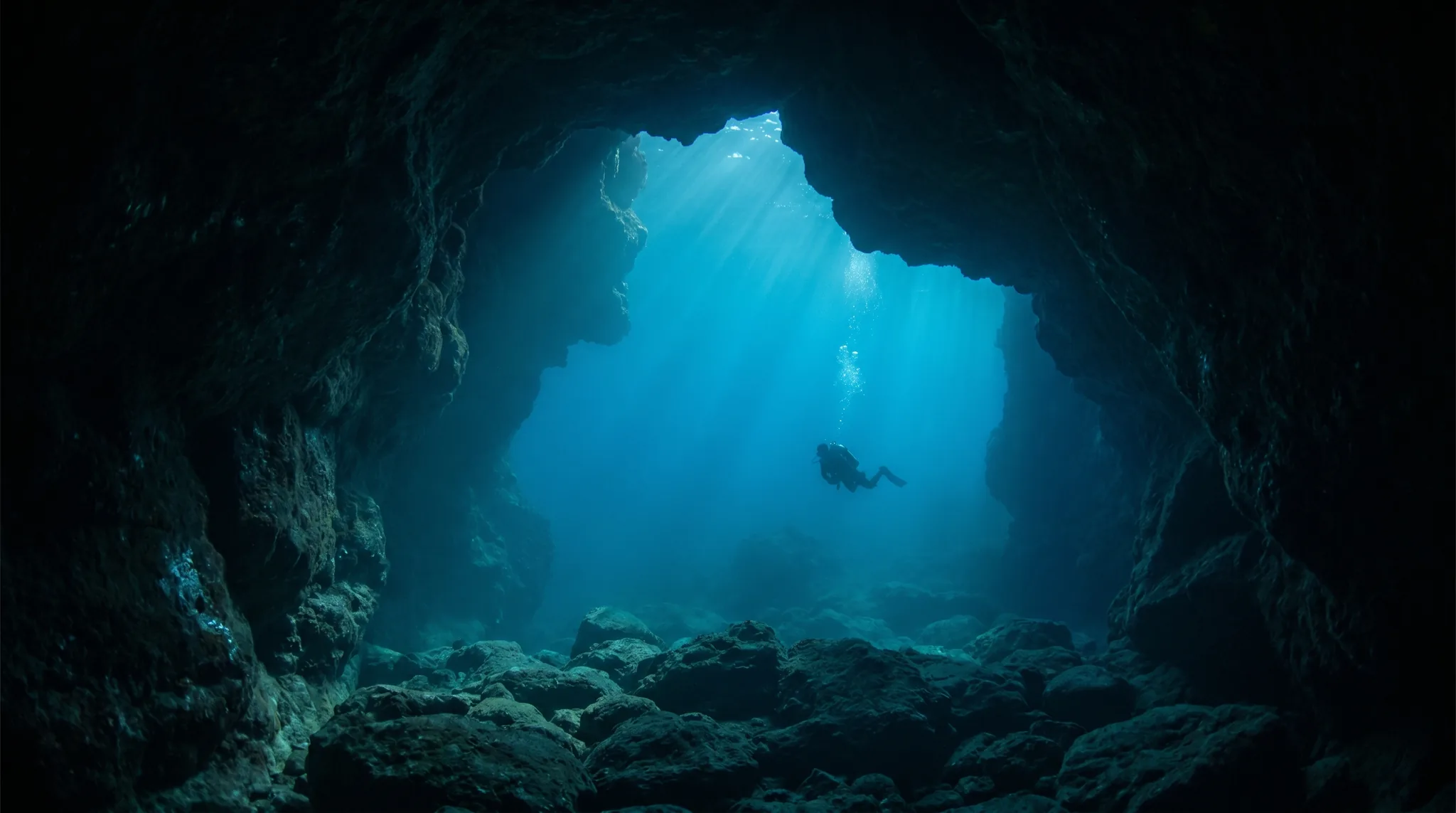
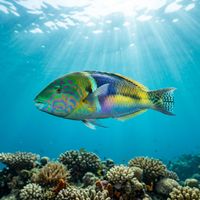
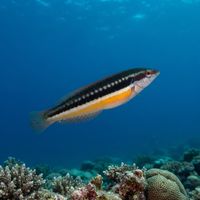
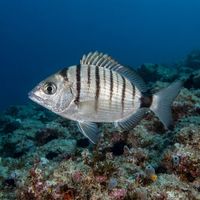
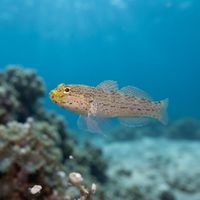
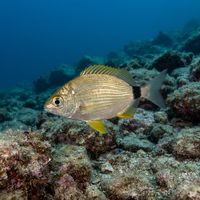
The Barcelona Coast splits into two distinct sub-areas: Mataró, which holds the large majority of sites, and Barcelona itself. Reef diving dominates, with walls, canyons and artificial reefs rounding out the mix. Most sites suit beginners, though deeper drift dives at places like Barra Fonda serve advanced divers well. The Two-banded Seabream, Turkish Wrasse and Common Octopus are constant companions, while the Mediterranean Moray, Great Barracuda and Torpedo Ray reward those who look closely.
2 areas
Monthly water temperature across Barcelona Coast's sites, from satellite sea-surface data corrected for depth. The band shows the site-to-site spread.
Water is coolest through winter and early spring, warming steadily from May onward and peaking in late summer. The warmest months also draw the strongest diver activity, with visibility at its most reliable from late spring through autumn. Winter diving is possible but demands more exposure protection as temperatures drop noticeably.
34 operators
78 more sites to explore
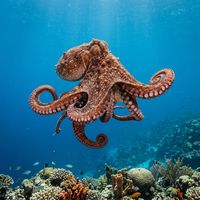
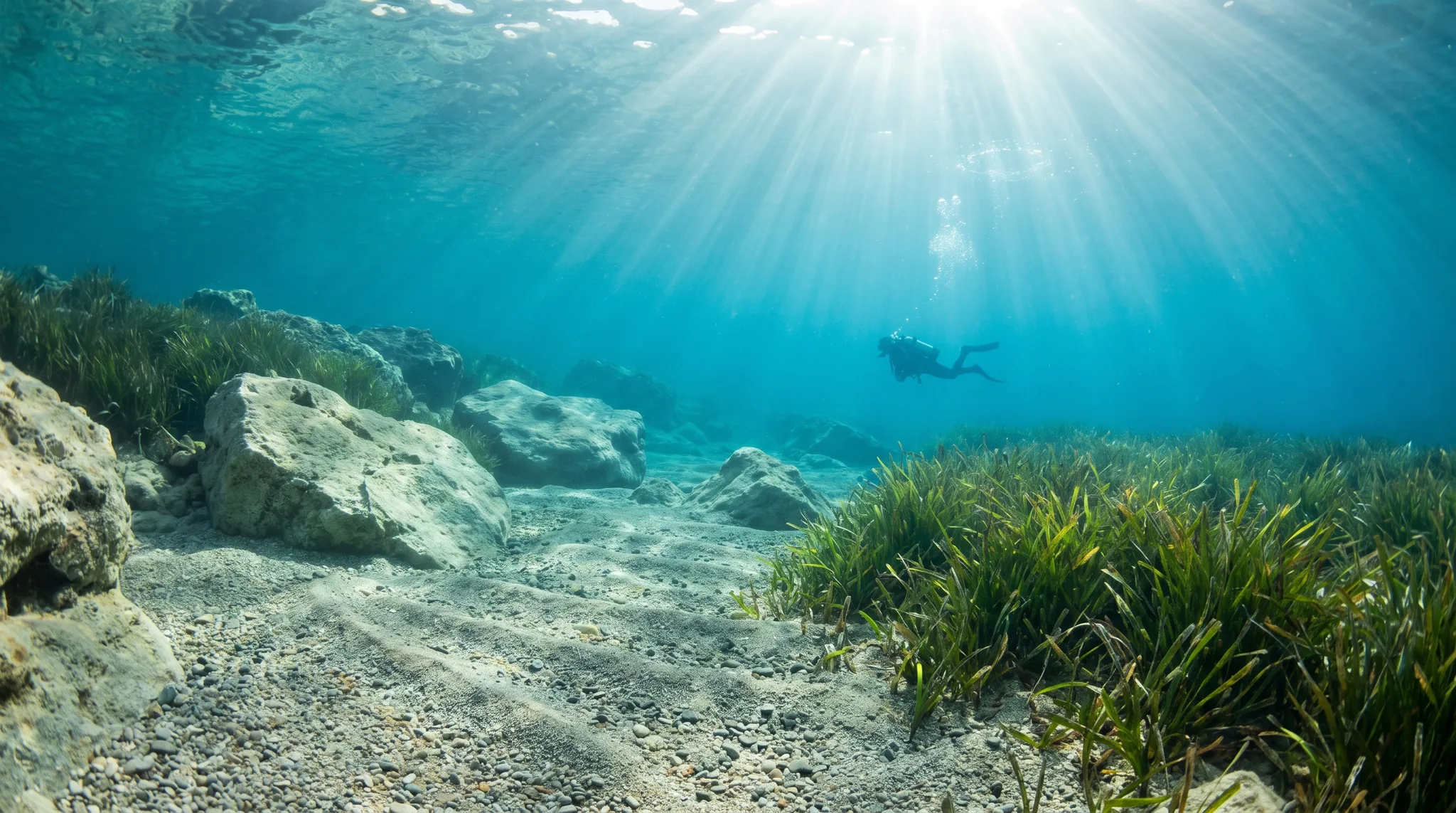
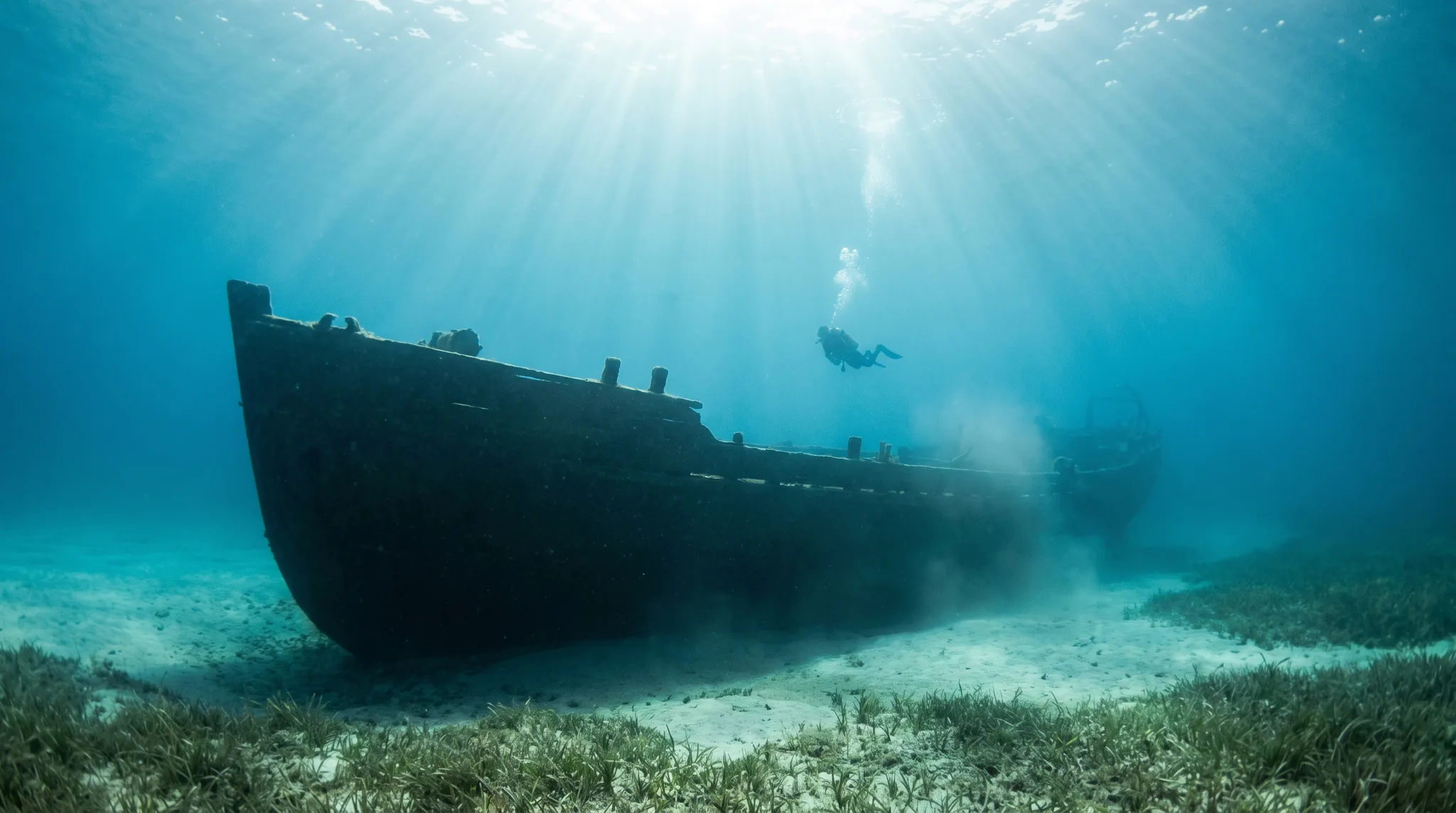
Reef and canyon diving off Mataró, with artificial structures, wall dives, and reliable sightings of Common Octopus and Mediterranean Moray.
Water temperature around Barcelona Coast ranges from about 13°C in February to 24°C in August, based on satellite sea-temperature data for its dive sites.
In the warm season (about 24°C) a 3mm full suit is comfortable in Barcelona Coast; in the coldest months (about 13°C) step up to a 7mm or semi-dry suit.
Fin maps 90 sites in Barcelona Coast (81 scuba diving sites and 15 snorkelling spots, with some suited to both), organised into 2 areas.
Across Barcelona Coast's dive sites, May, June, July, August, September and October are most often reported as the best months to visit.
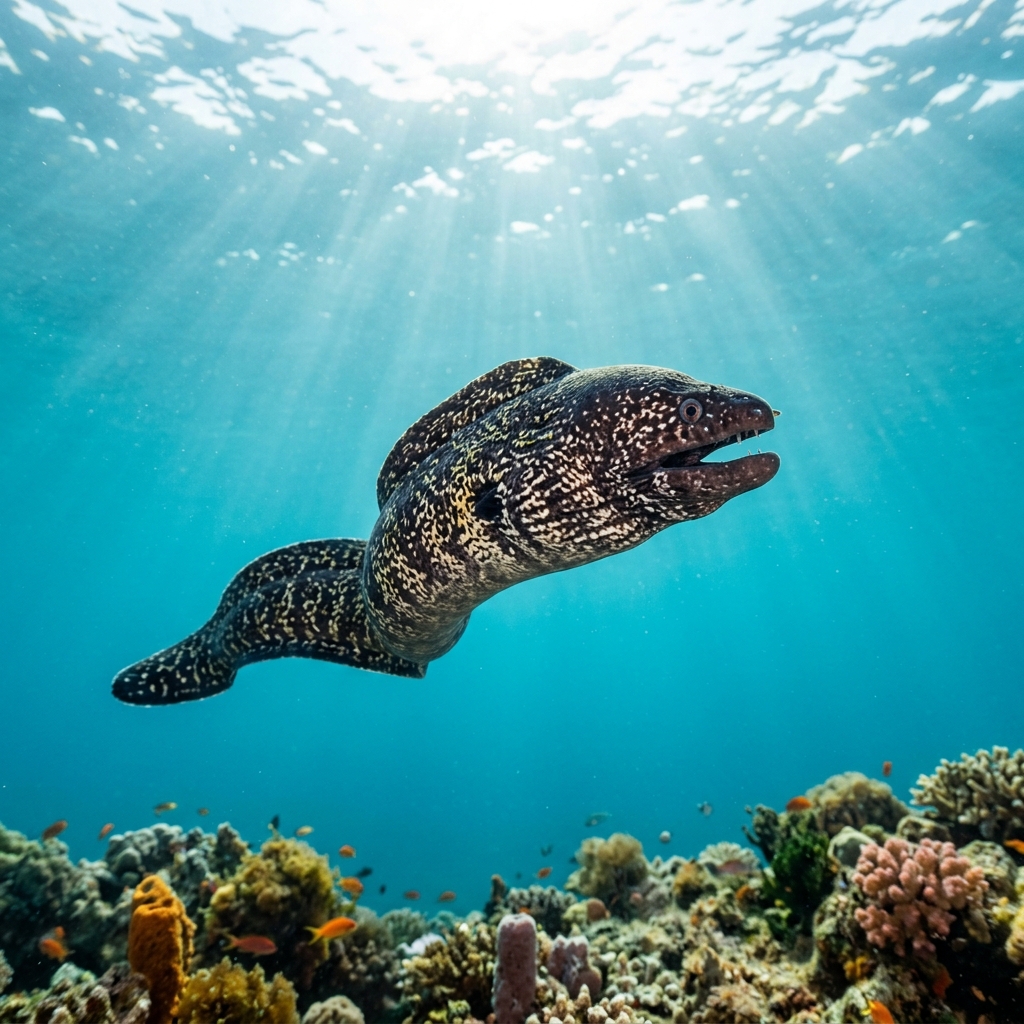
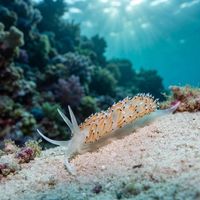
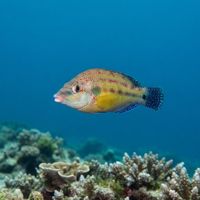
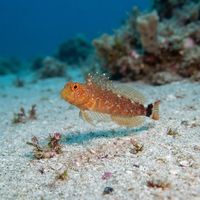
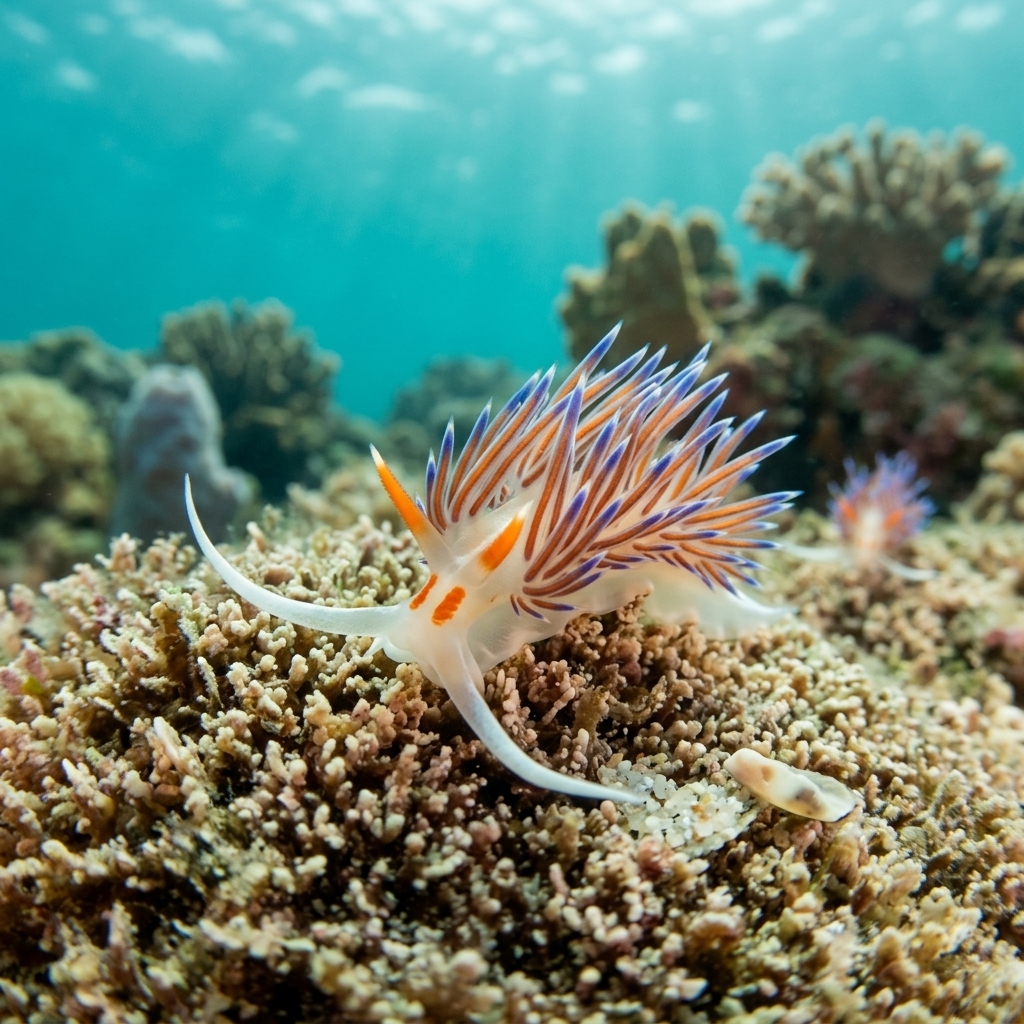
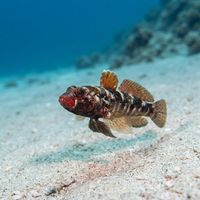
The Common Octopus and Mediterranean Moray are among the most reliably spotted species across the region. Divers also regularly encounter the Great Barracuda, Torpedo Ray, Tompot Blenny and Scorpionfish. Nudibranch lovers are well served too, with the Cratena Slug and Mediterranean Violet Aeolid both observed frequently.
The majority of sites here are rated for beginners, including popular reefs such as Balis 22, La Matella and Las Santas. Depths across many of these sites remain shallow, and currents are generally mild. Advanced divers are also catered for at deeper drift sites like Barra Fonda and the deeper reef at Pujolet.
Most sites require boat access, and operators such as OdySea, Medusadive, Technical Drysuit Artic S.L and M. Rota Diving cover the area. A handful of sites, including La Matella and Pins Mar, are reachable from shore, which suits those who prefer independent entry without organising a boat trip.
Mataró holds the overwhelming share of sites and offers the widest variety of terrain, from shallow artificial reefs to deeper canyon and drift dives. The Barcelona sub-area has fewer sites but still contributes meaningfully to the overall offering. Divers looking for the most extensive choice of sites and depth ranges will find Mataró the natural focus.