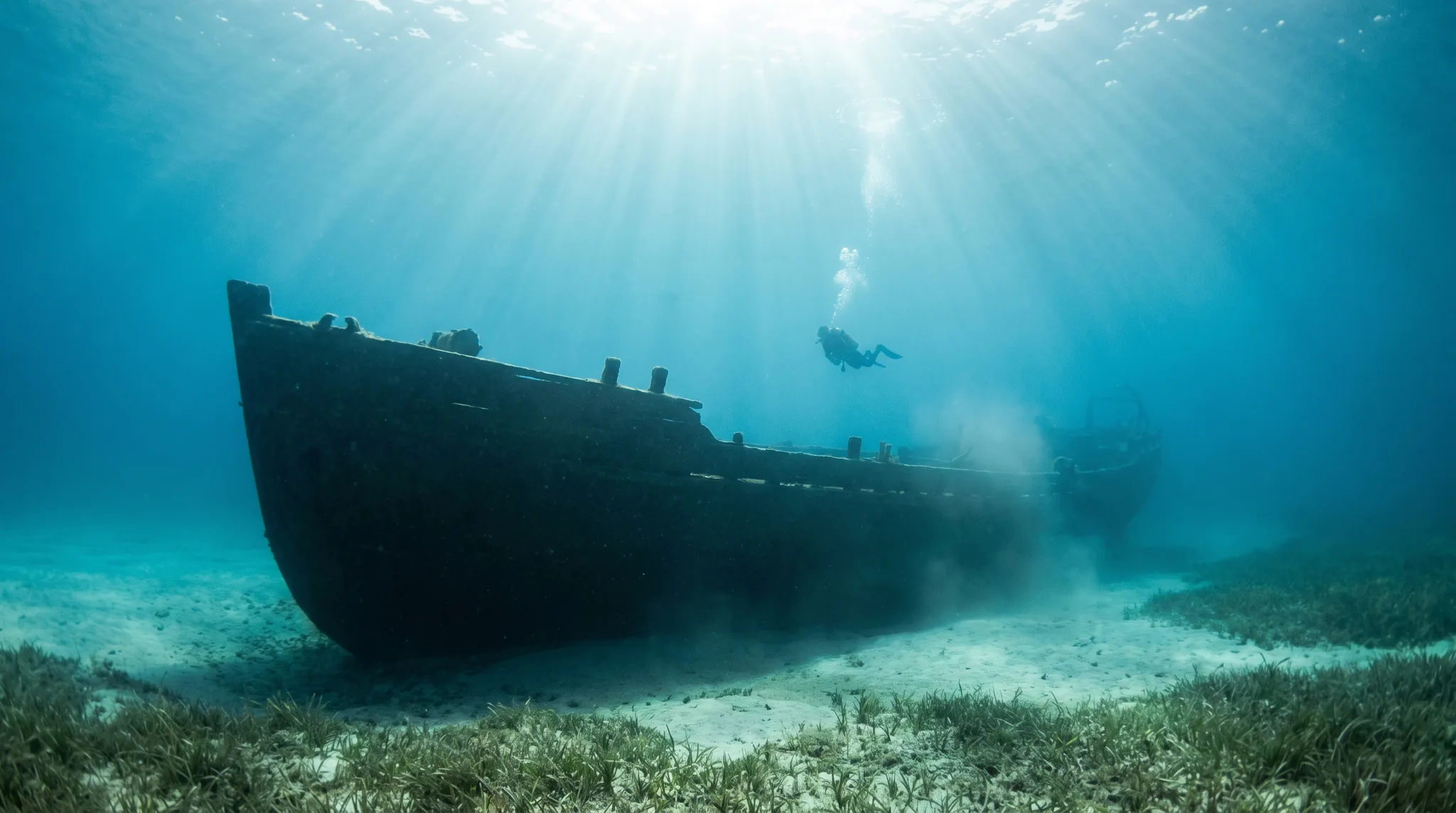
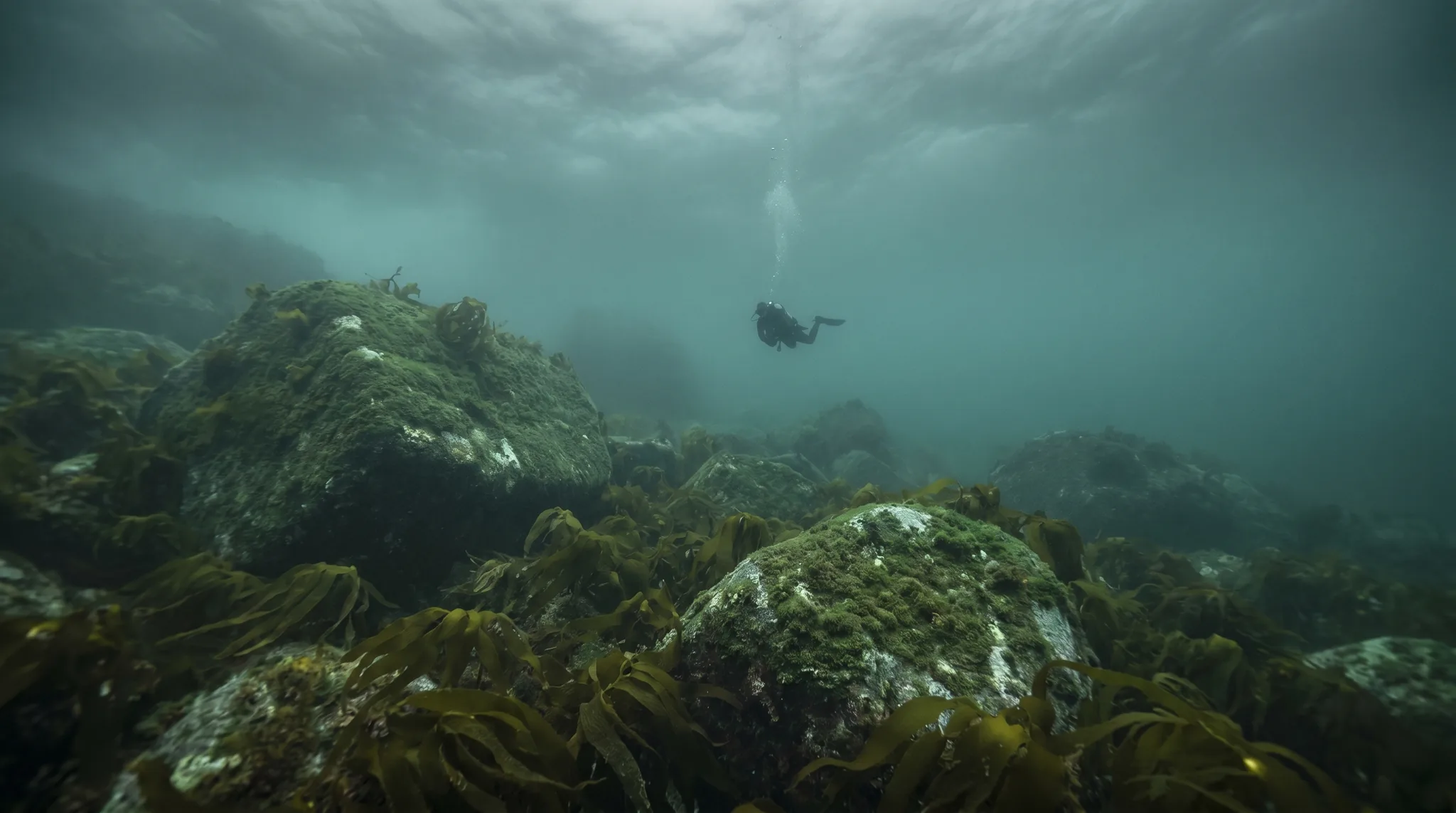
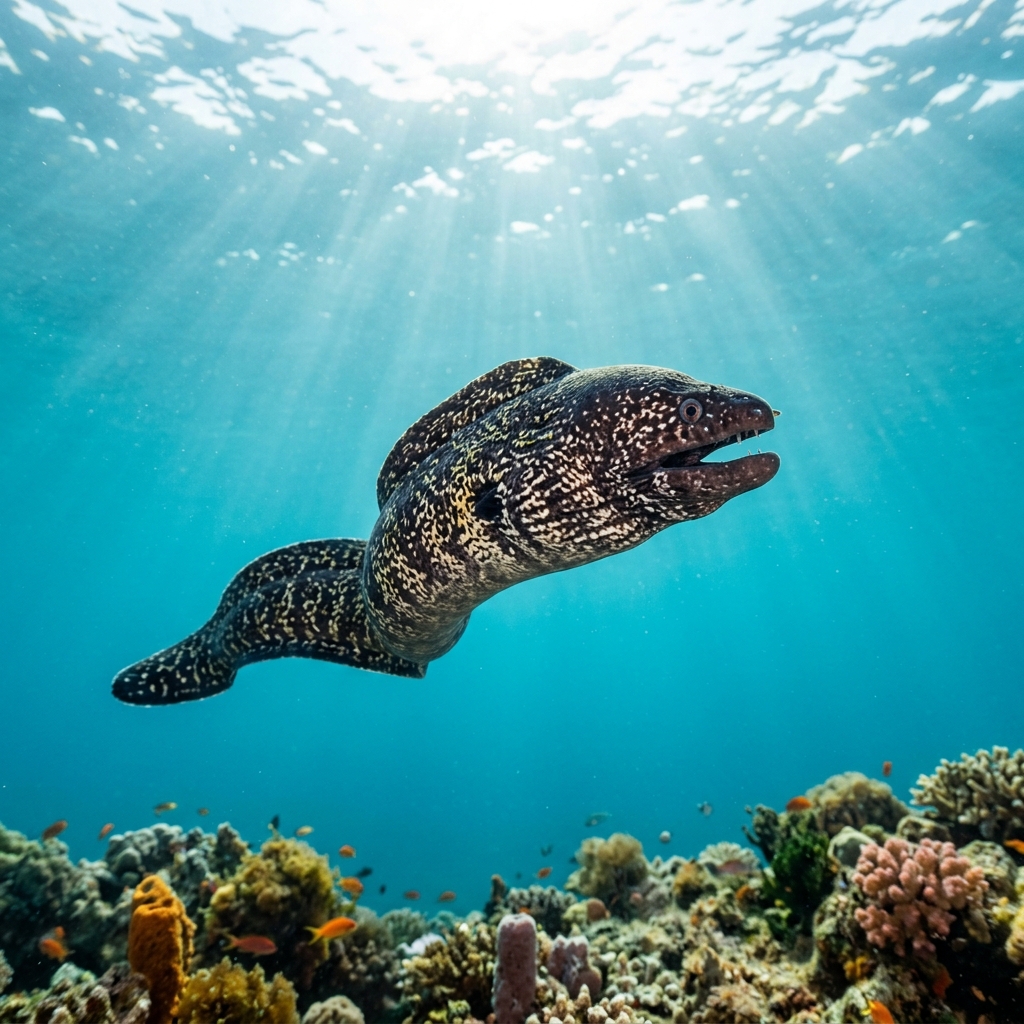
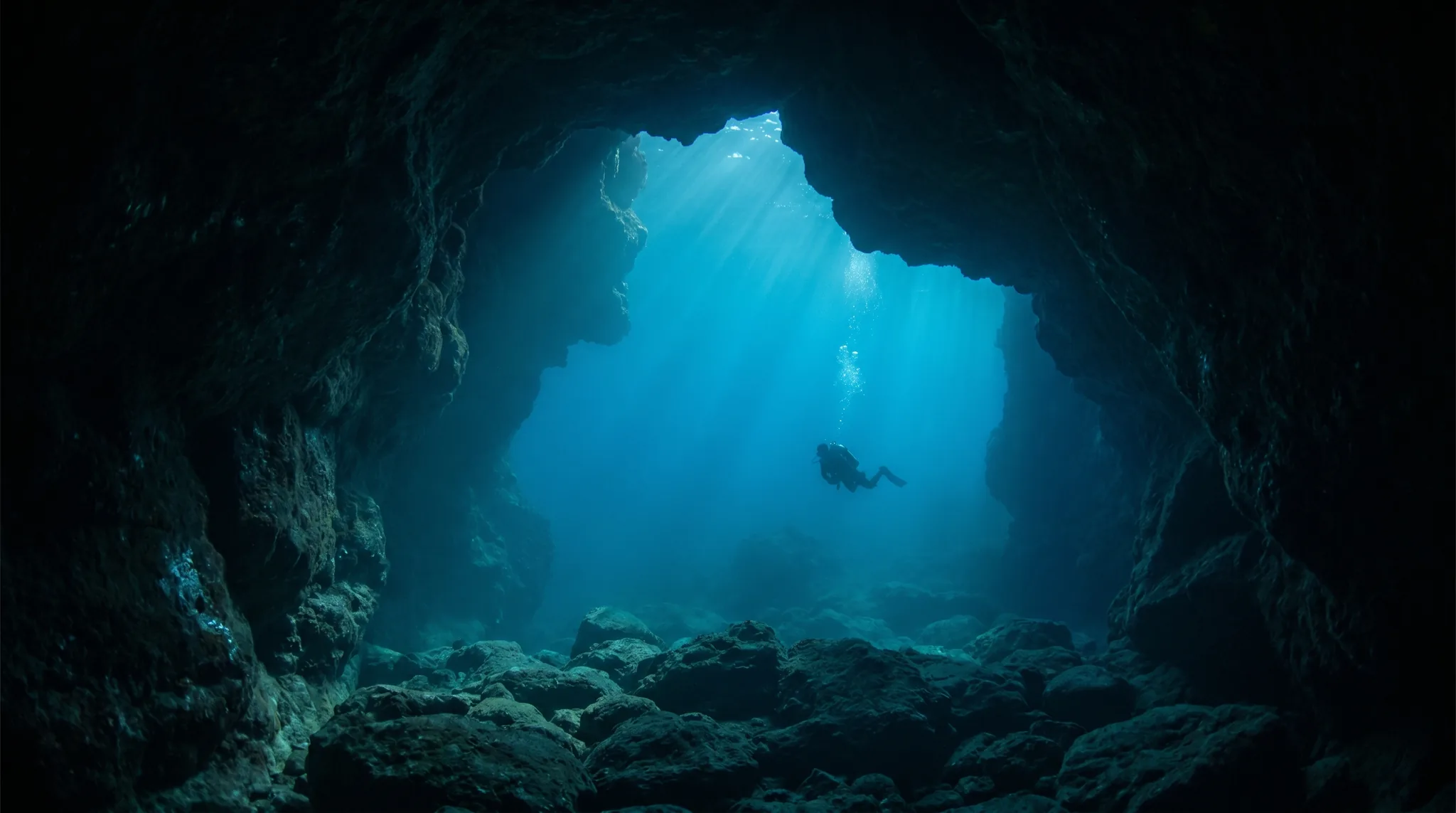
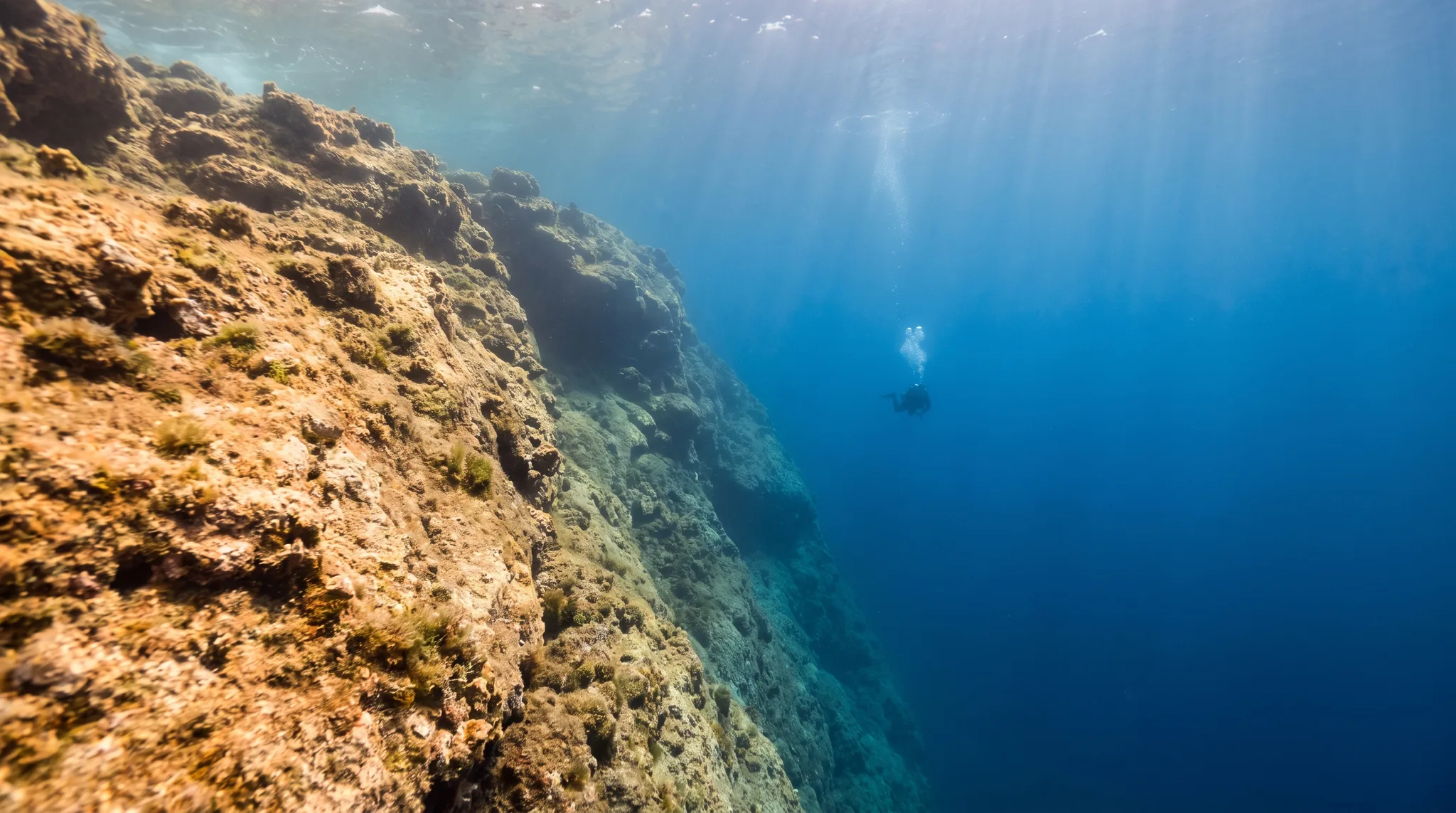
Majorca's underwater character is shaped by caves and walls more than anything else. The Tramuntana Coast concentrates the island's most dramatic overhead environments, from shallow grottos accessible to beginners through to deep cavern systems requiring advanced certification. Palma Bay offers the largest cluster of sites, while Cala Ratjada adds reef and wall options to the east. Seagrass beds sit alongside rocky walls, and the Common Octopus, Turkish Wrasse and Mediterranean Moray are reliably present across the island.
3 areas
Monthly water temperature across Majorca's sites, from satellite sea-surface data corrected for depth. The band shows the site-to-site spread.
Water temperature climbs through late spring and peaks in September, making summer and early autumn the warmest period for diving. The histogram of diver activity reflects this, with October joining the peak months as visibility tends to be at its best after summer. Winter sees cooler water and fewer visitors, though sites remain accessible for those prepared for the drop.
42 operators


112 more sites to explore
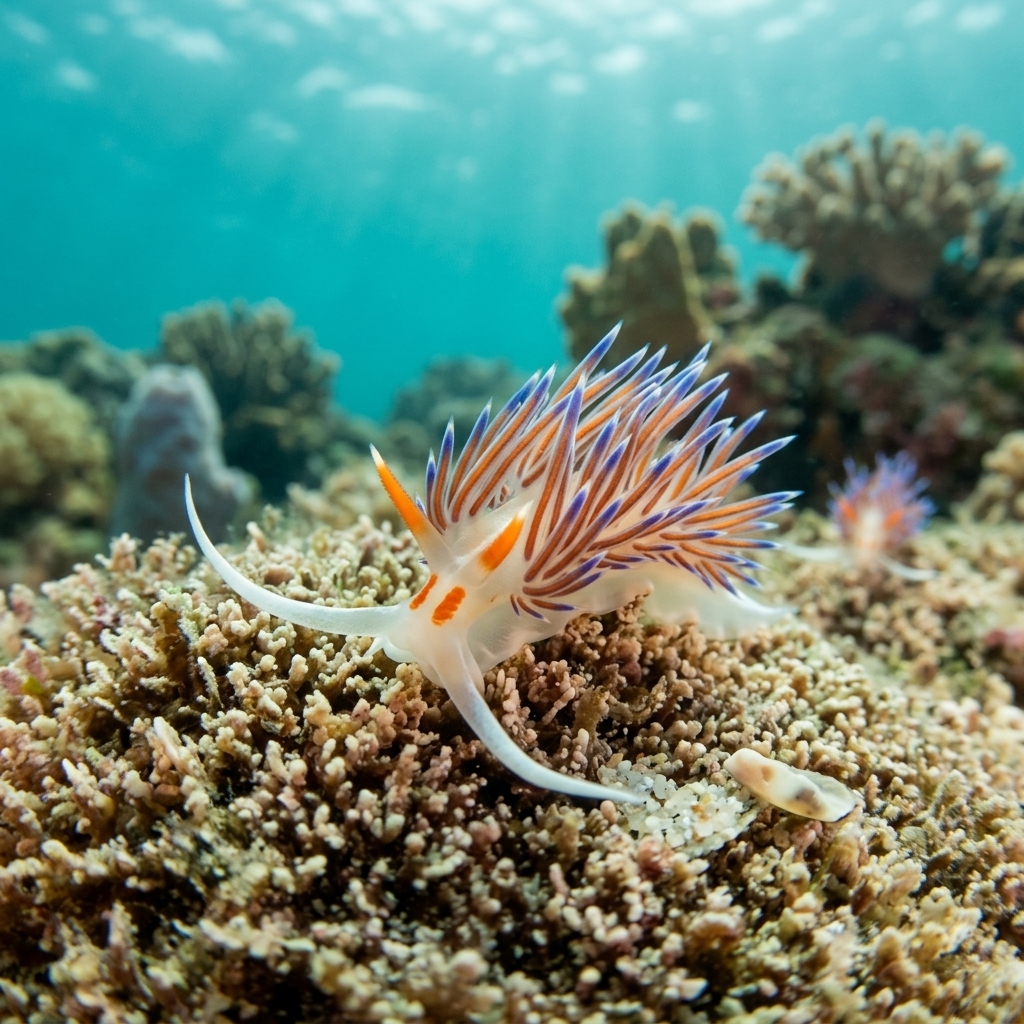
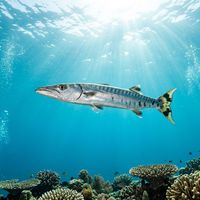
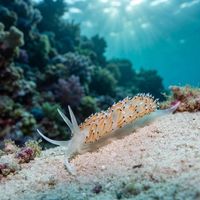
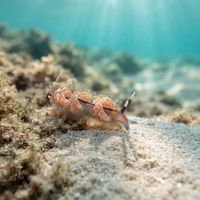
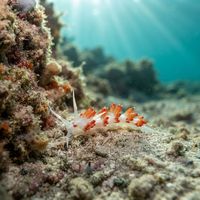
Boat-accessed reef and wall diving with exceptional nudibranch diversity and reliable Great Barracuda and Common Octopus sightings.
Water temperature around Majorca ranges from about 15°C in January to 25°C in September, based on satellite sea-temperature data for its dive sites.
In the warm season (about 25°C) a 3mm full suit is comfortable in Majorca; in the coldest months (about 15°C) step up to a 7mm or semi-dry suit.
Fin maps 124 sites in Majorca (113 scuba diving sites and 20 snorkelling spots, with some suited to both), organised into 3 areas.
Across Majorca's dive sites, May, June, July, August, September and October are most often reported as the best months to visit.
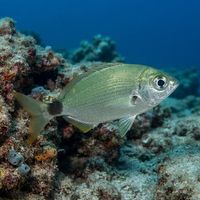
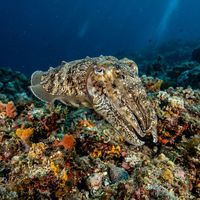
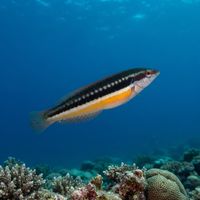
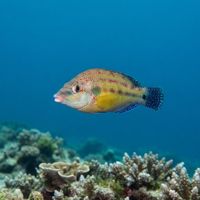
The Common Octopus and European Common Cuttlefish are among the most frequently encountered species across the island's sites. Turkish Wrasse, Two-banded Seabream and Painted Comber are very common reef fish, while the Mediterranean Moray turns up regularly in rocky crevices. Occasional sightings of Great Barracuda and Flying Gurnard add variety, and nudibranch hunters will find the Cratena Slug and Giant Doris worth searching for.
A large proportion of Majorca's dive sites are rated for beginners, including reef, wall and cave sites at shallow to moderate depths. Sites such as Cova del Vell Marí and Punta Marc are accessible by boat without requiring advanced skills. Intermediate and advanced sites, including deeper cave systems like Cova Blava and Sa Cova Des Pintor, are also available for those with more experience.
Palma Bay holds the greatest number of sites and offers a broad mix of reef and wall diving relatively close to the island's main urban centre. Sóller and the Tramuntana Coast concentrate the island's cave diving, with several notable grottos and cavern systems accessed by boat along the rugged northern coastline. Cala Ratjada to the east provides additional reef and wall options in a less crowded setting.
The majority of Majorca's dive sites are accessed by boat, which is typical given how many sites lie along exposed coastal cliffs and headlands. Shore entry is available at a smaller number of sites, including Cala Galiota and Maria's Grotte, the latter of which is also suitable for snorkelling. Operators such as Skualo, Scuba Mallorca and Tramuntana Diving and Adventure can arrange boat departures across the main sub-areas.