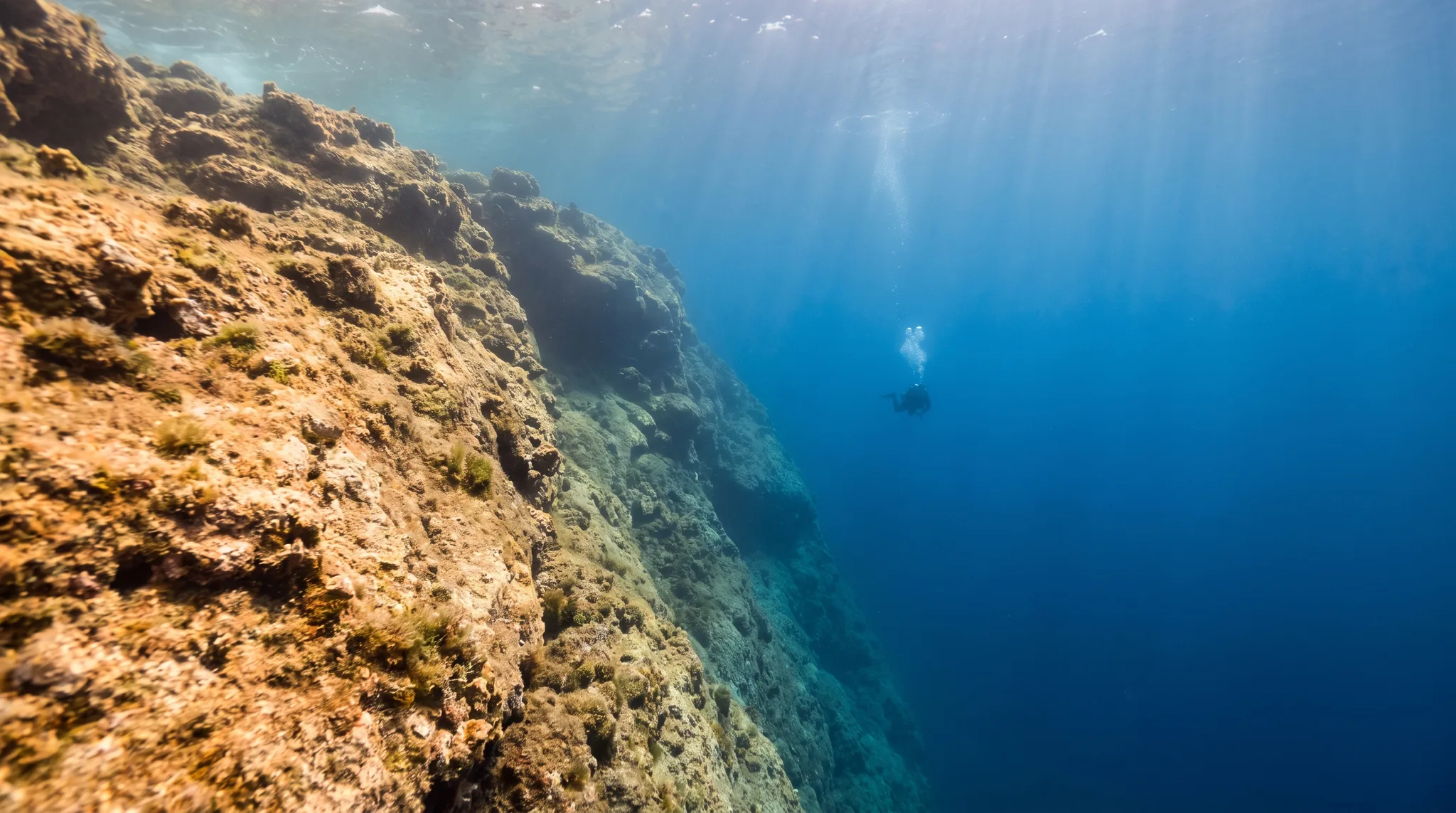
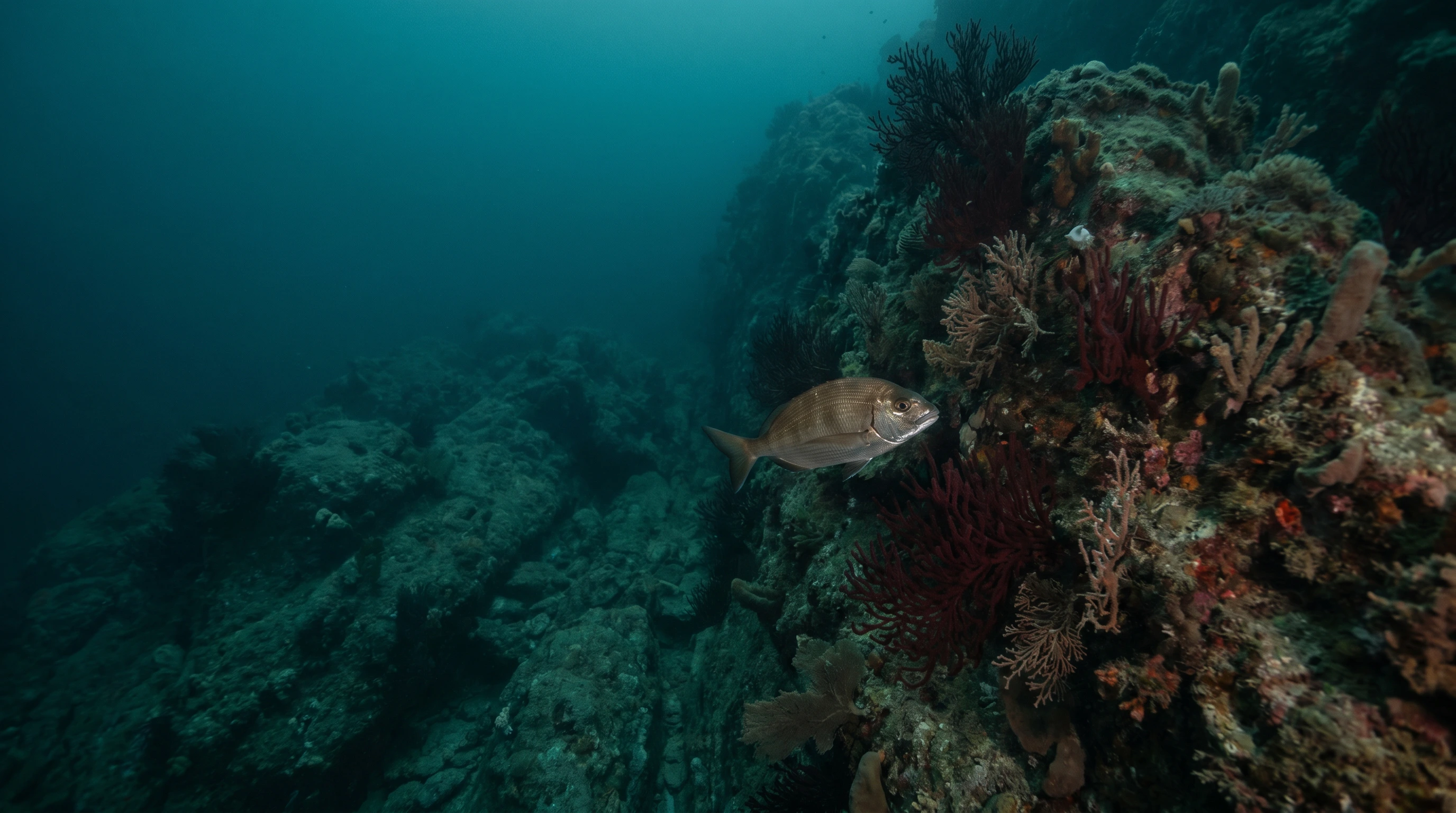
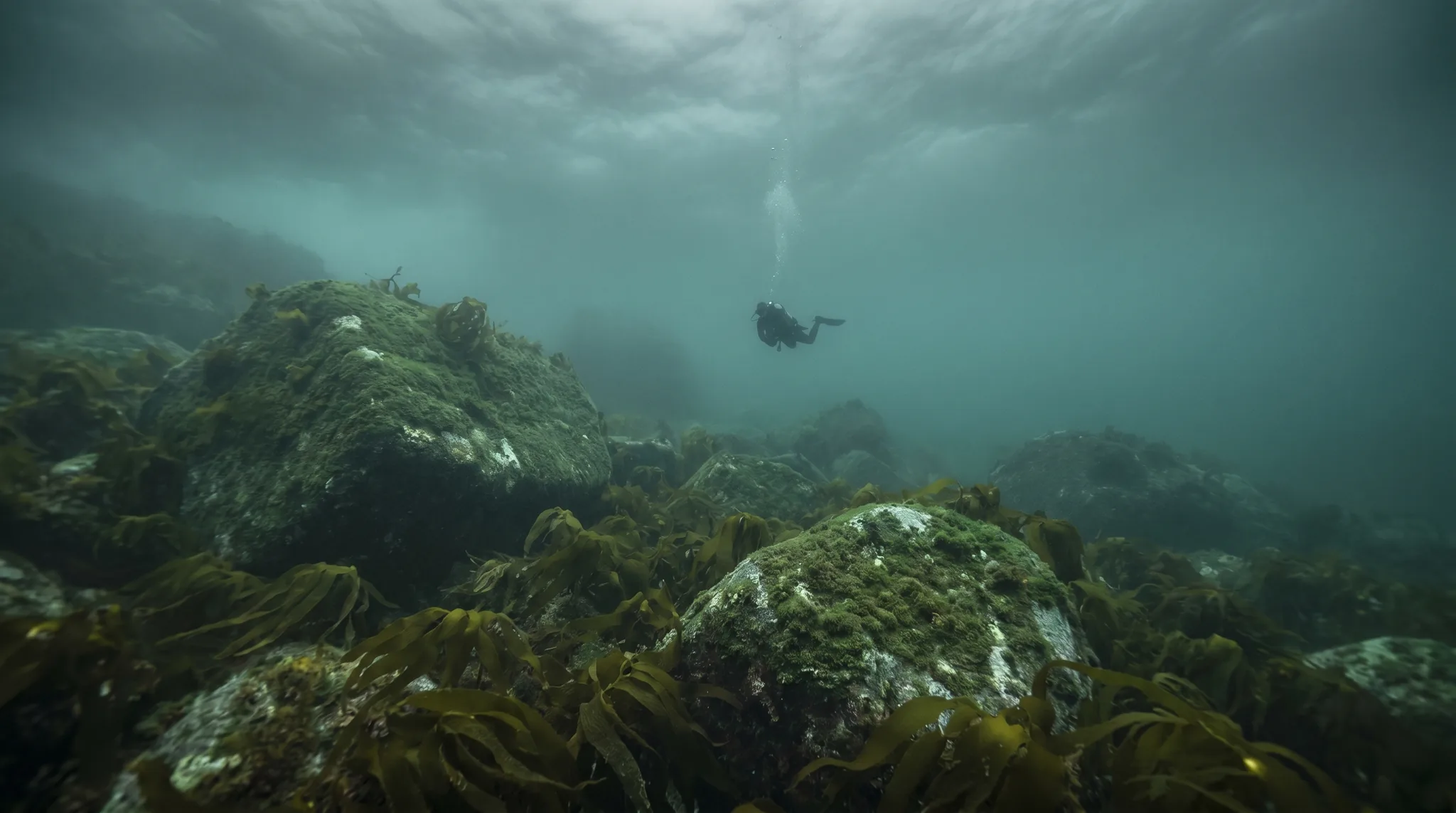
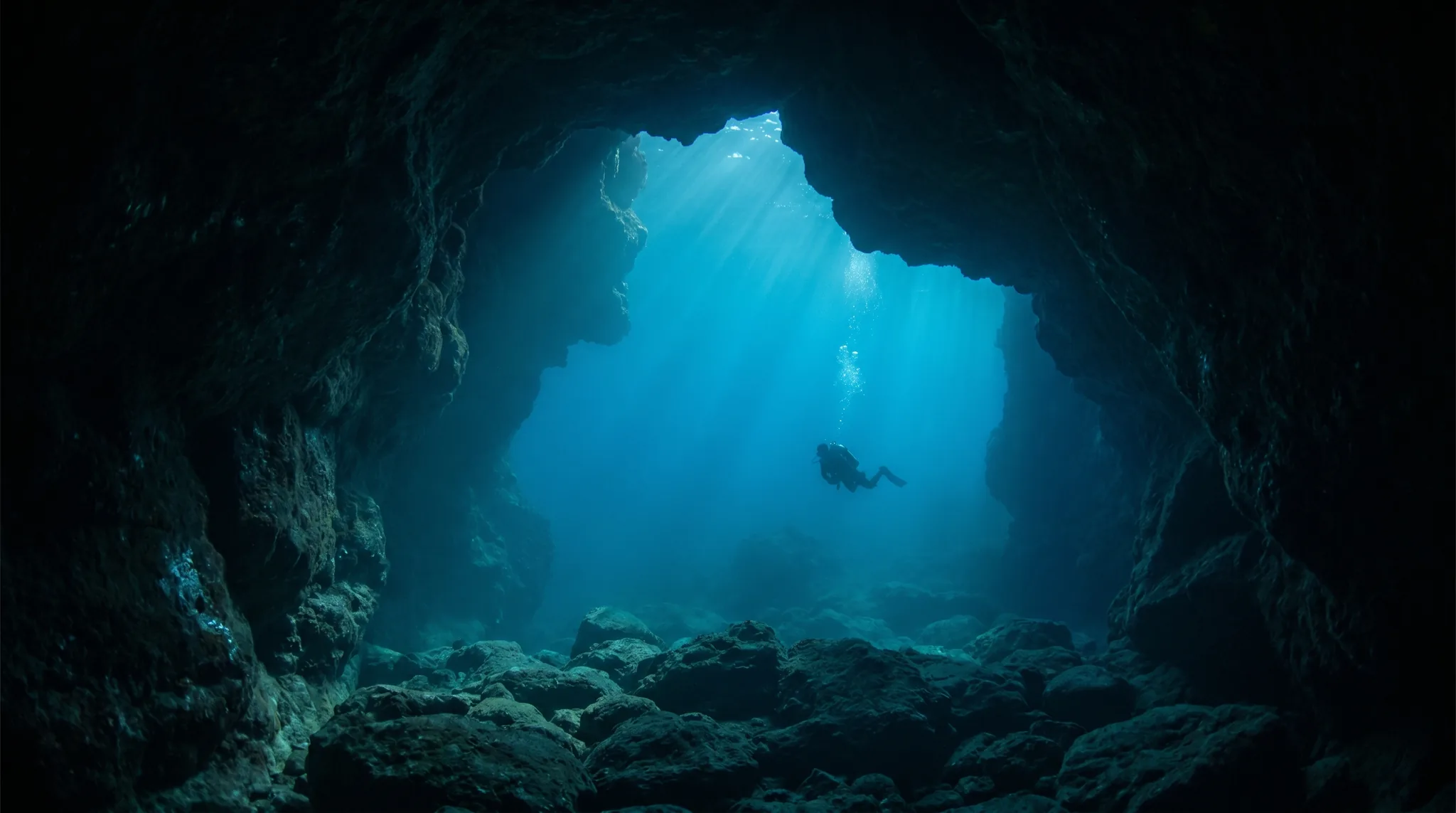
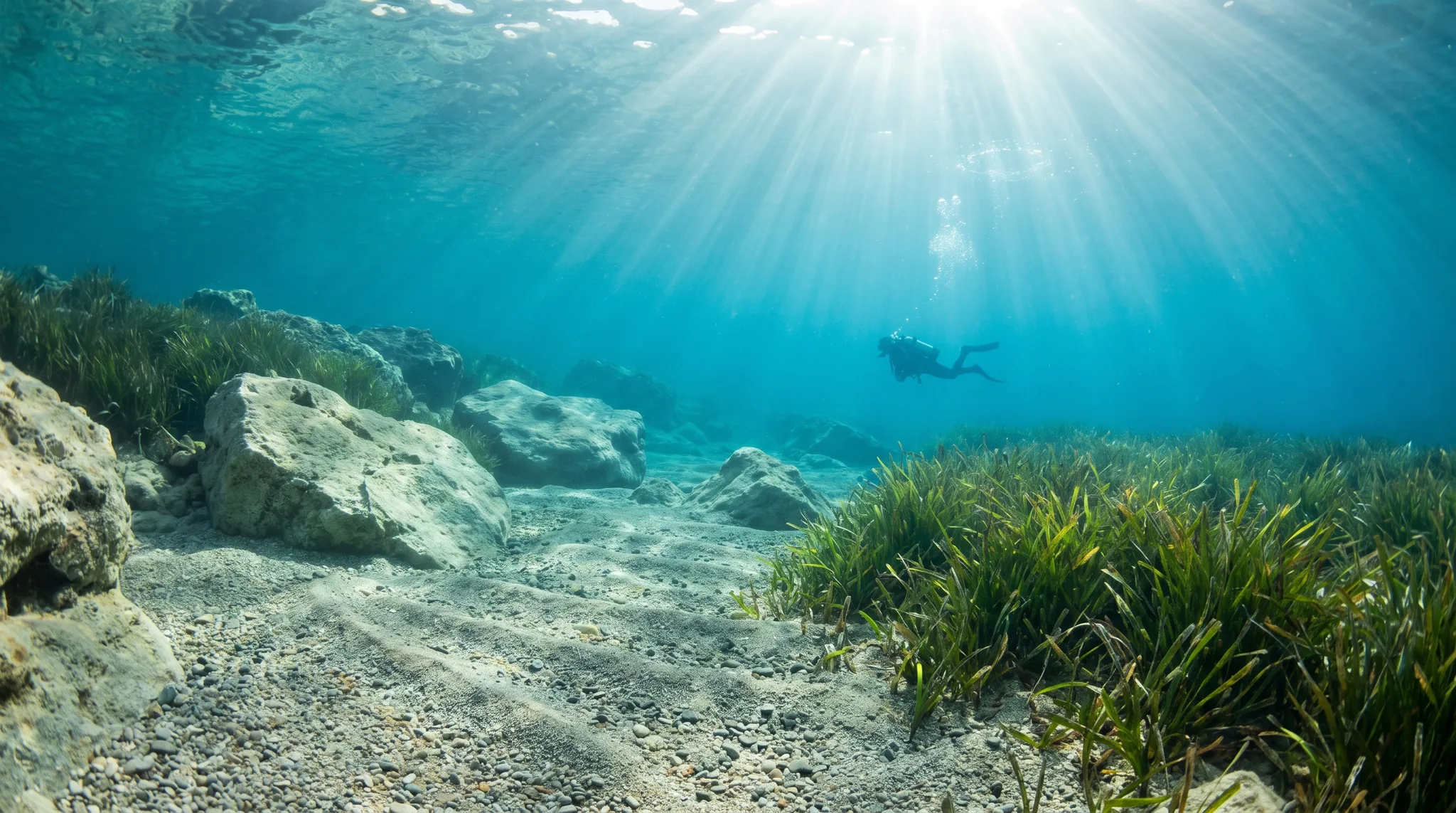
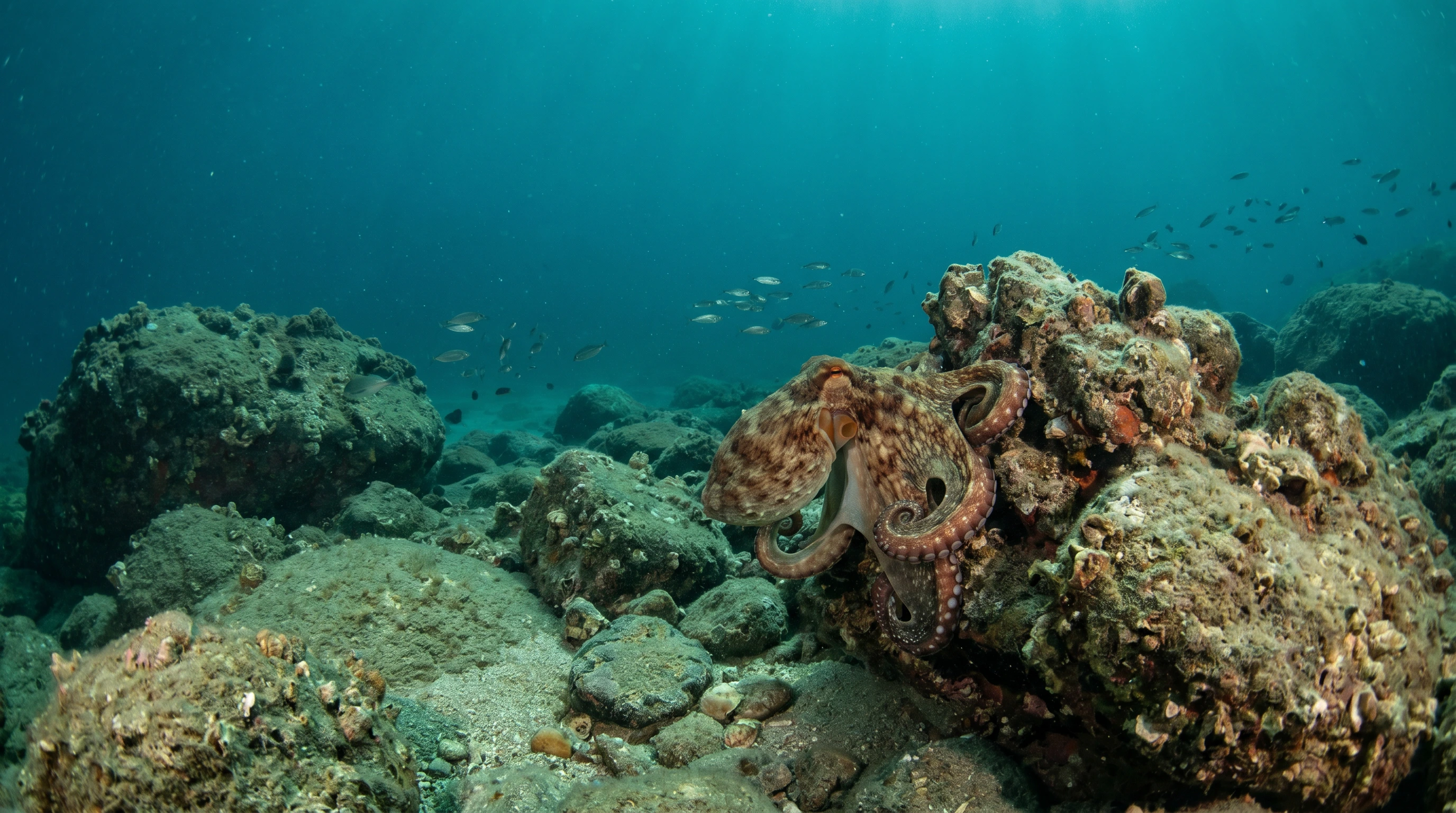
Tossa de Mar packs a varied underwater landscape into a compact stretch of coastline. Rocky reefs, caves, walls, canyons and seagrass beds all feature across its sites, from shallow shore entries like Mar Menuda to deeper boat dives such as Sa Bauma and Port Salvi. Cephalopods are the standout: Common Octopus, White-spotted Octopus and European Common Cuttlefish are regularly observed, alongside Mediterranean Moray, Red Scorpionfish and a rich nudibranch community. Skill levels range from beginner to advanced.
Monthly water temperature across Tossa de Mar's sites, from satellite sea-surface data corrected for depth. The band shows the site-to-site spread.
Water is coolest through winter and early spring, rising to its warmest across July and August, making the summer months the most comfortable for diving in lighter exposure suits. The shoulder months of May, June, September and October draw strong interest and offer good conditions alongside a fuller marine-life presence. Some boat-access sites can be affected by surface exposure, so checking sea state before heading out to deeper reefs like Sa Bauma is worthwhile.
17 operators

18 more sites to explore
Water temperature around Tossa de Mar ranges from about 13°C in February to 25°C in August, based on satellite sea-temperature data for its dive sites.
In the warm season (about 25°C) a 3mm full suit is comfortable in Tossa de Mar; in the coldest months (about 13°C) step up to a 7mm or semi-dry suit.
Fin maps 23 sites in Tossa de Mar (19 scuba diving sites and 8 snorkelling spots, with some suited to both).
Across Tossa de Mar's dive sites, May, June, July, August, September and October are most often reported as the best months to visit.
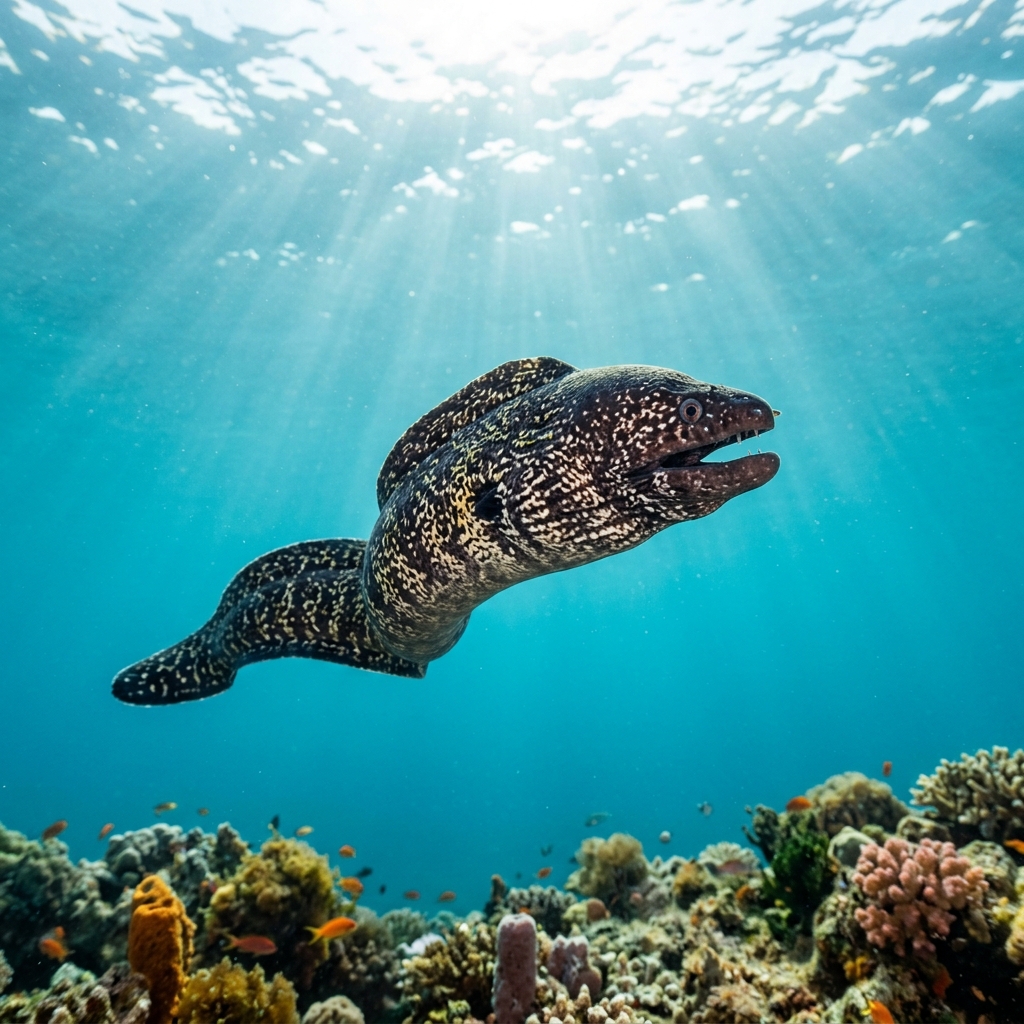
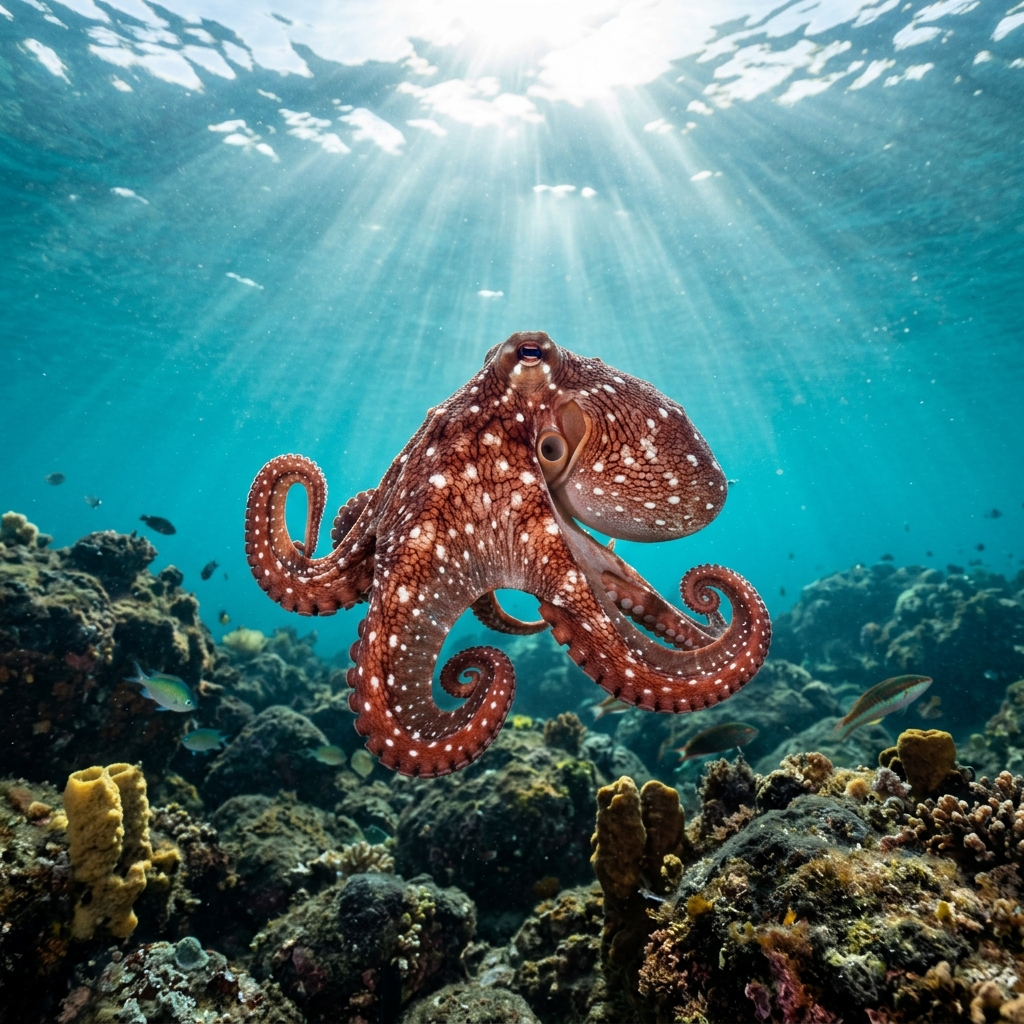
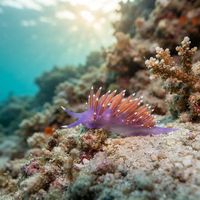
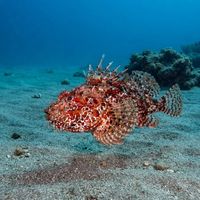
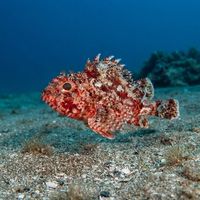
Tossa de Mar is particularly strong for cephalopods: Common Octopus and White-spotted Octopus are observed across nearly all sites, and European Common Cuttlefish is frequently encountered. Mediterranean Moray is a near-constant presence in the reef caves, and both Red Scorpionfish and Small Red Scorpionfish are very commonly seen. Nudibranch enthusiasts will find Cratena Slug, Violet Sea Slug, Diaphorodoris papillata and Flatworm at many sites, and patient divers occasionally spot Seahorse in the seagrass.
Yes, several sites are graded for beginners. Mar Menuda is a shore-entry site offering reef, drop-off and cave features across a wide depth range, making it a practical first dive in the area. Secallins is another accessible option, combining reef and seagrass in moderate depths. Intermediate and advanced sites such as Port Salvi and Sa Bauma are there for those ready to progress.
Both options are available depending on the site. Mar Menuda is one of the most popular shore-entry dives, reached directly from the beach. Cala de Port Salvi also offers shore access alongside boat access. The deeper and more exposed sites, including Port Salvi and Sa Bauma, require a boat, and several operators based in Tossa de Mar run guided trips to these locations.
Tossa de Mar offers a good spread of underwater terrain. Caves and canyon features at Port Salvi reward exploratory diving, while the walls at Cala de Port Salvi suit those who enjoy vertical topography. Seagrass beds at sites like Secallins and Cala de Port Salvi shift the focus toward smaller, slower-moving life including Seahorse and Mediterranean Hermit Crab. The variety means even repeated visits tend to feel different depending on the site chosen.