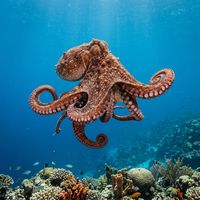
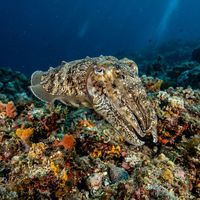
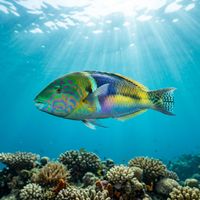
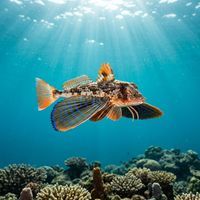
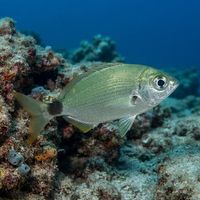
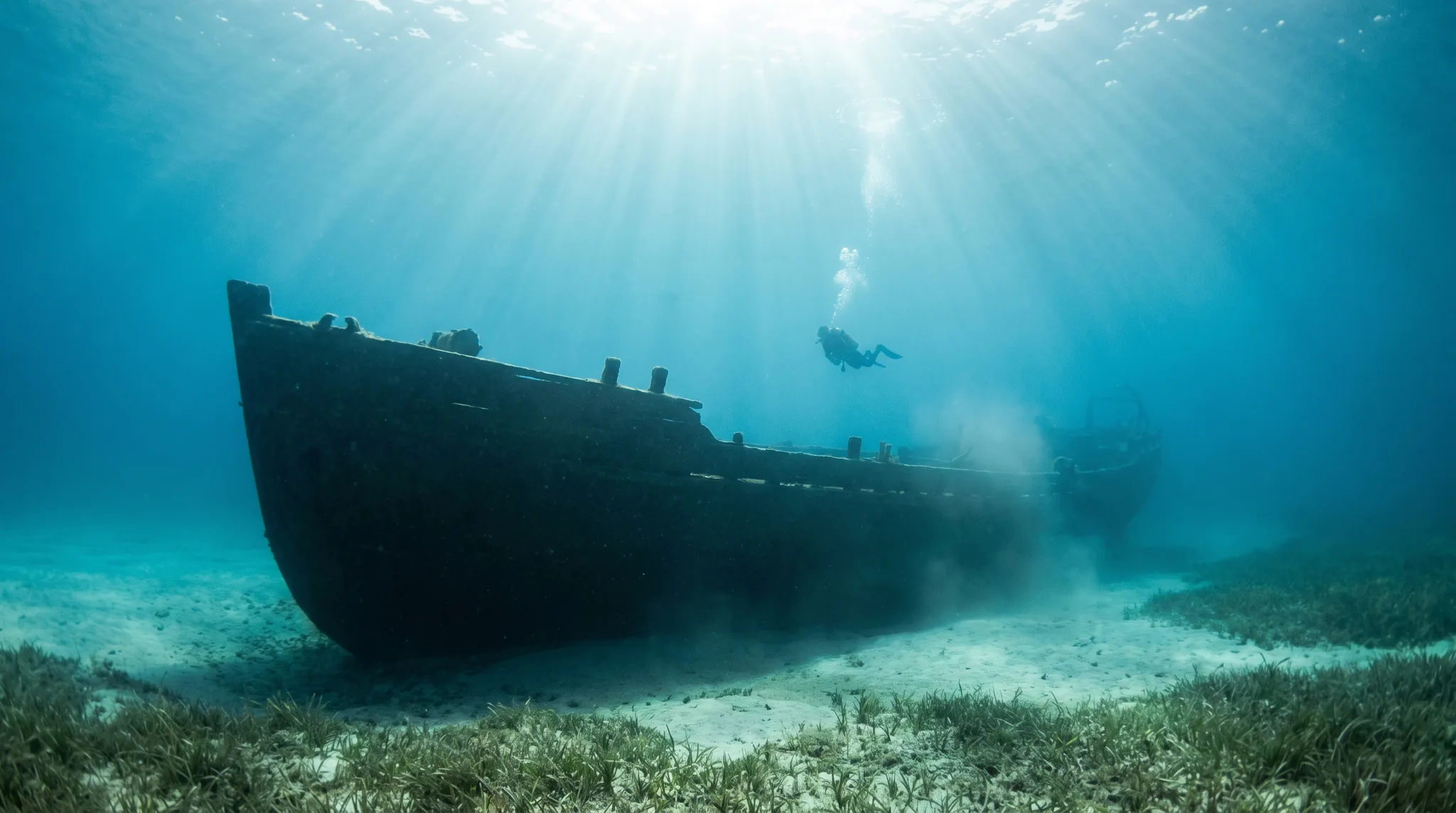
Ibiza's diving centres on caves, walls and reefs, with the Don Pedro wreck standing out as the most ambitious site in the region. North Ibiza and Formentera account for the largest share of sites, while Es Vedrà and the southwest offer dramatic canyon topography at Cañones de Vedranell. The Two-banded Seabream, Painted Comber and Turkish Wrasse are encountered almost everywhere, and the Common Octopus is a near-constant companion across site types.
6 areas
Monthly water temperature across Ibiza's sites, from satellite sea-surface data corrected for depth. The band shows the site-to-site spread.
Water stays cool through winter and into spring, warming steadily from May onward and peaking in late summer. The warmest months draw the most visitor activity, but late spring and autumn offer a quieter experience with still-comfortable temperatures. Winter diving remains feasible for those willing to suit up appropriately, though conditions are at their most bracing.
21 operators

Santa Eularia des Riu, Spain
66 more sites to explore
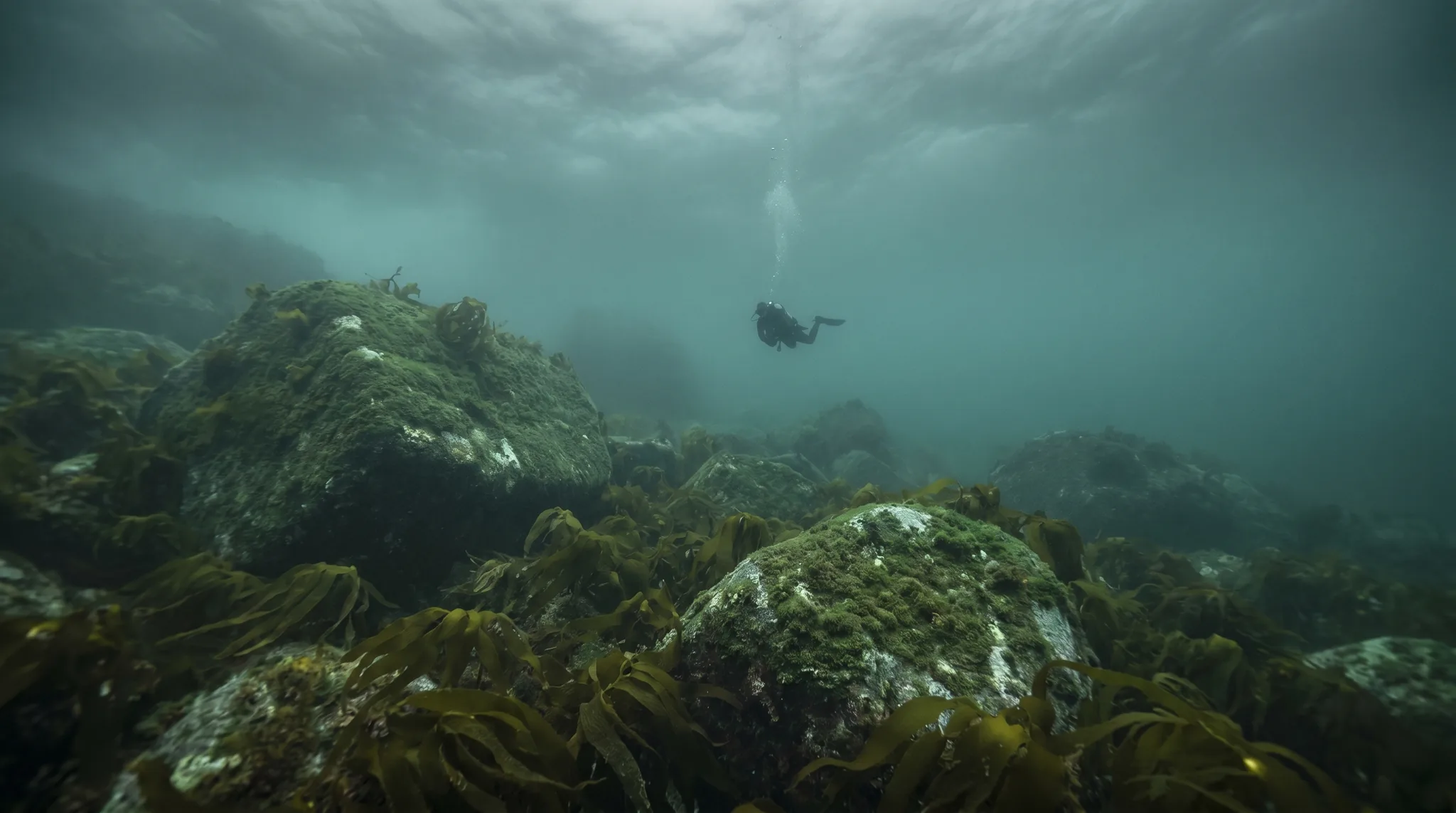
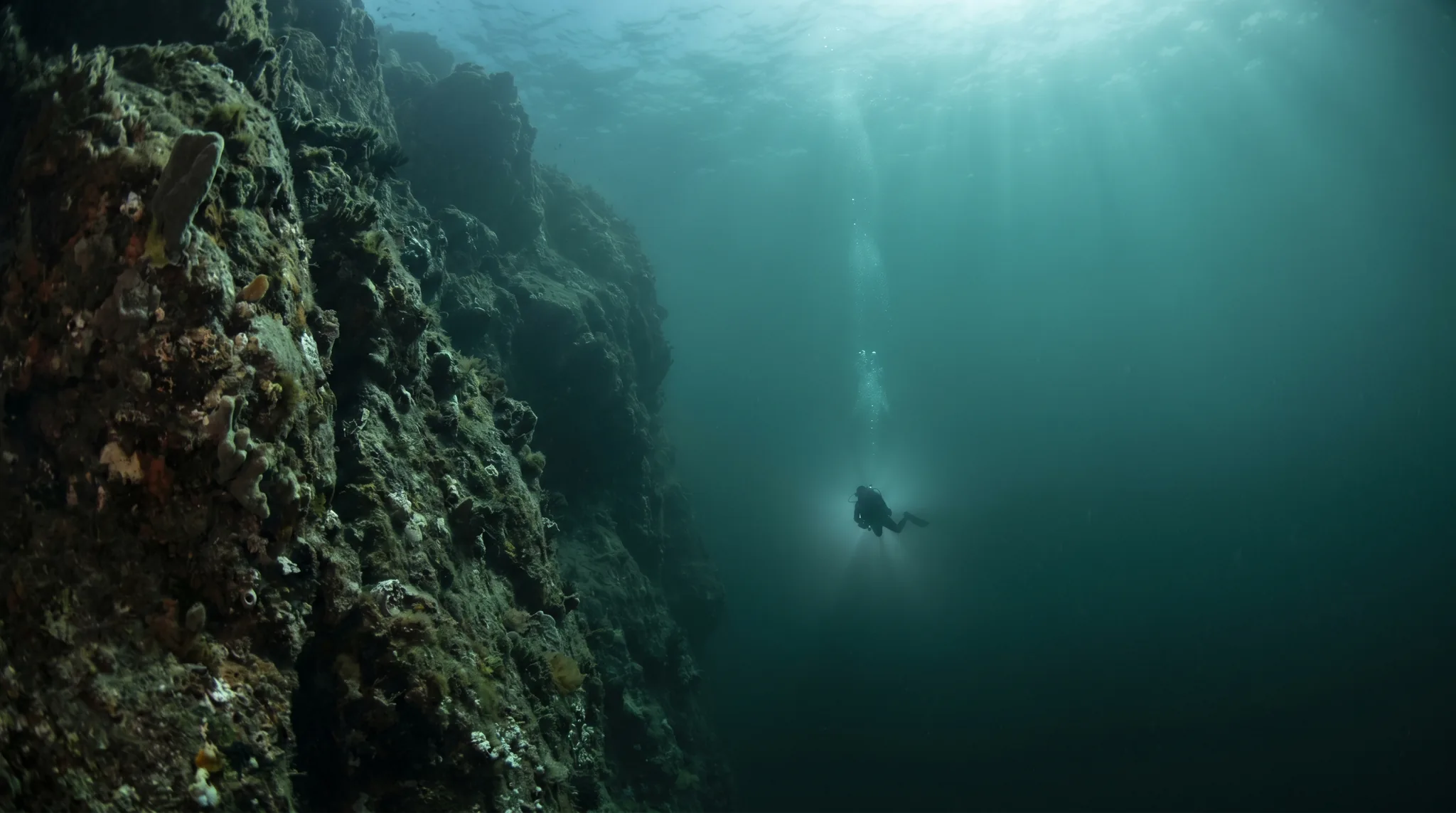
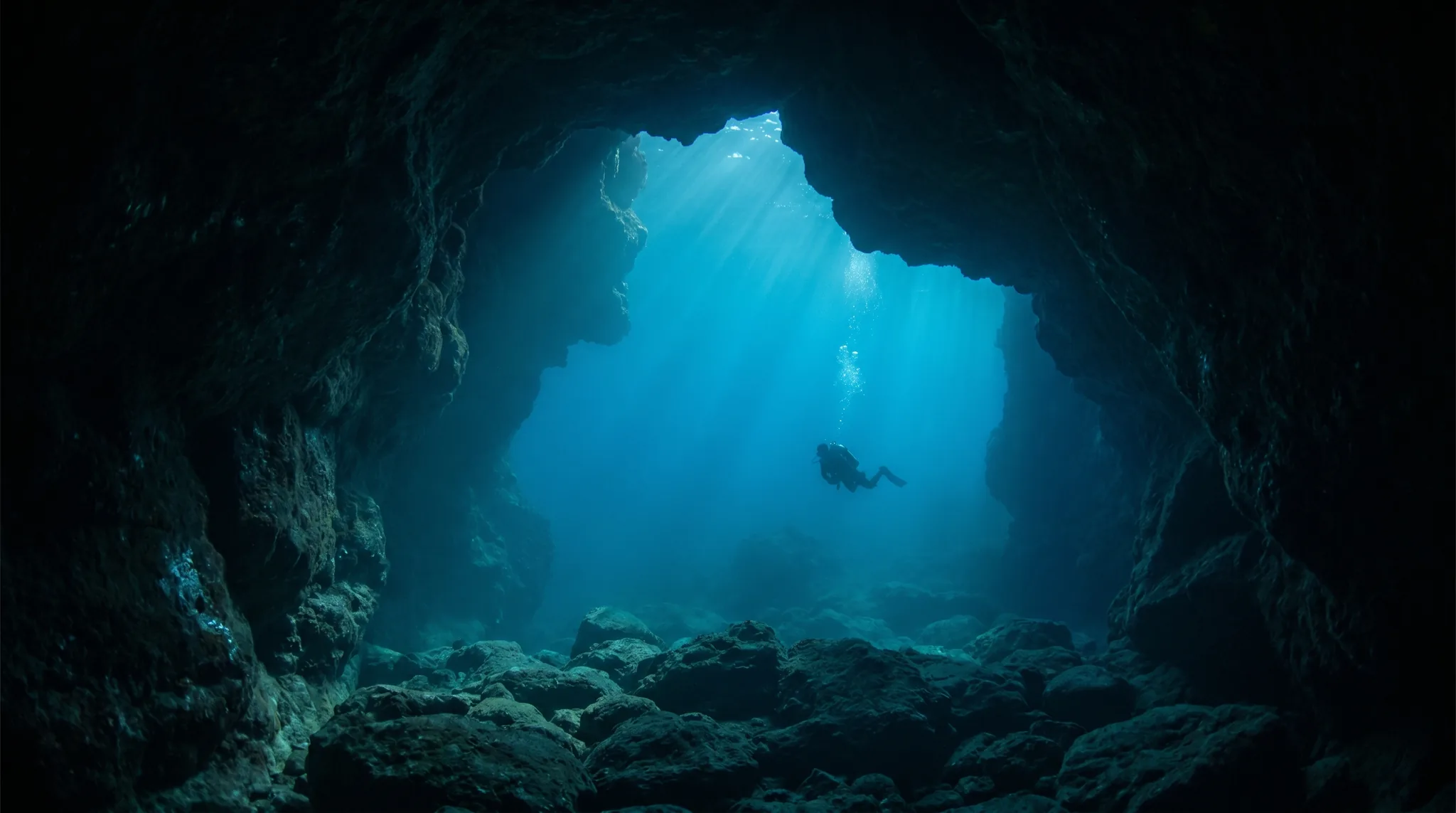
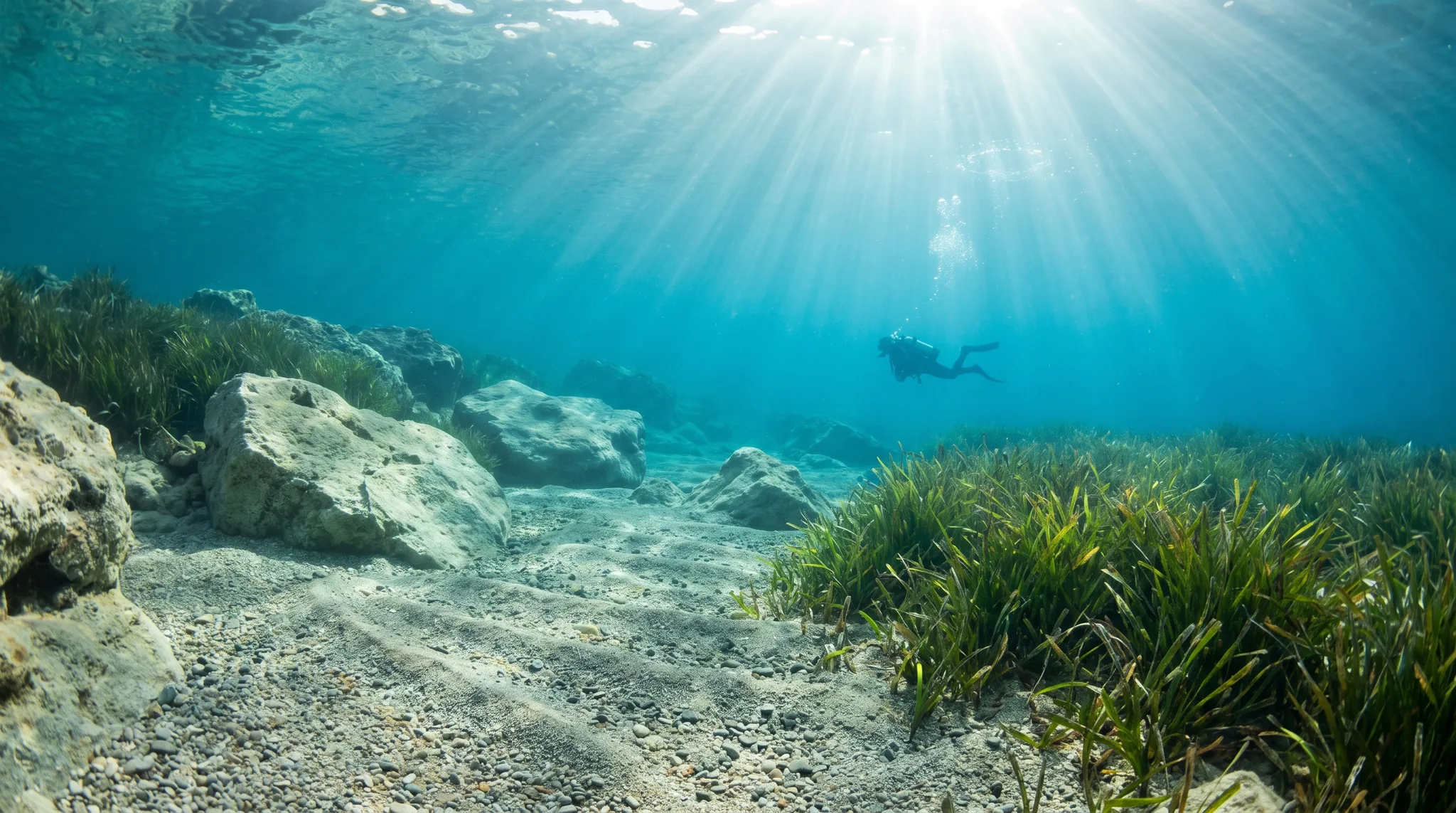
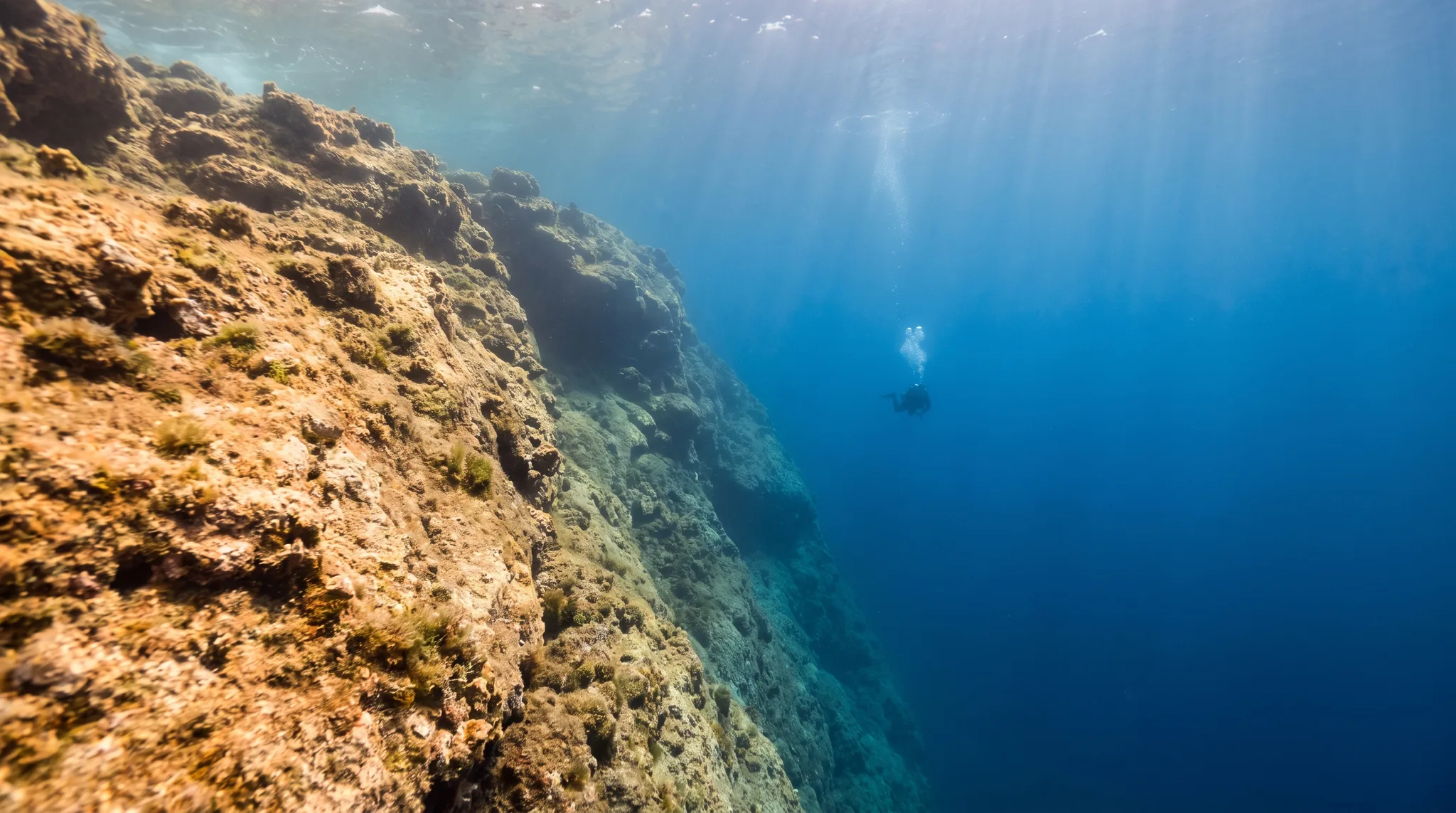
Cave systems, walls, and reef ridges define North Ibiza's diving, with consistent reef fish life throughout.
Water temperature around Ibiza ranges from about 15°C in January to 23°C in August, based on satellite sea-temperature data for its dive sites.
In the warm season (about 23°C) a 3mm full suit is comfortable in Ibiza; in the coldest months (about 15°C) step up to a 7mm or semi-dry suit.
Fin maps 78 sites in Ibiza (72 scuba diving sites and 15 snorkelling spots, with some suited to both), organised into 6 areas.
Across Ibiza's dive sites, May, June, September and October are most often reported as the best months to visit.
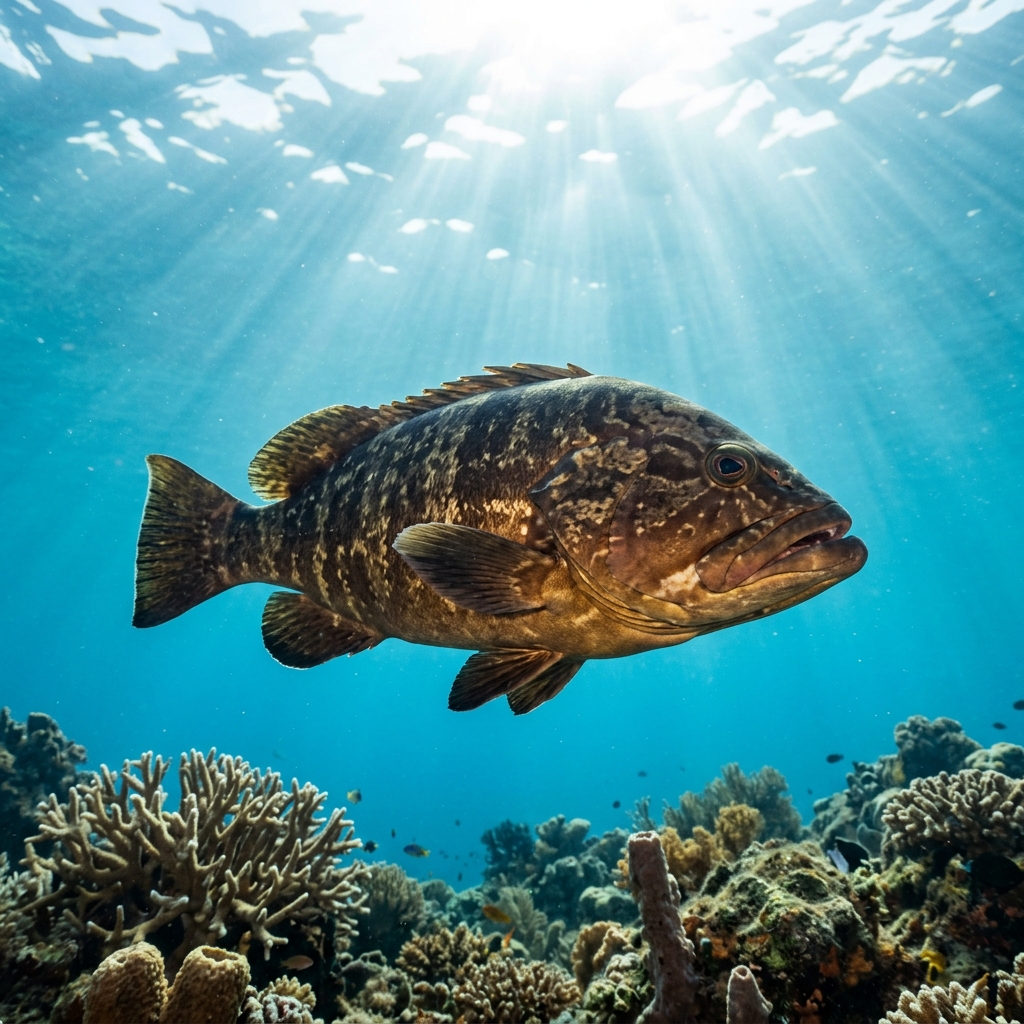
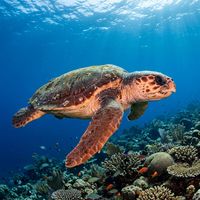
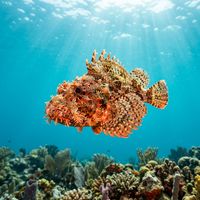
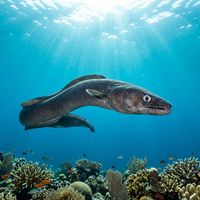
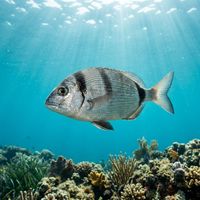
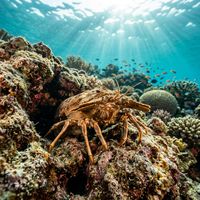
The most reliably encountered species include the Common Octopus, Two-banded Seabream, Painted Comber and Turkish Wrasse, all observed across a wide range of sites. The Dusky Grouper, Conger Eel, Slipper Lobster and Scorpionfish are common on reef and wall sites. The Loggerhead Sea Turtle and Great Barracuda appear occasionally, making them a real highlight when spotted.
A number of sites are rated beginner level, including Ses Formigues, Bajo de las Xelles and Llosa de Santa Eulària, all of which offer reef and wall topography at manageable depths. Intermediate sites make up the majority of the region, while the Don Pedro wreck is reserved for advanced divers. Beginners can make good use of operators such as Sea Horse Scuba Diving Centre and Diving Center Cala Pada.
North Ibiza has the greatest concentration of sites and includes the cave-heavy clusters around Punta Xarraco as well as the Don Pedro wreck. Formentera offers a separate island experience with its own reef and wall diving. Es Vedrà and the southwest lean toward dramatic canyon and wall topography at sites like Cañones de Vedranell, while Santa Eulària and San Antonio provide a mix of reef, wall and accessible beginner sites.
The majority of sites in Ibiza are boat-access only, reflecting the offshore nature of many reefs, walls and caves. A handful of sites, including Cueva de la Luz and the Arches of Cala Olivera, can also be reached from shore. Local operators such as Scuba Ibiza Diving Center and Diving Center La Mola run boat trips to the full range of sites across the region.