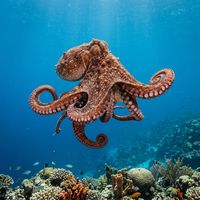
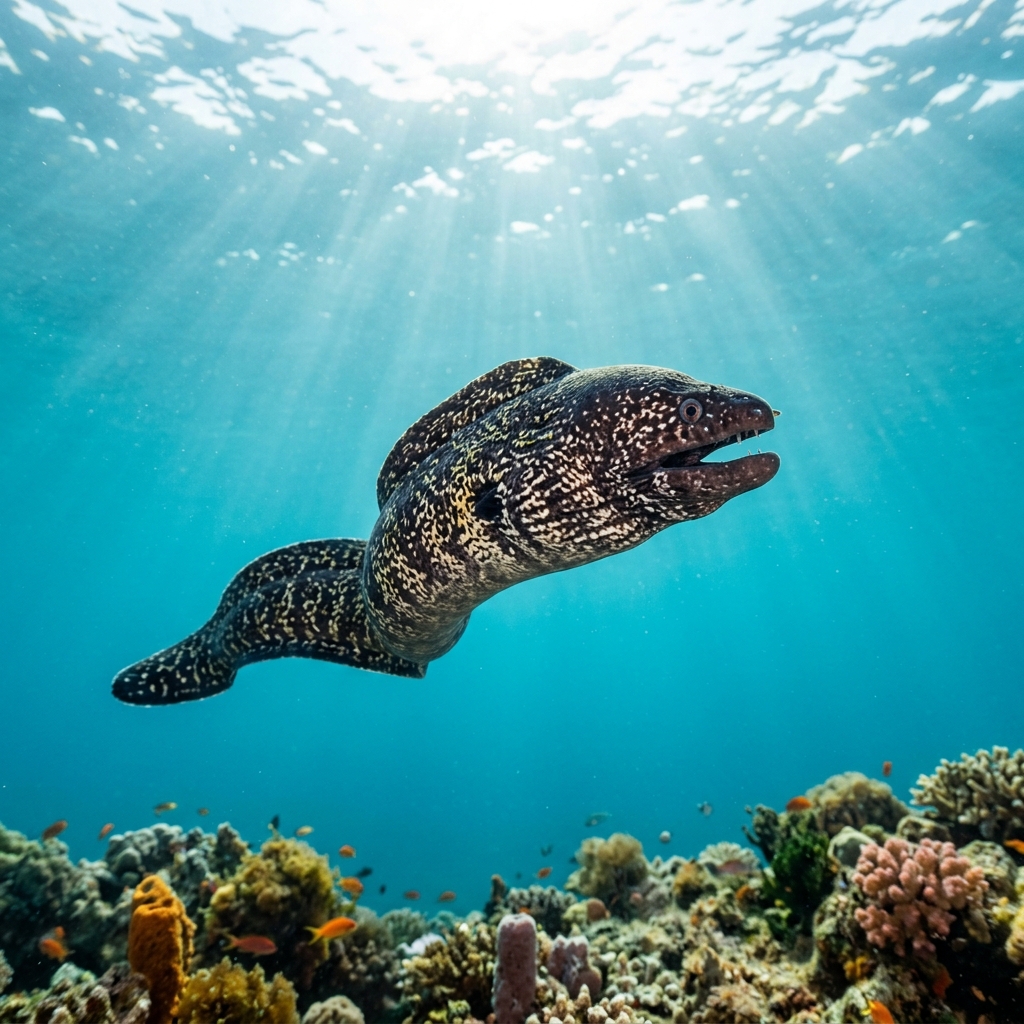
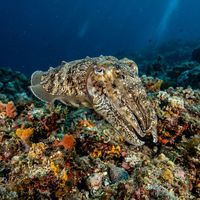
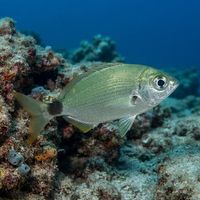
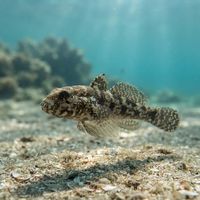
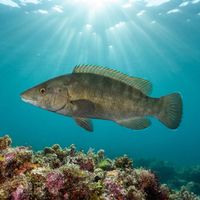
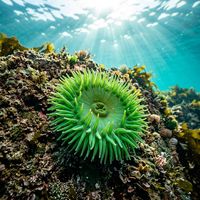
The Vermilion Coast divides its diving between Banyuls-sur-Mer and Cerbère, two sub-areas that together cover rocky reefs, seagrass meadows, artificial structures, wrecks, walls, canyons and a deep flooded karst cave at Font Estramar. Most sites suit beginners and intermediates, though Font Estramar demands full technical preparation. Cephalopods define the marine life here: Common Octopus, European Common Cuttlefish and Mediterranean Moray are consistently observed across sites, joined by Scorpionfish, Tompot Blenny and Striped Red Mullet on almost every dive.
2 areas
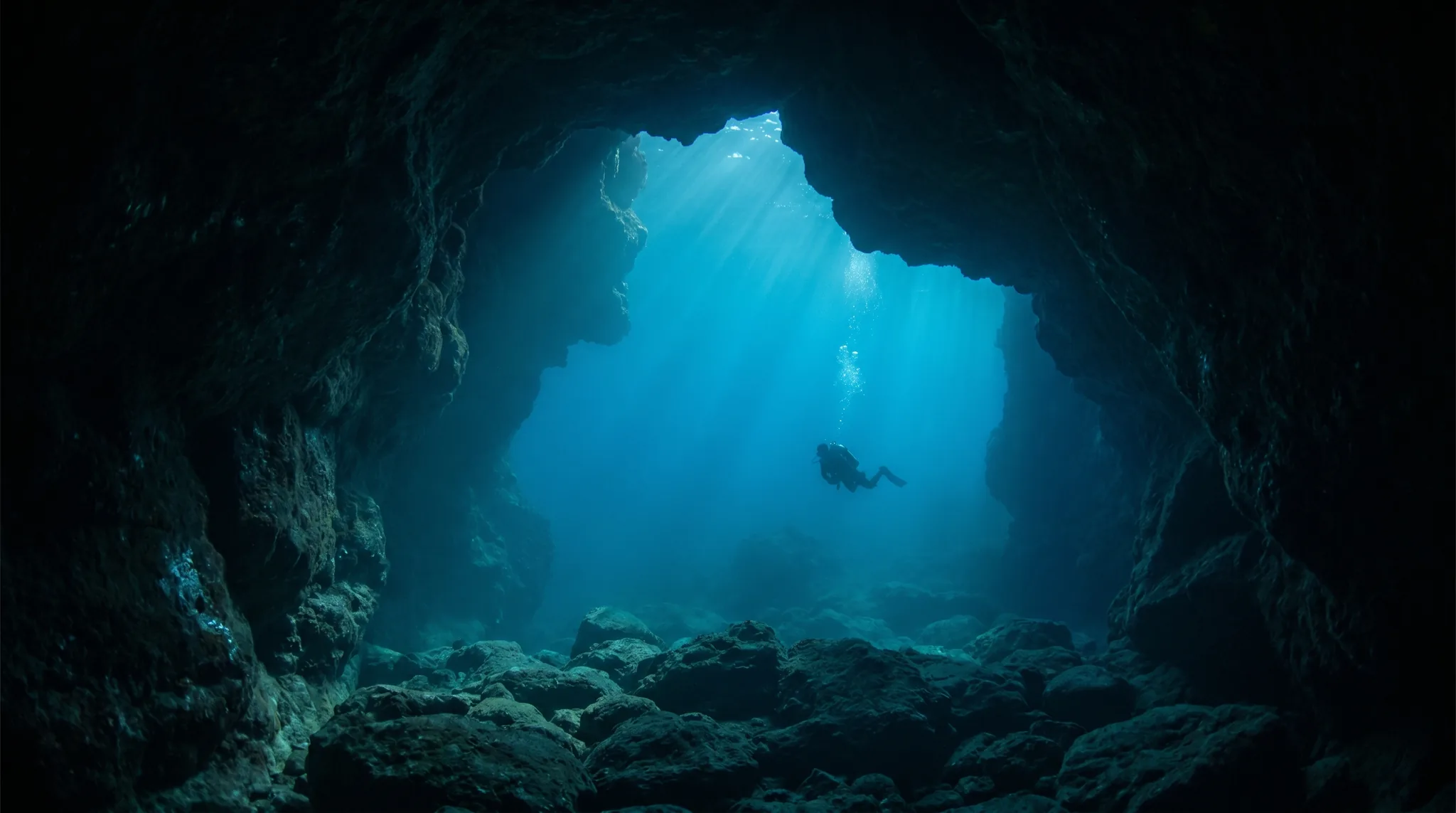
Monthly water temperature across Vermilion Coast's sites, from satellite sea-surface data corrected for depth. The band shows the site-to-site spread.
Water stays cool from winter into spring, warming steadily from May onward and peaking in summer before easing back through autumn. The warmest months draw the most diver activity, and conditions are generally calmer in summer. Some exposed sites around Cap Béar and Ile Canadell can carry moderate currents, so checking conditions before boat dives is advisable.
39 operators
35 more sites to explore
A varied mix of artificial reefs, natural caves and a legendary karst spring, with Common Octopus and Mediterranean Moray among the signature sightings.
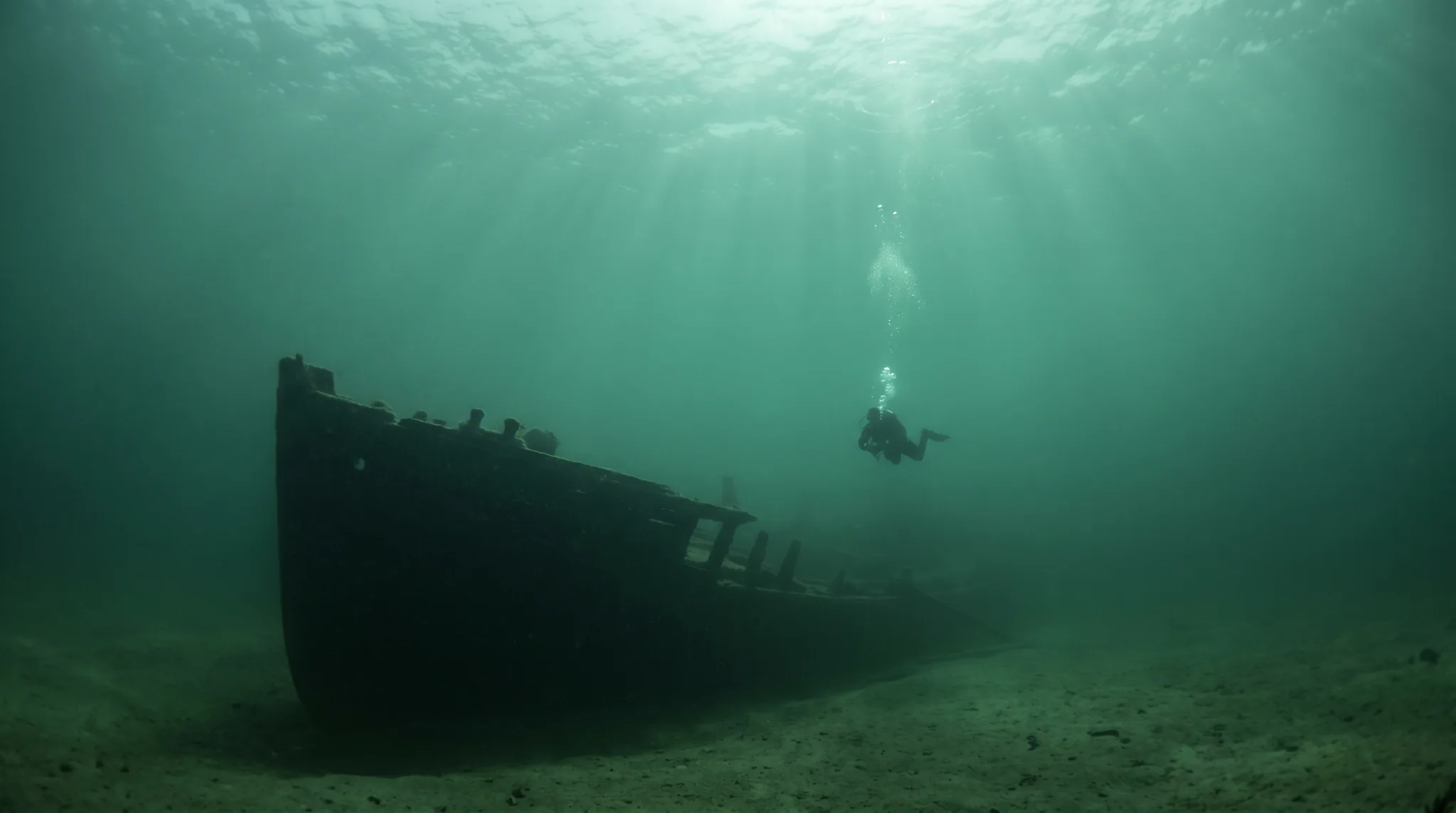
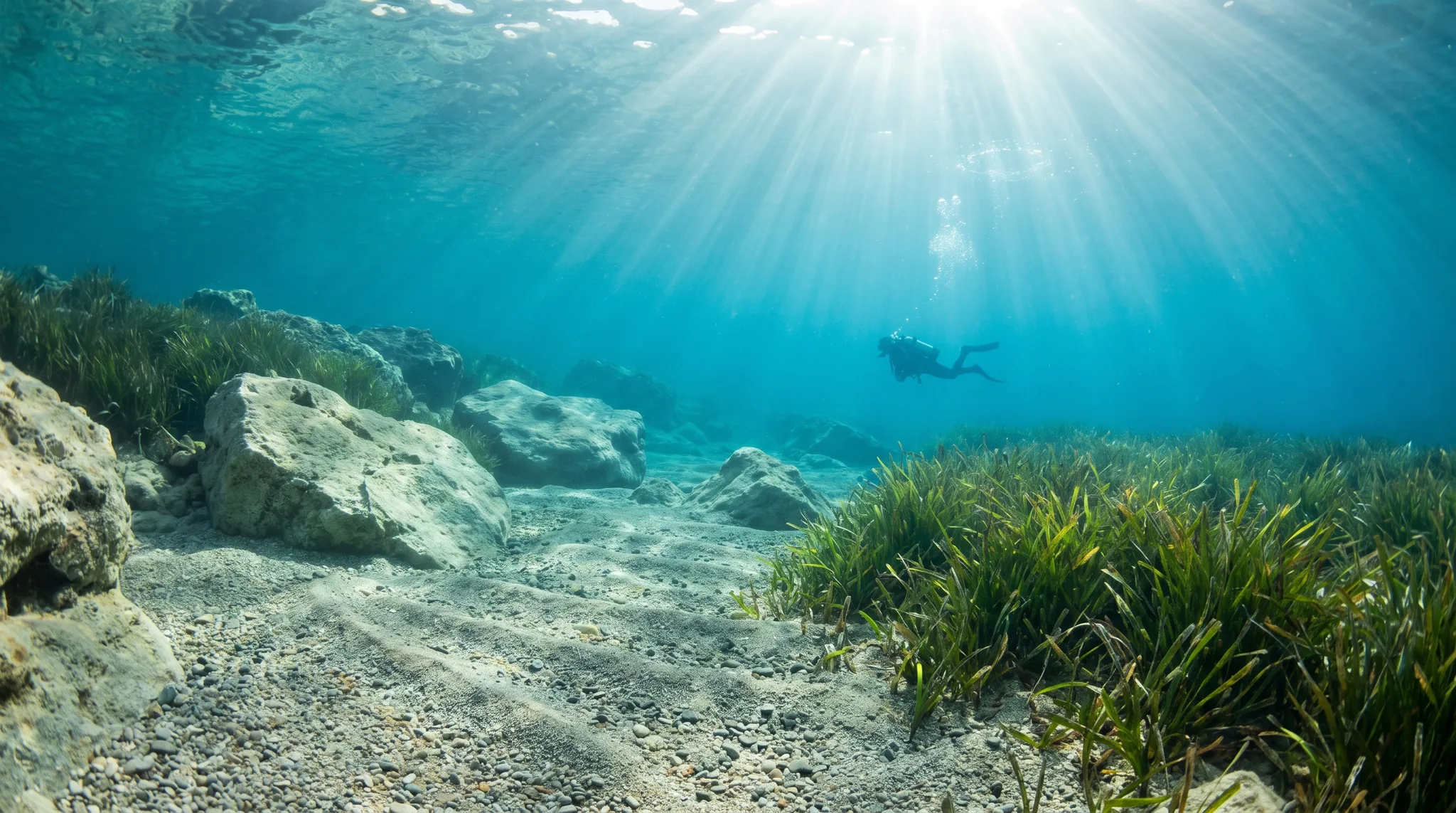
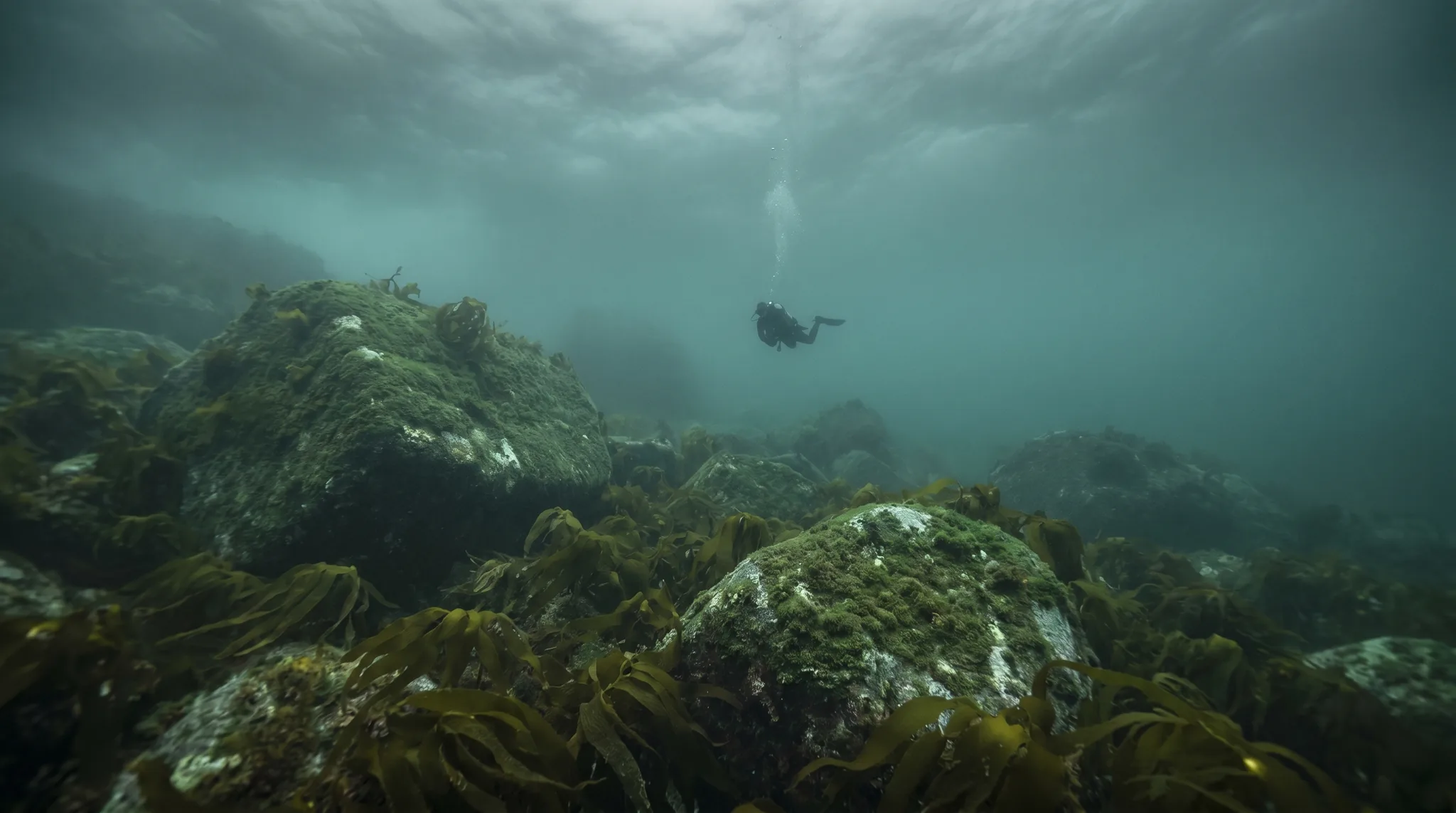
Water temperature around Vermilion Coast ranges from about 13°C in January to 20°C in July, based on satellite sea-temperature data for its dive sites.
In the warm season (about 20°C) a 5mm suit is comfortable in Vermilion Coast; in the coldest months (about 13°C) step up to a 7mm or semi-dry suit.
Fin maps 47 sites in Vermilion Coast (41 scuba diving sites and 8 snorkelling spots, with some suited to both), organised into 2 areas.
Across Vermilion Coast's dive sites, May, June, July, August and September are most often reported as the best months to visit.
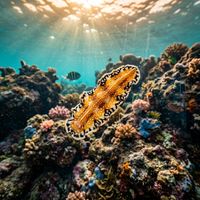
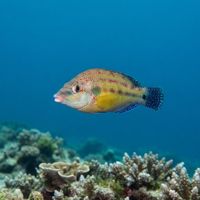
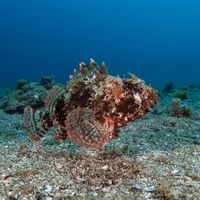
The region's signature species are Common Octopus, White-spotted Octopus, European Common Cuttlefish and Mediterranean Moray, all observation-backed across many sites. Scorpionfish, Tompot Blenny, Comber, Painted Comber and Striped Red Mullet are encountered on the vast majority of dives. Conger Eel, Hermit Crab and Sea Star round out the mix on reef and artificial structures.
A good portion of the sites are rated beginner, including shore entries at Digue Barcares and Les Tignes in Cerbère, and boat sites such as Les Amas and Cap Bear. Shallow artificial reefs and calm reef sites give new divers plenty of options before progressing to deeper walls and canyons. Font Estramar is the clear exception, reserved for technical divers only.
Banyuls-sur-Mer hosts the majority of artificial reef sites, the wreck of L'Alice-Robert, and the technical cave at Font Estramar, giving it the widest range of site types. Cerbère offers rocky reef diving in a calmer setting, with beginner-friendly sites like Les Tignes alongside the protected seagrass and reef landscape of Réserve Marine Banyuls-cerbère. Both sub-areas have roughly equal numbers of sites overall.
Access is split between shore entries and boat departures, with several sites offering both. Shore diving is available at Digue Barcares, Font Estramar and Réserve Marine Banyuls-cerbère, while most deeper reef, wall and wreck sites require a boat. Operators including Aloès Plongée, Plongée Cap Cerbère, Archipel Plongée, Aquatile Plongée and Octopus Diving Center are among those serving the area.