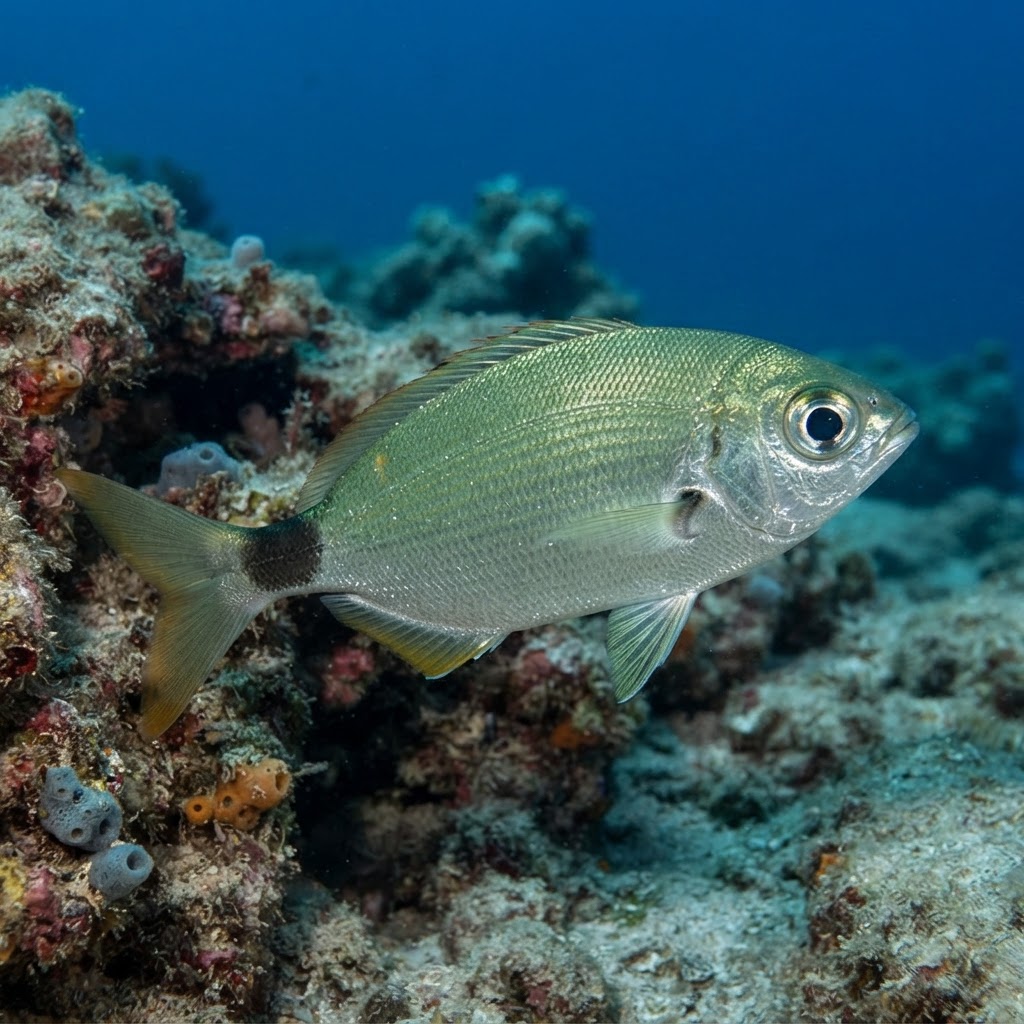
Oblada melanurus
A common Mediterranean reef fish spotted year-round from Catalonia to the Kvarner, with a bold black tail-base spot for easy ID.
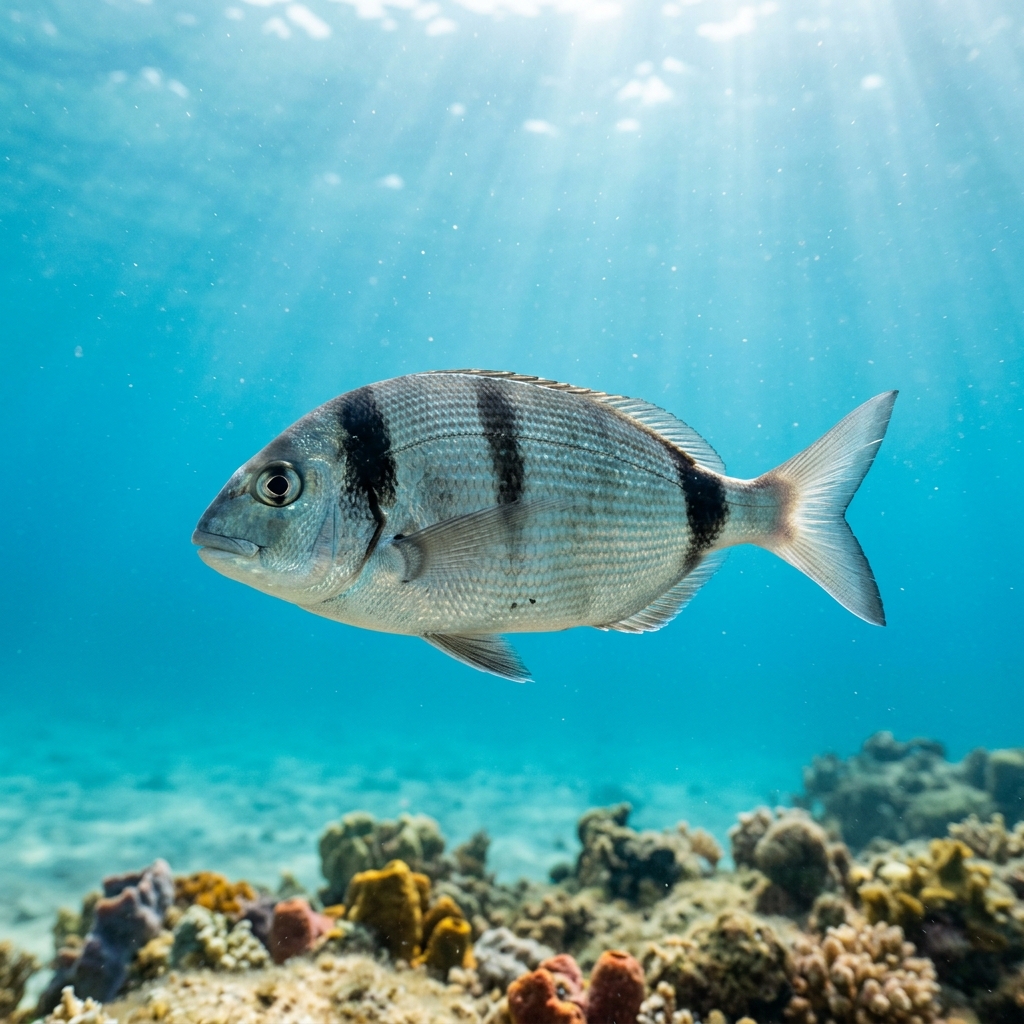
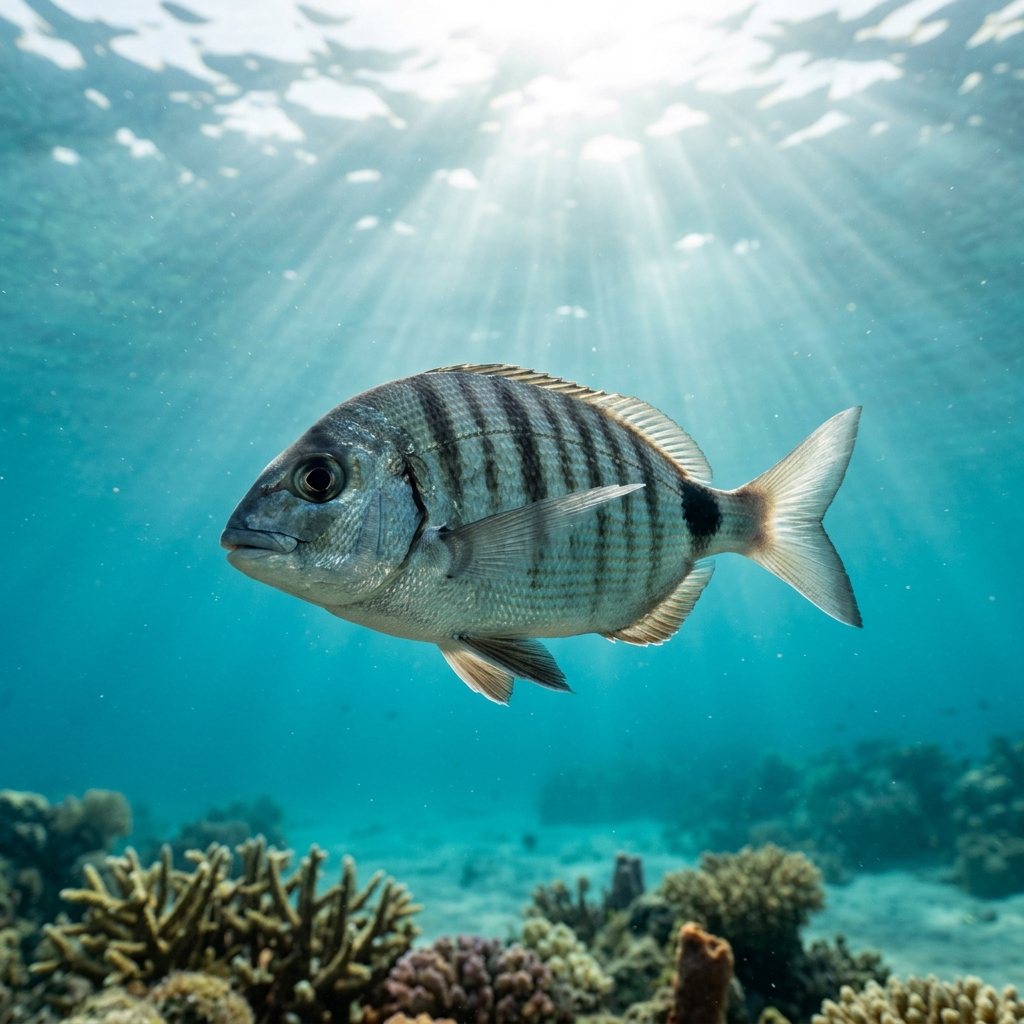
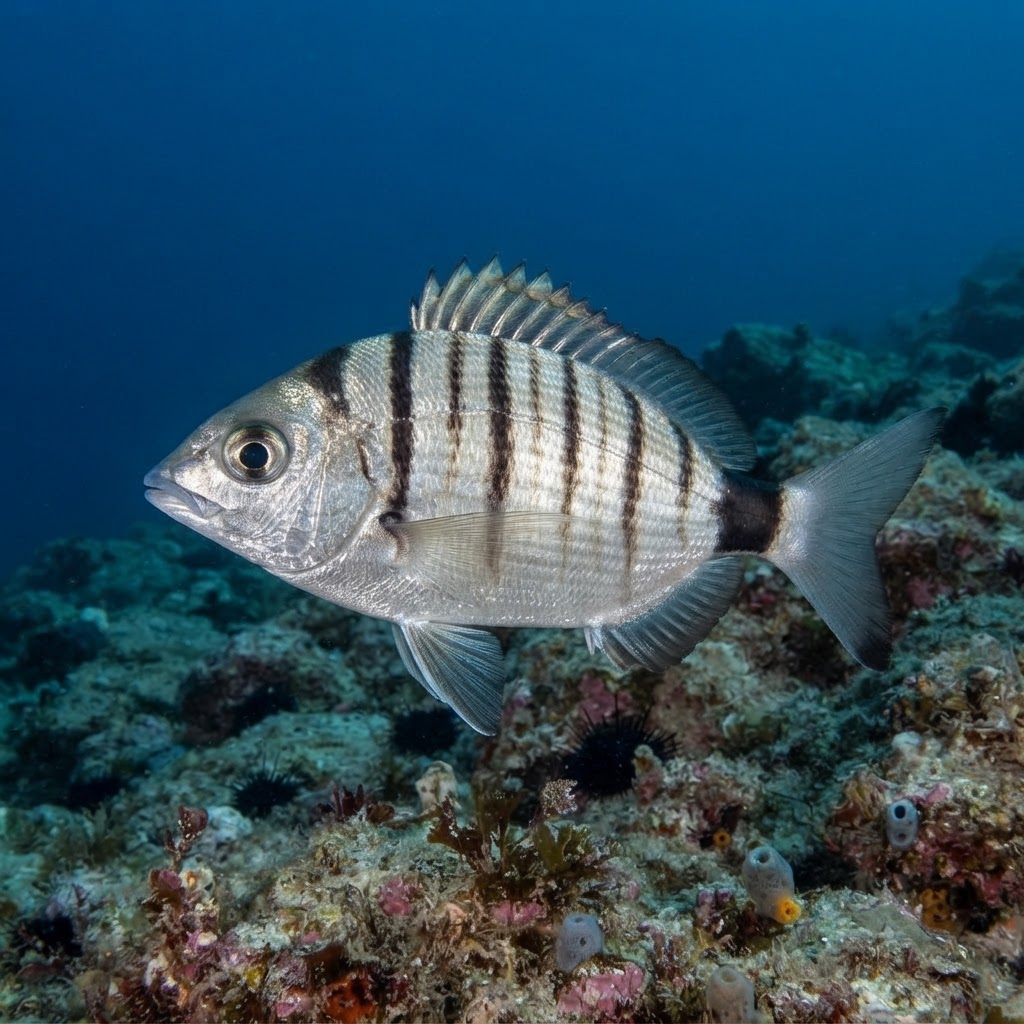
Silvery-grey and slender, growing to around 25 cm, with a body shape typical of sea breams. The single clearest mark is a bold black blotch straddling the base of the tail, looking almost like a saddle slipped down onto the caudal fin. Thin dark lines run along the upper body, and the tail fin itself is dark-edged, which helps separate it from paler, unmarked bream at a glance.
Usually seen cruising in loose, mixed schools over rocky reef and seagrass edges, often mingling with other bream and picarel rather than sticking to their own kind. They are relaxed around divers, holding steady mid-water or hovering near reef structure rather than bolting, which makes them an easy, reliable subject on a Mediterranean dive. Most sightings are logged as uncommon to common, so expect to spot a few rather than a single fish or a huge wall of them.
That black tail-base spot is thought to work as a decoy eye, drawing a predator's strike toward the tail rather than the head, giving the fish a better chance to escape.
Sightings show no strong seasonal pattern, and with a comfortable range of roughly 18 to 28 C it is logged across the year on Mediterranean reefs. Divers can reasonably expect encounters in any season rather than planning a trip around a particular month.
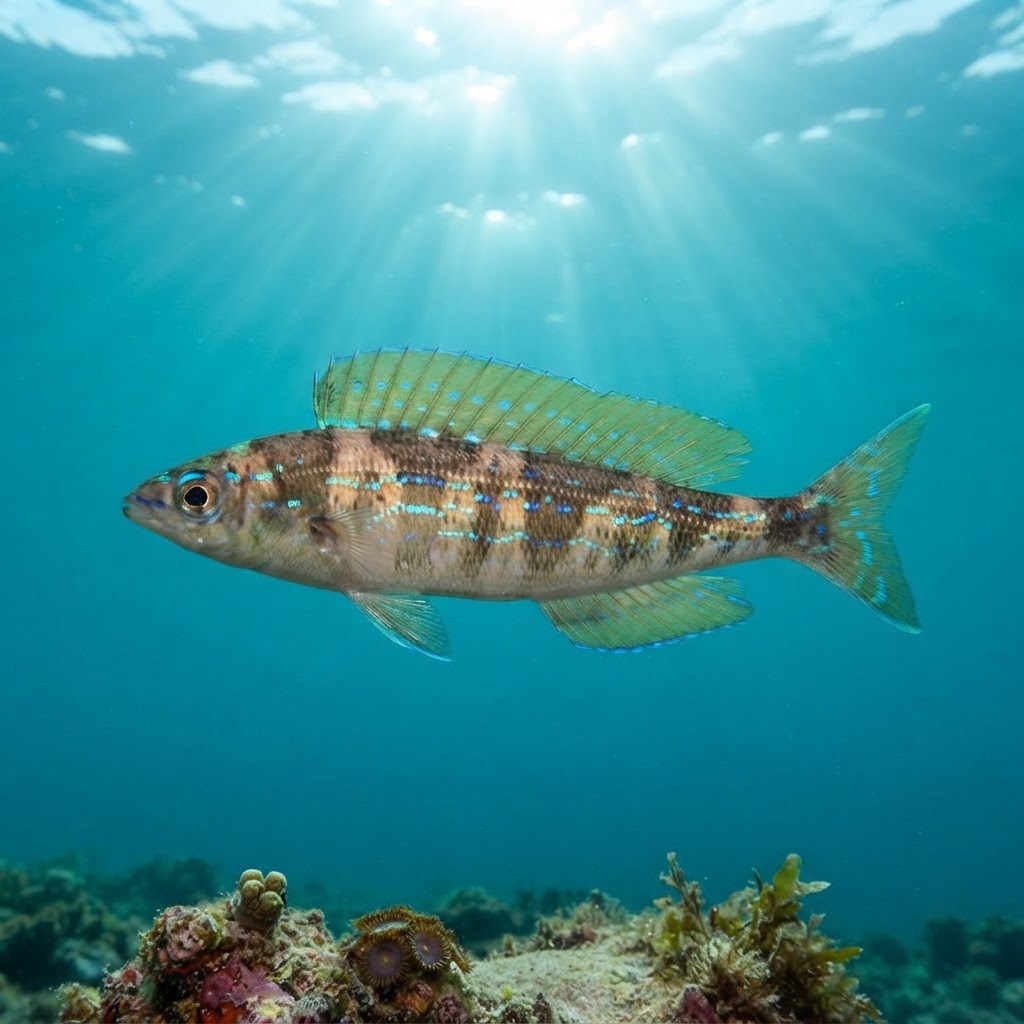
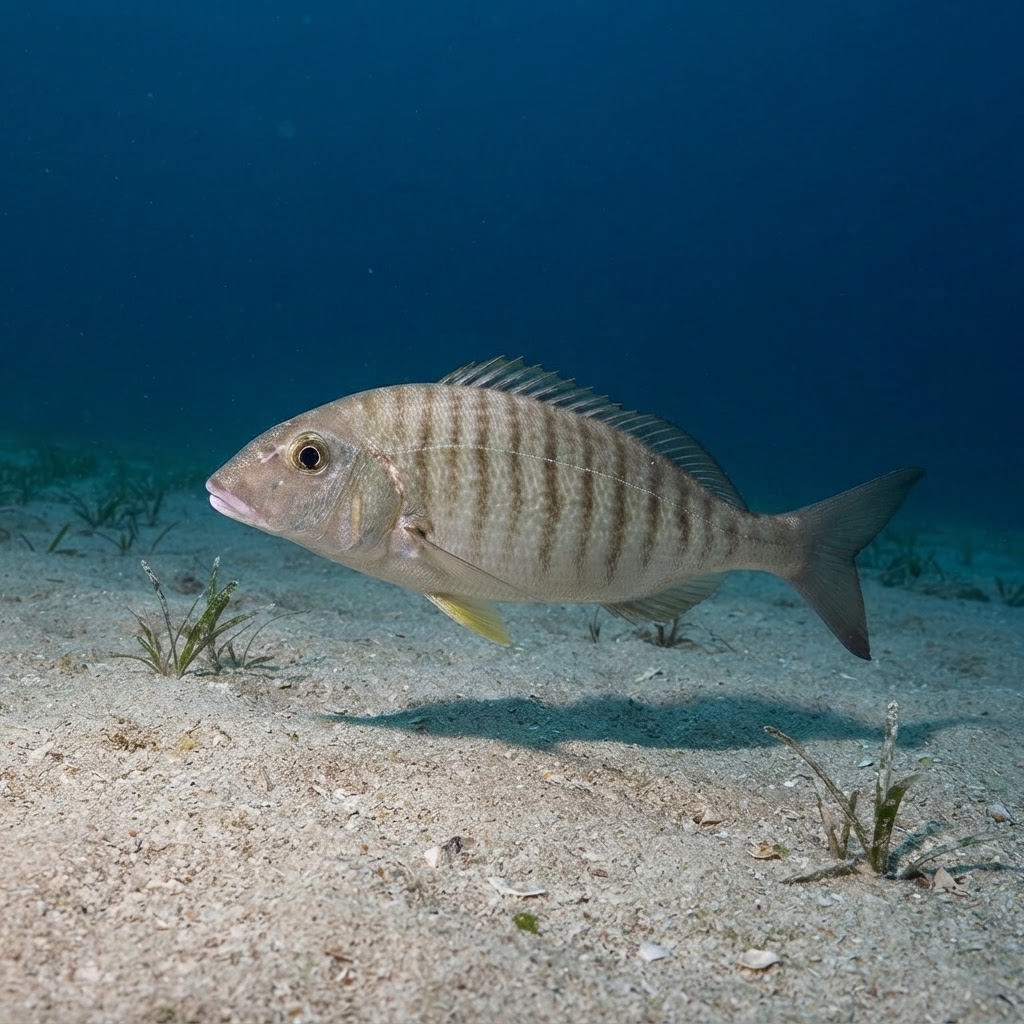
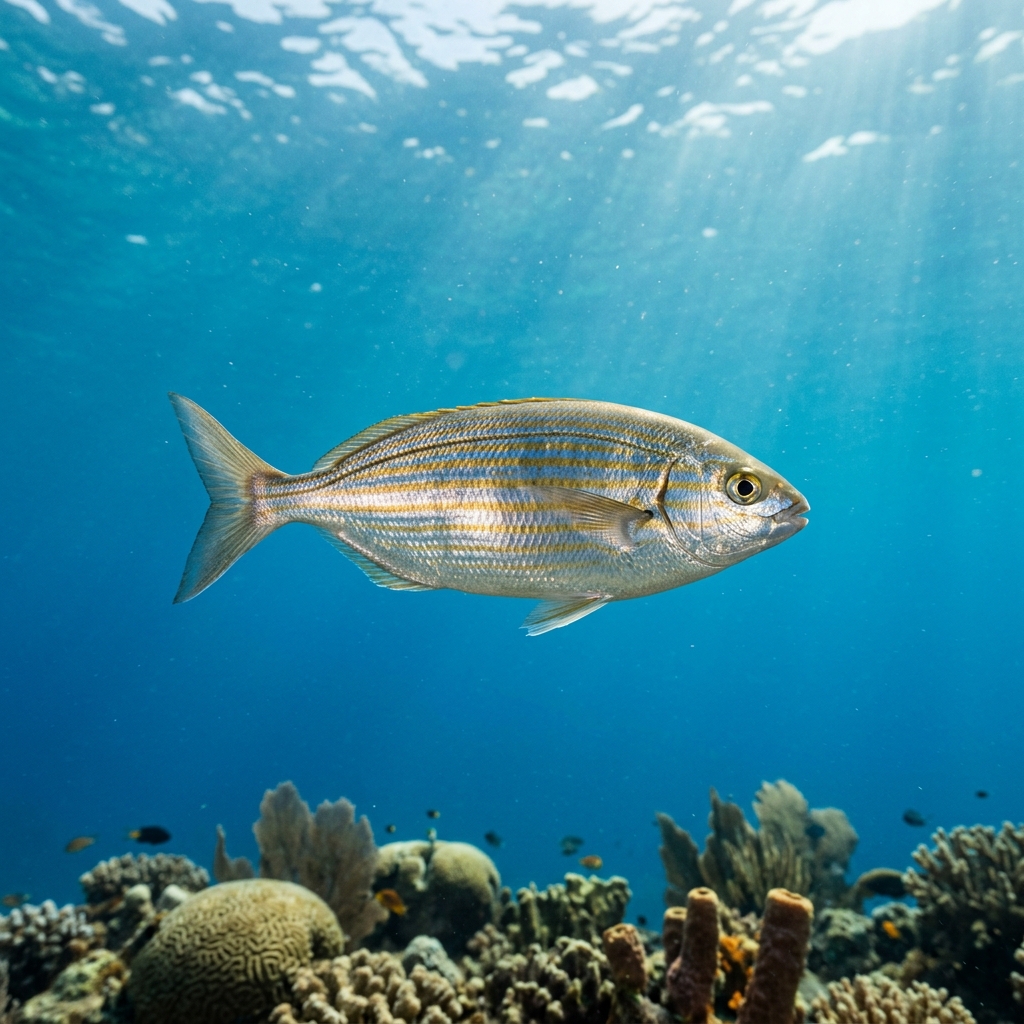
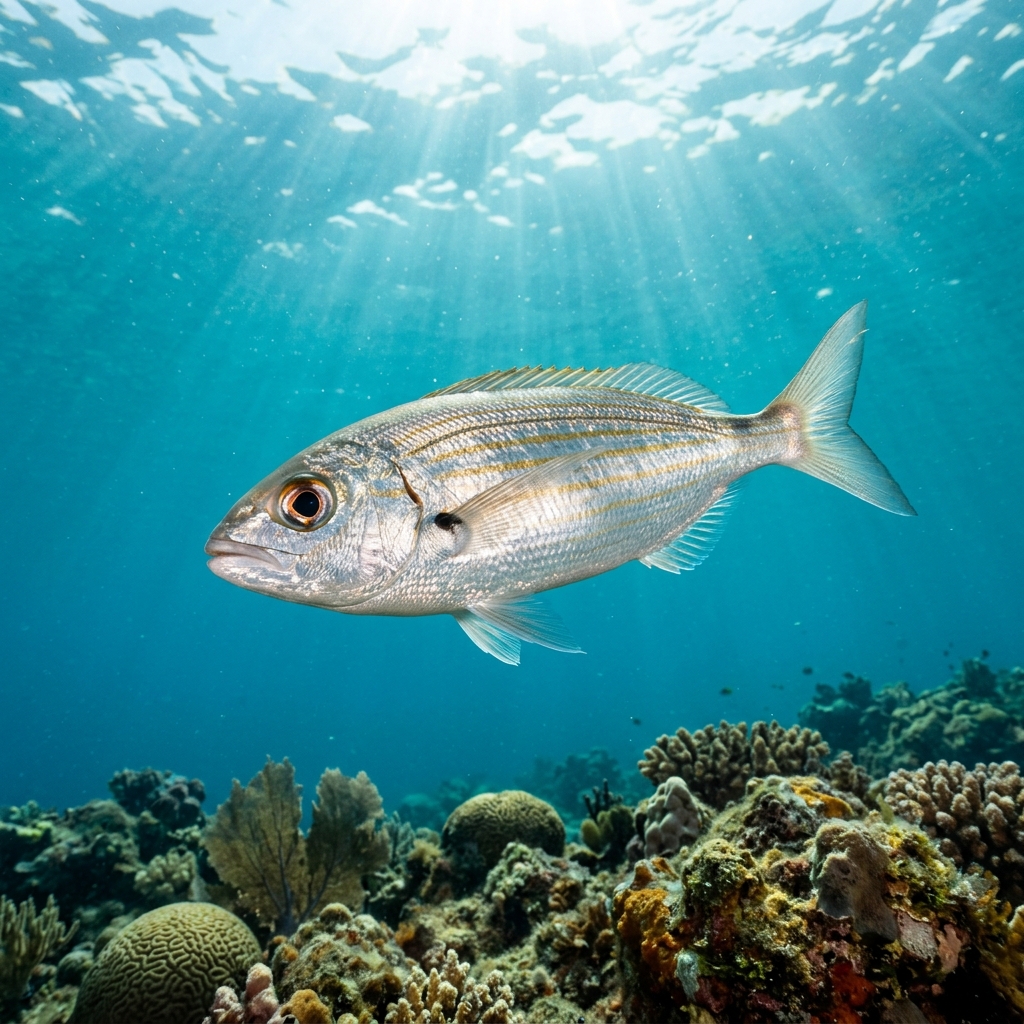
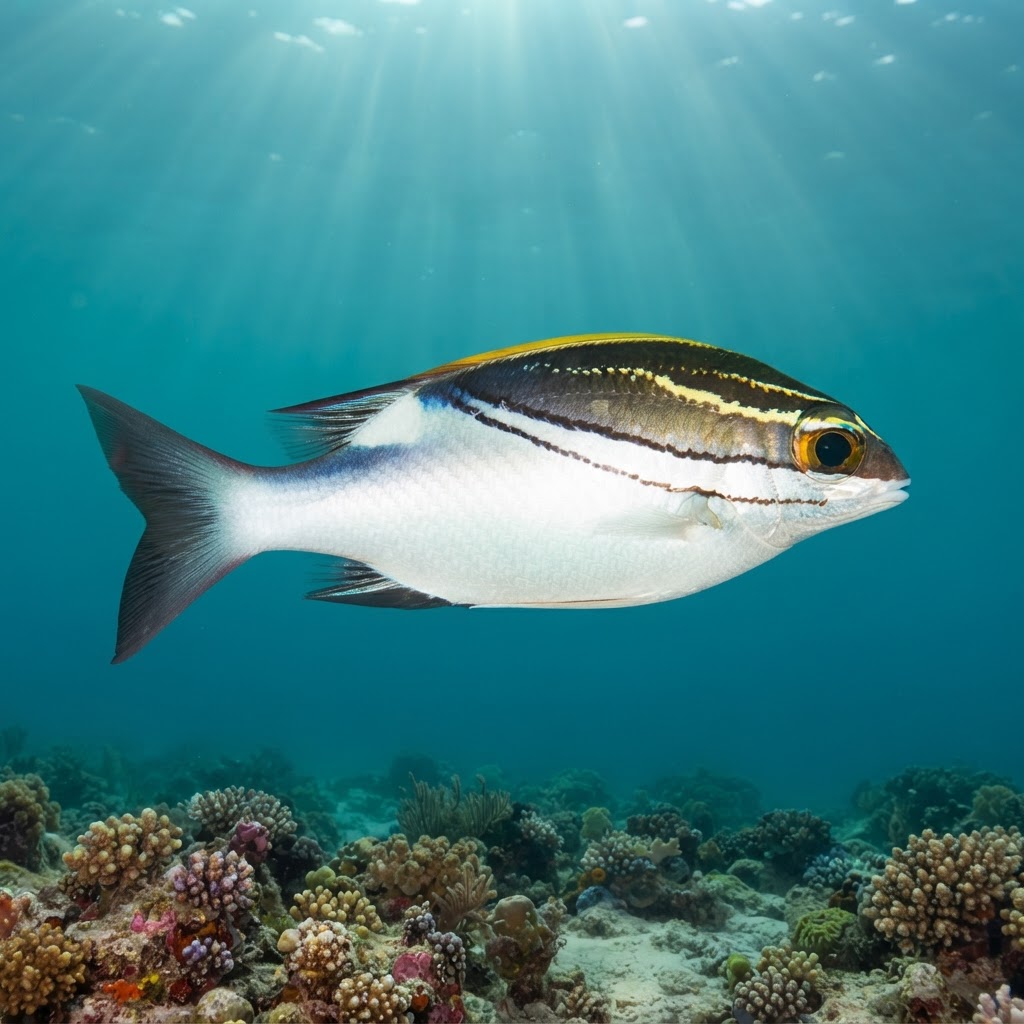
Reef neighbours a diver could mistake it for. Use the identification notes above to tell them apart.
This is a mainstay of Mediterranean diving, most often logged in Spain, France, Italy and Croatia, with strong numbers also reported from Greece, the Canary Islands, Malta and Turkey. Within those countries it turns up especially often along the French Riviera and Provence, in Catalonia and the Balearic Islands, around Croatia's Kvarner region, and off Liguria and the Ionian Islands.
Mapping where Saddled Bream is logged…
It is a common sight across the Mediterranean, particularly around the French Riviera and Provence, Catalonia and the Balearic Islands in Spain, Croatia's Kvarner region, and Liguria in Italy. It also turns up reliably in Greece, the Canary Islands, Malta and Turkey.
There is no strong season for this species, so it is seen year-round on Mediterranean reefs. Its comfortable temperature range of roughly 18 to 28 C keeps it present through both summer and cooler months.
Look for a slim, silvery-grey bream around 25 cm long with a bold black blotch sitting right at the base of the tail fin, almost like a saddle. Thin dark stripes along the upper body and a dark-edged tail help confirm the ID against similar-looking bream.
They typically reach around 25 cm in length, making them a mid-sized, easily photographed reef fish rather than a giant of the bream family.
The dark blotch at the base of the tail is thought to act as a false eye, tricking predators into striking at the tail end instead of the head. It's the single easiest feature for divers to key on when identifying this fish.
Site and sighting data is aggregated from diver logs, iNaturalist and GBIF. For taxonomy and conservation status:
Bogue
2,853 sites