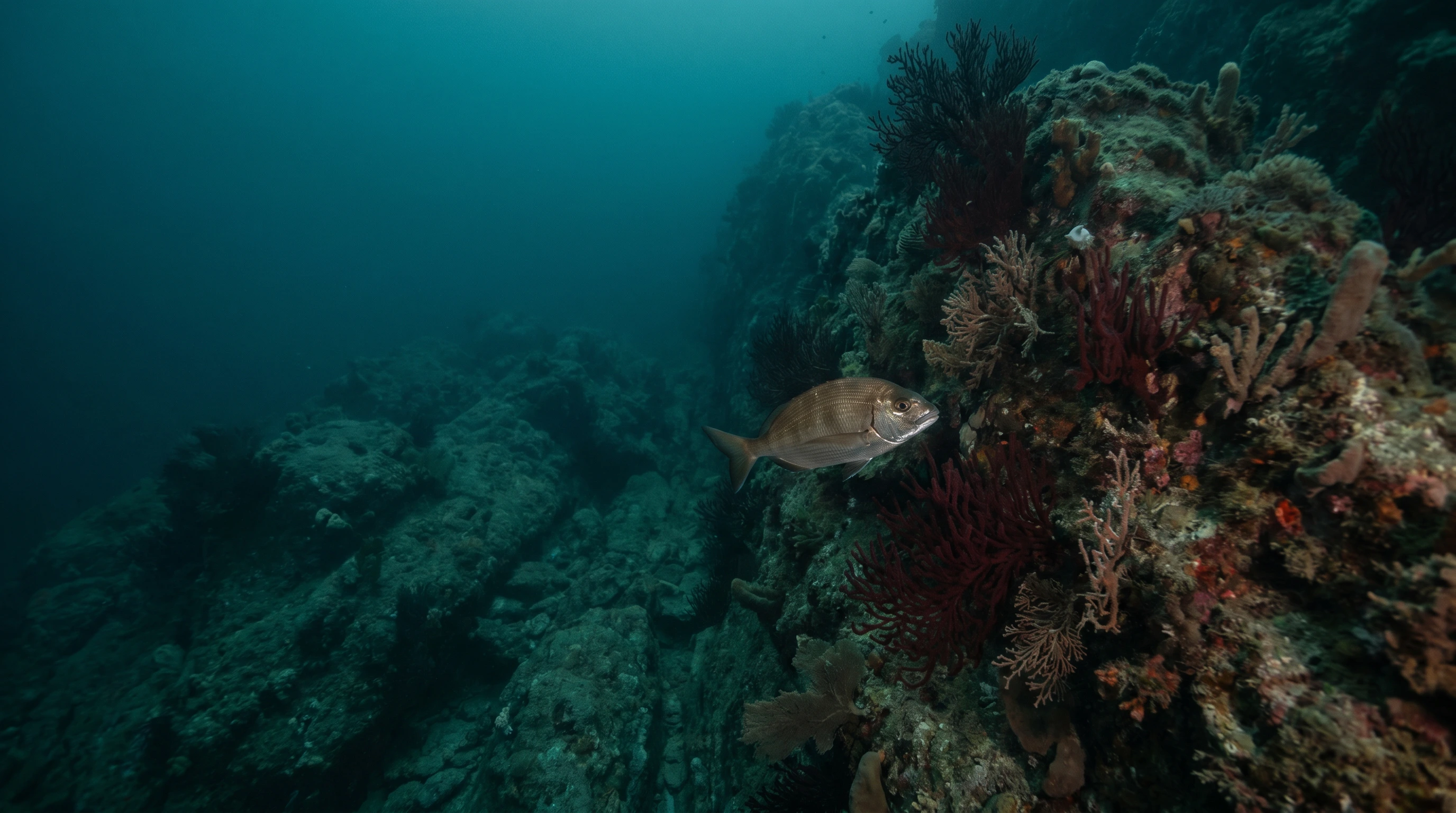
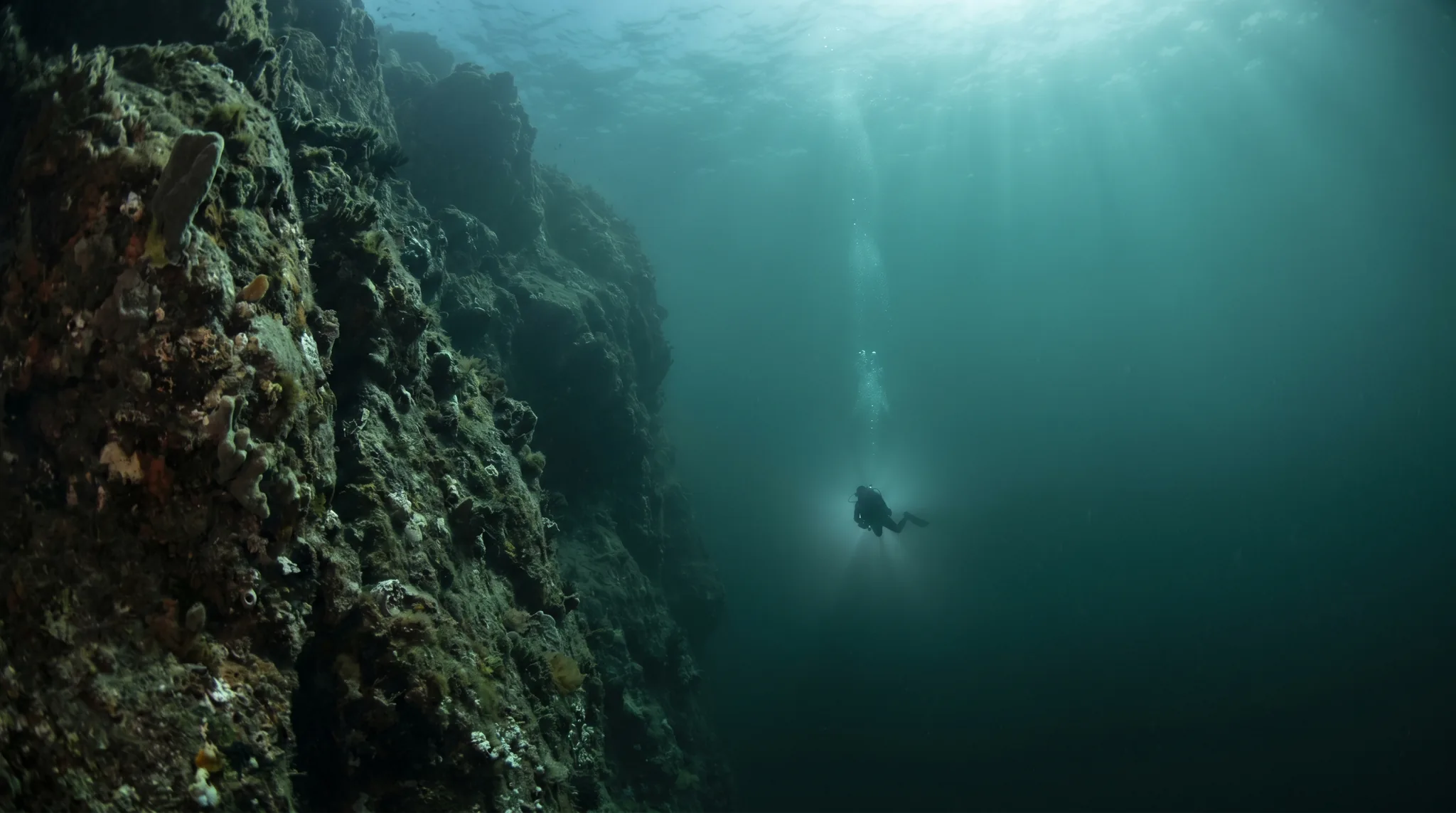
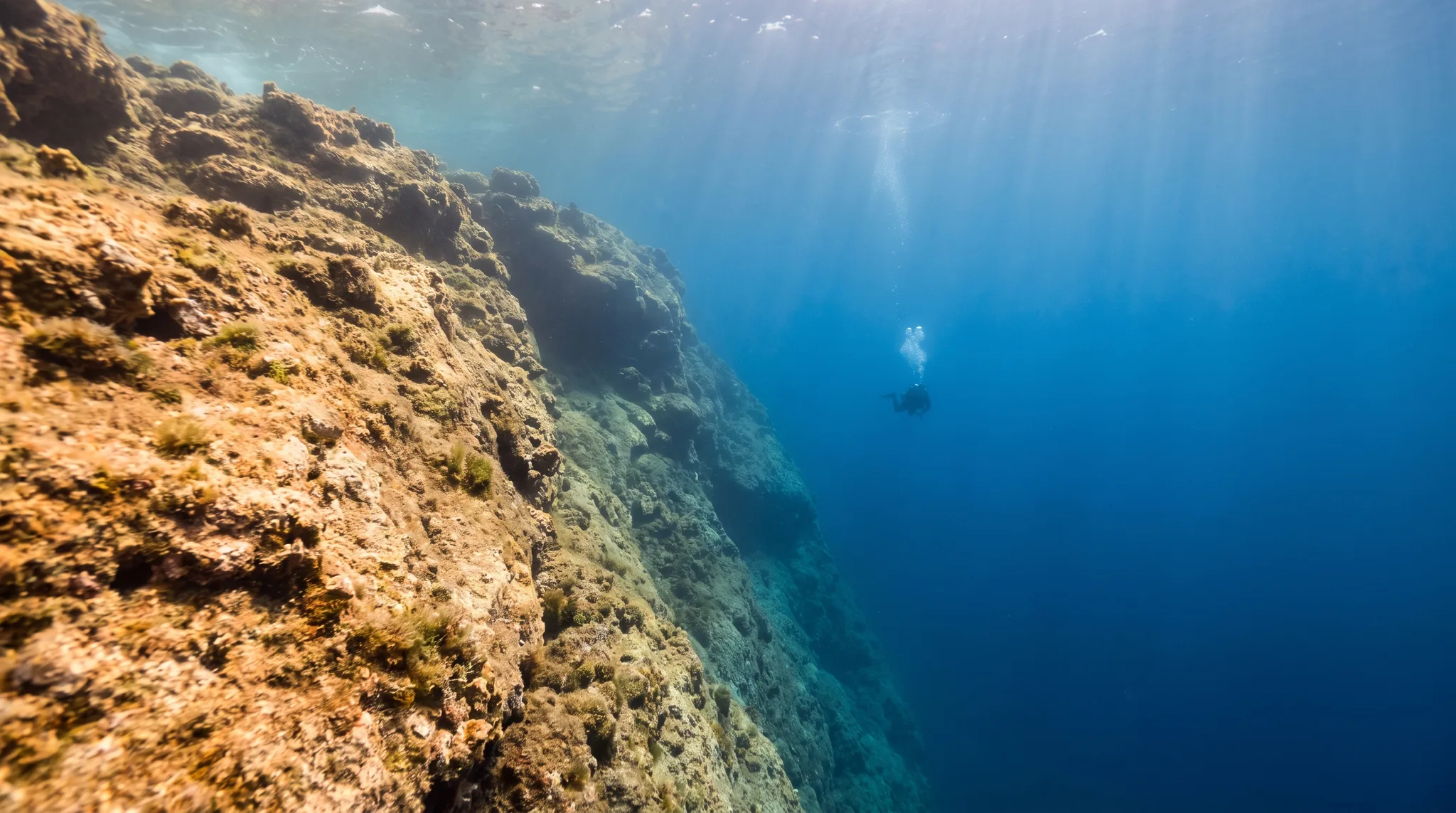
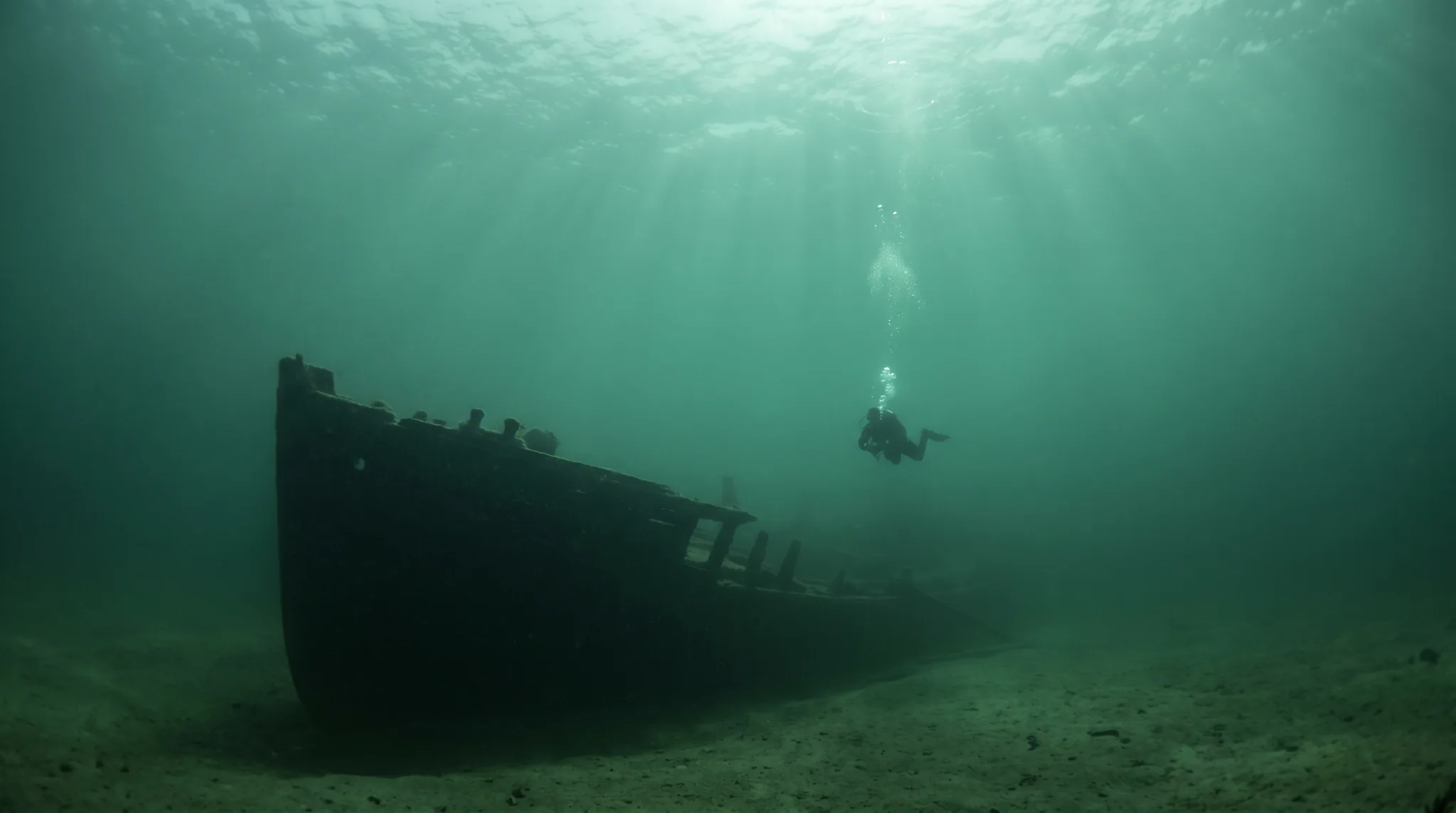
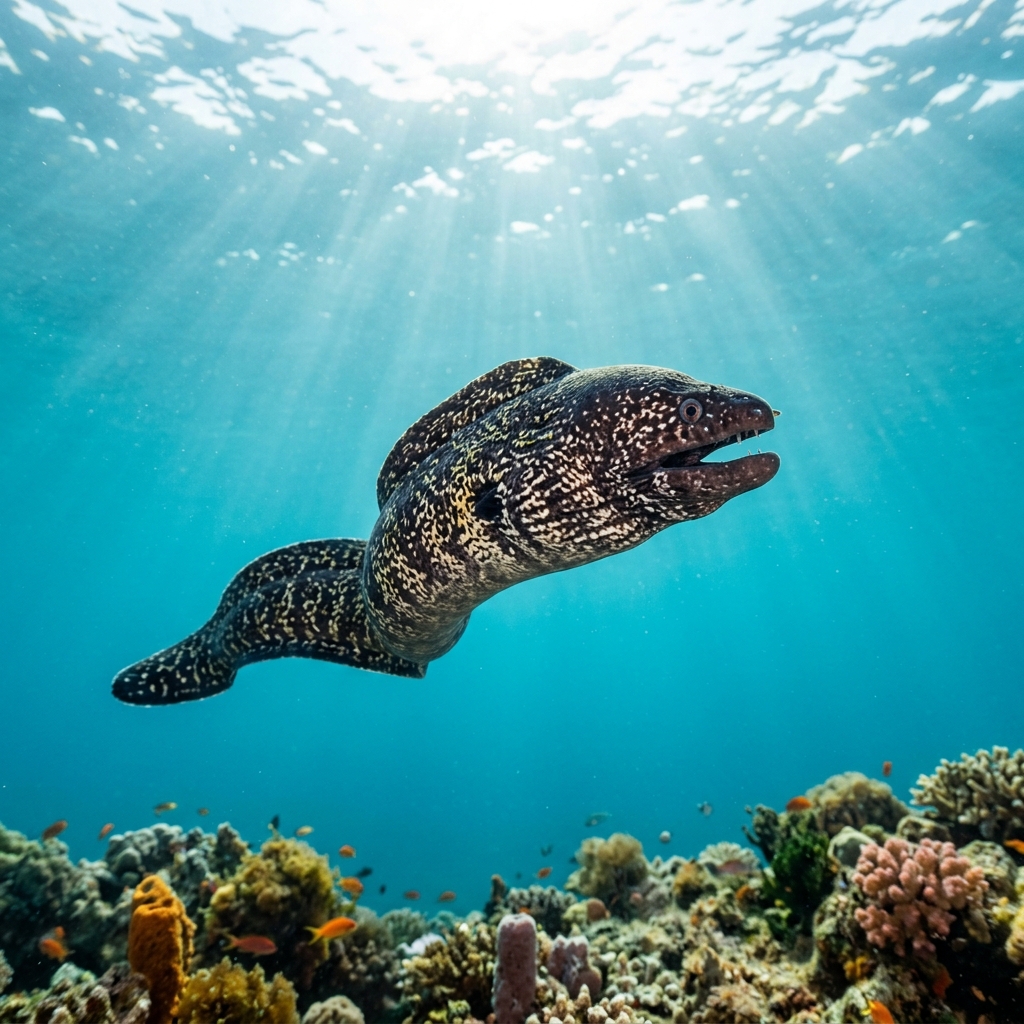
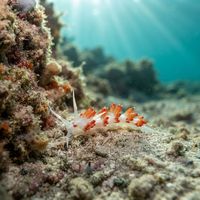
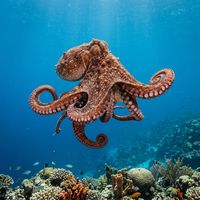
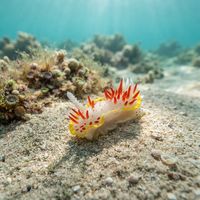
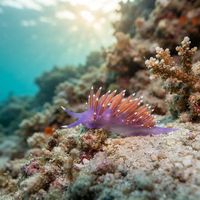
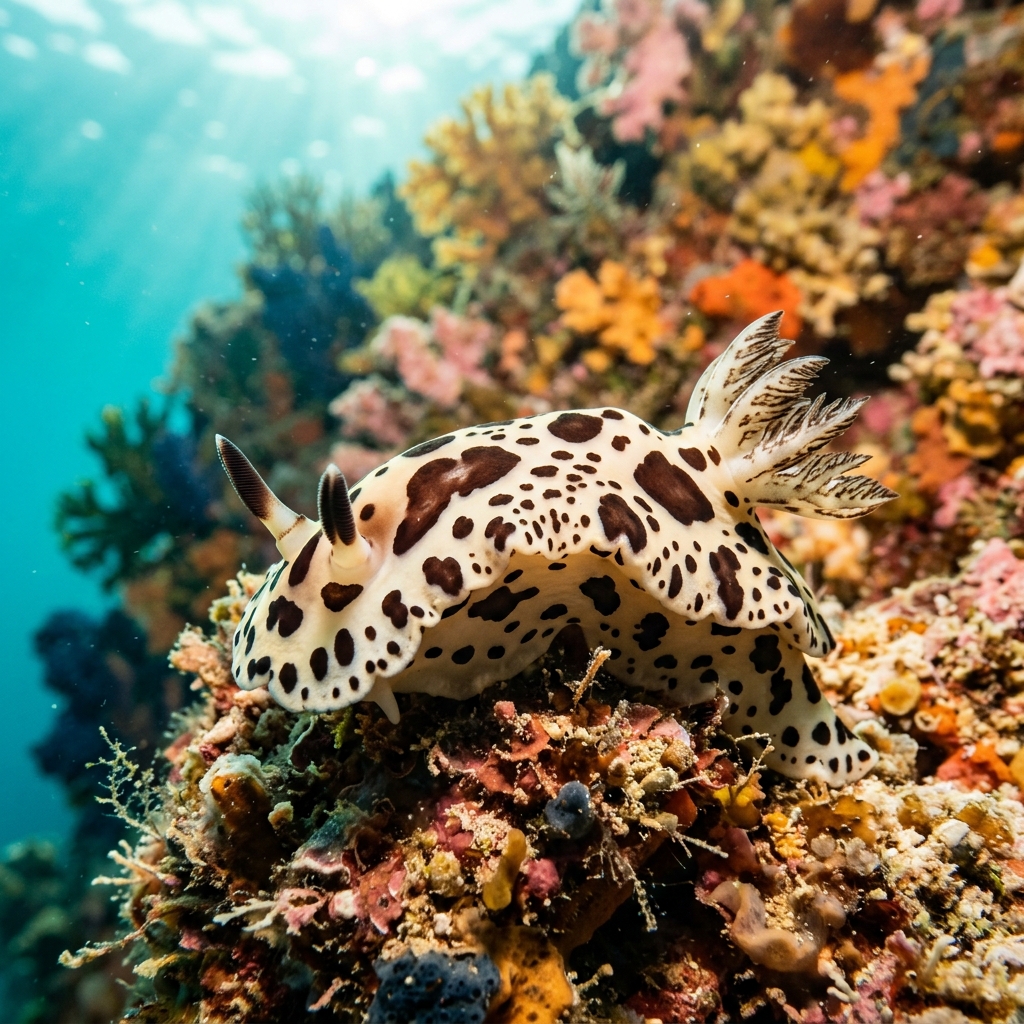
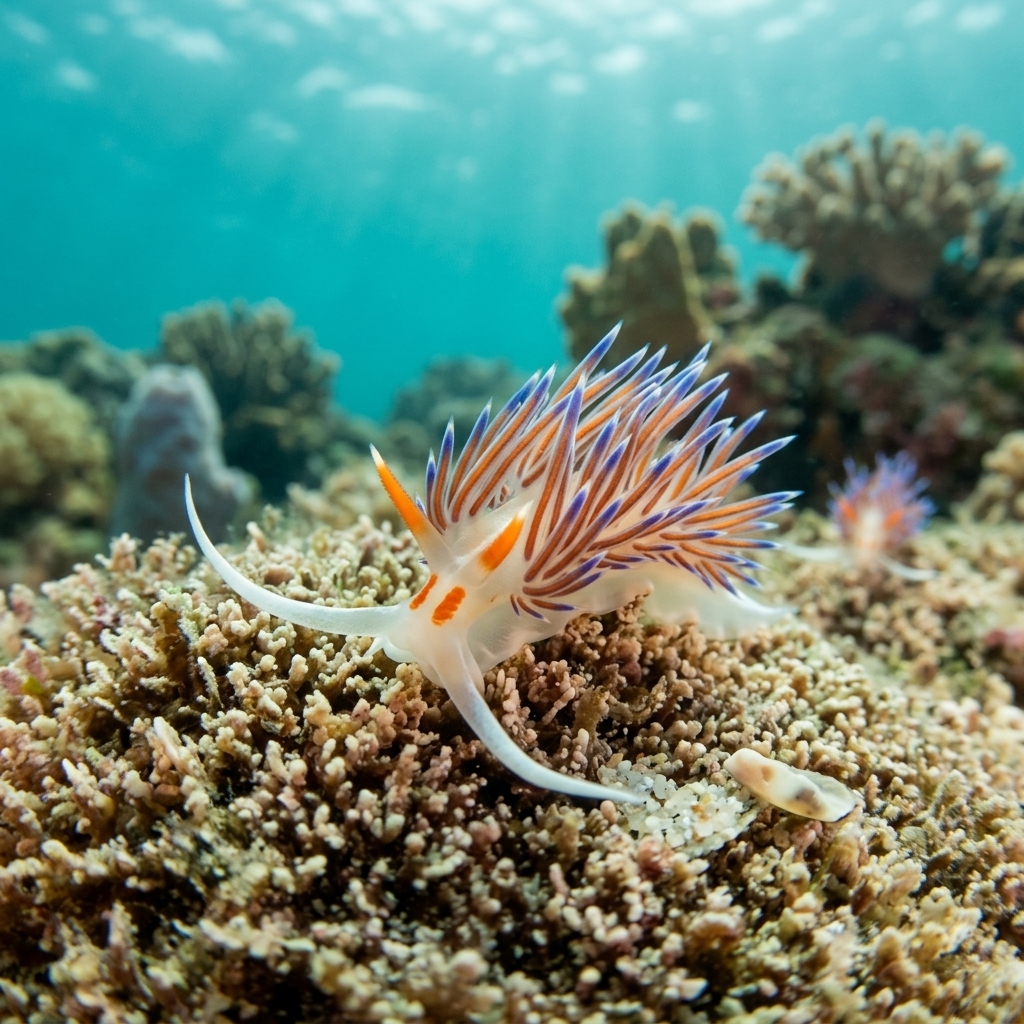
The Medes Islands deliver a concentrated mix of walls, pinnacles, caves and reefs across a compact cluster of rocky islands and islets off Estartit. Nudibranch diversity is a defining characteristic: the Cratena Slug, Violet Sea Slug, Flabellina Cavolini and Diaphorodoris papillata are all consistently observed. The Mediterranean Moray and Common Octopus are encountered across the majority of sites. Depths range from very shallow reef for snorkellers to deep wall and cave diving for more experienced visitors. The Reggio Messina wreck adds a distinct artificial-reef dimension.
Monthly water temperature across Medes Islands's sites, from satellite sea-surface data corrected for depth. The band shows the site-to-site spread.
Water temperatures climb steadily from cool spring conditions through to warm summer peaks, with the warmest diving in July and August. The histogram shows strong diver activity from late spring through October, with June and October emerging as particularly favoured months, likely reflecting comfortable temperatures alongside better visibility. Winter diving is possible but conditions are cooler and fewer divers choose this period.
30 operators

68 more sites to explore
Water temperature around Medes Islands ranges from about 13°C in February to 22°C in August, based on satellite sea-temperature data for its dive sites.
In the warm season (about 22°C) a 3mm full suit is comfortable in Medes Islands; in the coldest months (about 13°C) step up to a 7mm or semi-dry suit.
Fin maps 80 sites in Medes Islands (69 scuba diving sites and 23 snorkelling spots, with some suited to both).
Across Medes Islands's dive sites, May, June, July, August, September and October are most often reported as the best months to visit.
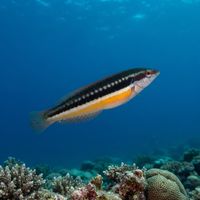
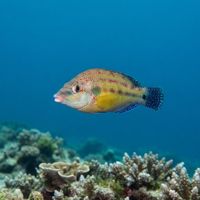
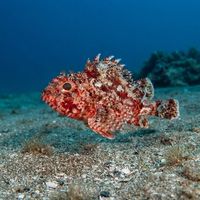
The Medes Islands are particularly notable for nudibranch diversity, with the Cratena Slug, Violet Sea Slug, Flabellina Cavolini, Diaphorodoris papillata and Flabellina Ischitana all reliably observed. The Mediterranean Moray is very commonly encountered across the majority of sites, and the Common Octopus is a frequent find. Wrasse species including the Mediterranean Rainbow Wrasse, Peacock Wrasse, Brown Wrasse and Turkish Wrasse are present throughout the area.
A good proportion of sites are rated for beginners, including shore-accessible spots like Tamariu House Riff and El Salpatxot, as well as several boat-access wall and reef sites such as Guix, Sant Istiu and La Xinxa. Intermediate divers have strong options too, with deeper pinnacles, cave systems and the Reggio Messina wreck available. The range of skill levels across the site mix means mixed-ability groups are well catered for.
Both options exist, though the majority of sites are boat-access. Shore diving is available at Tamariu House Riff and El Salpatxot, both of which are beginner-friendly reef and wall sites. For the islands themselves, and for deeper sites such as Puig de la Sardina, Dofí Sud and the Reggio Messina wreck, a boat is required. Numerous operators including Unisub, Calypso Diving and Aquàtica Illes Medes serve the area.
The area offers considerable variety: vertical walls, shallow pinnacles, cave and cavern systems, open reefs, and an intentionally sunk wreck in the Reggio Messina. Many sites combine more than one feature, such as Punta del Ferro, which presents a reef, wall and cave together. This variety means the Medes Islands reward repeat visits, as different site types suit different conditions and experience levels.