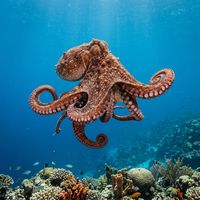
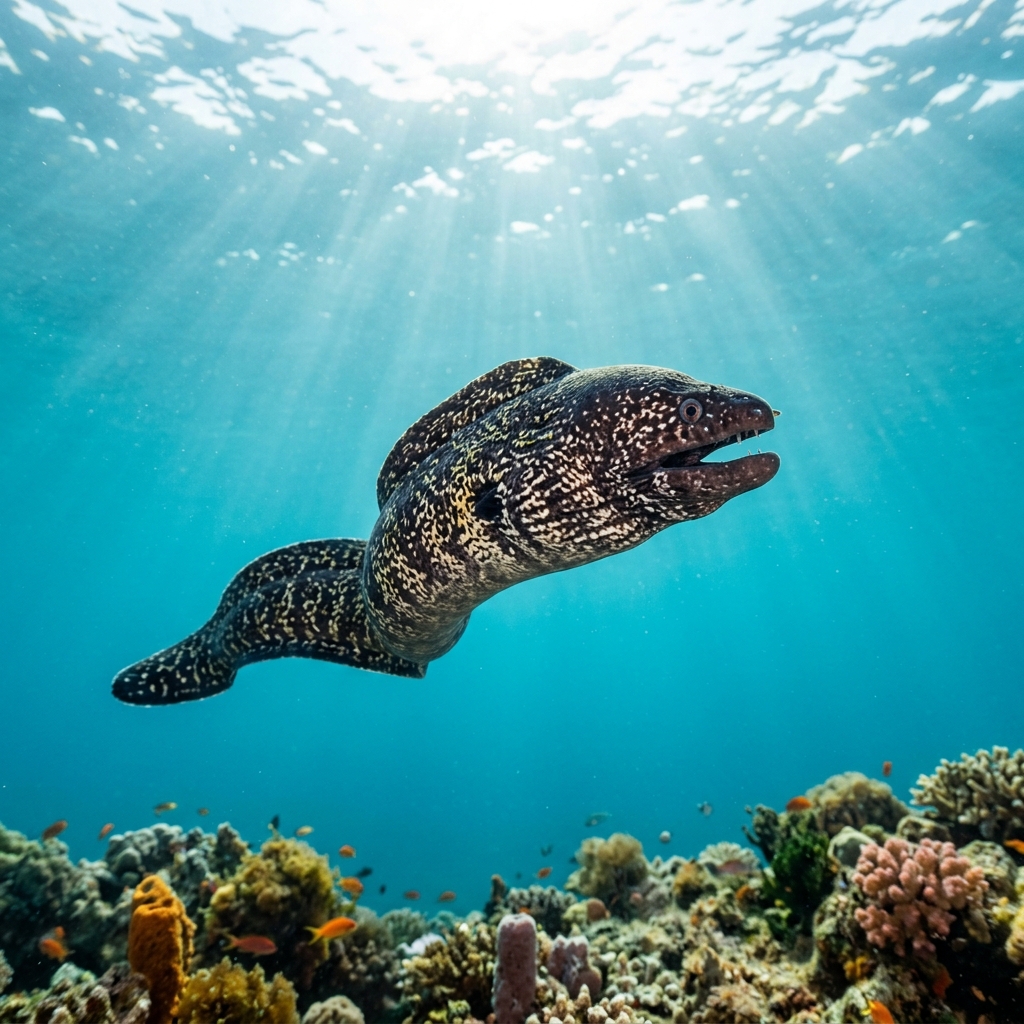
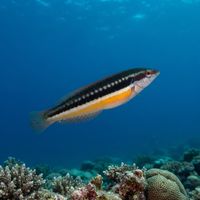
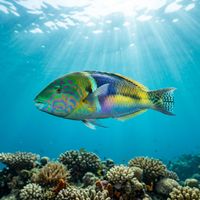
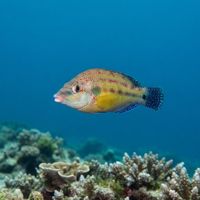
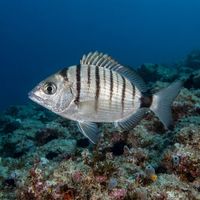
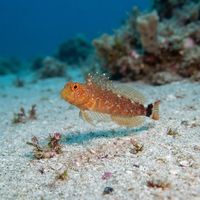
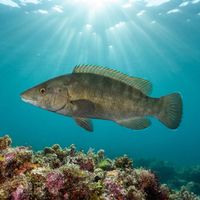
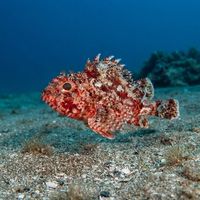
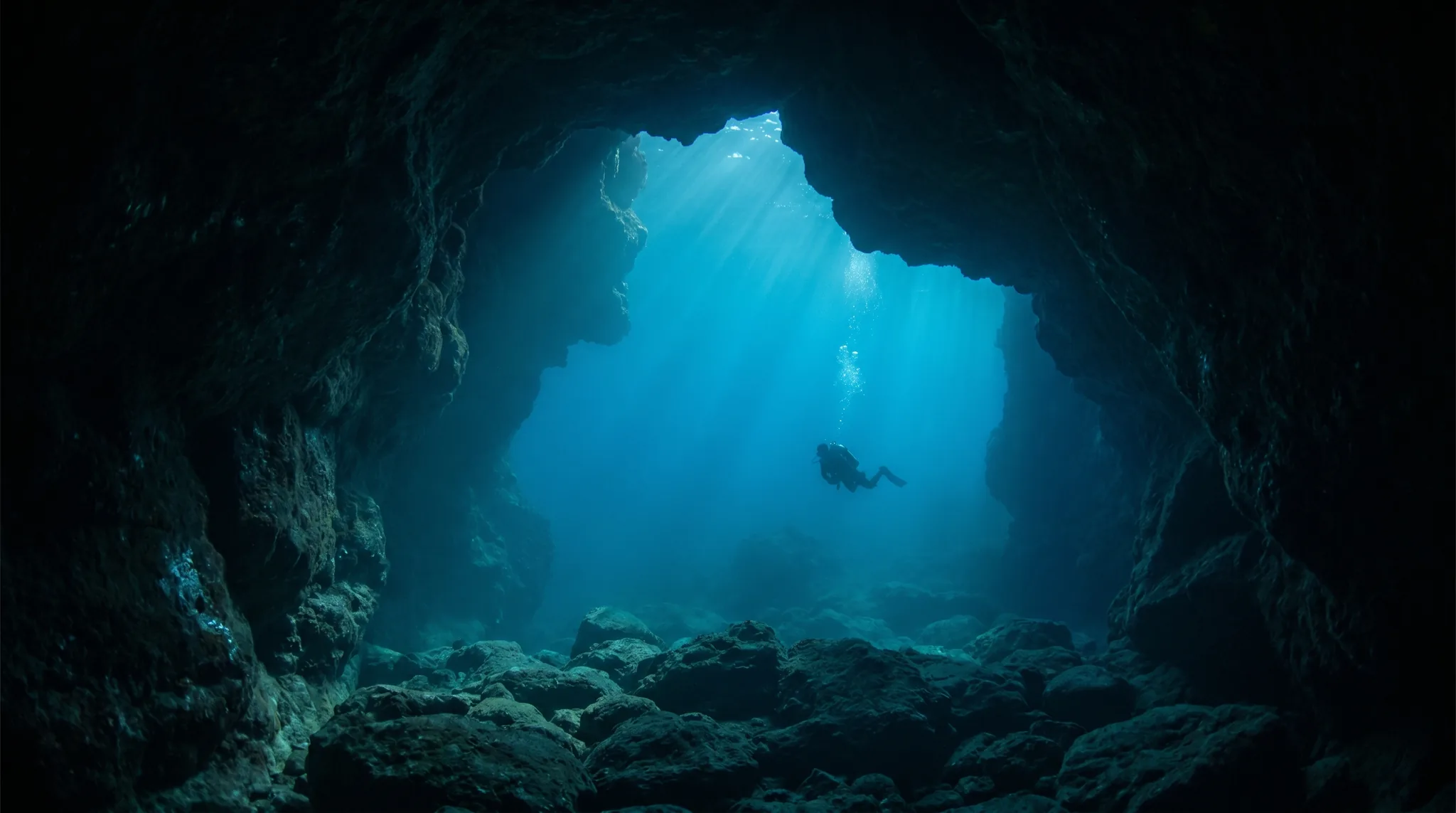
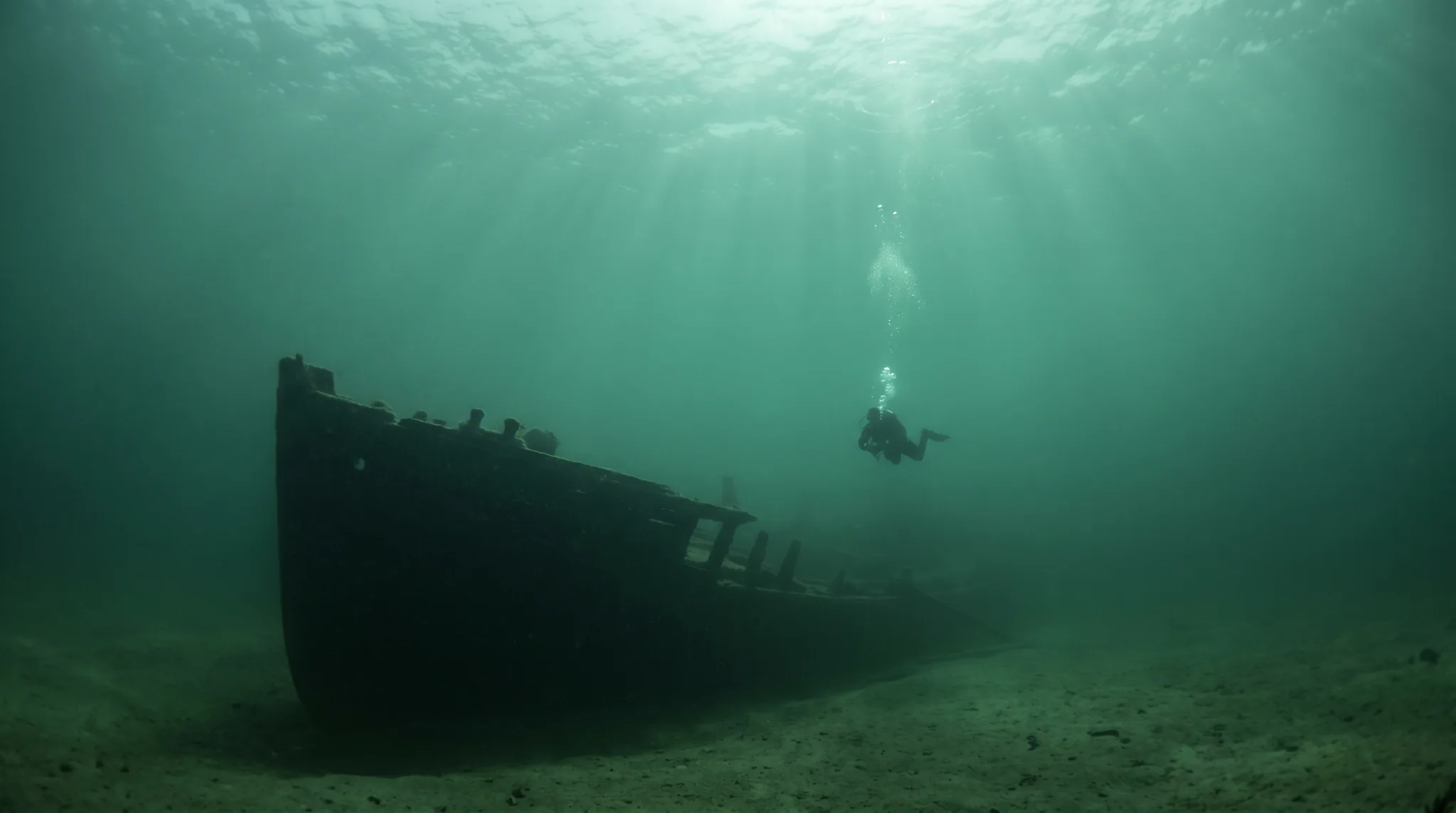
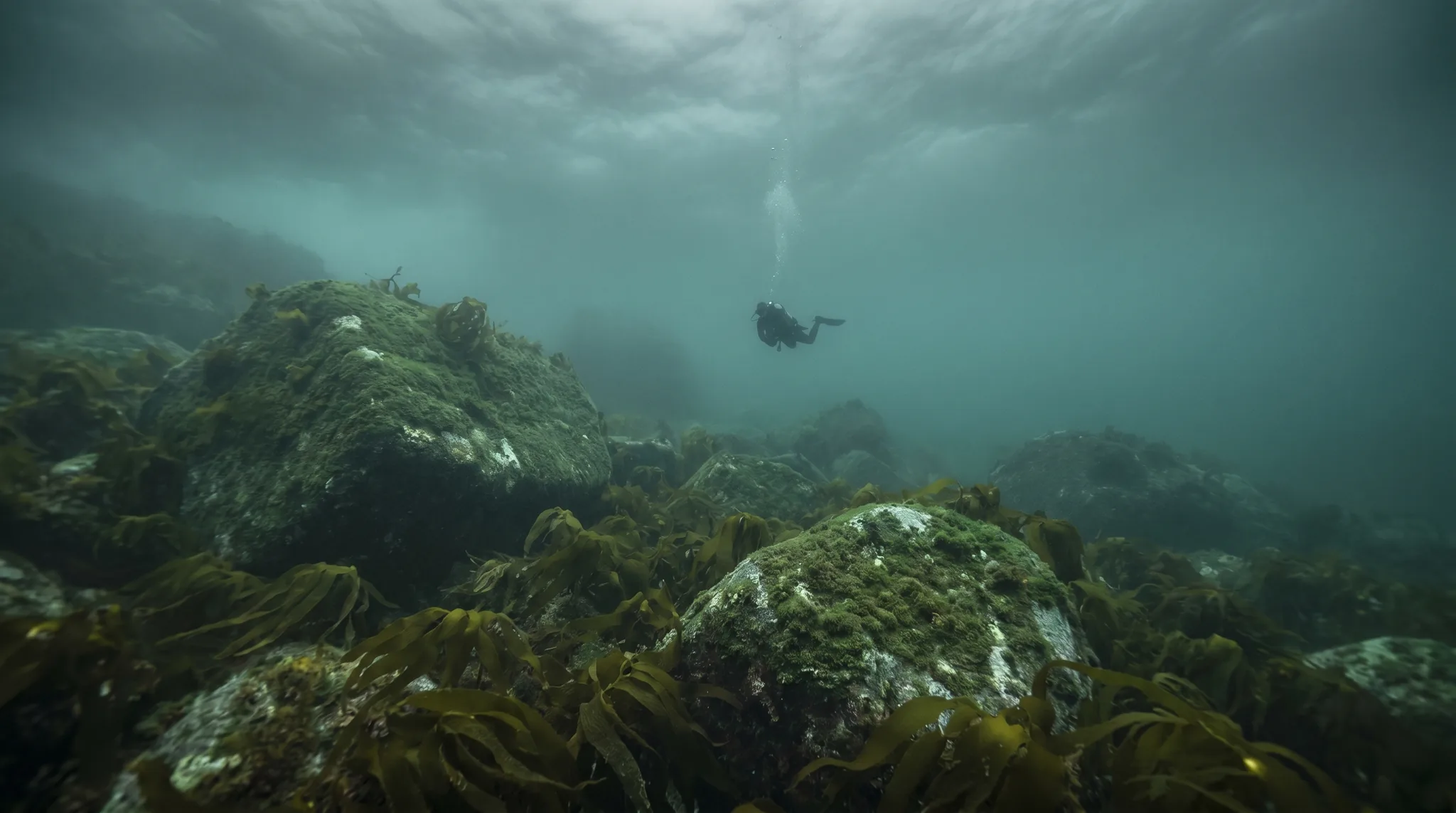
Catalonia offers a broad sweep of underwater terrain spread across two distinct coastal stretches: the Costa Brava to the north and the Barcelona Coast to the south. Reef diving dominates, with rocky structures, natural canyons and the occasional artificial reef forming the backbone of the site mix. Conditions suit all levels, from shallow beginner reefs to deeper drift dives for advanced divers. The signature species here are observation-backed: Common Octopus and Mediterranean Moray are reliably encountered, while the Tompot Blenny, Bream and Turkish Wrasse populate almost every site. European Common Cuttlefish and Great Barracuda reward patient divers.
2 areas
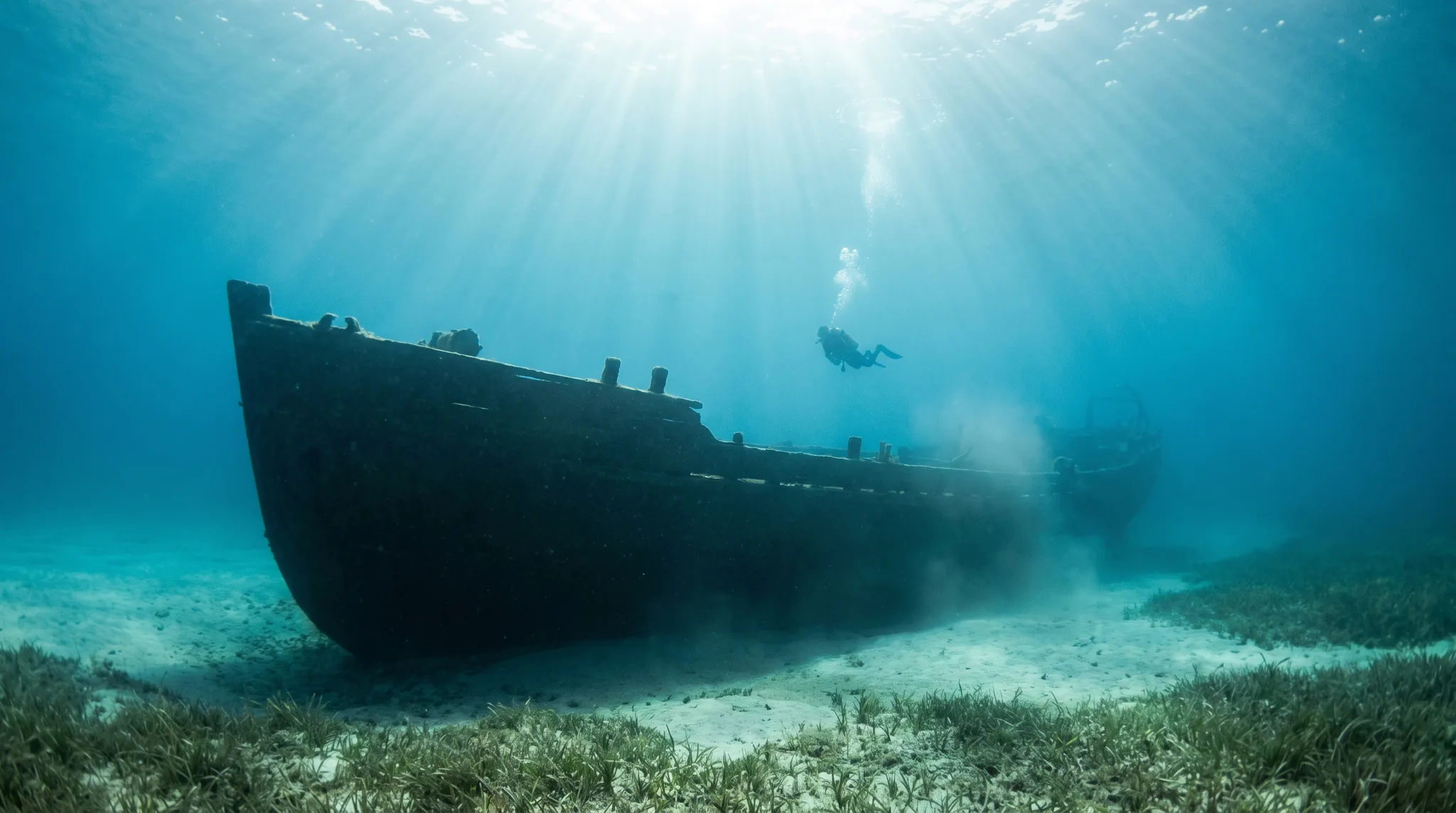
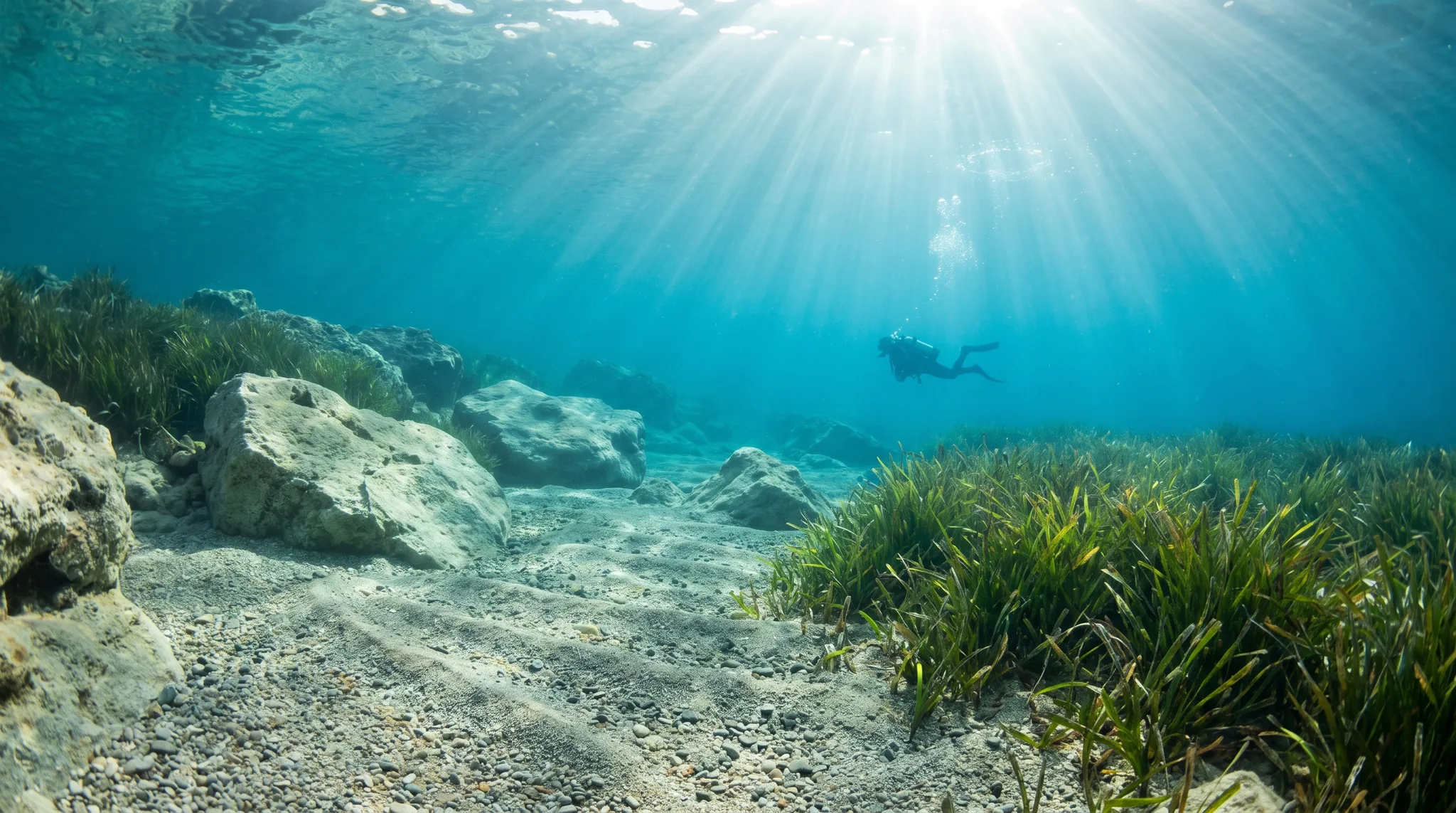
Monthly water temperature across Catalonia's sites, from satellite sea-surface data corrected for depth. The band shows the site-to-site spread.
Water temperatures rise steadily from spring, peaking in late summer before cooling through autumn. The warmest months bring the most comfortable conditions for longer dives, while spring and autumn offer excellent visibility on many sites. Operator activity and diver preference peak from May through October, reflecting both comfortable water and settled weather across this exposed coast.
166 operators

Water temperature around Catalonia ranges from about 13°C in February to 23°C in August, based on satellite sea-temperature data for its dive sites.
In the warm season (about 23°C) a 3mm full suit is comfortable in Catalonia; in the coldest months (about 13°C) step up to a 7mm or semi-dry suit.
Fin maps 360 sites in Catalonia (315 scuba diving sites and 88 snorkelling spots, with some suited to both), organised into 2 areas.
Across Catalonia's dive sites, May, June, July, August, September and October are most often reported as the best months to visit.
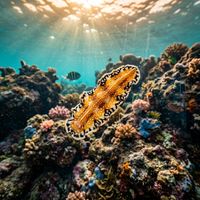
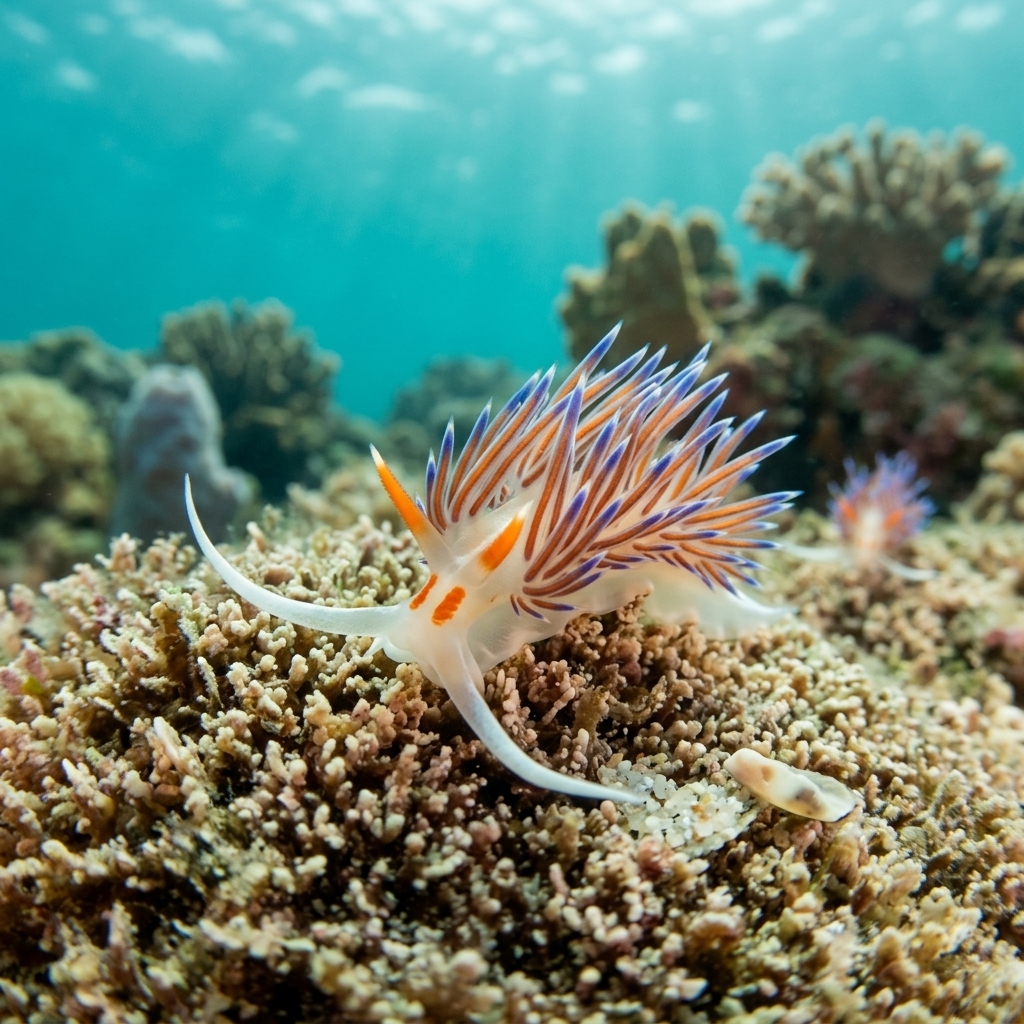
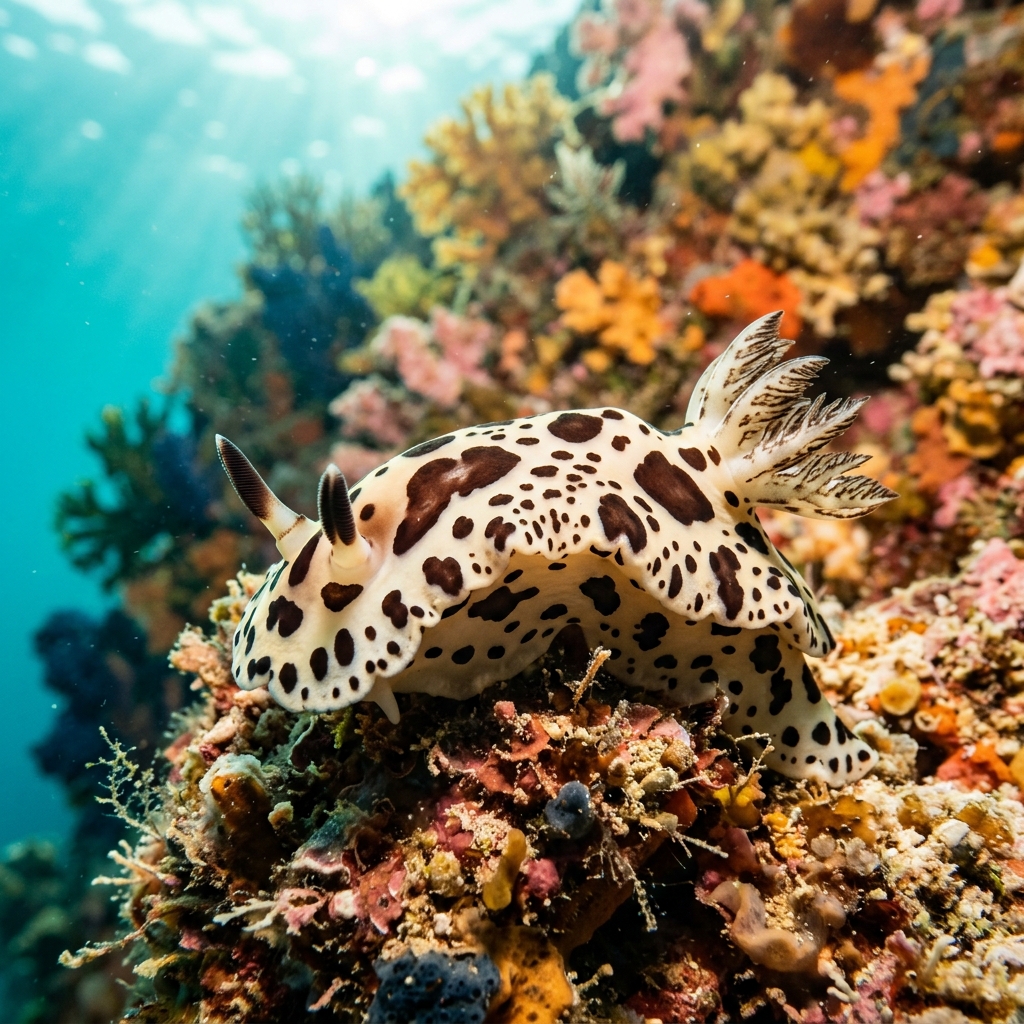
The reefs here support a rich mix of Mediterranean species. Common Octopus and Mediterranean Moray are very frequently encountered, and the Tompot Blenny is present across almost every site. Patient divers also spot European Common Cuttlefish and, occasionally, Great Barracuda. Nudibranchs such as the Cratena Slug and Mediterranean Violet Aeolid add colour to rockier corners.
A large proportion of sites in Catalonia are rated for beginners, including shallow reef dives like El Negre Petit, Balis 22 and the artificial reef at Las Santas. Many of these sites feature mild currents and manageable depths. Intermediate and advanced sites such as Bolets and Barra Fonda are also available for those looking to progress.
The majority of sites across Catalonia are accessed by boat, so joining a local dive operator is the most practical approach. Shore entry is available at select sites, including Els Tres Arcs in Lloret de Mar. Many of the region's operators, including Unisub, OceaNomads and Calypso Diving, run scheduled boat departures throughout the main season.