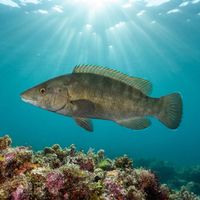
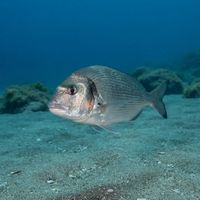
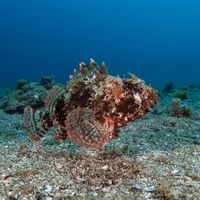
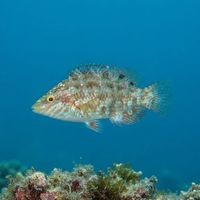
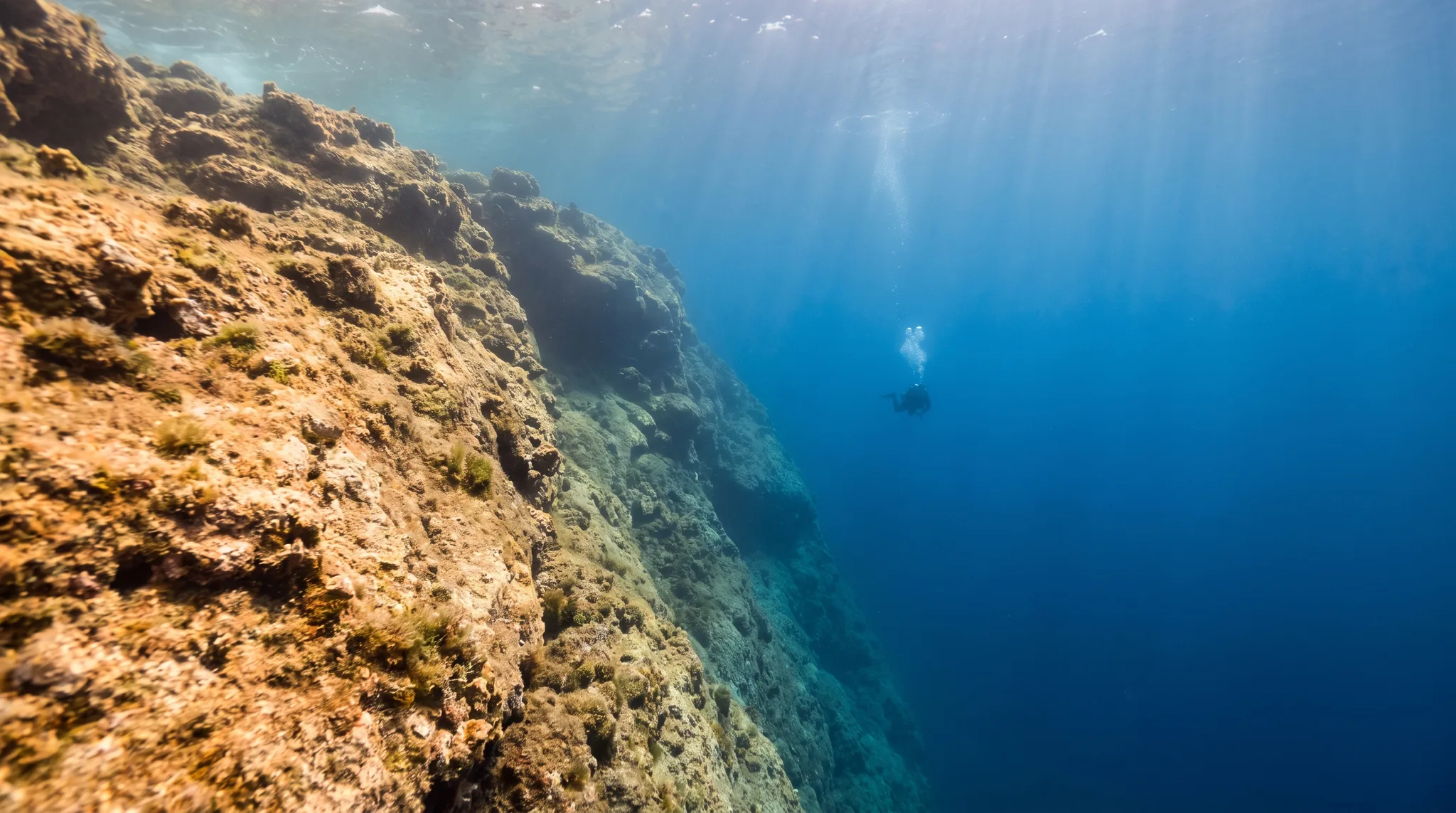
Cadaqués offers a concentrated mix of reef, wall, cave and wreck diving, ranging from shallow entries suited to beginners through to deep pinnacles and technical wrecks for advanced divers. Boat access dominates, though a handful of sites can be reached from shore. The Tompot Blenny and Giant Green Anemone are near-constant companions, while the Mediterranean Moray and Common Octopus define the character of the rocky reefs. Conditions peak from late spring through to October.
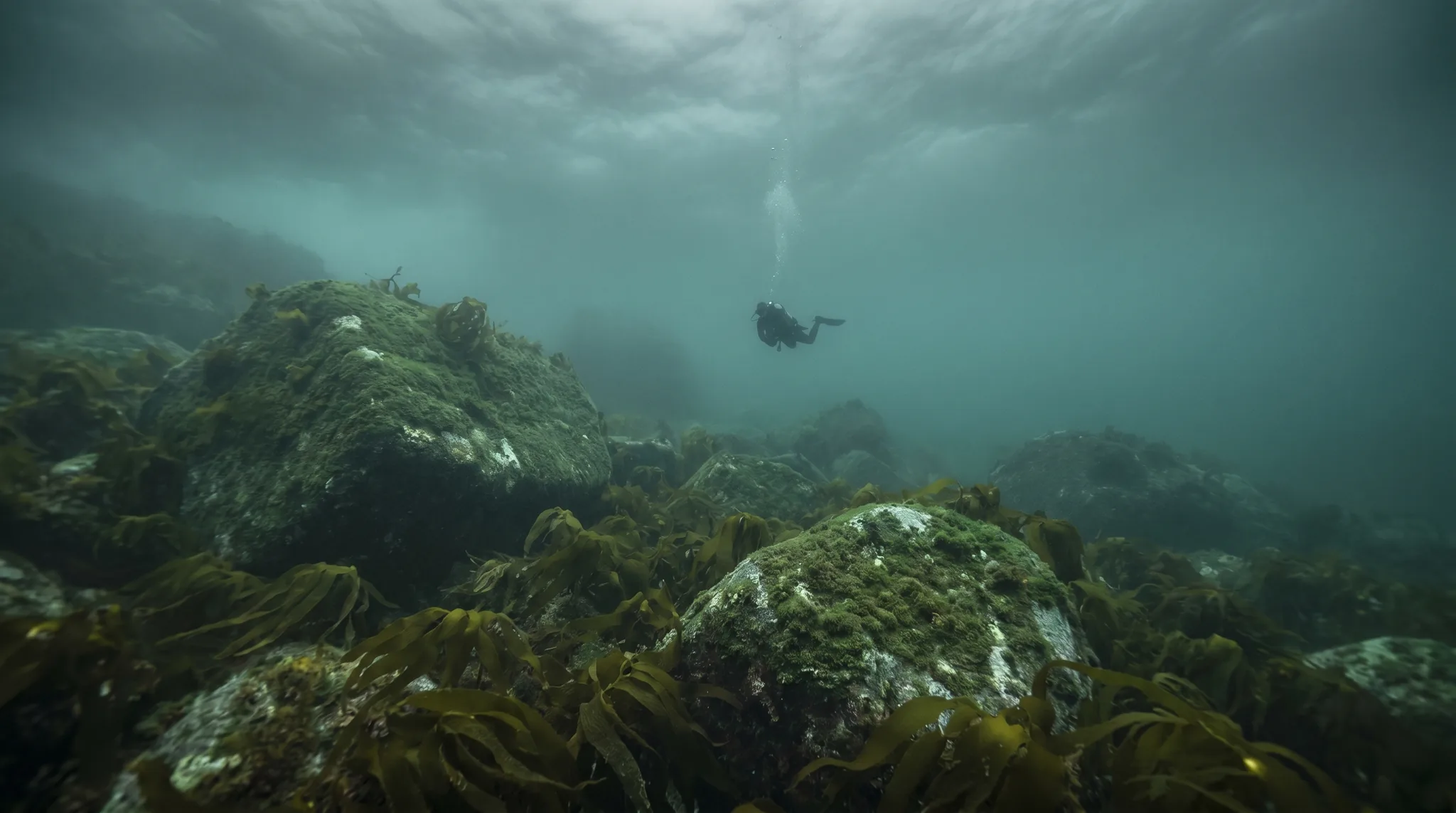
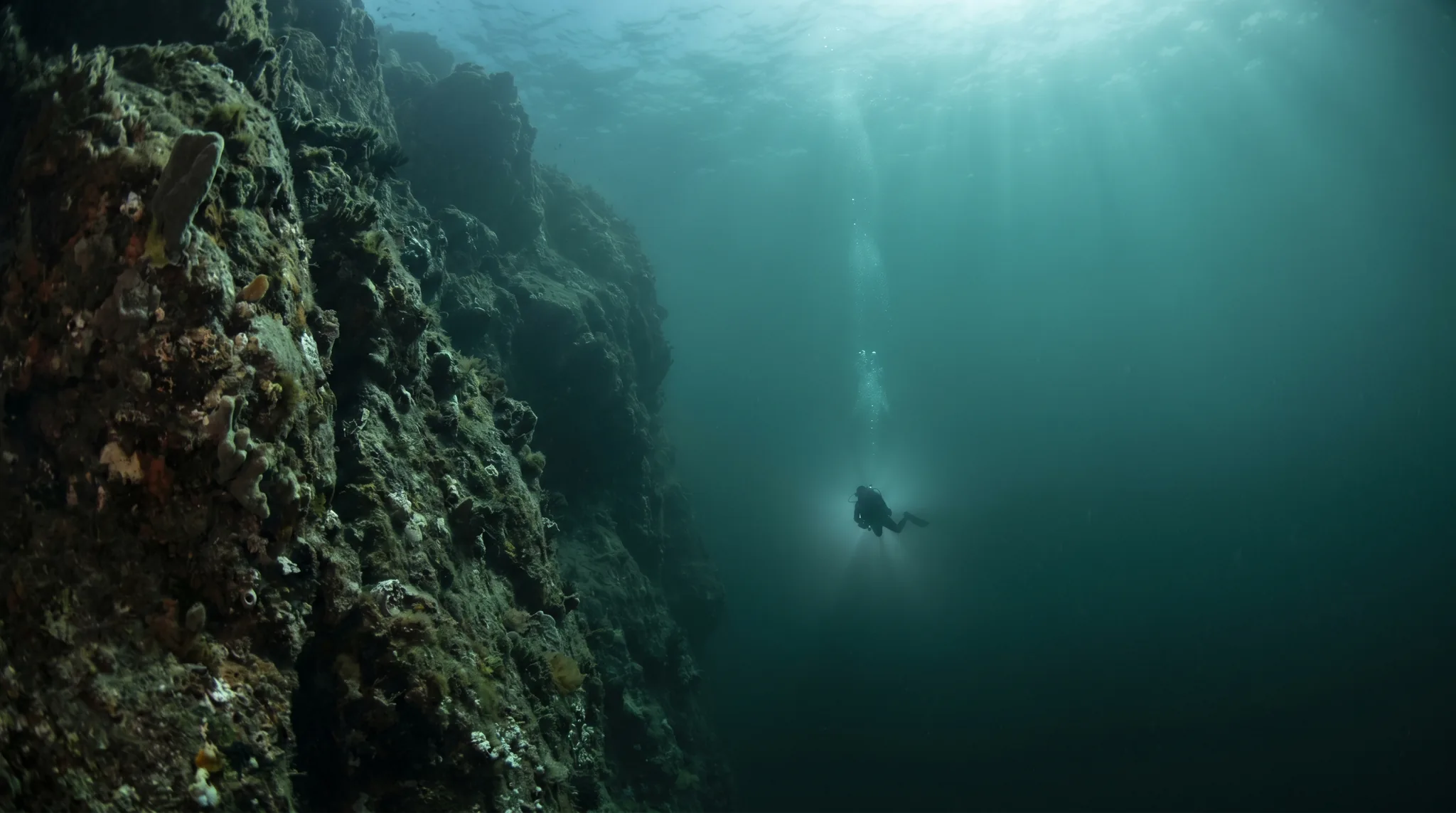
Monthly water temperature across Cadaqués's sites, from satellite sea-surface data corrected for depth. The band shows the site-to-site spread.
Water temperature climbs steadily from spring, reaching its warmest through July, August and September before easing off in autumn. October draws the highest concentration of diver visits, suggesting favourable visibility and conditions that month. Winter diving is possible but cool, suiting those who prefer quieter sites with a thicker wetsuit.
24 operators
64 more sites to explore
Water temperature around Cadaqués ranges from about 13°C in February to 20°C in July, based on satellite sea-temperature data for its dive sites.
In the warm season (about 20°C) a 5mm suit is comfortable in Cadaqués; in the coldest months (about 13°C) step up to a 7mm or semi-dry suit.
Fin maps 76 sites in Cadaqués (68 scuba diving sites and 17 snorkelling spots, with some suited to both).
Across Cadaqués's dive sites, May, June, July, August, September and October are most often reported as the best months to visit.
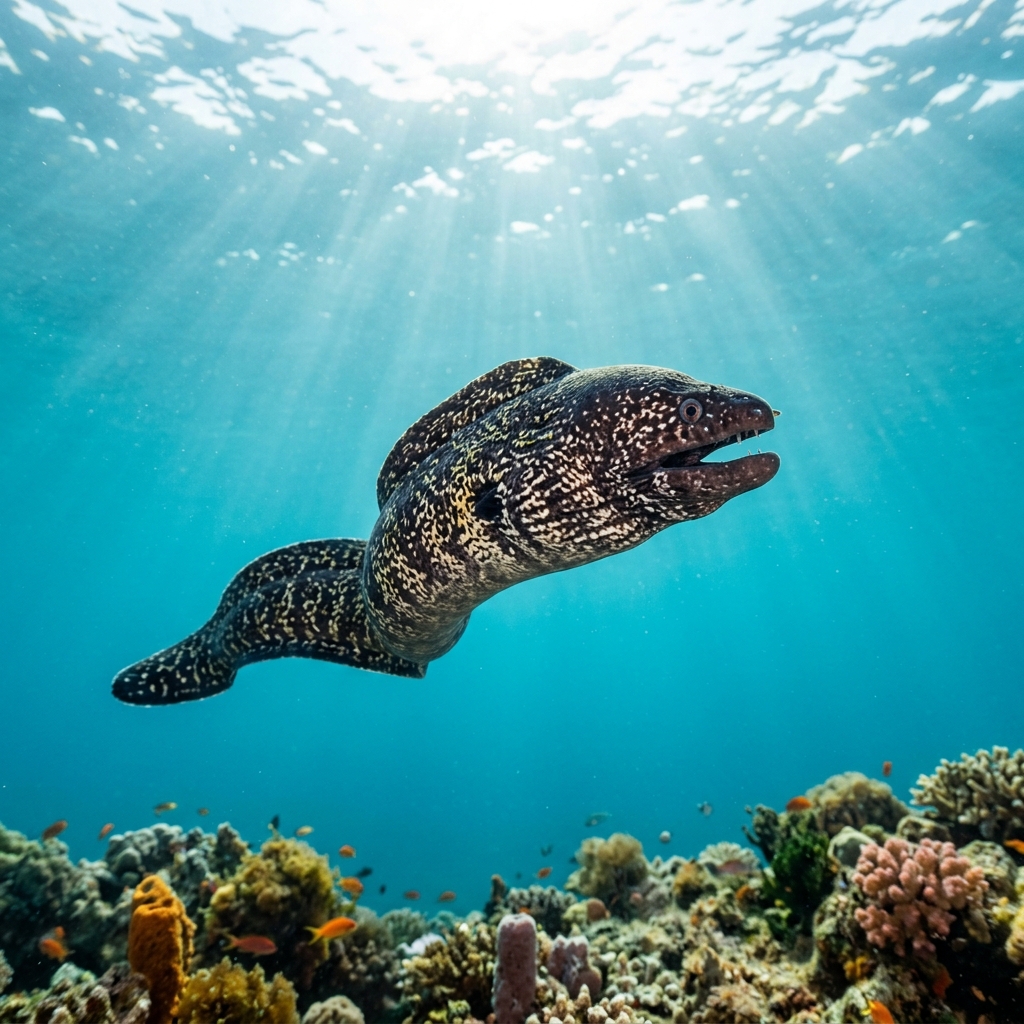
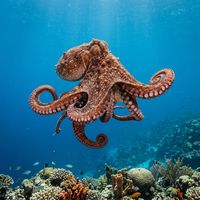
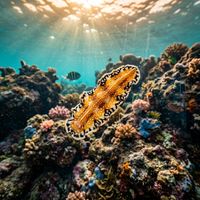
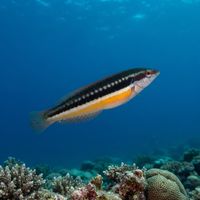
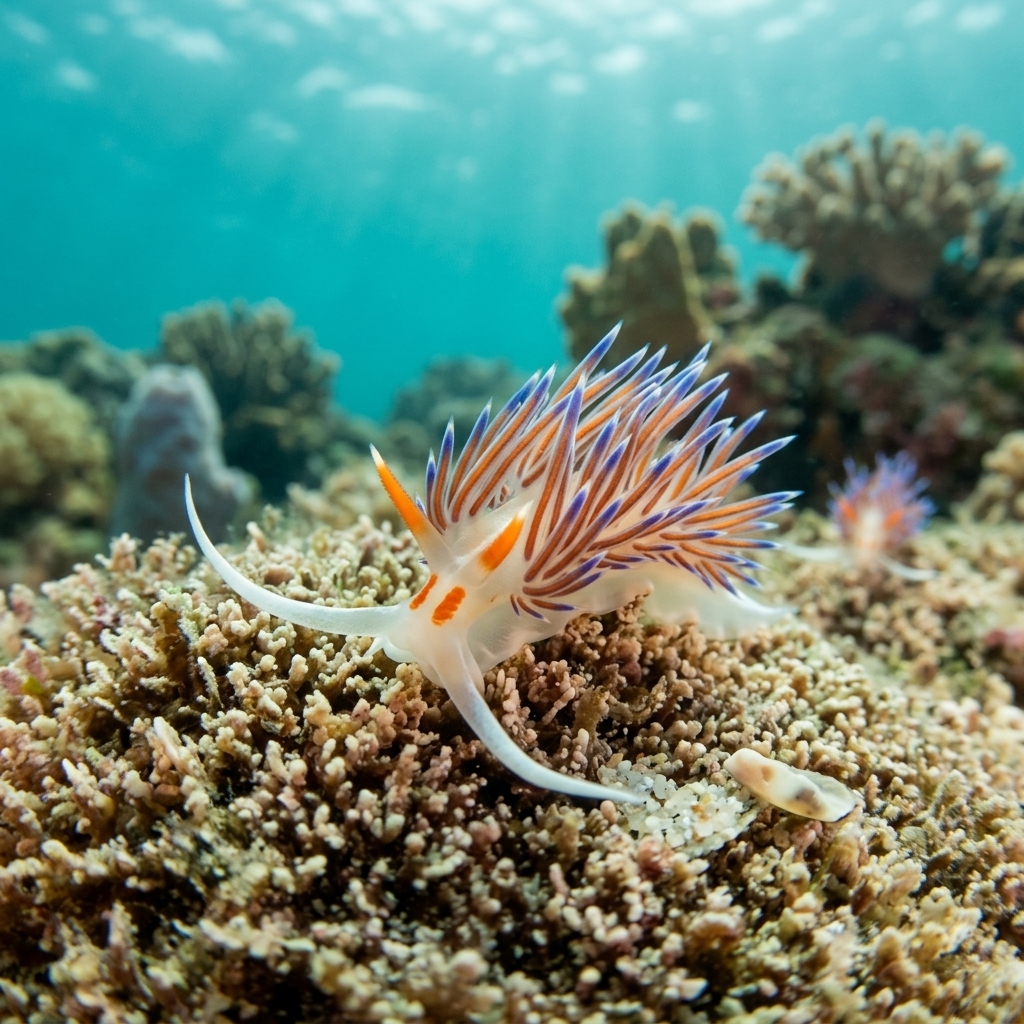
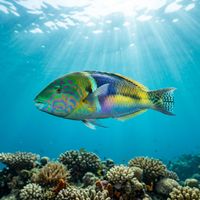
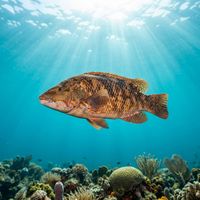
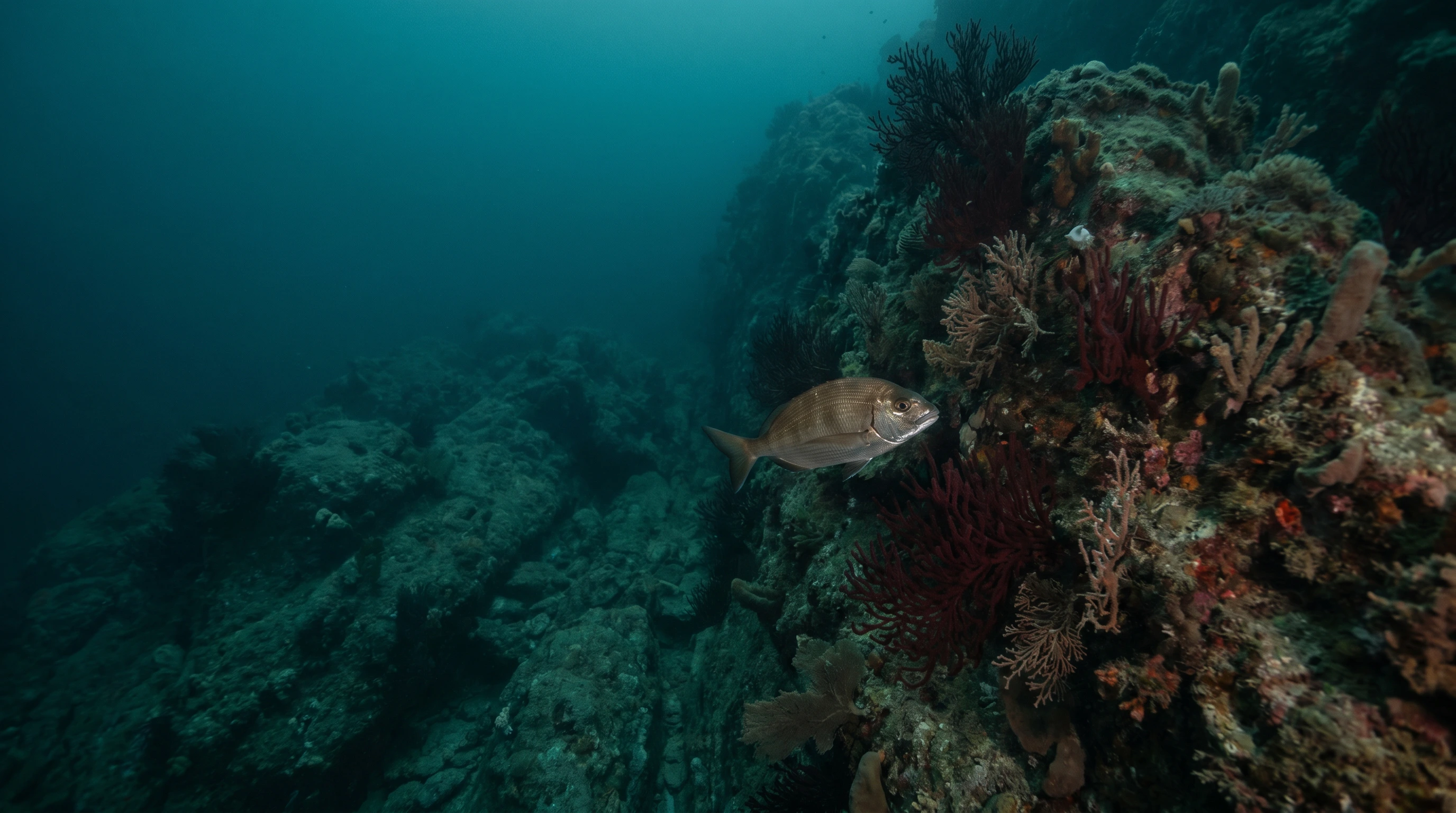
The Mediterranean Moray is observed across the vast majority of sites, making it the signature encounter. Common Octopus is also reliably present on the rocky reefs. Nudibranch enthusiasts will find the Cratena Slug and Mediterranean Violet Aeolid well represented, alongside several wrasse species including the Mediterranean Rainbow Wrasse, Peacock Wrasse and Turkish Wrasse.
Yes, a good portion of the sites are rated for beginners. Oliguera offers both boat and shore entry on a reef that starts shallow, while Isla de Portalo and Figarola provide accessible reef and wall topography at manageable depths. Advanced divers are also well catered for, with deep pinnacles like Massa d'Or and technical wreck dives such as Saint Prosper available.
The majority of dive sites require a boat, and there are many local operators offering guided boat dives in the area. A small number of sites, including Oliguera, offer the option of shore entry for those who prefer it. The high number of operators means finding guided access is generally straightforward throughout the season.
The site mix is varied: reefs and walls form the backbone of most dives, but there are also caves, canyons, drop-offs and wrecks including El Woodside and the deeper Saint Prosper. Isla de Messina features a rocky canyon within a submerged mountain, while Massa d'Or is a pinnacle formation with a dramatic drop-off, illustrating the range of topography available.