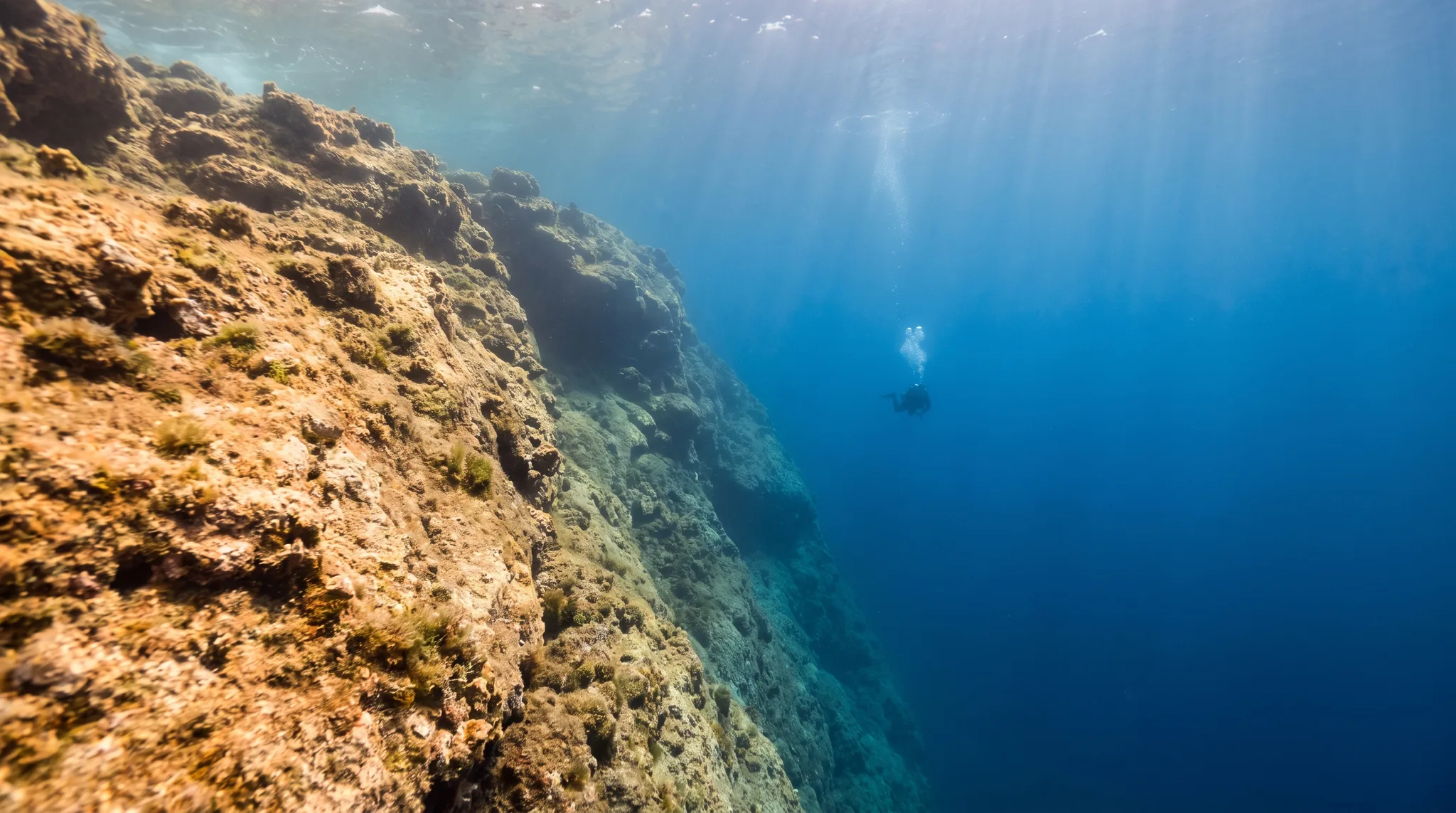
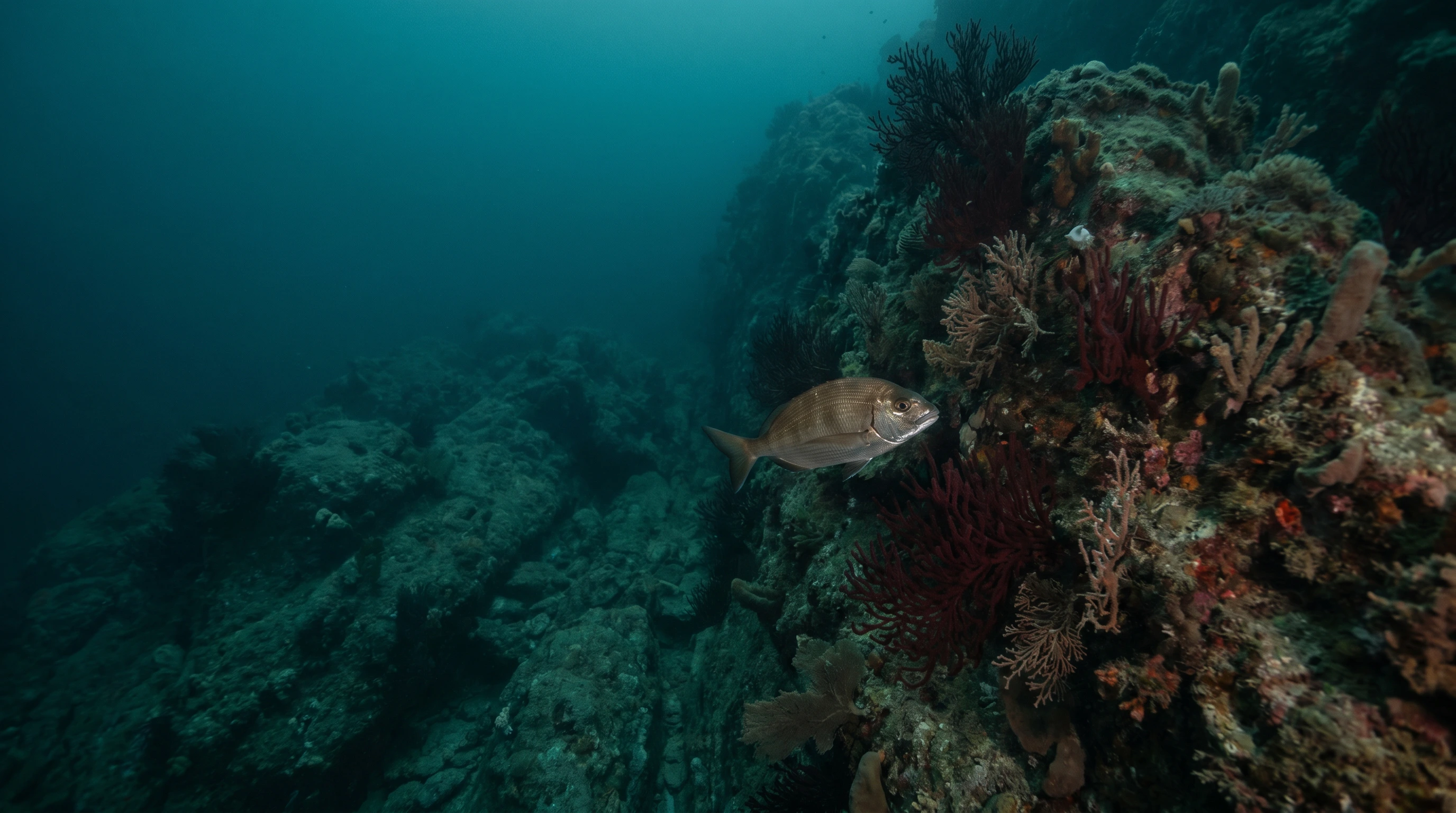
Lloret de Mar offers a varied mix of rocky reefs, canyons, walls, pinnacles and seagrass meadows, with sites spread across shore and boat entries to suit most skill levels. The cephalopod and wrasse communities are particularly strong, with Common Octopus, European Common Cuttlefish and multiple wrasse species observed across nearly every site. Nudibranch variety, including the Violet Sea Slug and Diaphorodoris papillata, rewards attentive divers. A handful of sites add caves and even a wreck to the topographic mix.
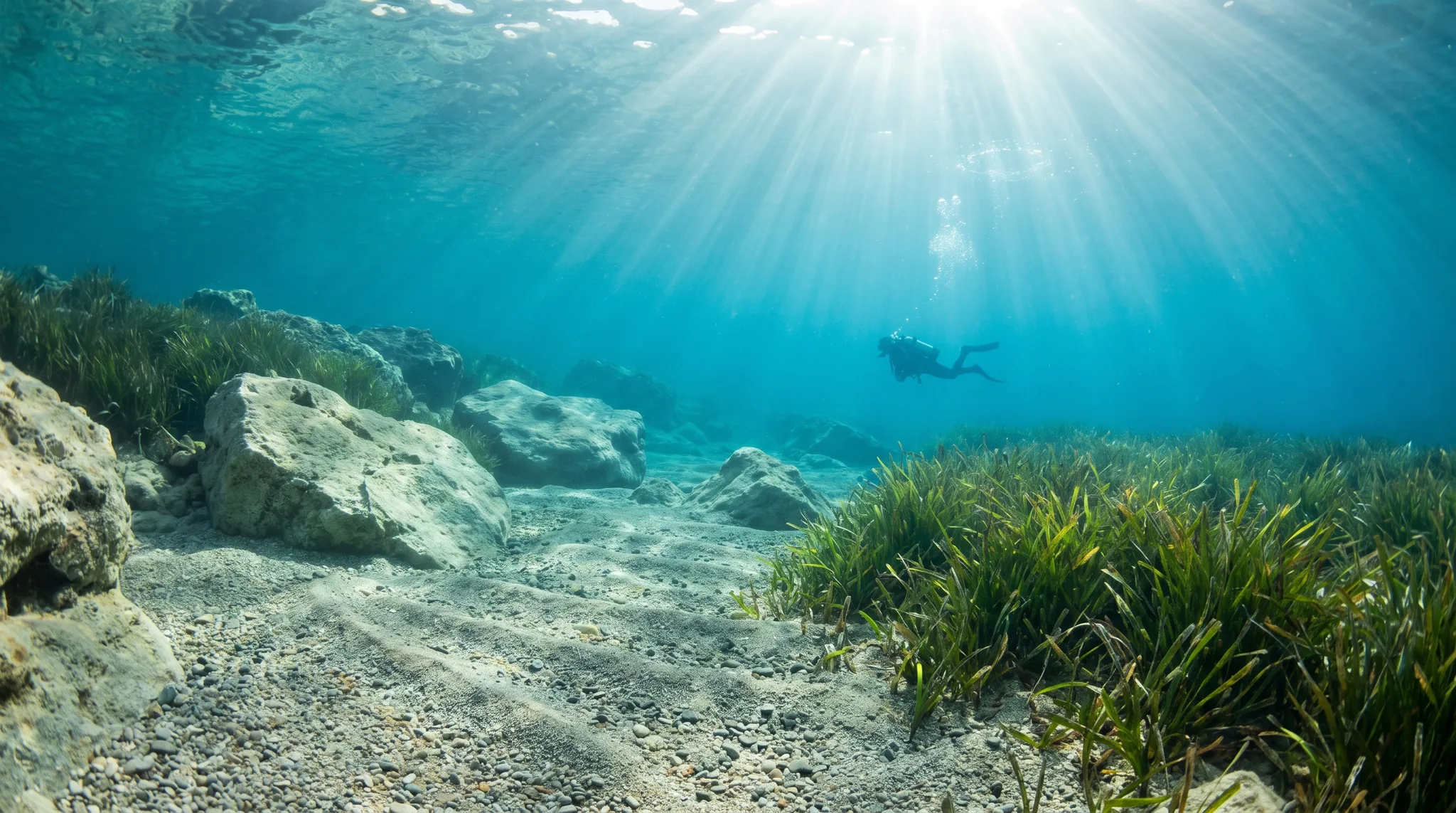
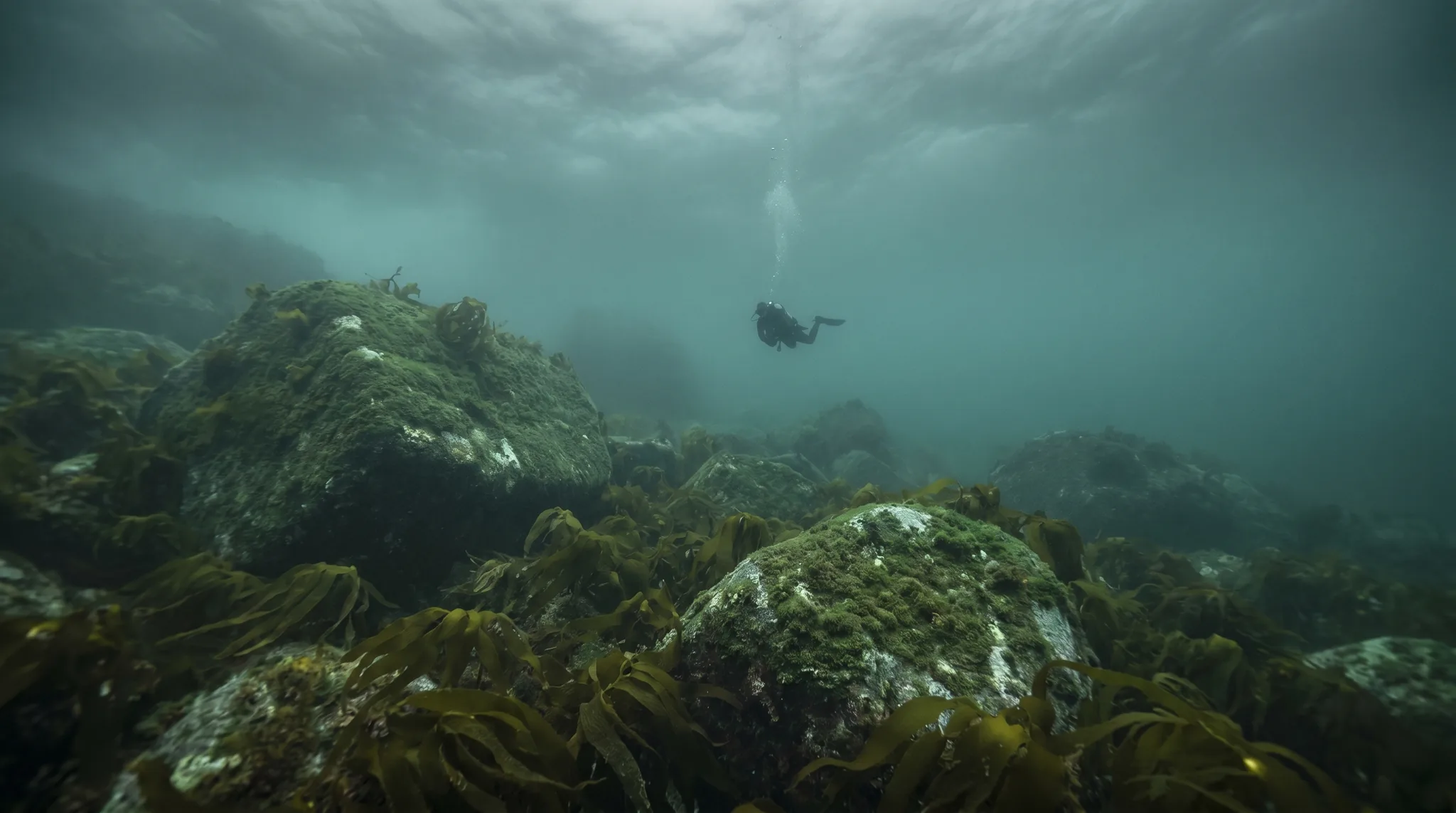
Monthly water temperature across Lloret de Mar's sites, from satellite sea-surface data corrected for depth. The band shows the site-to-site spread.
Water temperatures climb steadily from spring into the warm summer months, with peak warmth through July, August and September making those months the most comfortable for diving in a thinner suit. Spring and autumn offer good conditions with cooler water, and the histogram shows strong diver activity from May through to October. Winter months are the coolest and quieter, suiting those happy in a thicker wetsuit.
13 operators
Spain
20 more sites to explore
Water temperature around Lloret de Mar ranges from about 13°C in February to 25°C in August, based on satellite sea-temperature data for its dive sites.
In the warm season (about 25°C) a 3mm full suit is comfortable in Lloret de Mar; in the coldest months (about 13°C) step up to a 7mm or semi-dry suit.
Fin maps 32 sites in Lloret de Mar (25 scuba diving sites and 12 snorkelling spots, with some suited to both).
Across Lloret de Mar's dive sites, May, June, July, August, September and October are most often reported as the best months to visit.
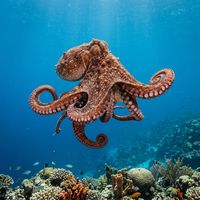
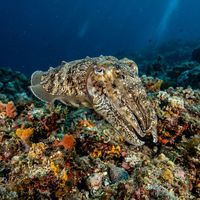
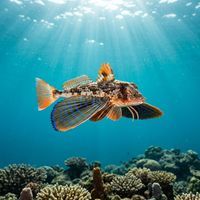
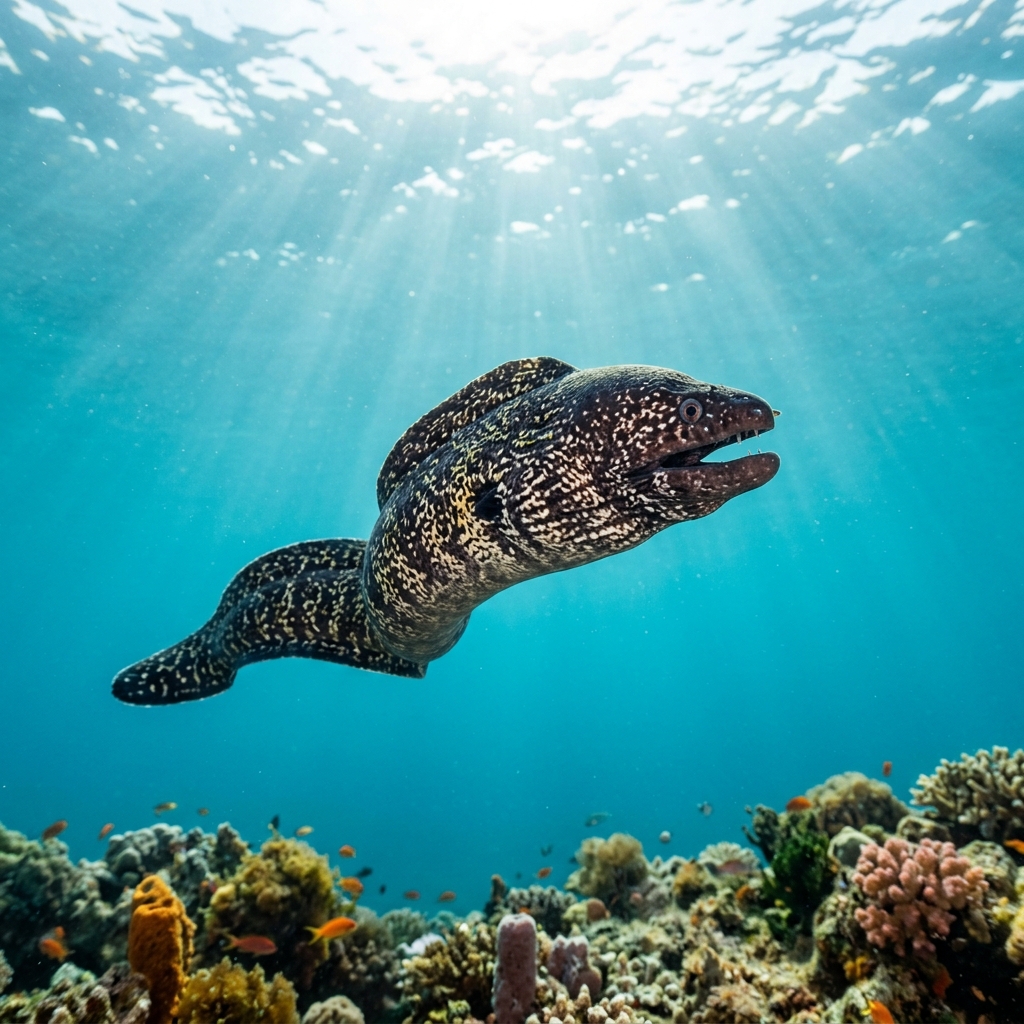
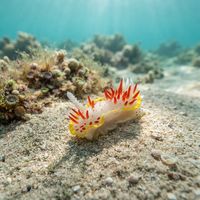
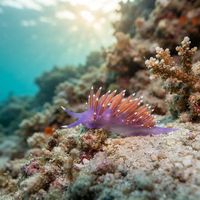
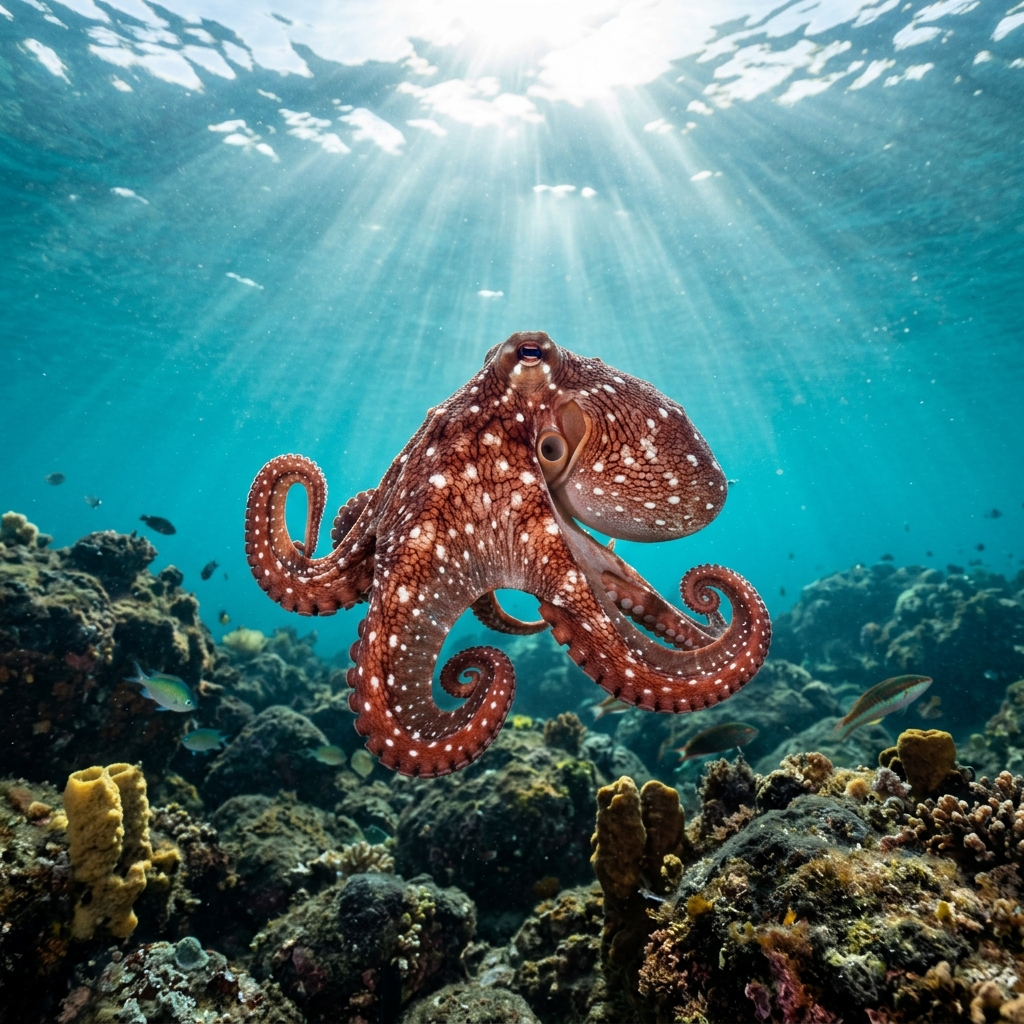
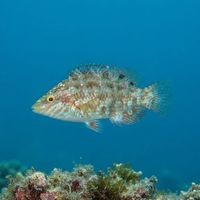
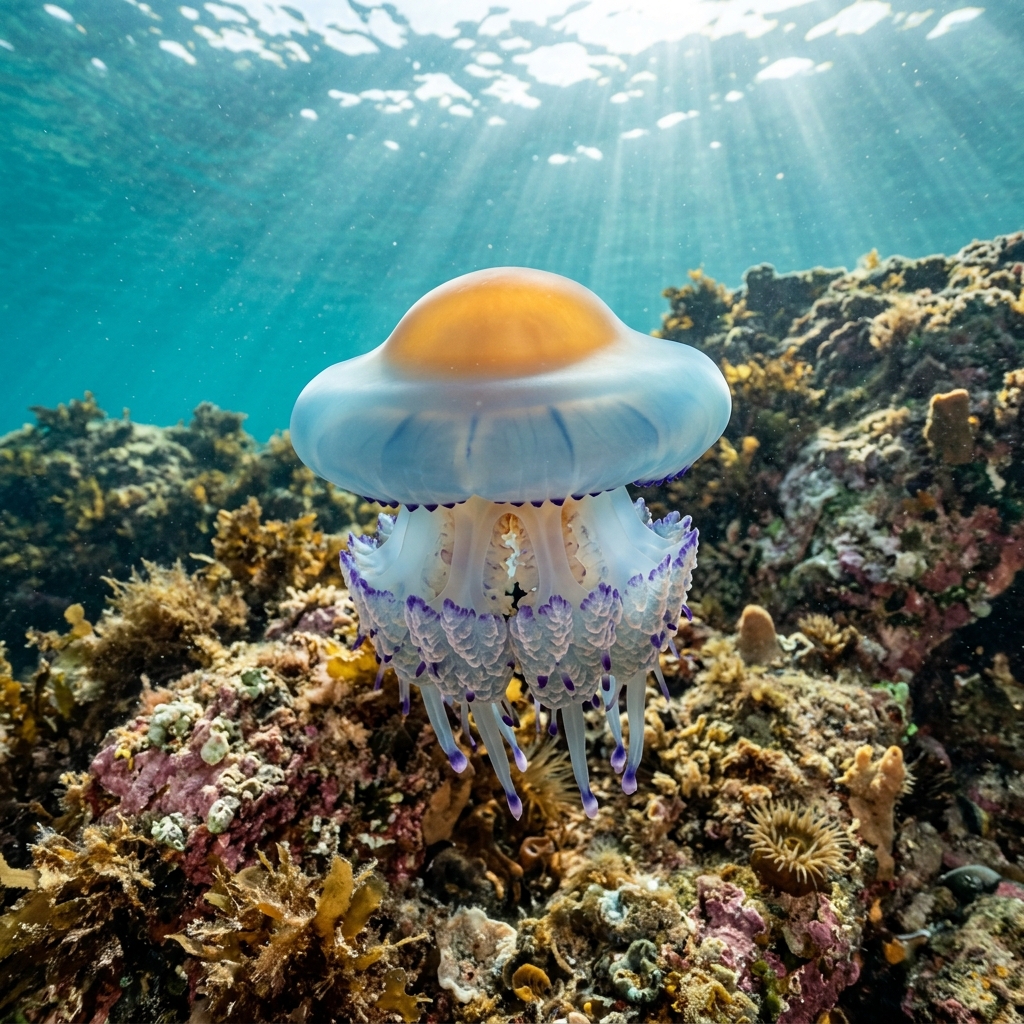
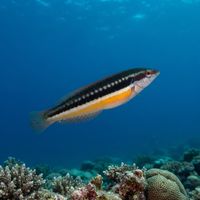
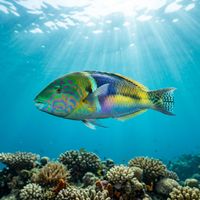
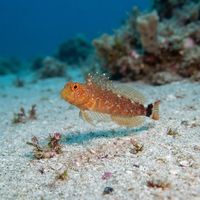
The reefs here are particularly rich in cephalopods and wrasse. Common Octopus and European Common Cuttlefish are observed across almost every site, while Five-spotted Wrasse, Mediterranean Rainbow Wrasse, Turkish Wrasse and Peacock Wrasse are all very commonly recorded. Divers who look carefully will also find Mediterranean Moray, Black Scorpionfish, Flying Gurnard and a good variety of nudibranchs including the Violet Sea Slug and Diaphorodoris papillata.
A large proportion of the sites here are rated beginner level, including several accessible directly from the shore at sites such as Els Tres Arcs, Sacaleta Point and Punta Santa Anna. Many of the shallower boat-access reefs are also recommended for beginners. Intermediate divers have their own options in the deeper reef and canyon sites such as Bolets, El Fitó and El Tubet.
Both access types are well represented. Shore-entry sites tend to be shallower and easier, making them popular with beginners and snorkellers. Boat-access sites reach a wider range of depths and include the more varied topographies such as pinnacles, canyons and deeper walls. Some sites like Cala Canyelles offer both options, giving divers flexibility depending on conditions and preference.
The site mix is broad for a coastal area of this size. Rocky reefs are the foundation, but many sites layer in additional features: natural arches at Els Tres Arcs, a cave and reef combination at Sacaleta Point, walls and canyon structures at El Fitó, and seagrass meadows alongside reef at Cala Canyelles and Els Bullents. Punta Santa Anna also features an artificial reef element alongside its granite formations.