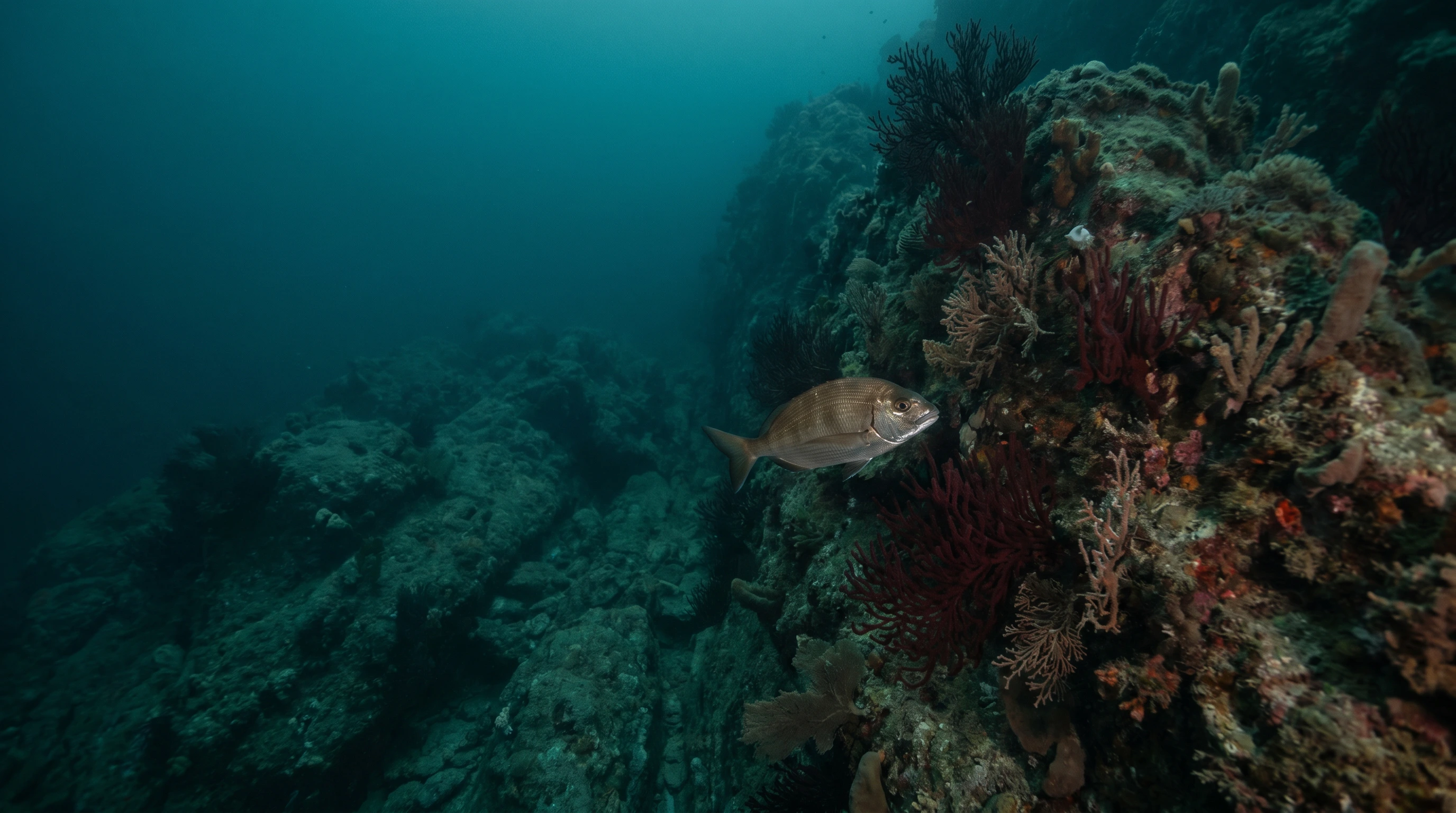
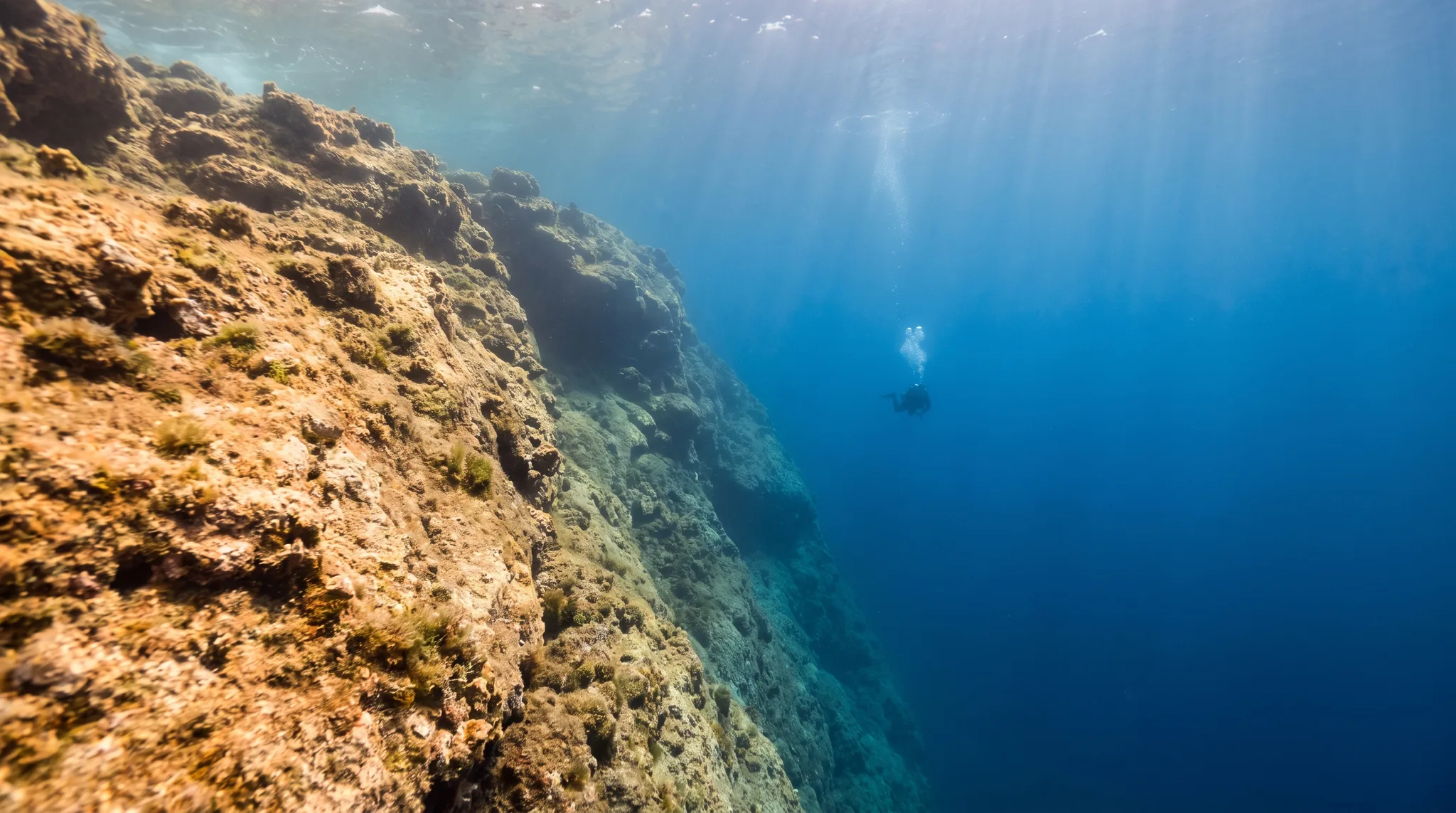
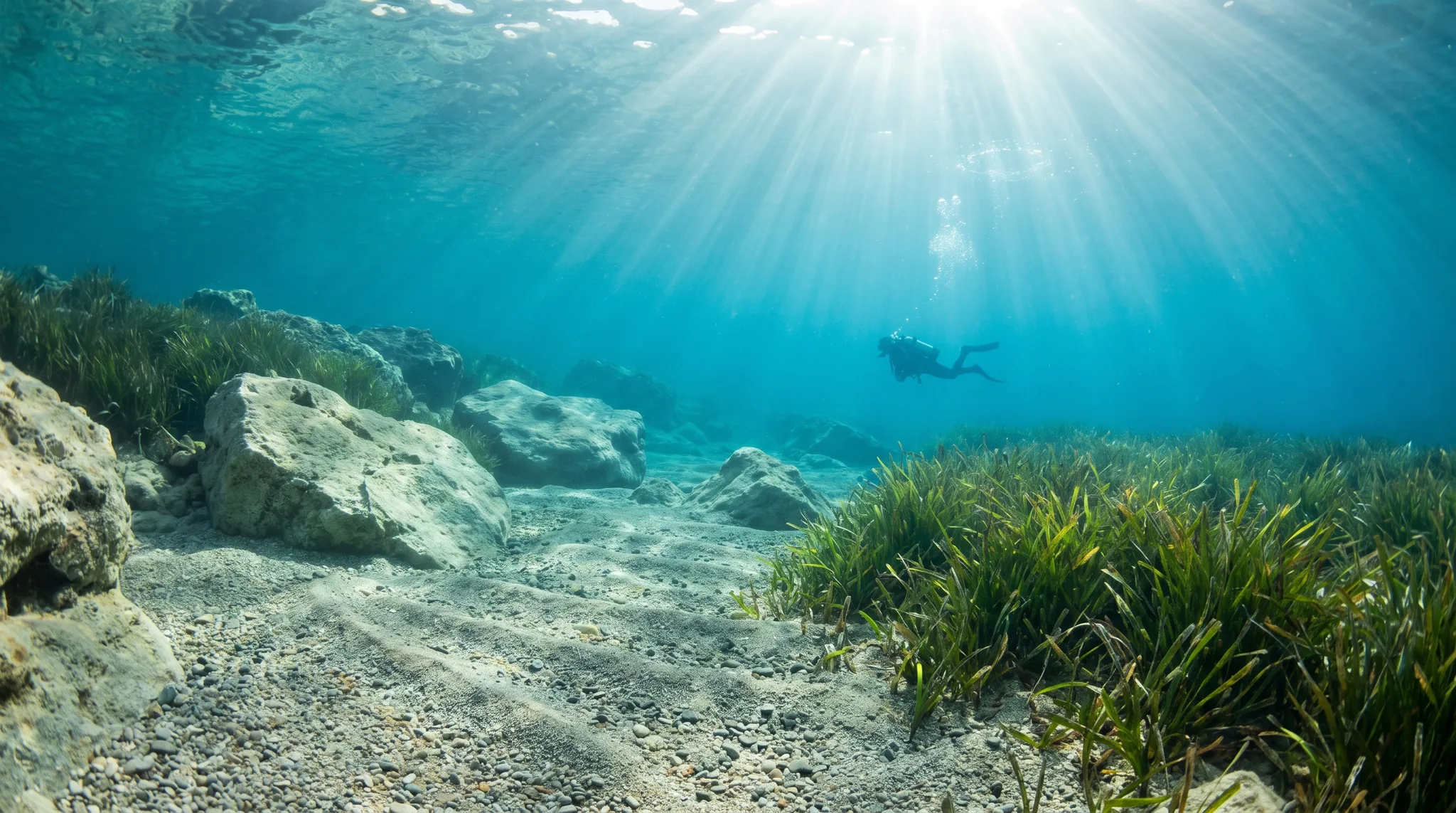
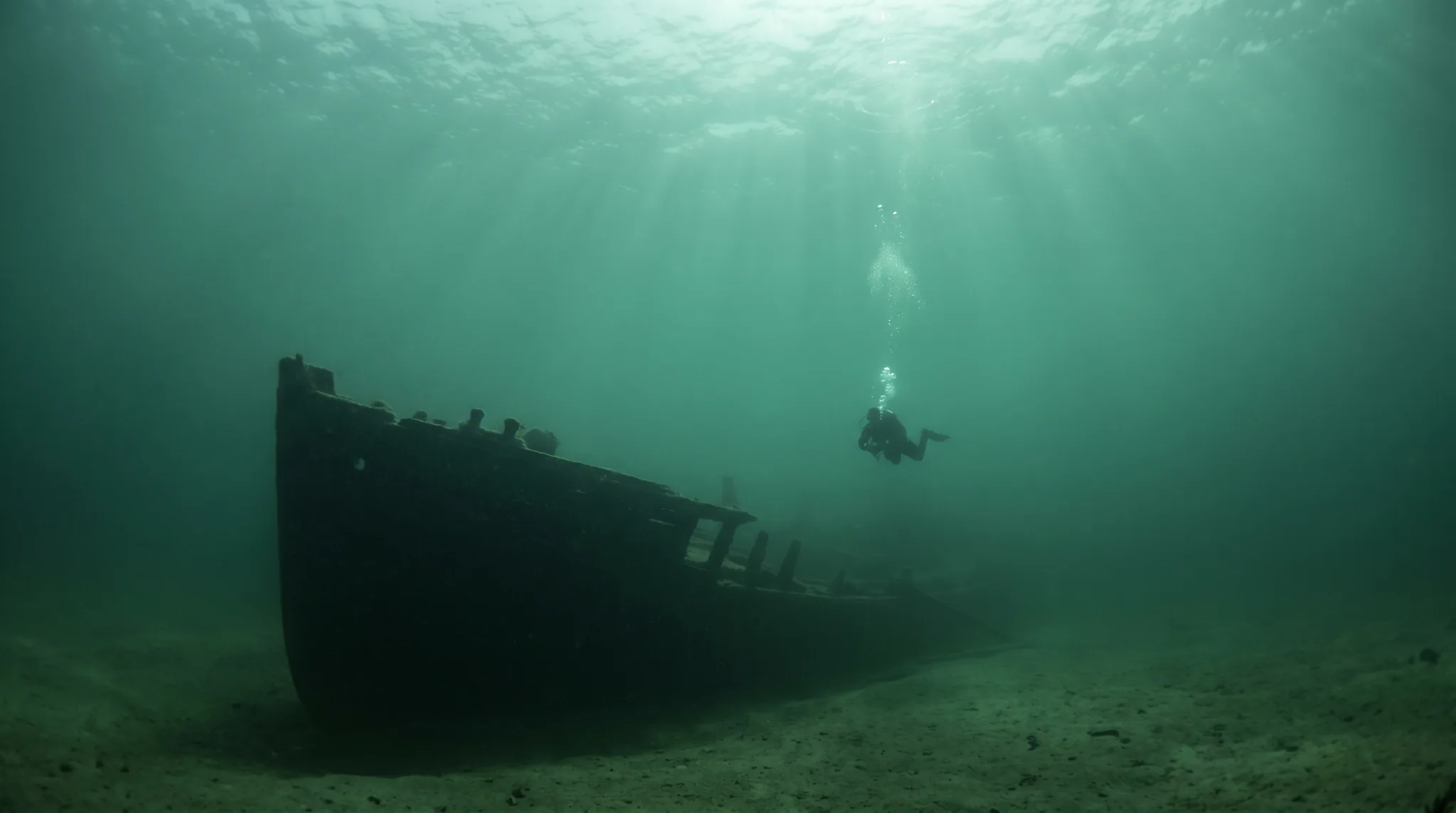
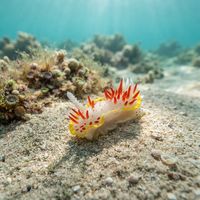
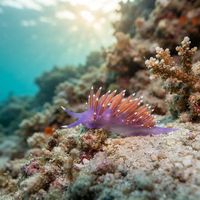
L'Estartit offers a varied dive portfolio stretching from shallow shore-entry reefs like El Pinell and Port Pelegri through to deep wall and canyon systems such as Gorgònies de Llevant and Llosa Palamos. The Boreas wreck adds structural interest for intermediate divers, while abundant nudibranch diversity, including the Cratena Slug, Giant Doris and Mediterranean Violet Aeolid, rewards slower, observational diving. Mediterranean Moray and Great Barracuda are consistently observed across sites. Conditions favour summer and autumn for warmest water and peak visibility.
Monthly water temperature across L'Estartit's sites, from satellite sea-surface data corrected for depth. The band shows the site-to-site spread.
Water temperature rises steadily through spring, reaching its warmest in late summer before cooling again through autumn and into winter. The most popular diving months run from late spring through October, when conditions are at their most settled and water warmth is most comfortable. Winter diving remains possible but water turns noticeably cool, suiting those happy in thicker exposure protection.
24 operators

11 more sites to explore
Water temperature around L'Estartit ranges from about 13°C in February to 24°C in August, based on satellite sea-temperature data for its dive sites.
In the warm season (about 24°C) a 3mm full suit is comfortable in L'Estartit; in the coldest months (about 13°C) step up to a 7mm or semi-dry suit.
Fin maps 21 sites in L'Estartit (19 scuba diving sites and 3 snorkelling spots, with some suited to both).
Across L'Estartit's dive sites, May, June, July, August, September and October are most often reported as the best months to visit.
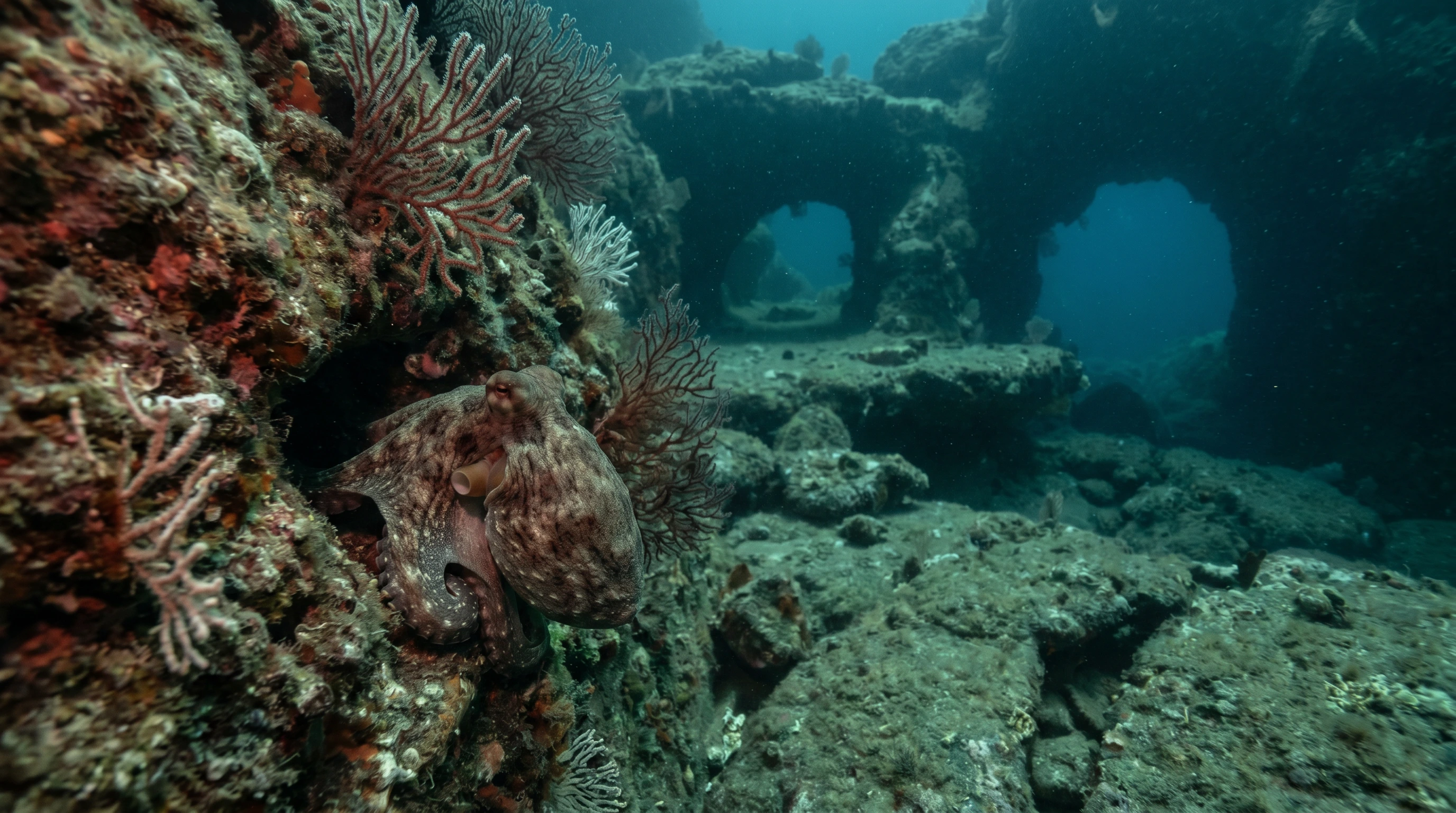
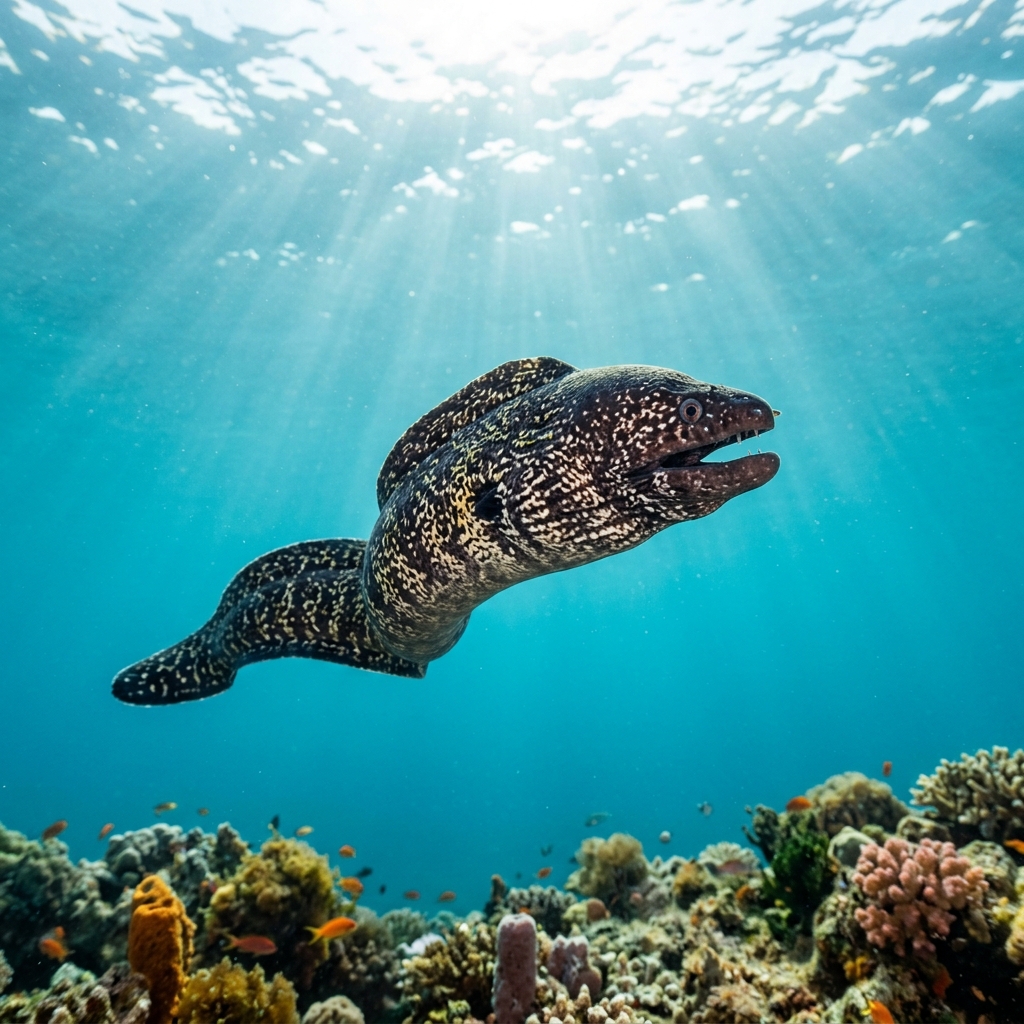
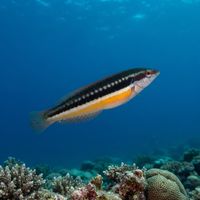
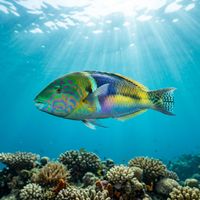
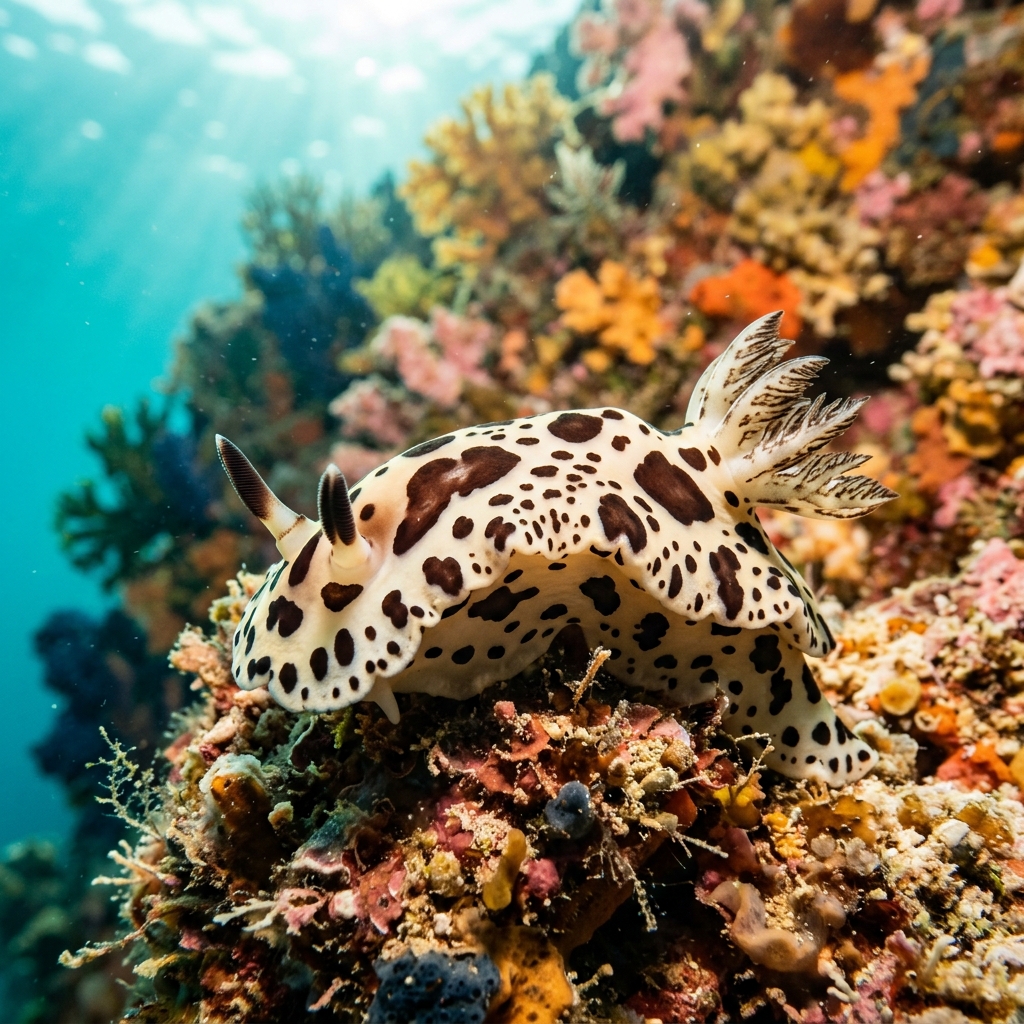
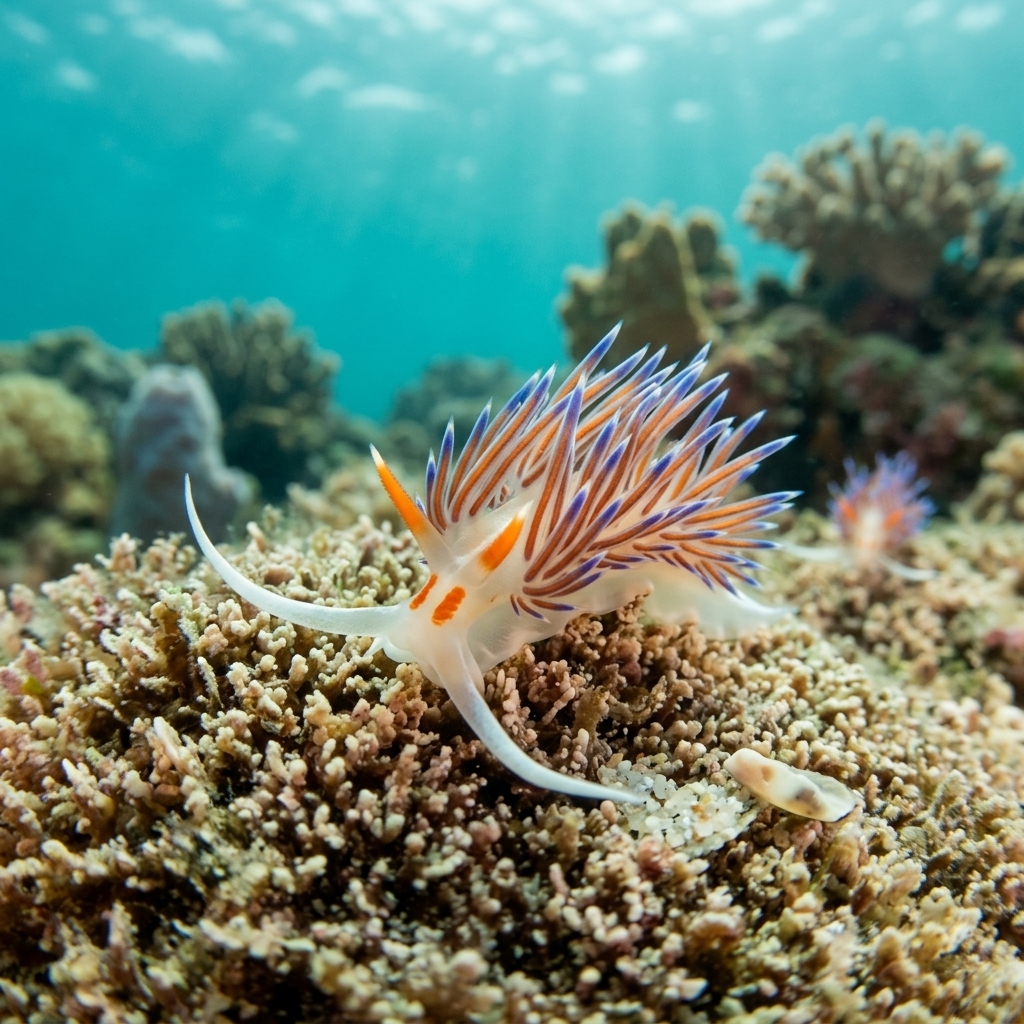
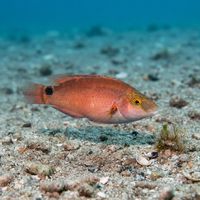
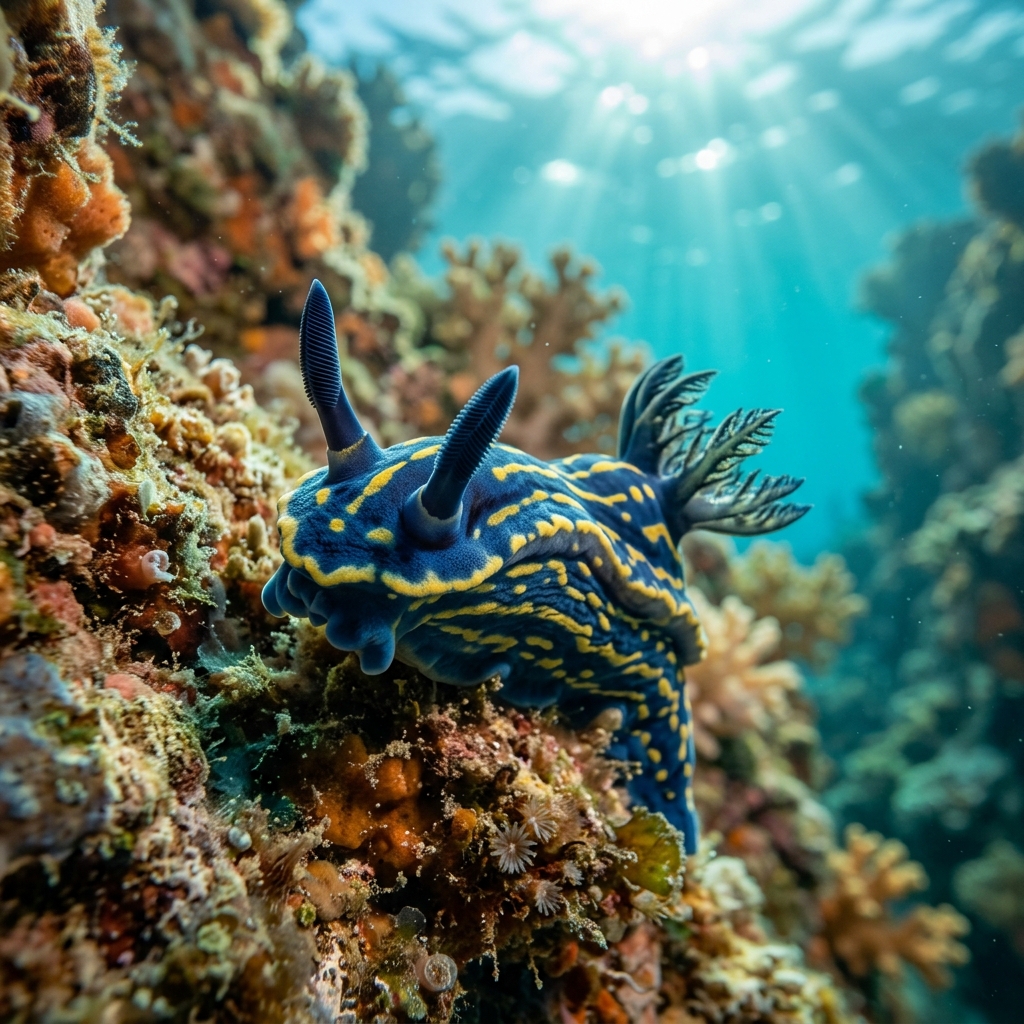
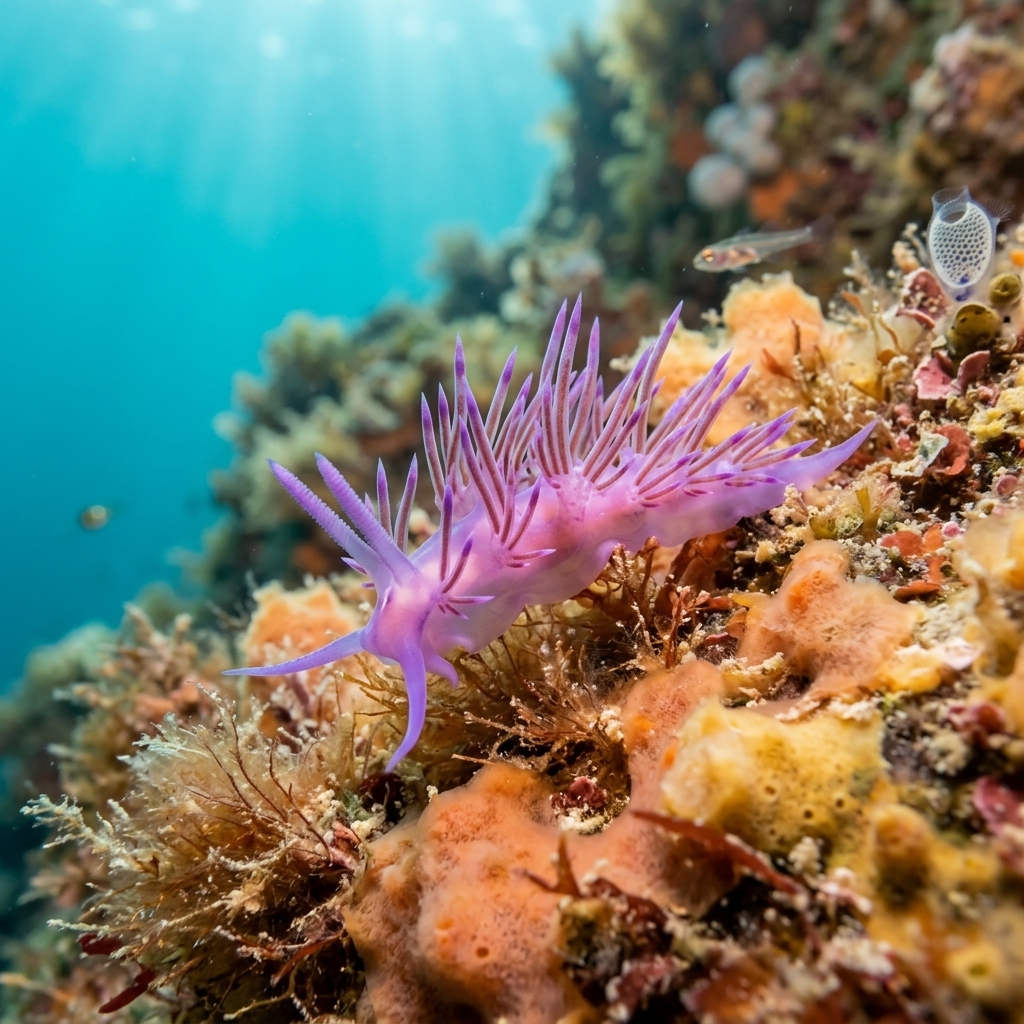
Observed species include Mediterranean Moray, Great Barracuda, Common Octopus and White-spotted Octopus, alongside European Common Cuttlefish. Nudibranch variety is a particular draw, with the Cratena Slug, Giant Doris, Mediterranean Violet Aeolid and Diaphorodoris Alba all recorded across sites. Wrasse species including Mediterranean Rainbow Wrasse, Turkish Wrasse, Axillary Wrasse and Peacock Wrasse are very commonly encountered.
Yes, several sites are rated for beginners. El Pinell and Port Pelegri are both shallow shore-entry reef dives well suited to those early in their diving experience. Cala Margarita also accommodates beginners and can be reached from shore or by boat. More advanced topography, including deep walls and the Boreas wreck, is available for intermediate and advanced divers.
Both options are available. El Pinell and Port Pelegri are accessible directly from shore, making them convenient for independent divers. Sites such as Boreas, Llosa Palamos and Gorgònies de Llevant require a boat. Cala Margarita can be reached either way. A range of dive centres and operators in the area, including H2O Diving Center and Dossotaigua, run boat trips to the offshore sites.
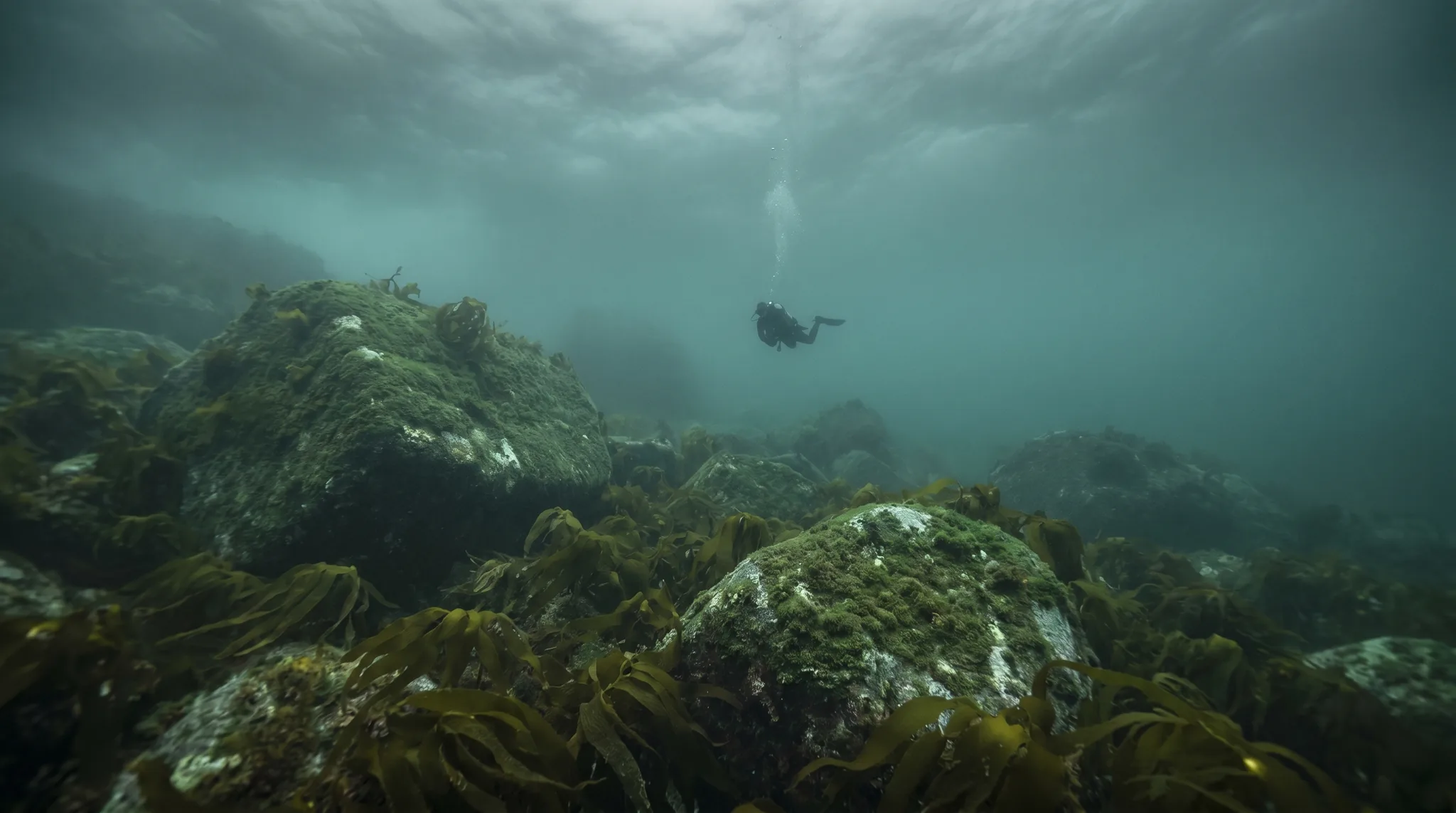
L'Estartit covers a broad spread of underwater terrain. Shallow reef sites near the coast suit relaxed, exploratory dives, while Llosa Palamos combines reef, wall and canyon in a single complex topography. Gorgònies de Llevant is primarily a deep wall draped in large gorgonian fans. The Boreas adds wreck diving to the mix, functioning also as an artificial reef. This variety means sites cater to a wide range of preferences and experience levels.