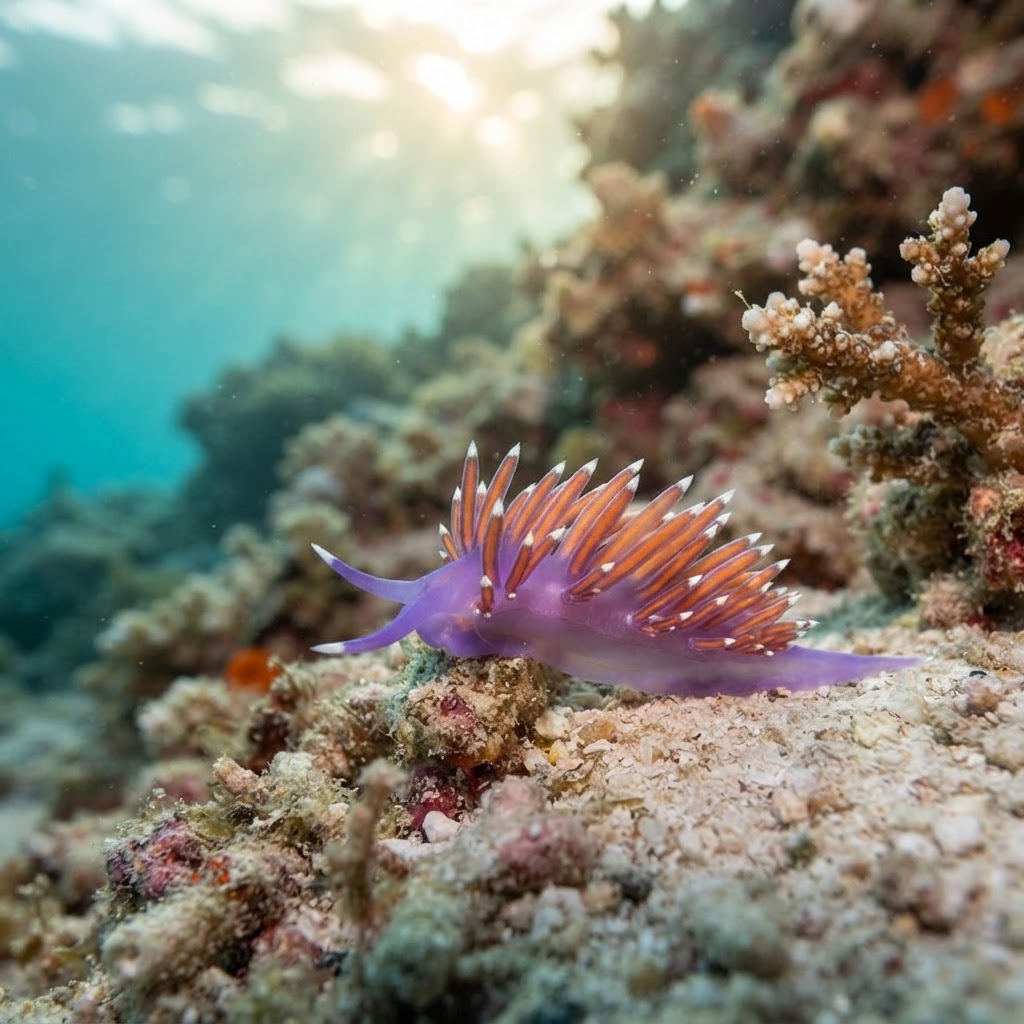
Edmundsella pedata
Purple-frilled nudibranch logged across France's Riviera and Spain's Catalan coast in 14.5 to 20.5C water, year-round if you know where to look.
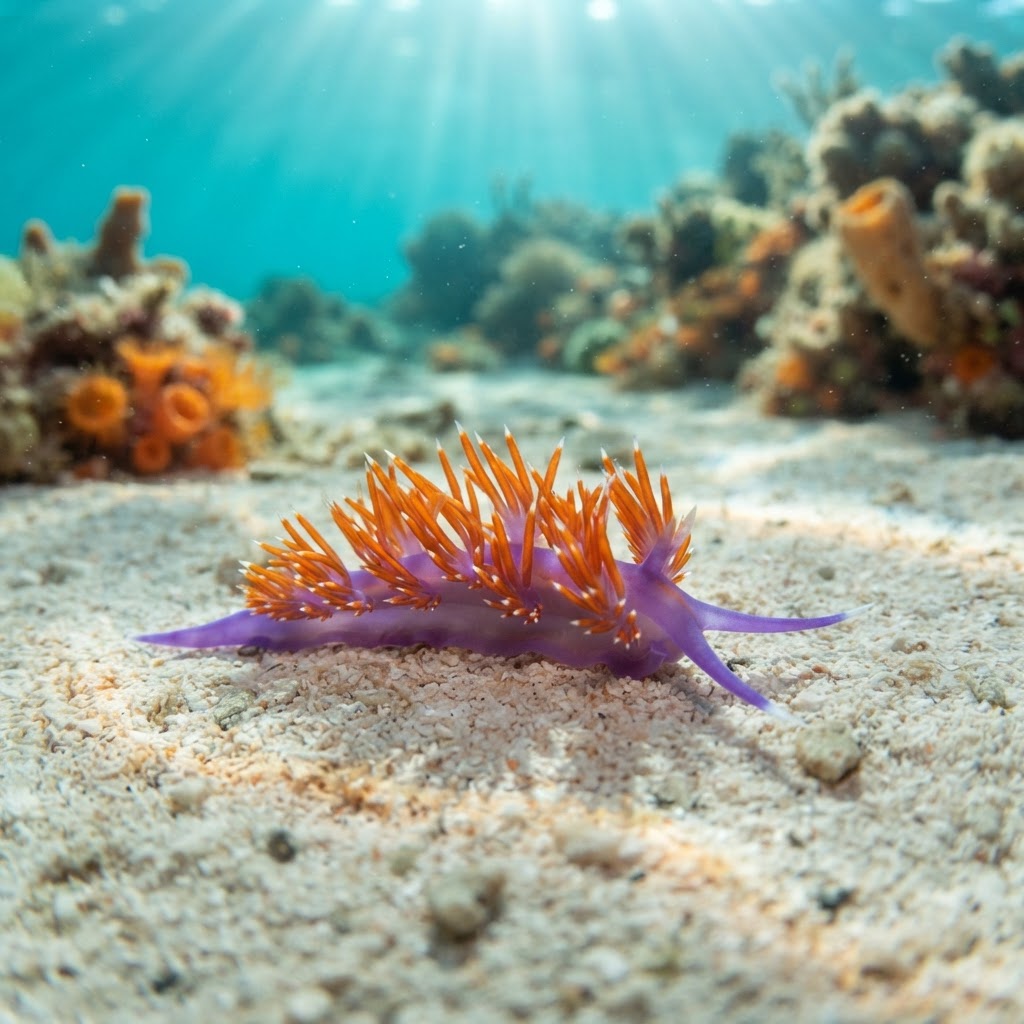
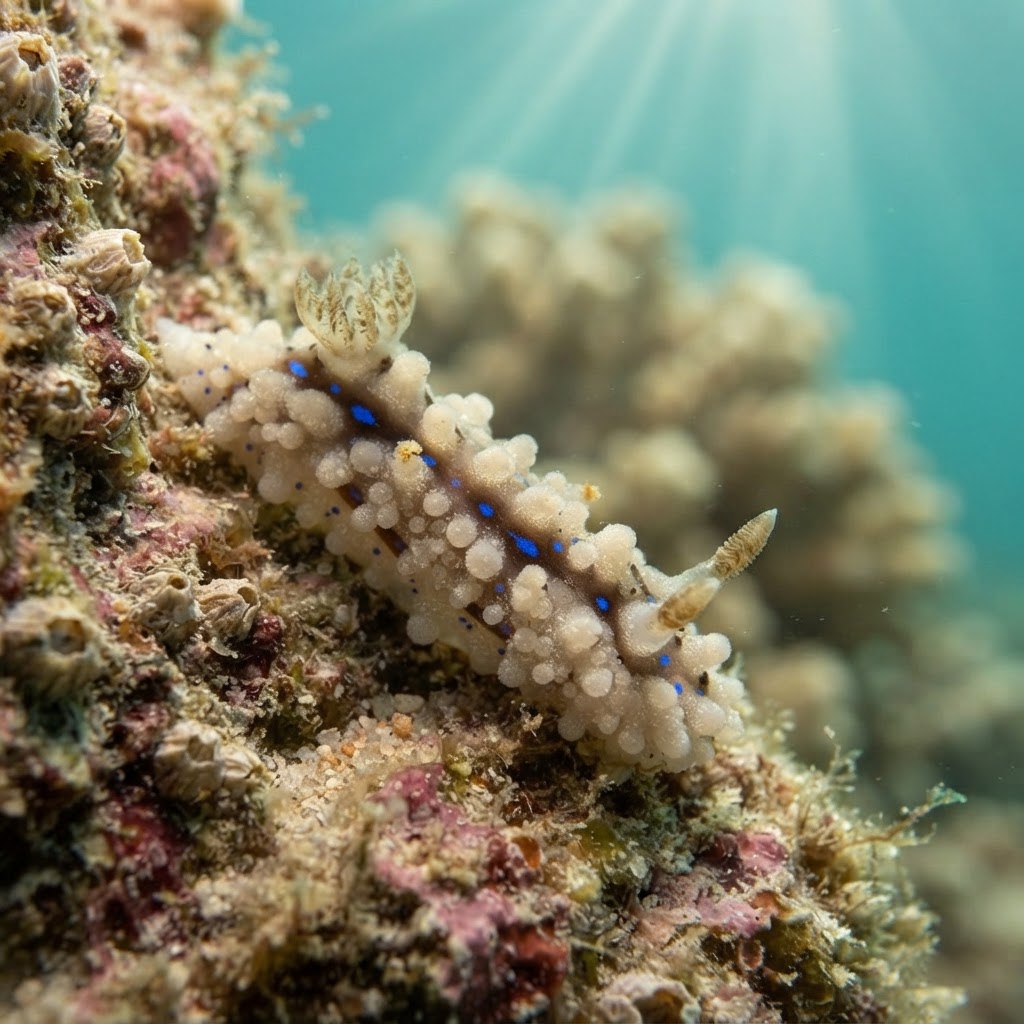
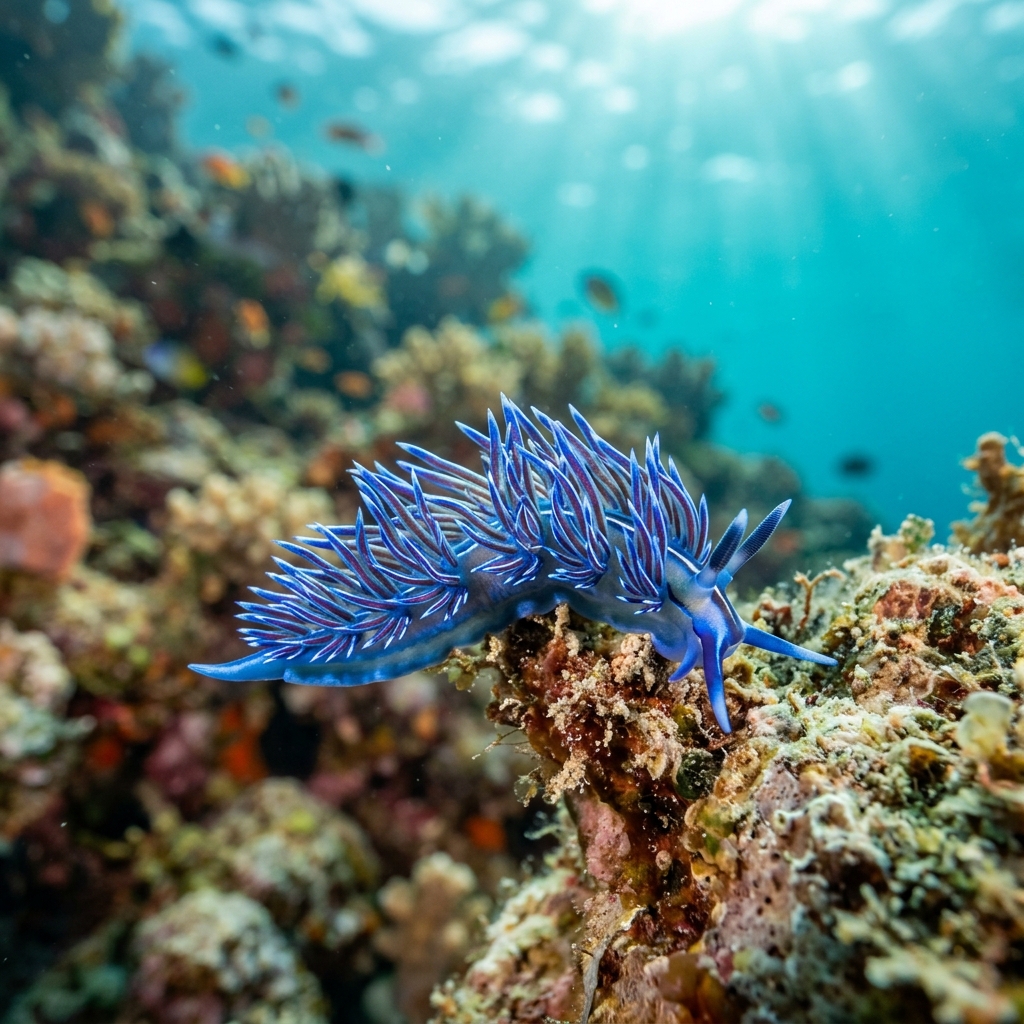
A small, slender nudibranch with a translucent to deep violet body covered in finger-like projections (cerata) that usually carry bright orange or red tips. It moves slowly across rock and algae, rarely more than a couple of centimetres long, so divers tend to spot it once they slow down and start scanning surfaces closely. The contrast between the purple body and the orange-tipped cerata is the main giveaway against the plain rock or sponge background it sits on.
Look for it clinging to rock, algae or sponge surfaces on the seabed rather than out in open water, moving at the unhurried pace typical of nudibranchs. It shows no reaction to divers beyond a slow retreat if disturbed, which makes it an easy subject once you spot it, though its small size means most divers walk right past it without a careful look at the substrate.
Those orange-tipped cerata on its back aren't just decoration; many flabellinid sea slugs like this one incorporate stinging cells from the hydroids they eat into their own tissue, turning a meal into a defence.
No clear seasonal pattern shows up in the sightings, and with a temperature niche running from about 14.5 to 20.5C, it seems to tolerate cooler spring water as well as warmer summer conditions, so divers log it across most of the year in its Mediterranean strongholds.
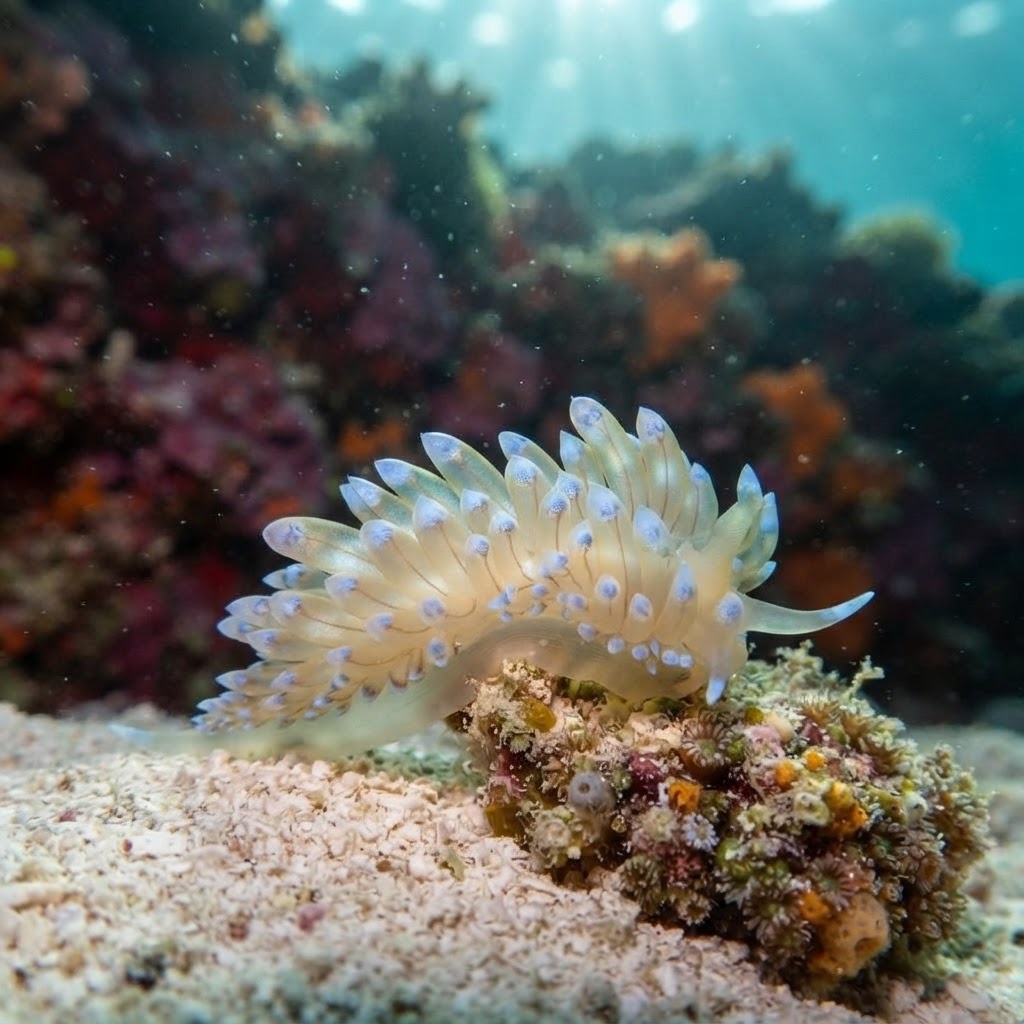
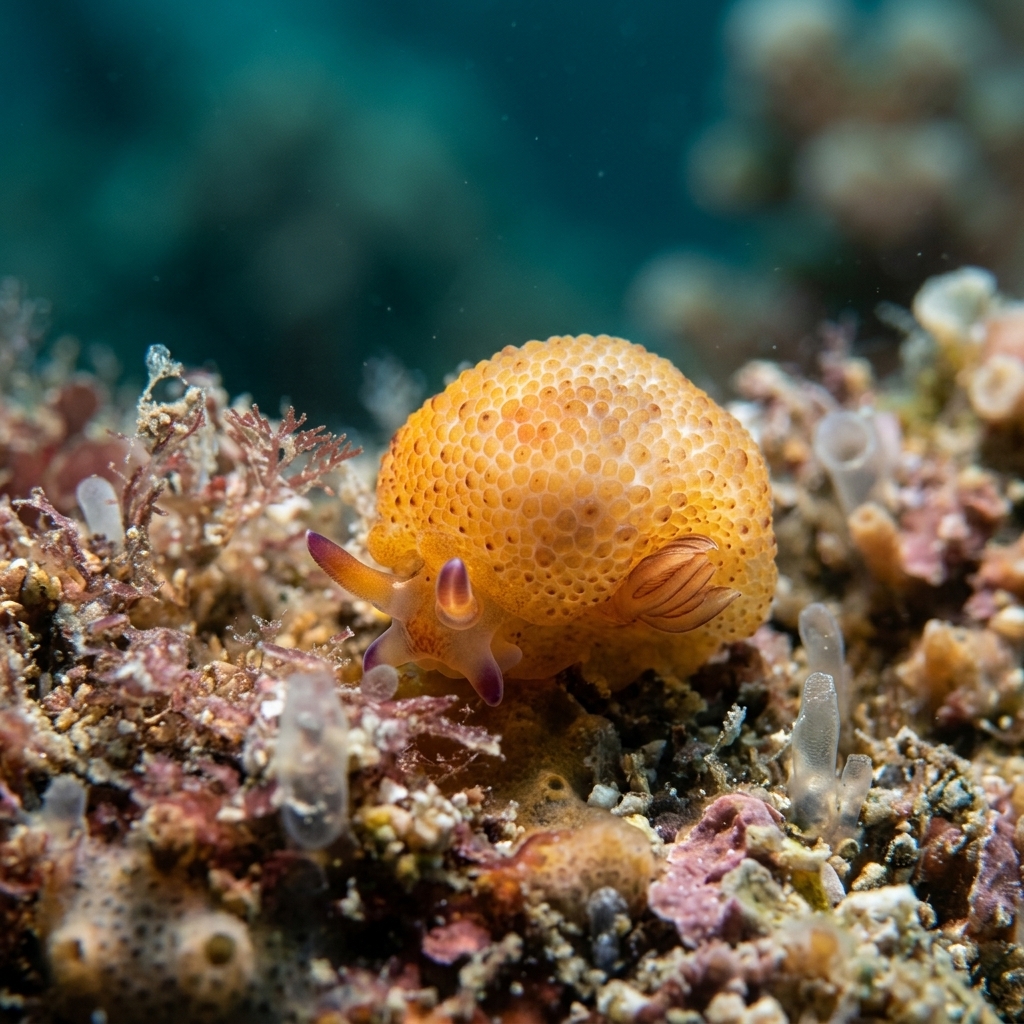
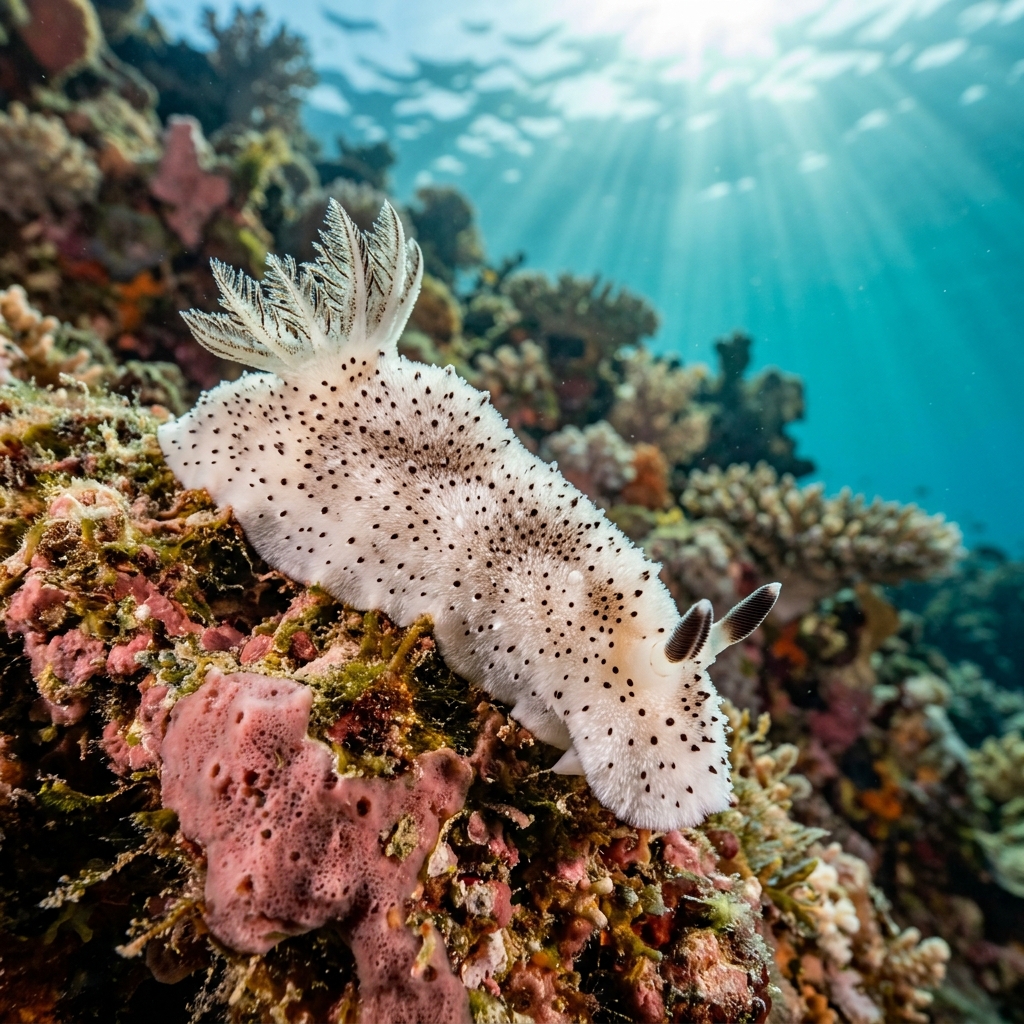
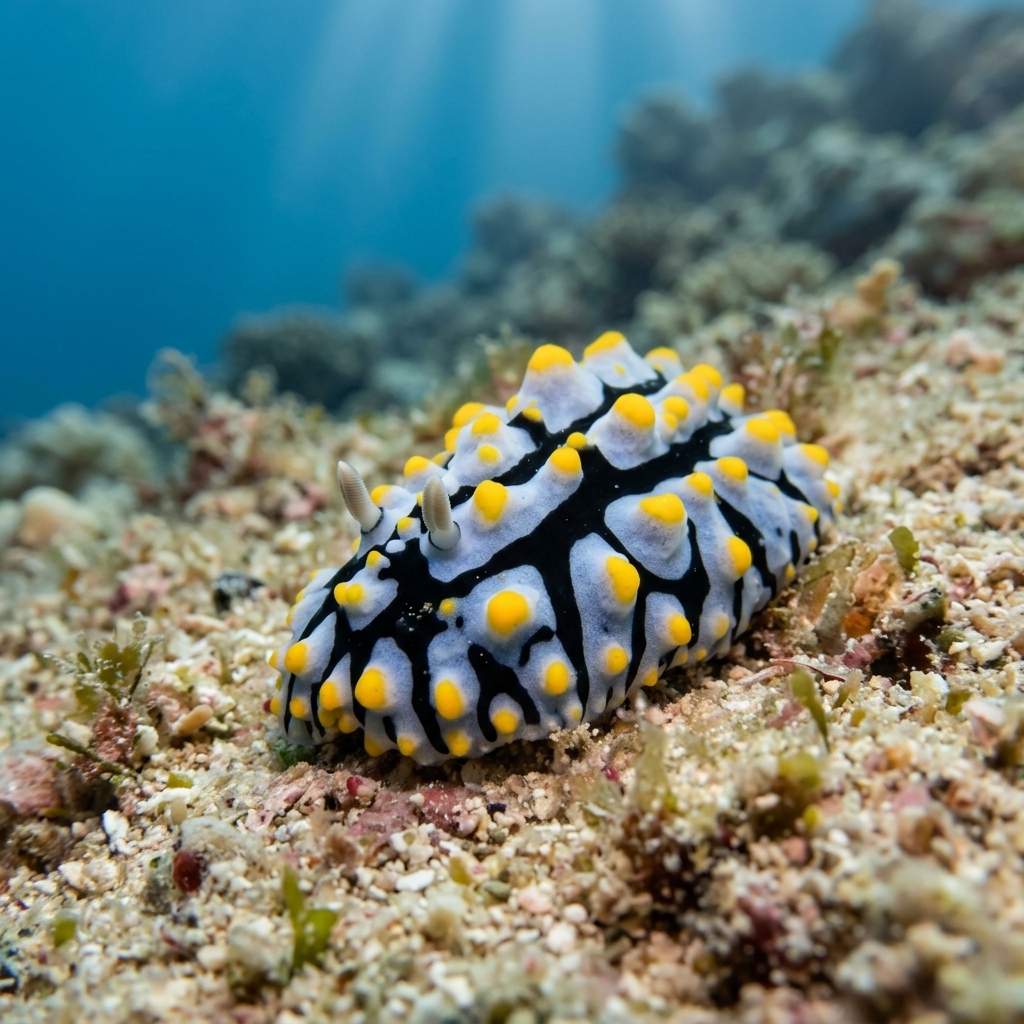
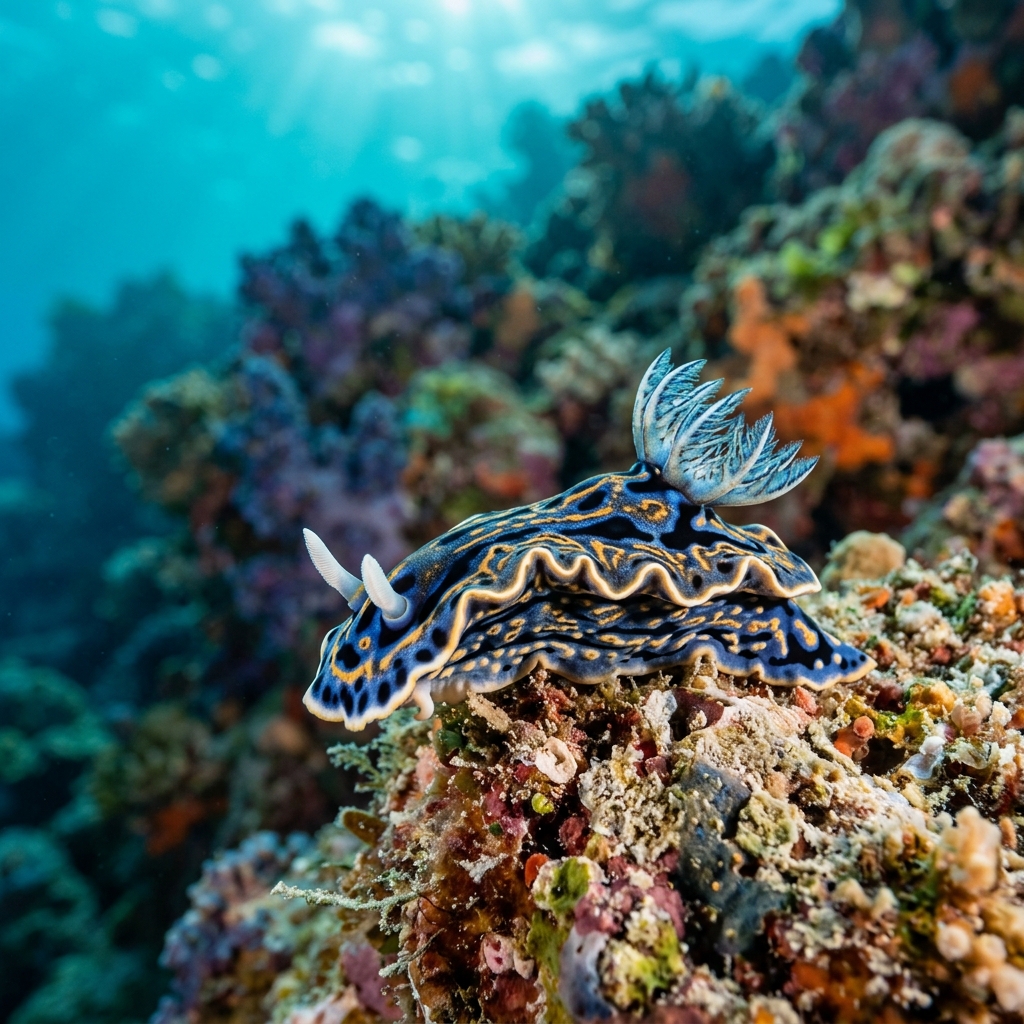
Reef neighbours a diver could mistake it for. Use the identification notes above to tell them apart.
This is a Mediterranean and near-Atlantic species, most reliably logged along the French Riviera and Provence coast, and across Catalonia, Valencia and the Balearic Islands in Spain. It also turns up consistently in Central Dalmatia and Istria in Croatia, along Portugal's Lisbon Coast, around Malta, Italy, and as far north as Norway and the UK.
Mapping where Violet Sea Slug is logged…
It's most consistently found along the French Riviera and Provence, and across Catalonia and Valencia in Spain. Central Dalmatia and Istria in Croatia, Malta, and Portugal's Lisbon Coast are other strong spots.
There's no strong seasonal signal in the sightings, so treat it as a year-round find in the Mediterranean, where it's been logged in water from about 14.5 to 20.5C.
Look for a small, slow-moving nudibranch with a purple to translucent body covered in cerata tipped bright orange or red. It sits on rock, algae or sponge rather than swimming, so check ledges and crevices closely.
No. It poses no threat to divers and simply retreats slowly if disturbed.
Exact size data isn't confirmed, but like most flabellinid nudibranchs it's small, typically only a couple of centimetres long, so divers need to look closely to spot one.
It likely borrows stinging cells from the hydroids it feeds on and stores them in its orange-tipped cerata, turning its food into a built-in defence system.
Site and sighting data is aggregated from diver logs, iNaturalist and GBIF. For taxonomy and conservation status:
Blue Dragon
3,163 sites