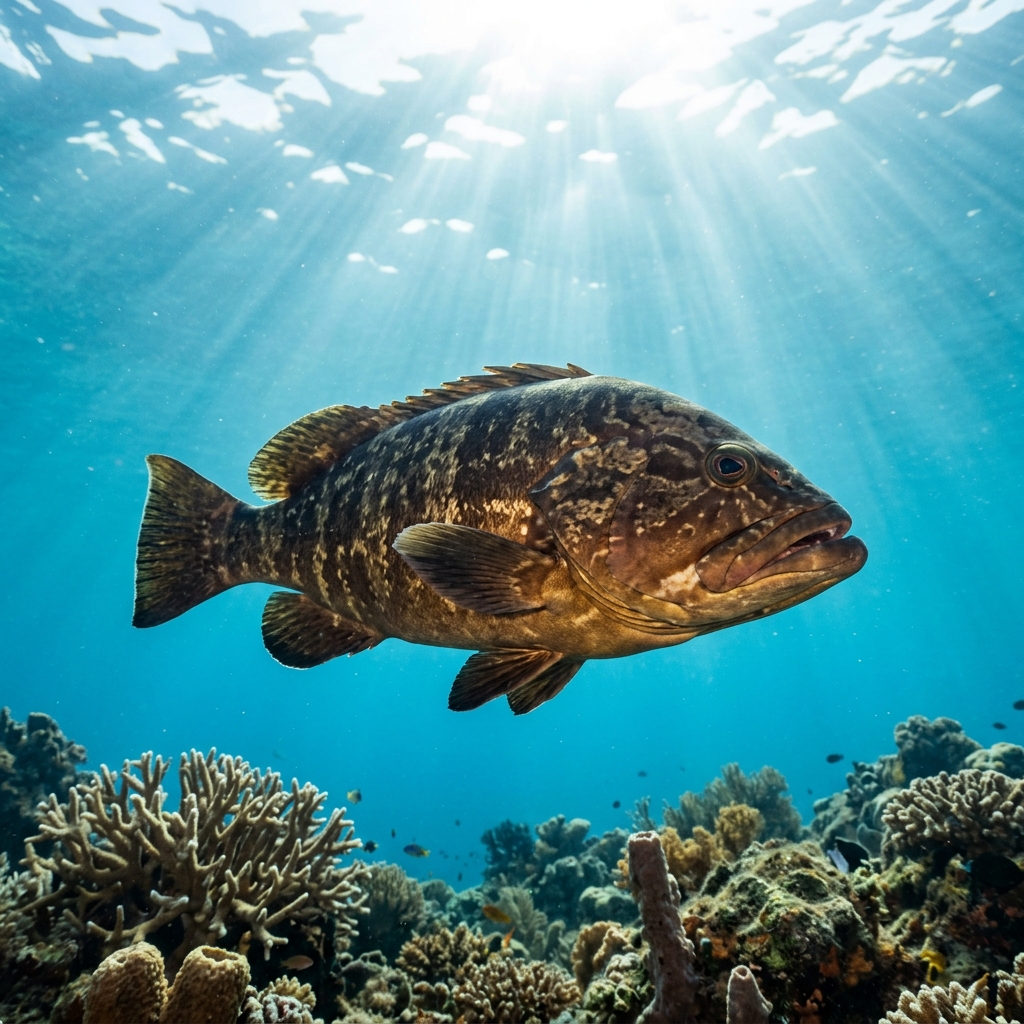
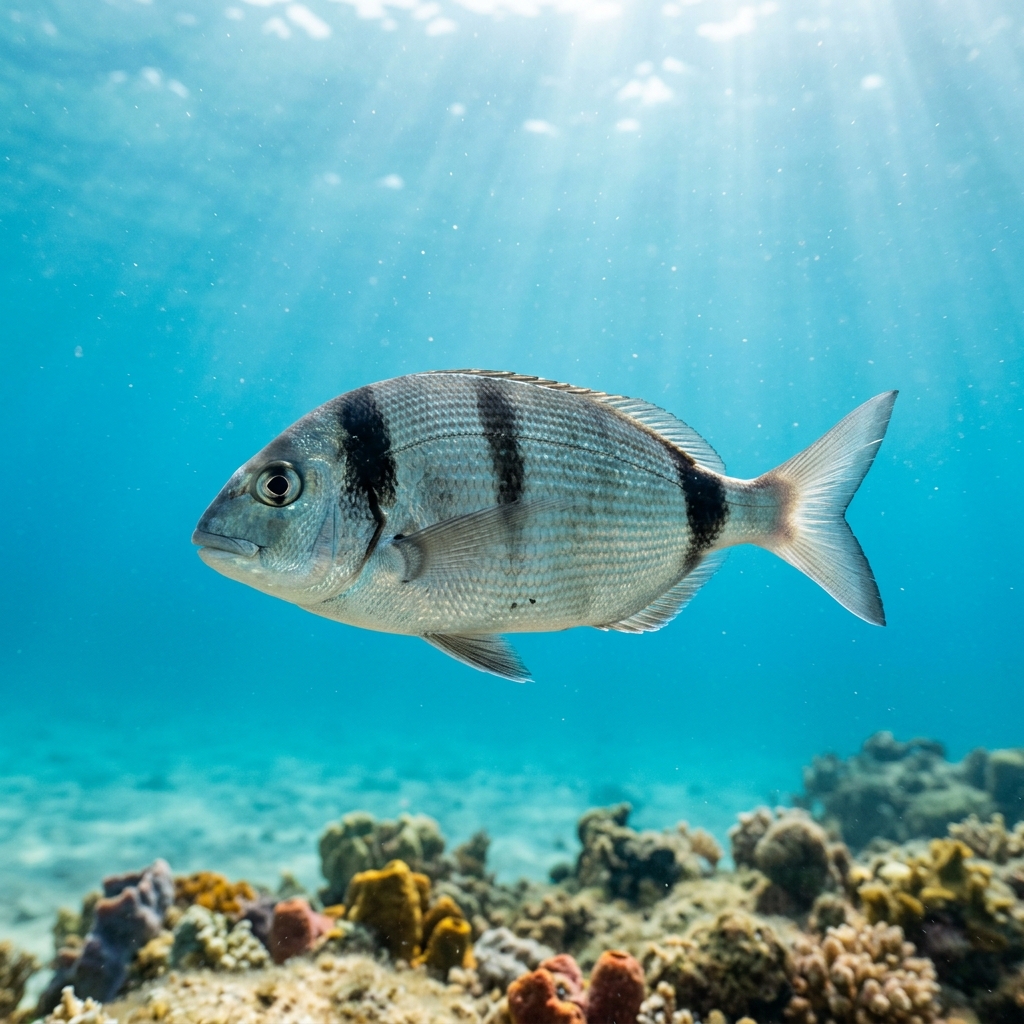
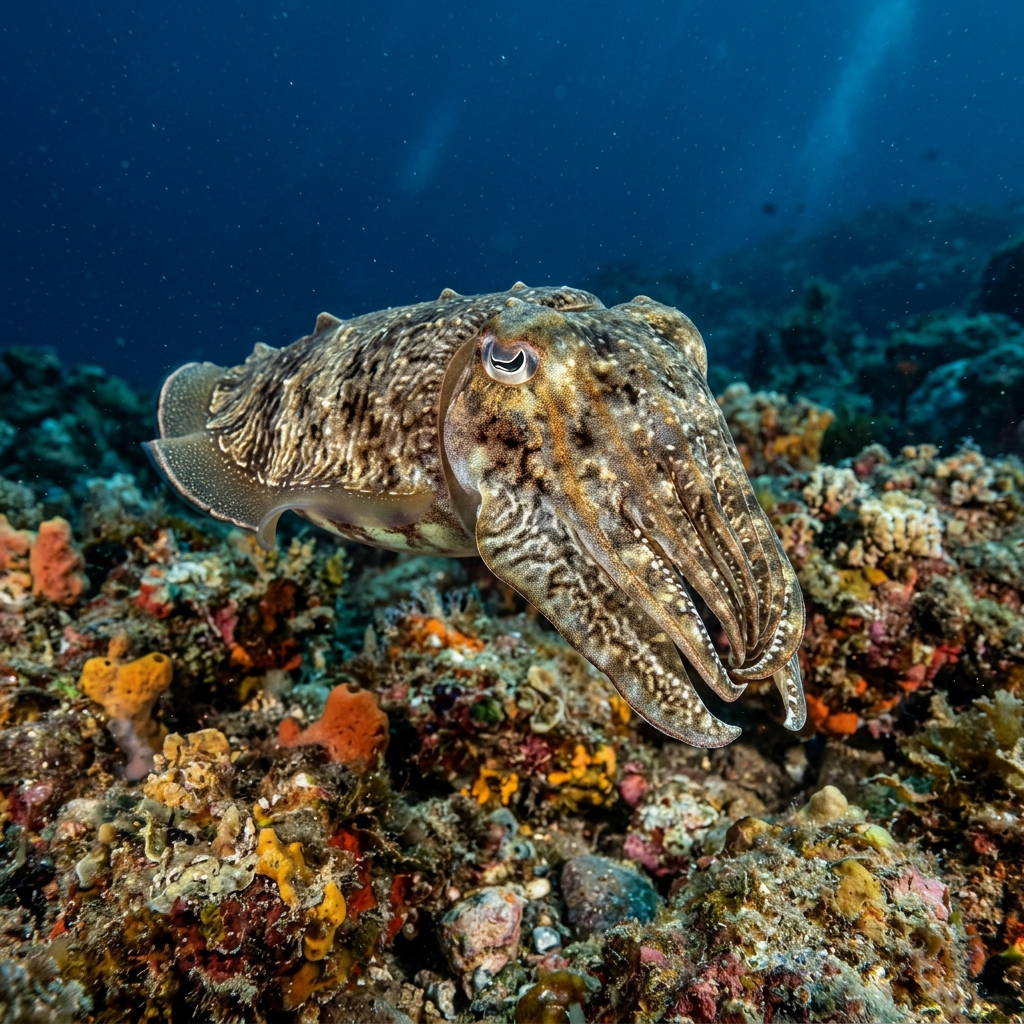
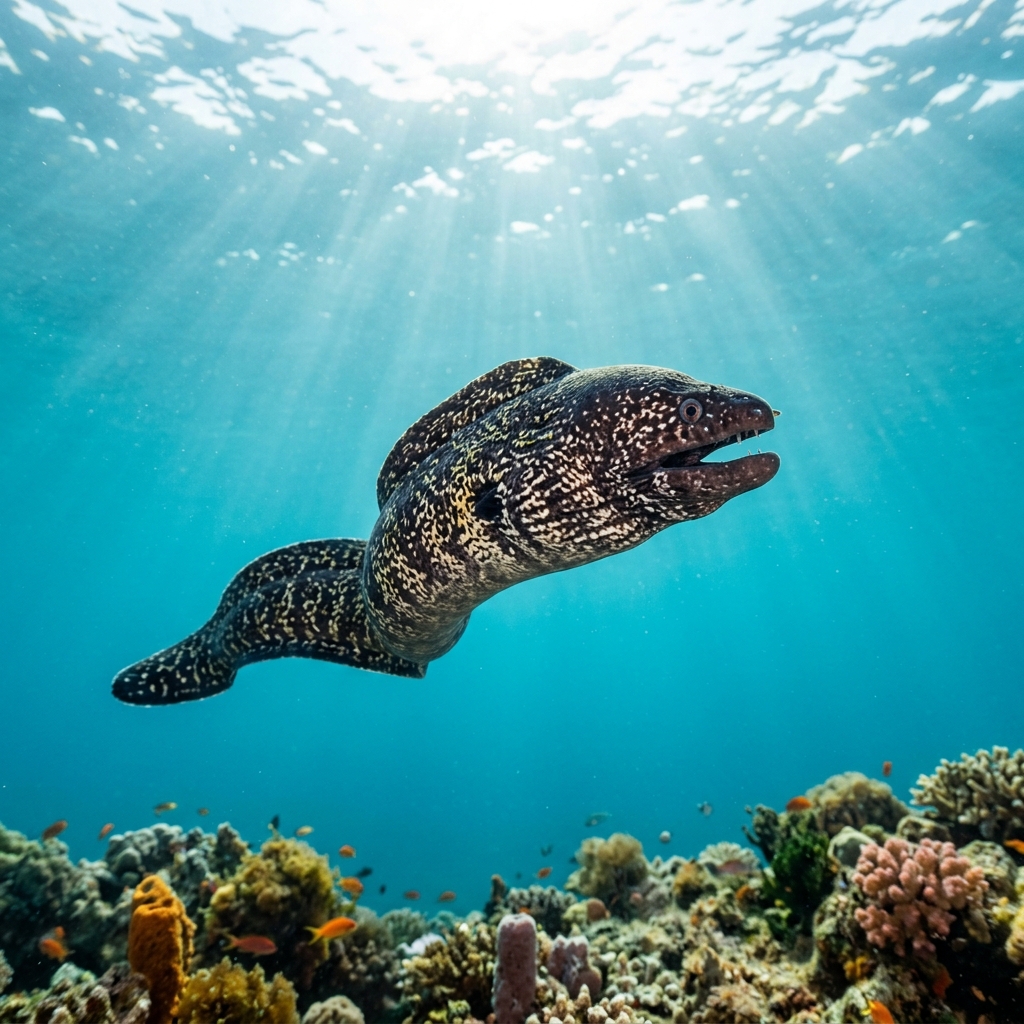
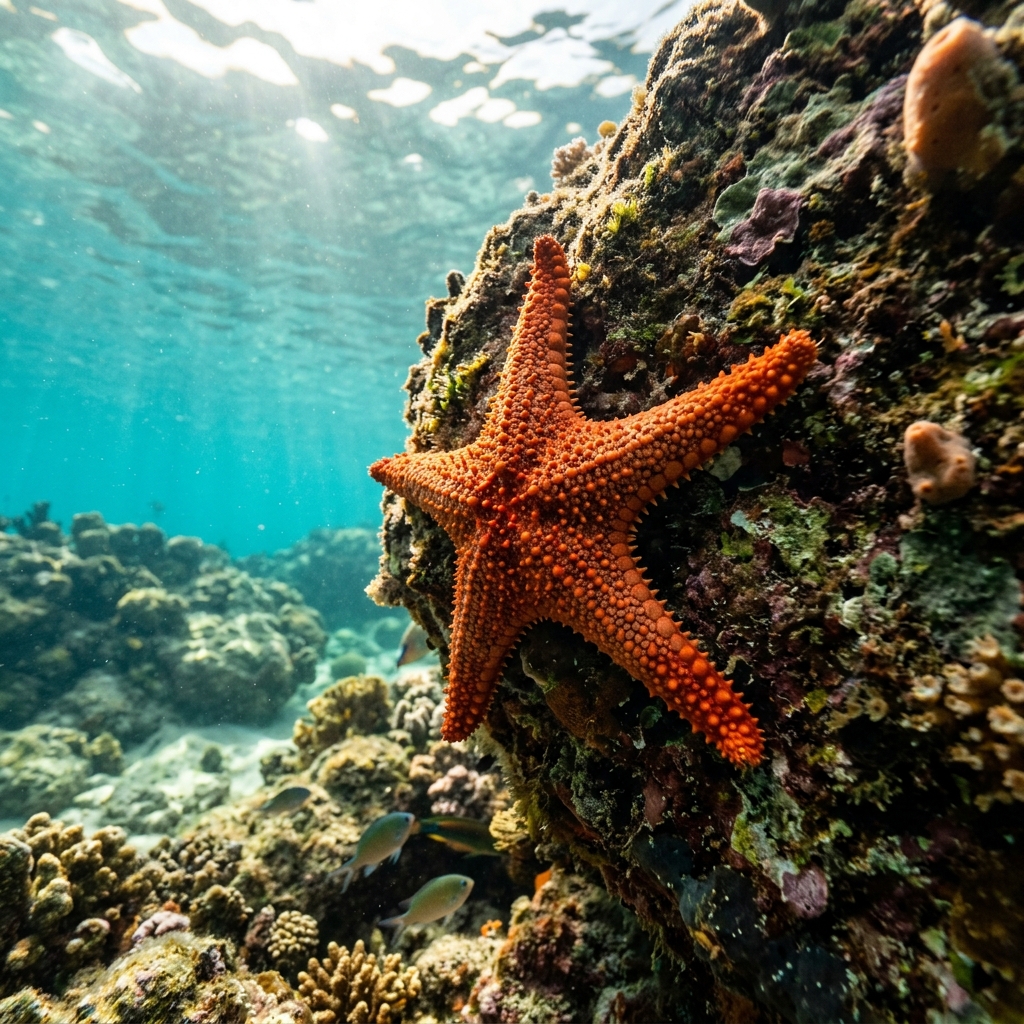
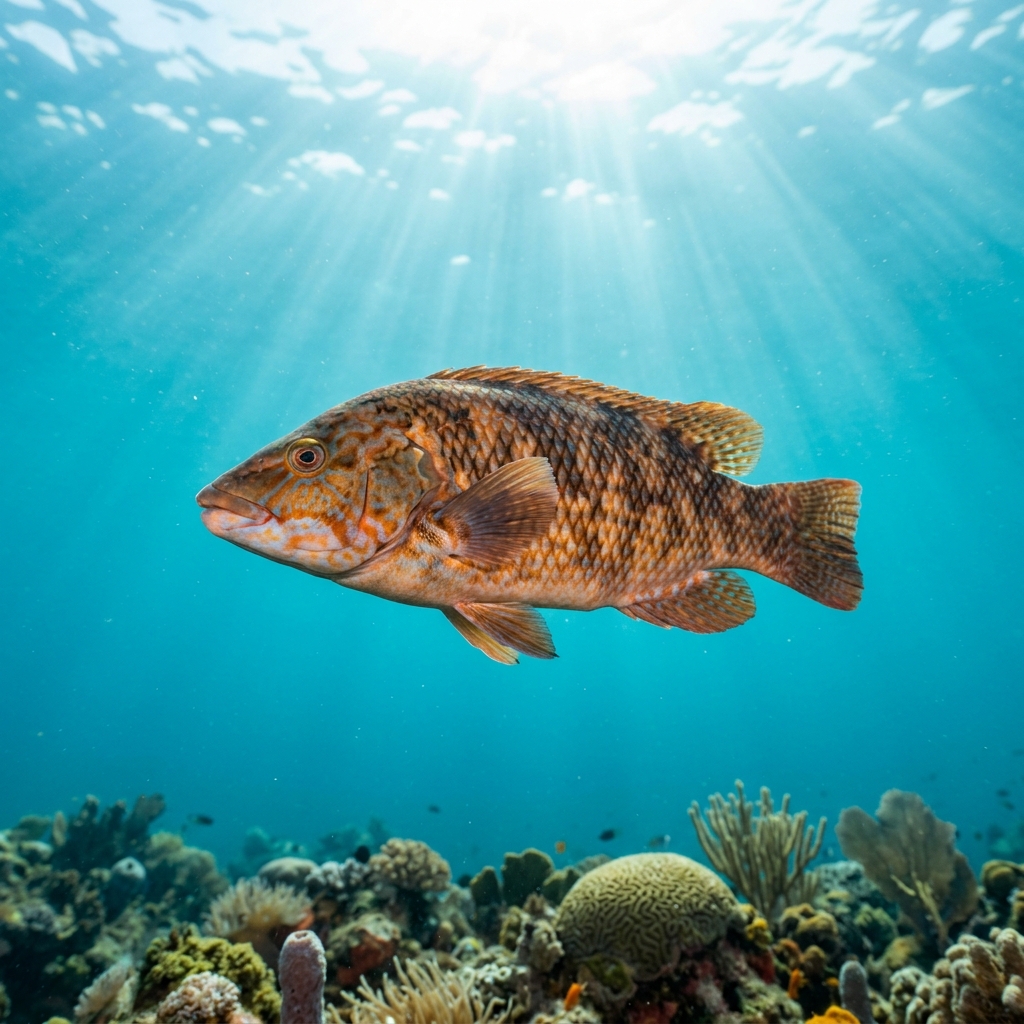
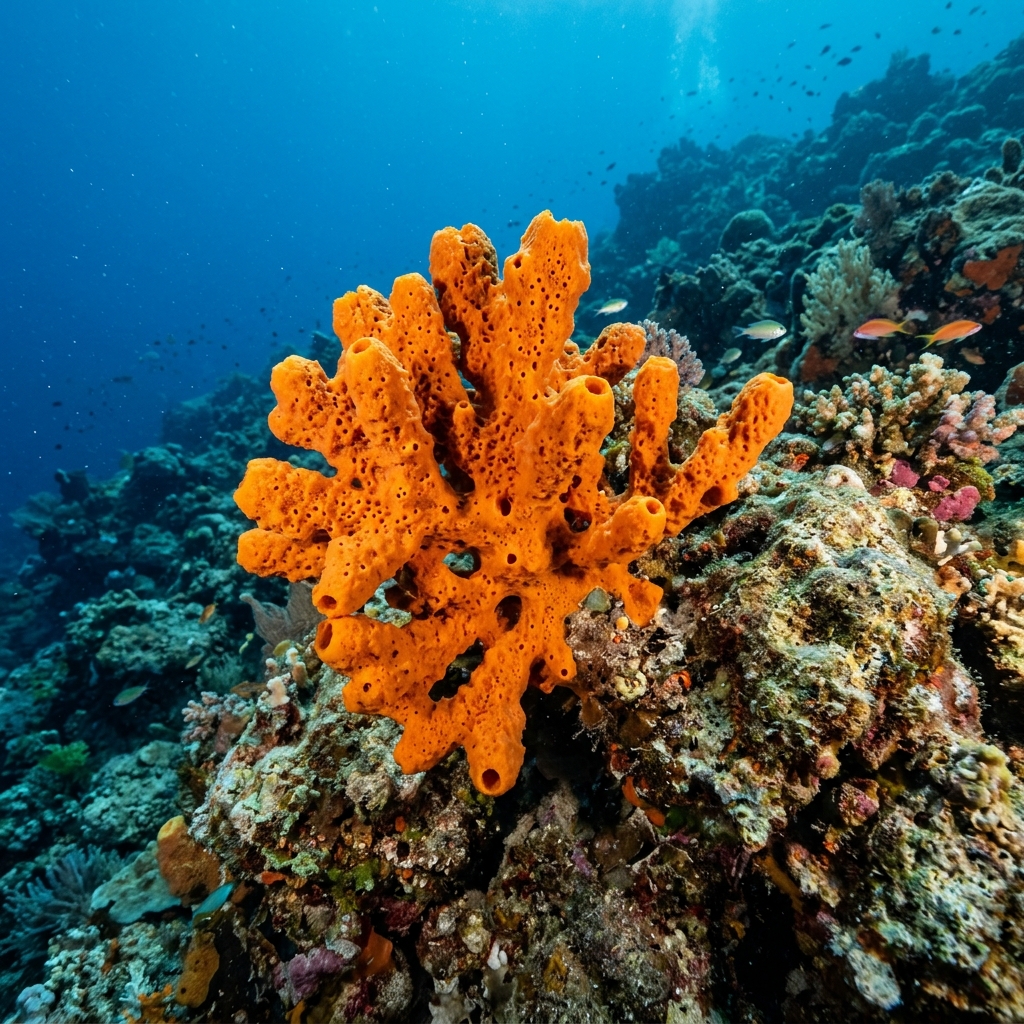
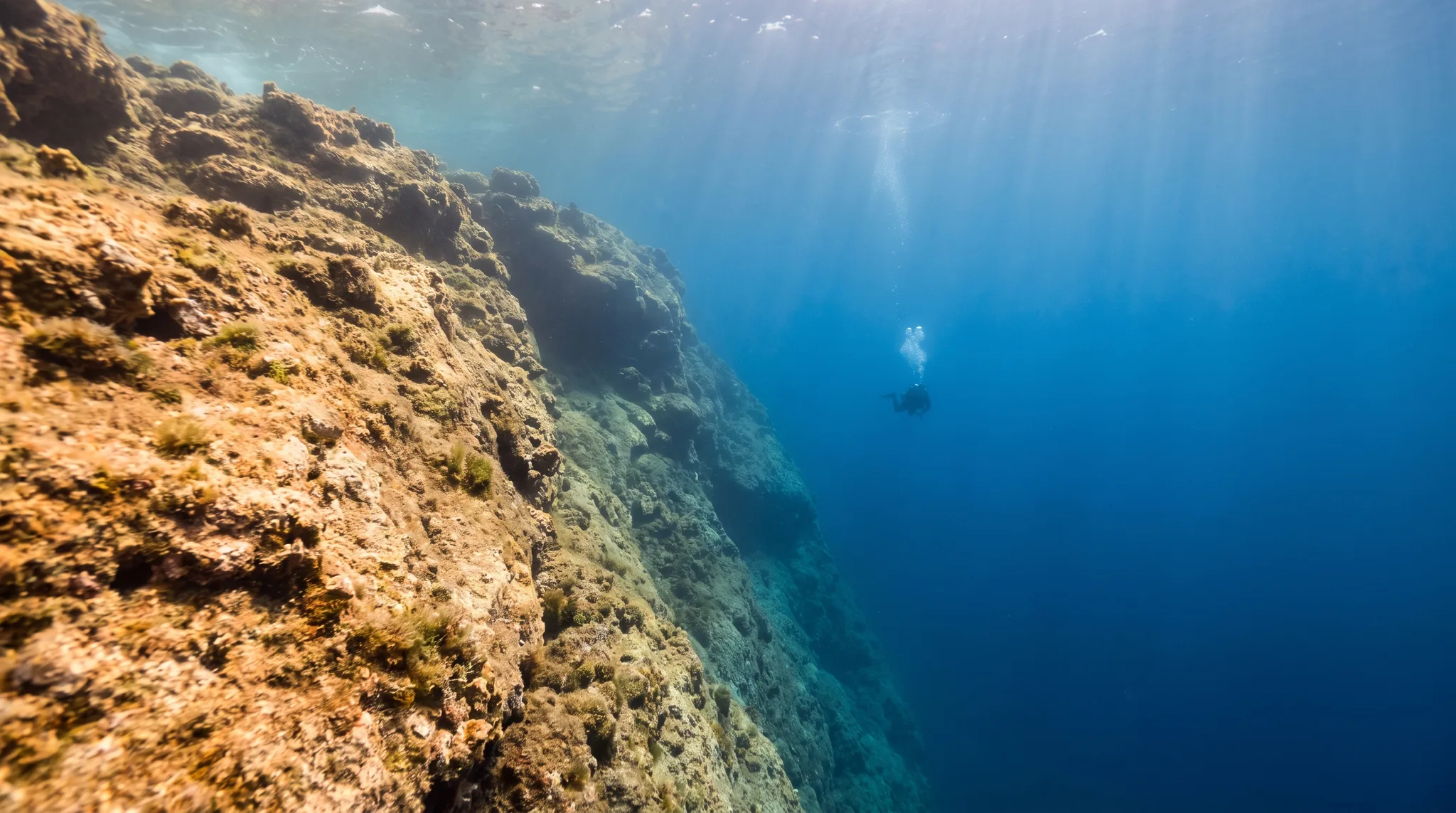
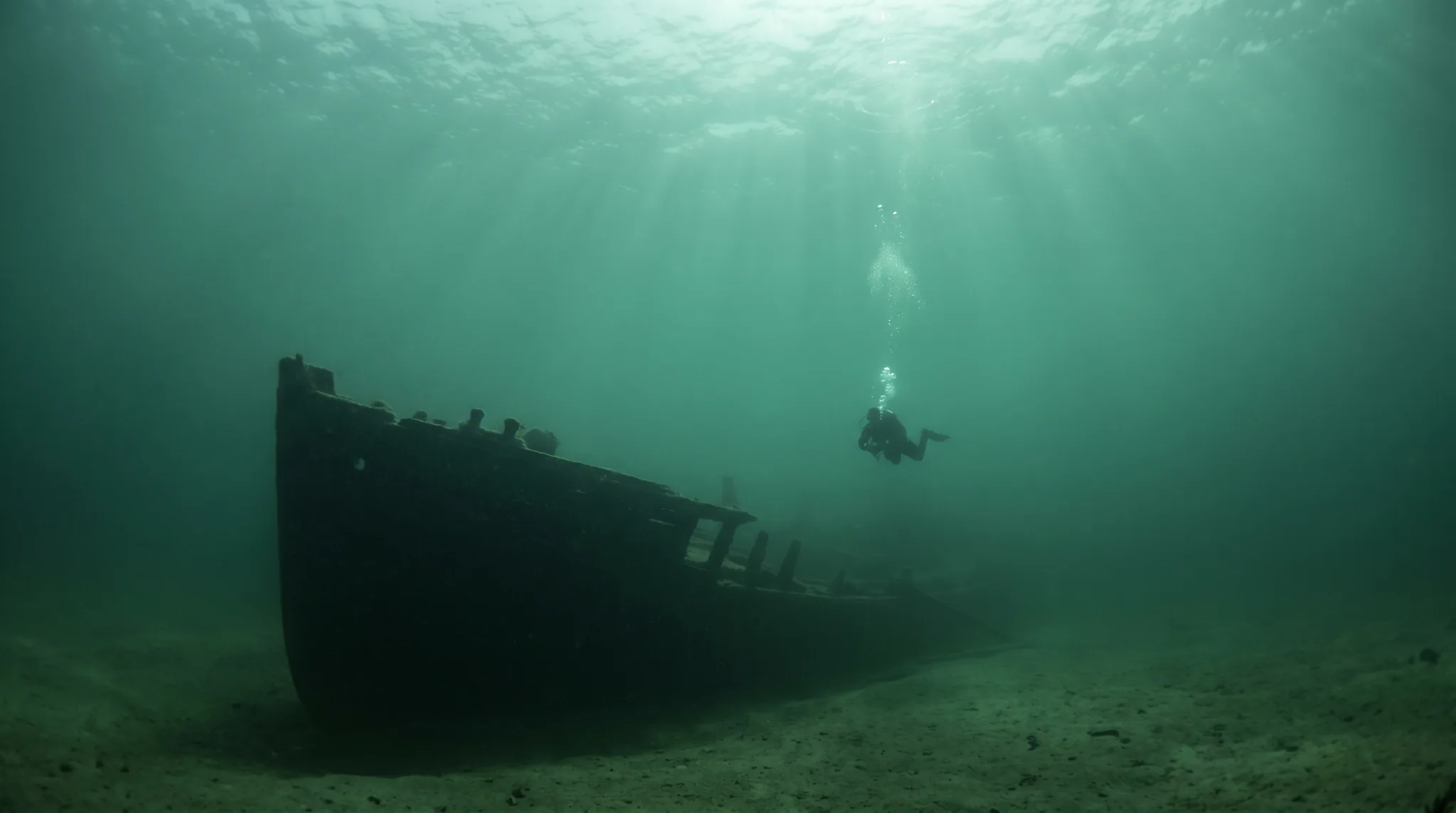
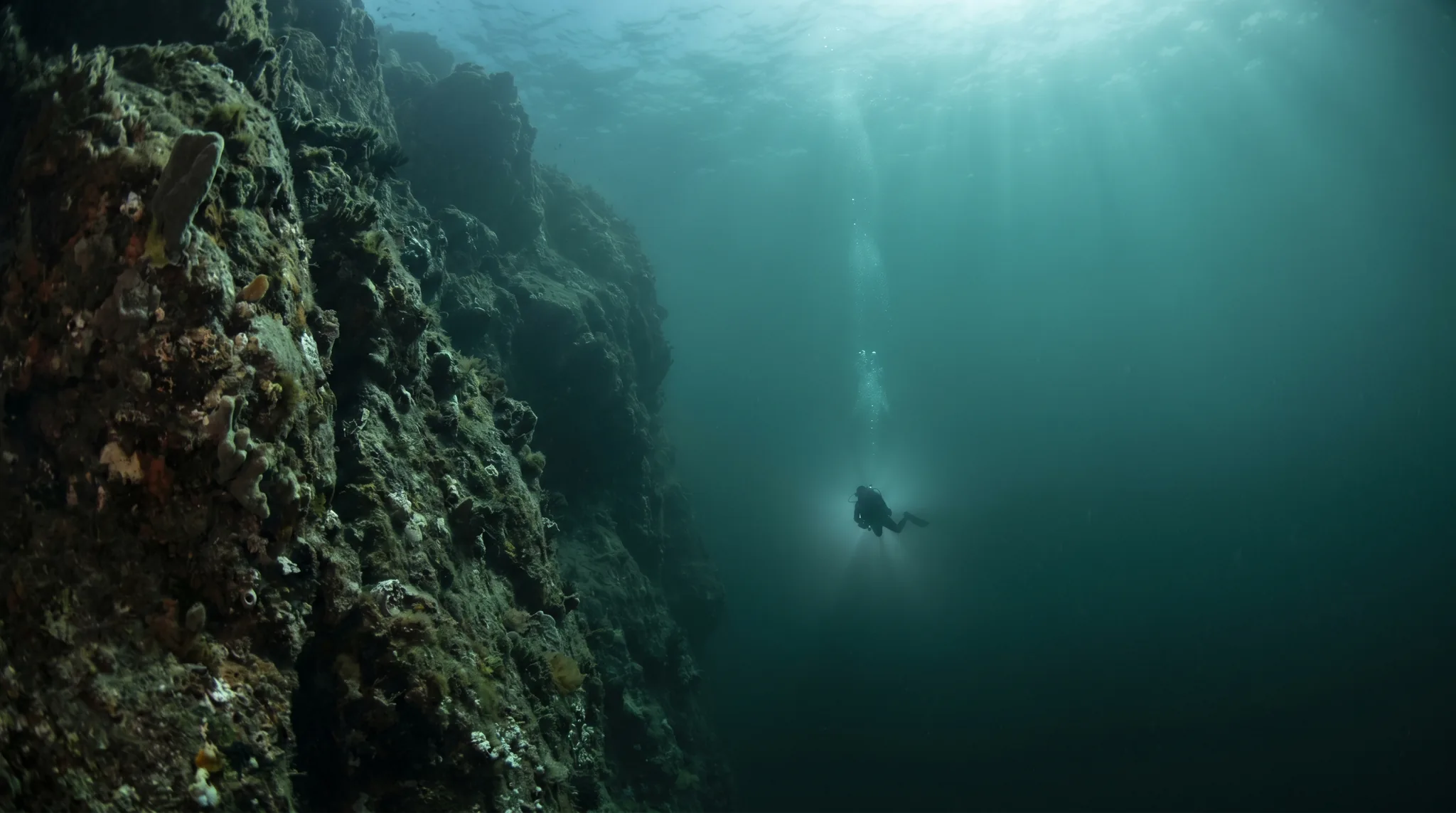
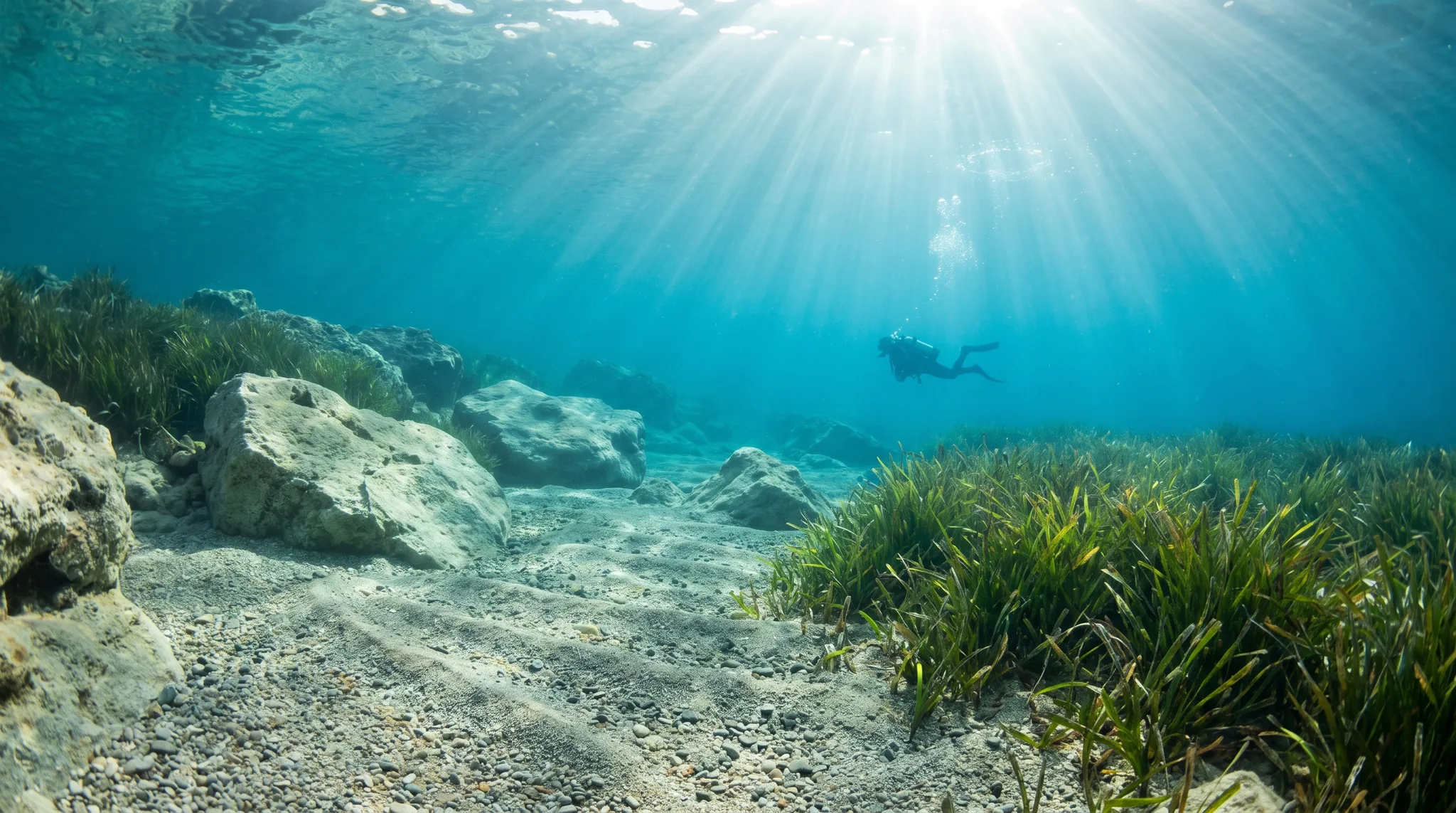
El Bisbe is a reef site located off the coast of Cadaques, Spain. The topography ranges from 20 to 40 metres, requiring advanced training for the full depth range. Divers access the site by boat, where mild currents and visibility between 5 and 10 metres are typical. Marine life is diverse, with common sightings of Mediterranean moray, wrasses, scorpionfish, Mediterranean violet aeolid, Cratena slug, sea stars, bream, crabs, and painted comber. Less frequently, divers may encounter dusky grouper, common octopus, European common cuttlefish, flatworms, and cow snails. Water temperatures fluctuate between 13 and 19 degrees Celsius, so a 5mm wetsuit and a hood are recommended for comfort.
42.23890, 3.25392
Check locally for boat operator options before you travel, as facilities and availability can vary. Water temperature at depth can sit at the colder end of the range even in summer, so bring a hood if you feel the cold.
Access info coming soon
No known hazards
Recorded at this site
Depth
20-40m
Visibility
5-10m
Entry
Boat
Water Temp
13-19°C
Current
Mild
Divers frequently encounter Mediterranean moray, wrasses, scorpionfish, Mediterranean violet aeolid, Cratena slug, sea stars, bream, crabs, and painted comber. Less common sightings include dusky grouper, common octopus, European common cuttlefish, flatworms, and cow snails.
While the mild current is manageable, the site depth ranges from 20 to 40 metres. A basic open-water certification allows access to the shallower sections, but additional training is required for the deeper parts of the reef.
El Bisbe ranges from 20 to 40 metres in depth.
El Bisbe is accessed by boat.
The site is primarily a dive location with depths starting at 20 metres, making it unsuitable for snorkelling.
A 7mm wetsuit or semi-dry is recommended for diving at El Bisbe in Rosas. Water temperatures range from 13°C to 19°C.
El Bisbe in Rosas typically has mild currents that most divers can handle comfortably.
Visibility at El Bisbe in Rosas typically ranges from 5 metres to 10 metres. Conditions vary with weather, tides, and seasons.