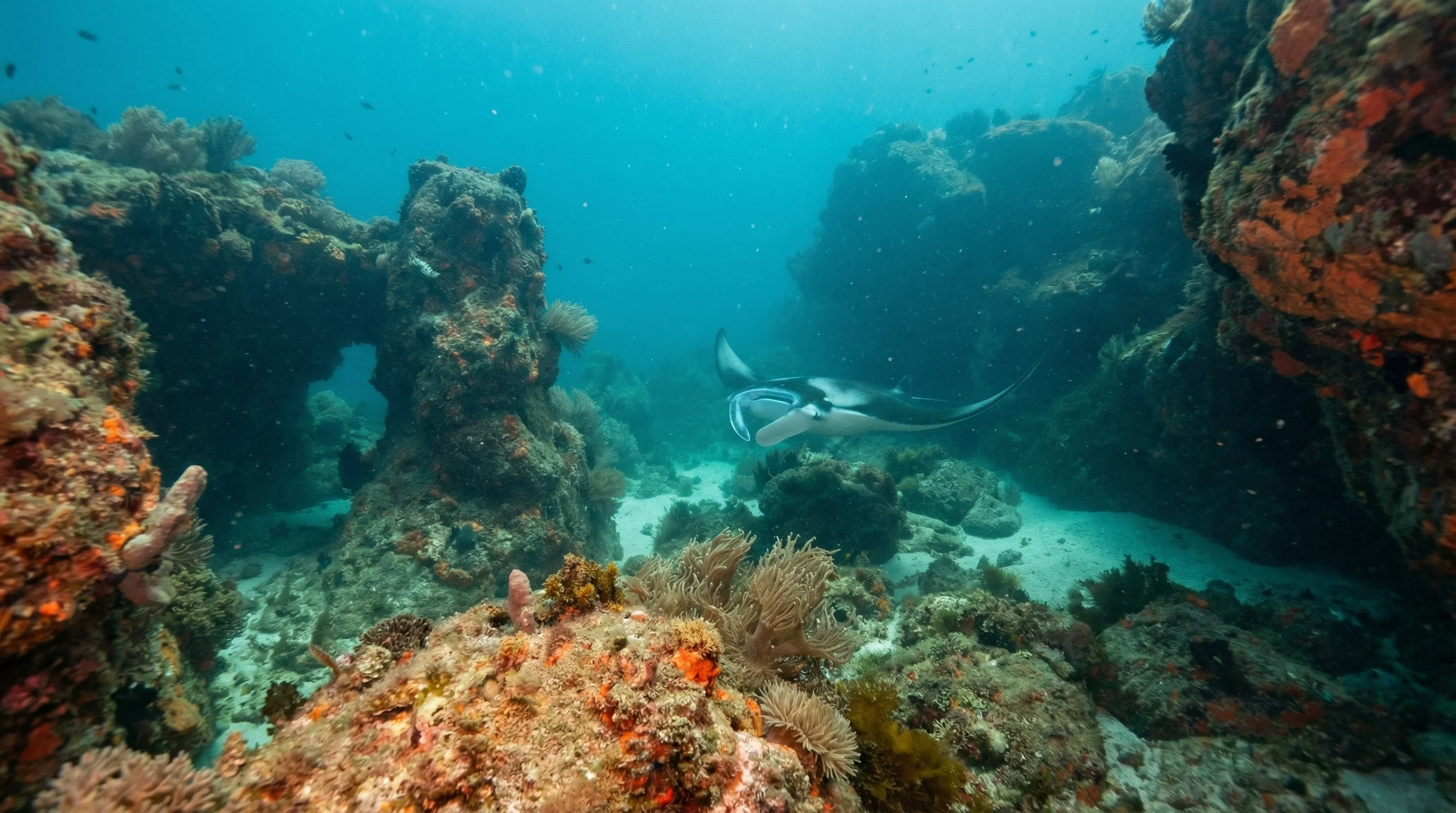
Best for beginner divers, 5-22m, boat entry, moderate current.
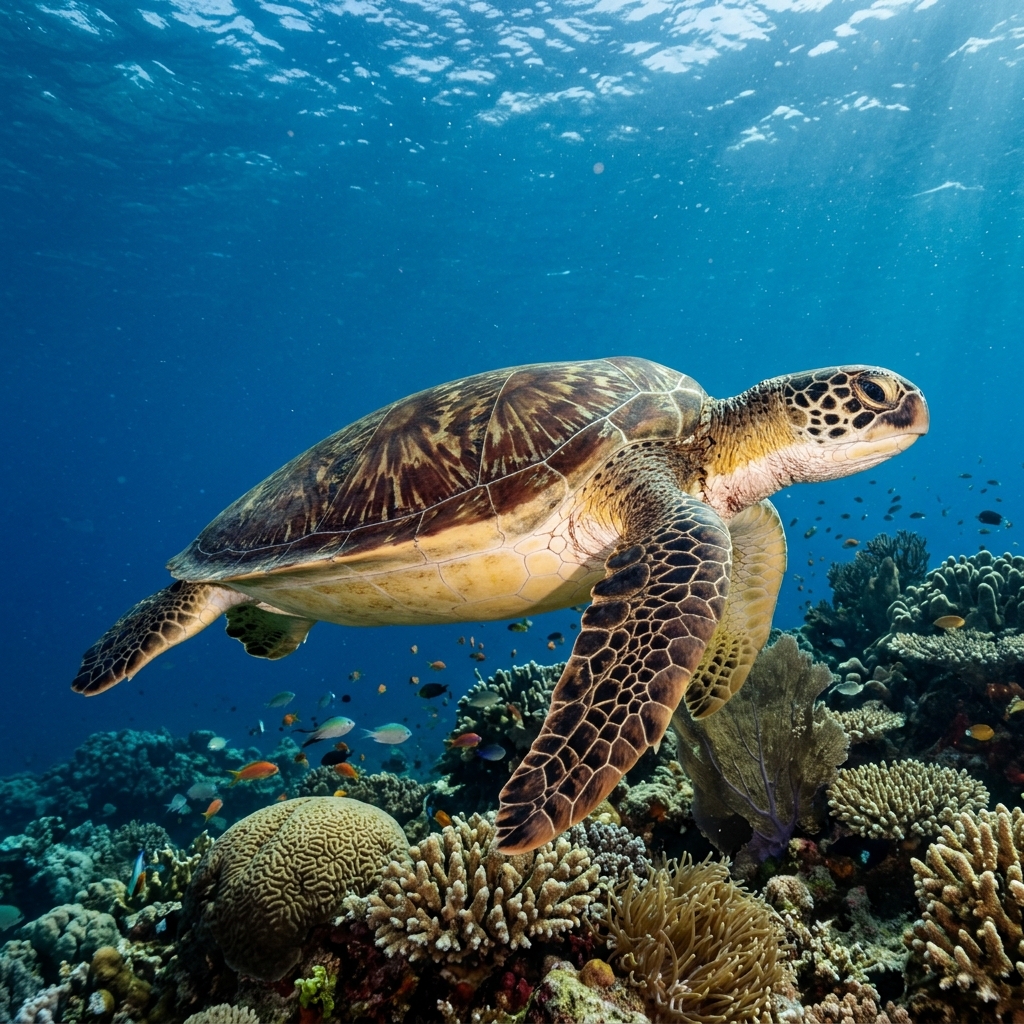
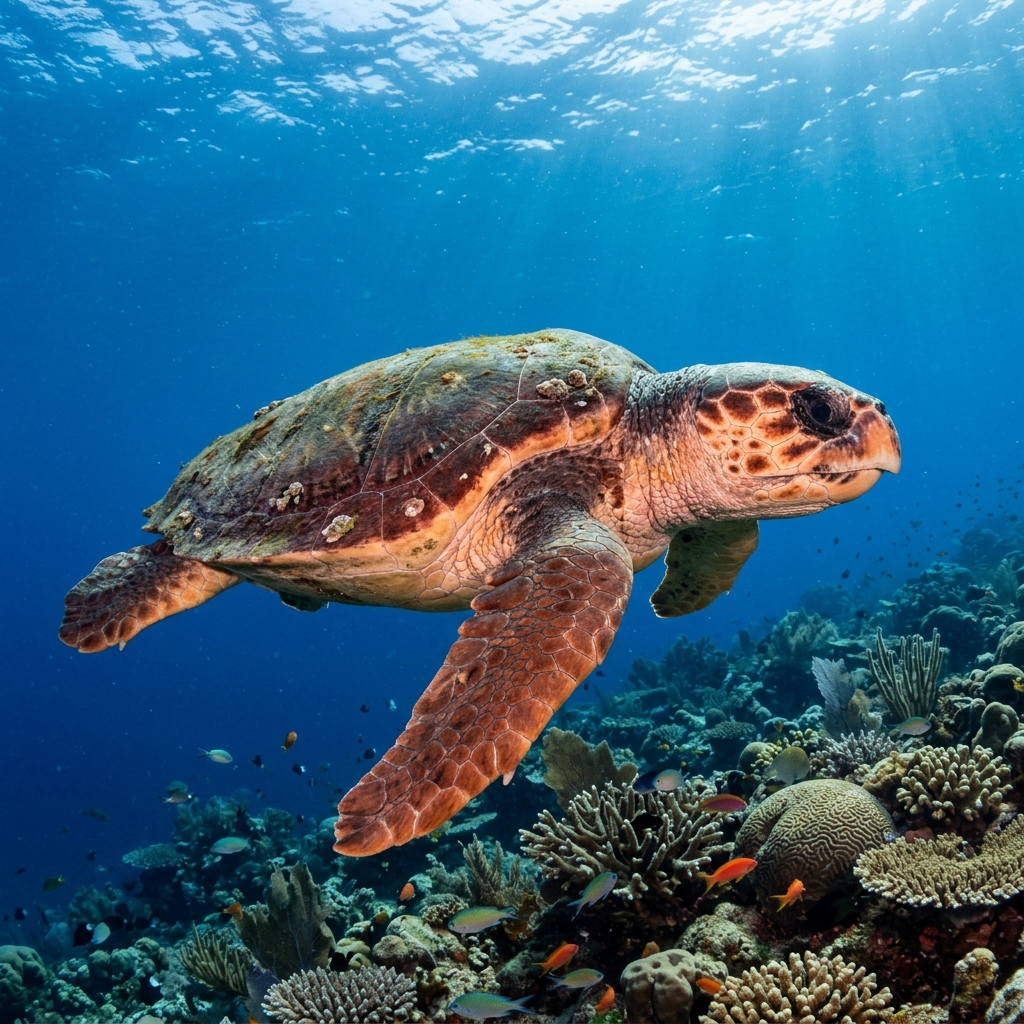
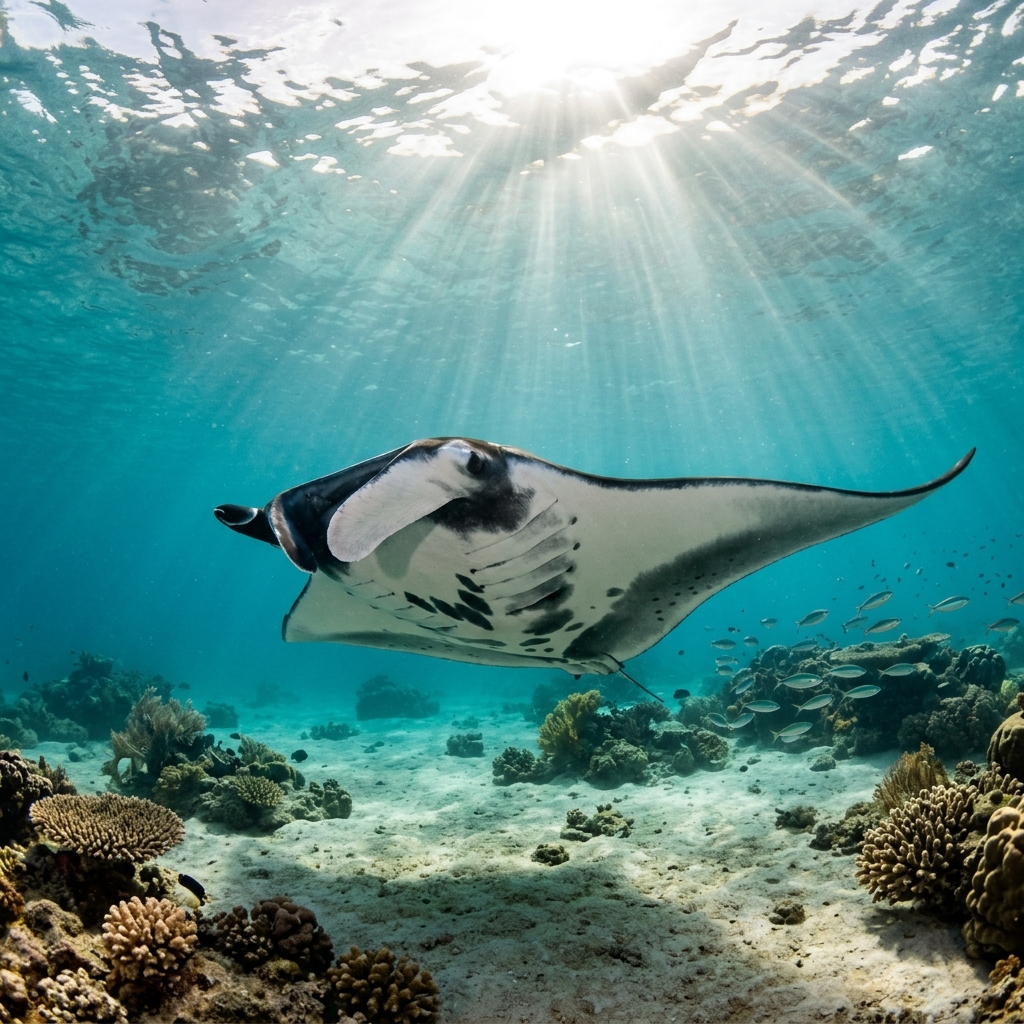
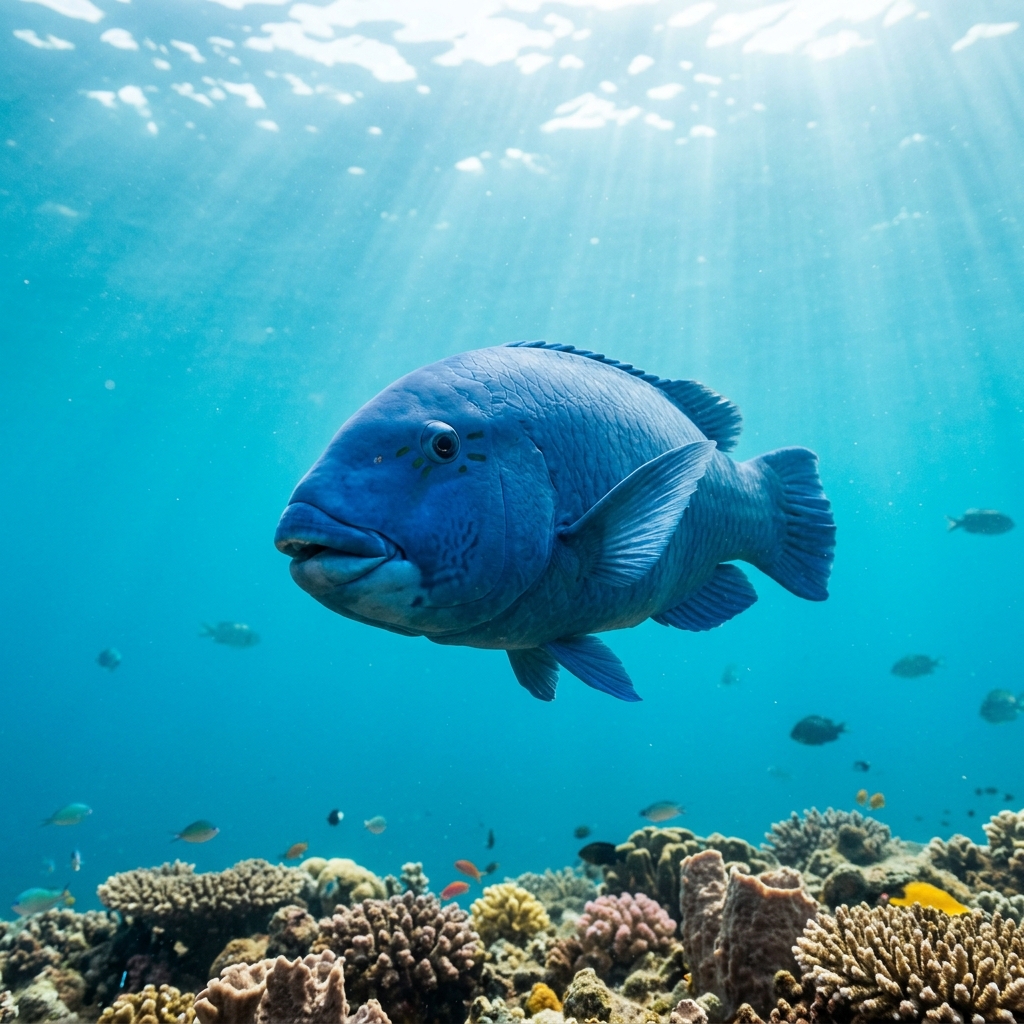
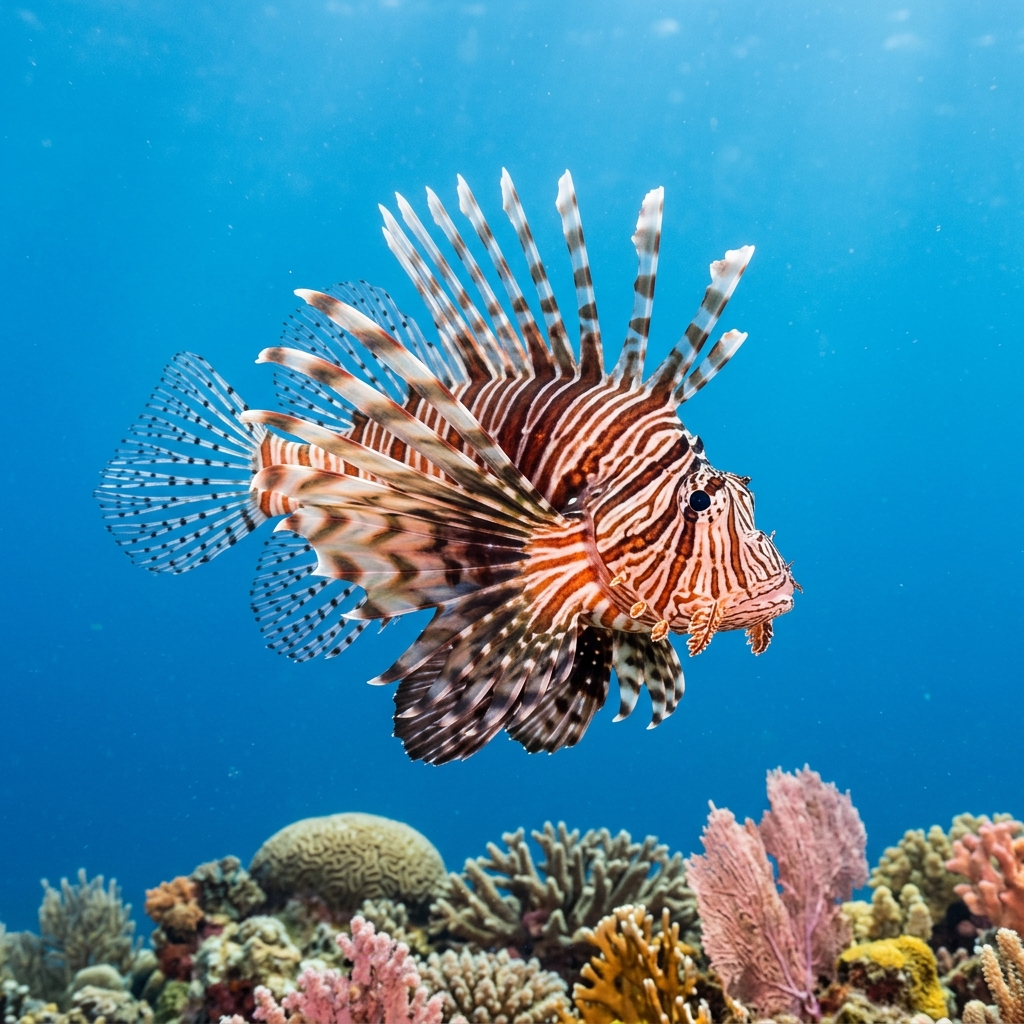
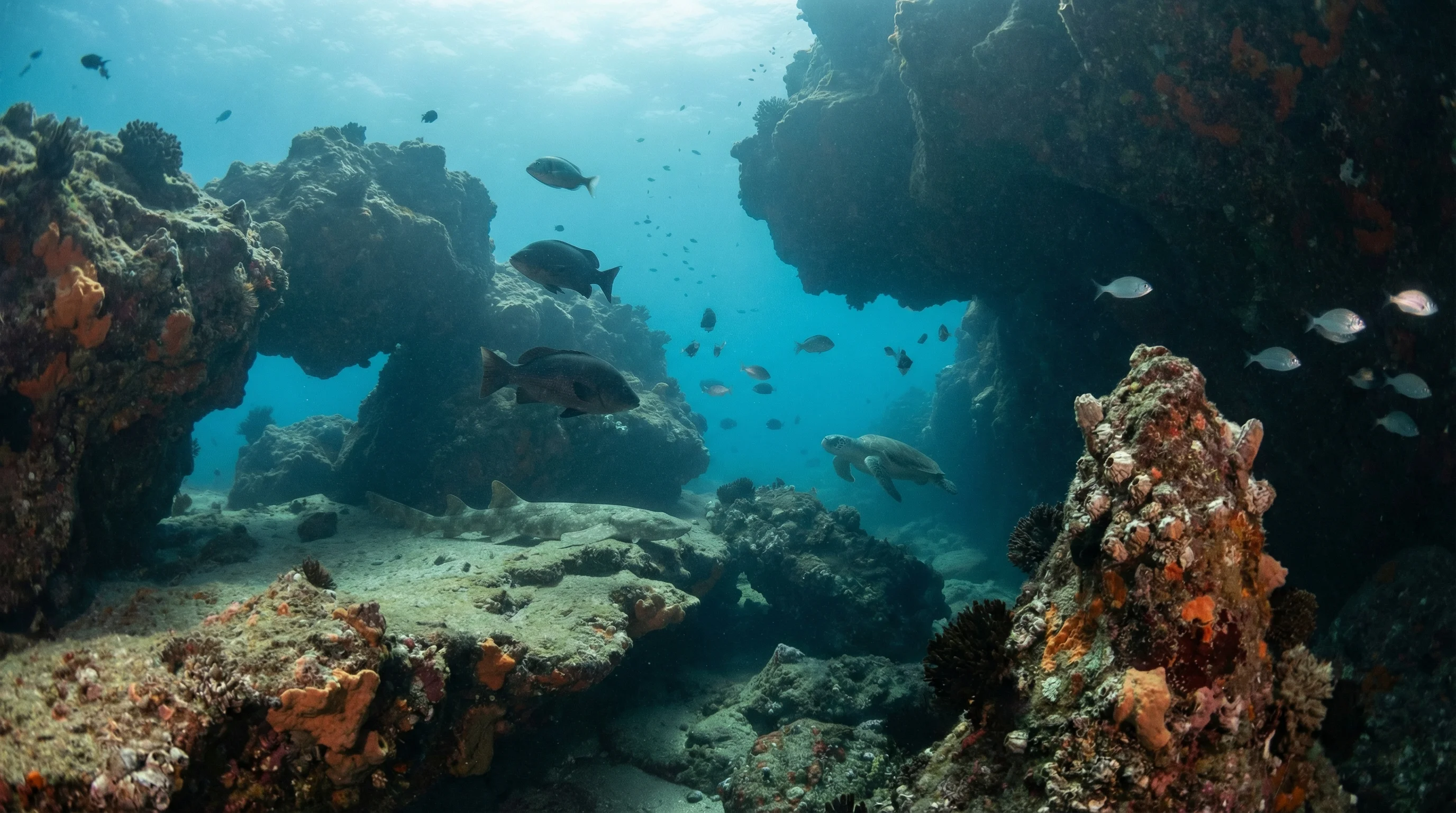
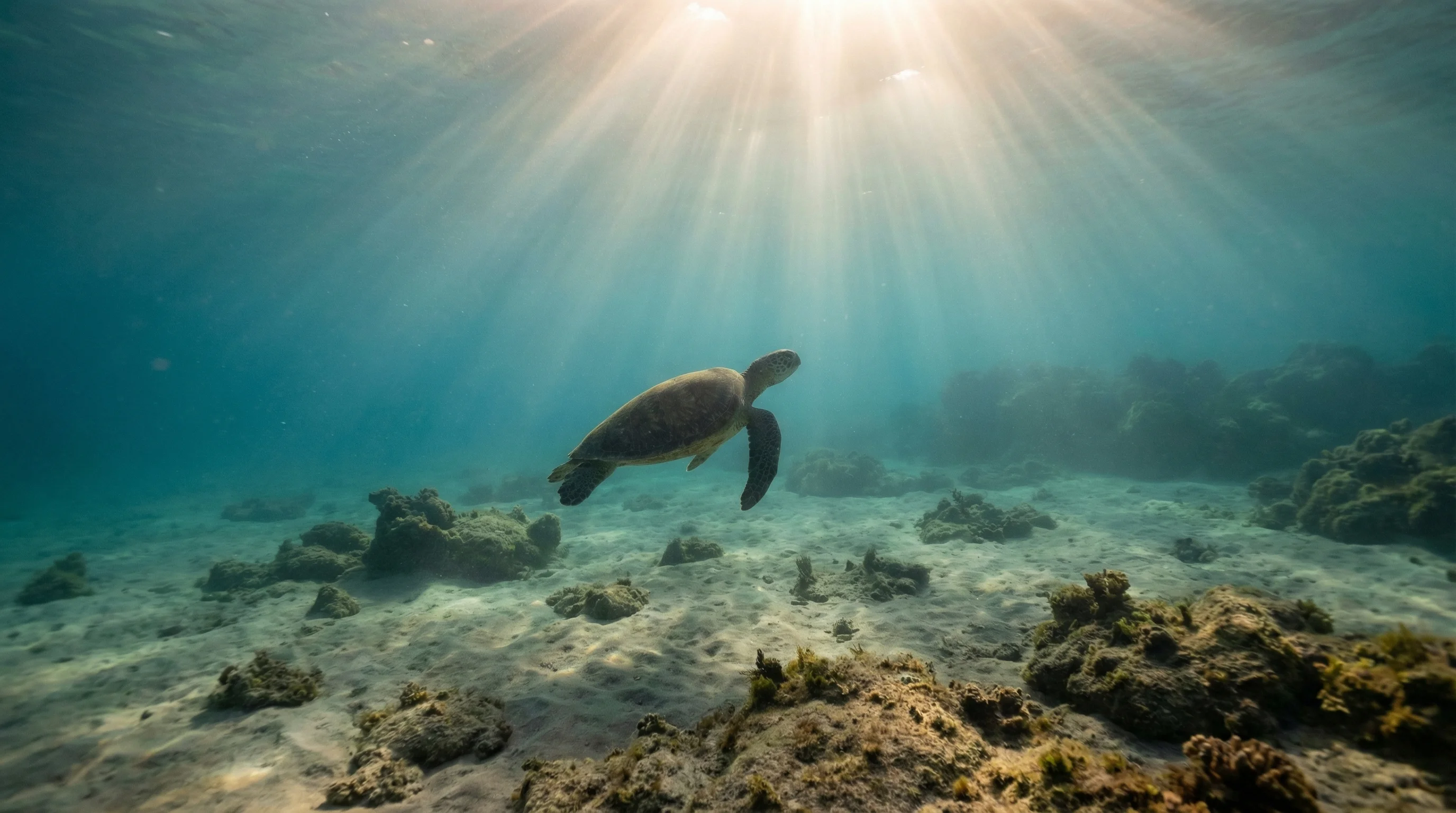
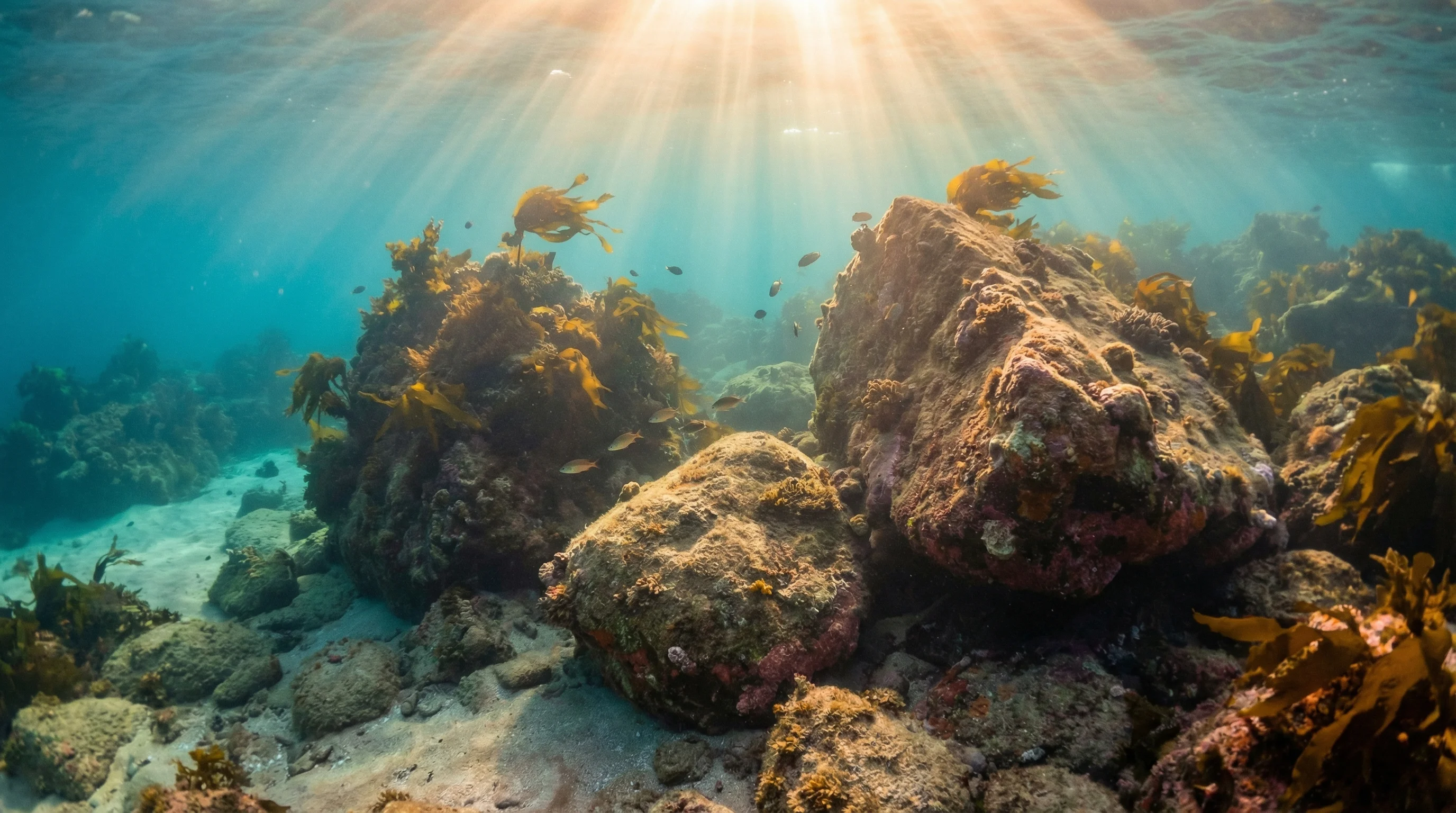
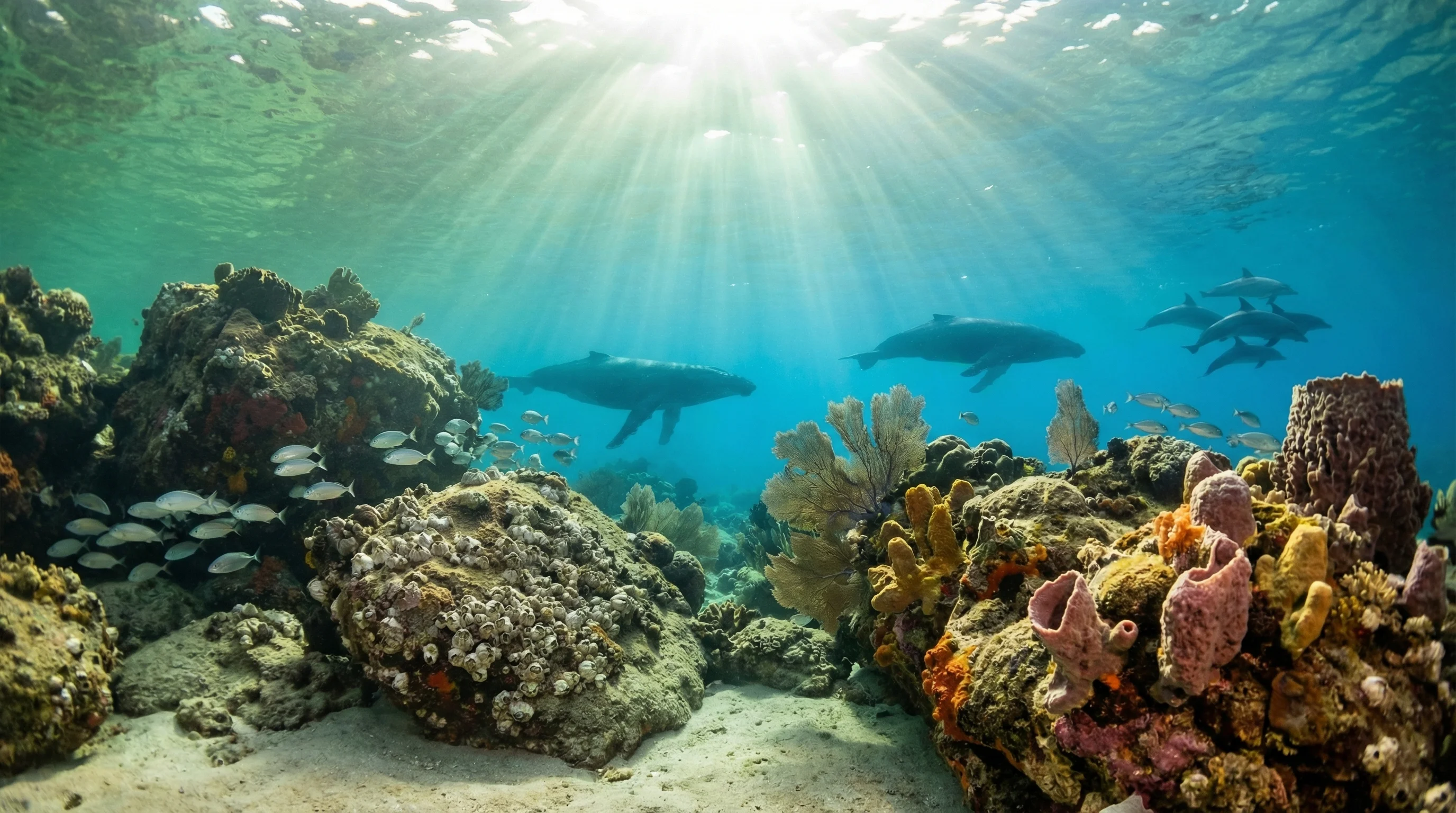
Julian Rocks is a diverse marine site located 2500 metres off the coast of Byron Bay. The topography consists of reefs, walls, caves, and pinnacles, offering depths between 5 and 22 metres with an average of 16 metres. The site is reached by boat and is suitable for beginners, though divers should be prepared for moderate currents from the East Australian Current, which can strengthen unexpectedly. Visibility ranges from 5 to 25 metres. The confluence of warm tropical and cool temperate waters supports a wide variety of marine life and habitats. Local facilities include boat charters, guided tours, equipment rental, and air fills.
-28.61093, 153.62956
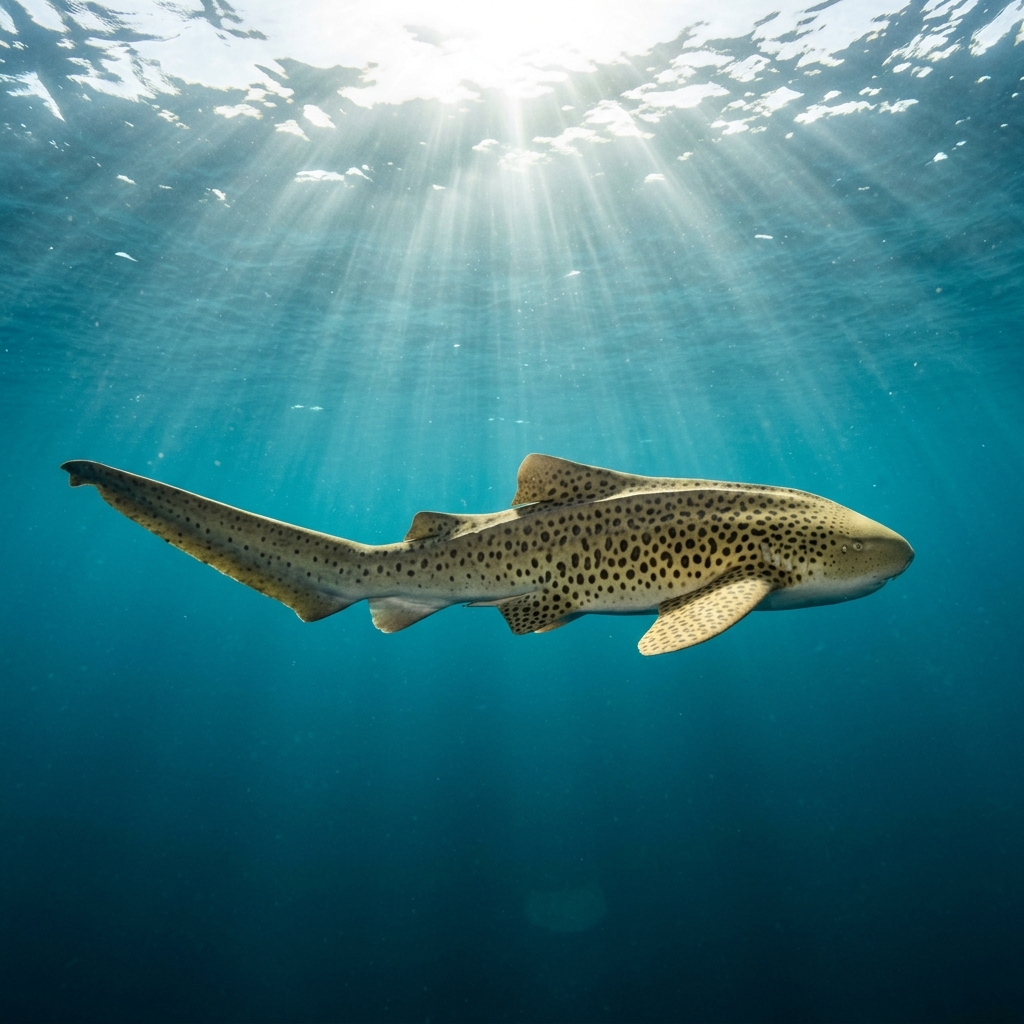
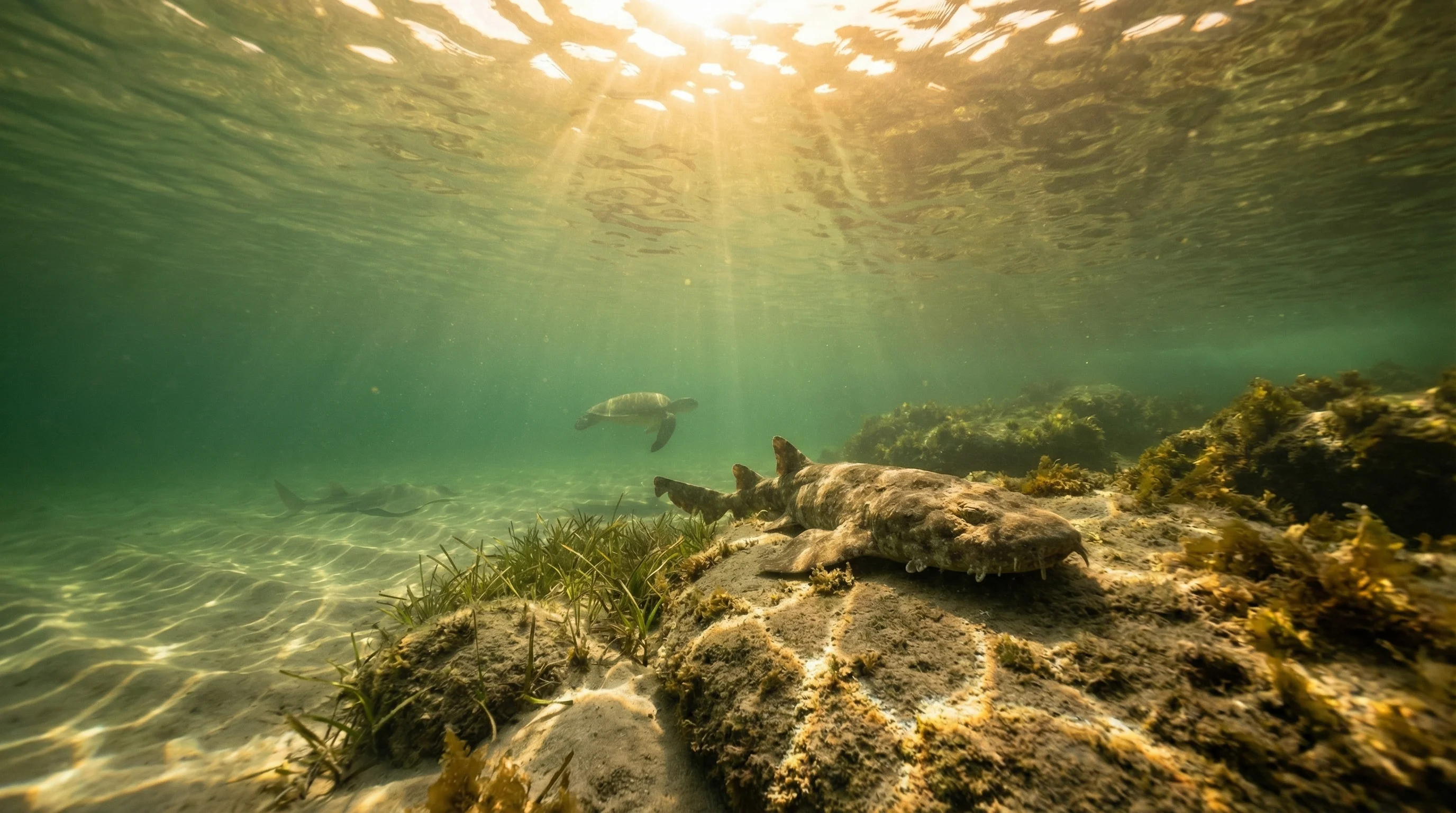
Target the Needles mooring early morning in summer for leopard sharks before they move off the sand.
Access is via a short (approx. 10-minute) boat trip from Byron Bay. Several licensed dive operators, such as Sundive Byron Bay and Blue Bay Divers, run trips to the site. Boats typically launch from The Pass.
Recorded at this site
Depth
5-22m
Visibility
5-25m
Skill Level
Beginner
Entry
Boat
Boat required
Water Temp
21-27°C
Current
Moderate
Typical Dive
40 min
Best Time
Year-round
Yes, the site is suitable for beginners, though divers should remain aware of current conditions and stay close to their guide.
Depths at the site range from 5 to 22 metres, with an average depth of 16 metres.
Julian Rocks is a boat-only site located 2500 metres from the shore.
The site is accessible year-round, with April, May, November, and December offering the best conditions and calmer waters.
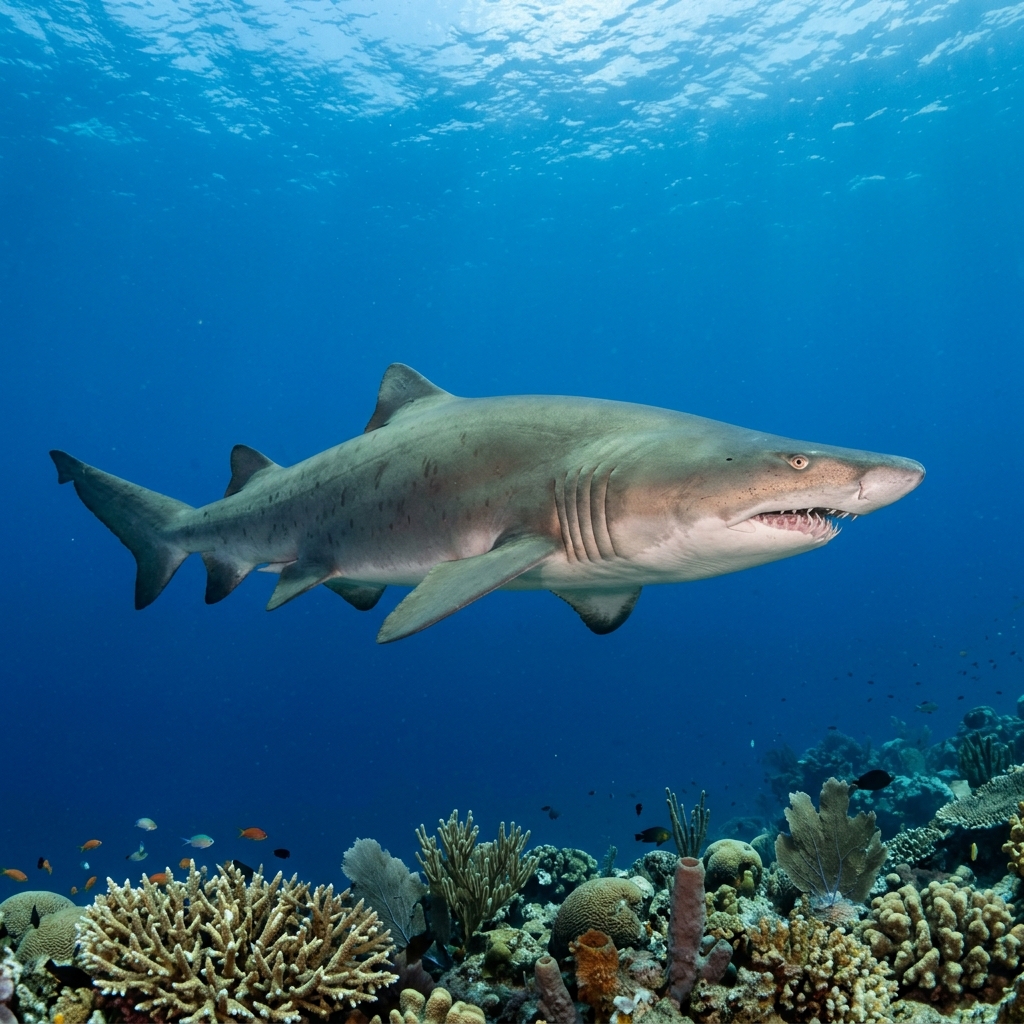
The primary hazards are the presence of sharks and the potential for the East Australian Current to strengthen unexpectedly.
Diving at Julian Rocks in Byron Bay requires the following certifications: Open Water. Always dive within your training limits.
Yes, equipment rental is available at or near Julian Rocks in Byron Bay. Contact local dive operators for specific gear availability and prices.
A 3mm wetsuit is recommended for diving at Julian Rocks in Byron Bay. Water temperatures range from 21°C to 27°C.
Expect moderate currents at Julian Rocks in Byron Bay. Good buoyancy control and some drift diving experience is helpful.
Visibility at Julian Rocks in Byron Bay typically ranges from 5 metres to 25 metres. Conditions vary with weather, tides, and seasons.