Pomacanthus imperator
Spot emperor angelfish year-round across the Maldives, Egyptian Red Sea and Indonesia. Learn how to ID adults and their strikingly different juveniles.
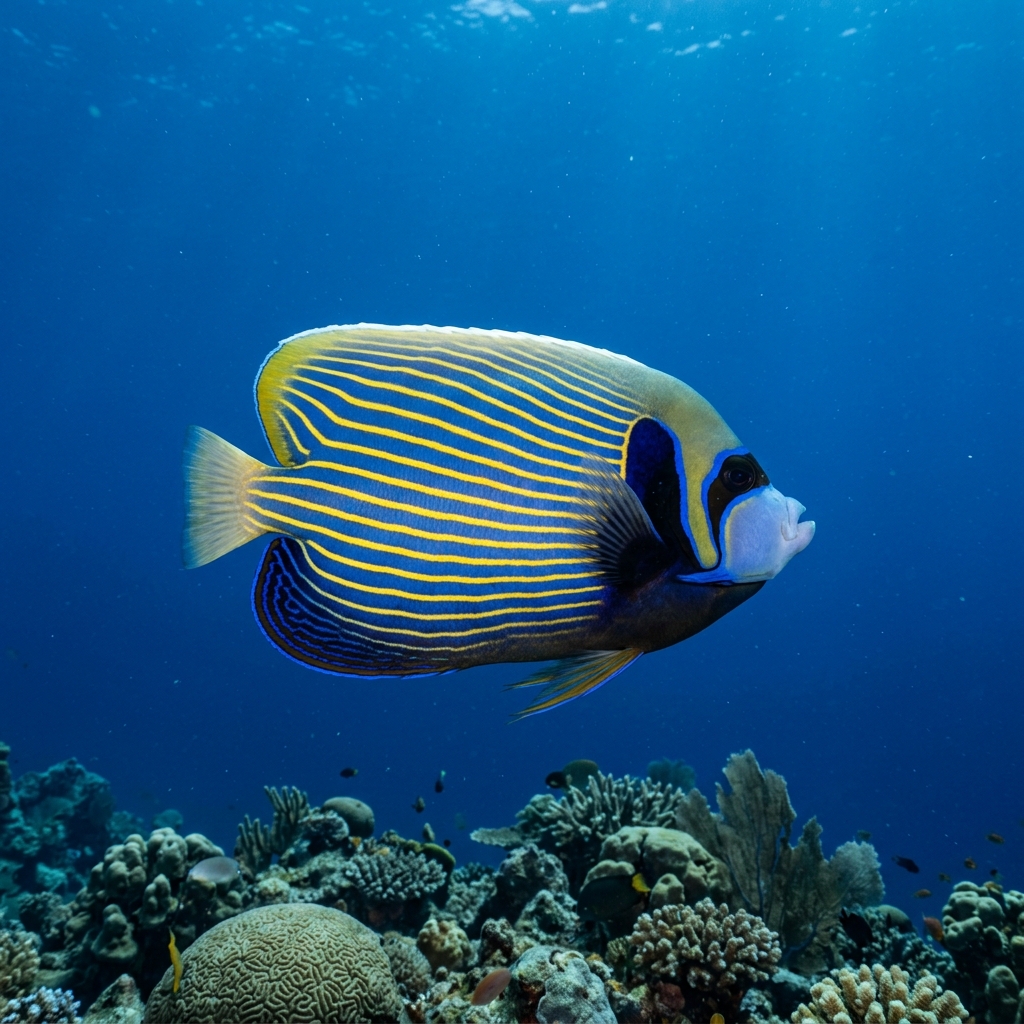
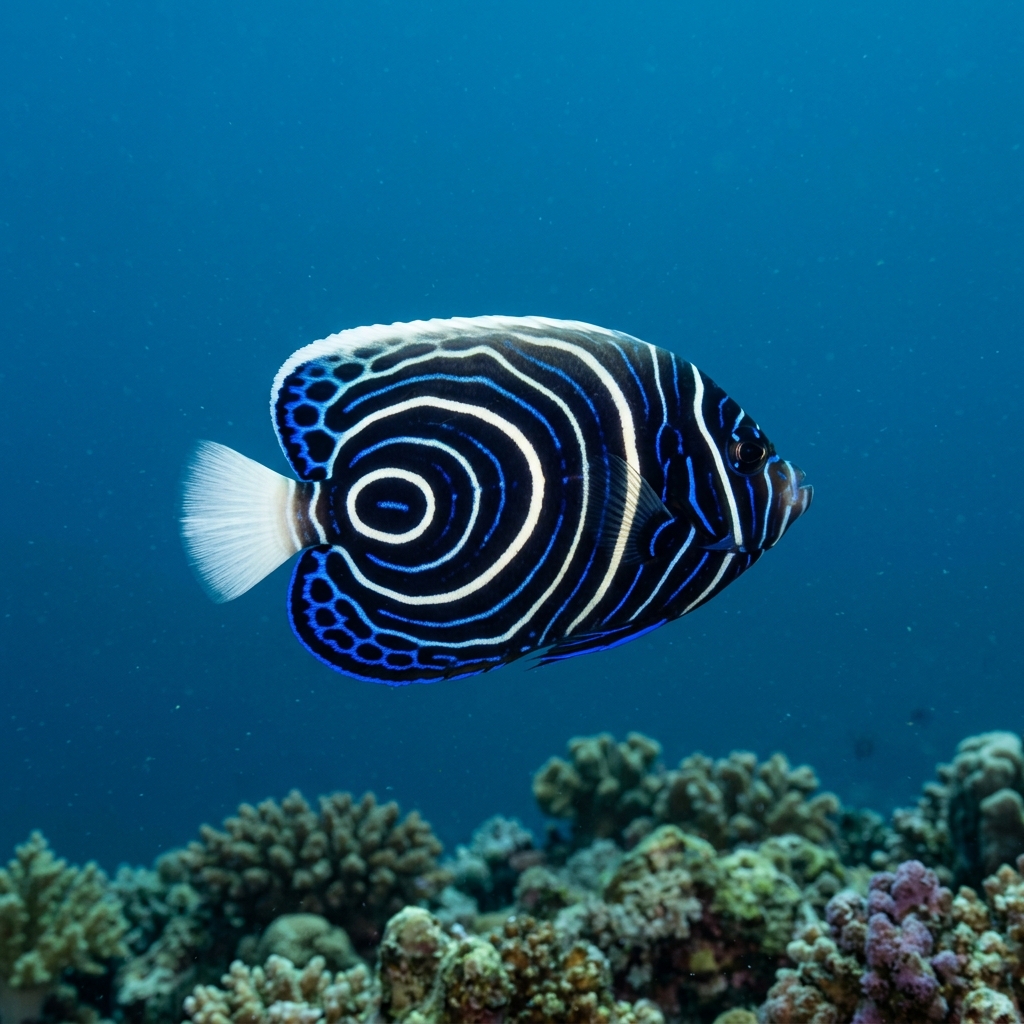
Bold horizontal yellow and blue stripes running the length of the body make adults unmistakable at a glance, combined with a distinctive dark mask over the eyes and a bright yellow tail. At around 28 cm they are a solid, disc-shaped fish, noticeably larger than most reef angelfish. Juveniles look nothing like adults: they are dark navy blue covered in concentric rings of white and electric blue, with a plain white tail.
Typically seen working methodically across the reef during daylight hours, picking at sponges and encrusting organisms rather than cruising in open water, watch for that slow, deliberate browsing movement. Unlike many large reef fish, emperor angelfish tend to hold their ground when approached, making them one of the more cooperative subjects for reef photography. They can be territorial around favoured feeding patches and will occasionally posture or chase other fish, which is worth pausing to watch.
Emperor angelfish change sex as they mature: they are protogynous hermaphrodites, meaning dominant individuals transition from female to male. A single male typically holds a small harem, and if he disappears the dominant female will change sex to take his place.
Present year-round in both hemispheres with no concentrated season. Comfortable in 24 to 29 °C, it is a permanent resident of tropical reefs wherever those temperatures hold.
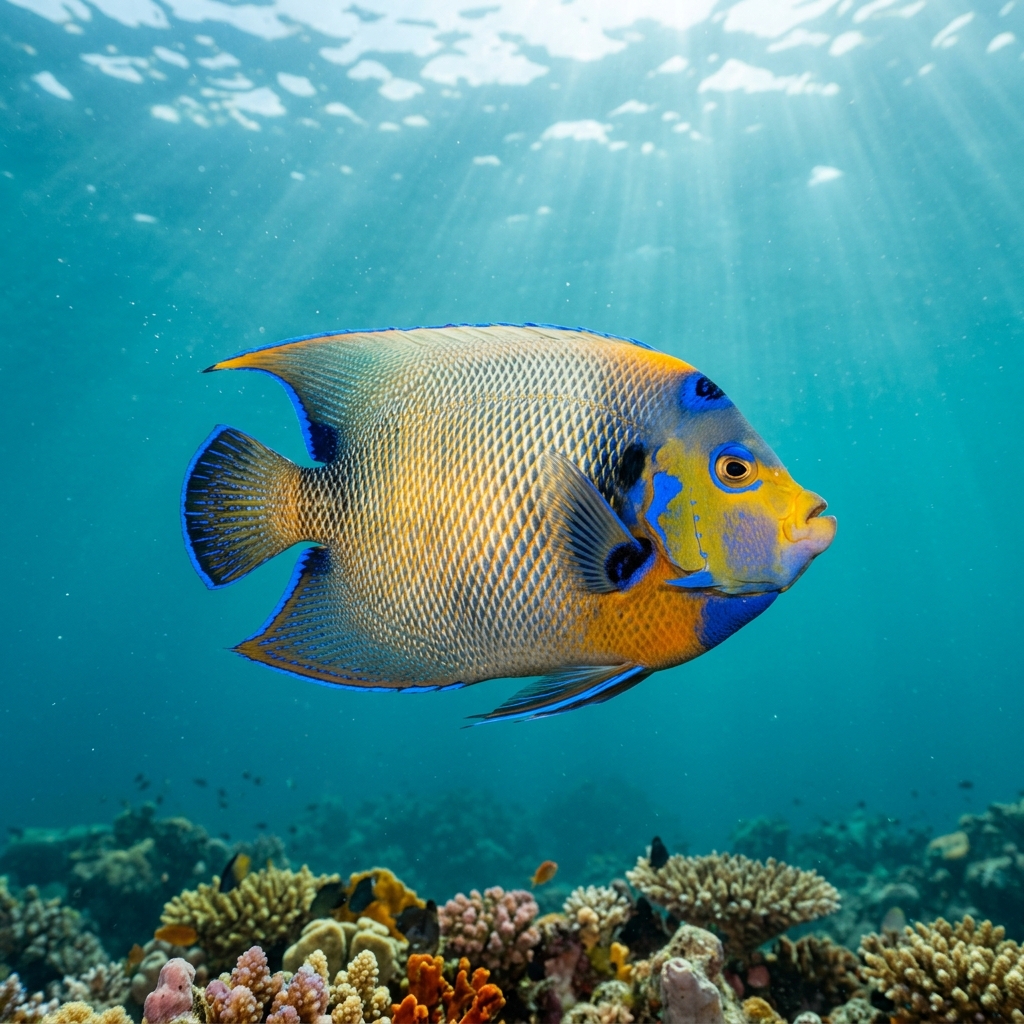
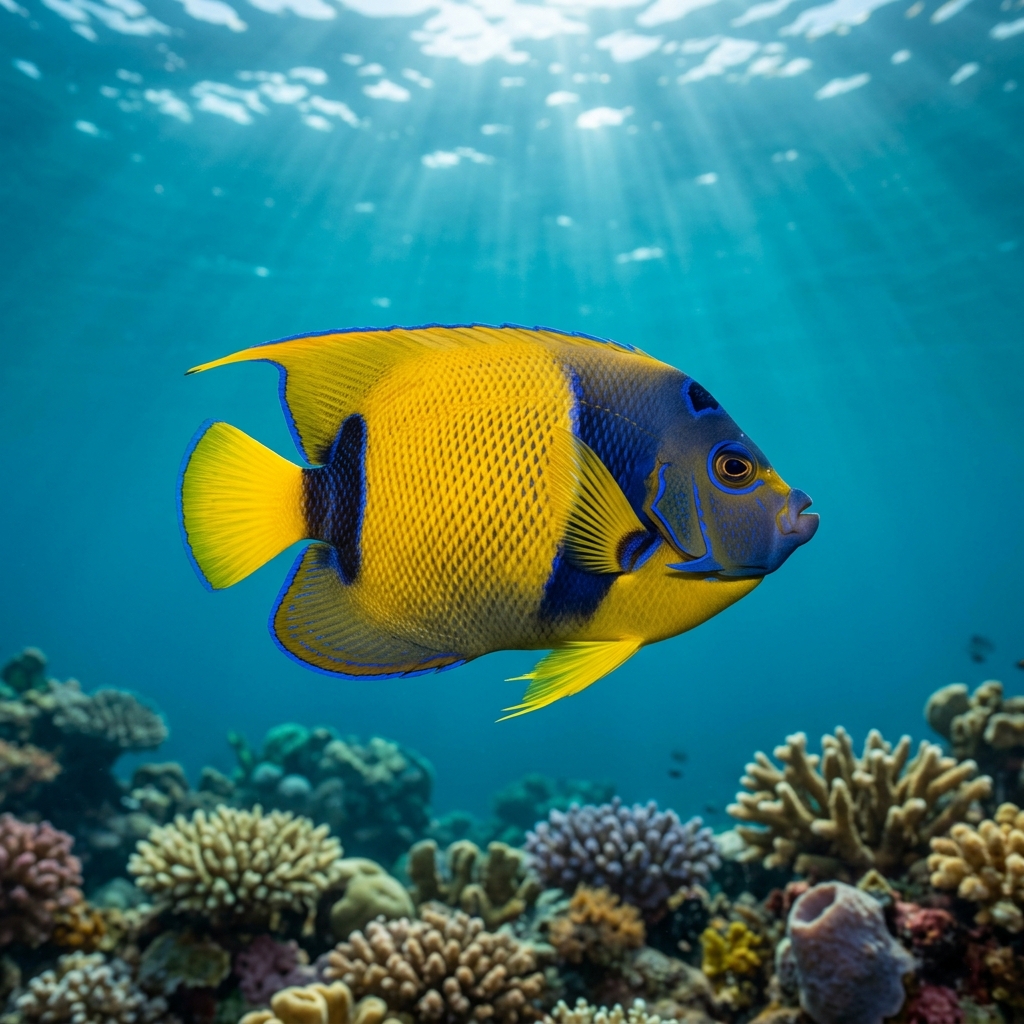
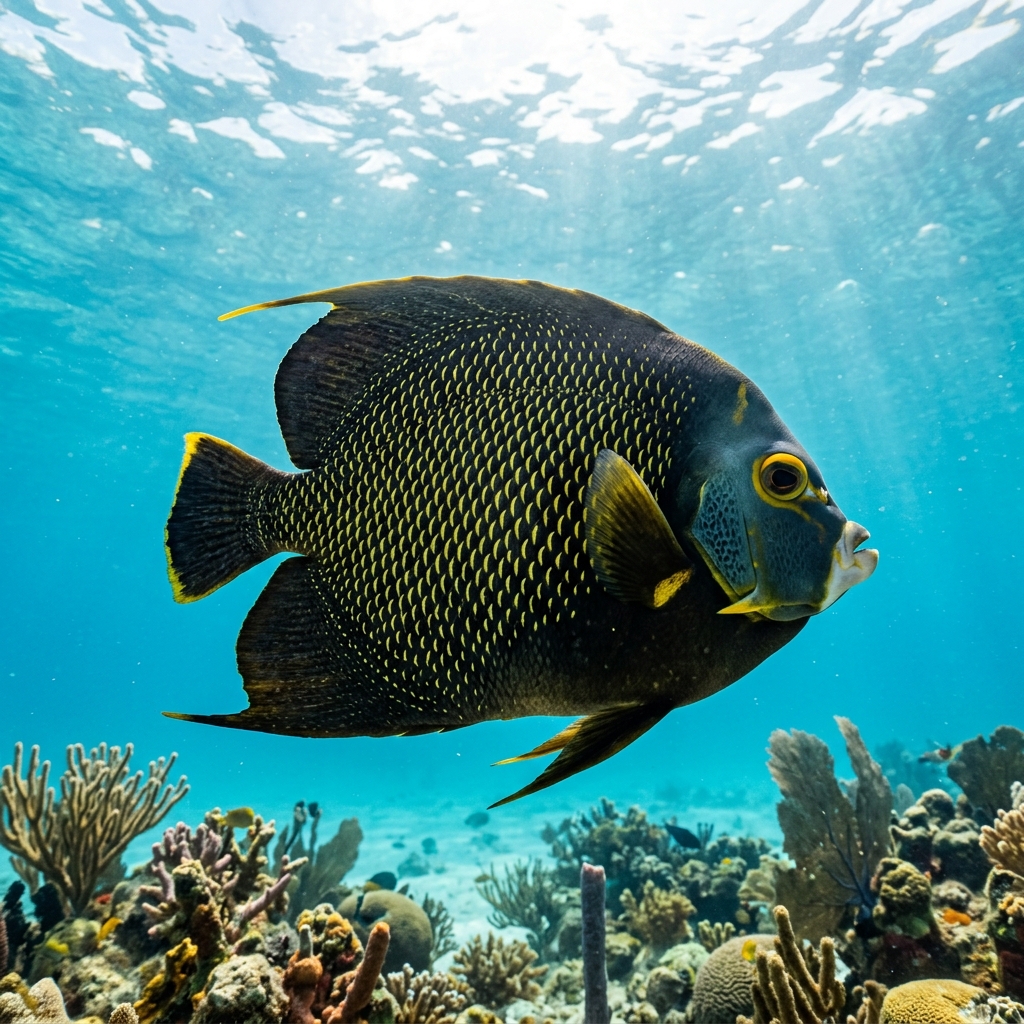
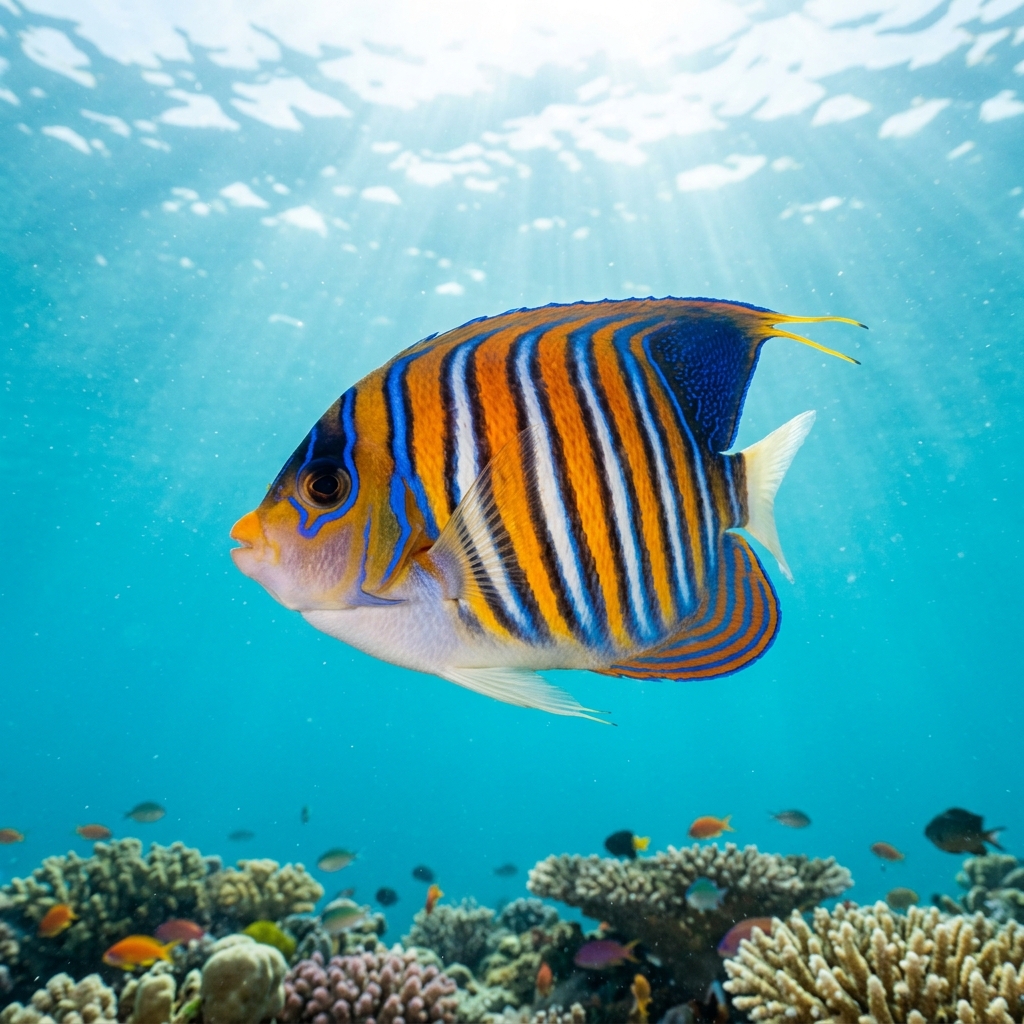
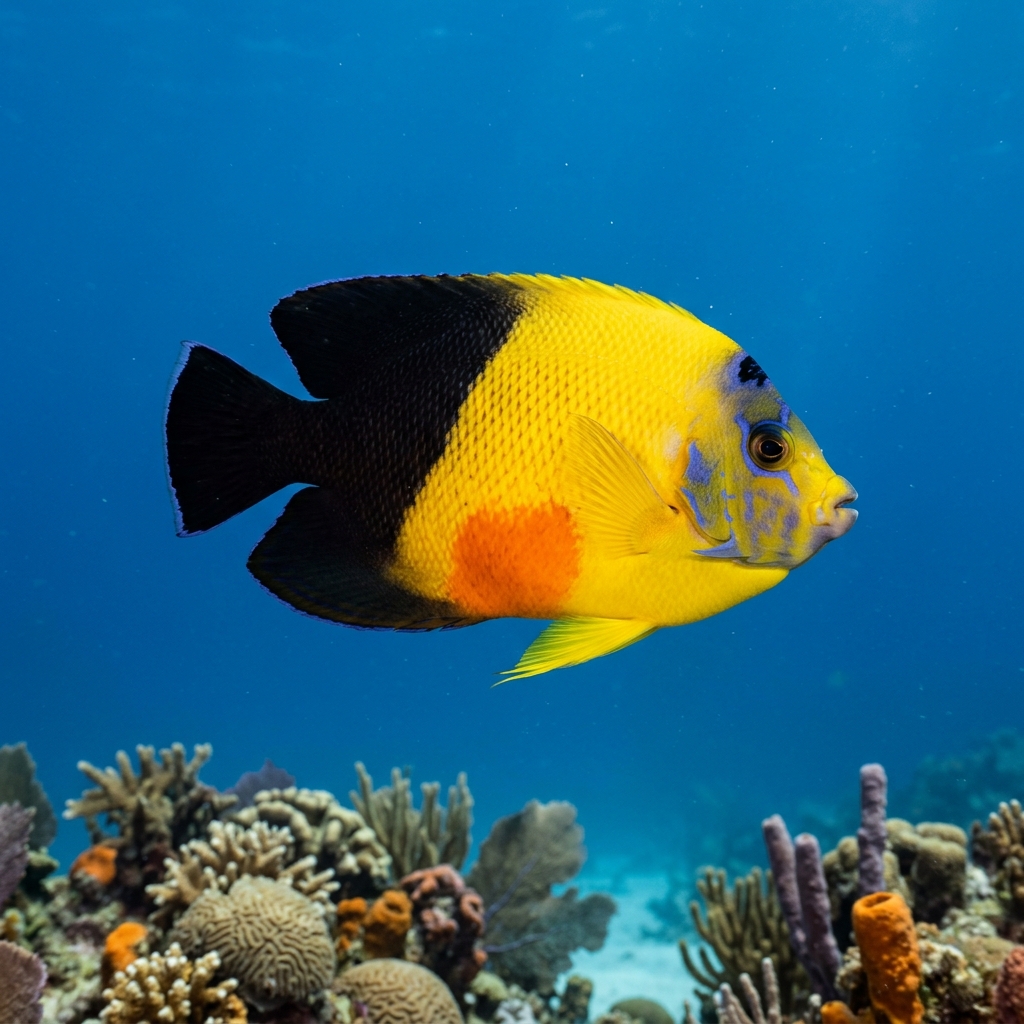
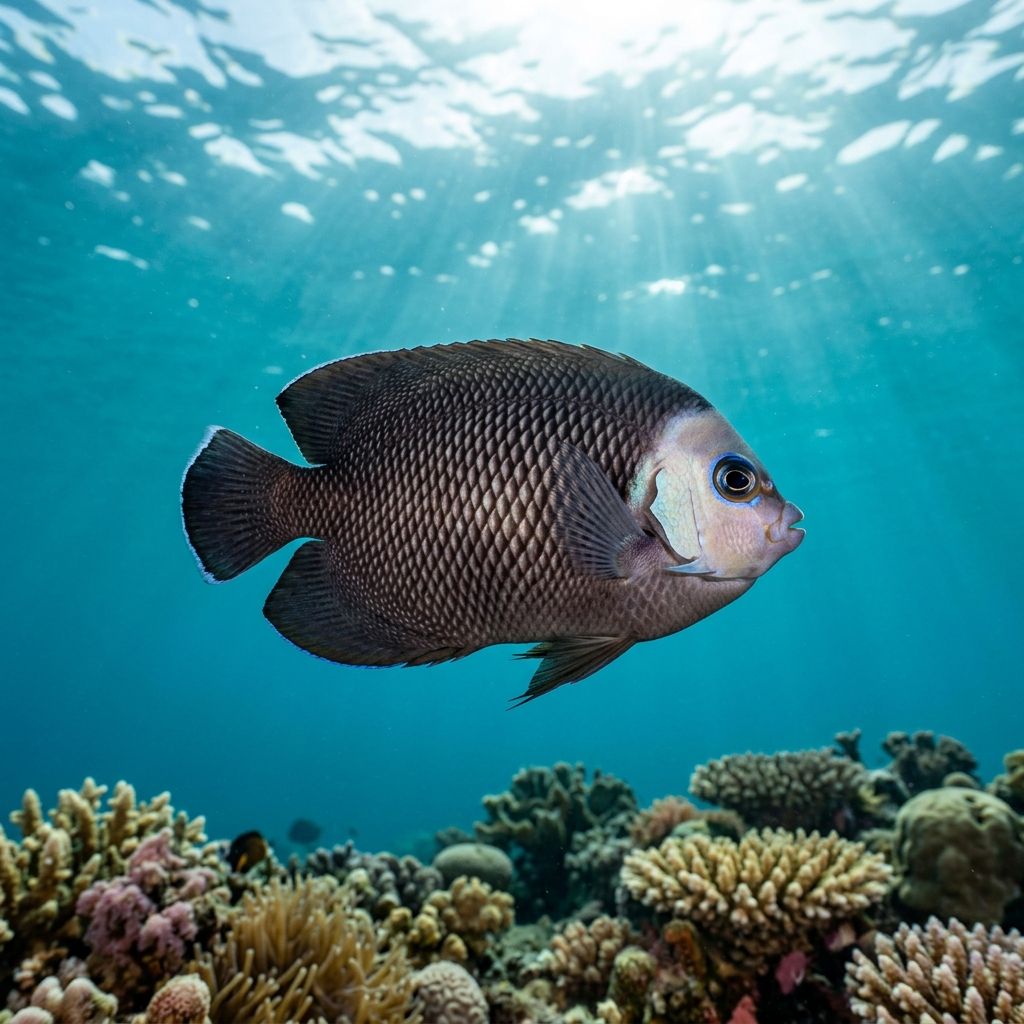
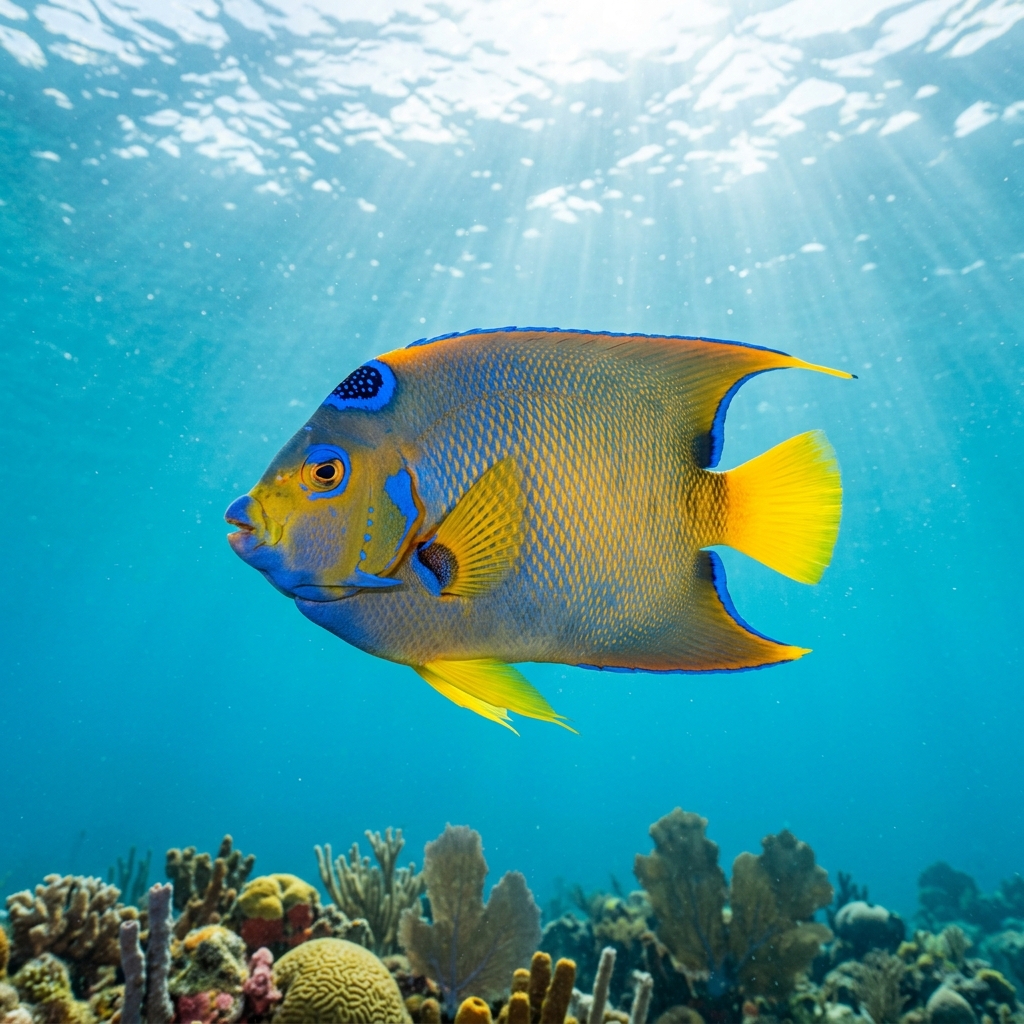
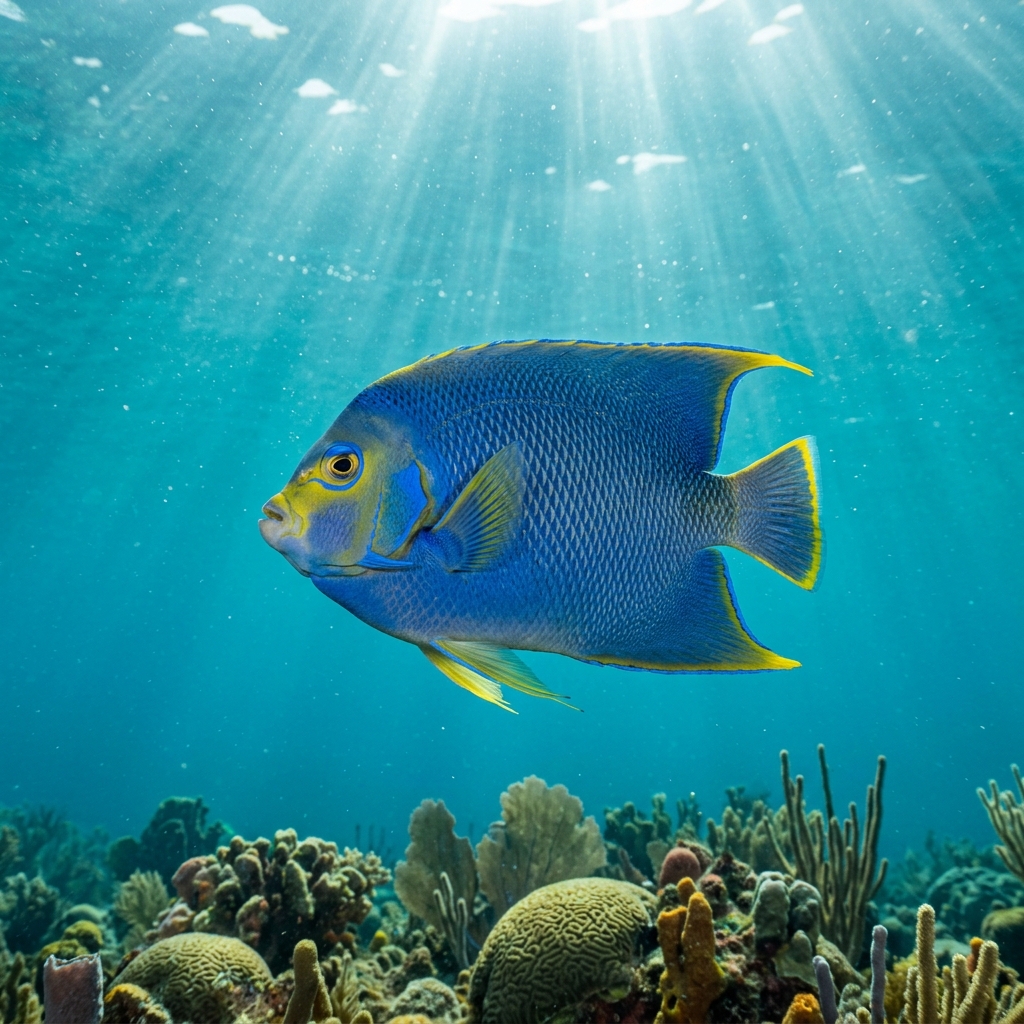
Reef neighbours a diver could mistake it for. Use the identification notes above to tell them apart.
Most commonly logged in the Maldives and the Egyptian Red Sea, particularly around the Male and Ari Atolls, Sharm el Sheikh, and Marsa Alam. Strong populations are also recorded across Indonesia, especially Bali and the Maluku and Papua regions, as well as the Philippines, Australia's Queensland coast, and the Seychelles.
Mapping where Emperor Angelfish is logged…
They are most reliably logged in the Maldives, the Egyptian Red Sea (Sharm el Sheikh and Marsa Alam are strong spots), and across Indonesia. The Philippines, Queensland in Australia, Malaysia, and the Seychelles also have solid records. Sightings are classed as uncommon at most sites, so any encounter is a good one.
There is no single best season, they are present year-round on tropical reefs in both hemispheres. Their preferred water temperature of 24 to 29 °C spans the full year at most Indo-Pacific and Red Sea sites, so you are not chasing a narrow window.
Look for the bold horizontal yellow and blue stripes running along a disc-shaped body, a dark mask across the eyes, and a vivid yellow tail. At around 28 cm they are one of the larger angelfish on the reef. If you see a navy blue fish with concentric white and blue rings, that is a juvenile of the same species, they look completely different.
Typically around 28 cm in the water, though some individuals reach up to 40 cm. That size makes them one of the larger angelfish you will encounter on a reef dive, noticeably bigger than regal or flame angelfish.
Yes. They are protogynous hermaphrodites, meaning they start as females and the dominant individual in a group can transition to male. A single male typically lives with a small harem of females, and if he dies the leading female will change sex to replace him. This behaviour is common across the angelfish family.
Site and sighting data is aggregated from diver logs, iNaturalist and GBIF. For taxonomy and conservation status:
Pearl-scaled Angelfish
1,326 sites