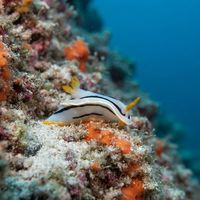
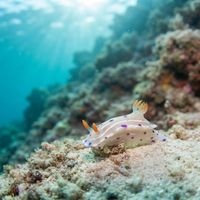
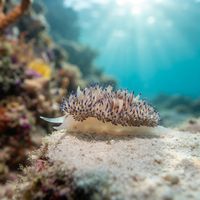
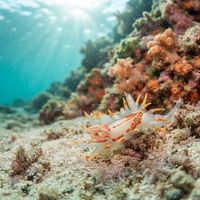
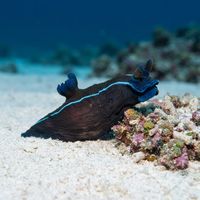
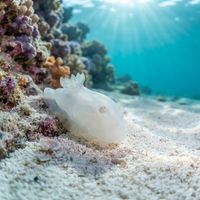
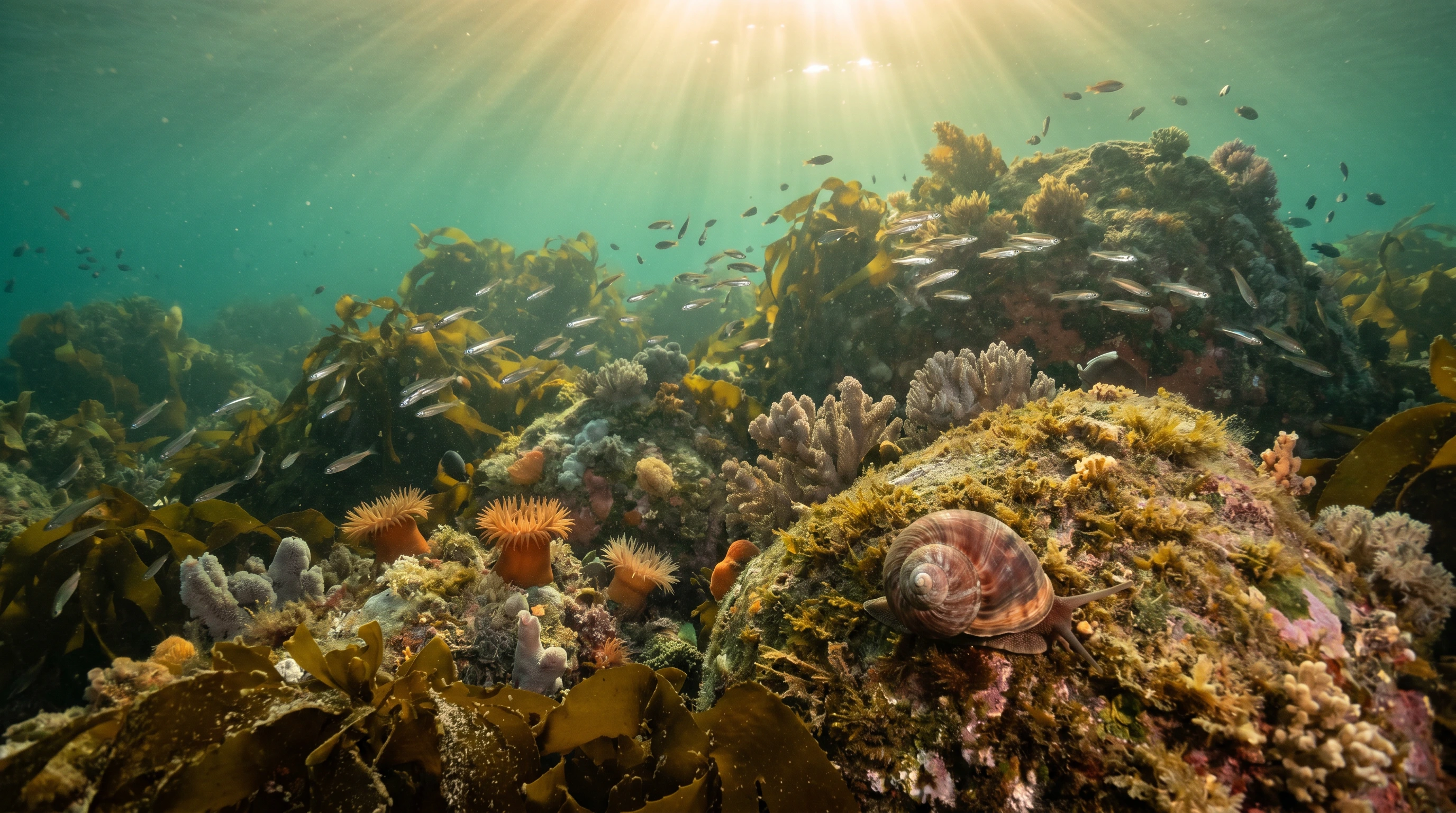
False Bay divides into three distinct sub-areas: Roman Rock, Miller's Point, and Simon's Town. Kelp forest, reef, pinnacle, and wreck sites sit side by side, suiting everyone from first-time divers to experienced intermediates. The Long-nosed Fur Seal is an almost constant companion, while nudibranchs of many species cover the reefs. Water stays cool year-round, and conditions vary enough between sub-areas that each offers a noticeably different character.
3 areas
Monthly water temperature across False Bay's sites, from satellite sea-surface data corrected for depth. The band shows the site-to-site spread.
Water temperature holds within a cool but consistent range across the year, dipping slightly through winter and rising into summer, making thermal protection important in every season. The best-months data points to two distinct peaks, one in autumn and one in late winter, when conditions tend to settle and visibility improves. Exposed sites in the Roman Rock sub-area can carry surge and current, while shore entries around Simon's Town and Miller's Point generally offer calmer conditions.
25 operators

Retreat, South Africa
46 more sites to explore
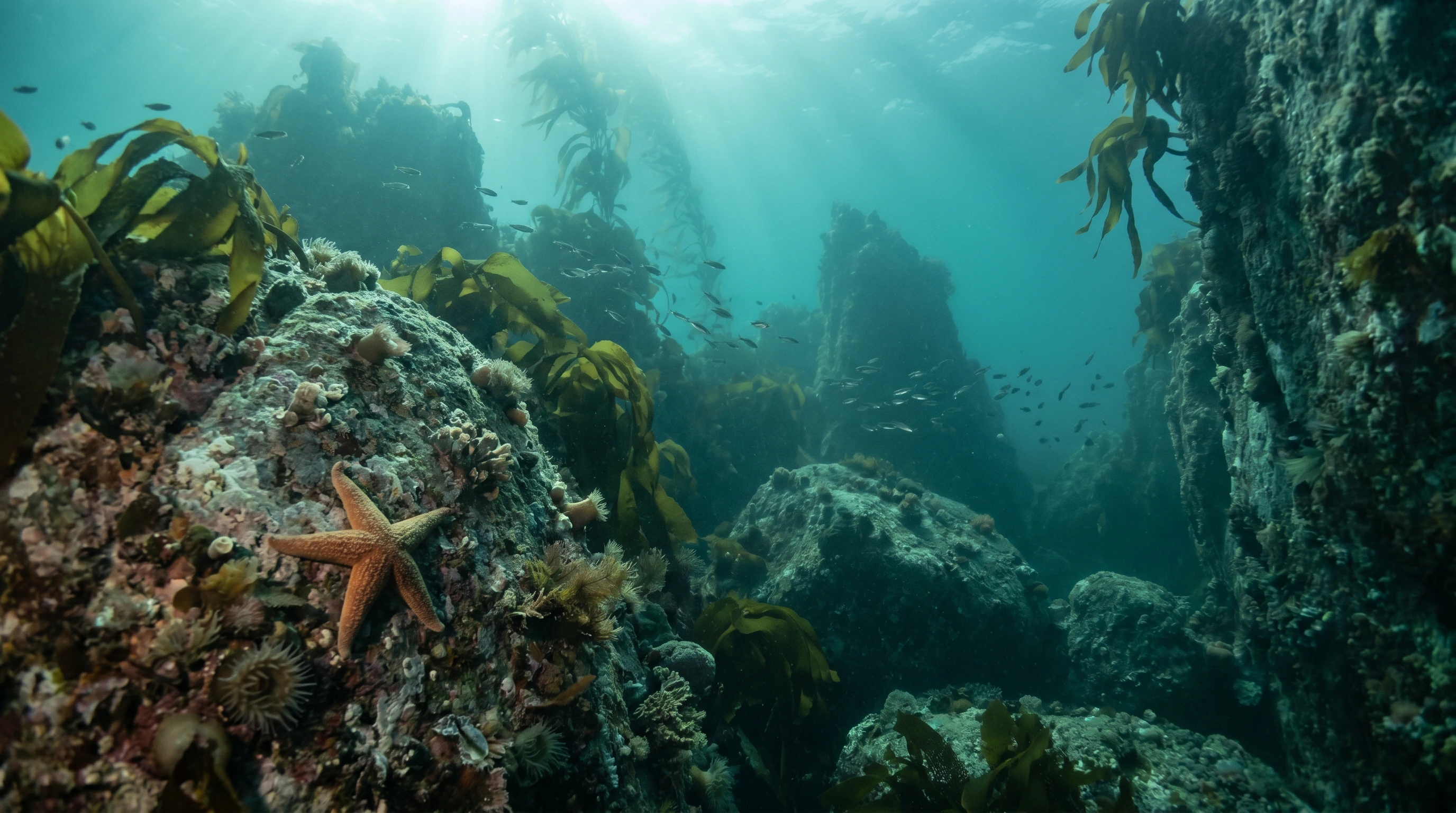
Kelp-draped reefs and pinnacles in False Bay, famed for extraordinary nudibranch diversity and resident fur seals.

Water temperature around False Bay ranges from about 15°C in April to 18°C in January, based on satellite sea-temperature data for its dive sites.
In the warm season (about 18°C) a 5mm suit is comfortable in False Bay; in the coldest months (about 15°C) step up to a 7mm or semi-dry suit.
Fin maps 58 sites in False Bay (56 scuba diving sites and 7 snorkelling spots, with some suited to both), organised into 3 areas.
Across False Bay's dive sites, April, May and August are most often reported as the best months to visit.
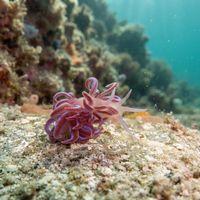
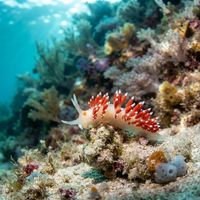
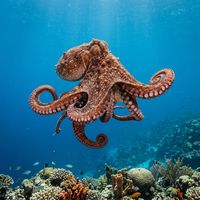
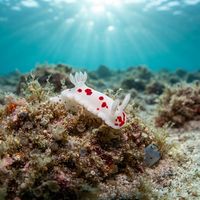
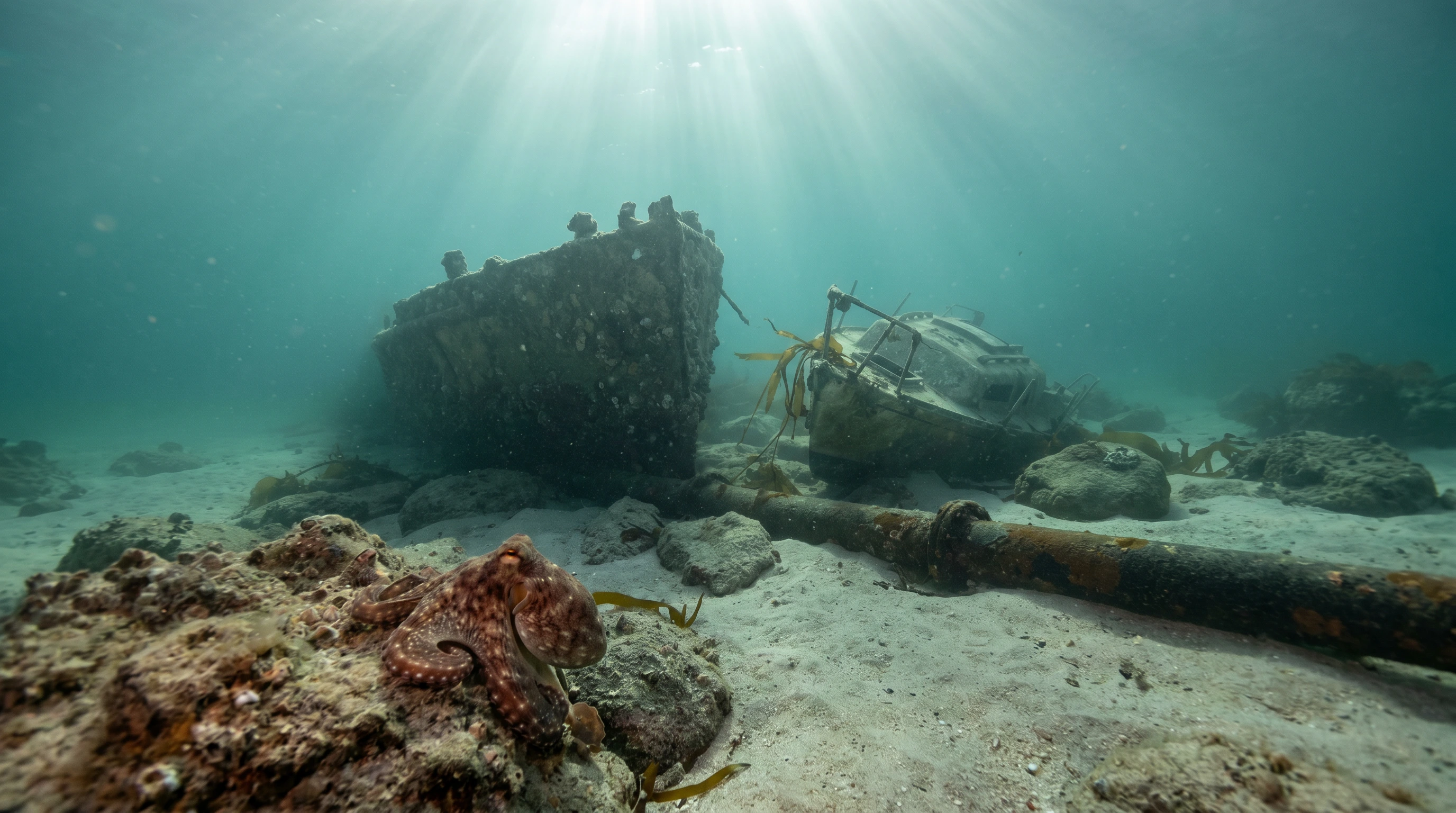
The Long-nosed Fur Seal is observed at almost every site, often interacting with divers in the kelp. Nudibranchs are a defining feature of the reefs, with the Crowned Nudibranch, Cape Dorid, Gasflame Nudibranch, and Fiery Pump Dorid all regularly recorded. The Pyjama Shark and Puffadder Shyshark are common on the reef, and the Common Octopus and European Common Cuttlefish are frequent finds.
A large proportion of False Bay's sites are rated for beginners, including shore-entry kelp forest dives at Miller's Point and Boulder's Rock, the shallow wreck at Brunswick, and reef sites like Castle Rock and Sunny Cove. Intermediate sites such as Rambler Rock, Roman Rock, and Castor Rock are boat-access dives that suit those looking for deeper pinnacle terrain. The mix means visiting divers of most experience levels will find appropriate options.
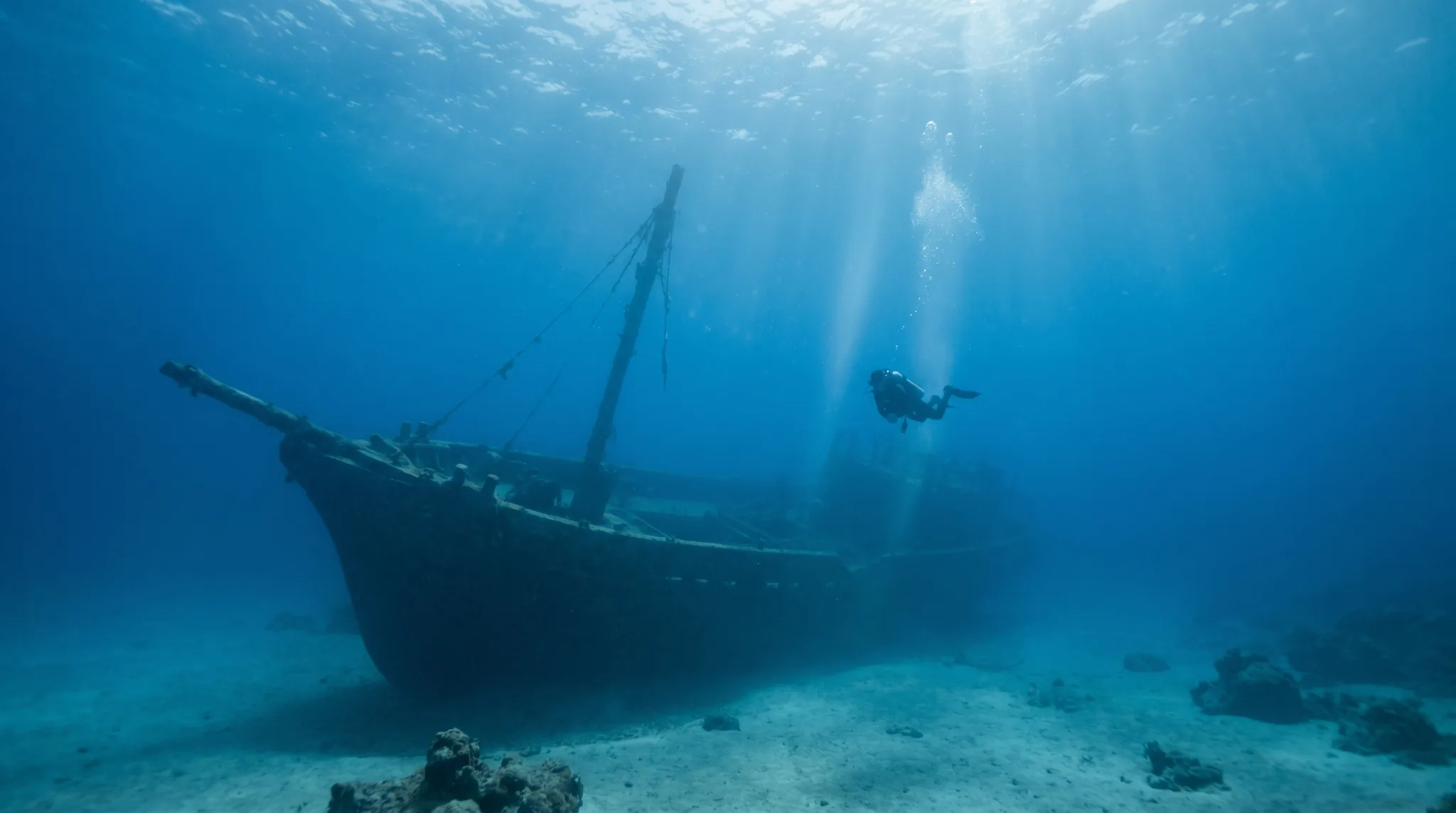
Roman Rock is the largest sub-area and holds the greatest variety of site types, from shallow shore reefs to deeper offshore pinnacles and the SAS Pietermaritzburg wreck. Miller's Point is centred on accessible shore dives through kelp forest and mixed reef terrain. Simon's Town offers a smaller selection of sites including the shallow historic Brunswick wreck and the kelp reef at Sunny Cove, making it a natural base for those wanting easy shore access.
Many popular sites are accessible directly from shore, including A-Frame, Pyramid Rocks, Boulder's Rock, Miller's Point, and Sunny Cove. Deeper and more exposed sites such as Roman Rock, Rambler Rock, Partridge Point, and Castor Rock require boat access. Operators including Pisces Divers, Indigo Scuba, and Oceans Africa, among others, run boat charters across the bay.