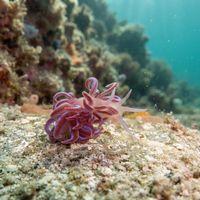
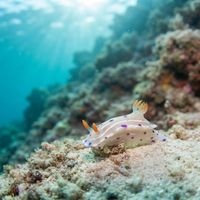
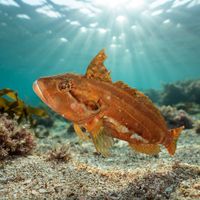
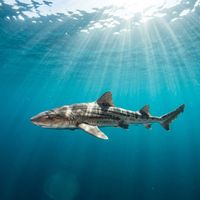
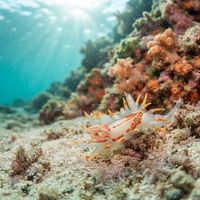
Western Cape offers one of South Africa's most varied underwater landscapes, spread across four distinct sub-areas: Cape Town, the Garden Route, Gansbaai, and Saldanha Bay. Cape Town dominates the site count and includes kelp forest dives, pinnacle systems, wrecks, caves, and wall dives across both shore and boat entries. The Garden Route adds drift diving and reef exploration, while Gansbaai and Saldanha Bay offer focused, specialist experiences. Marine life leans heavily temperate: the Long-nosed Fur Seal is a near-constant companion, and the Pyjama Shark, Puffadder Shyshark, and Leopard Catshark are all regularly observed across the reefs. The Great White Shark and Broadnose Sevengill Shark add real edge for those seeking larger encounters.
4 areas
 77
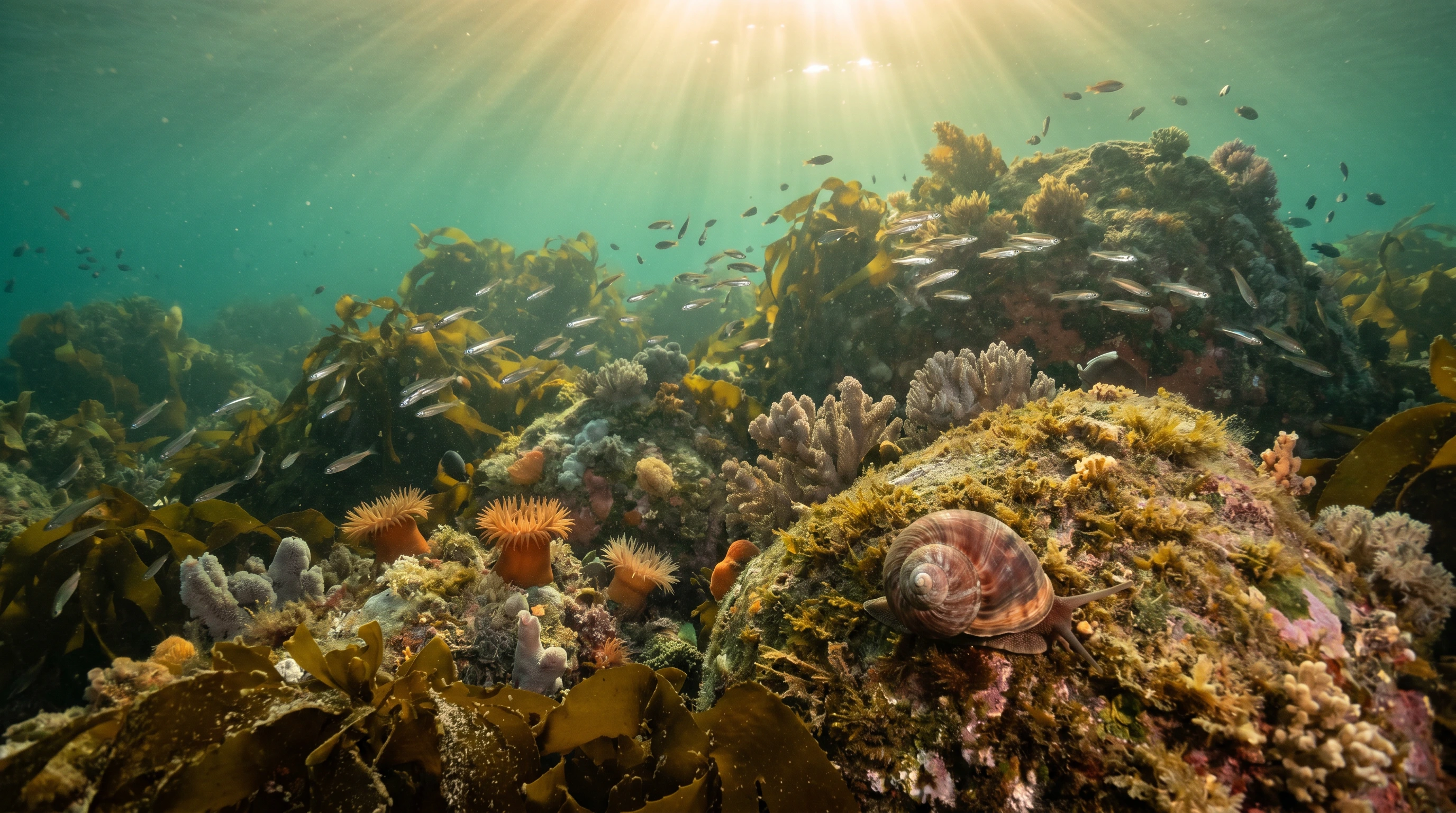
77Kelp forests, multiple shark species and playful Long-nosed Fur Seal across two contrasting dive zones flanking Cape Town.
 22
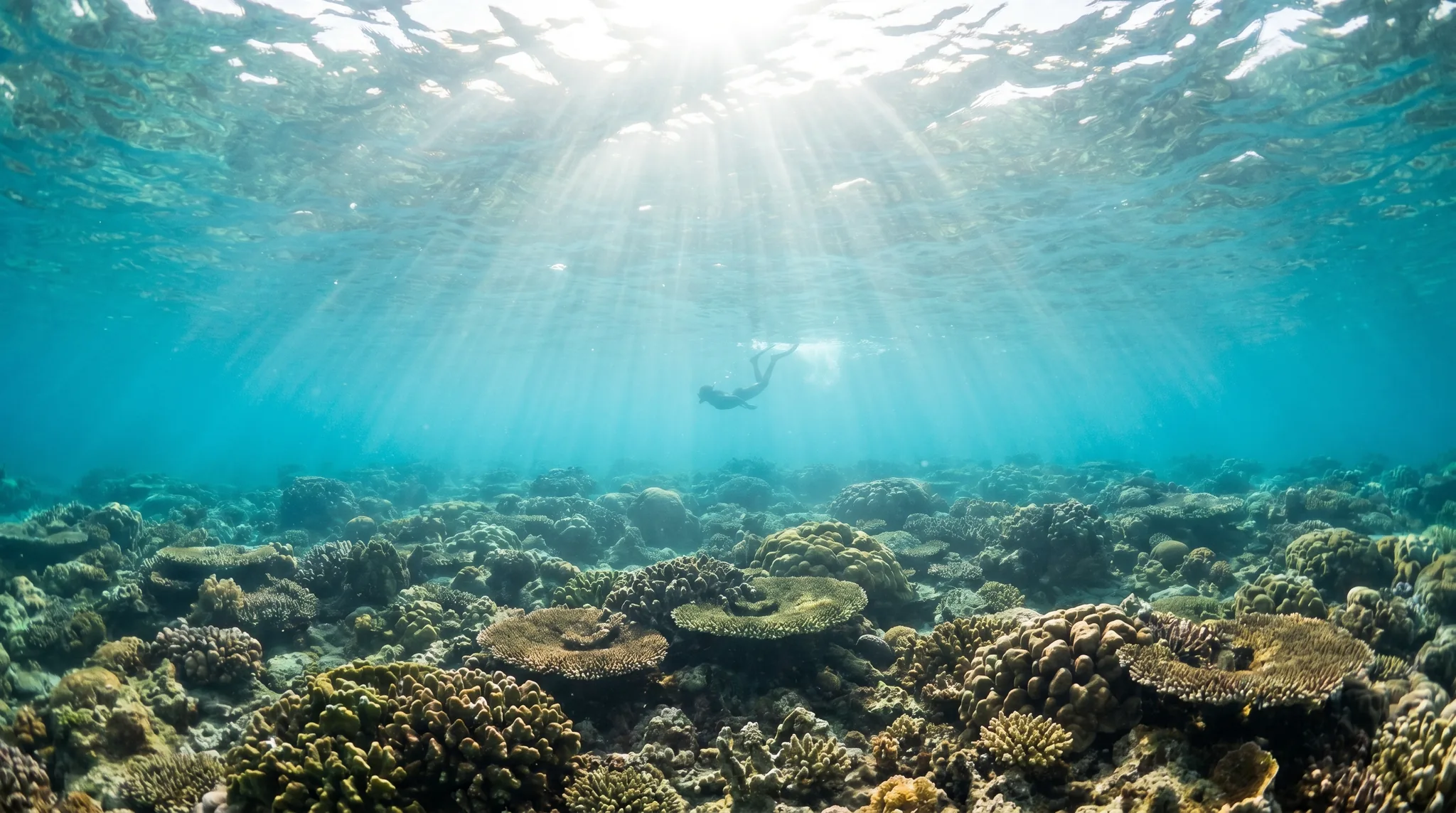
22Reef diving and fur seal encounters across three contrasting bays, with sharks, cephalopods and a wreck thrown in.
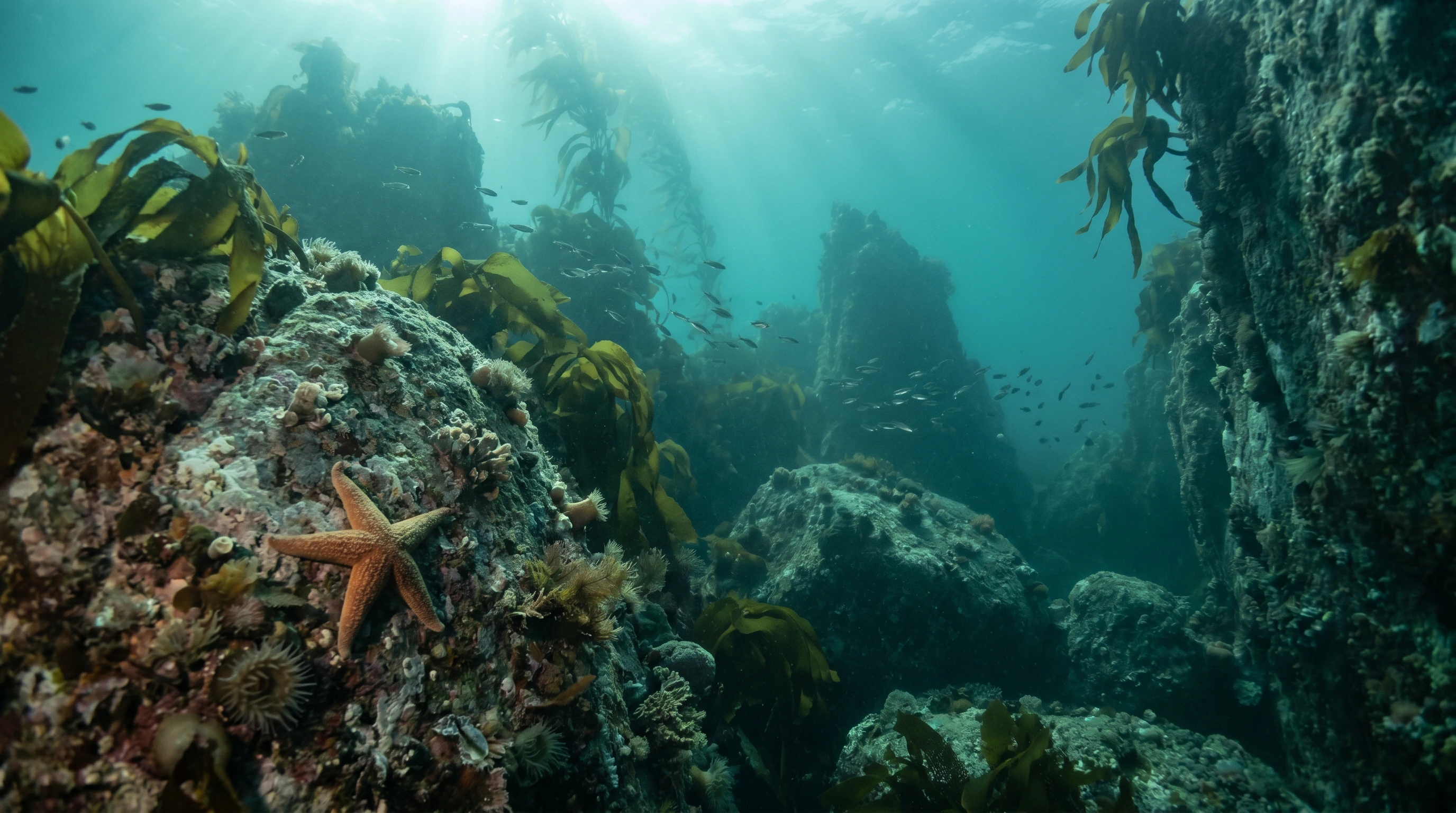
9Cold Atlantic diving on the Cape Whale Coast, world-known for Great White Sharks in Shark Alley and kelp forest reefs around Gansbaai.
7Cold Atlantic West Coast diving near Saldanha with kelp forests, pinnacles, and Marine Protected Area reefs accessible mainly by boat.
Monthly water temperature across Western Cape's sites, from satellite sea-surface data corrected for depth. The band shows the site-to-site spread.
Water temperatures stay cool year-round, with the warmest conditions in midsummer and a slight dip through winter months. Visibility is variable and conditions can be exposed, particularly at sites along the Atlantic Seaboard. The best diver-reported months cluster around autumn and late spring, when conditions tend to settle and marine life activity is strong.
53 operators


Water temperature around Western Cape ranges from about 15°C in April to 18°C in January, based on satellite sea-temperature data for its dive sites.
In the warm season (about 18°C) a 5mm suit is comfortable in Western Cape; in the coldest months (about 15°C) step up to a 7mm or semi-dry suit.
Fin maps 115 sites in Western Cape (104 scuba diving sites and 19 snorkelling spots, with some suited to both), organised into 4 areas.
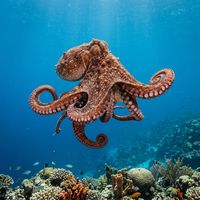
The Long-nosed Fur Seal is very commonly seen across the region, often interacting with divers directly. Reef species include the Pyjama Shark, Puffadder Shyshark, and Leopard Catshark, while the Common Octopus and European Common Cuttlefish are frequent finds on the reefs. Less predictable but observed encounters include the Great White Shark, Broadnose Sevengill Shark, Smooth Ray, and Ocean Sunfish.
A good portion of Western Cape's sites are rated for beginners, including several accessible shore-entry sites around Simon's Town such as Sunny Cove, Long Beach, and Millers Point. These offer shallow, sheltered conditions with kelp forest and reef to explore. More exposed sites and deeper pinnacle or wall dives are better suited to intermediate divers with some experience of cooler, variable conditions.
Cape Town accounts for the bulk of dive sites and offers the widest variety, from kelp forest shore dives to offshore pinnacles and wrecks. The Garden Route, centred around areas like Knysna and Plettenberg Bay, adds drift diving and reef sites in warmer, calmer waters. Gansbaai and Saldanha Bay are smaller in site count but draw divers with more focused, specialist experiences.
Both options are well represented across the region. Shore-entry sites such as A-Frame, Castle Rock, and Long Beach in Simon's Town are straightforward to access without a boat. A number of the more exposed offshore sites, including Star Walls, Rambler Rock, and Klein Tafelberg Reef, require boat access and are typically dived through one of the region's operators.