Cratena capensis
White-tipped nudibranchs turn up on reefs across Western Cape, South Africa in cool 13 to 19C water, no set season needed.
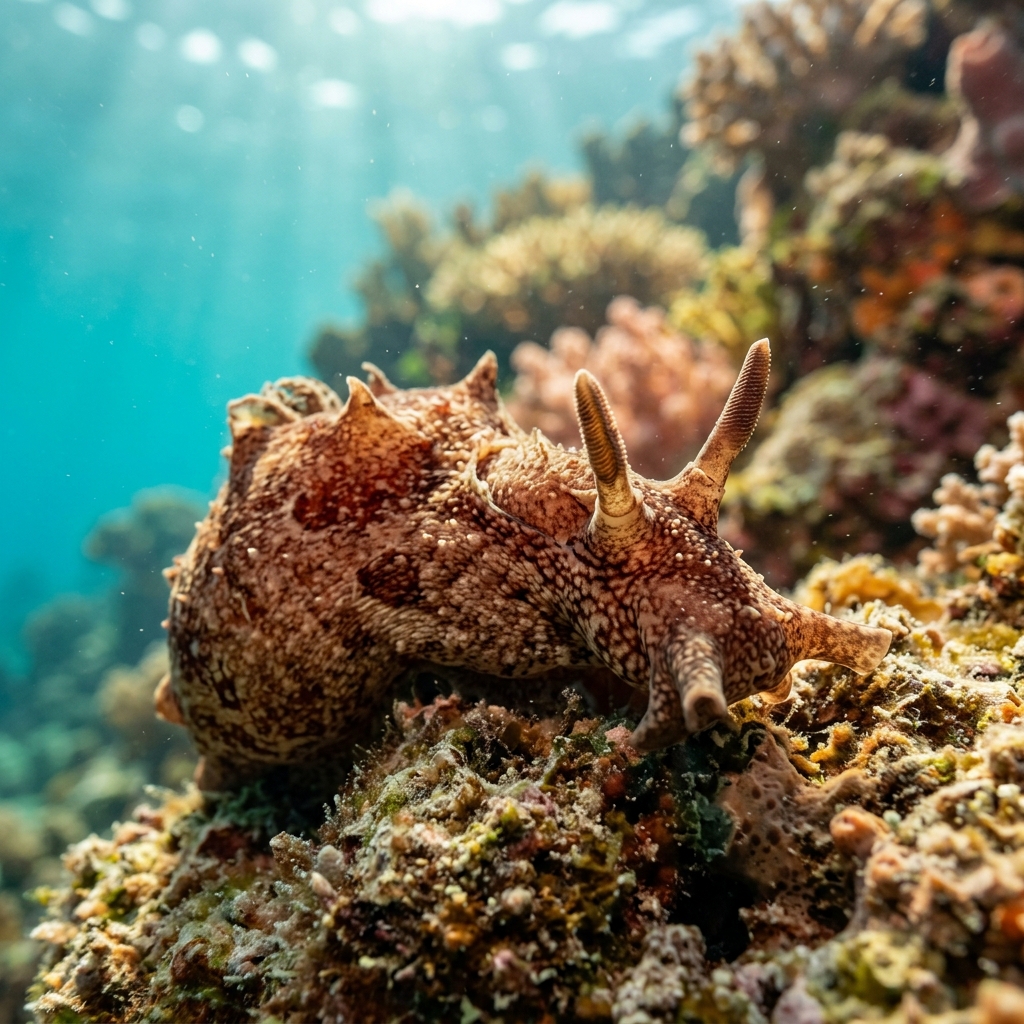
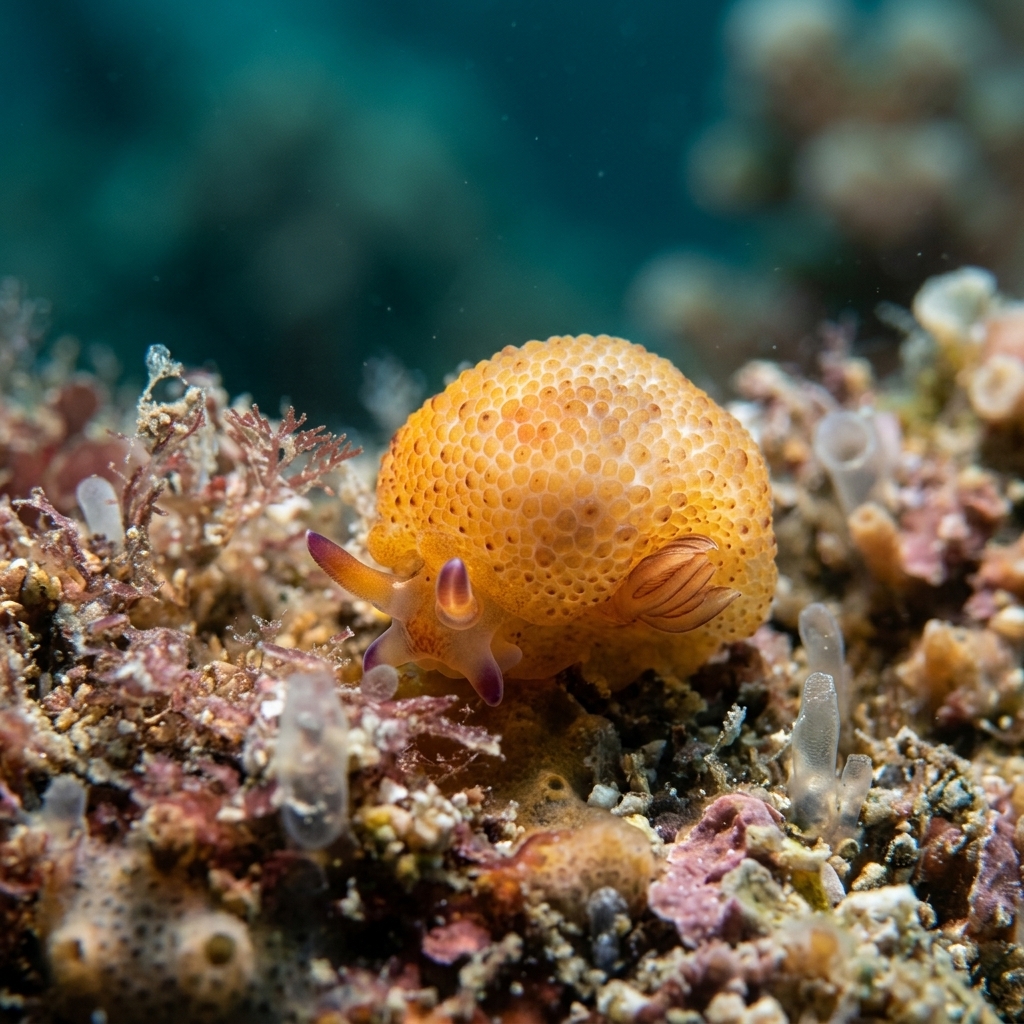
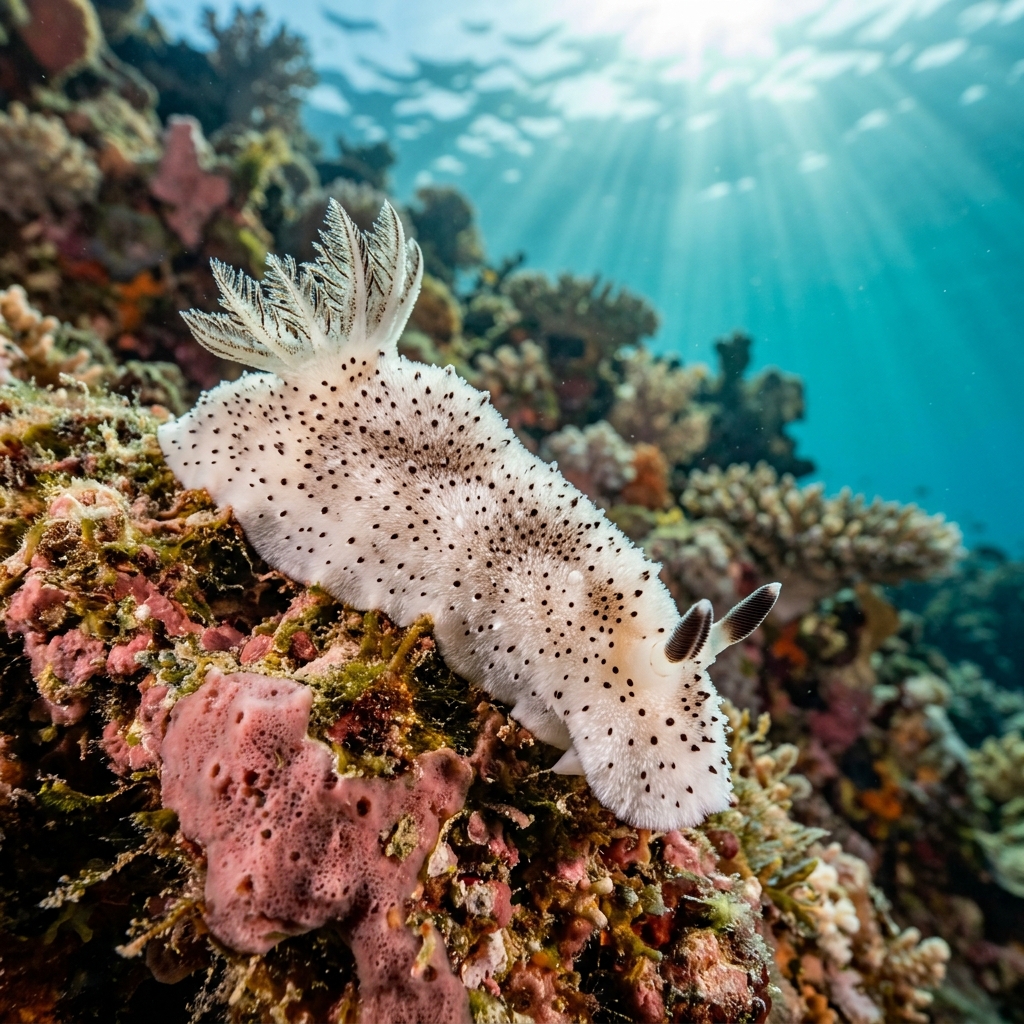
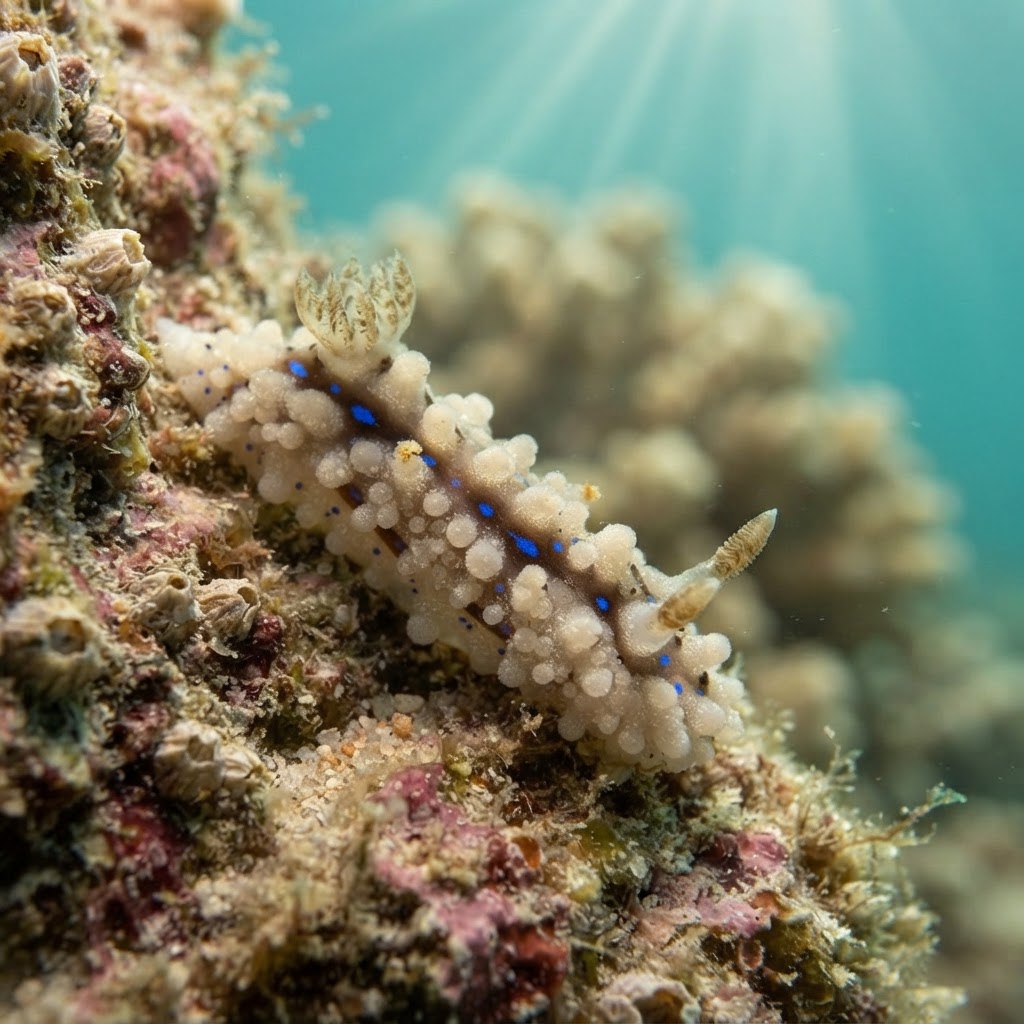
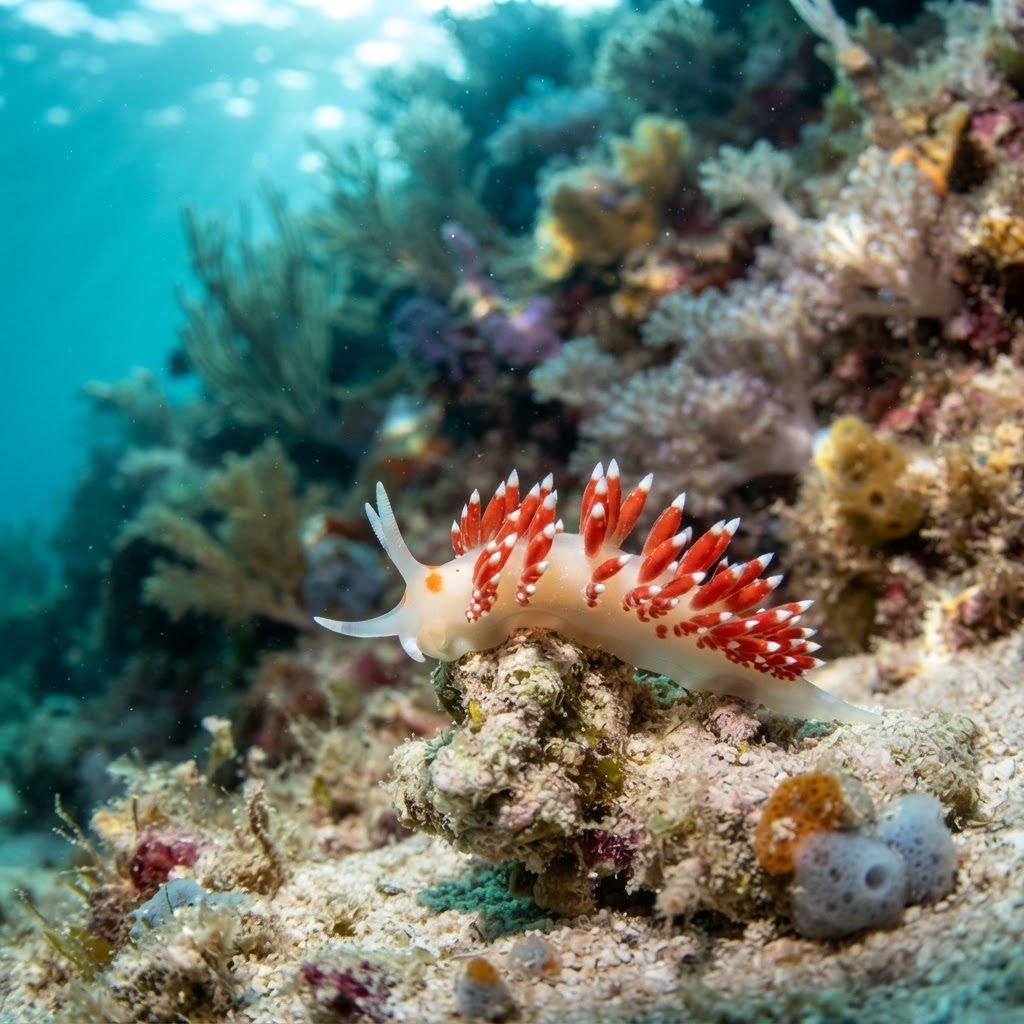
A slim, translucent-bodied slug with rows of finger-like projections (cerata) along its back tipped in bright white, giving it its name. The cerata often carry an orange or brown tint underneath the white tips, and a pair of tentacle-like rhinophores sit forward on the head. Small enough that you'll need to look closely against rock or reef debris to pick it out.
Divers find it grazing slowly over rock and reef surfaces, usually tucked into cracks or moving across encrusting growth where its prey hydroids and bryozoans live. It shows no reaction to divers and won't move away quickly, making it an easy subject once spotted, though its small size means most sightings happen when a diver is already looking closely at the substrate.
Like other facelinid nudibranchs, it likely stores stinging cells from the hydroids it eats in the tips of its cerata, turning its own food into a defence against predators.
Sightings don't show a clear seasonal pattern, so treat it as a year-round find in the cool 13 to 19C water typical of the Western Cape.
This one is a Western Cape speciality, logged consistently across dive sites around South Africa's Cape coast. It hasn't turned up in meaningful numbers anywhere else in the data, so if you want to tick it off, the Cape is the place to look.
Mapping where White-tipped Nudibranch is logged…
They're most reliably logged on dive sites across the Western Cape in South Africa. This region accounts for essentially all recorded sightings, making it the go-to spot for finding this species.
There's no strong seasonal pattern in the sightings, so they can be found year-round in the Cape's cool water, typically between 13 and 19C.
Look for a small, slender slug with rows of cerata along its back tipped in white, often with orange or brown colouring beneath. It's usually found grazing slowly over rock or reef surfaces rather than swimming.
No. They pose no threat to divers and are safe to observe and photograph up close.
Exact size data isn't available, but like most facelinid nudibranchs they're small, generally only a couple of centimetres long, so divers need to look closely to spot one.
They feed on stinging hydroids and are thought to repurpose the hydroid's stinging cells within their own cerata, effectively turning their prey's weapons into their own defence.
Site and sighting data is aggregated from diver logs, iNaturalist and GBIF. For taxonomy and conservation status:
Light-spotted Aegires
3,168 sites