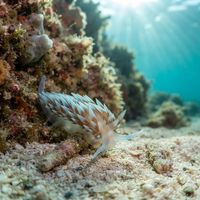
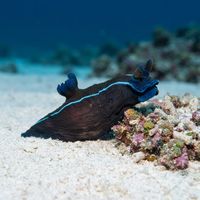
Cape Town's diving splits across two distinct sub-areas: the larger False Bay and the Atlantic Seaboard. Between them you get kelp forests, granite boulder reefs, caves, pinnacles and wrecks, ranging from shallow shore entries to serious boat dives. The signature species tell the story best: Long-nosed Fur Seal, Pyjama Shark, Leopard Catshark, Common Octopus and European Common Cuttlefish make this a cold-water, creature-led destination. Most sites suit beginners, with a solid selection for intermediate divers seeking depth.
2 areas
Monthly water temperature across Cape Town's sites, from satellite sea-surface data corrected for depth. The band shows the site-to-site spread.
Water temperatures stay cool year-round, dipping to their lowest in autumn before recovering slightly through summer. Visibility is variable and often tied to swell and surge rather than season. The best-months data shows May, August and November as peak periods, suggesting that mid-autumn, late winter and late spring tend to deliver the most settled conditions for diving.
38 operators

Retreat, South Africa

65 more sites to explore
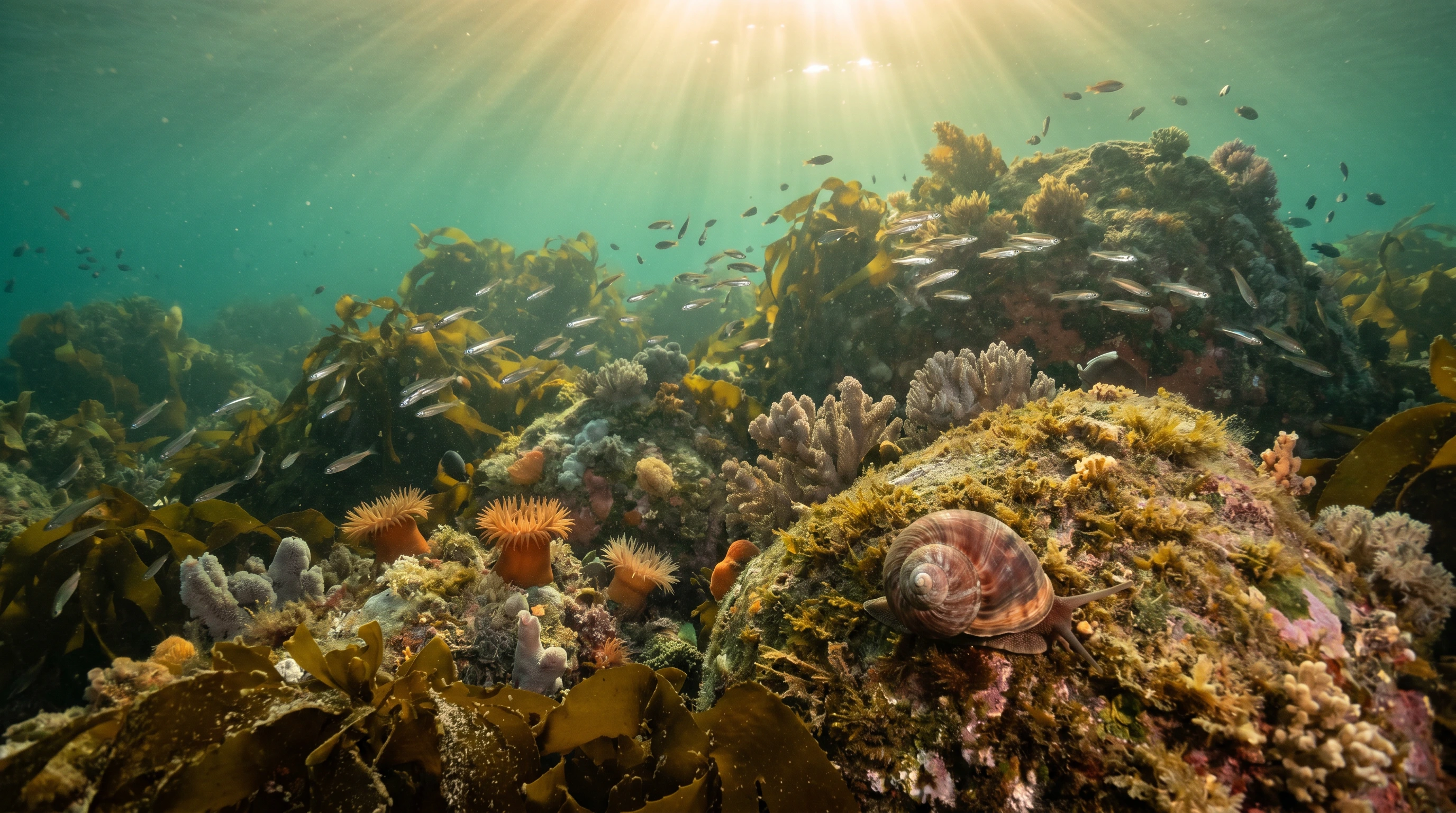
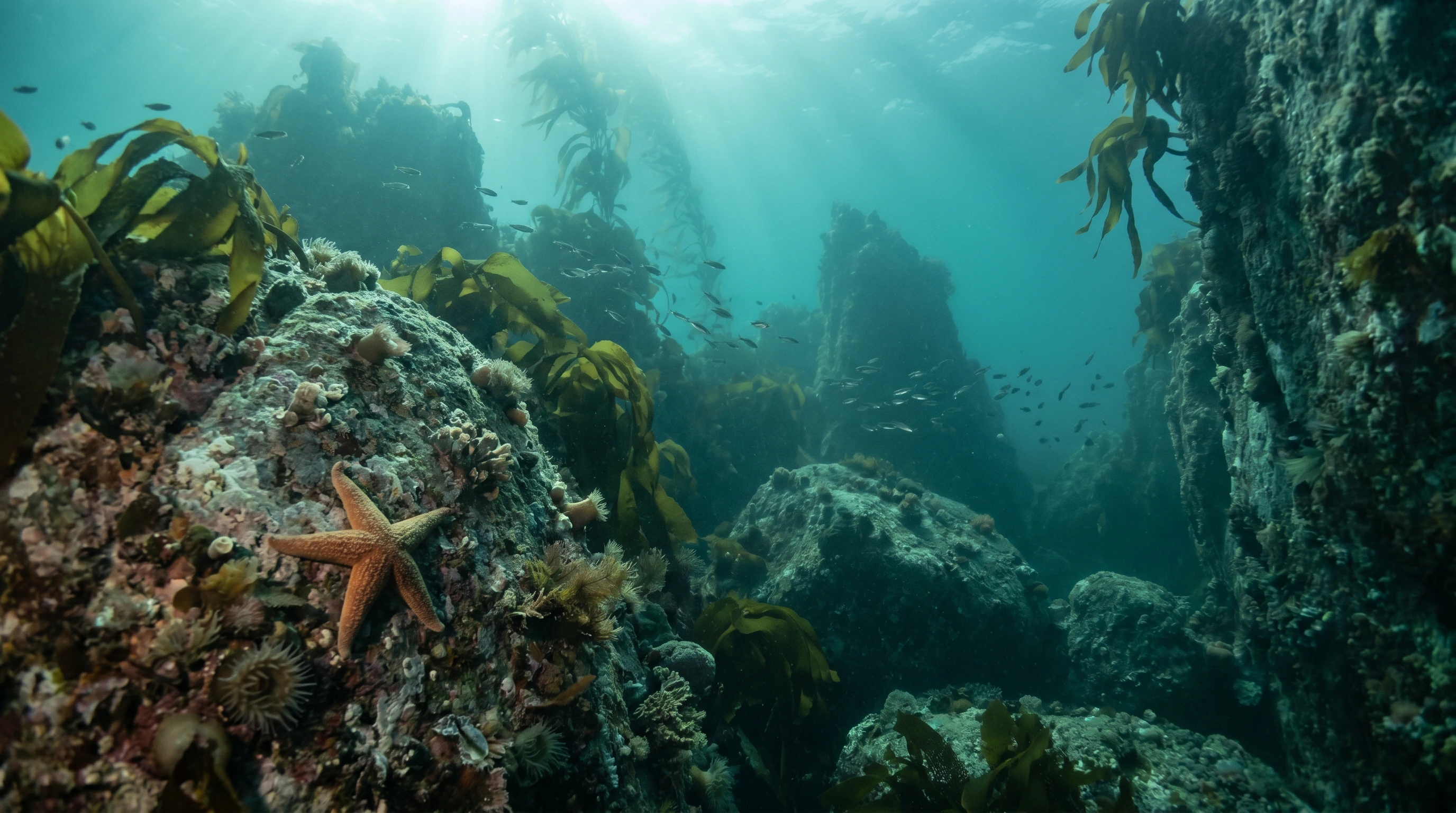
Kelp forests, pinnacles, and fur seals define this cool-water bay, with sites ranging from shallow beginner reefs to deeper boat dives.
Water temperature around Cape Town ranges from about 14°C in April to 18°C in January, based on satellite sea-temperature data for its dive sites.
In the warm season (about 18°C) a 5mm suit is comfortable in Cape Town; in the coldest months (about 14°C) step up to a 7mm or semi-dry suit.
Fin maps 77 sites in Cape Town (75 scuba diving sites and 8 snorkelling spots, with some suited to both), organised into 2 areas.
Across Cape Town's dive sites, January, April, May, August, November and December are most often reported as the best months to visit.
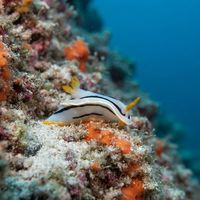
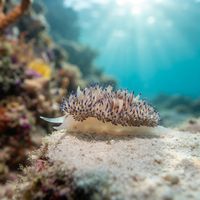
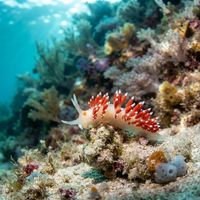
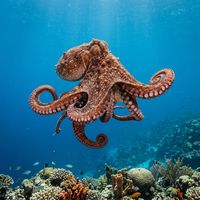
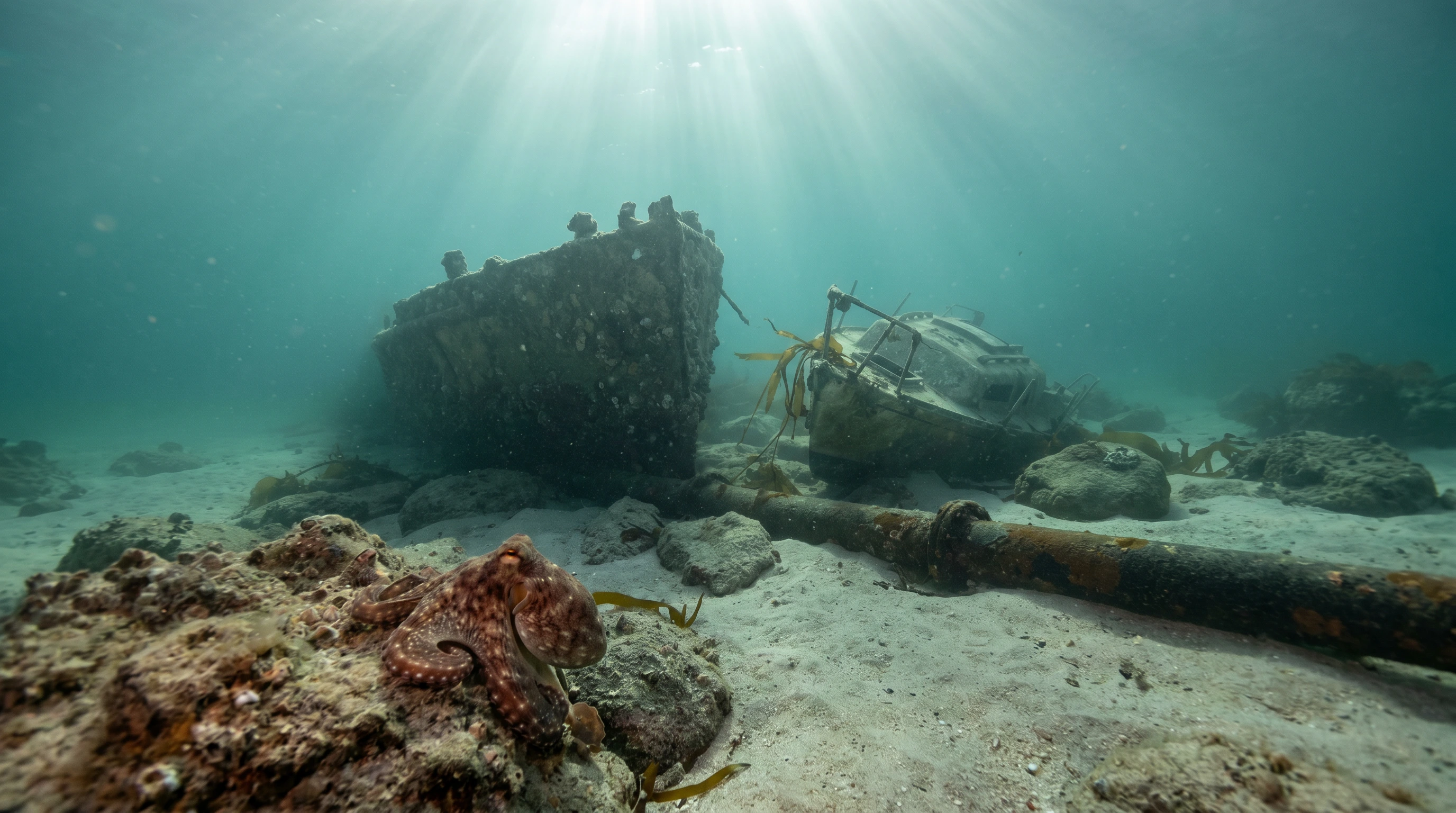
Cape Town's reefs host a remarkable range of species. Long-nosed Fur Seal is very commonly encountered, and multiple shark species are regularly observed, including Pyjama Shark, Puffadder Shyshark and Leopard Catshark. Common Octopus, European Common Cuttlefish, Smooth Ray, Brittle Star and Crayfish are also frequent finds across both sub-areas.
A large proportion of Cape Town's sites are rated beginner level, including popular shore-entry spots such as Long Beach in Simon's Town, Sunny Cove and Millers Point. These sites offer shallow, gradual entries and a mix of reef and kelp forest. Intermediate divers are well catered for too, with boat sites like Star Walls and Klein Tafelberg Reef offering greater depth and more demanding conditions.
False Bay is the larger of Cape Town's two dive zones and contains the bulk of the region's sites, including the Roman Rock Area with its pinnacles, wrecks and reefs. The Atlantic Seaboard is a smaller collection of sites and includes wall diving at Star Walls and boulder reef diving at Justin's Caves. Conditions, exposure and site character differ noticeably between the two coasts.
Cape Town offers both shore and boat access, with a good number of sites accessible from the shore, making independent diving feasible at locations like A-Frame, Castle Rock and Millers Point. Deeper and more offshore sites such as Rambler Rock, York Shoal and Klein Tafelberg Reef require boat access. Several operators including Pisces Divers, Animal Ocean Expeditions and Indigo Scuba run guided boat dives throughout the region.