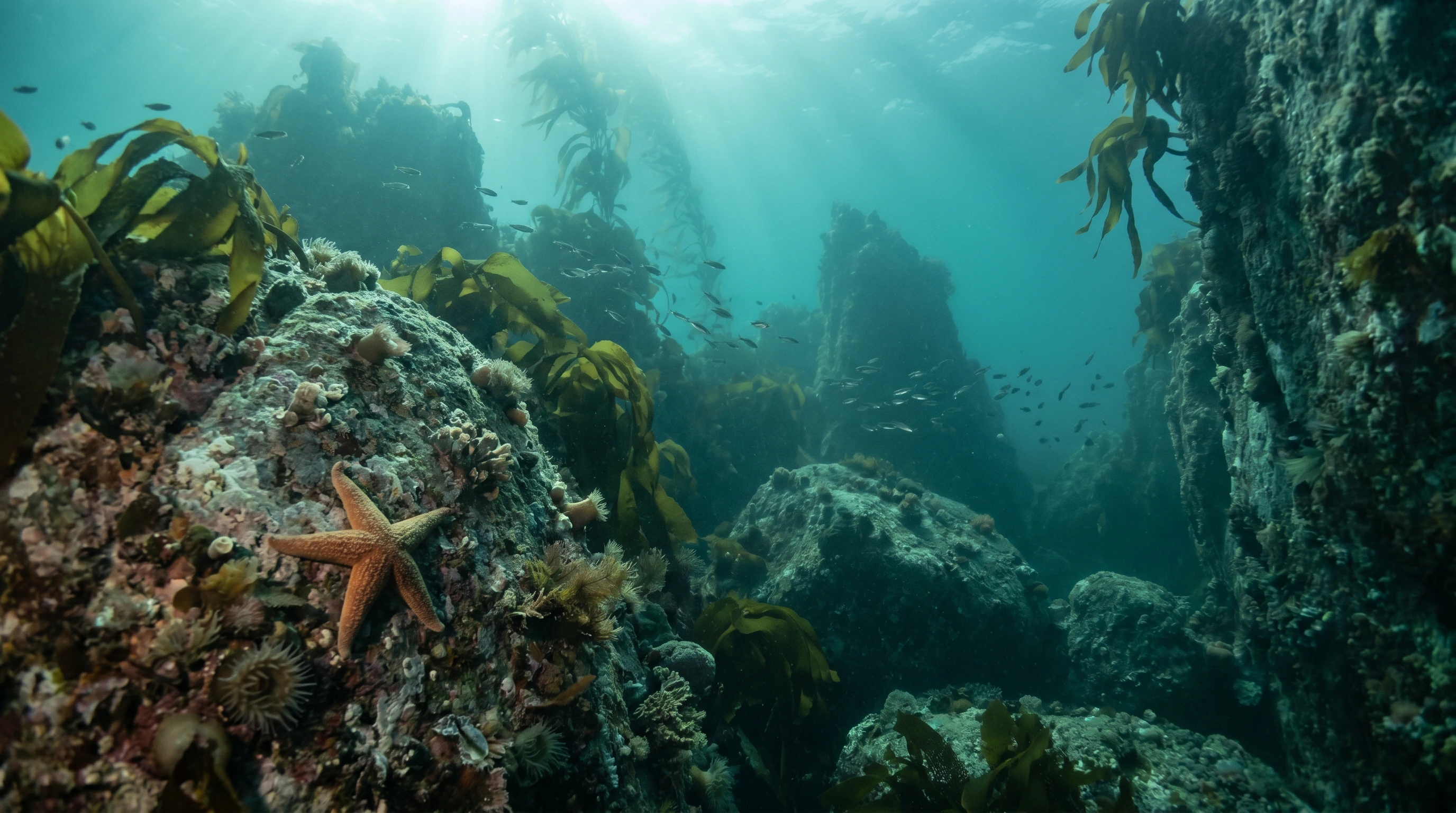
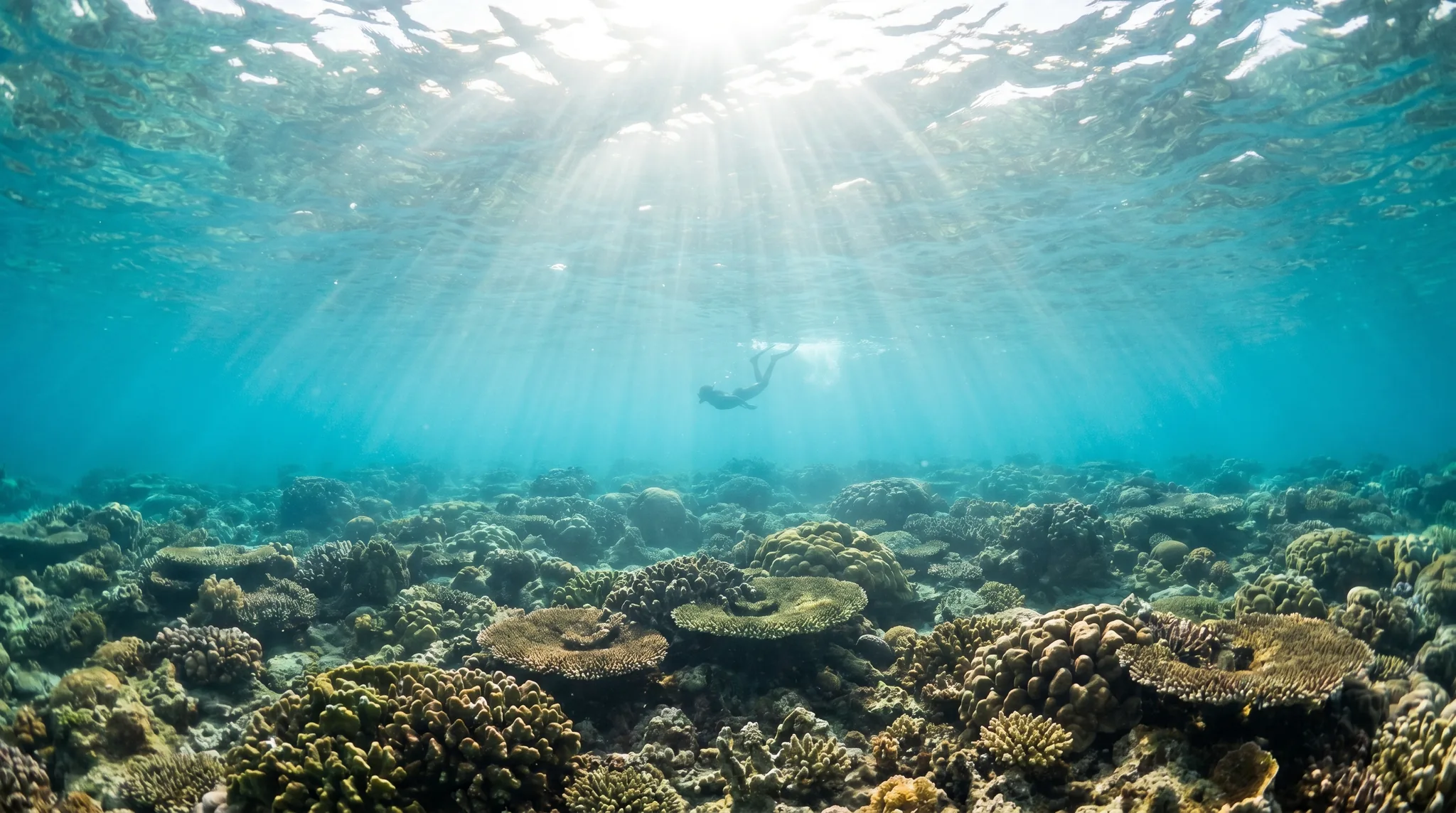
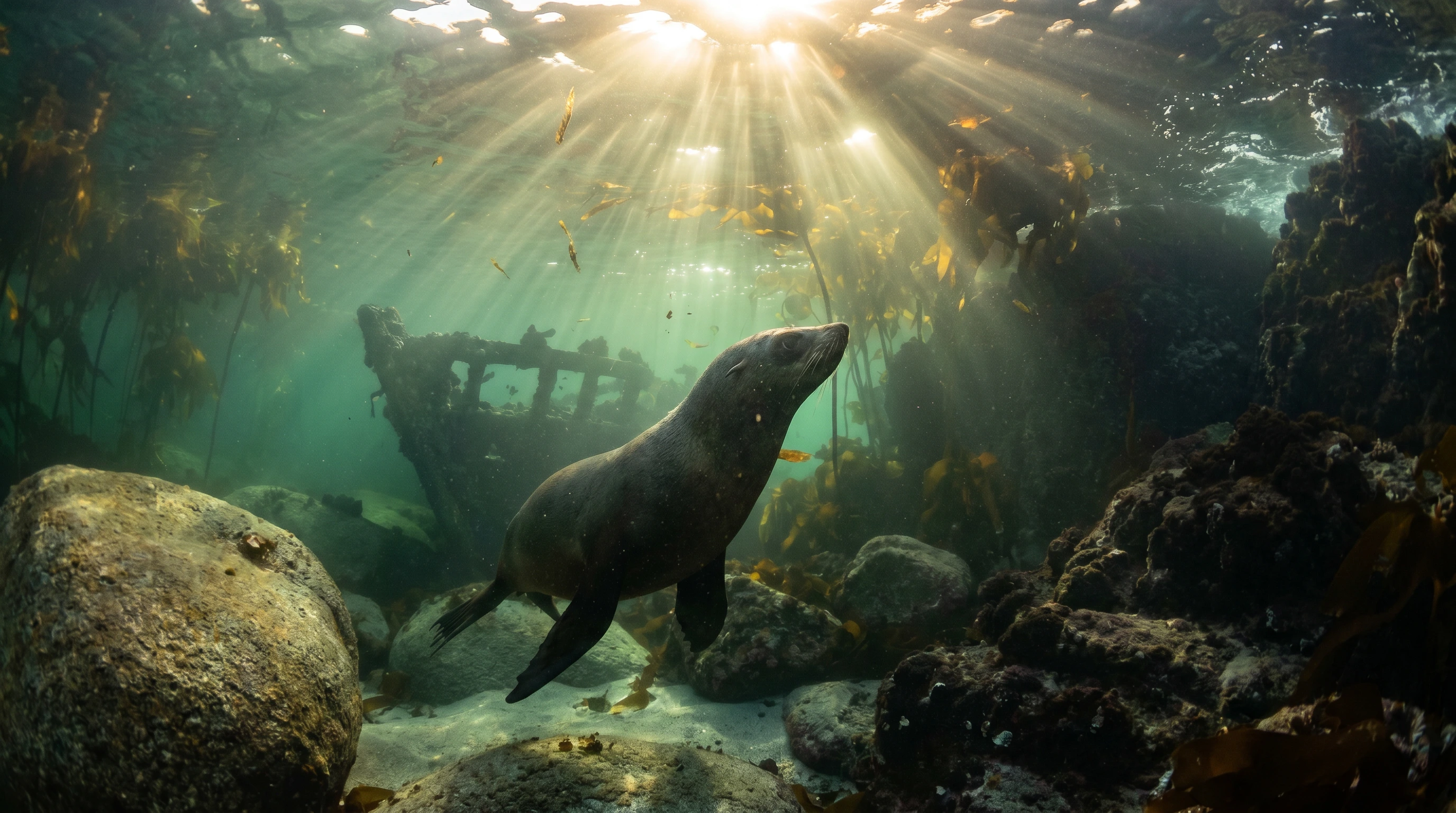
The Atlantic Seaboard packs a varied mix of granite boulder reefs, kelp forests, wall dives and shipwrecks into a compact stretch of coastline near Cape Town. Calm, shallow sites suit beginners straight from shore, while deeper pinnacles, walls and wrecks reward intermediate and advanced divers from the boat. The water stays cold year-round, keeping visibility variable but supporting rich cold-water life: Long-nosed Fur Seal, Ocean Sunfish, a wealth of nudibranchs, and Puffadder Shyshark are all regularly observed.
Monthly water temperature across Atlantic Seaboard's sites, from satellite sea-surface data corrected for depth. The band shows the site-to-site spread.
Water temperature stays consistently cool across all months, dipping to its lowest in late autumn and winter and rising slightly through summer, with the warmest conditions in January and February. The best-months data points strongly to summer, particularly November through January, when calmer sea states and cleaner visibility make boat access to deeper sites more reliable. Winter diving is still possible but conditions are more challenging and visibility more variable.
13 operators
Cape Town, South Africa
Kraaifontein, South Africa
7 more sites to explore
Water temperature around Atlantic Seaboard ranges from about 14°C in April to 17°C in January, based on satellite sea-temperature data for its dive sites.
With water around 14–17°C, a 7mm or semi-dry suit works in Atlantic Seaboard year-round.
Fin maps 19 sites in Atlantic Seaboard (19 scuba diving sites and 1 snorkelling spots, with some suited to both).
Across Atlantic Seaboard's dive sites, January, November and December are most often reported as the best months to visit.
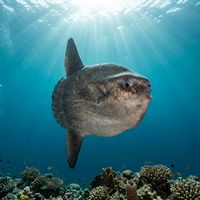
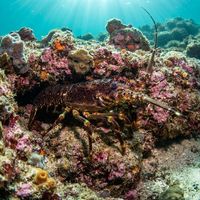
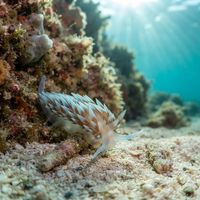
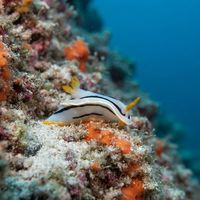
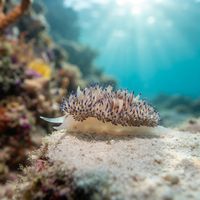
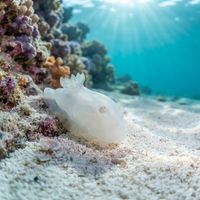
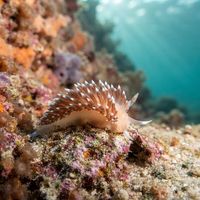
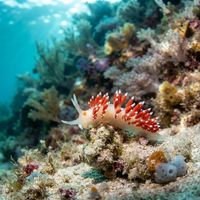
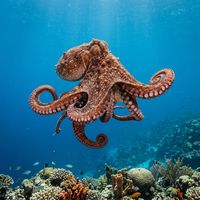
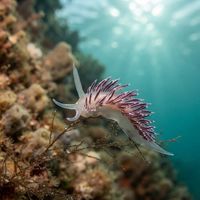
The region has a strong observation record for Long-nosed Fur Seal and Cape Rock Lobster at nearly every site. Nudibranch diversity is a highlight, with the Crowned Nudibranch, Gasflame Nudibranch, Ghost Dorid, and White-tipped Nudibranch all commonly recorded. Larger encounters include the Ocean Sunfish and, occasionally, Northern Elephant Seal. The Puffadder Shyshark and Common Octopus are also regularly seen across the reefs.
Several sites are rated beginner level, including Justin's Caves, Sandy Cove, Strawberry Rocks and Duiker Island, all of which are shallow and accessible from shore or by short boat trip. The I&J Predator Exhibit at the Two Oceans Aquarium offers a controlled, very shallow introduction for those new to diving. Intermediate and advanced divers have plenty of deeper walls, pinnacles and wrecks to progress to.
A good number of sites can be reached without a boat, including Justin's Caves, Sandy Cove, Strawberry Rocks, the Kelp Forest Exhibit, the RMS Athens Wreck, and the Romelia Wreck. Shore entry gives flexibility for independent divers and makes repeat dives straightforward. Boat-only sites such as Star Walls, Klein Tafelberg Reef and The Maori Wreck require a charter, and several operators based on the Atlantic Seaboard offer guided trips.
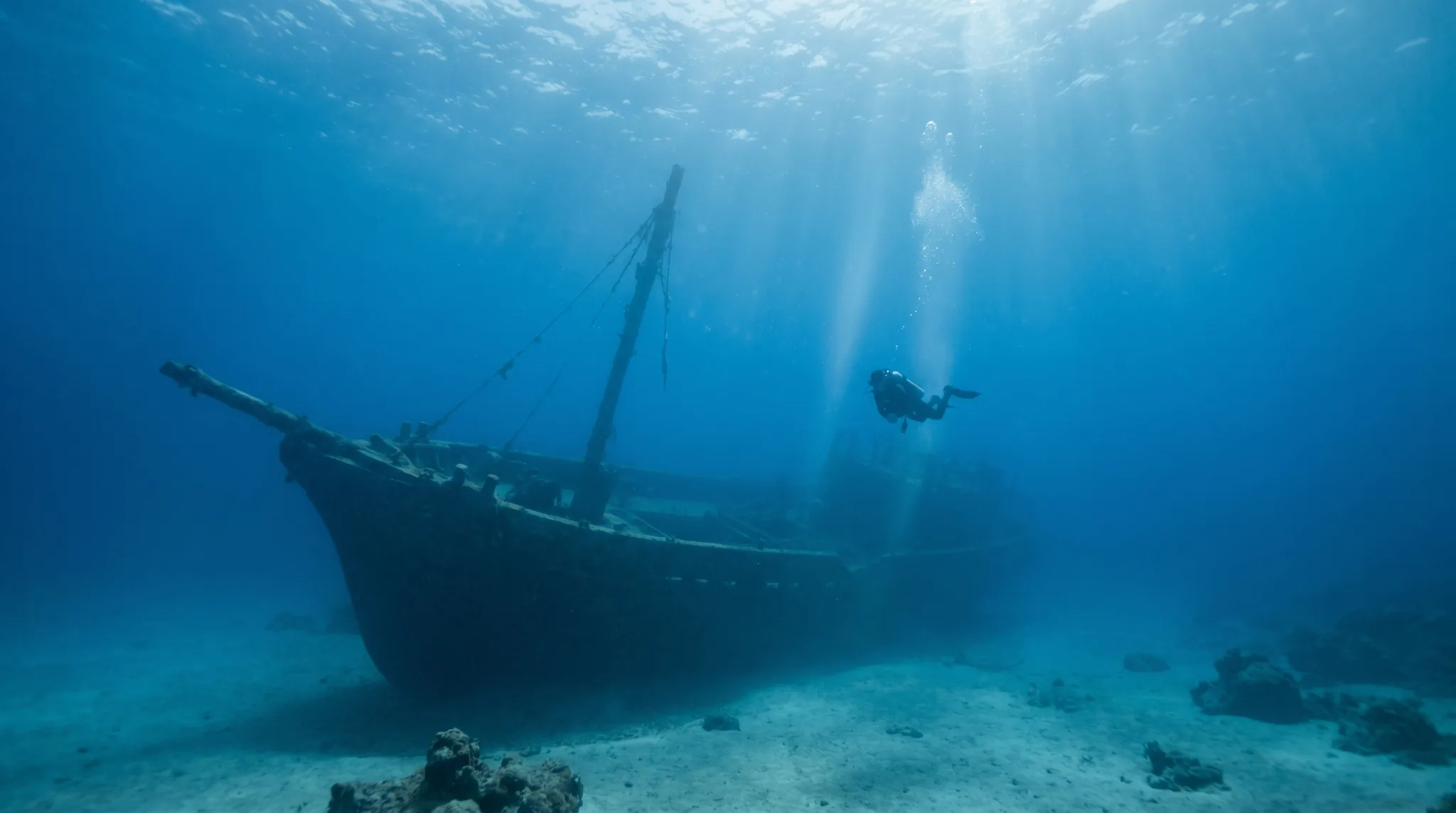
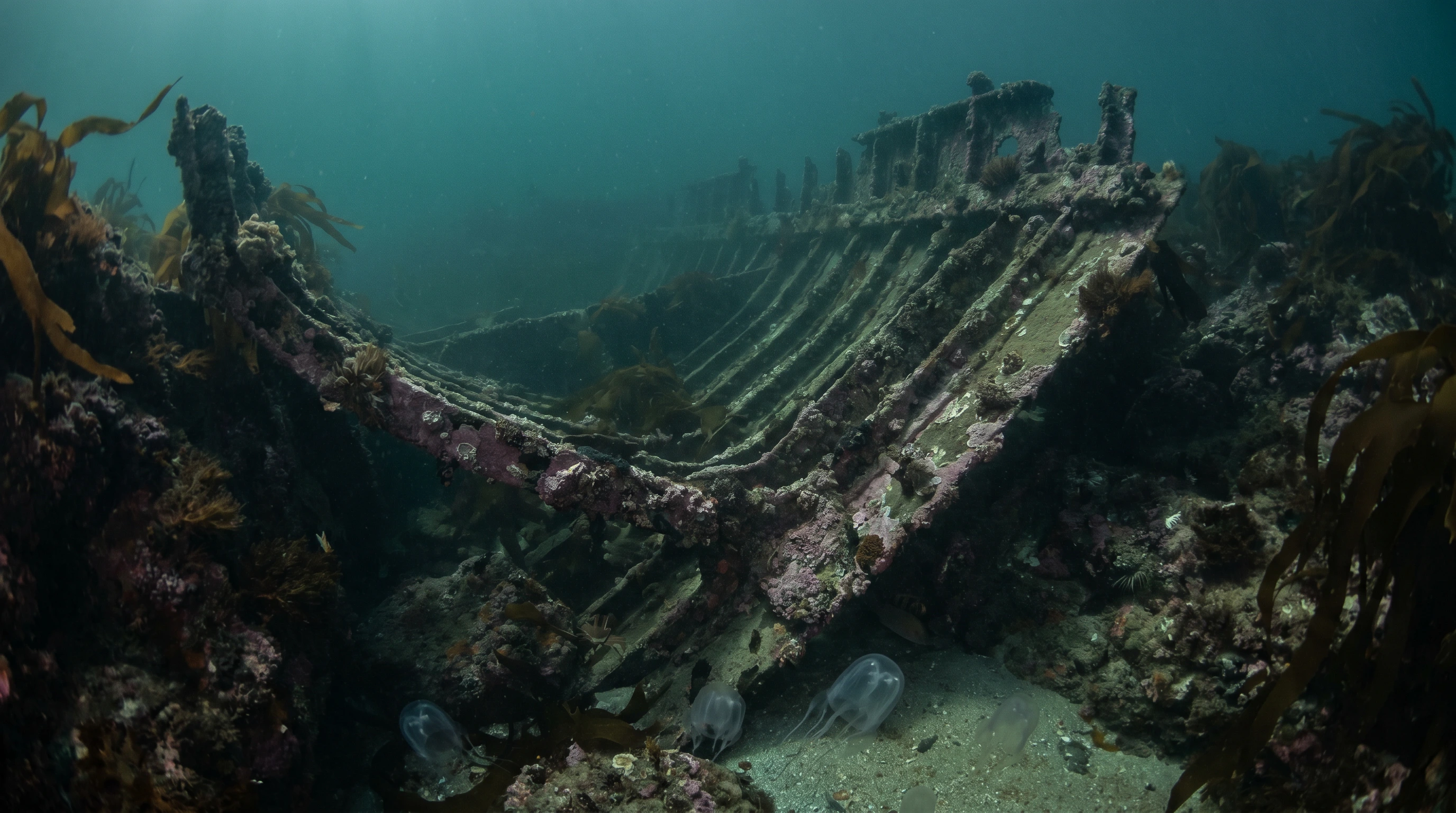
The wrecks here span a wide range of depths and skill levels. The RMS Athens is very shallow and suits intermediate divers wanting a relaxed first wreck experience. The Aster sits deeper and features overhead sections that require more experience. The Romelia Wreck reaches considerable depth and is best suited to advanced divers. The Oakburn and Maori wrecks fall in between, both accessible by boat at mid-range depths.