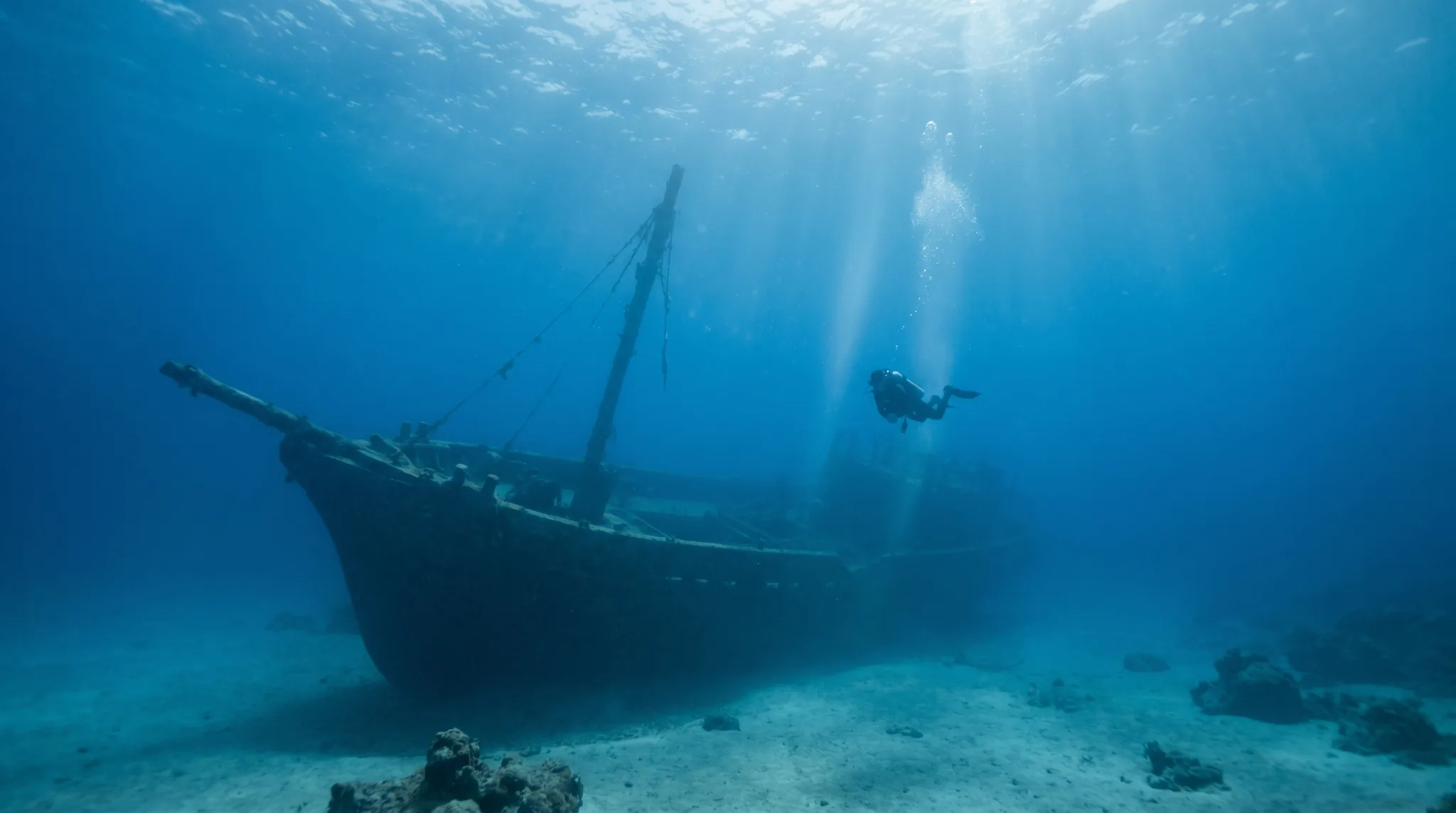
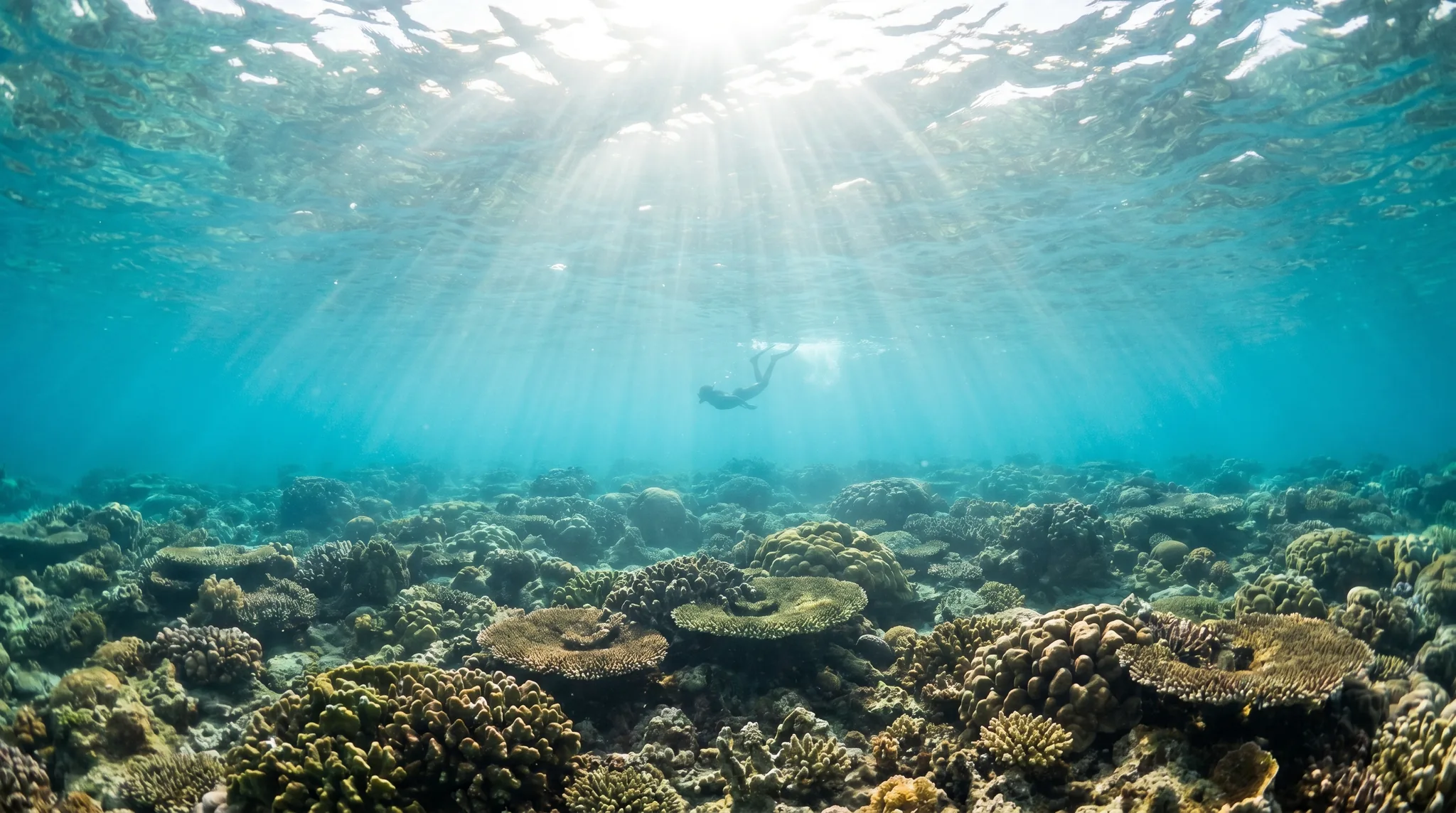
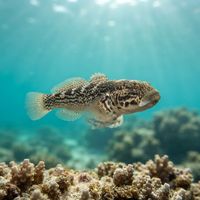
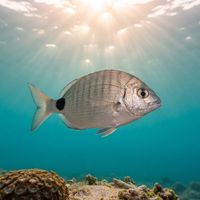
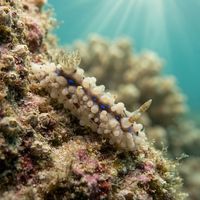
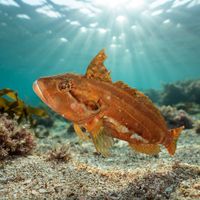
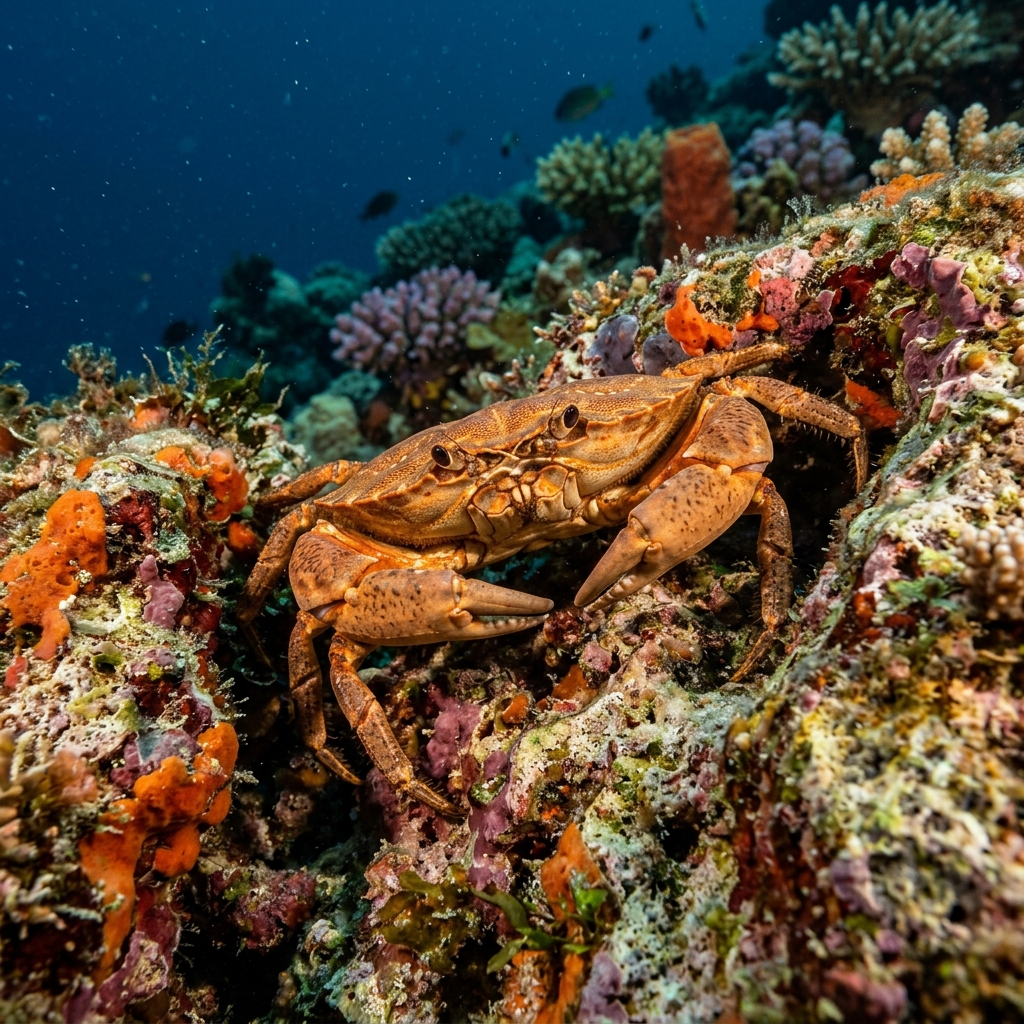
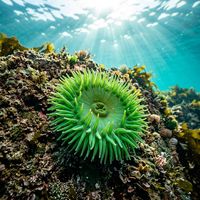
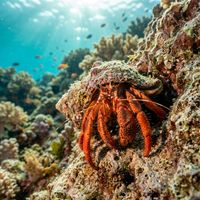
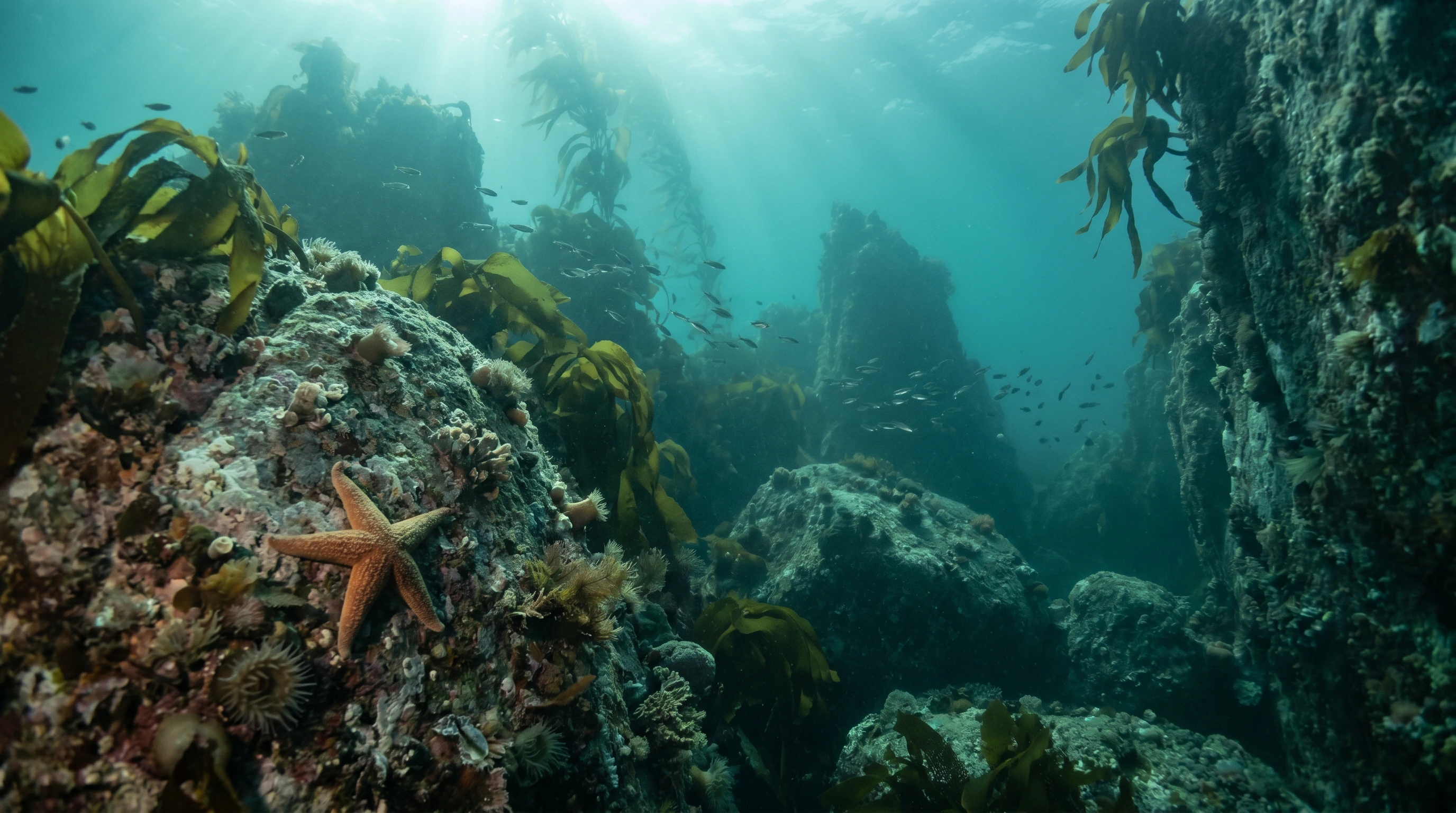
Knysna's diving spans estuarine, brackish, and ocean environments, shaped by the tidal flow through the Knysna Heads. The six sites in the database include the Paquita wreck, seagrass beds at Thesen's Jetty, and open reef at Buffalo Bay Point, covering a depth range from wading depth to twenty metres. Knysna seahorses are recorded at the estuarine sites, and nudibranchs and cuttlefish appear across the reef sites. Visibility responds strongly to the tide, and the best diving conditions occur in the warmer months of early year.
Monthly water temperature across Knysna's sites, from satellite sea-surface data corrected for depth. The band shows the site-to-site spread.
Water temperatures are warmest from December through March and hold their lowest level from June through October. Visibility in the lagoon and estuary is directly tied to tidal state, so timing dives to favour an incoming tide or slack water significantly improves conditions.
3 operators
South Africa
South Africa
South Africa
Water temperature around Knysna ranges from about 17°C in June to 20°C in January, based on satellite sea-temperature data for its dive sites.
In the warm season (about 20°C) a 5mm suit is comfortable in Knysna; in the coldest months (about 17°C) step up to a 7mm or semi-dry suit.
Fin maps 6 sites in Knysna (3 scuba diving sites and 4 snorkelling spots, with some suited to both).
5 more sites to explore