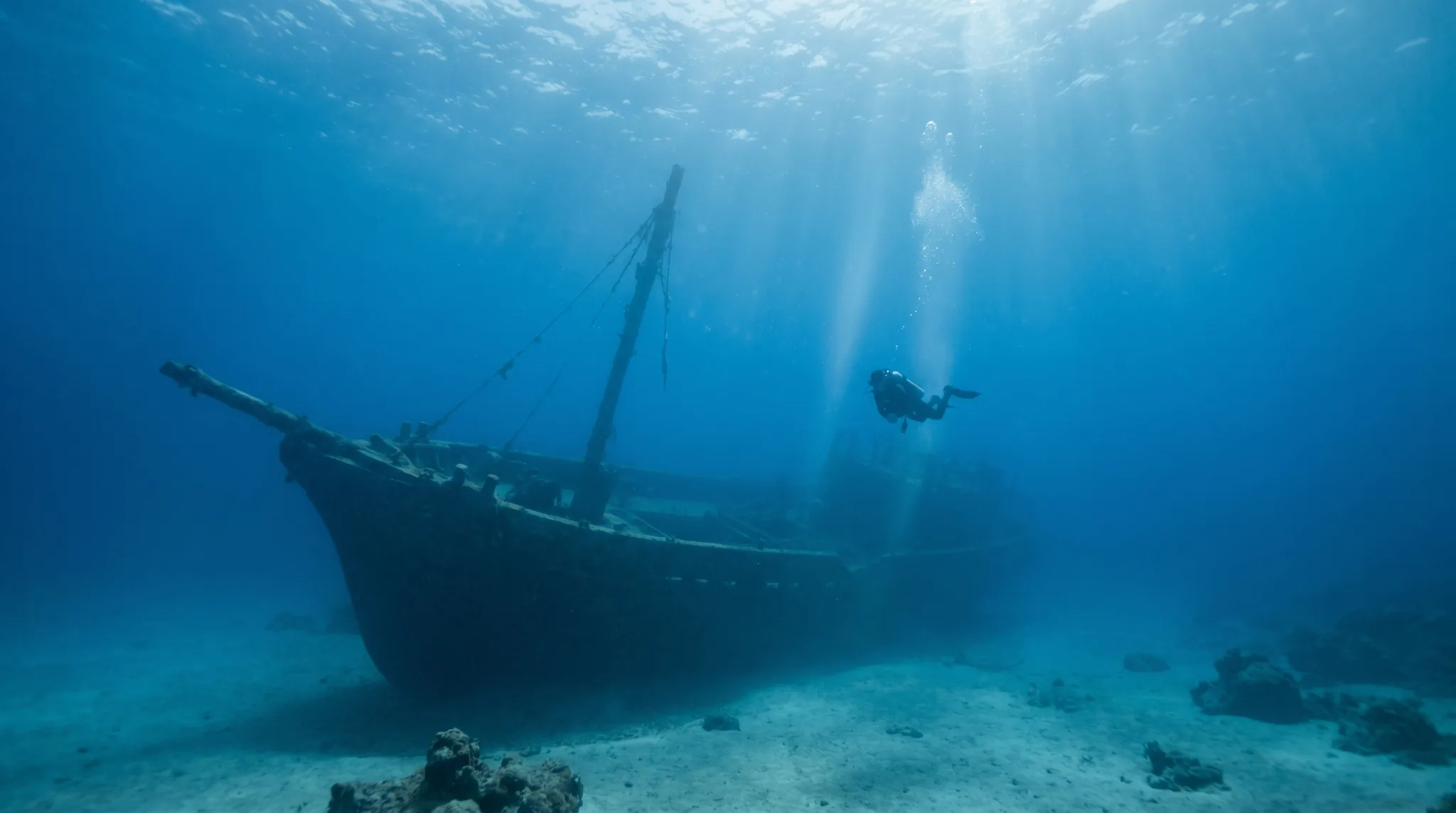
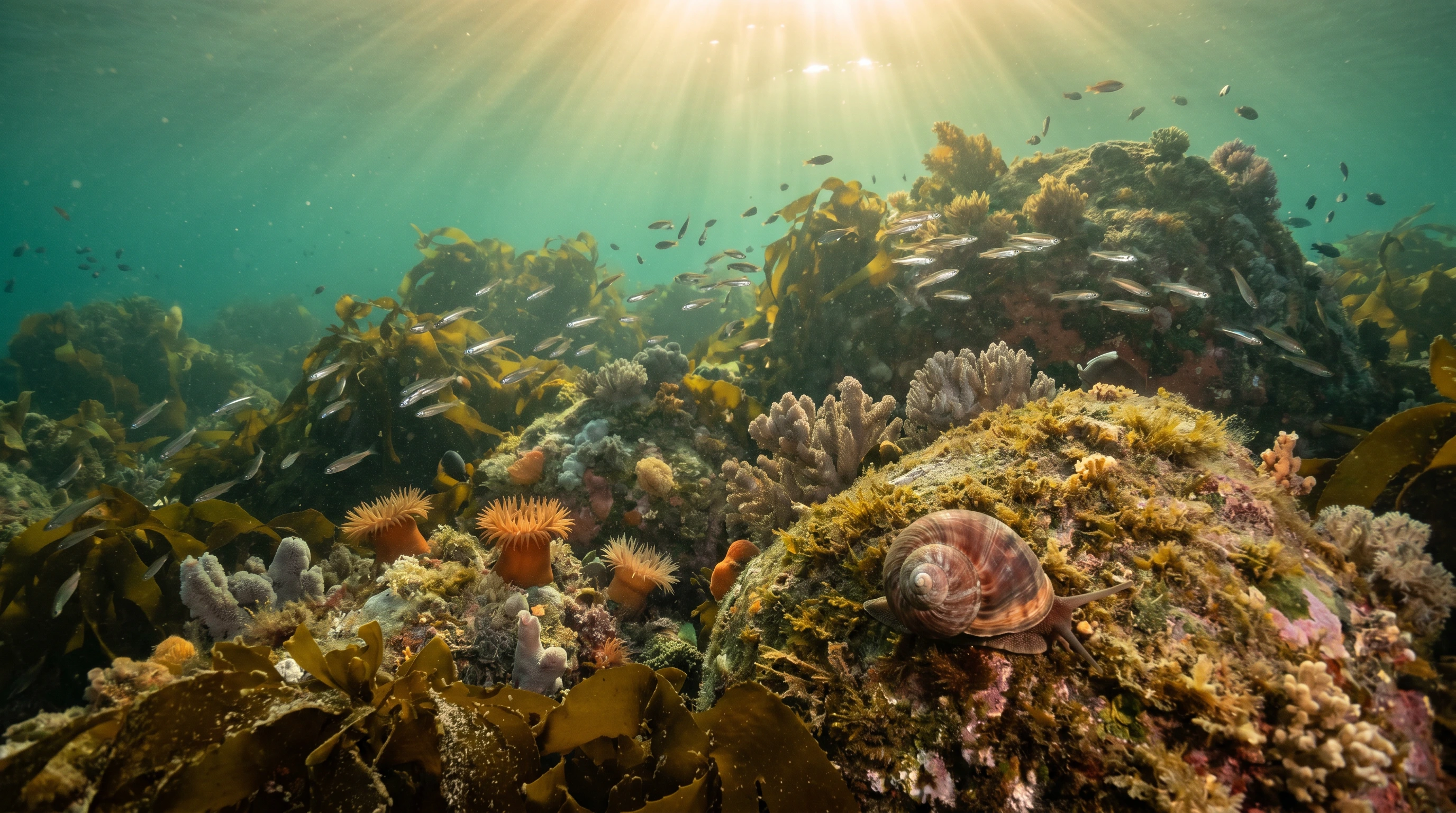
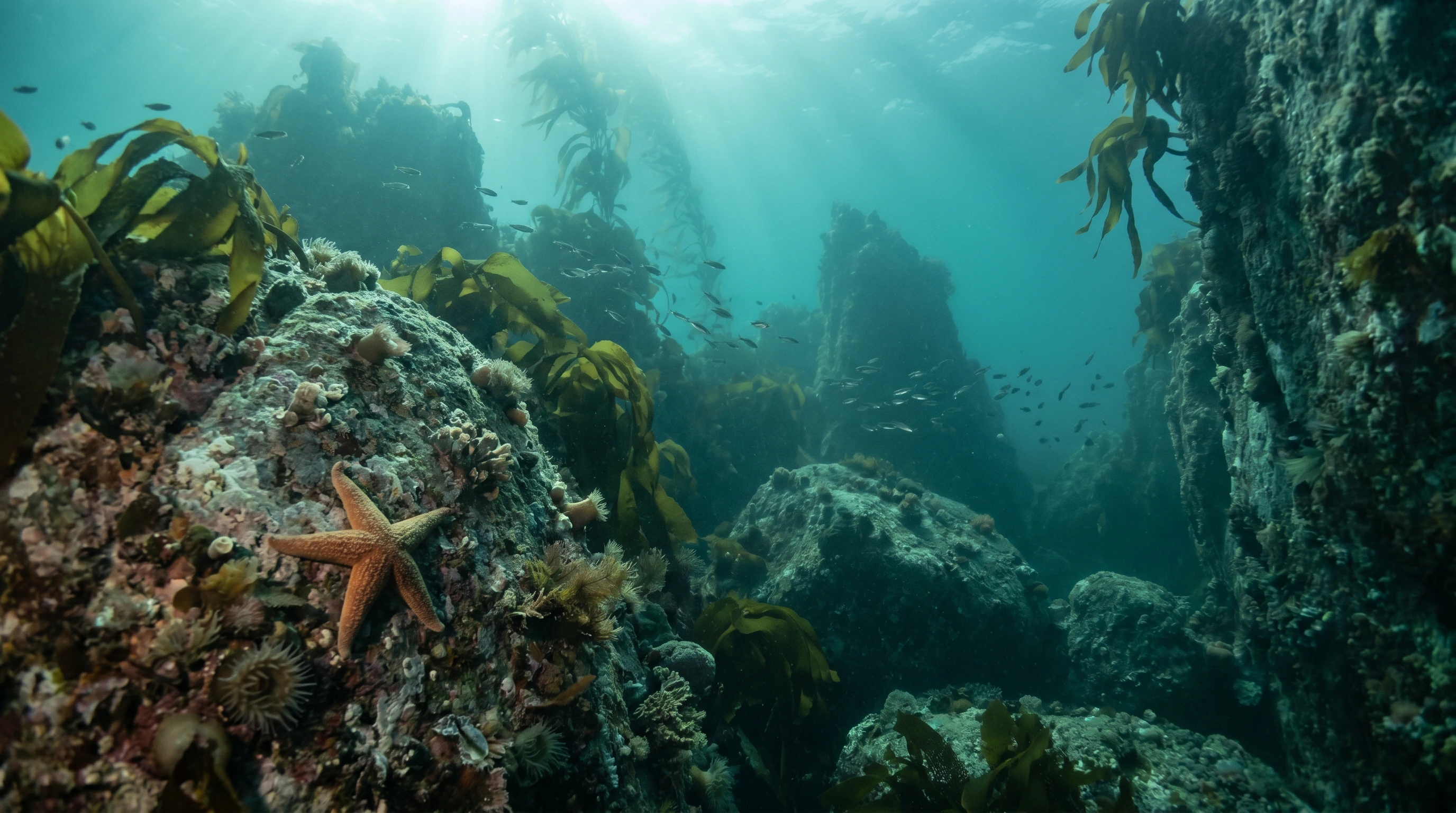
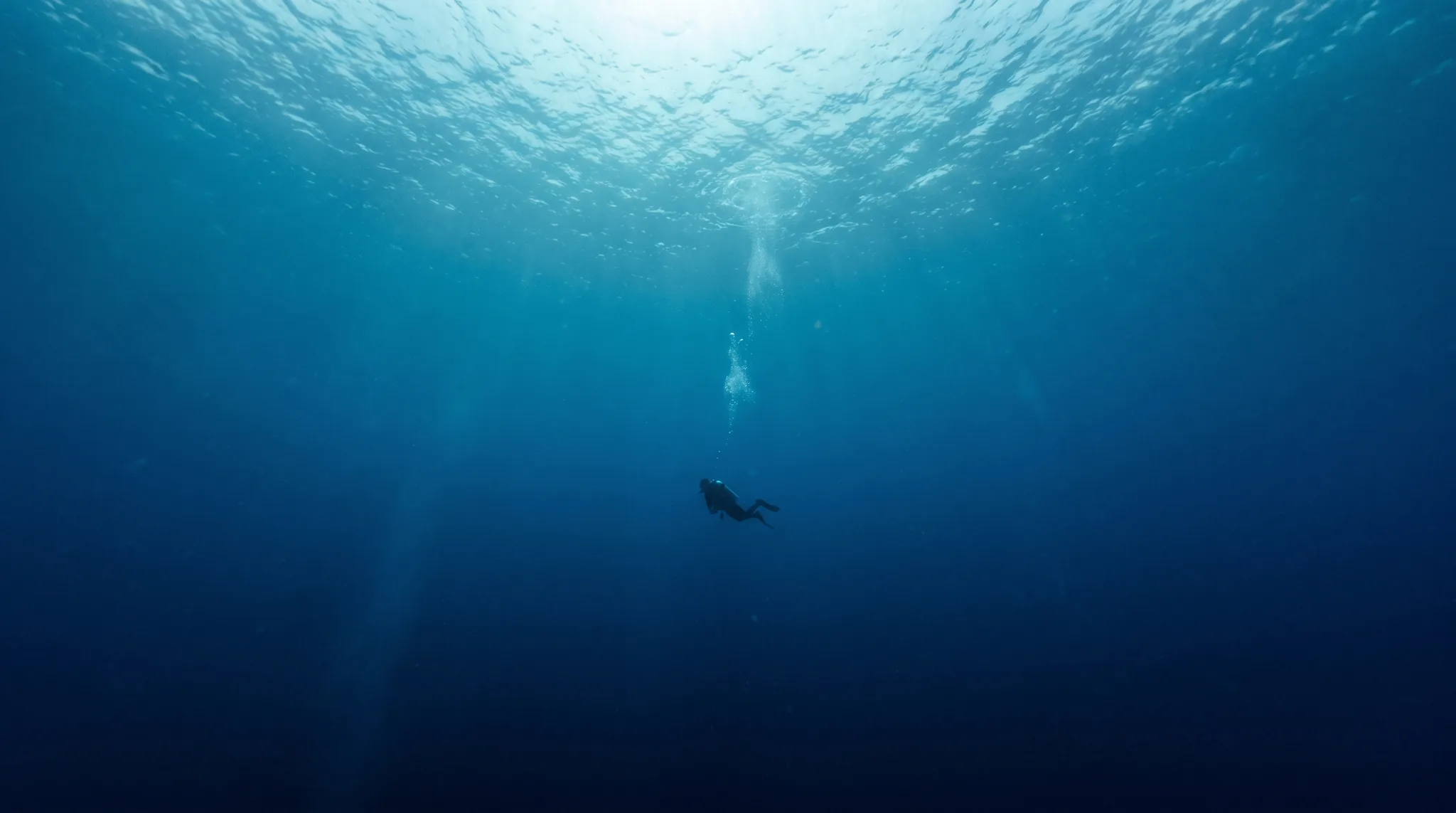
Roman Rock, in False Bay, is defined by kelp forest reefs, rising pinnacles and a wreck or two sitting alongside artificial reef structures. Shore entries make several sites accessible to beginners, while deeper pinnacles such as Rambler Rock and Castor Rock suit intermediate divers. The marine life leans heavily towards nudibranchs and small catsharks, with Long-nosed Fur Seal encounters a near-constant feature across the area.
Monthly water temperature across Roman Rock's sites, from satellite sea-surface data corrected for depth. The band shows the site-to-site spread.
Water temperature stays cool year-round, with the coldest readings in autumn and a modest warm peak in midsummer. Diver-reported best conditions cluster around late autumn and mid-winter, suggesting calmer seas and cleaner visibility during those months. Summer brings slightly warmer water but conditions can be less settled.
7 operators
South Africa
South Africa
South Africa
20 more sites to explore
Water temperature around Roman Rock ranges from about 14°C in April to 18°C in December, based on satellite sea-temperature data for its dive sites.
In the warm season (about 18°C) a 5mm suit is comfortable in Roman Rock; in the coldest months (about 14°C) step up to a 7mm or semi-dry suit.
Fin maps 32 sites in Roman Rock (30 scuba diving sites and 4 snorkelling spots, with some suited to both).
Across Roman Rock's dive sites, May and August are most often reported as the best months to visit.
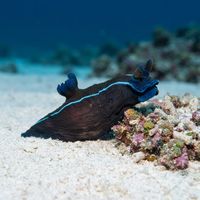
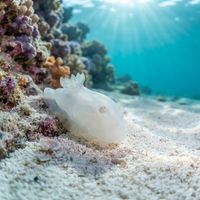
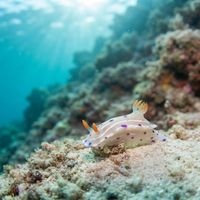
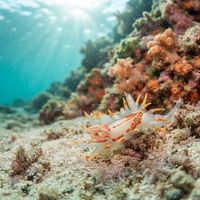
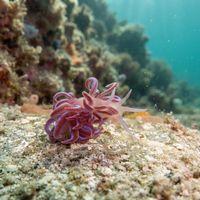
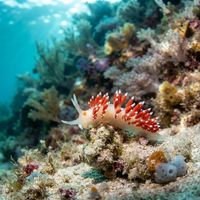
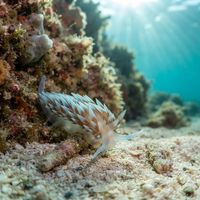
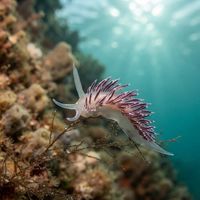
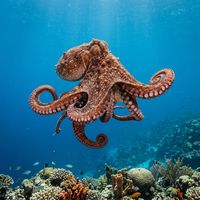
Nudibranchs are the standout find, with species such as the Black Nudibranch, Crowned Nudibranch, Gasflame Nudibranch, Ghost Dorid and Cape Dorid observed consistently across sites. The Puffadder Shyshark and Pyjama Shark are also very commonly encountered, and Long-nosed Fur Seal is a near-guaranteed sighting. Common Octopus and Leopard Catshark round out regular encounters on the reefs.
A good proportion of sites in Roman Rock are rated for beginners, including shore-entry reefs such as Pyramid Rocks, Boulder's Rock and Millers Point. These sites are shallow and offer kelp forest and reef exploration without demanding conditions. Intermediate sites such as Rambler Rock and Castor Rock are better suited to divers with more experience, as they involve deeper pinnacle diving from a boat.
Shore entries like A-Frame, Pyramid Rocks and Millers Point are generally shallower and well suited to independent diving or those new to the area. Boat-access sites such as Livingston Reef, Friskies Pinnacle and Partridge Point sit further offshore and reach greater depths, offering more complex pinnacle and reef topography. Several sites, including Castle Rock and Noah's Ark, can be reached by either method.
Multiple dive operators service the area, including Impact Divers, Apnea Addicts, The Sundiver, Dive Team, Blue Flash and Bellville Underwater Club, among others. This range means guided dives, boat charters and club outings are all available options. Checking directly with operators about current site conditions and entry logistics is always worthwhile.