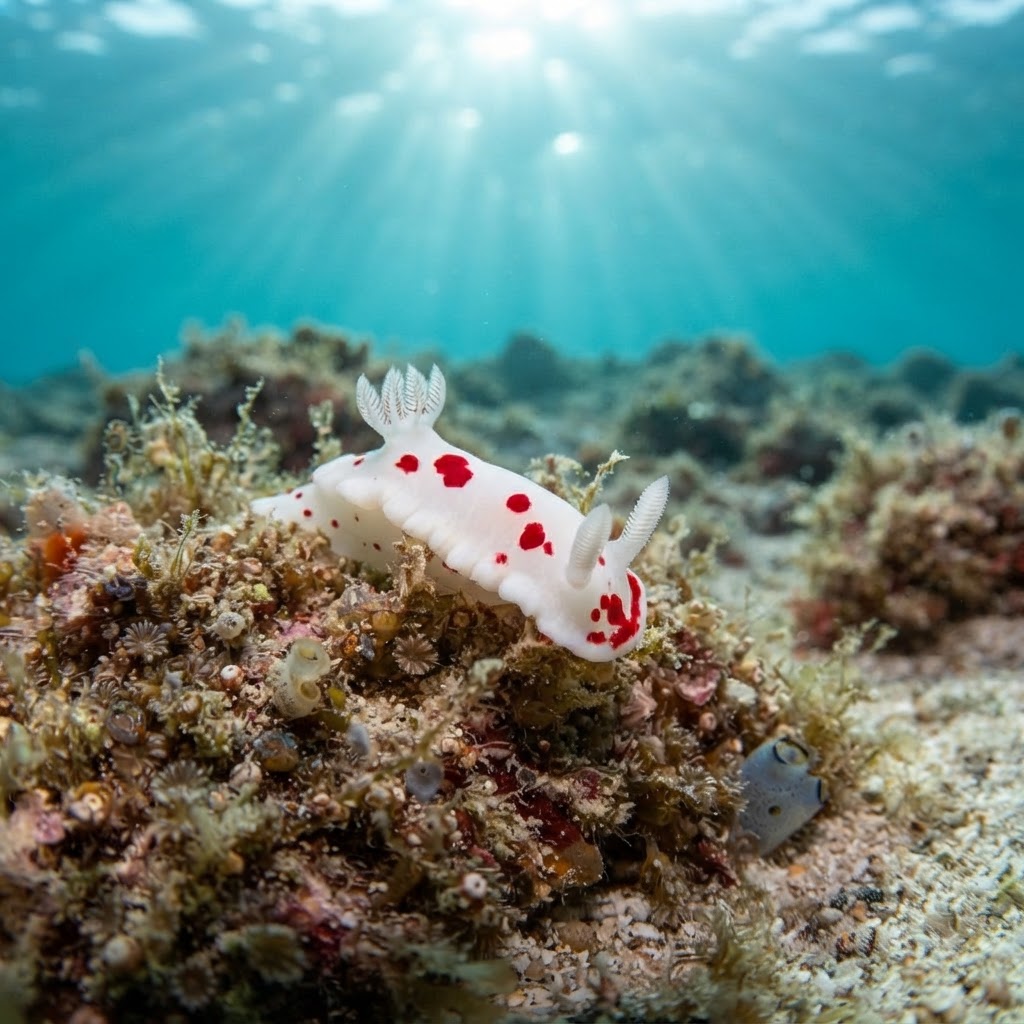
Goniobranchus heatherae
A Western Cape speciality: this nudibranch turns up year-round in South Africa's cool 13-19C waters, most often as an uncommon find.
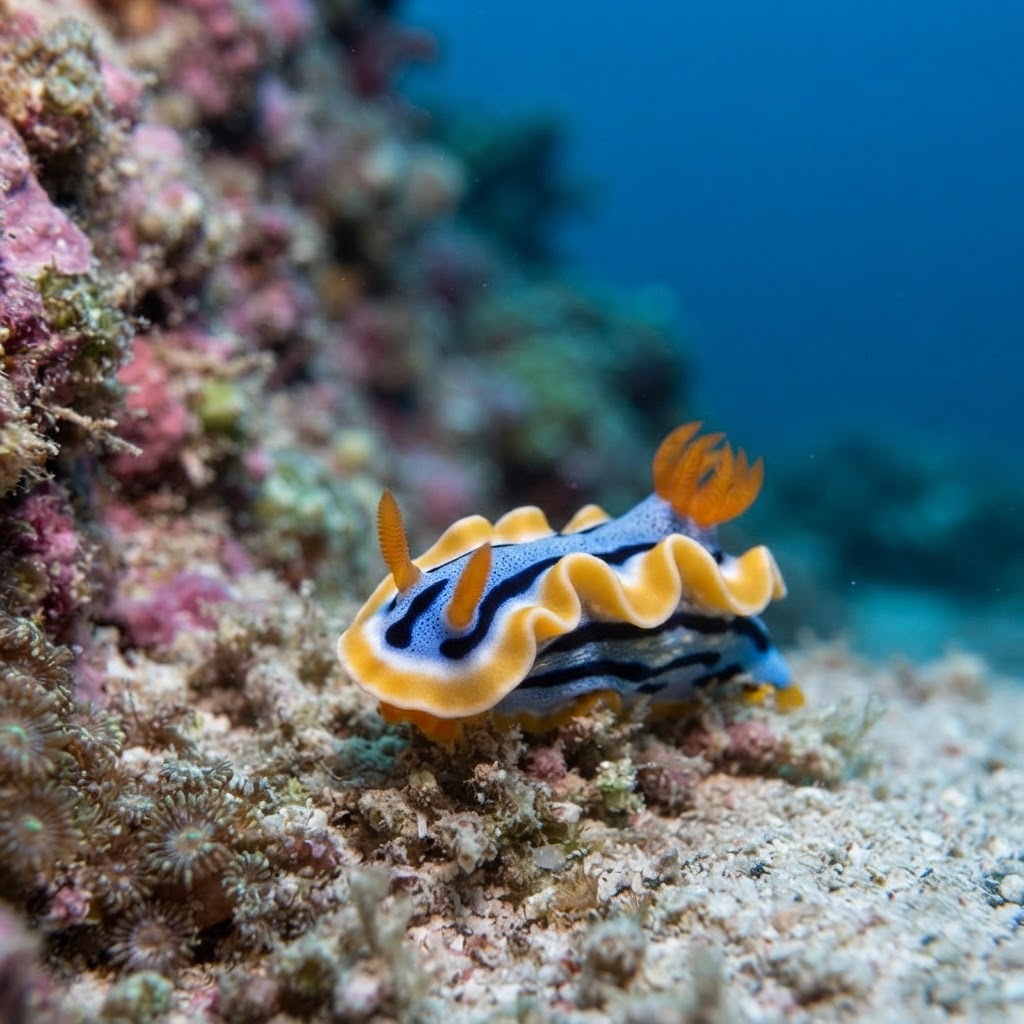
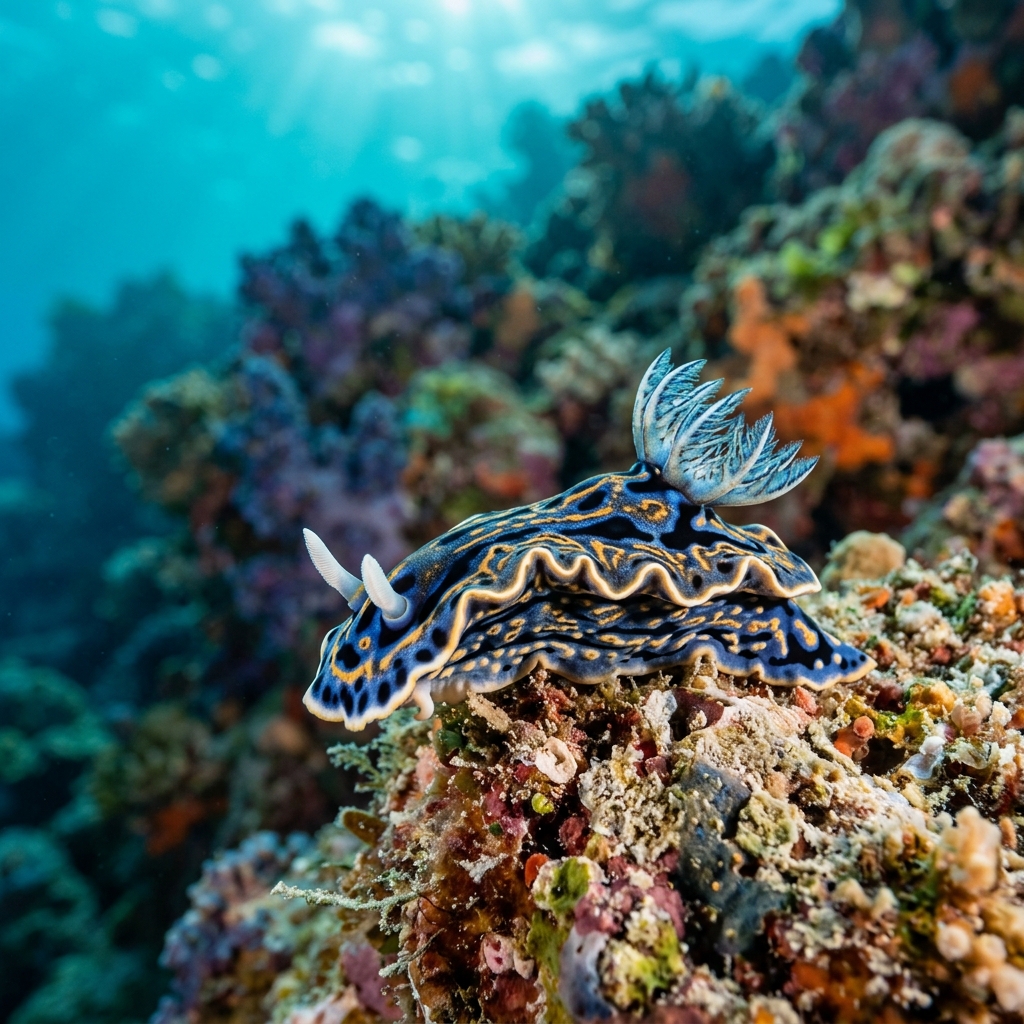
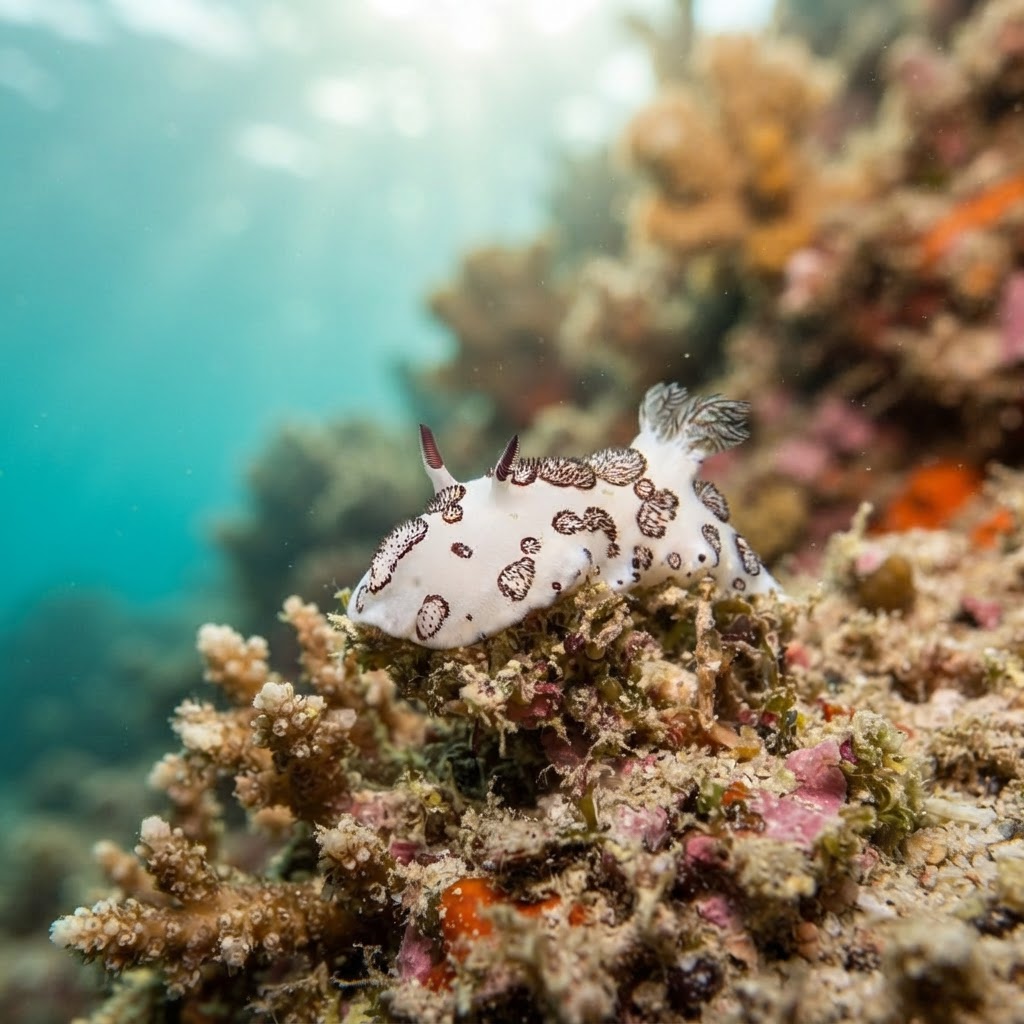
Small, soft-bodied sea slug with a pale to cream mantle scattered with distinct red-orange spots that give it its name. Like other Goniobranchus species it has a rippled, oval mantle edge and a pair of feathery gills near the rear, with two rhinophores (sensory horns) up front used to detect scent trails. It moves slowly across rock and reef surfaces, so once spotted it is easy to get a close, stable look at the spot pattern.
Divers typically find it moving slowly over rock and reef surfaces, grazing rather than swimming, so it rarely reacts to a diver's presence beyond continuing on its way. It shows up most often as a single animal rather than in groups, and its slow pace makes it a reliable macro photography subject once located.
Like other chromodorid nudibranchs, it likely feeds on sponges and stores or repurposes chemical compounds from that diet as a form of defence, which is part of why its bright spotted pattern can afford to be so conspicuous rather than camouflaged.
Sightings are spread through the year with no clear seasonal spike, so treat it as a year-round find in the Western Cape's cool water. Its observed range of 13.3 to 19.3C matches the region's temperate conditions in most months, rather than a narrow warm-water window.
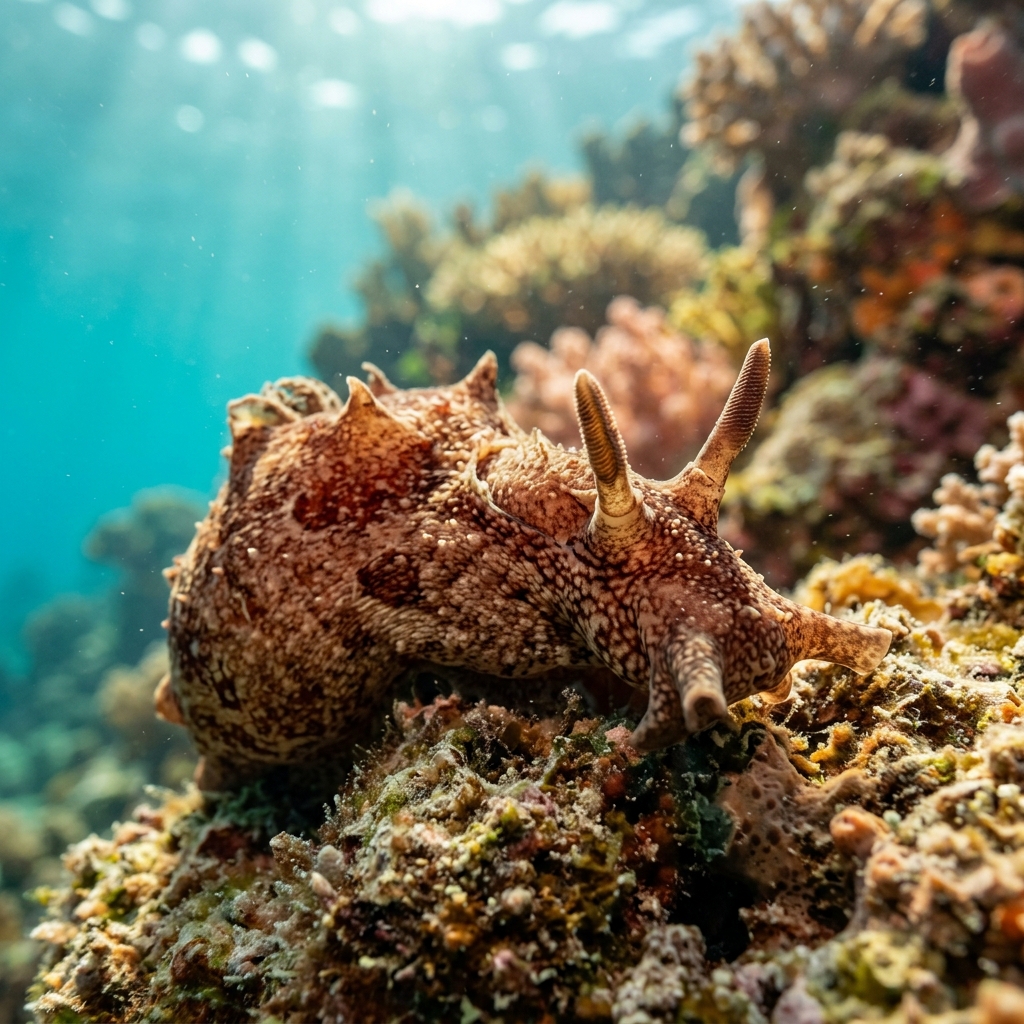
Reef neighbours a diver could mistake it for. Use the identification notes above to tell them apart.
This one is very much a South African speciality, logged almost exclusively along the Western Cape coast. If you are diving the cool, kelp-fringed reefs around Cape Town and the surrounding Western Cape sites, this is where you have the best odds of finding it.
Mapping where Red-spotted Rainbow Dorid is logged…
It is most reliably found in South Africa, specifically along the Western Cape coast, where divers log it across a wide spread of reef and rocky sites. It has not been reported as a common find outside this region.
There is no strong seasonal pattern in sightings, so it is considered a year-round find in the Western Cape. Its comfort range of roughly 13 to 19C matches the region's typical water temperature for much of the year.
Look for a pale cream mantle dotted with red-orange spots, a rippled mantle edge, and a small tuft of gills near the tail. It moves slowly across rock surfaces, which makes the spot pattern easy to confirm with a close look.
Exact size data is not well documented for this species, but like most Goniobranchus nudibranchs it is a small, soft-bodied slug typically only a few centimetres long, best appreciated with a macro lens.
No, it poses no danger to divers. It has no means of stinging or biting and simply grazes slowly across the reef, so it is entirely safe to observe and photograph up close.
Site and sighting data is aggregated from diver logs, iNaturalist and GBIF. For taxonomy and conservation status:
Light-spotted Aegires
3,168 sites