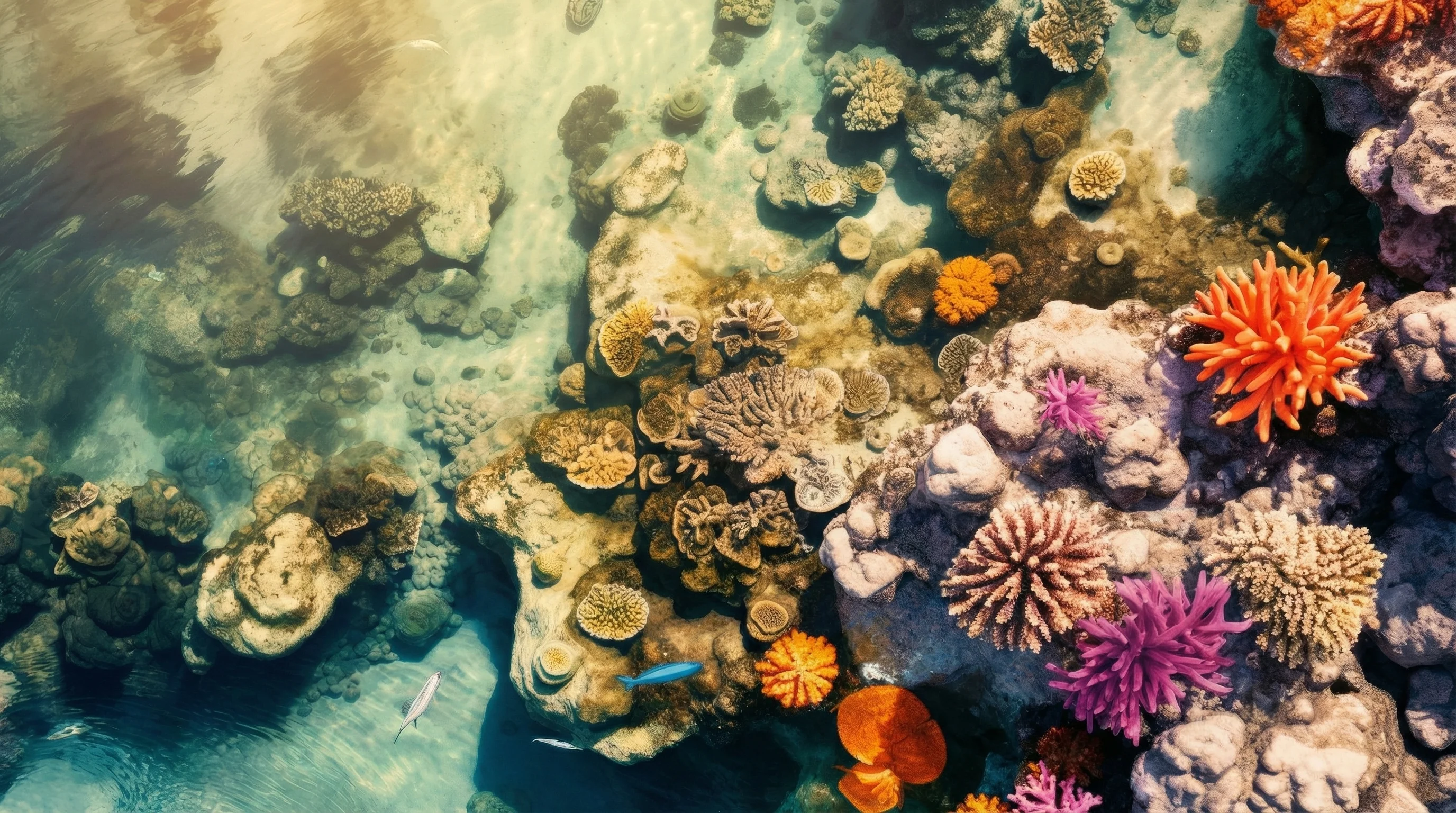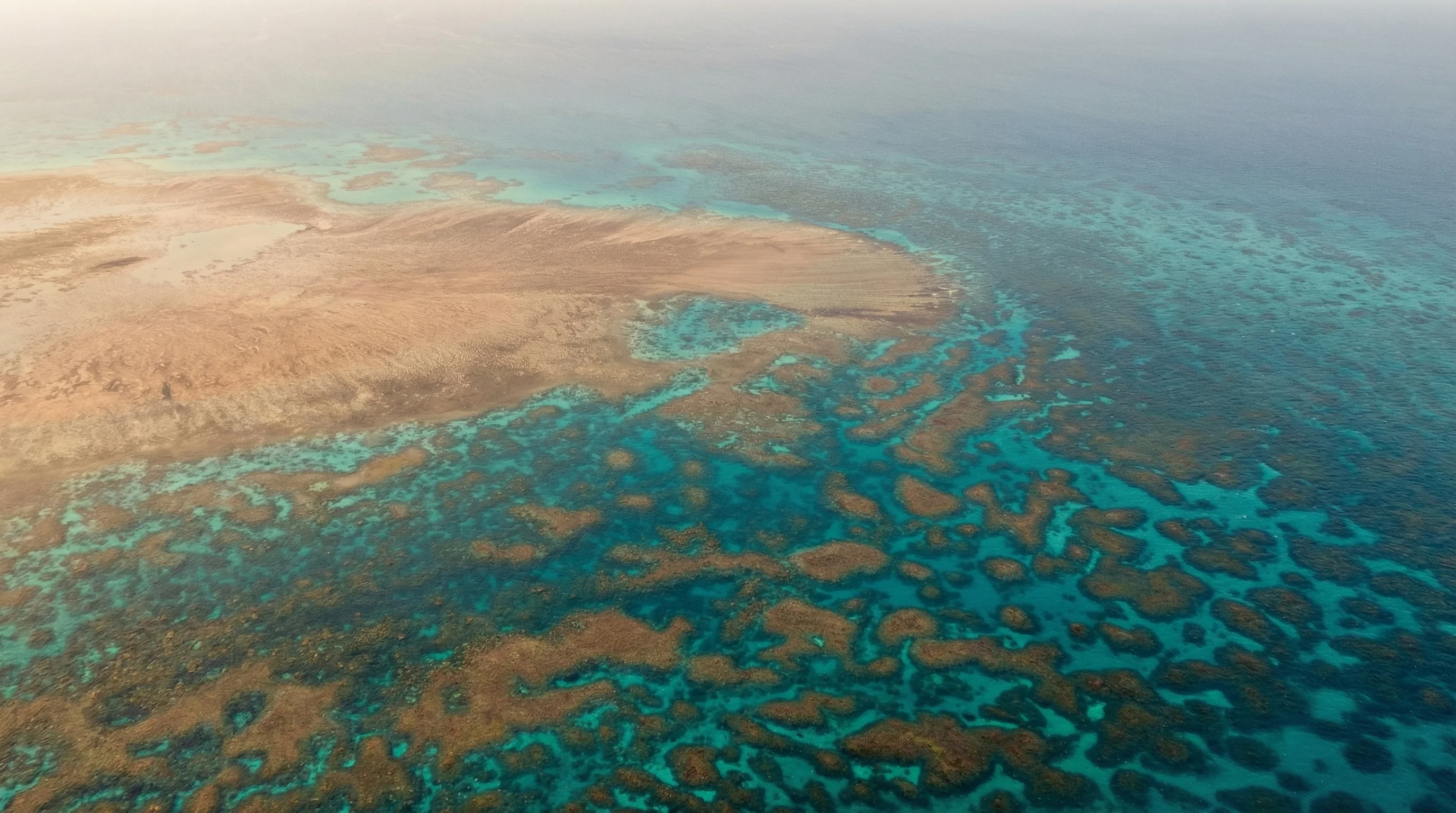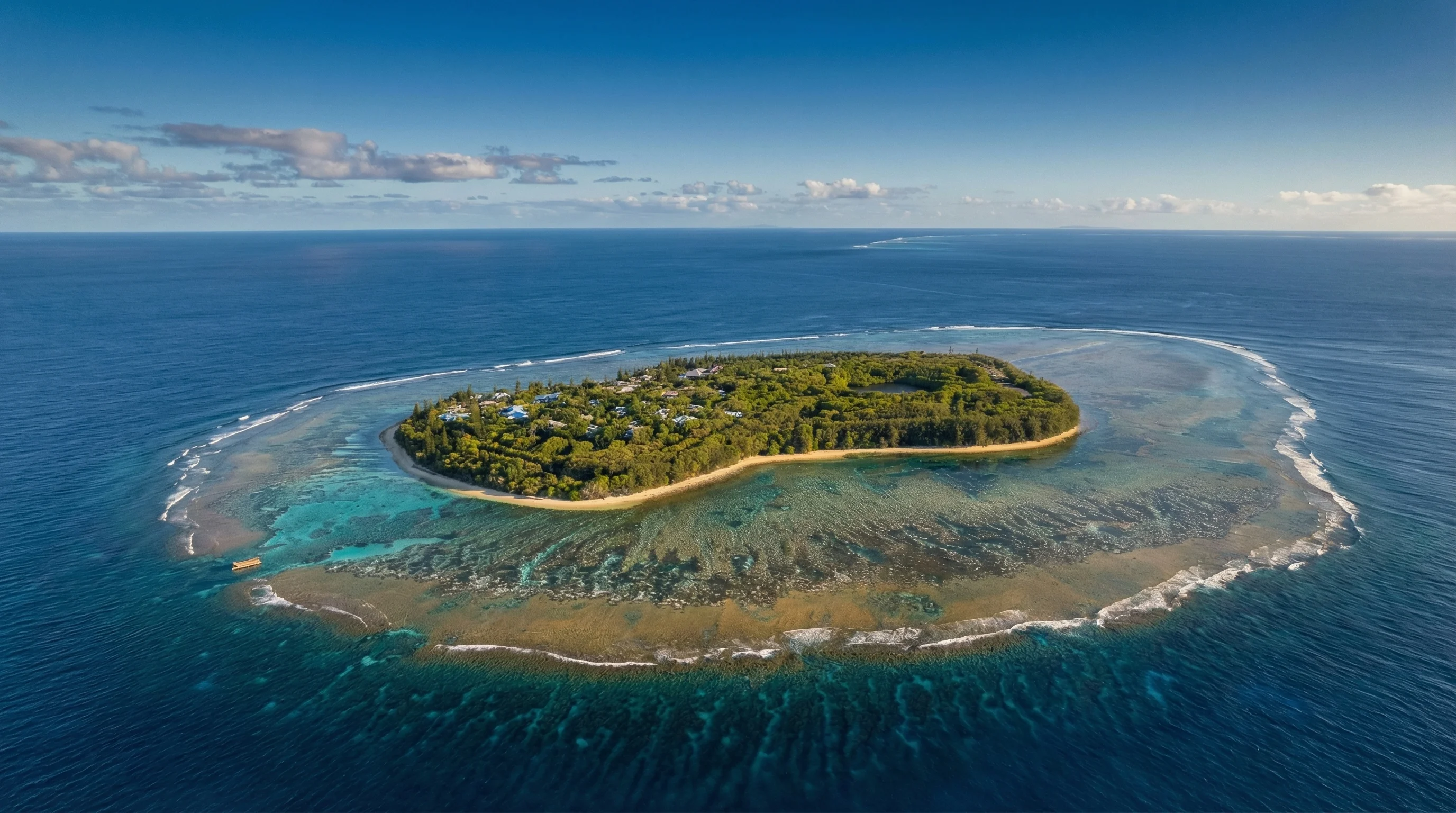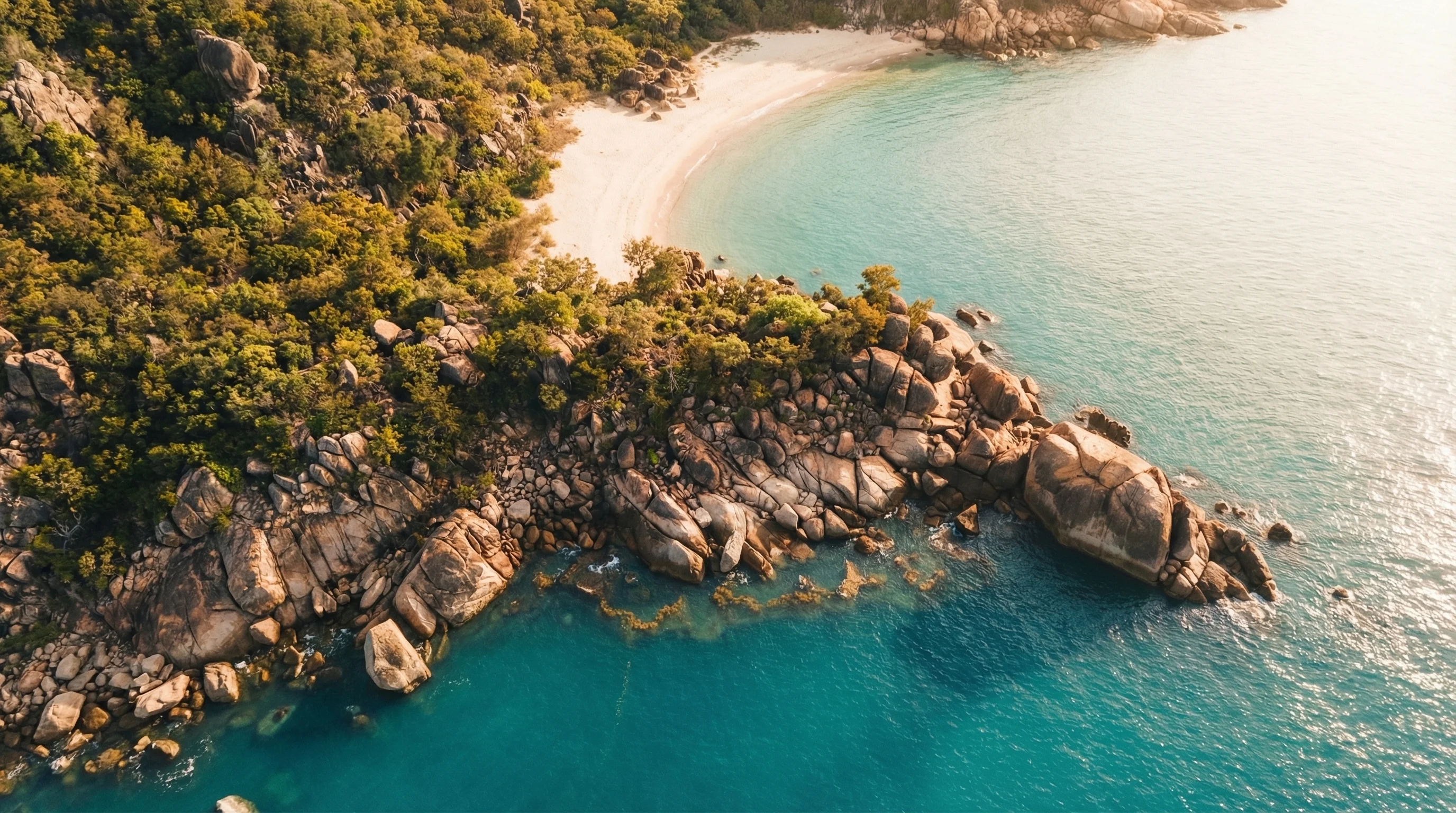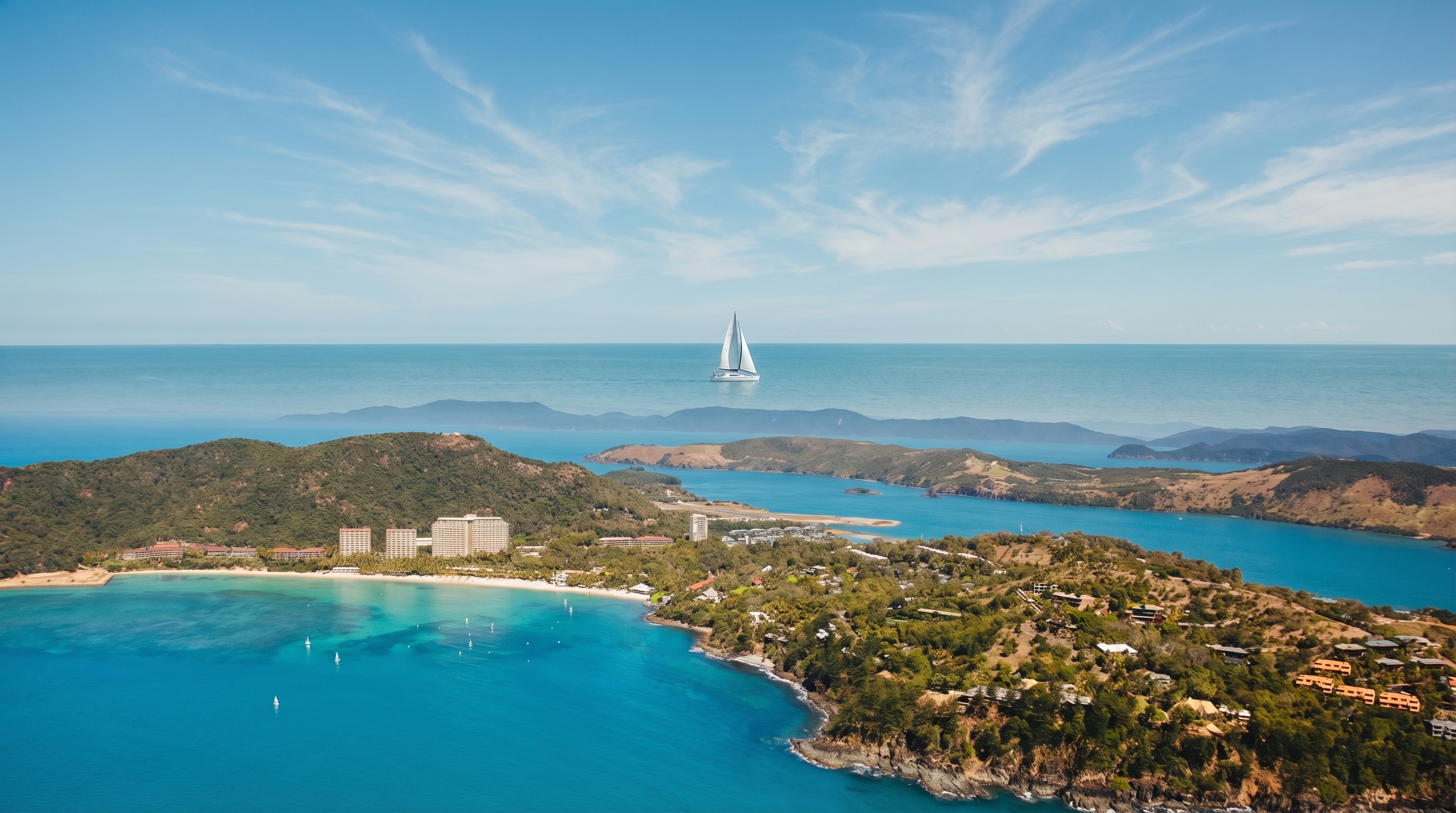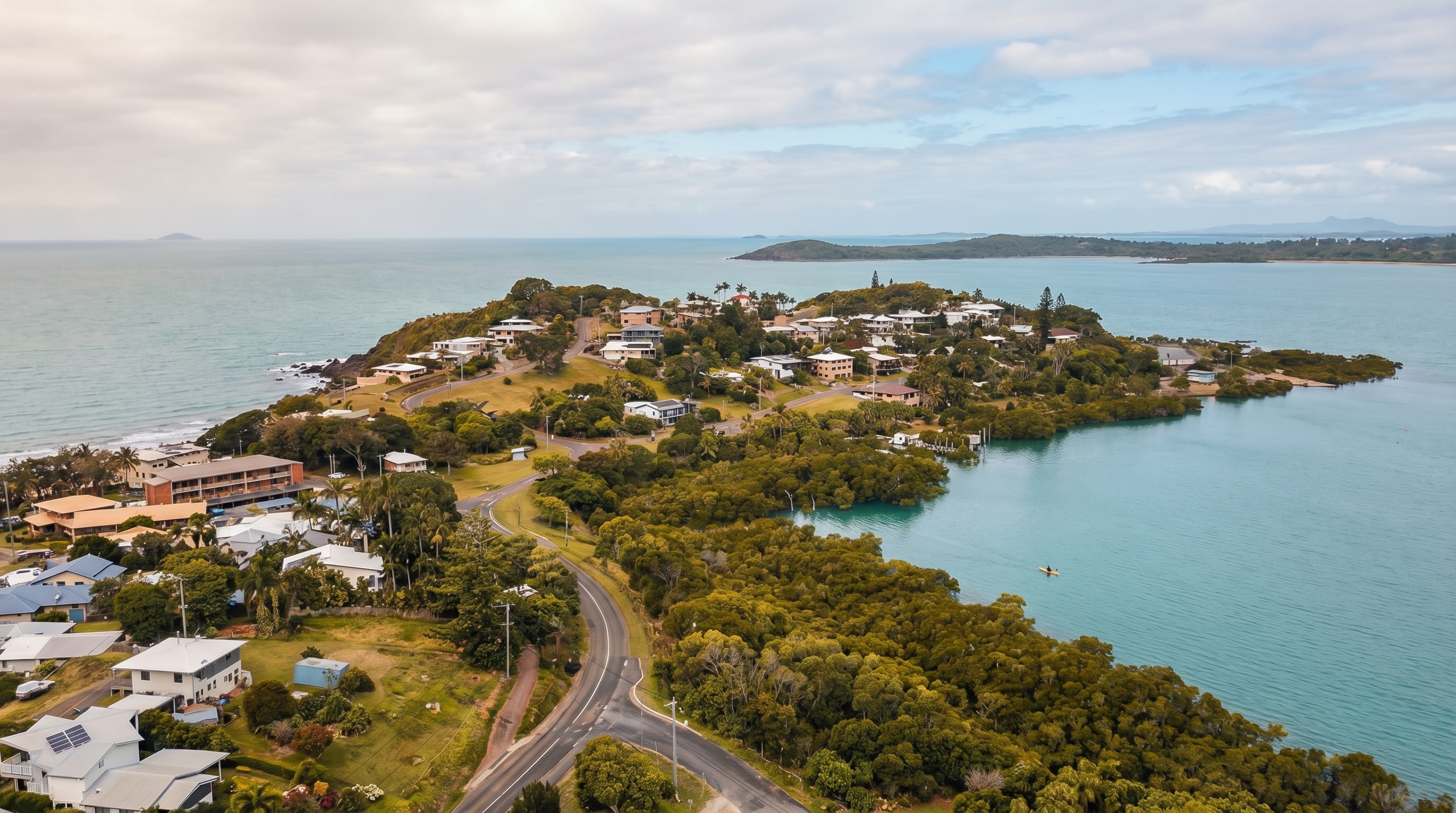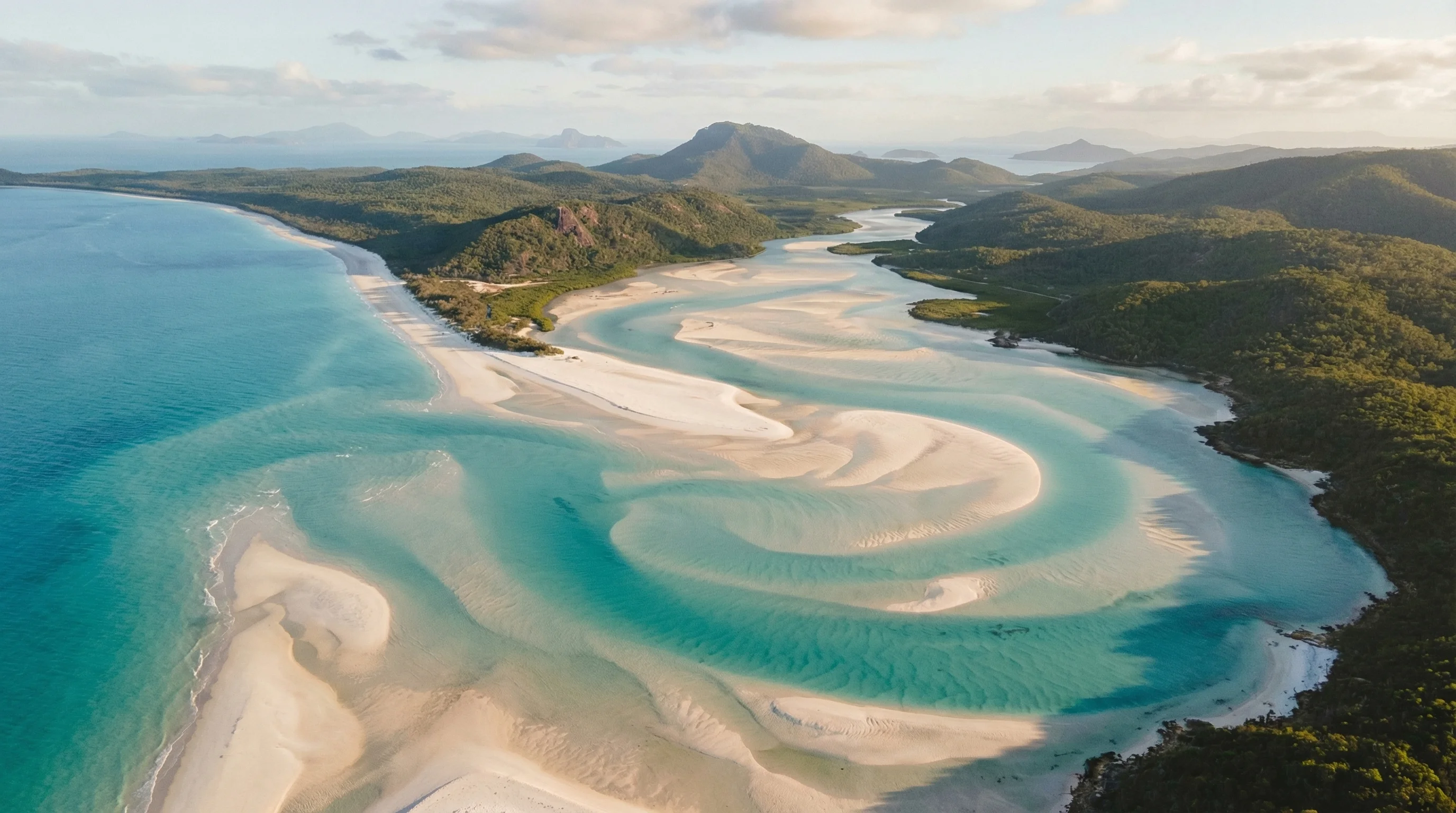
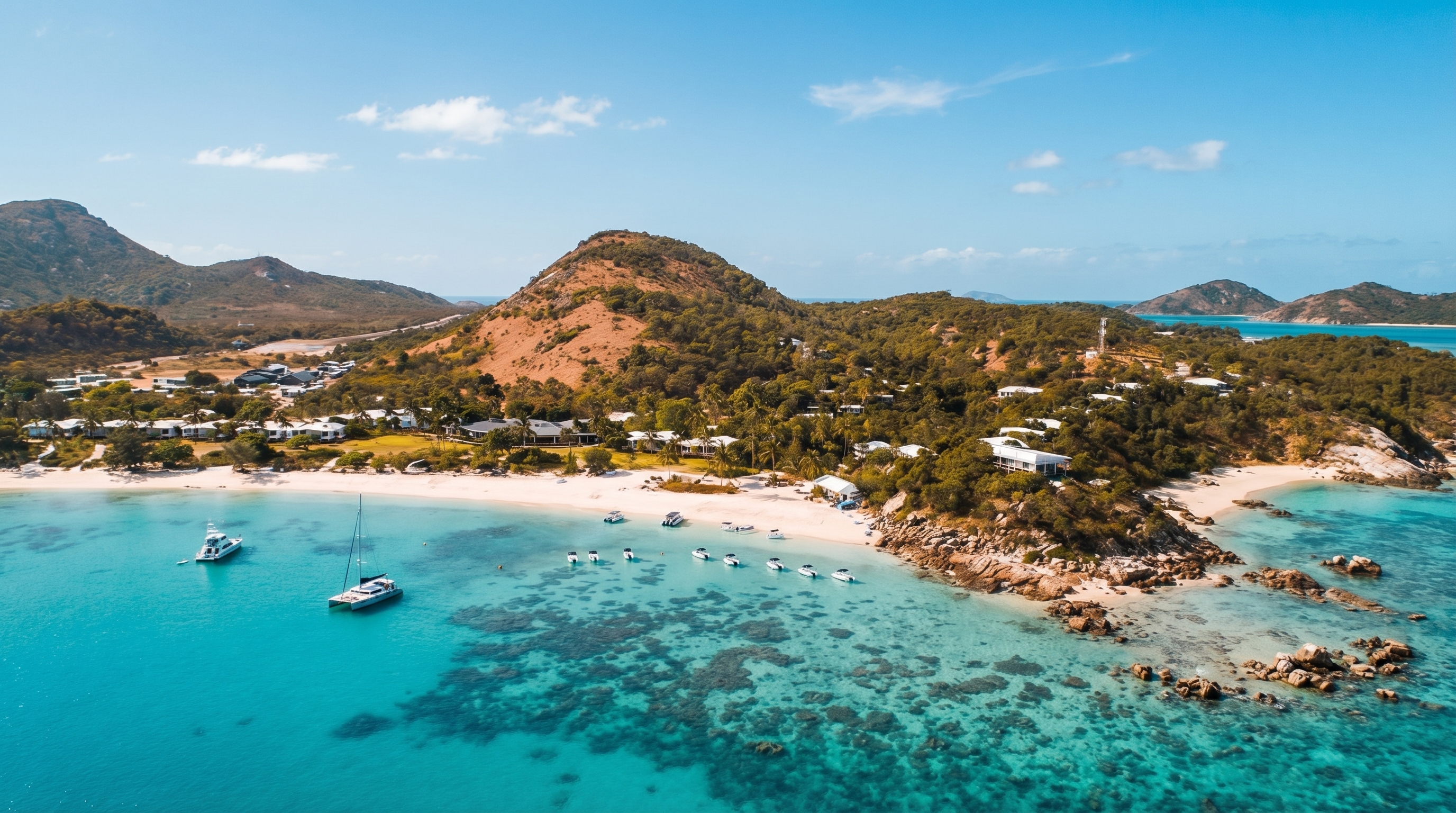
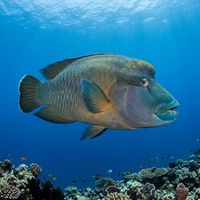
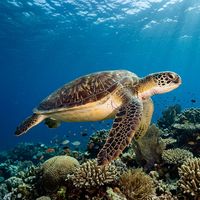
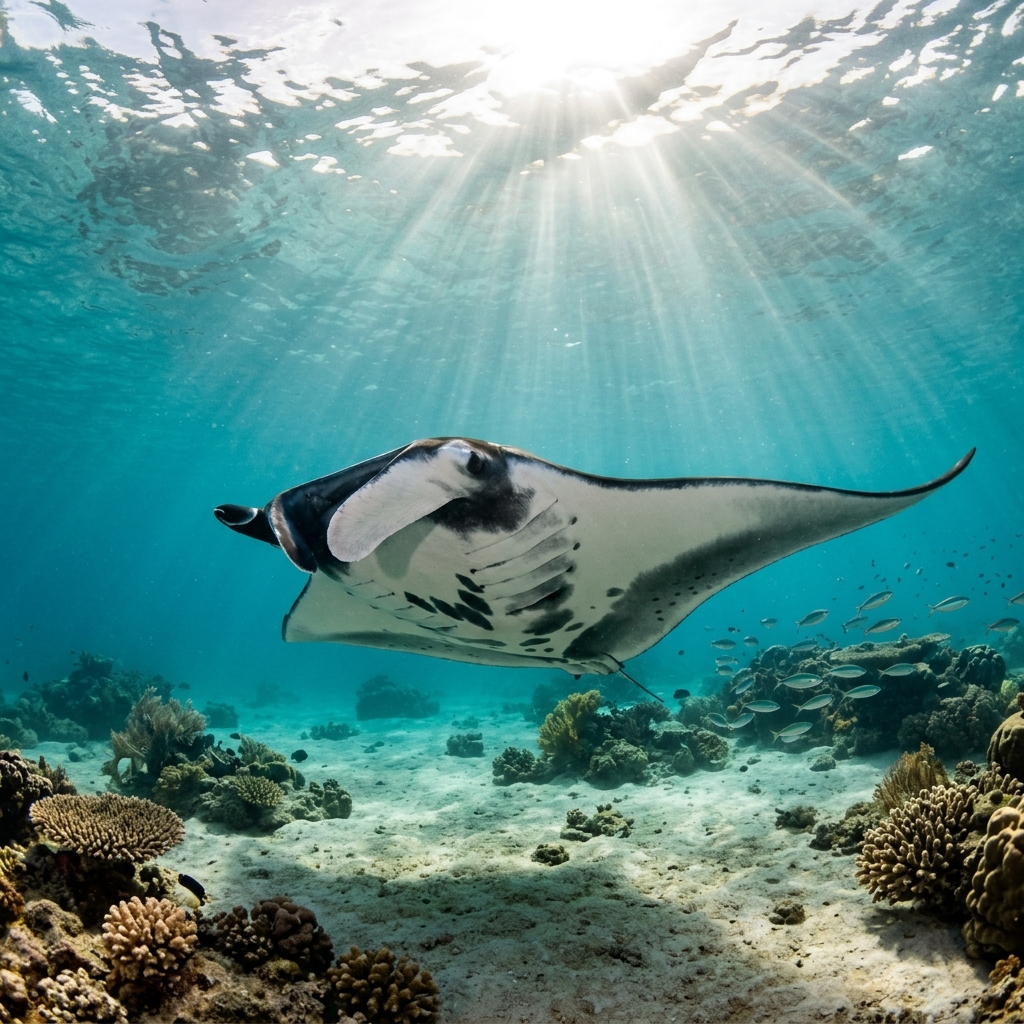
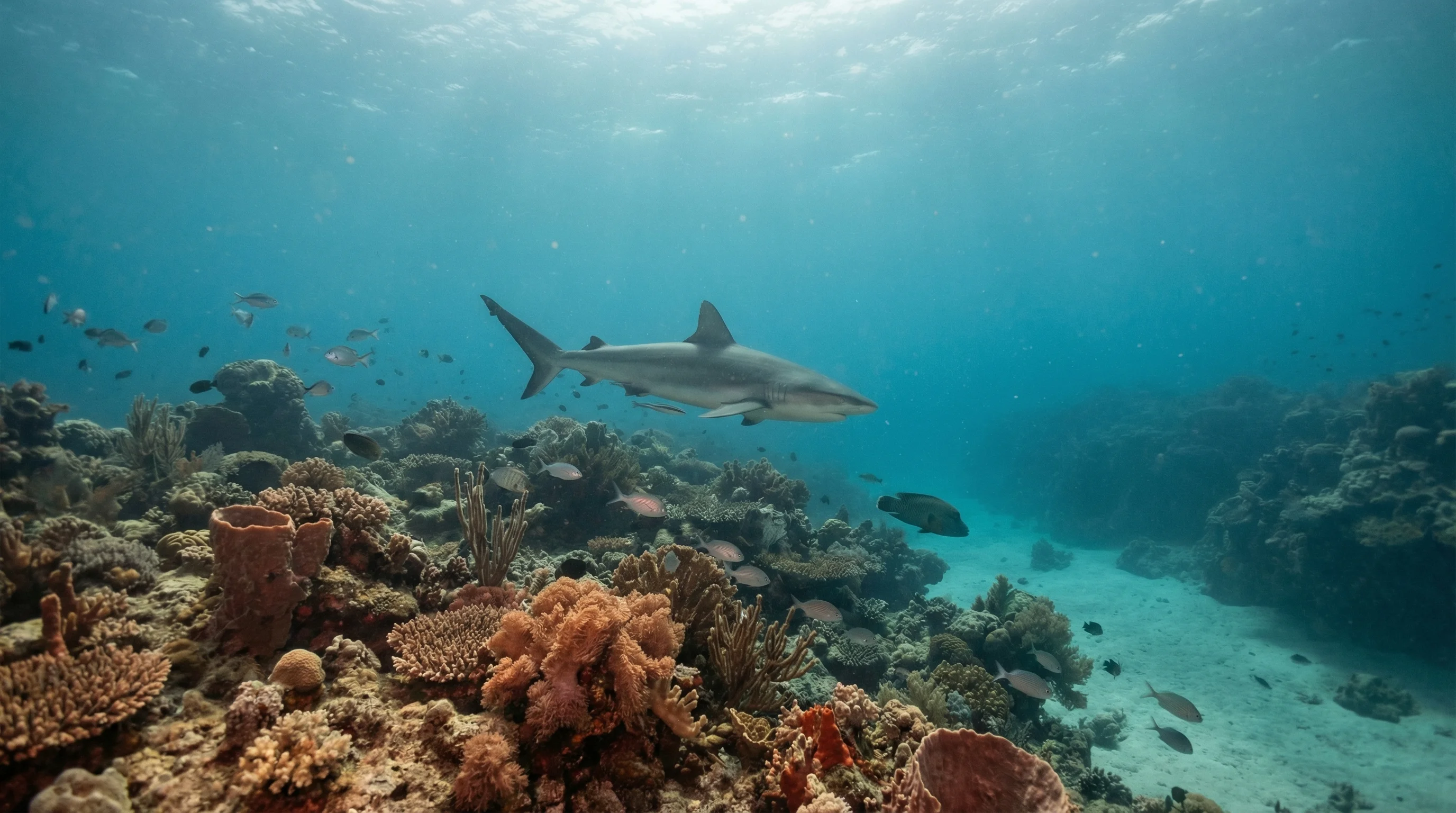
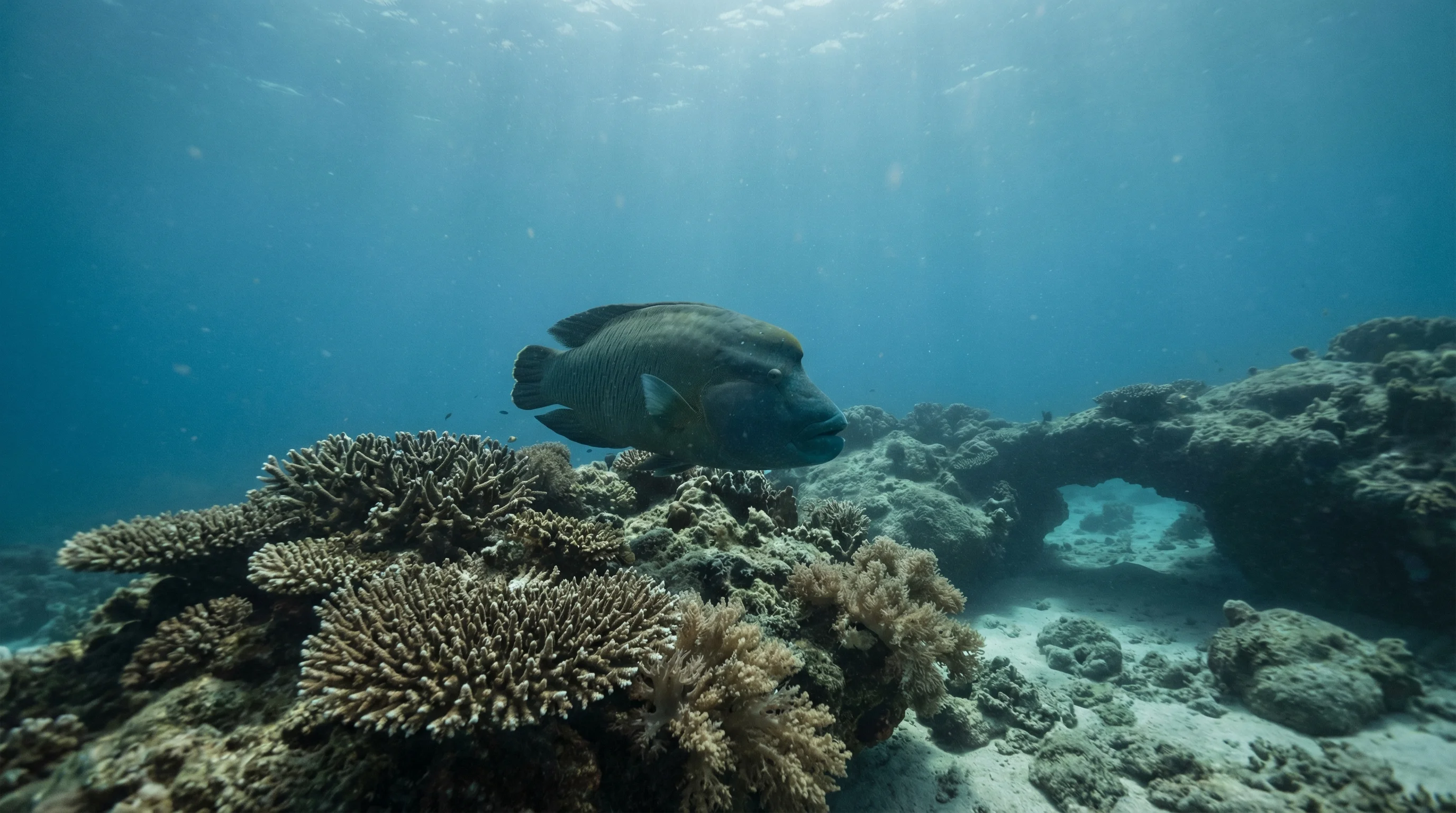
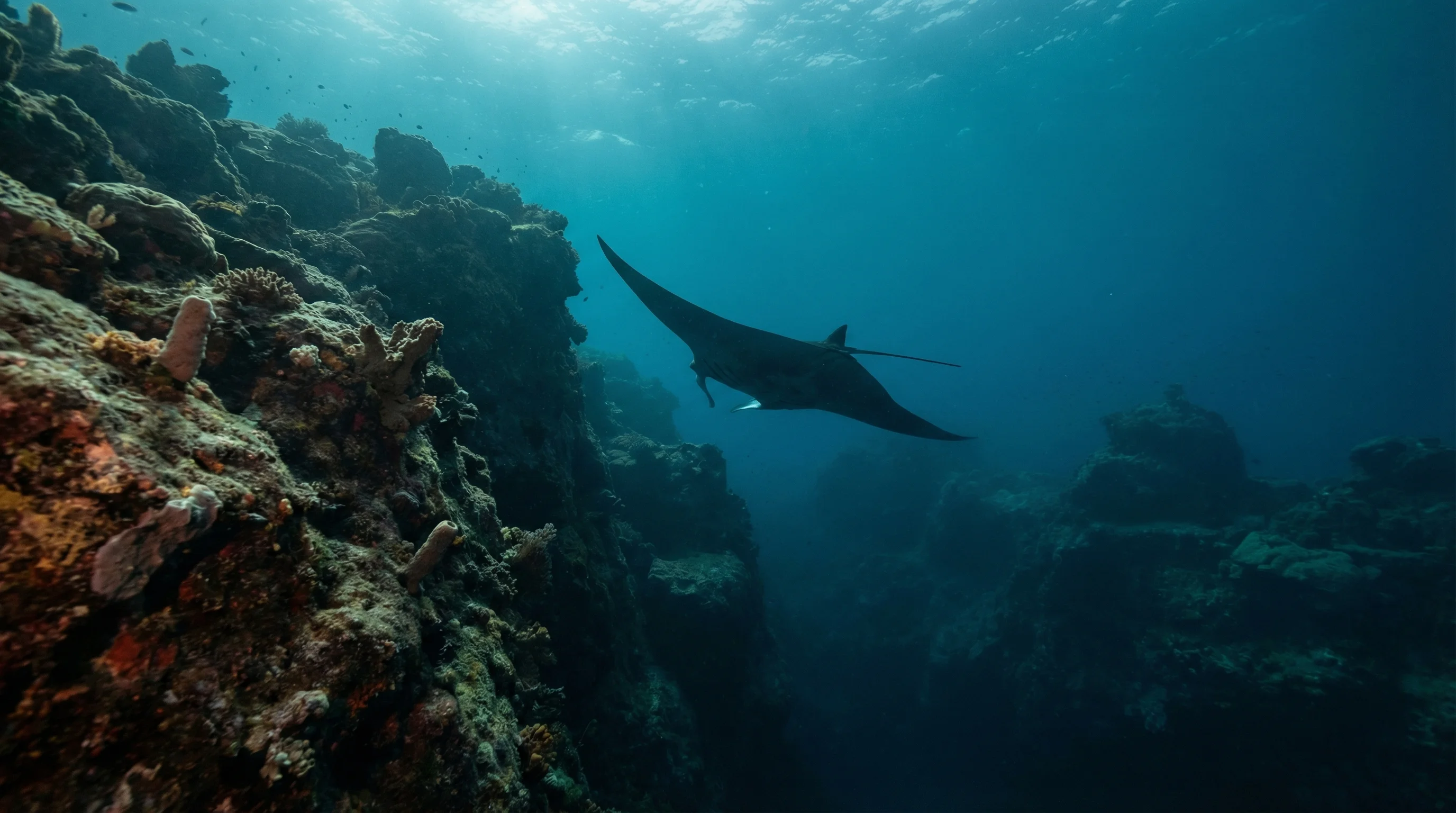
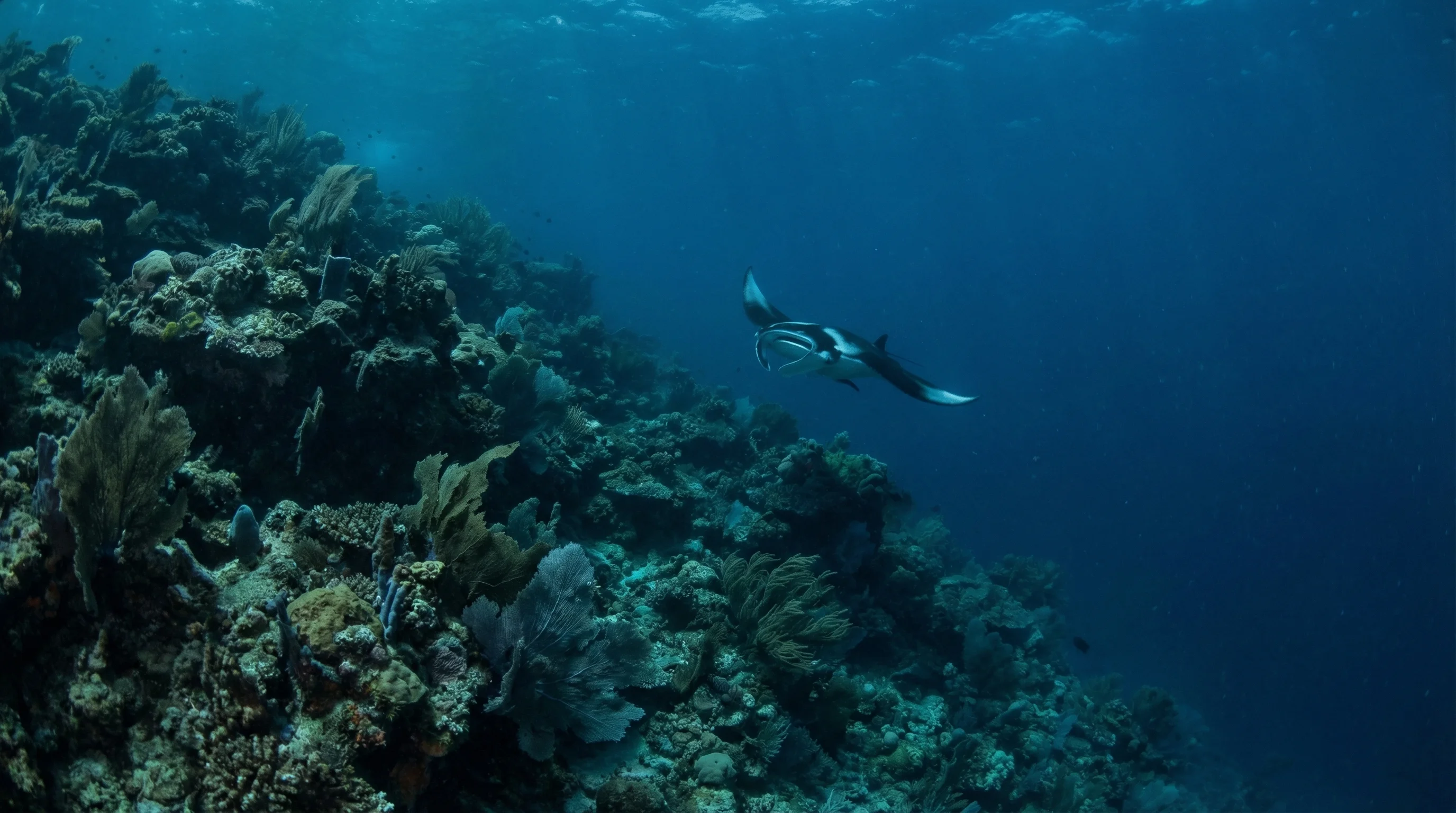
The Whitsundays divides into four distinct sub-areas: Hook Island, Hamilton Island, the Sarina Coast, and the Outer Reef, each offering a different character. Hook Island carries the bulk of sites, with sheltered bays, walls, and caves suited to a range of skill levels. The Outer Reef opens onto deeper, more exposed terrain. Reef topography dominates throughout, and the species list is led by Napoleon Wrasse, Green Sea Turtle, and Reef Manta Ray, all observation-backed across a large proportion of sites.
4 areas
Monthly water temperature across Whitsundays's sites, from satellite sea-surface data corrected for depth. The band shows the site-to-site spread.
Water is warmest from December through March and cools noticeably through the middle of the year, reaching its coolest in August. The best-months data points strongly toward September and October, when conditions and visibility tend to align well. Exposed sites such as Abington Reef and Ship Wreck Bay carry currents that vary with the season, so timing matters for advanced sites.
12 operators
Australia
33 more sites to explore
Boat-access reef diving with reliable Napoleon Wrasse and Green Sea Turtle sightings across a range of beginner-friendly sites.
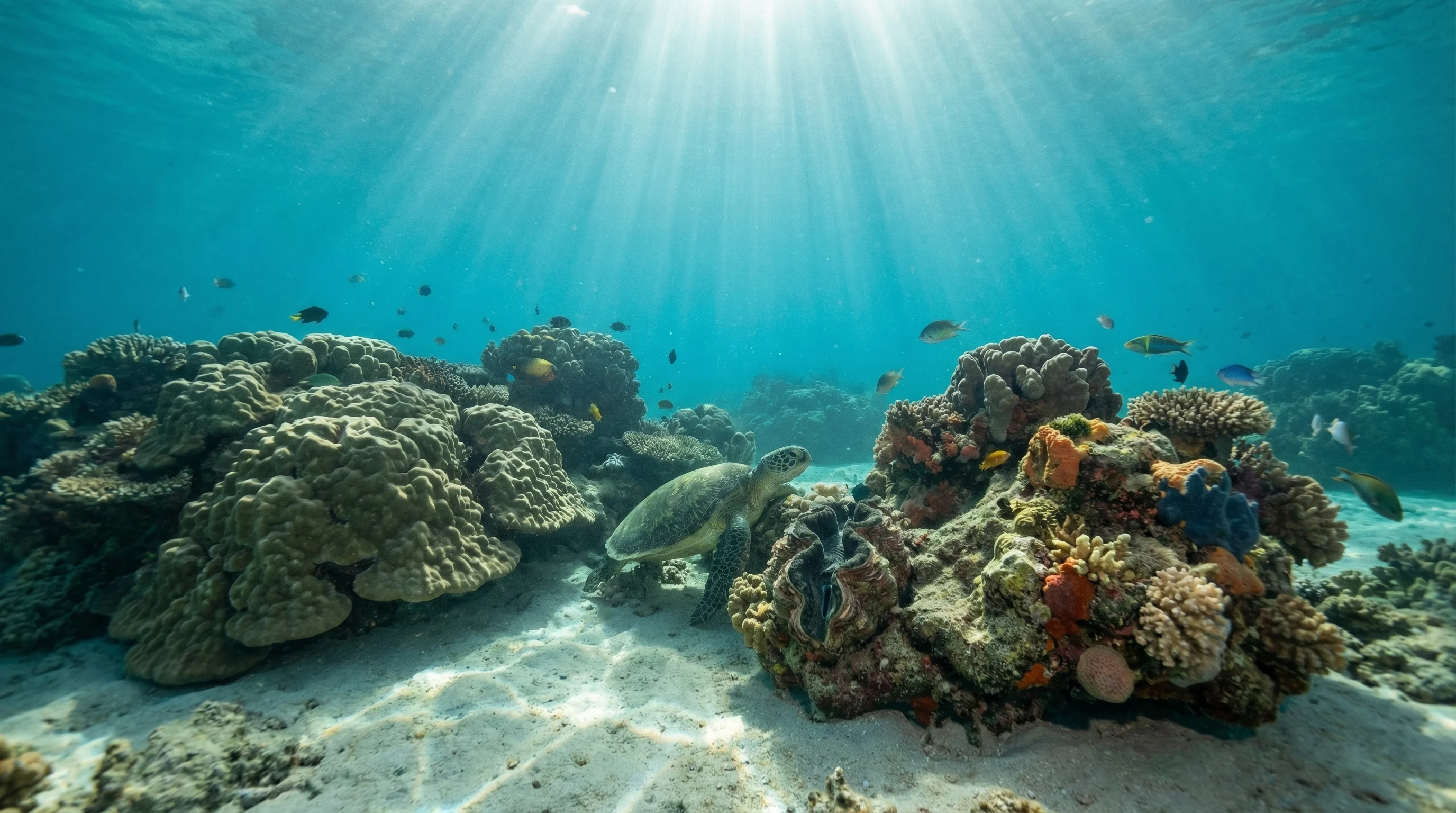
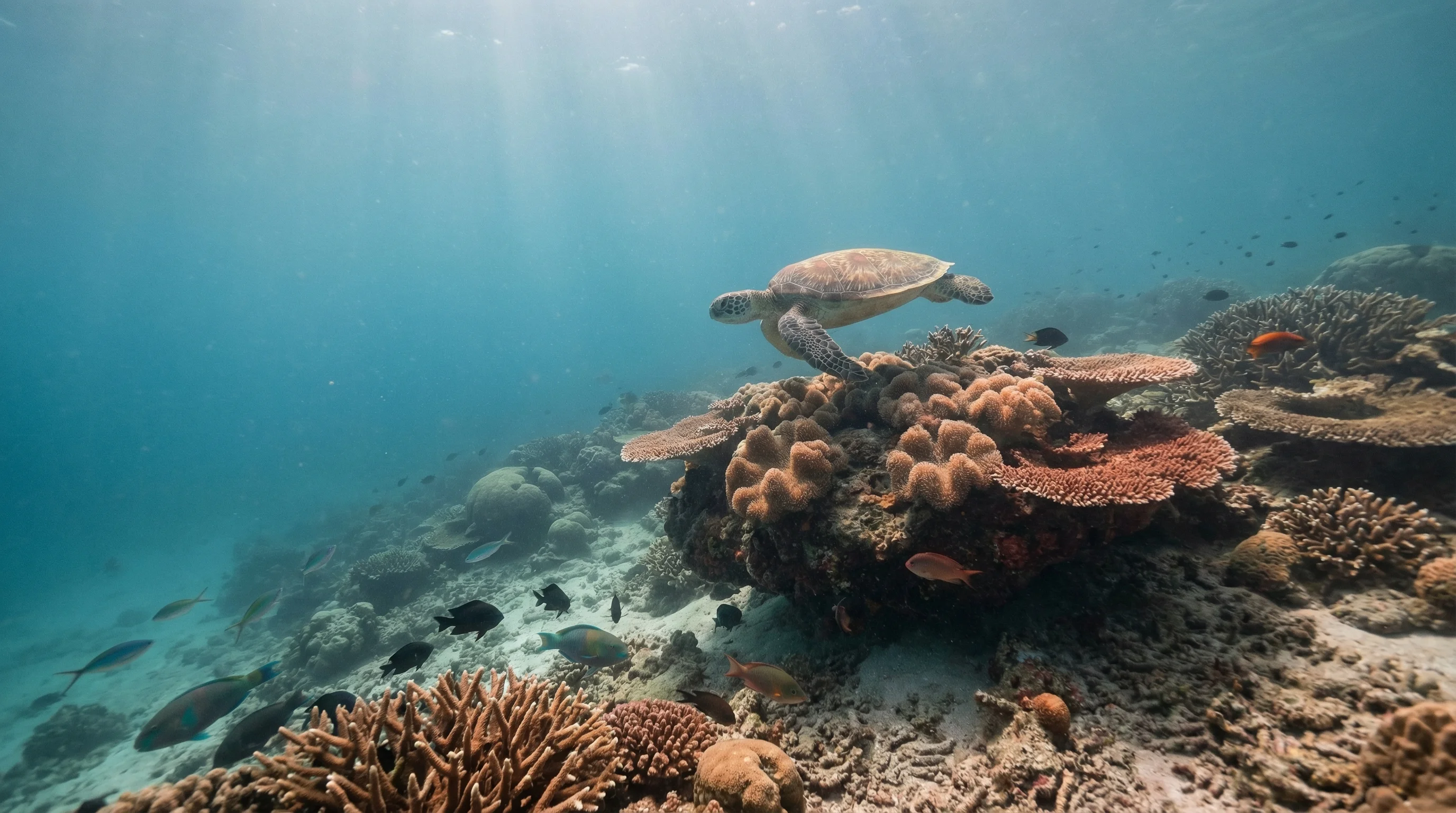
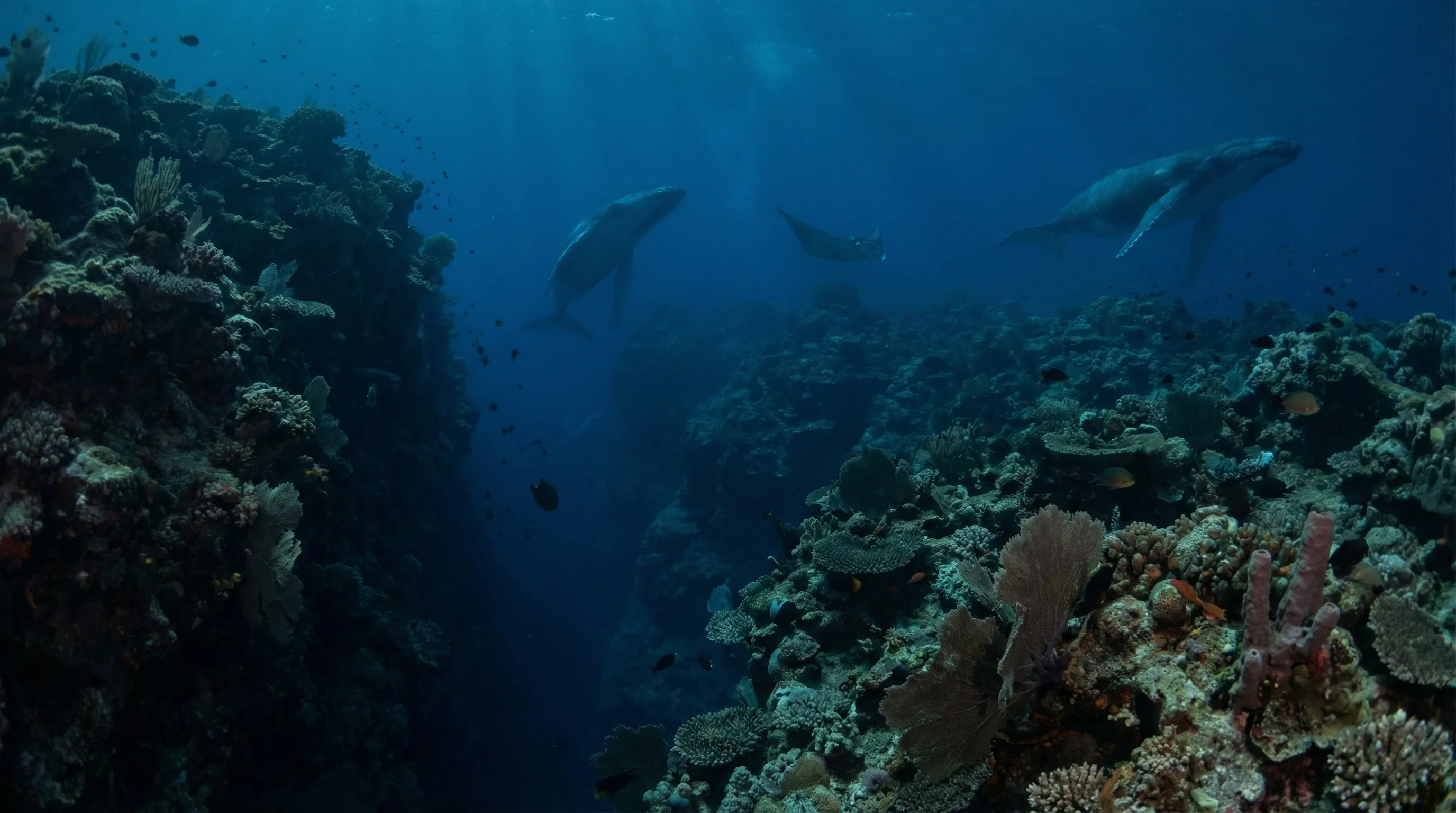
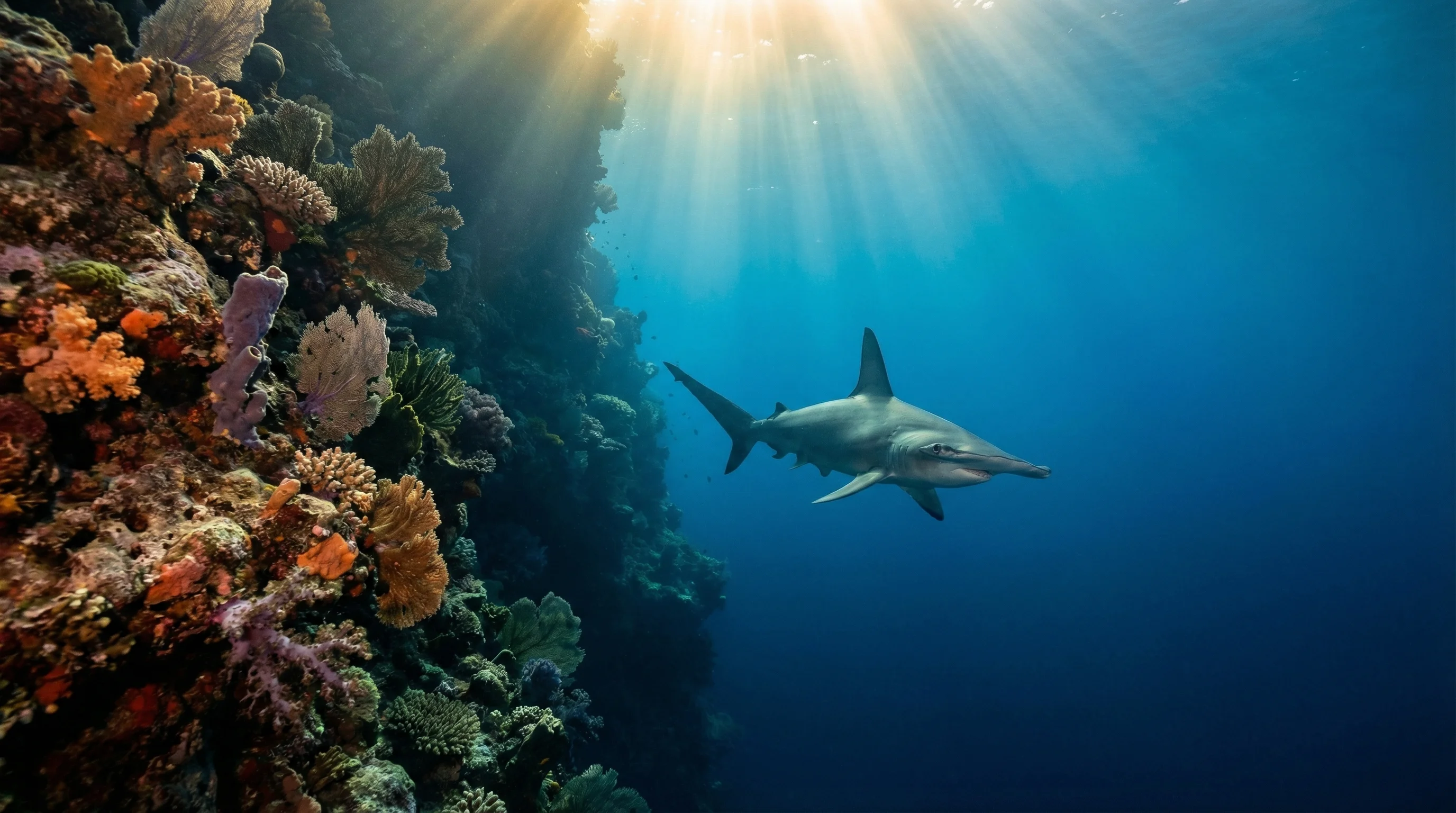
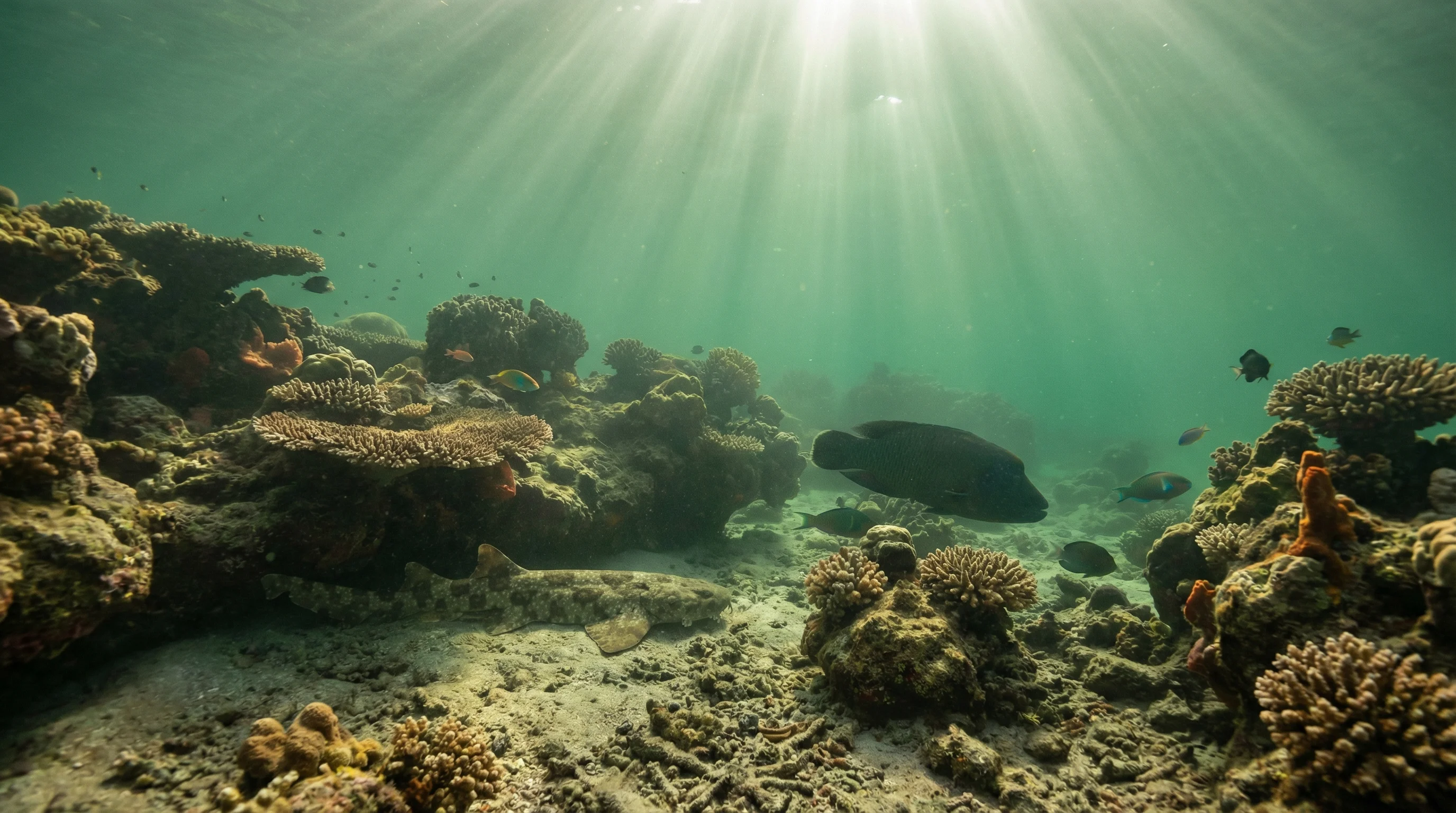
Water temperature around Whitsundays ranges from about 22°C in August to 29°C in February, based on satellite sea-temperature data for its dive sites.
In the warm season (about 29°C) a rash guard or 3mm shorty is comfortable in Whitsundays; in the coldest months (about 22°C) step up to a 3mm full suit.
Fin maps 45 sites in Whitsundays (40 scuba diving sites and 20 snorkelling spots, with some suited to both), organised into 4 areas.
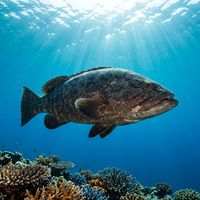
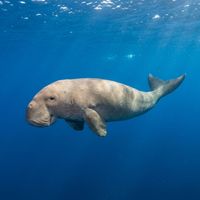
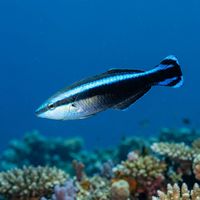
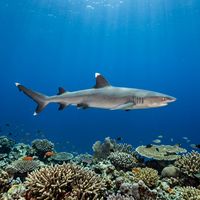
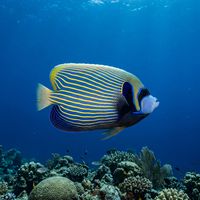
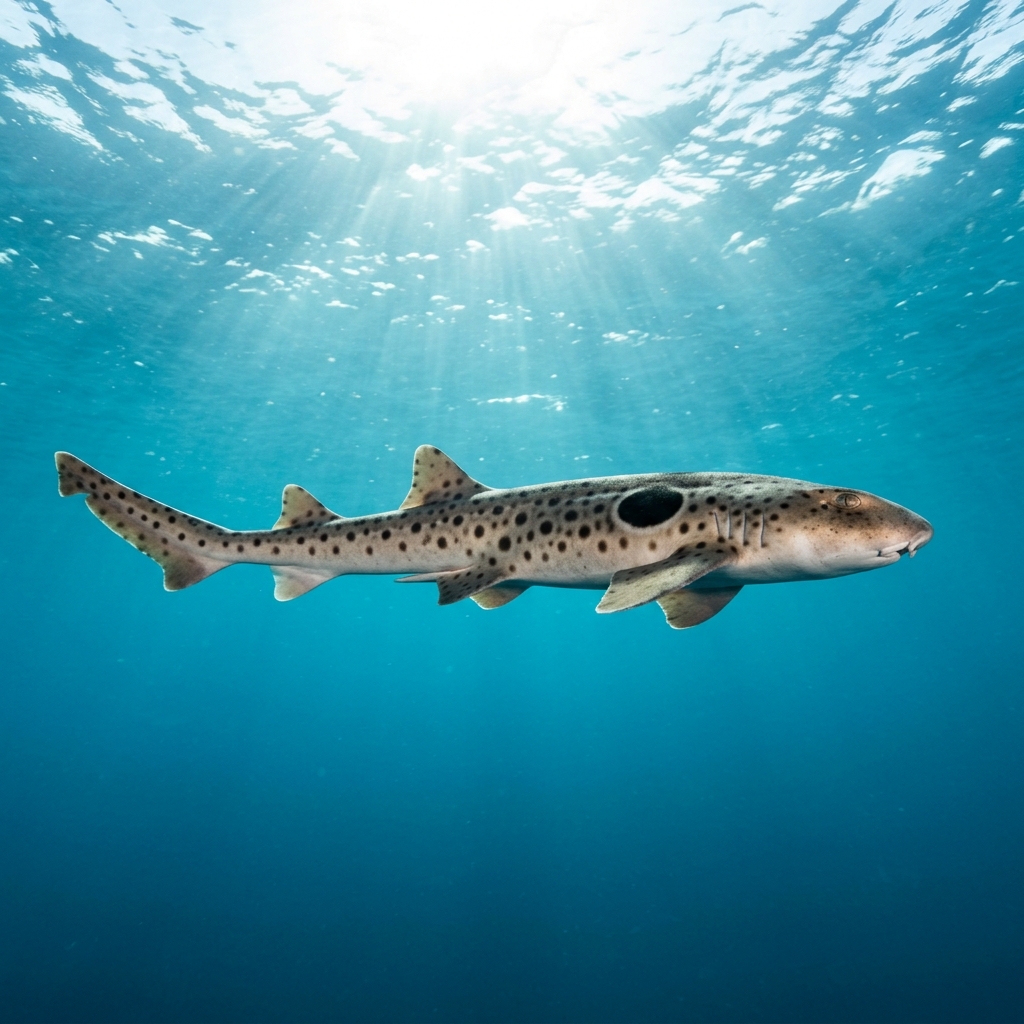
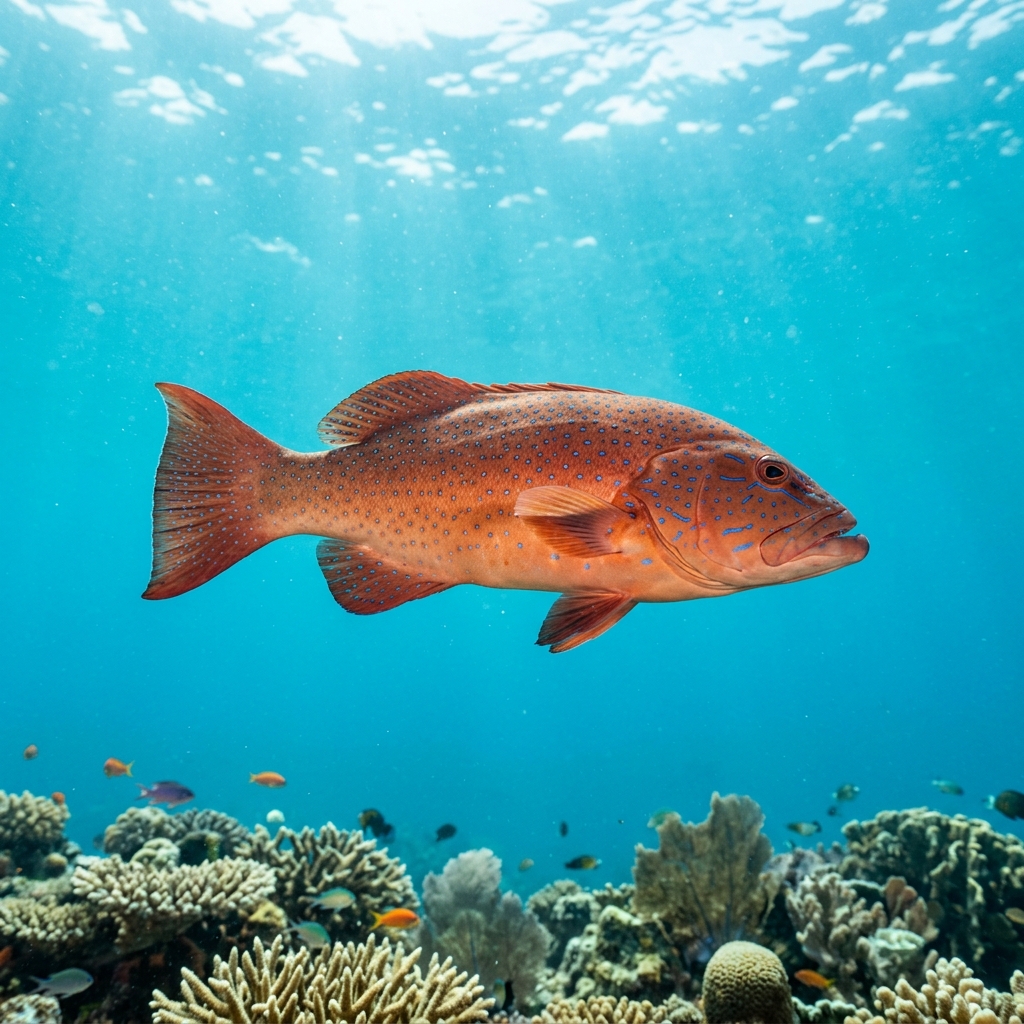
Observation-backed sightings across the region include Napoleon Wrasse, Green Sea Turtle, Reef Manta Ray, Queensland Grouper, Whitetip Reef Shark, Epaulette Shark, Dugong, and Chromodoris Nudibranch, among many others. Common Coral Trout and Bluestreak Cleaner Wrasse appear across a very high proportion of sites. The Dugong and Emperor Angelfish are recorded less frequently but are real possibilities at the right sites.
A large proportion of sites are rated for beginners, including shore-entry options such as Rose Bay and Horseshoe Bay and boat-access bays like Mantaray Bay and Blue Pearl Bay. Intermediate and advanced sites such as Dolphin Point and Ship Wreck Bay are also present for those wanting more challenge. Beginners can find calm, shallow reef diving without needing to travel to the more exposed outer sites.
Hook Island holds the most sites, covering a range from sheltered beginner bays to more demanding walls and caves. Hamilton Island offers a solid spread of sites in a more accessible setting. The Sarina Coast adds further variety, while the Outer Reef, including Bait Reef and Abington Reef, provides the most dramatic topography, with walls, canyons, and caves suited to experienced divers.
Some sites, including Rose Bay and Horseshoe Bay, are accessible directly from shore, which suits those without boat access or who prefer simpler logistics. However, the majority of sites, and most of the more varied topography, require a boat. Operators such as Yongala Dive, Reef Safari Diving, and Aquadive serve the region.