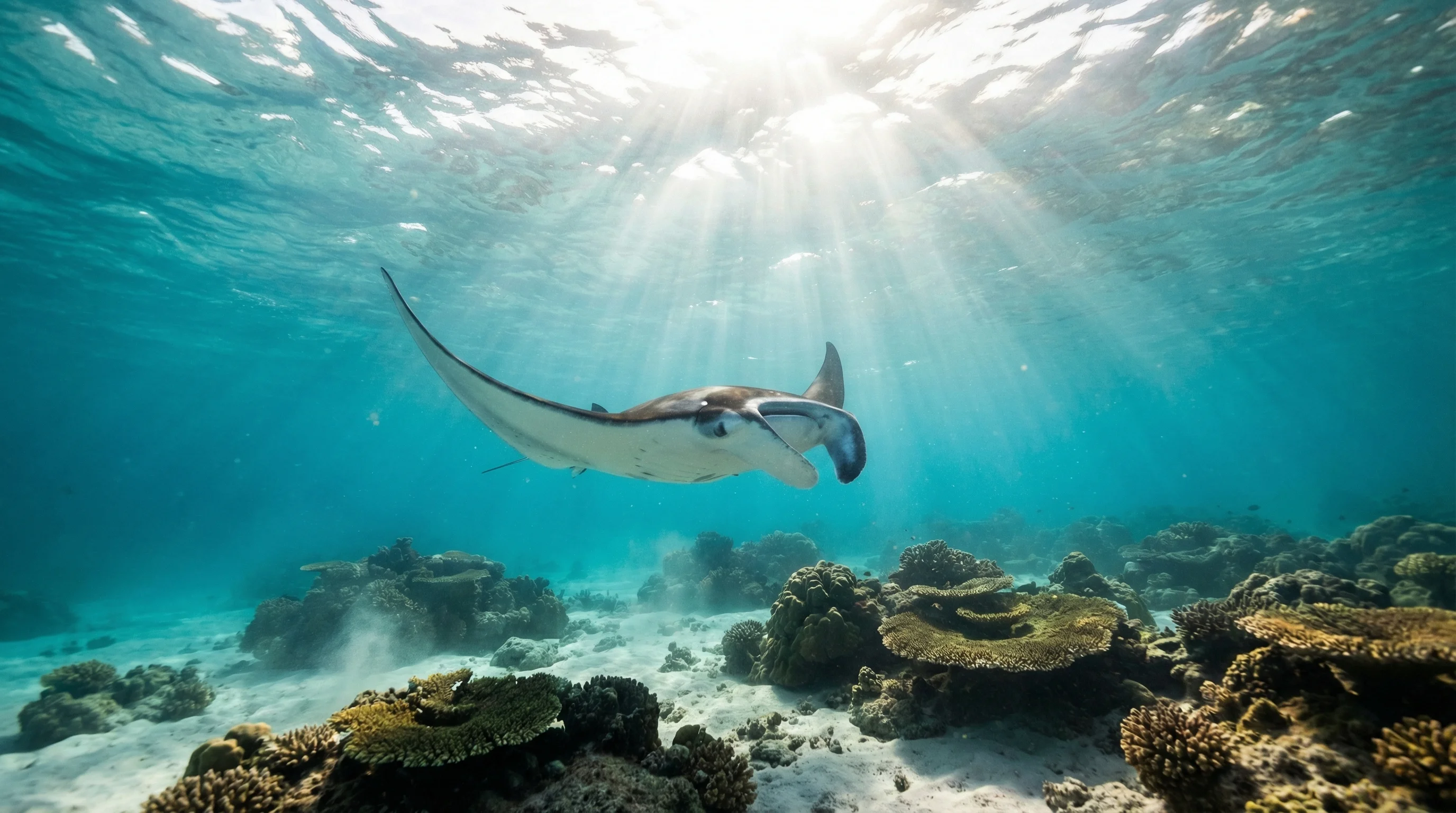
Best for beginner divers, 1-5m, boat entry, mild current.
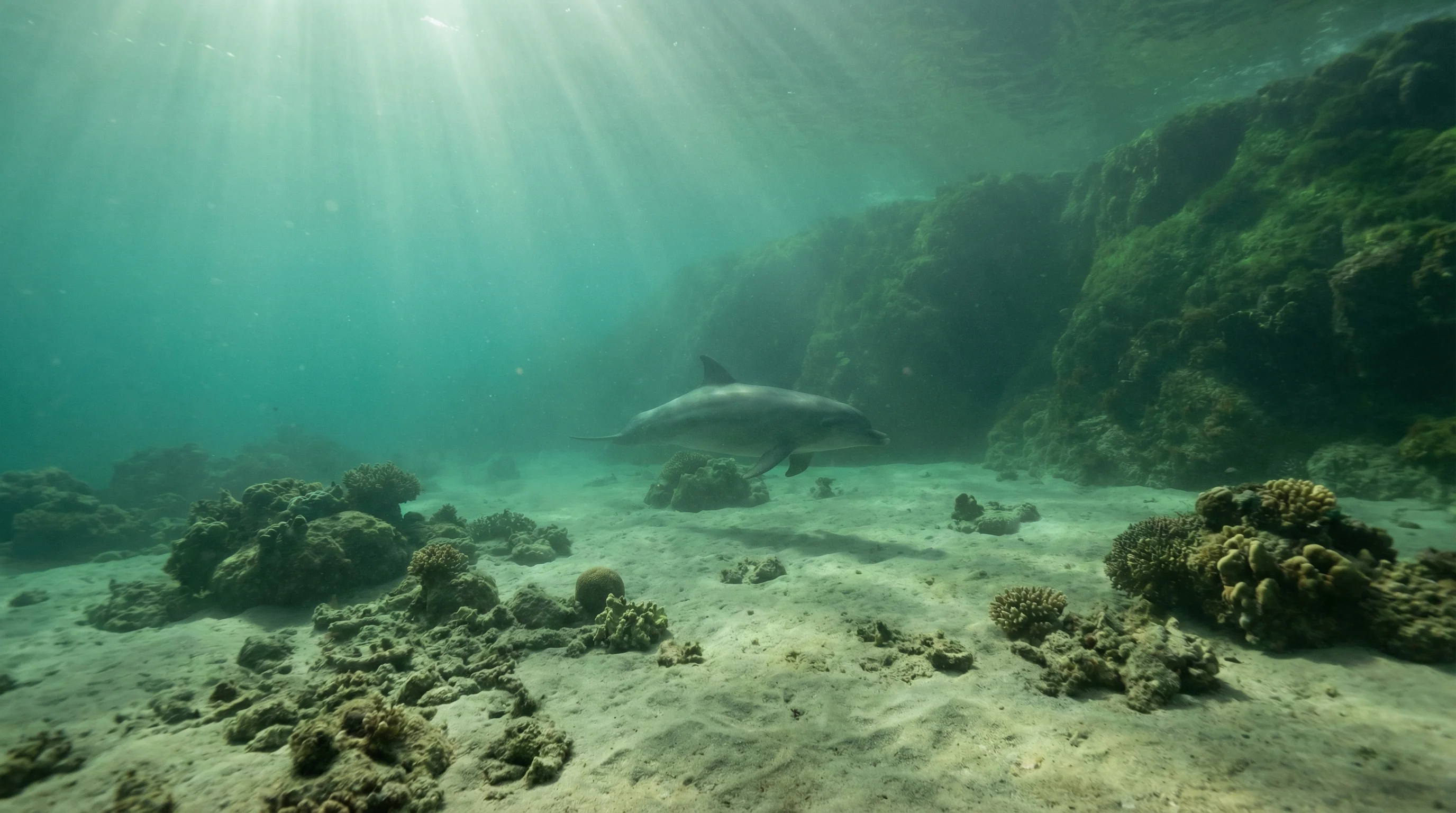
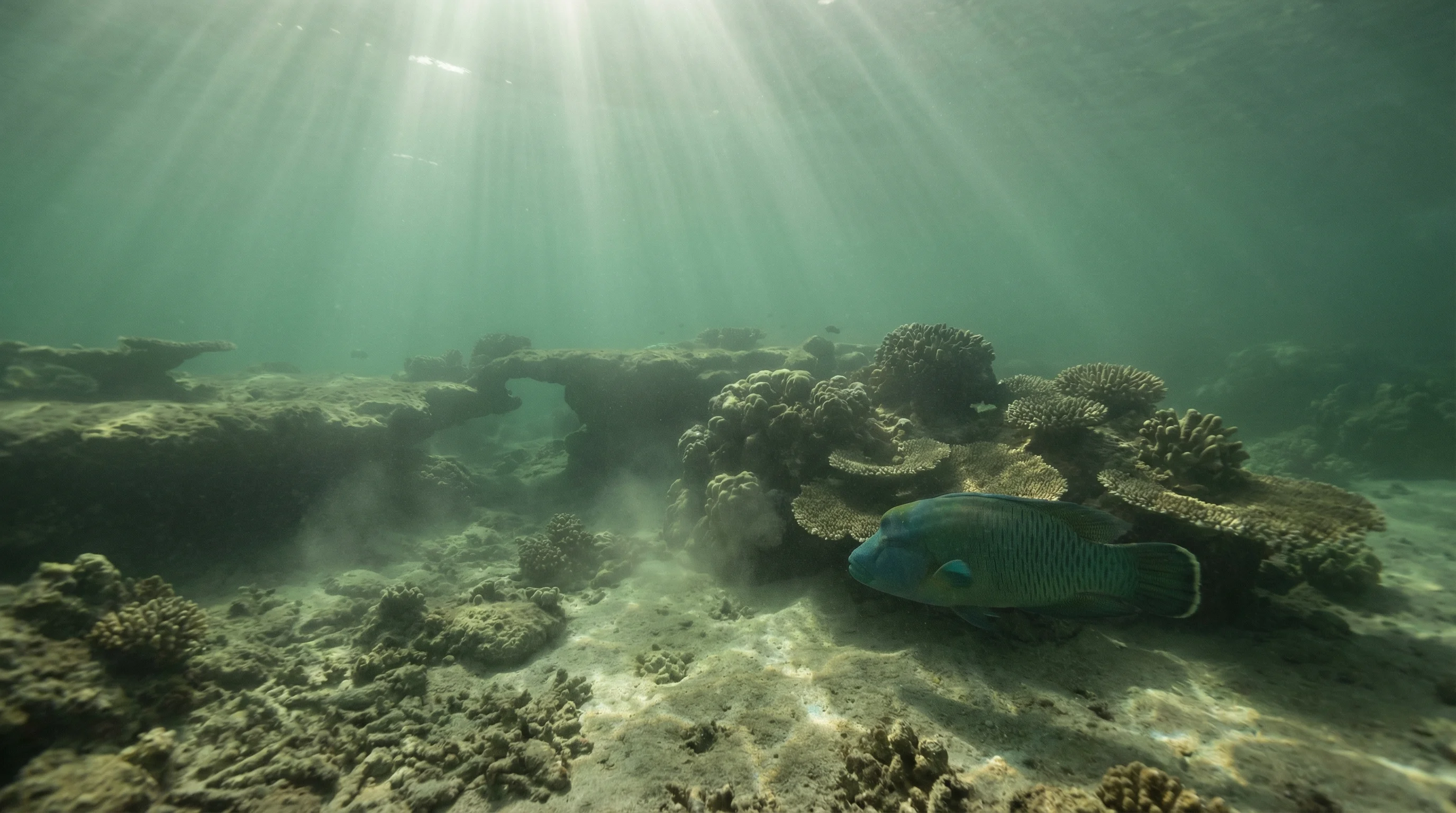
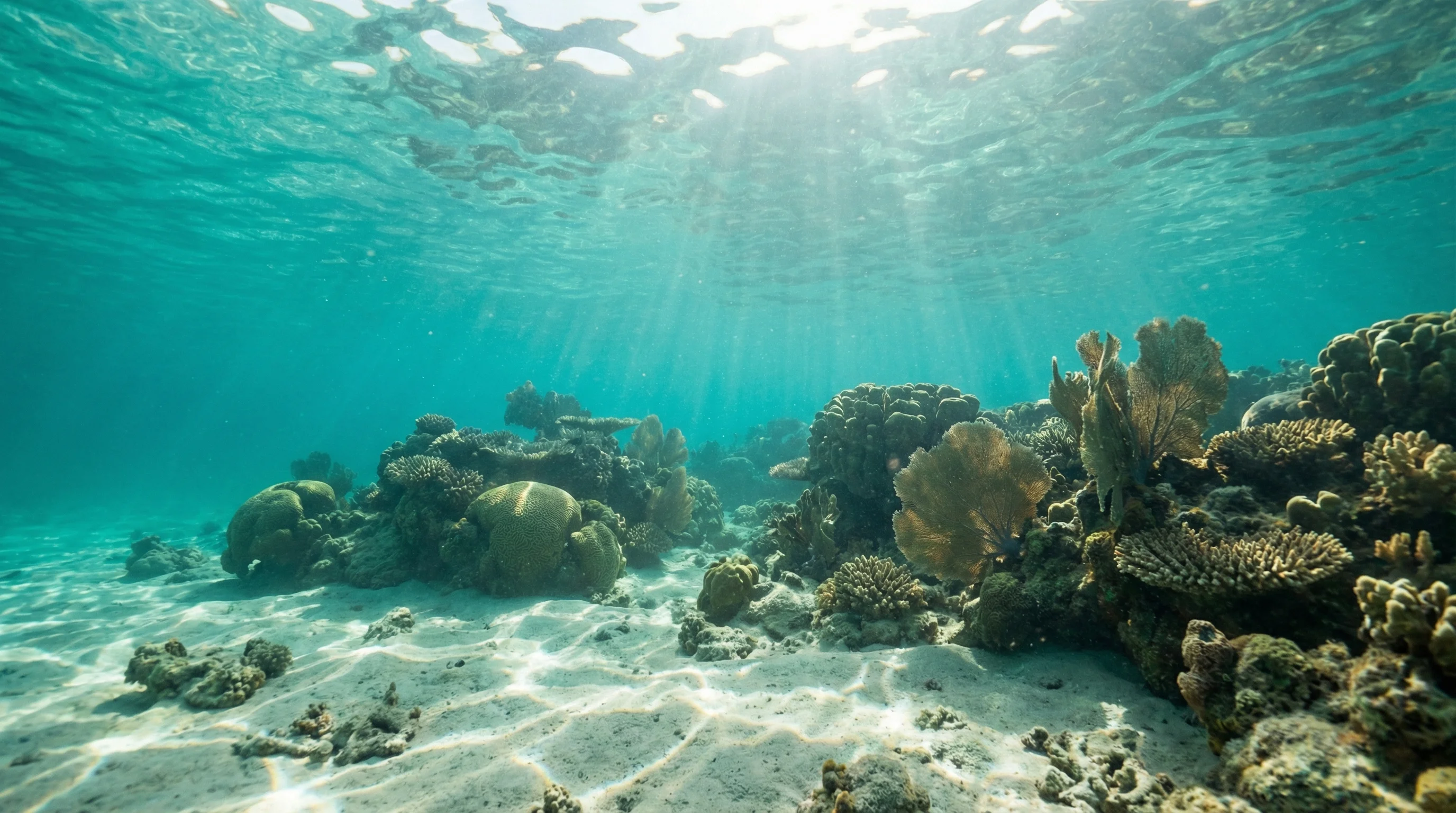
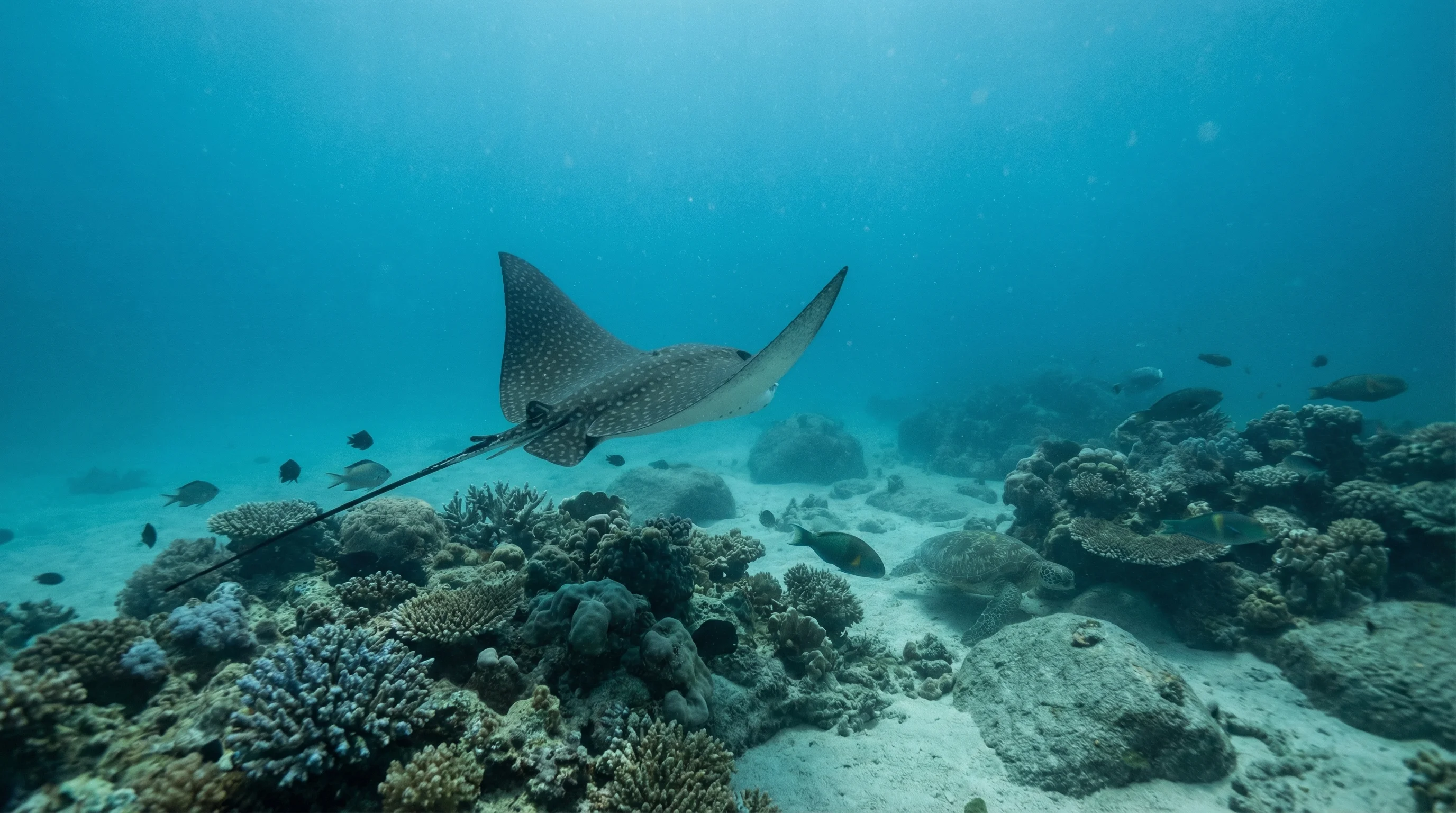
Long Island, located off Hamilton Island, features shallow reef diving with depths ranging from 1 to 5 metres. This site is suitable for beginners, offering a relaxed environment with mild currents. Access is by boat, as the site is situated 5000 metres from the shore. Visibility typically fluctuates between 5 and 15 metres. Divers should be aware of hazards including boat traffic, sharp coral, and seasonal jellyfish. A full-body stinger suit is recommended between October and May to protect against marine stingers. Facilities at the site include toilets, and equipment hire is available for those who do not bring their own gear.
-20.34400, 148.85000
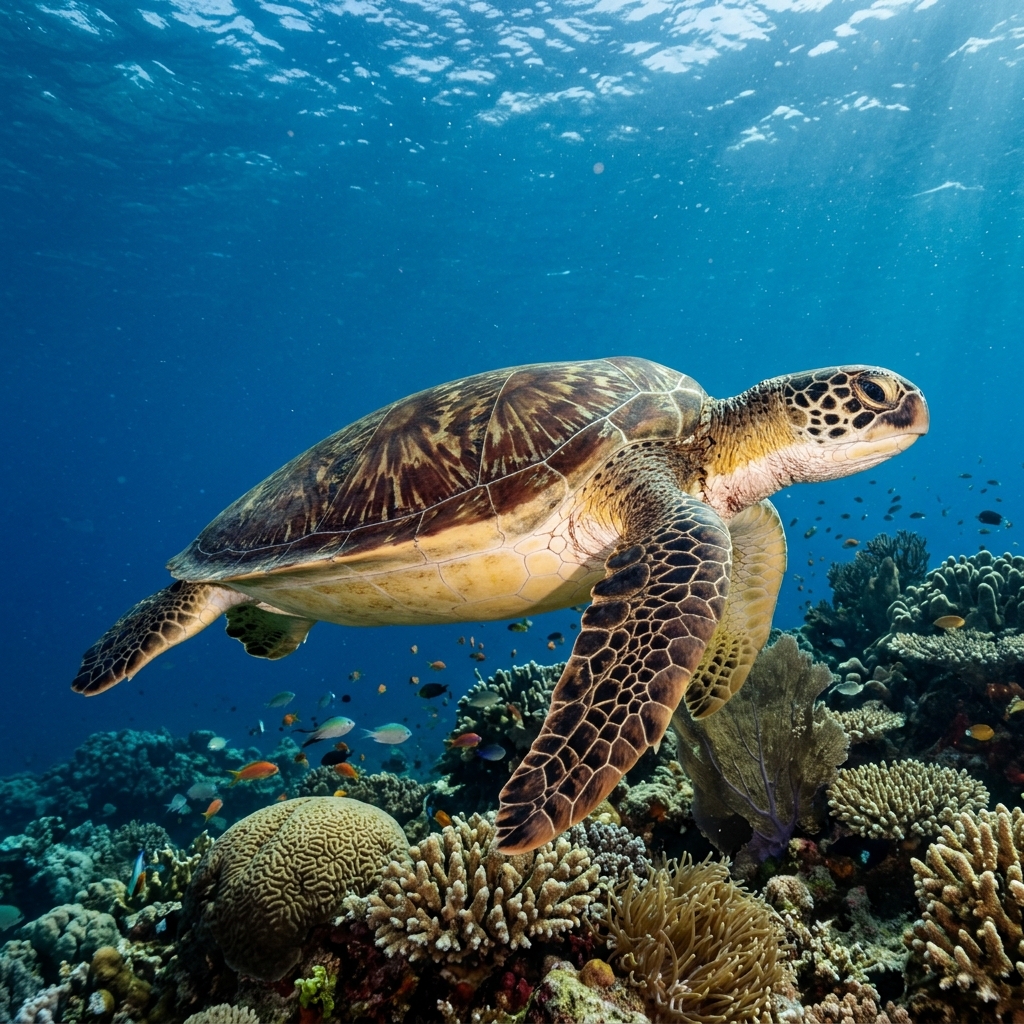
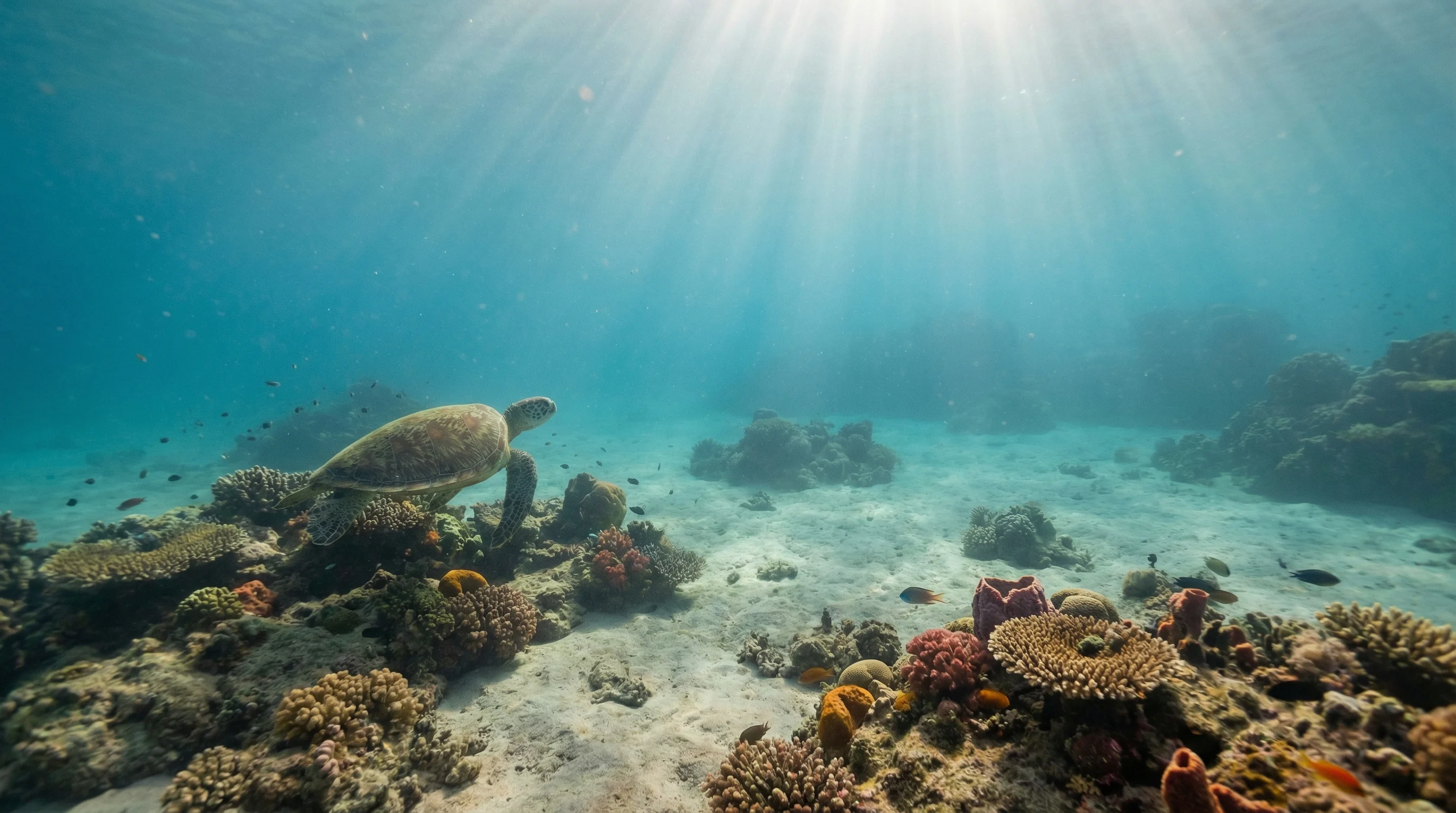
Go early in the morning when surface conditions tend to be calmer and turtle activity is often at its most reliable. Equipment hire is available on site, so you do not need to travel with your own gear.
Access to Long Island is by boat only. Water taxis and ferry services, such as Island Transfers and Mars Charters, operate from Shute Harbour (near Airlie Beach) and Hamilton Island, taking visitors to Palm Bay.
Expected in this region. No sightings logged here yet.
Depth
Up to 5m
Visibility
5-15m
Skill Level
Beginner
Entry
Boat
Boat required
Water Temp
22-29°C
Current
Mild
Typical Dive
45 min
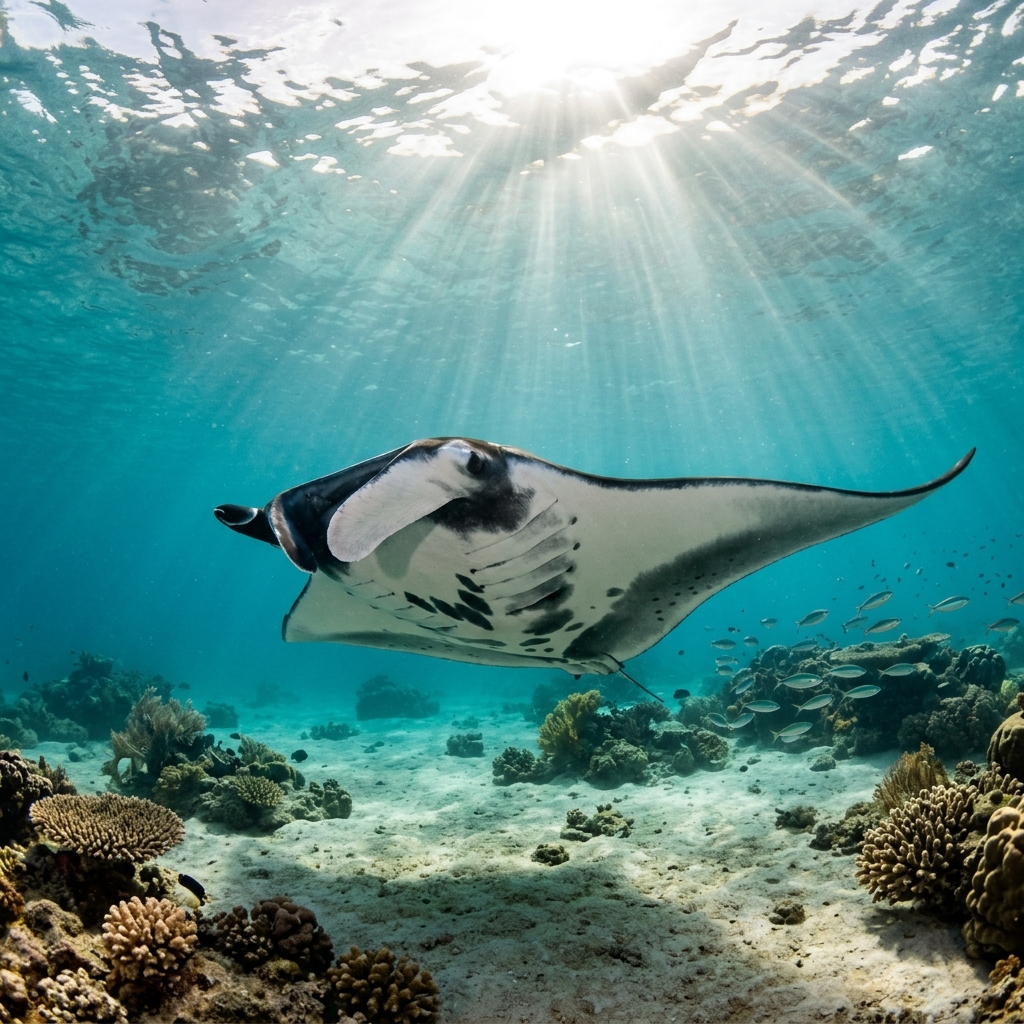
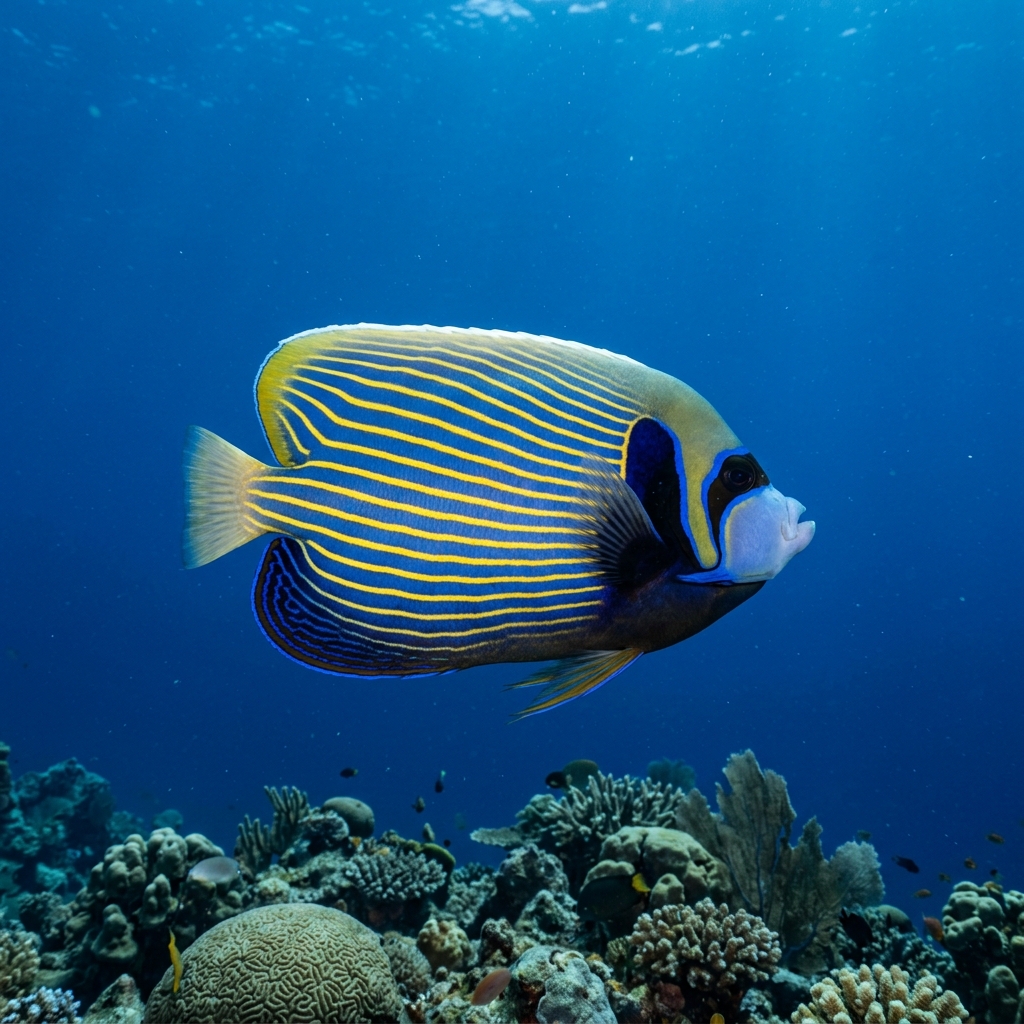
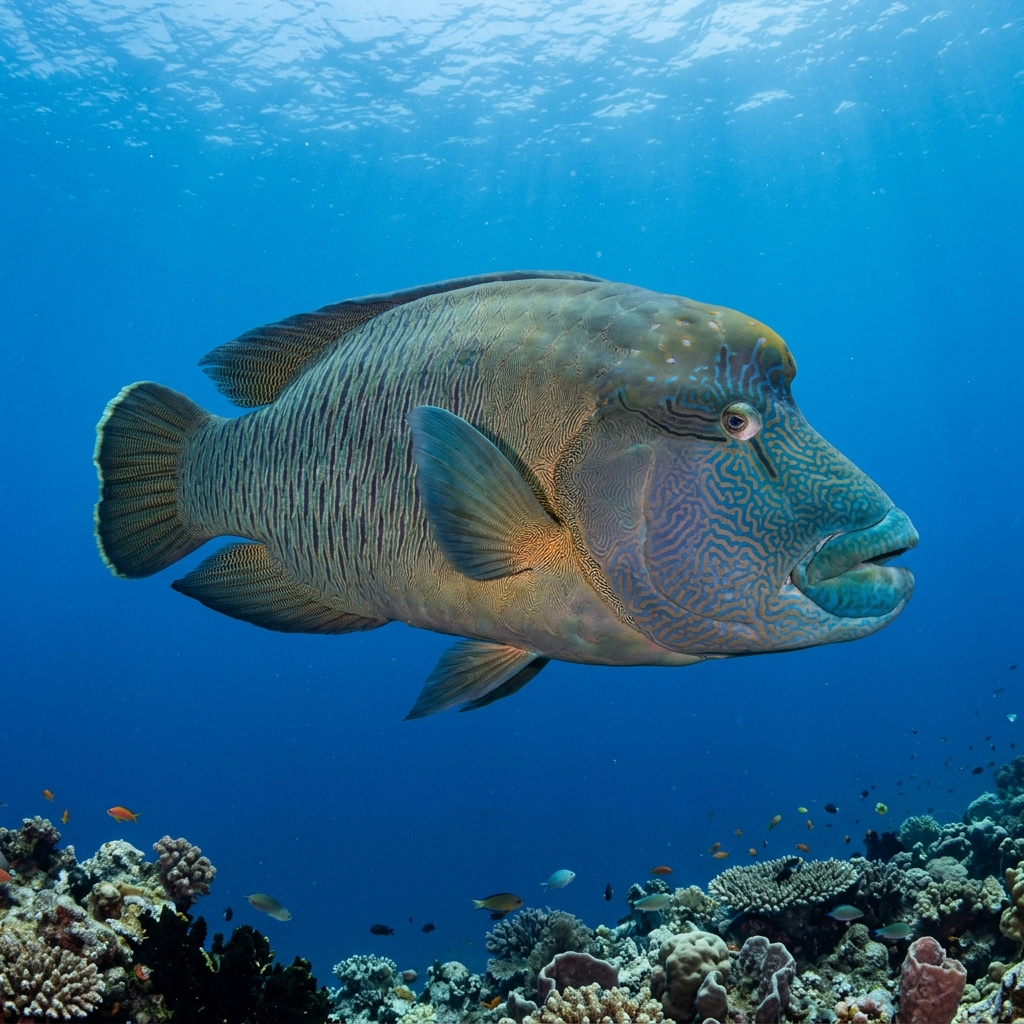
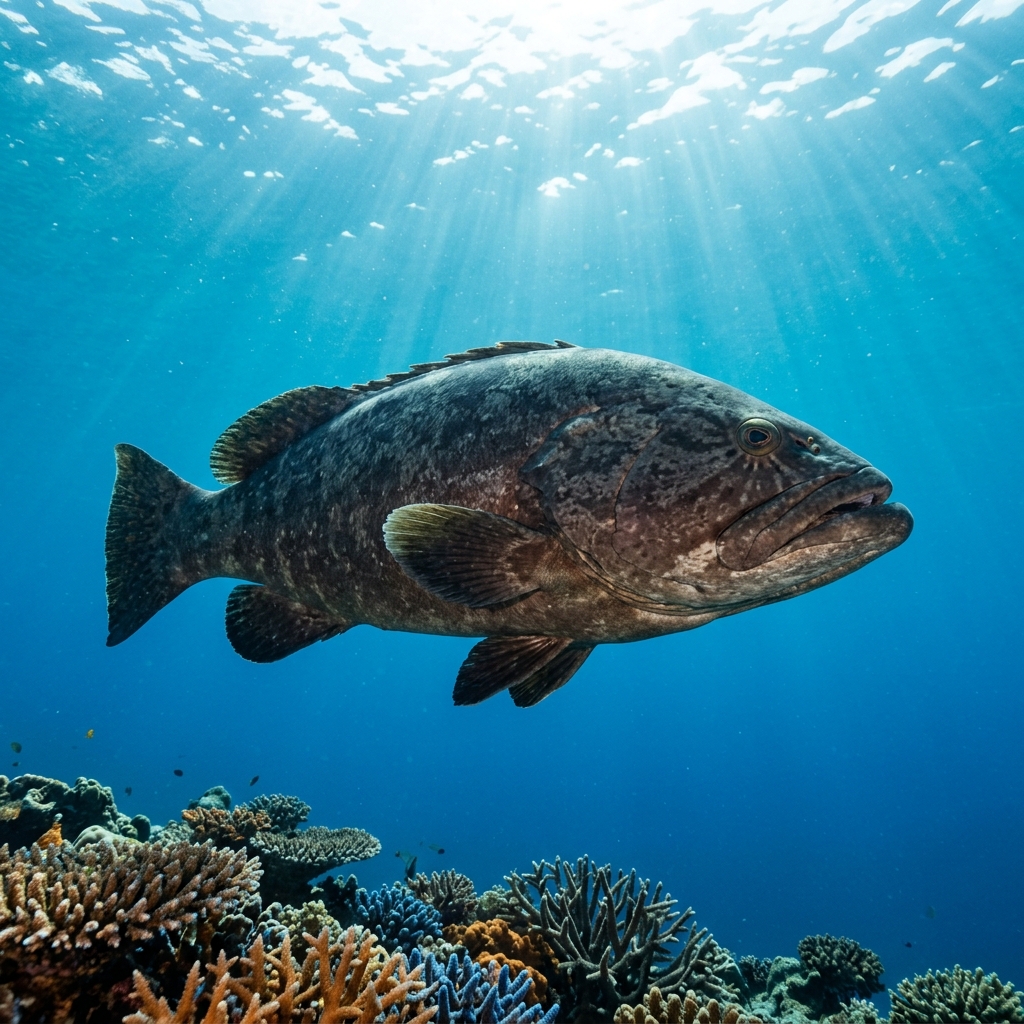
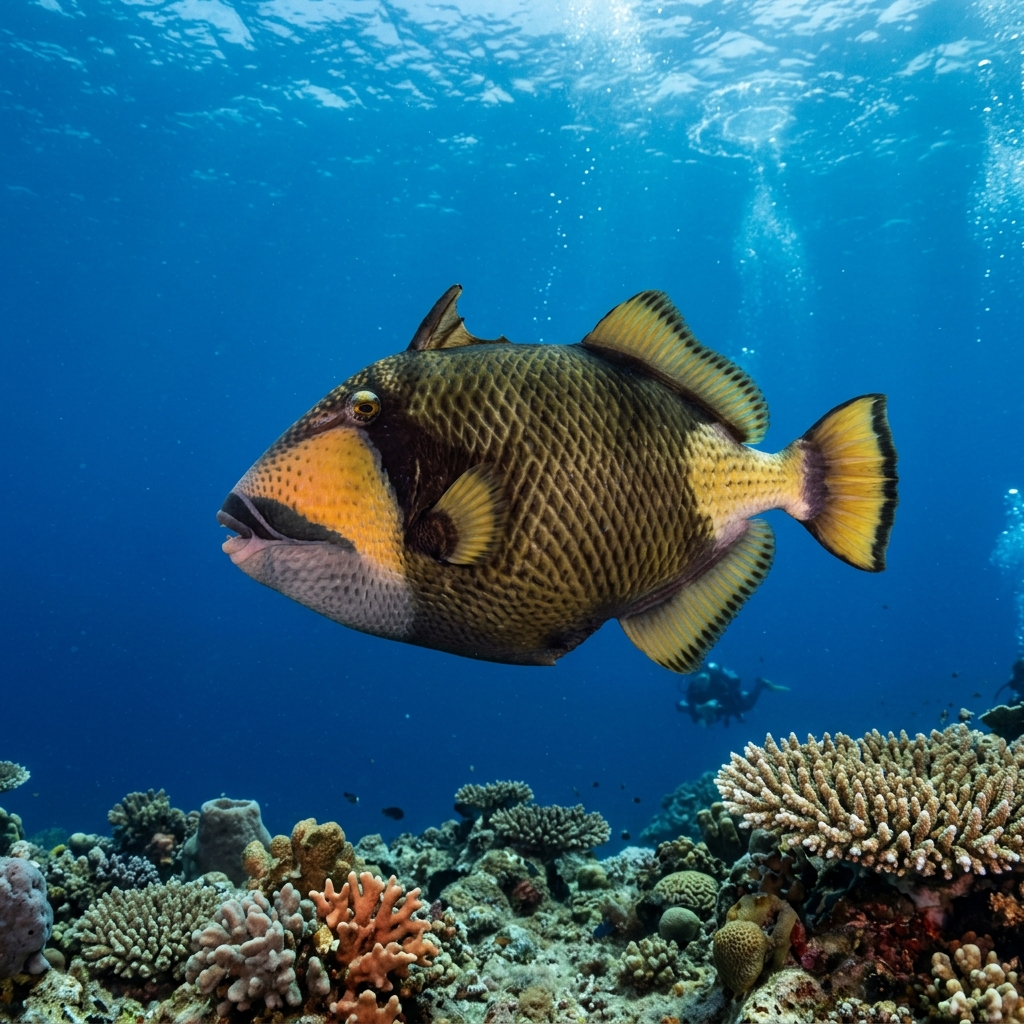
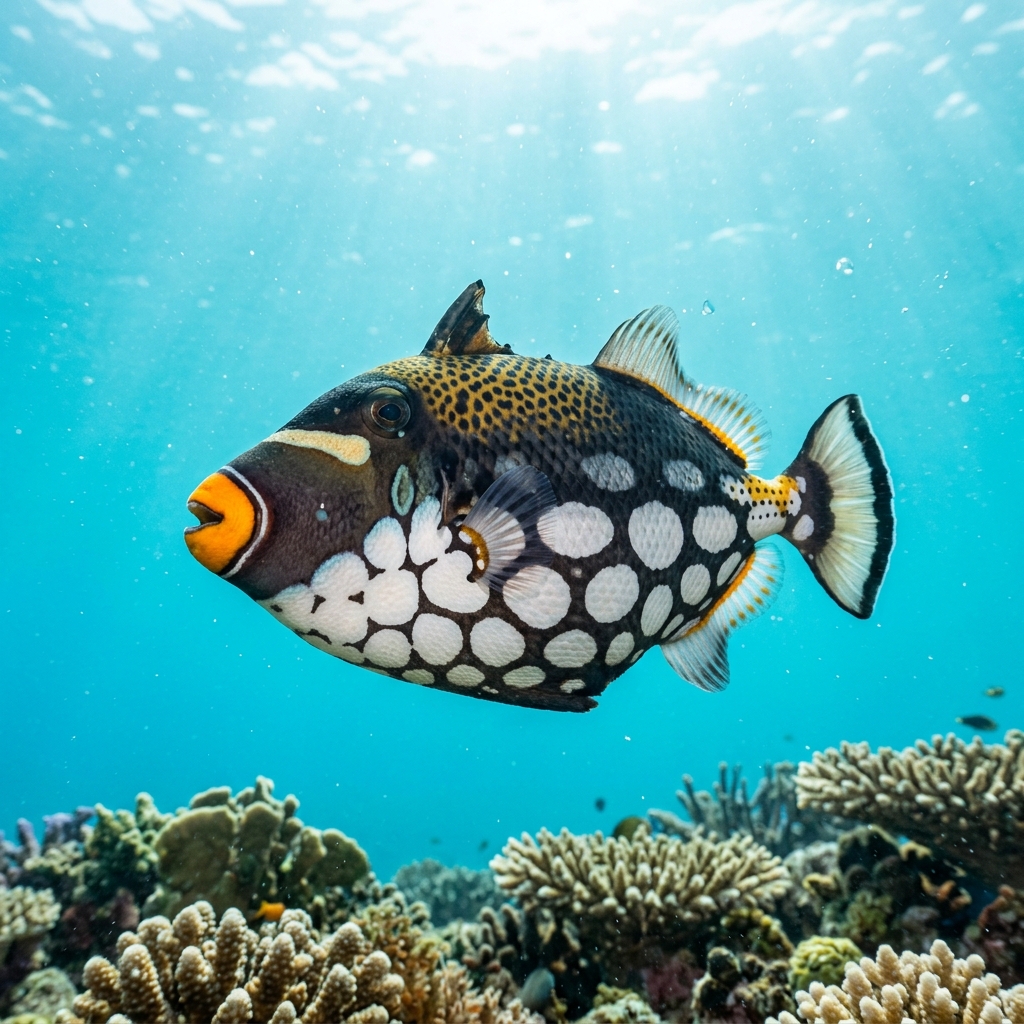
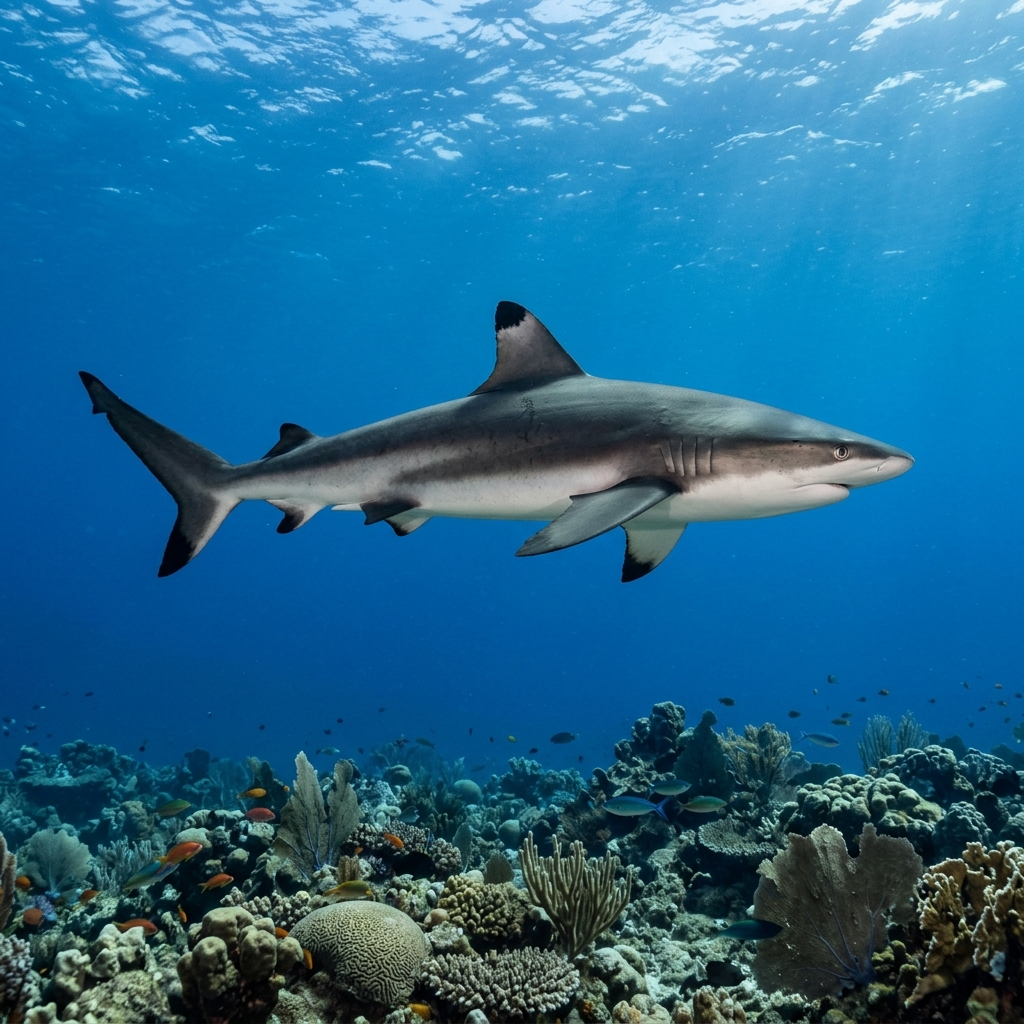
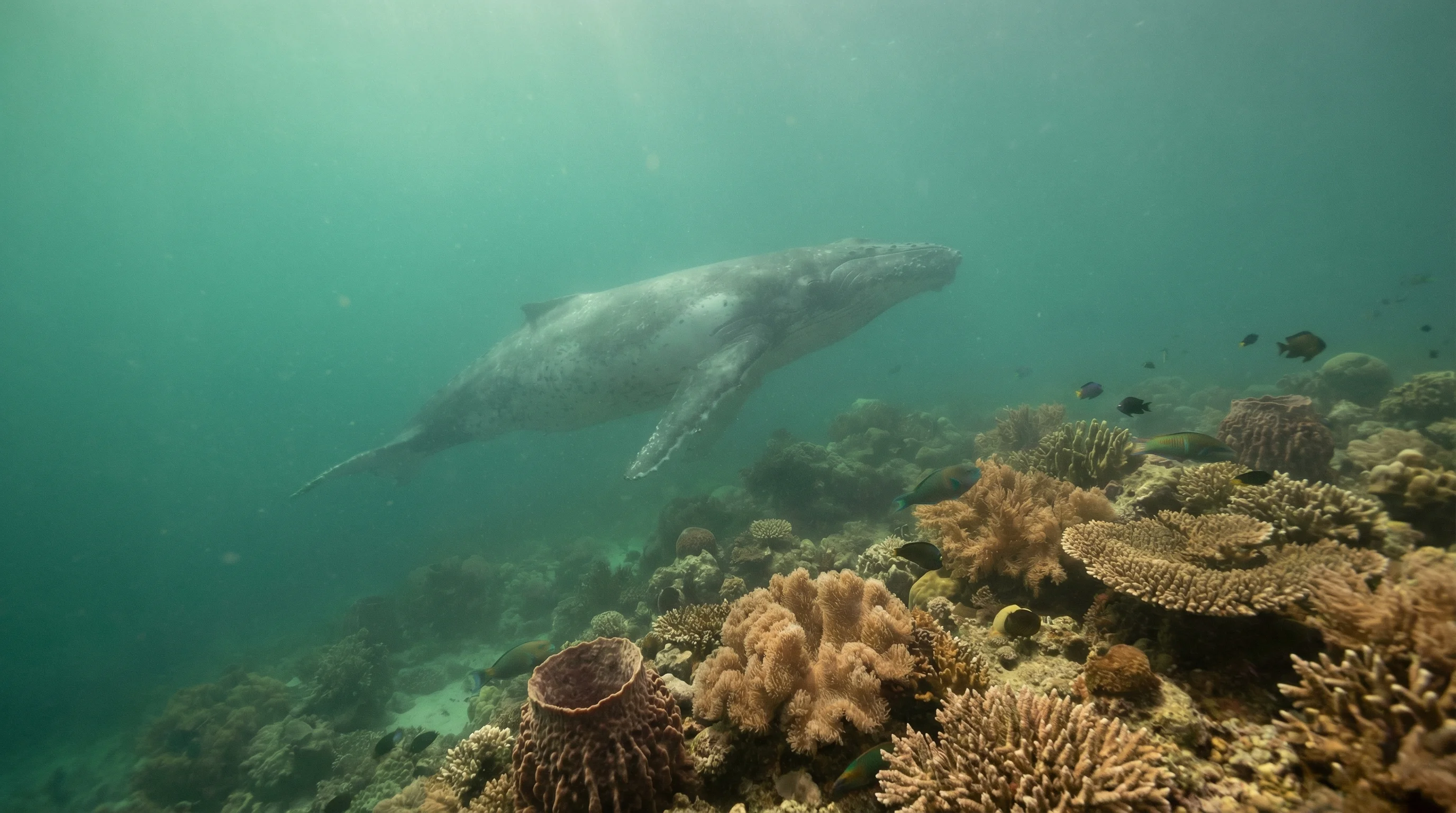
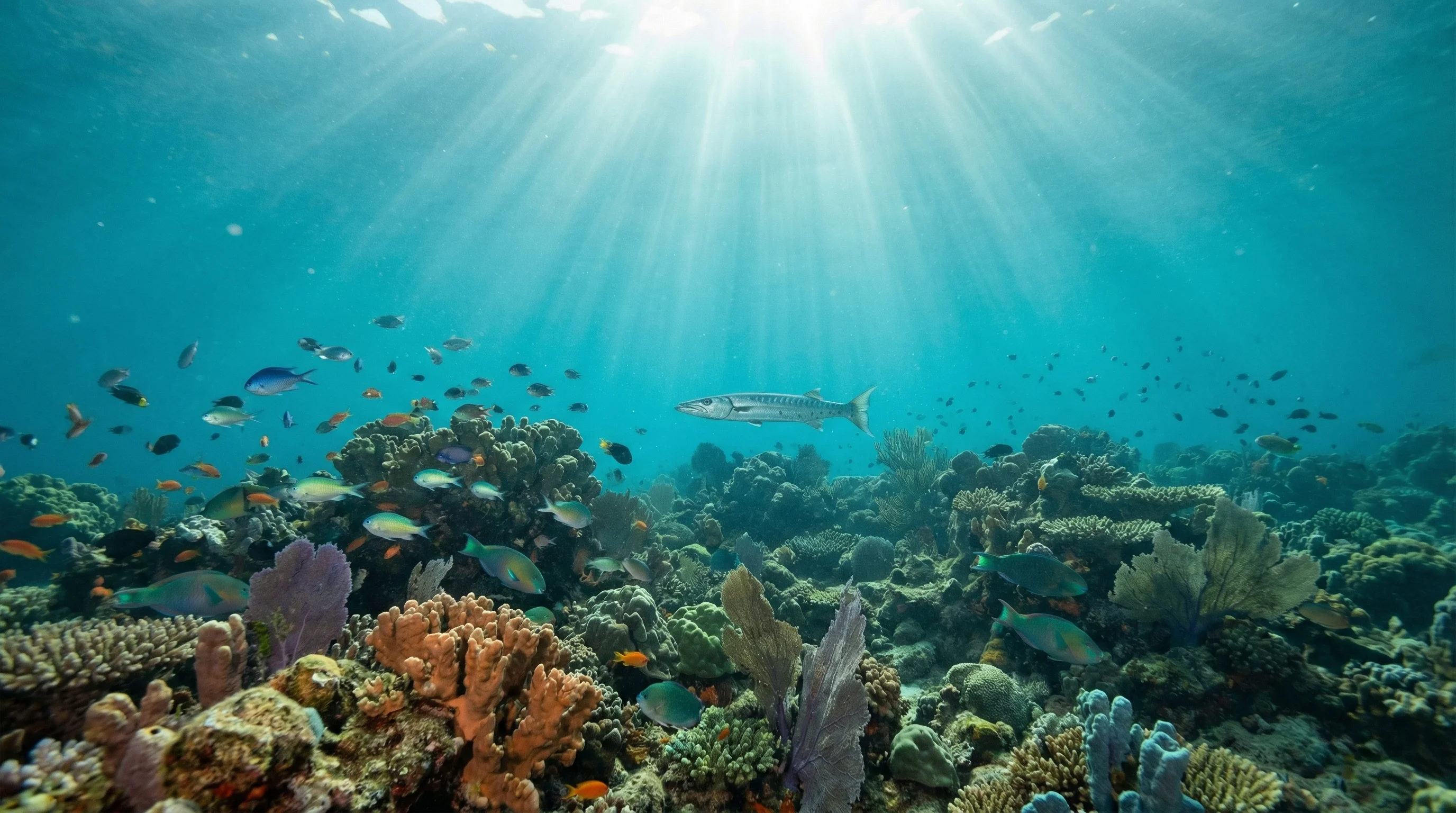
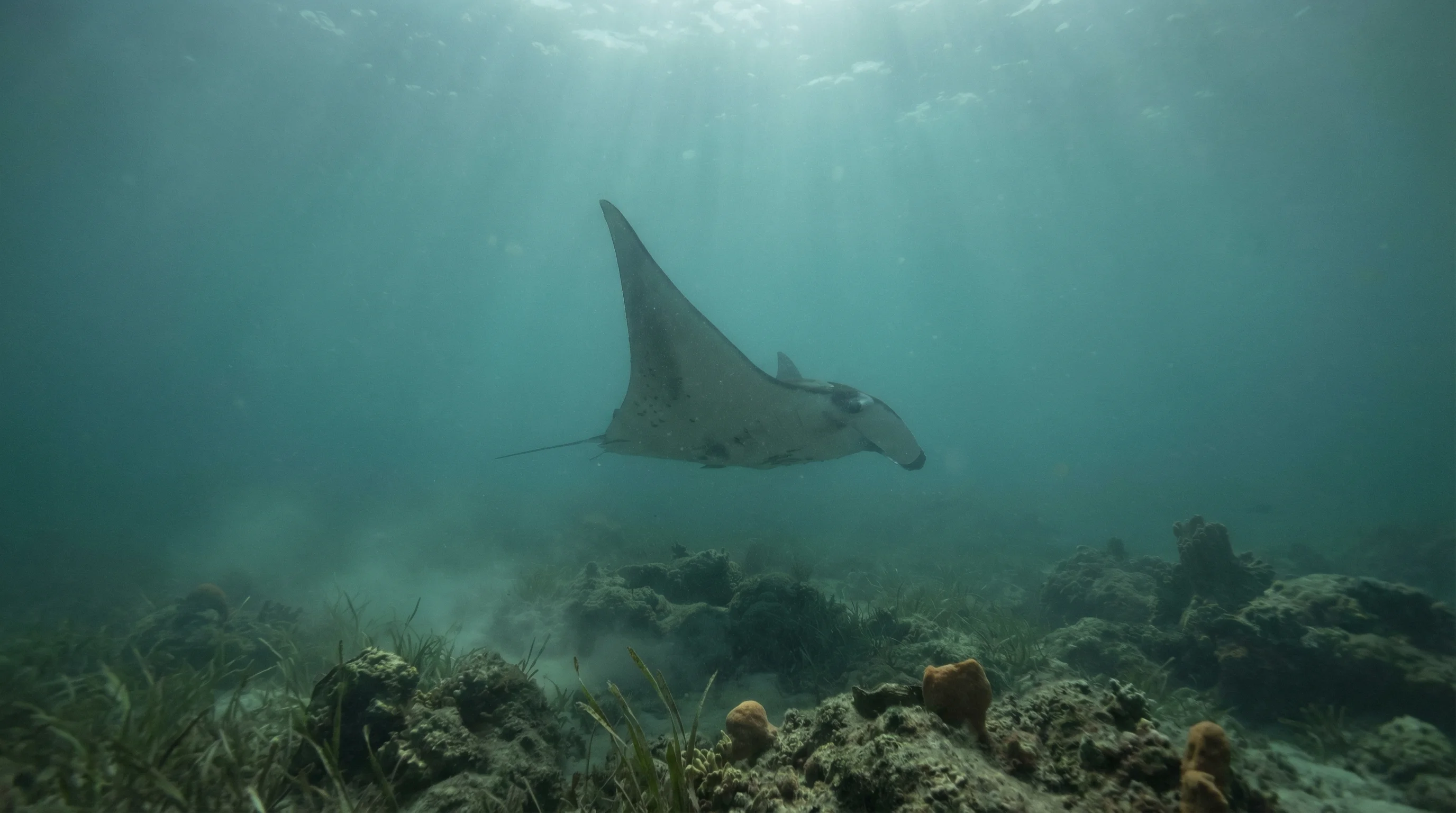
The site supports a variety of reef fish and invertebrates, though specific species sightings are not confirmed.
Yes, the shallow depths of 1 to 5 metres and mild currents make this a suitable location for beginner divers.
The depth at Long Island ranges from 1 to 5 metres, with an average depth of 3 metres.
This is a boat dive, as the site is located 5000 metres from the shore and requires boat access.
While the site is listed for diving and snorkelling, it has a low snorkel rating of 1/5.
Diving at Long Island in Whitsundays requires the following certifications: Open Water. Always dive within your training limits.
A 3mm wetsuit is recommended for diving at Long Island in Whitsundays. Water temperatures range from 22°C to 29°C.
Divers at Long Island in Whitsundays should be aware of jellyfish. These encounters are generally rare and avoidable with proper awareness. Follow local safety guidance and maintain a respectful distance from all marine life.
Long Island in Whitsundays typically has mild currents that most divers can handle comfortably.
Visibility at Long Island in Whitsundays typically ranges from 5 metres to 15 metres. Conditions vary with weather, tides, and seasons.