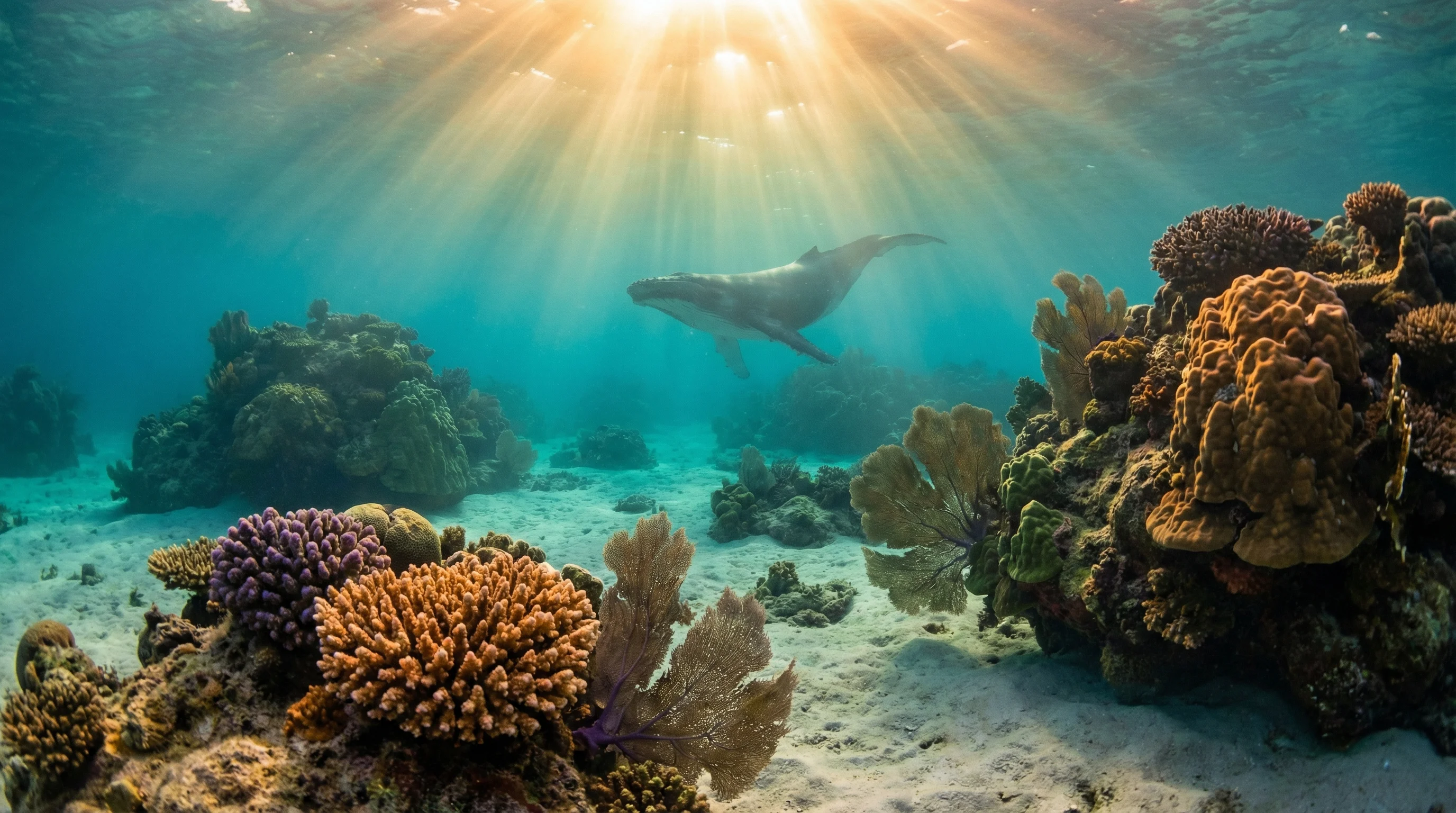
Best for beginner divers, 0m, boat entry, moderate current.
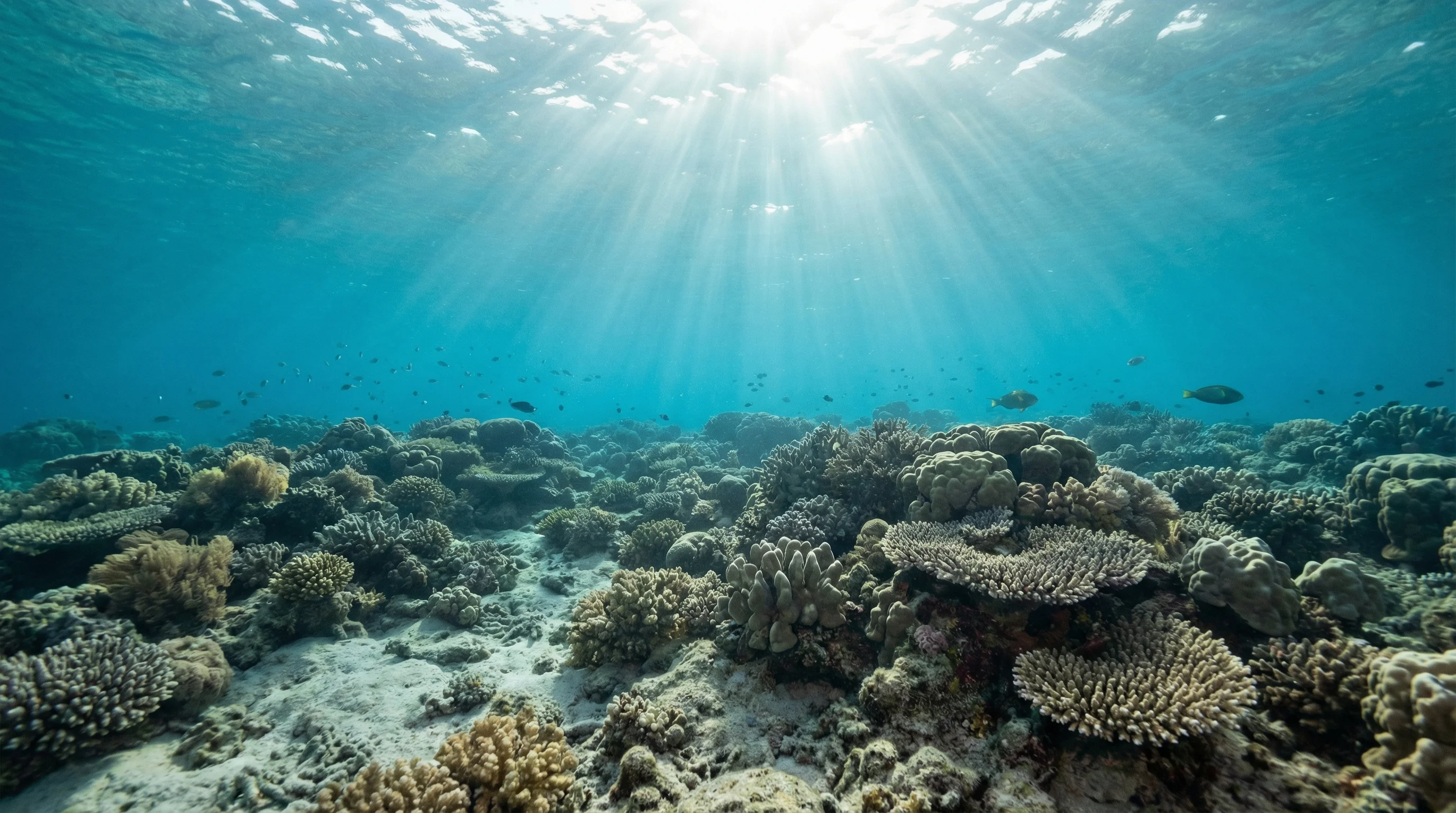
Irving Island, located off the Sarina Coast, is a shallow reef site suitable for beginners. Access is by boat, and the site features moderate currents that can be strong at times. Snorkellers should plan their visit around slack tide to avoid the strongest flows. Water temperatures range from 21C in winter to 29C in summer. Hazards include jellyfish, including Irukandji, and sharks. A full-body lycra suit is recommended for protection against marine stingers, which are more frequent between October and May. The site is best visited between March and November for the most settled conditions.
-21.45450, 149.45750
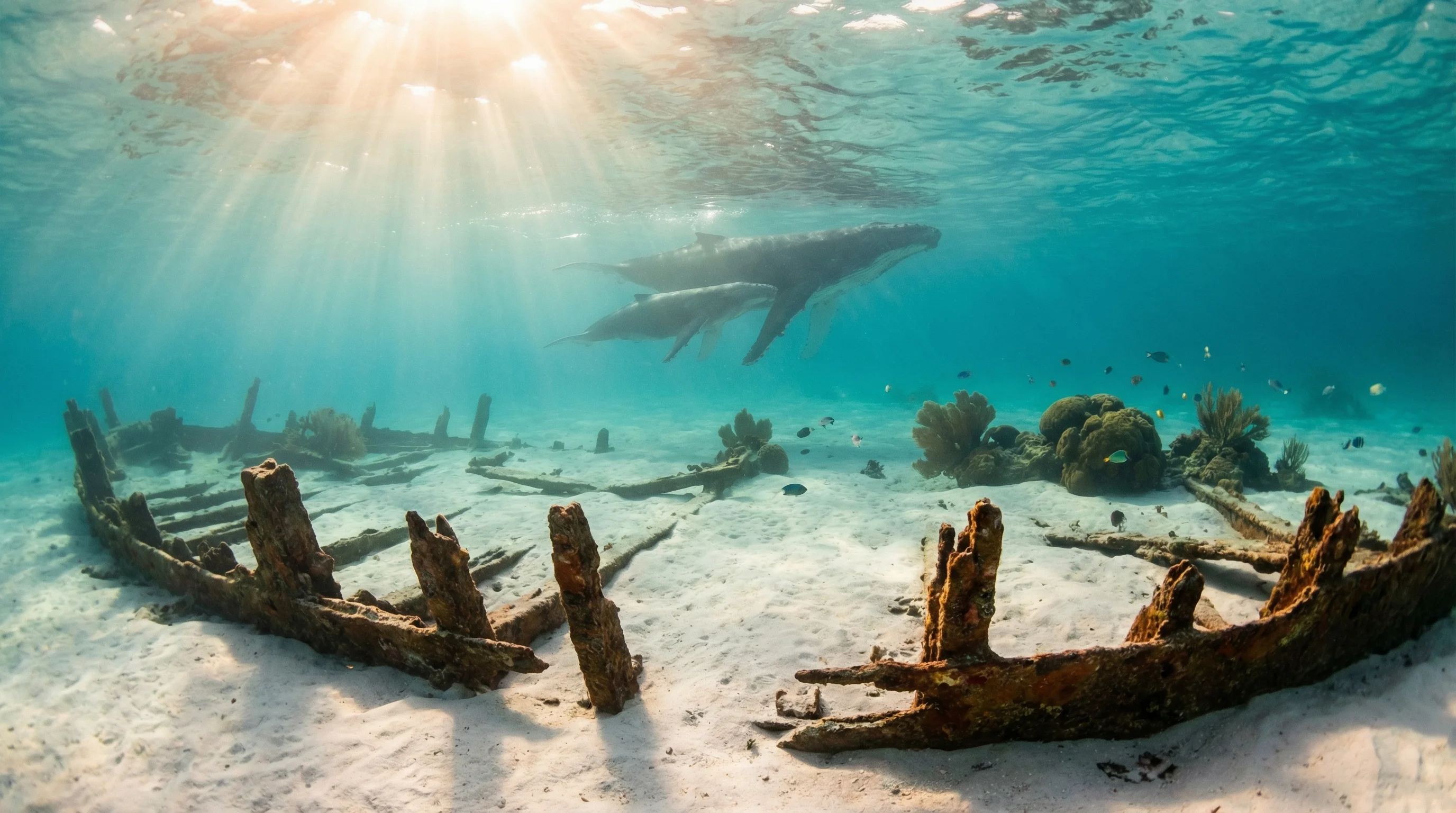
Visit between March and November for the most settled conditions, and plan your dive around slack tide to avoid the moderate current picking up. If humpback whales are on your list, aim for the cooler winter months between July and September.
Access is via private boat or a commercial tour operator departing from Keppel Bay Marina in Yeppoon. The ferry journey to the main island (Great Keppel) takes approximately 30 minutes, followed by a shorter boat ride to Irving Island.
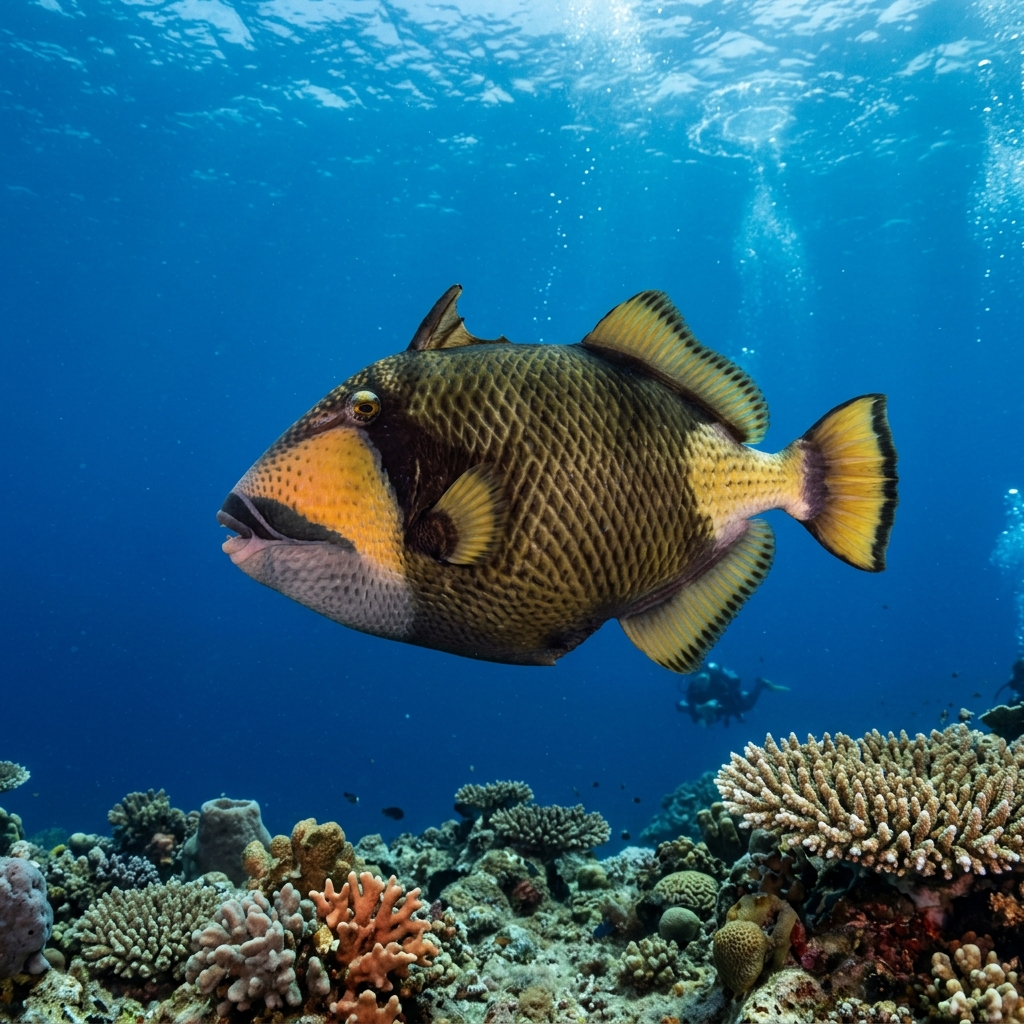
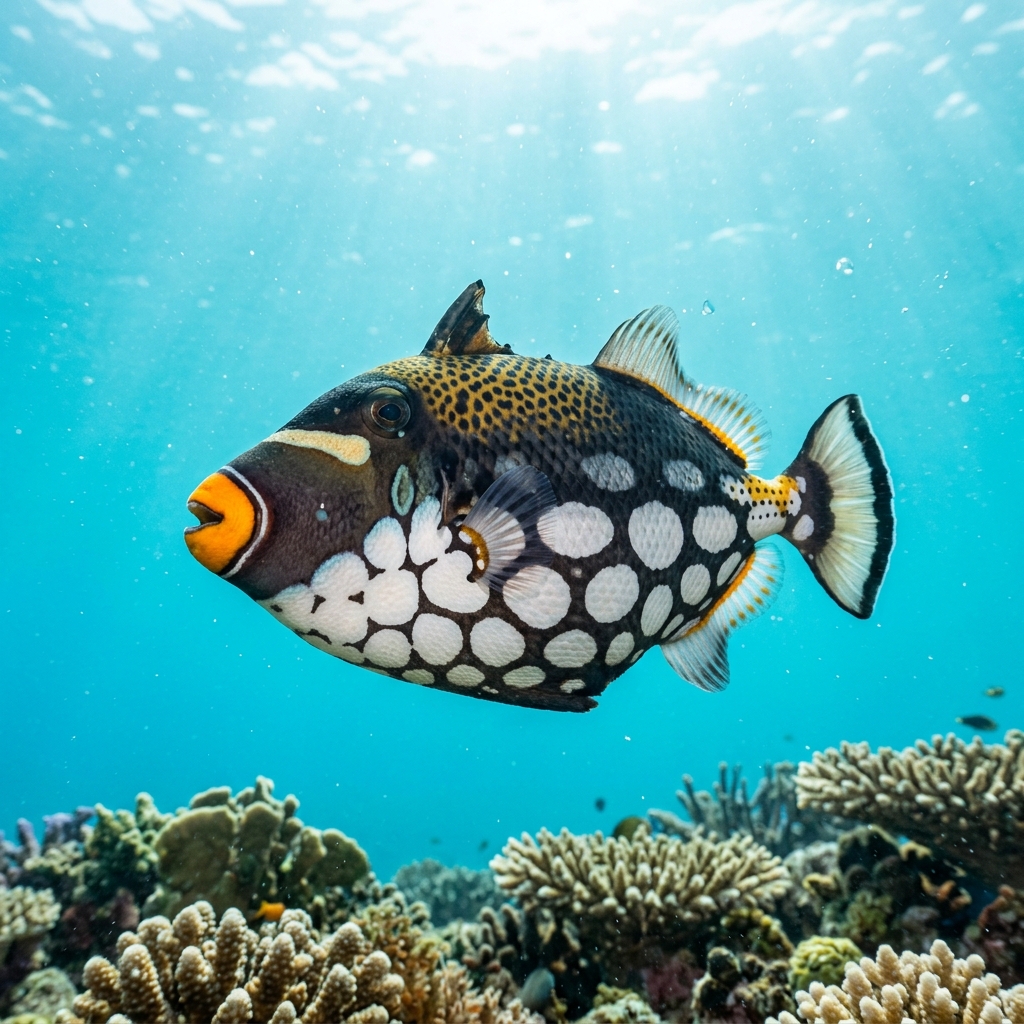
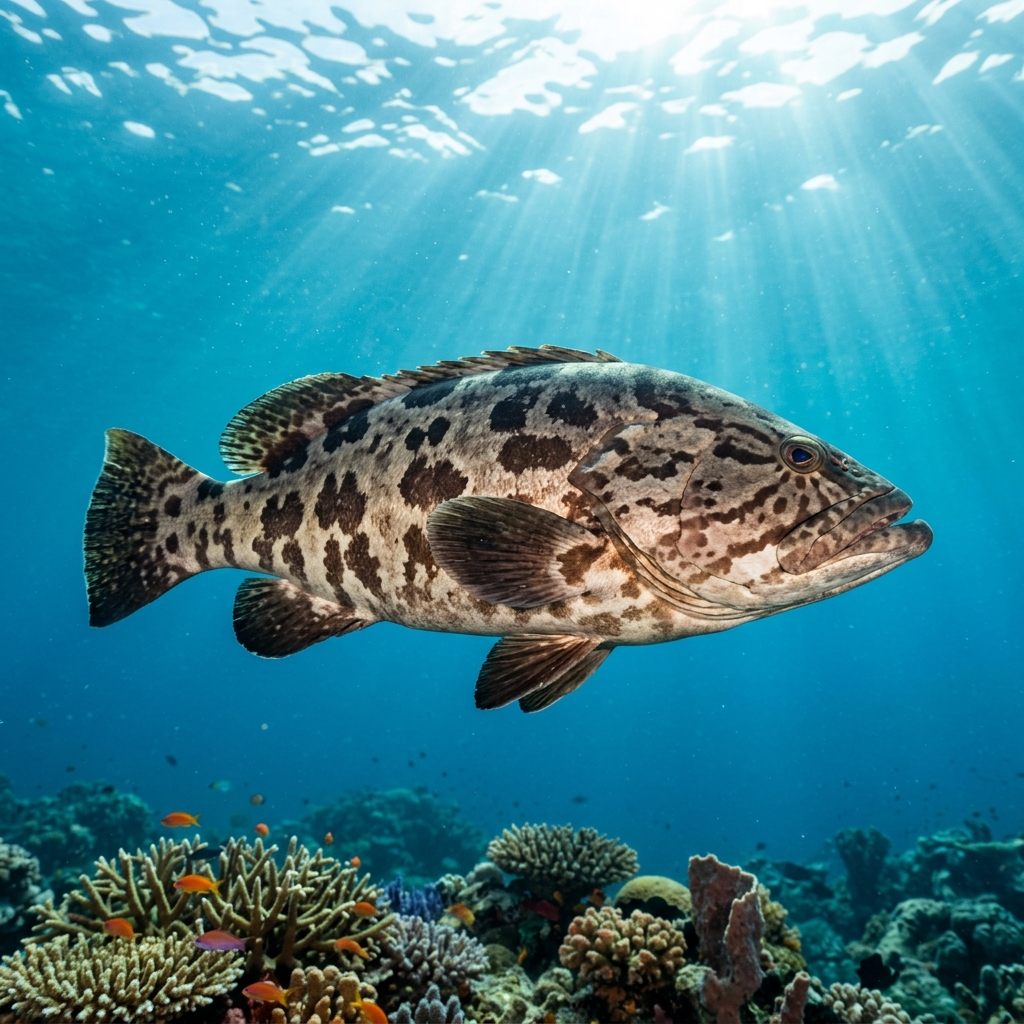
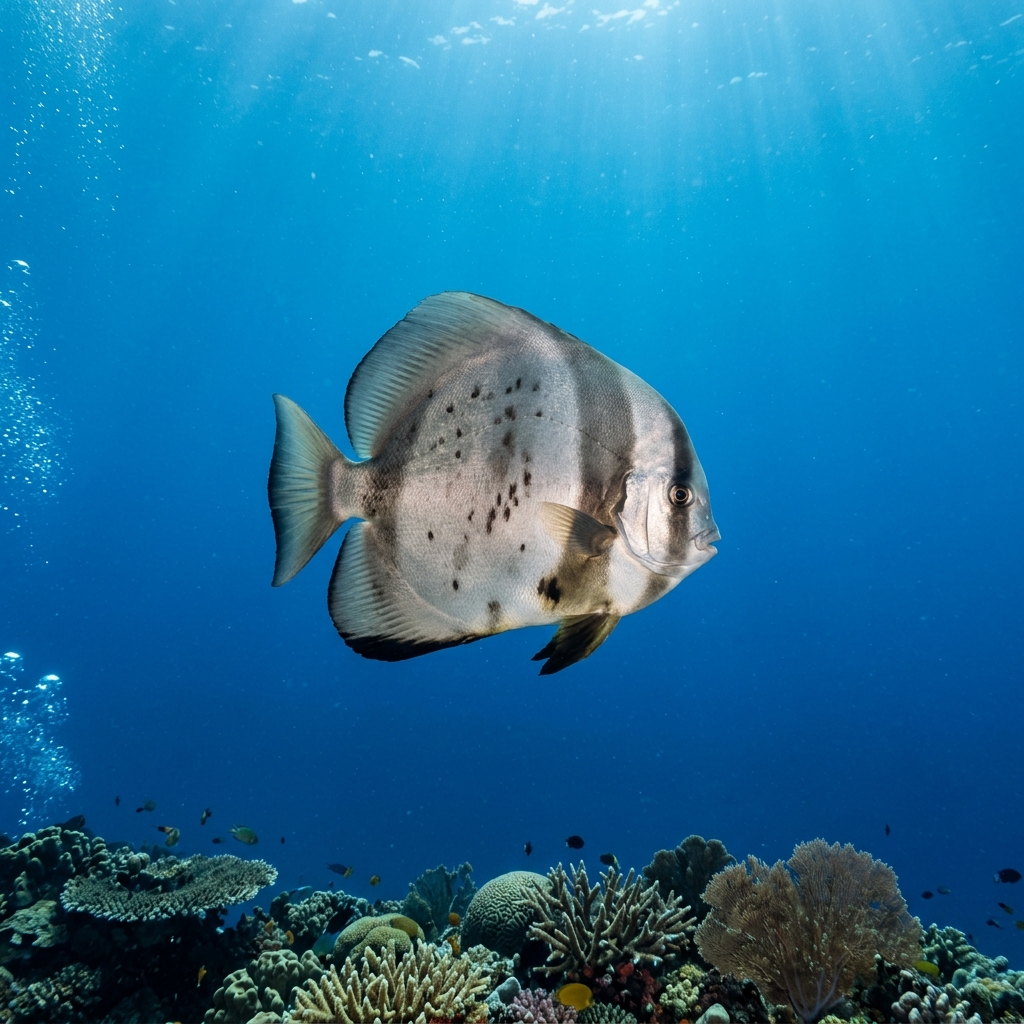
Expected in this region. No sightings logged here yet.
Depth
0m
Visibility
0m
Skill Level
Beginner
Entry
Boat
Water Temp
21-29°C
Current
Moderate
Typical Dive
45 min
Best Time
Mar, Apr, May, Jun, Jul, Aug, Sep, Oct, Nov
Yes, the site is considered suitable for beginners, though visitors must be aware of moderate currents and potential hazards.
Access to the site is by boat.
Yes, Irving Island is used for snorkelling, though it is rated 1/5 for this activity.
The best months for settled conditions are March through November.
Marine stingers, including Irukandji, can be present, especially from October to May. Wearing a full-body lycra suit is recommended for protection.
A 3mm wetsuit is recommended for diving at Irving Island in Central Queensland. Water temperatures range from 21°C to 29°C.
Expect moderate currents at Irving Island in Central Queensland. Good buoyancy control and some drift diving experience is helpful.