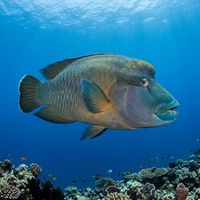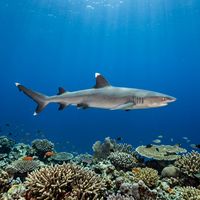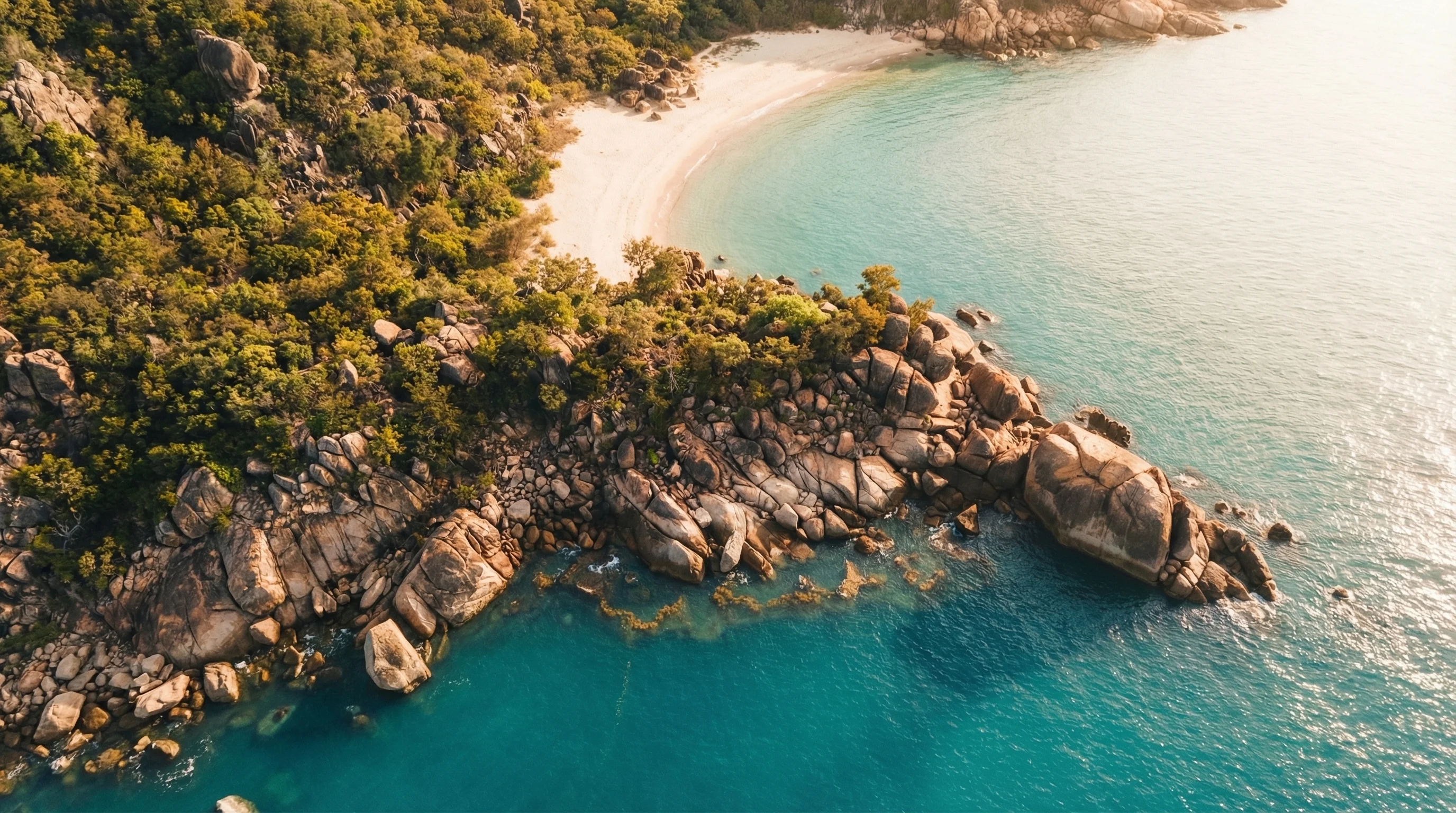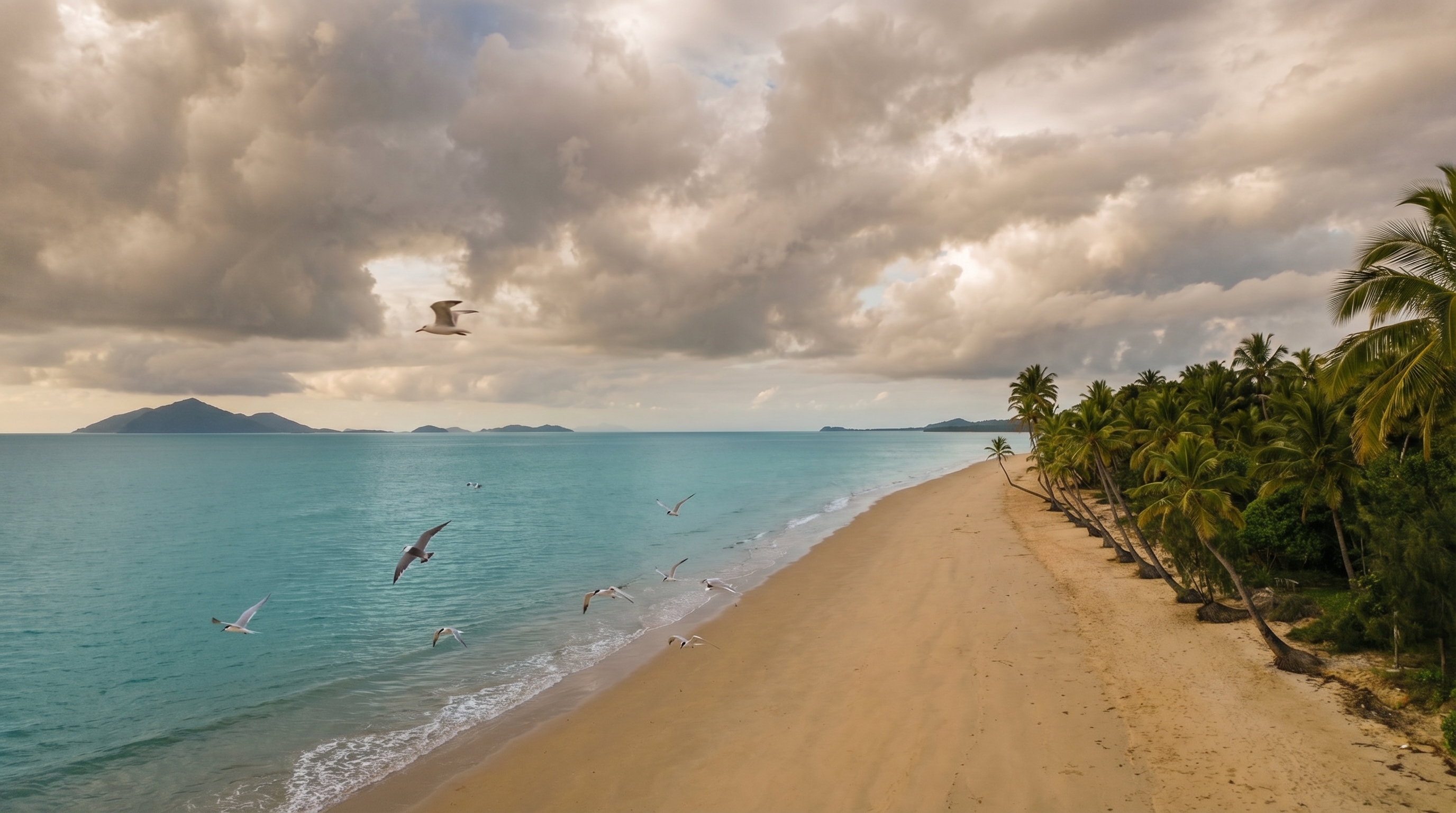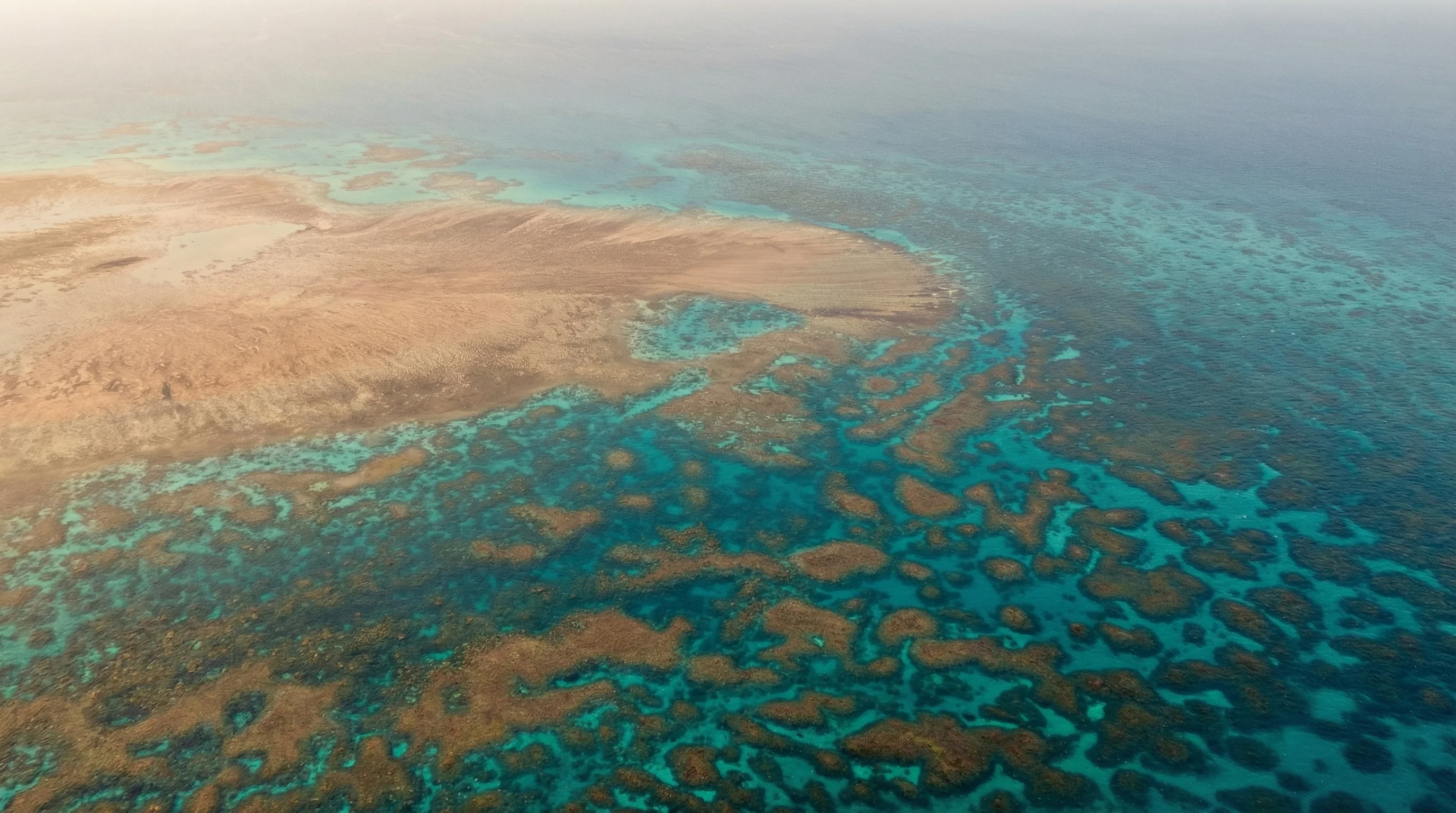
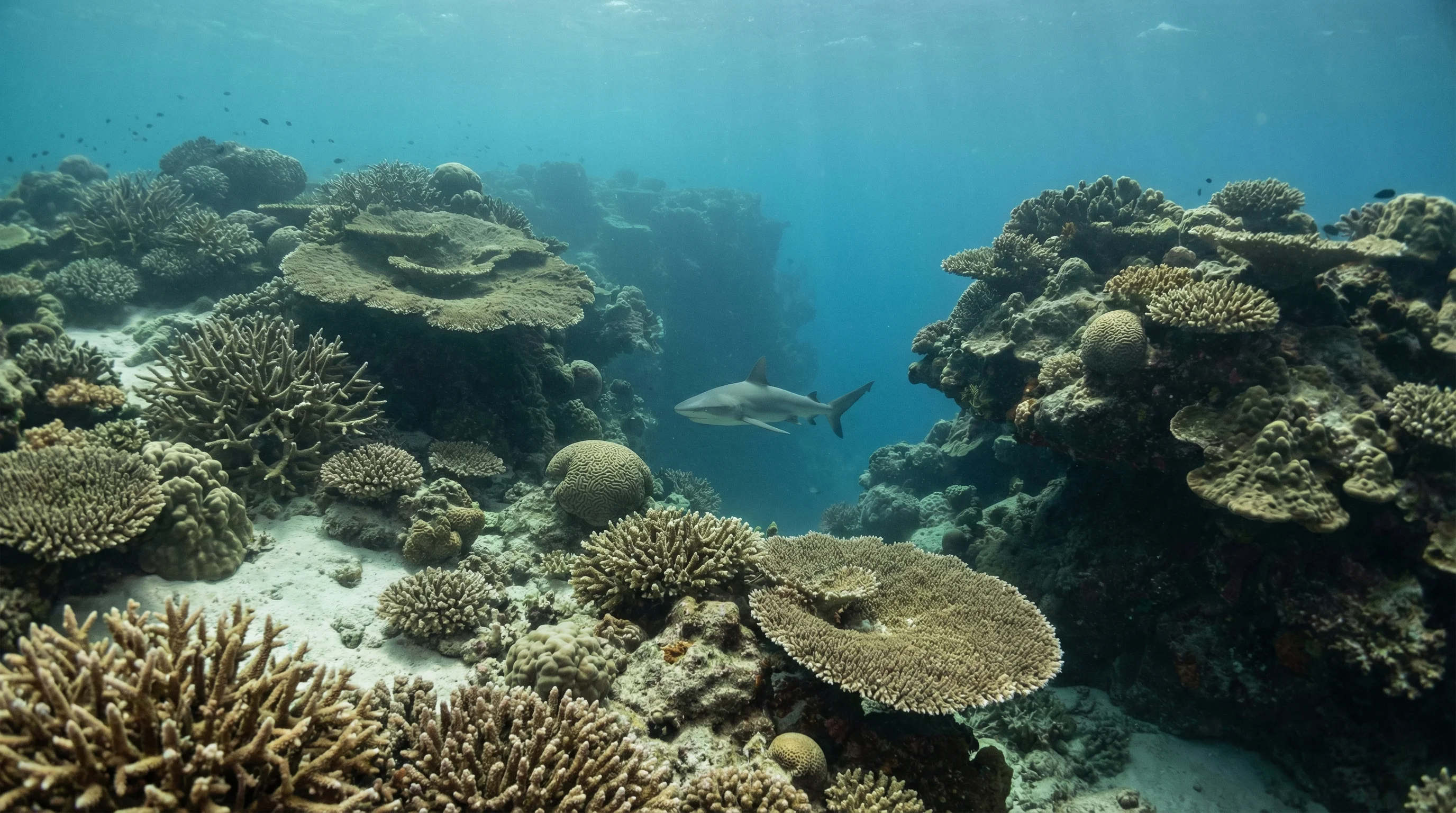
The Cairns Region spans five distinct sub-areas, from the sheltered sites close to Cairns itself out to the remote pinnacles of Lizard Island and the Ribbon Reefs. Reef diving dominates, with walls, bommies, and drop-offs spread across both the Cairns Outer Reefs and Port Douglas and Agincourt. Napoleon Wrasse, Whitetip Reef Shark, and Green Sea Turtle are regularly observed across the site mix. Most access is by boat, and conditions suit a wide range of skill levels, from gentle shallow reefs to deep drift dives.
5 areas
Monthly water temperature across Cairns Region's sites, from satellite sea-surface data corrected for depth. The band shows the site-to-site spread.
Water is warmest from December through March and cools to its lowest in August, making the cooler mid-year months a popular window for diving when visibility is at its best and the best-months data shows peak activity from May through October. Conditions vary between sheltered inner sites and more exposed outer reef locations, where currents can run stronger. Divers planning liveaboard trips to the Ribbon Reefs should account for the remoteness of those northern sites.
52 operators



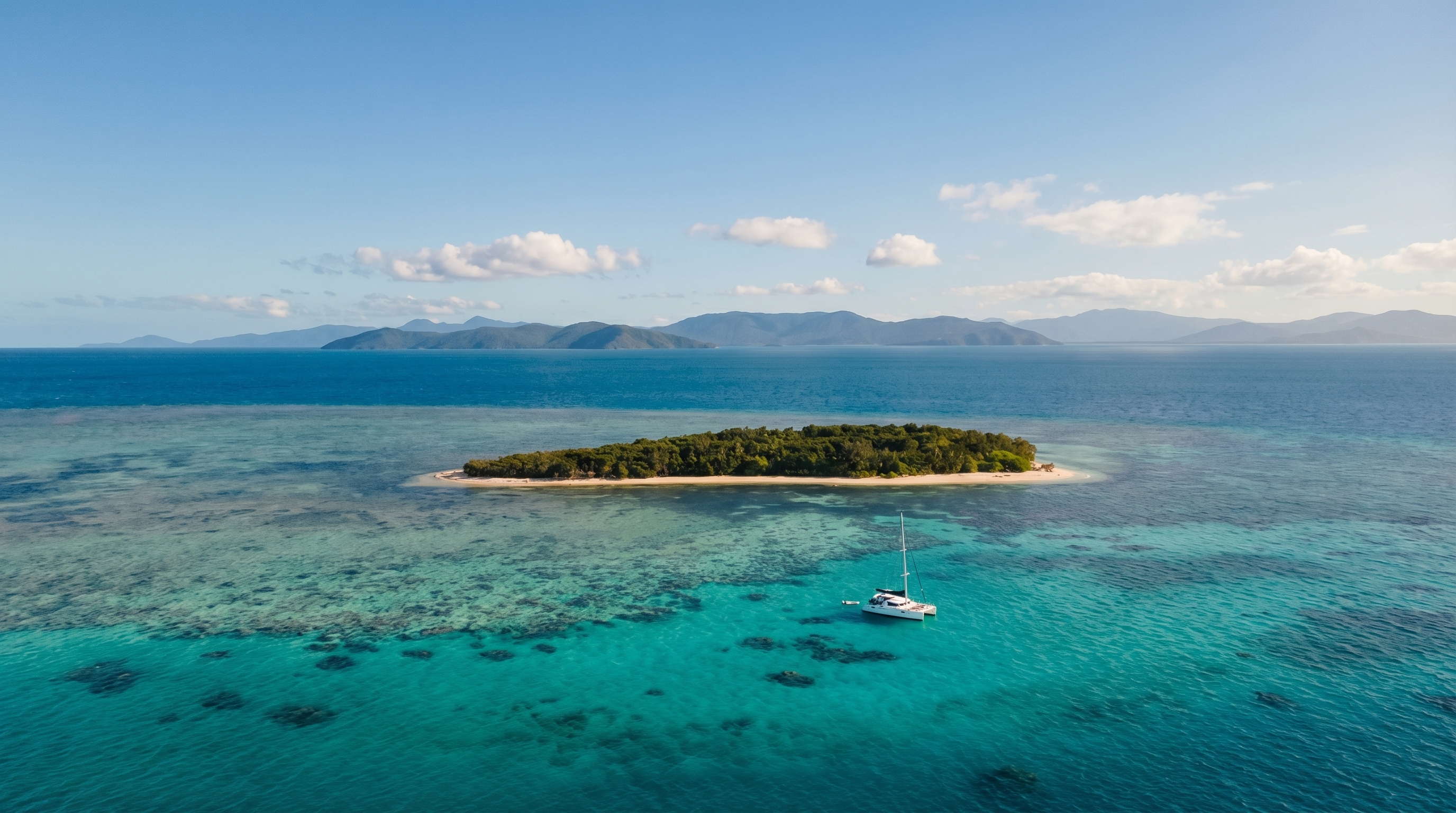
Cairns, Australia
Cairns, Australia
Australia
112 more sites to explore
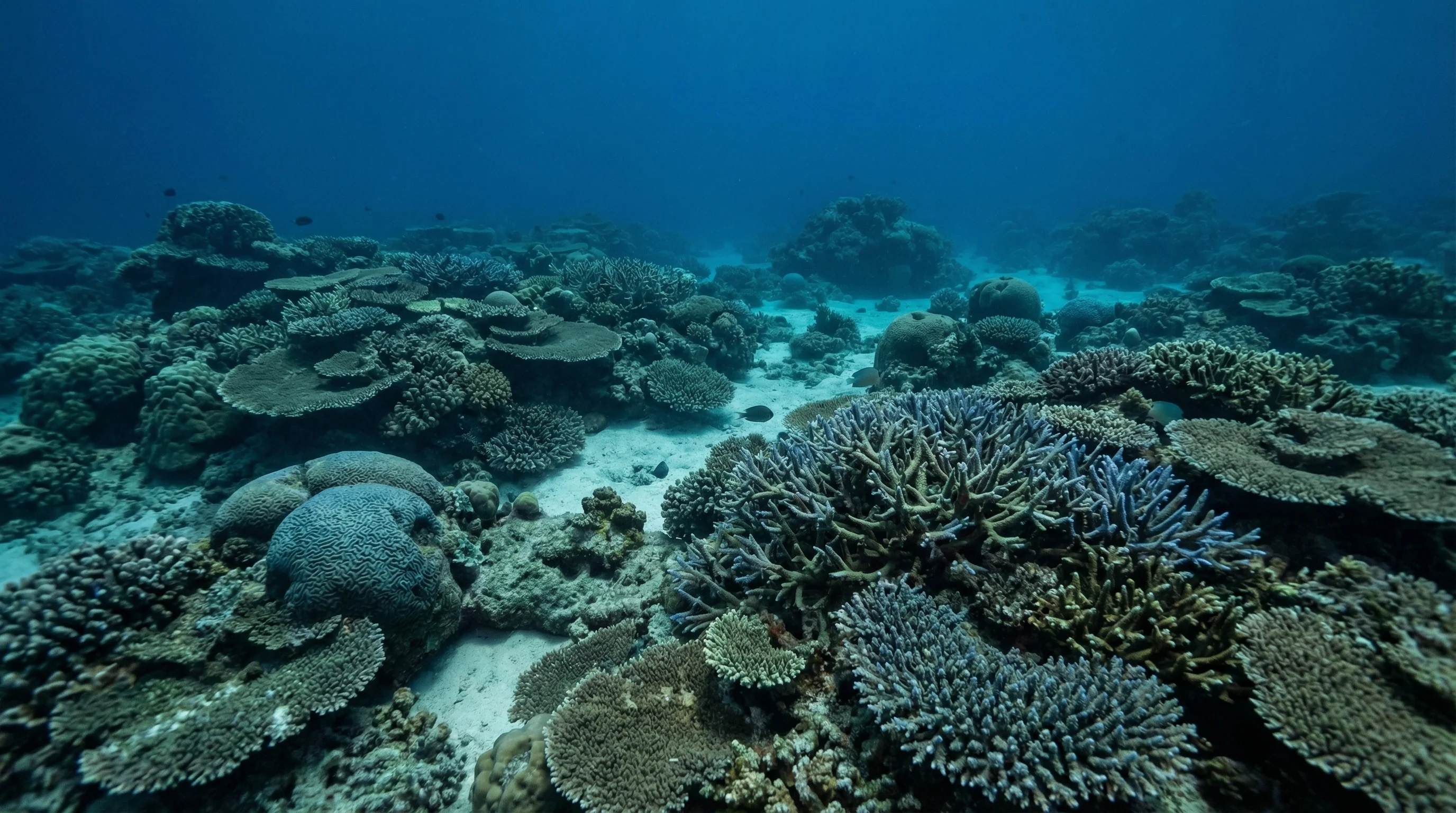
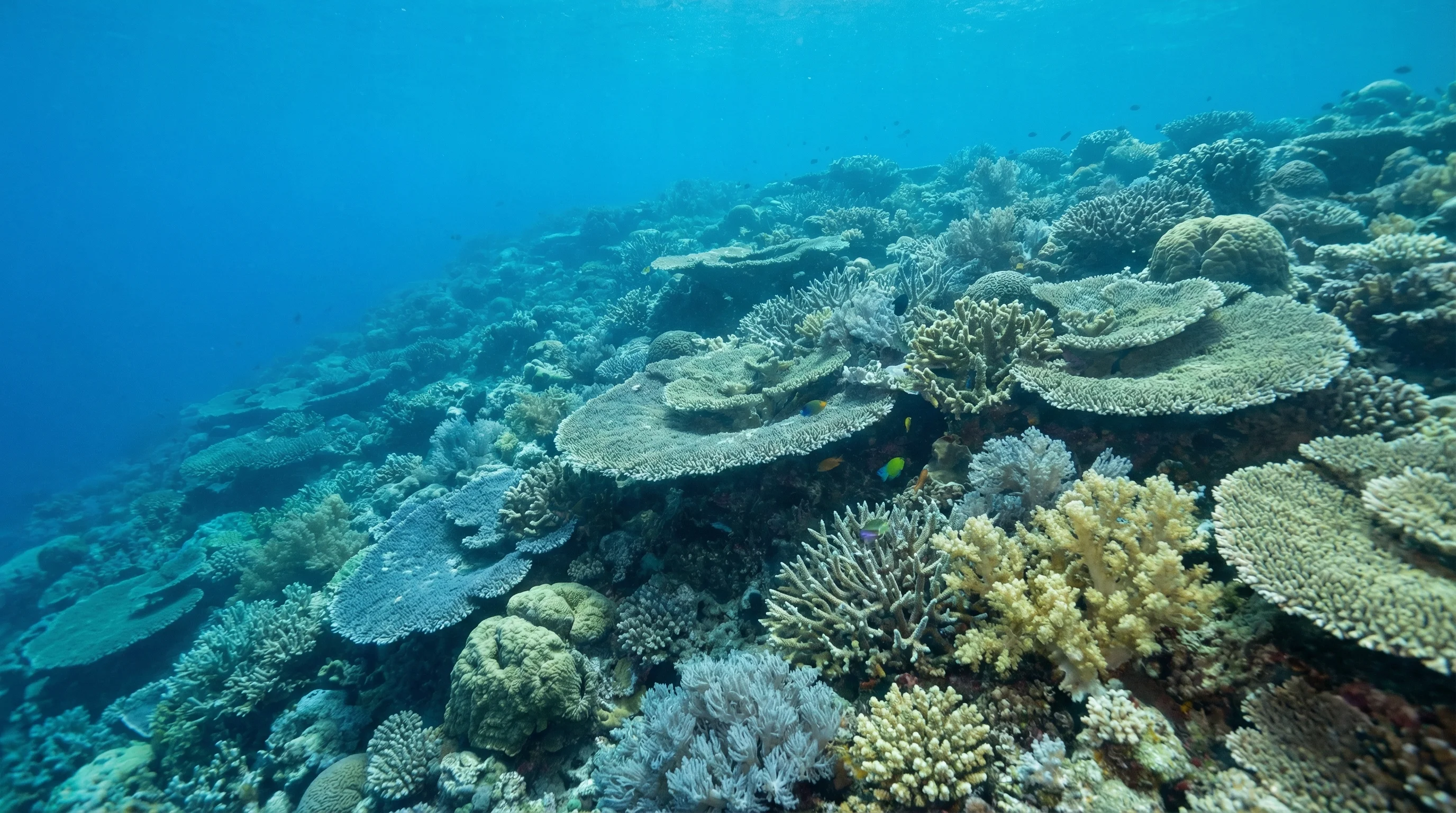
Boat-access outer reef diving with Napoleon Wrasse, Whitetip Reef Shark and walls dropping through vivid coral gardens.
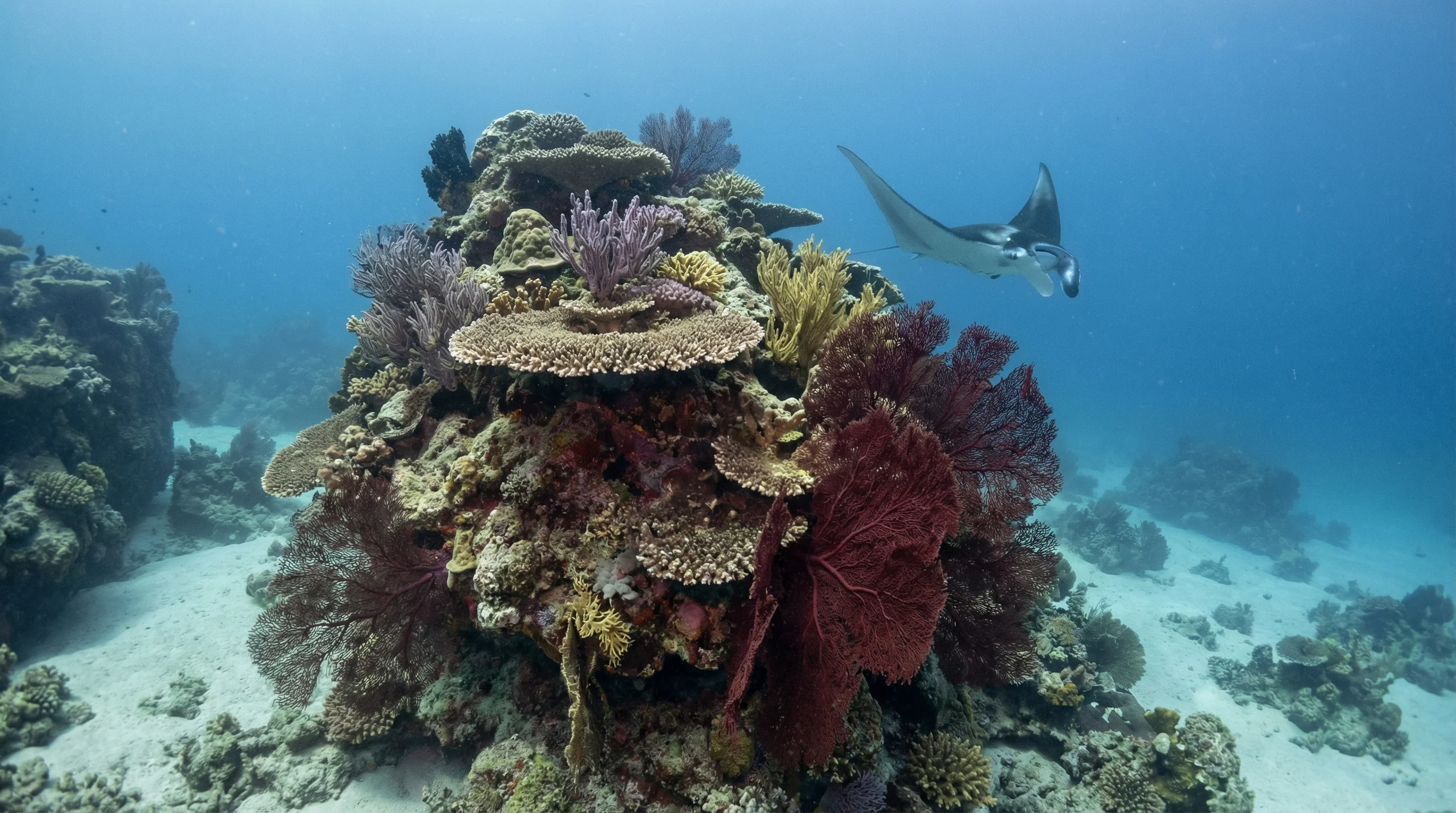
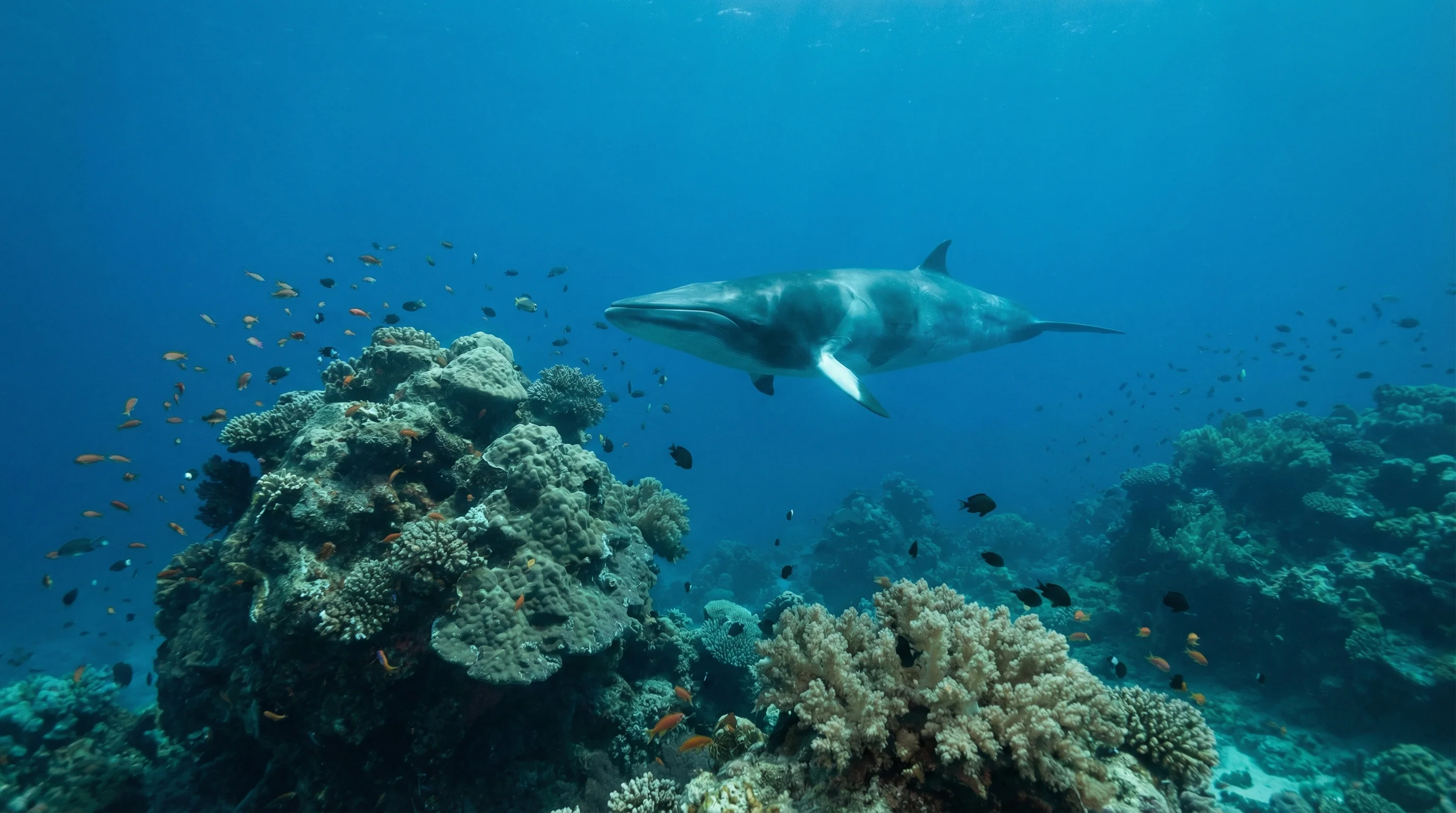
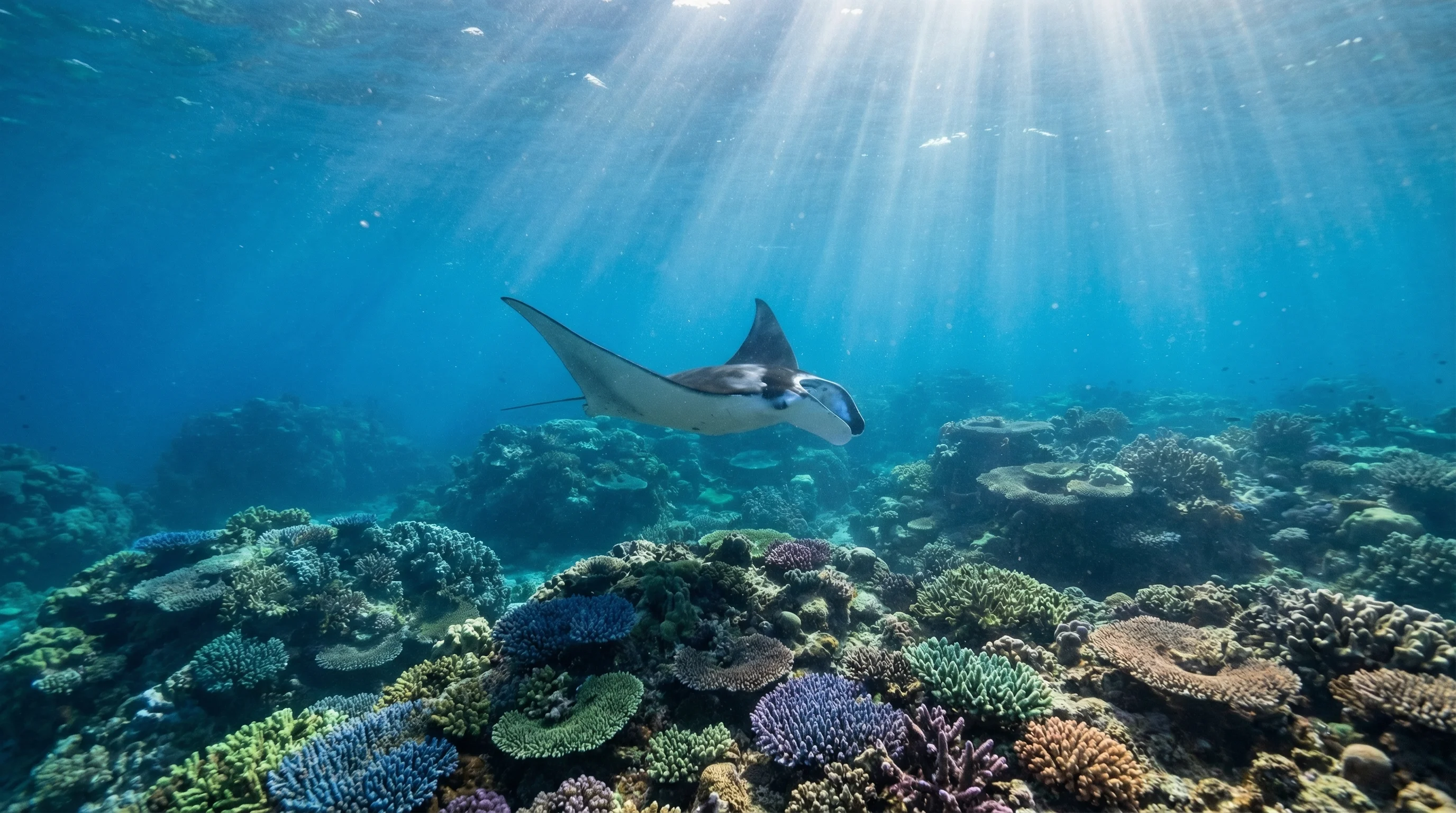
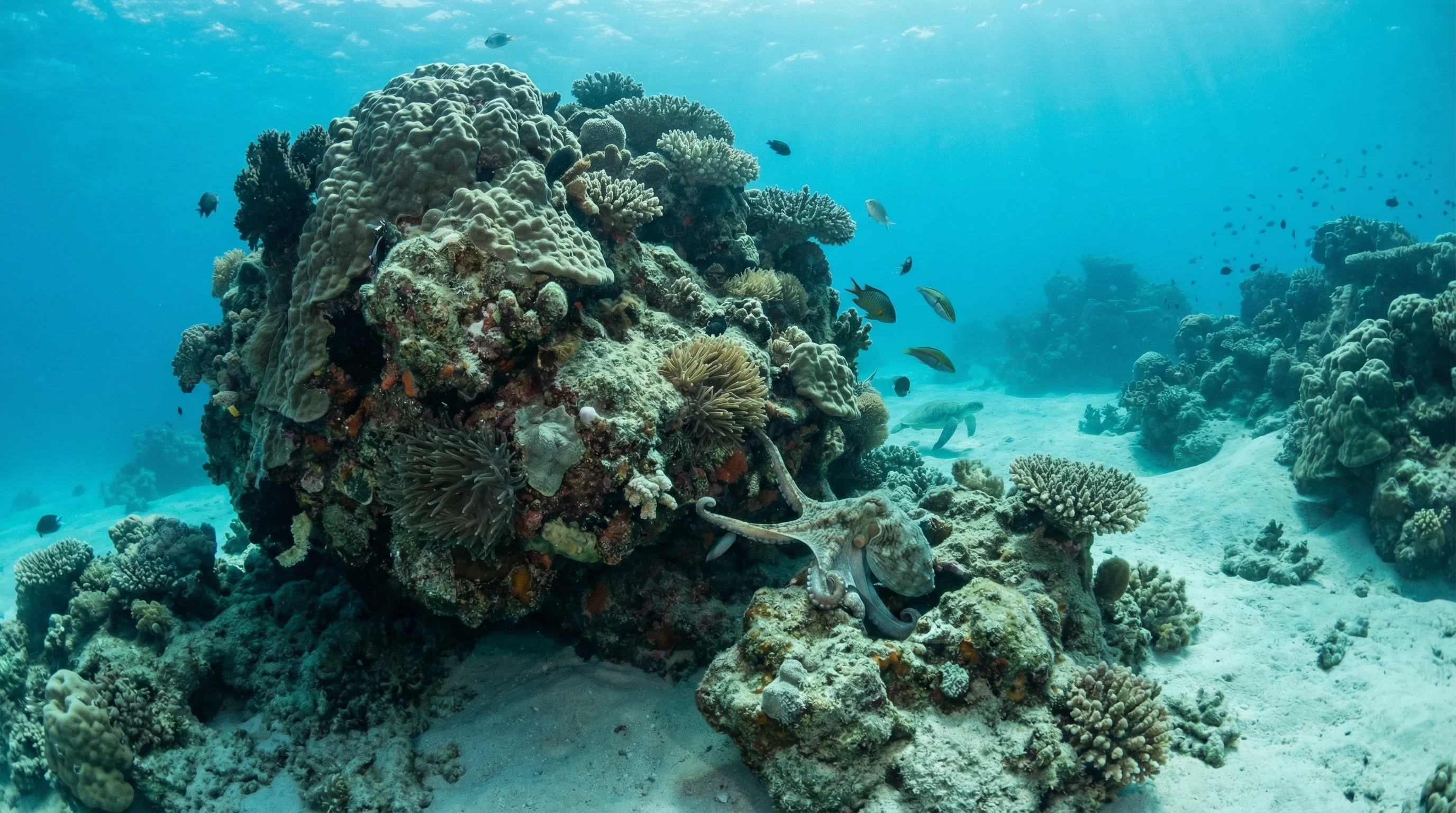
Water temperature around Cairns Region ranges from about 24°C in August to 29°C in February, based on satellite sea-temperature data for its dive sites.
In the warm season (about 29°C) a rash guard or 3mm shorty is comfortable in Cairns Region; in the coldest months (about 24°C) step up to a 3mm full suit.
Fin maps 124 sites in Cairns Region (118 scuba diving sites and 49 snorkelling spots, with some suited to both), organised into 5 areas.
Across Cairns Region's dive sites, May, June, July, August, September and October are most often reported as the best months to visit.
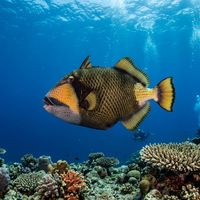
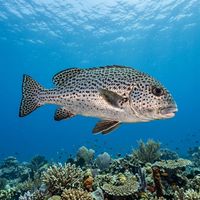
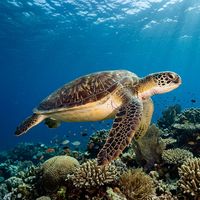
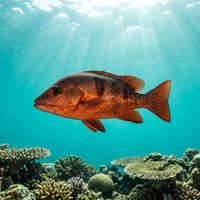
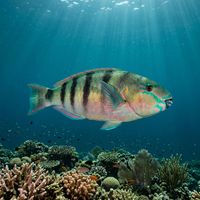
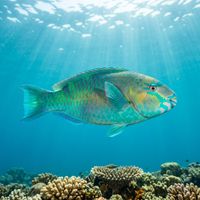
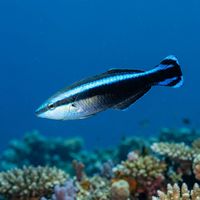
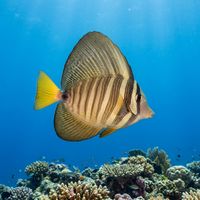
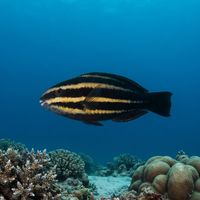
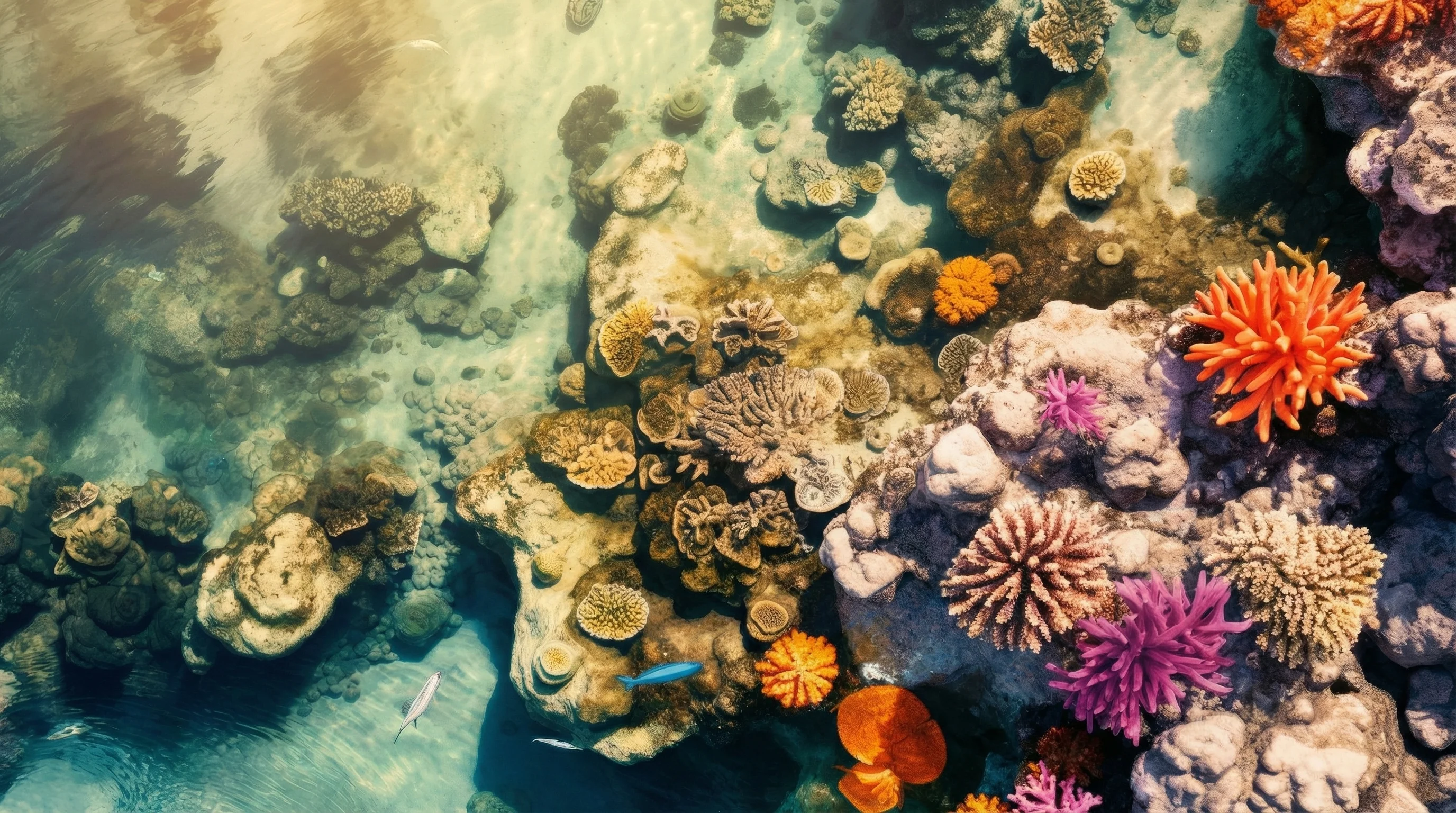
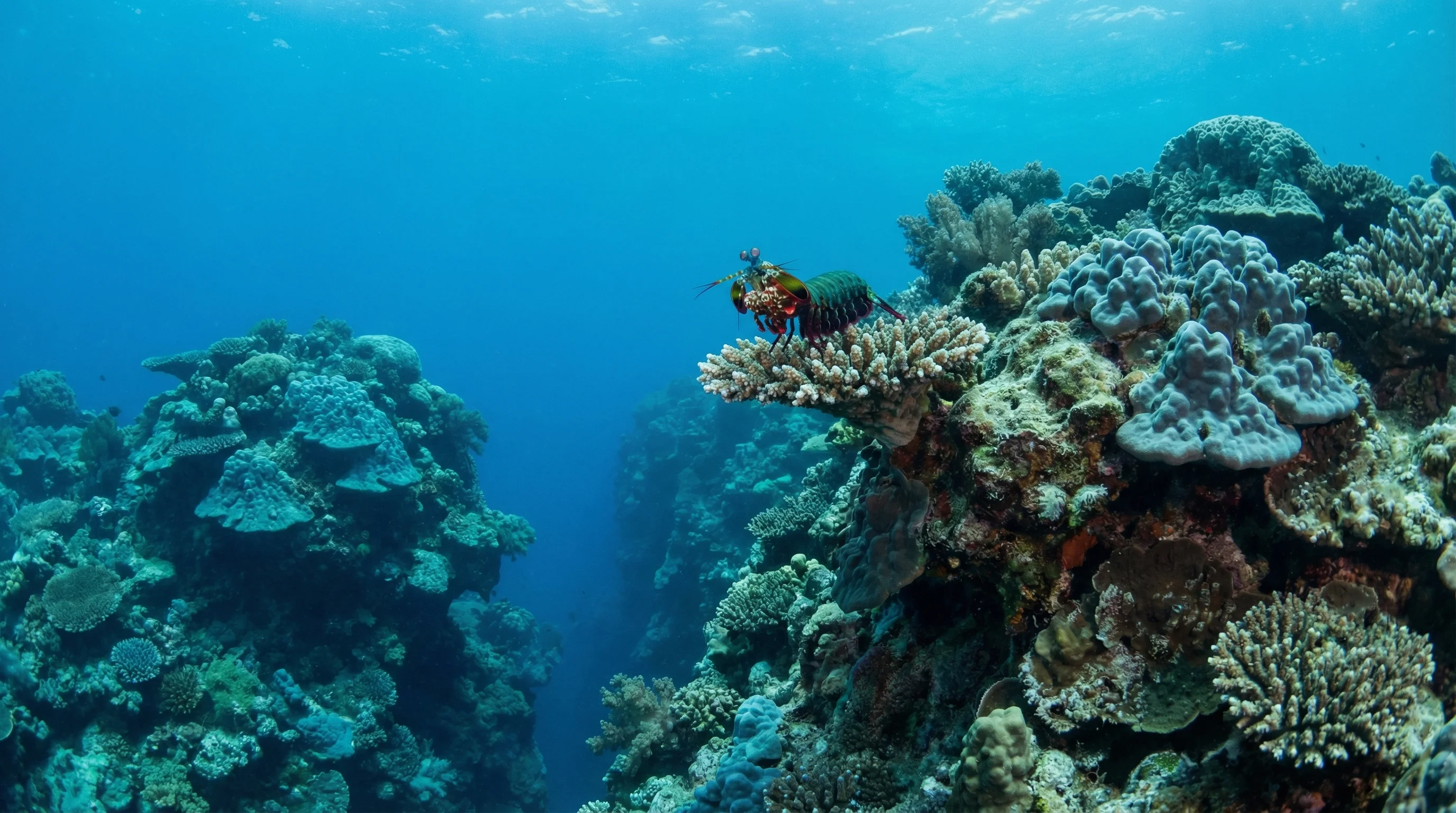
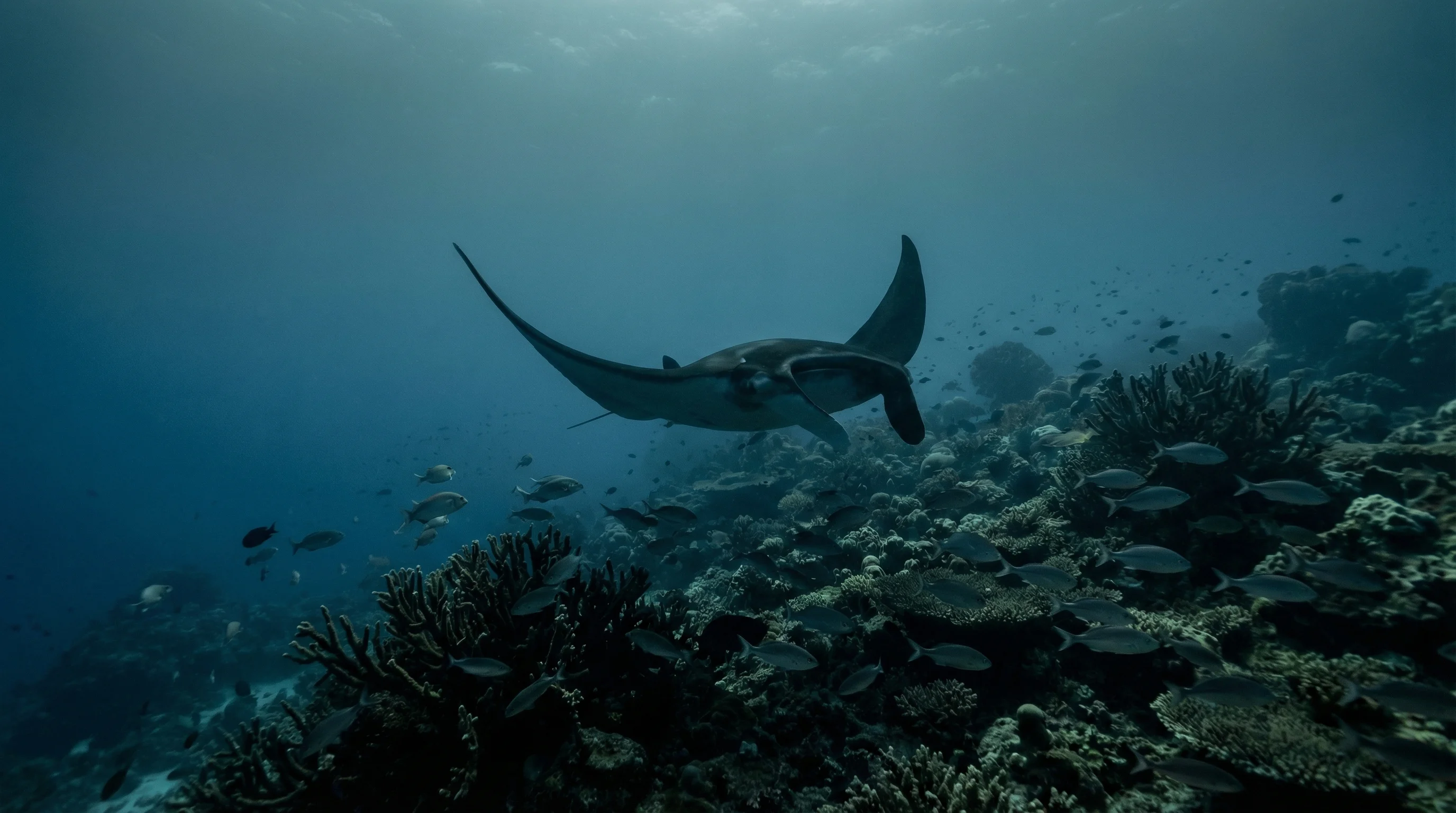
The region has a broad range of observed species. Napoleon Wrasse and Red Bass are very commonly encountered, and Whitetip Reef Shark and Grey Reef Shark are regular sightings across the outer reefs. Green Sea Turtle, Titan Triggerfish, Harlequin Sweetlips, and a variety of parrotfish and wrasse round out what divers typically see.
A good proportion of the sites are rated for beginner skill levels, including Turtle Bommie, Opal Reef, and the shallow reef at Nudey Beach. Many of these are boat-accessed outer reef sites with gentle currents and modest depths. Intermediate sites such as The Cod Hole and Temple of Doom on the Ribbon Reefs are better suited to divers with more experience.
The Cairns Outer Reefs and Port Douglas and Agincourt areas hold the largest number of sites and offer the most variety of reef topography close to the main departure ports. Lizard Island and the Ribbon Reefs are more remote, with sites like Steve's Bommie and The Cod Hole drawing divers looking for deeper pinnacles and drift conditions. Mission Beach and Family Islands is the smallest sub-area and offers a quieter alternative to the busier northern reefs.
The vast majority of sites across the Cairns Region are boat-access only, reflecting how far most outer reef systems sit from the coast. Nudey Beach at Fitzroy Island is a notable exception, with direct shore entry available. Operators including Tusa Dive, Divers Den, Pro Dive Cairns, and Mike Ball Dive Expeditions run day and liveaboard trips to the full range of sites.