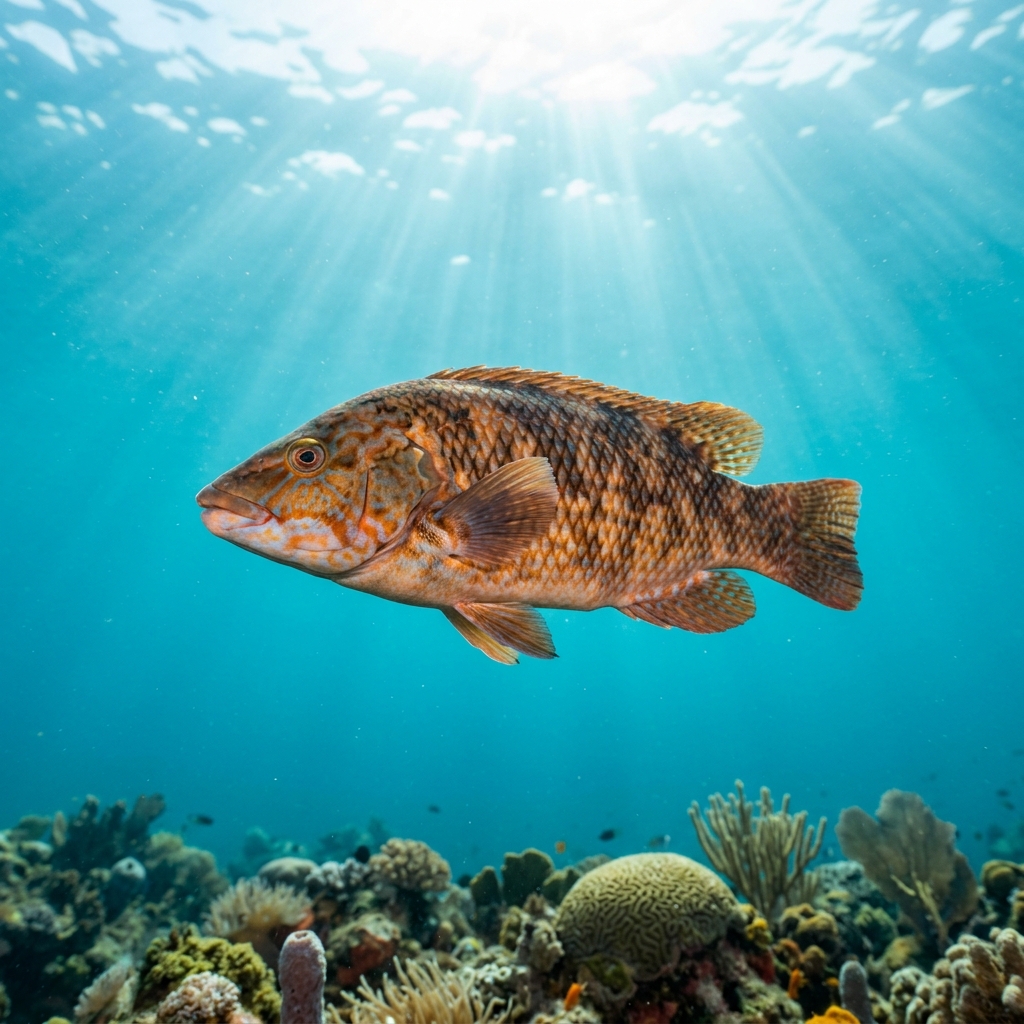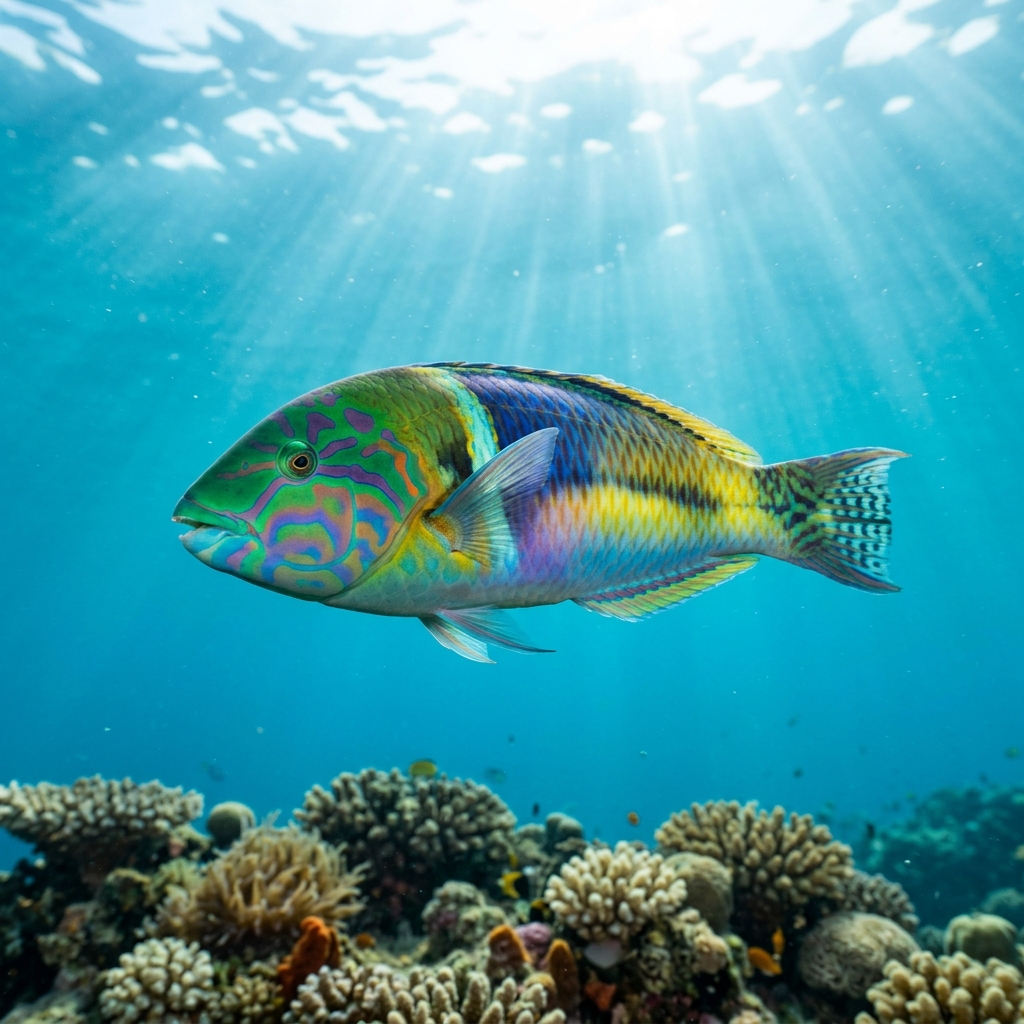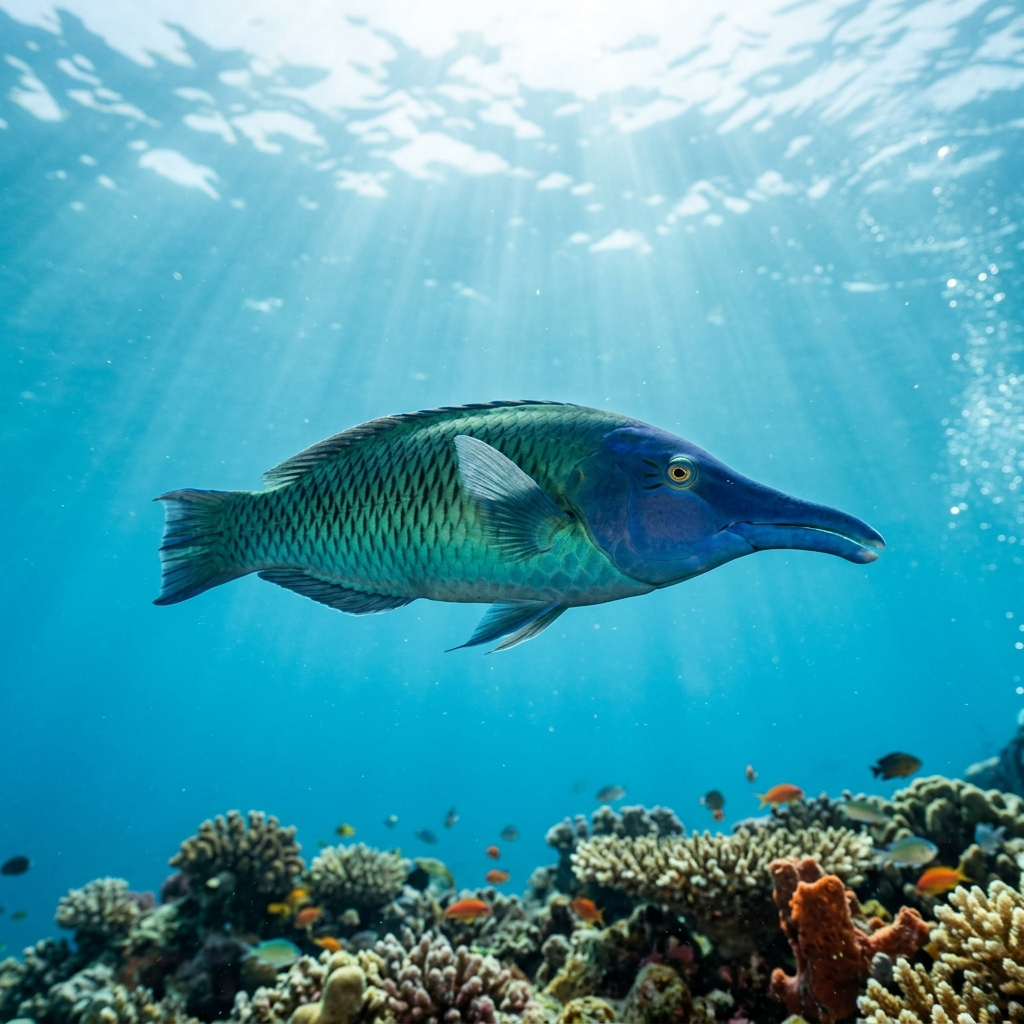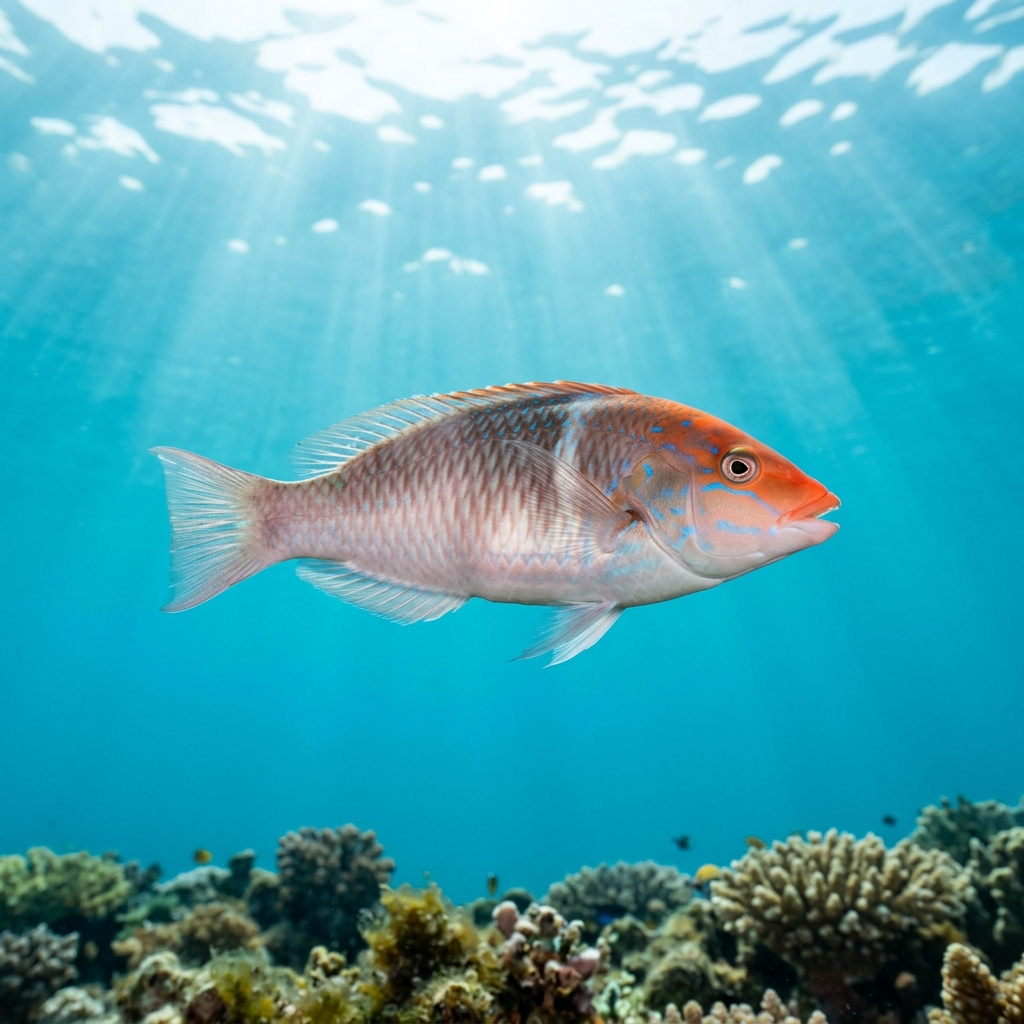
Labroides dimidiatus
Spot bluestreak cleaner wrasse on reefs from the Philippines to the Maldives. Present year-round in 24-29°C water. Here's where divers log it most.
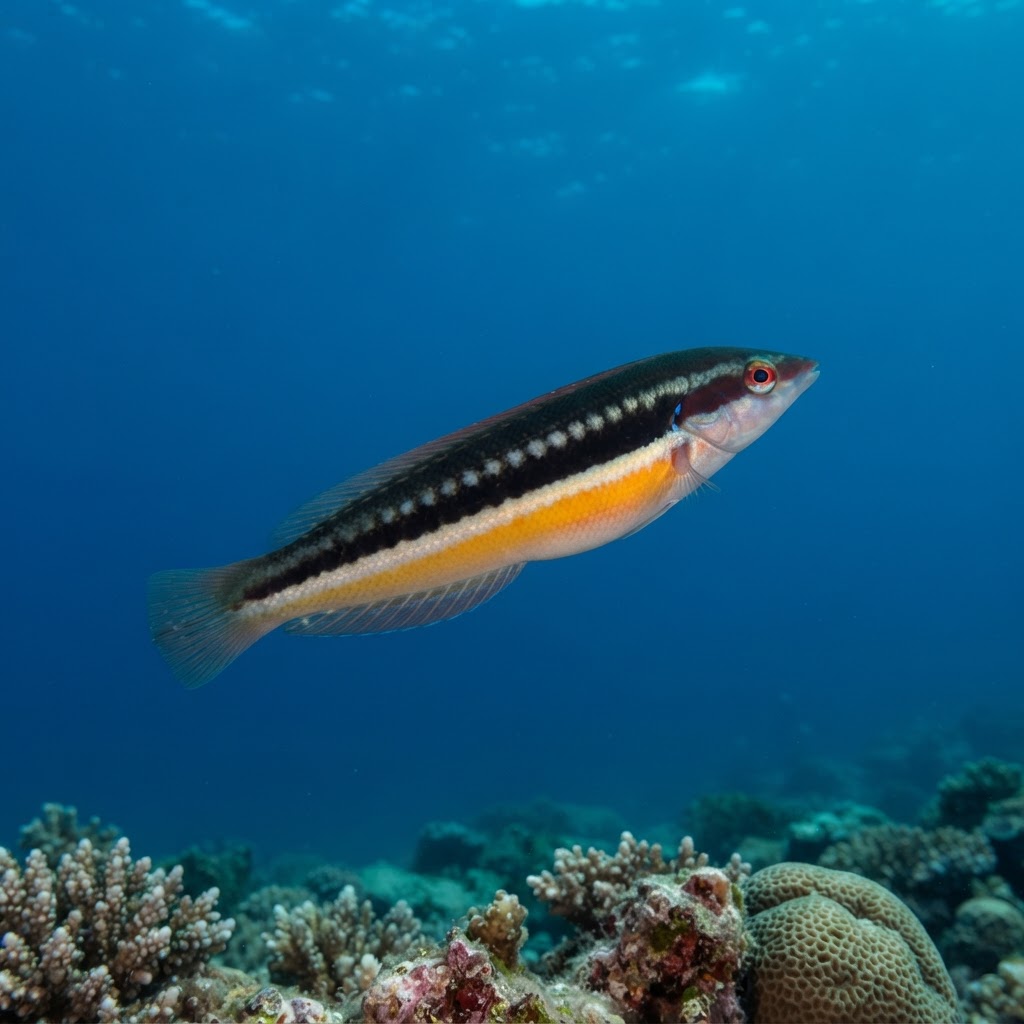
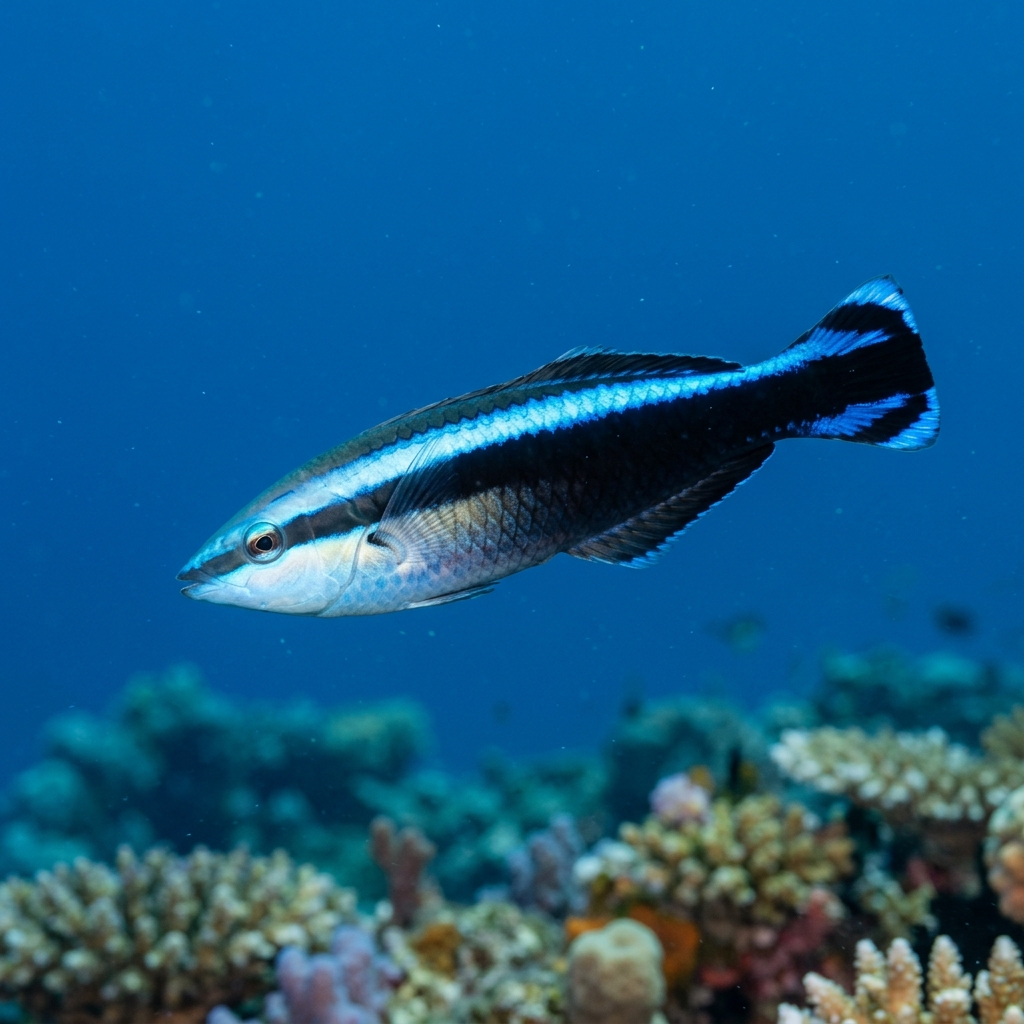
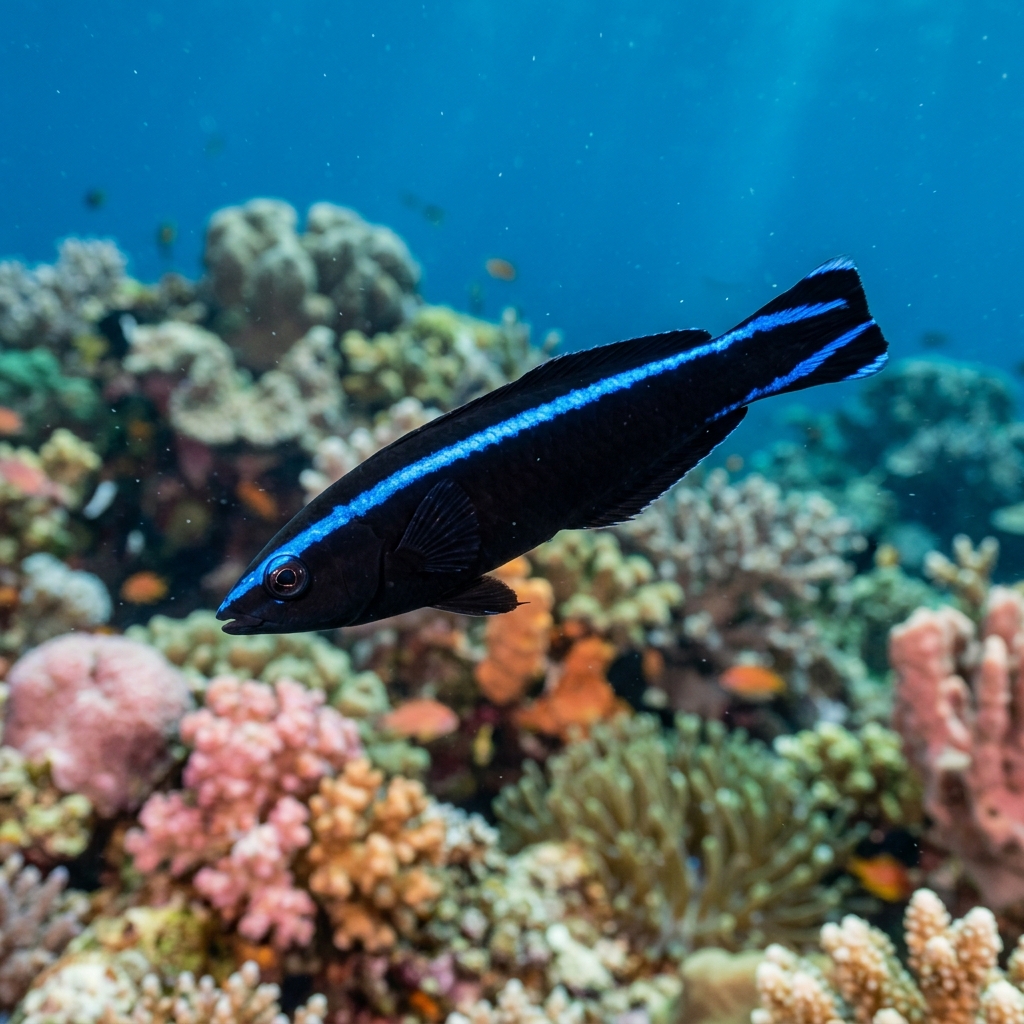
A slender, finger-length fish with a pale cream or white underside and a bold black stripe running from snout to tail, edged above by a vivid blue line that gives the species its name. At around 9 cm it is easy to overlook until you spot it hovering at a cleaning station, often in open water just above coral. Juveniles are jet black with a single bright blue stripe and look strikingly different from the paler adults.
At cleaning stations, fixed spots on the reef where fish queue to be groomed, cleaner wrasse dart and hover with a distinctive undulating, almost dance-like swimming motion that signals their role to passing clients. They are largely unbothered by divers and will often continue working through an approach; some individuals will even swim over to investigate you, though the chance of receiving a free grooming is slim. Watch carefully and you may also catch territorial disputes with rival cleaner wrasse defending their patch.
Each cleaning station can service dozens of client fish per hour, including large predators that would normally eat a fish this size. The cleaner wrasse's conspicuous colours and choreographed display appear to function as a signal of safe passage, a rare example of interspecies trust built entirely on reliable service.
Present year-round on tropical reefs throughout the Northern Hemisphere, where its preferred water temperature of 24 to 29°C is consistently available. In the Southern Hemisphere, sightings are concentrated from March through January, with a brief dip around February.
Most commonly logged across the Philippines, Indonesia, and the Maldives, with the Visayas and Bali among the top regions for sightings. Strong populations are also recorded in Malaysia's Perhentian and Redang islands, throughout Thailand's Andaman Sea sites, and across Queensland's reefs in Australia. Egypt's Red Sea sites round out the global picture, making this one of the most widely distributed reef fish a diver will encounter.
Mapping where Bluestreak Cleaner Wrasse is logged…
They are logged across a wide spread of Indo-Pacific destinations. The Philippines, Indonesia, and the Maldives produce the most sightings, with standout regions including the Visayas, Bali, and the Male and Ari Atolls. Malaysia, Thailand, Australia, and Egypt's Red Sea are also reliable.
In the Northern Hemisphere they are present year-round, because tropical reef temperatures stay within their preferred 24 to 29°C range throughout the year. In the Southern Hemisphere, sightings are strongest from March through January.
Look for a slender, roughly 9 cm fish with a pale body and a continuous black stripe edged in blue running from snout to tail. It is almost always seen hovering at a cleaning station rather than darting through the reef. Juveniles are jet black with a single bright blue stripe and look quite different from adults.
Adults typically reach around 9 cm in length, making them one of the smaller fish you will encounter on a reef dive. Their small size is part of what makes the cleaning station behaviour so striking.
They remove parasites, dead tissue, and debris from the skin, gills, and mouths of client fish, including large predators that would normally eat something this small. The wrasse signals its role with a rhythmic, bobbing swim, and clients often adopt a head-up or head-down posture to signal they want service. A busy station can host a steady queue of clients throughout the day.
Site and sighting data is aggregated from diver logs, iNaturalist and GBIF. For taxonomy and conservation status:
Cleaver Wrasse
2,700 sites