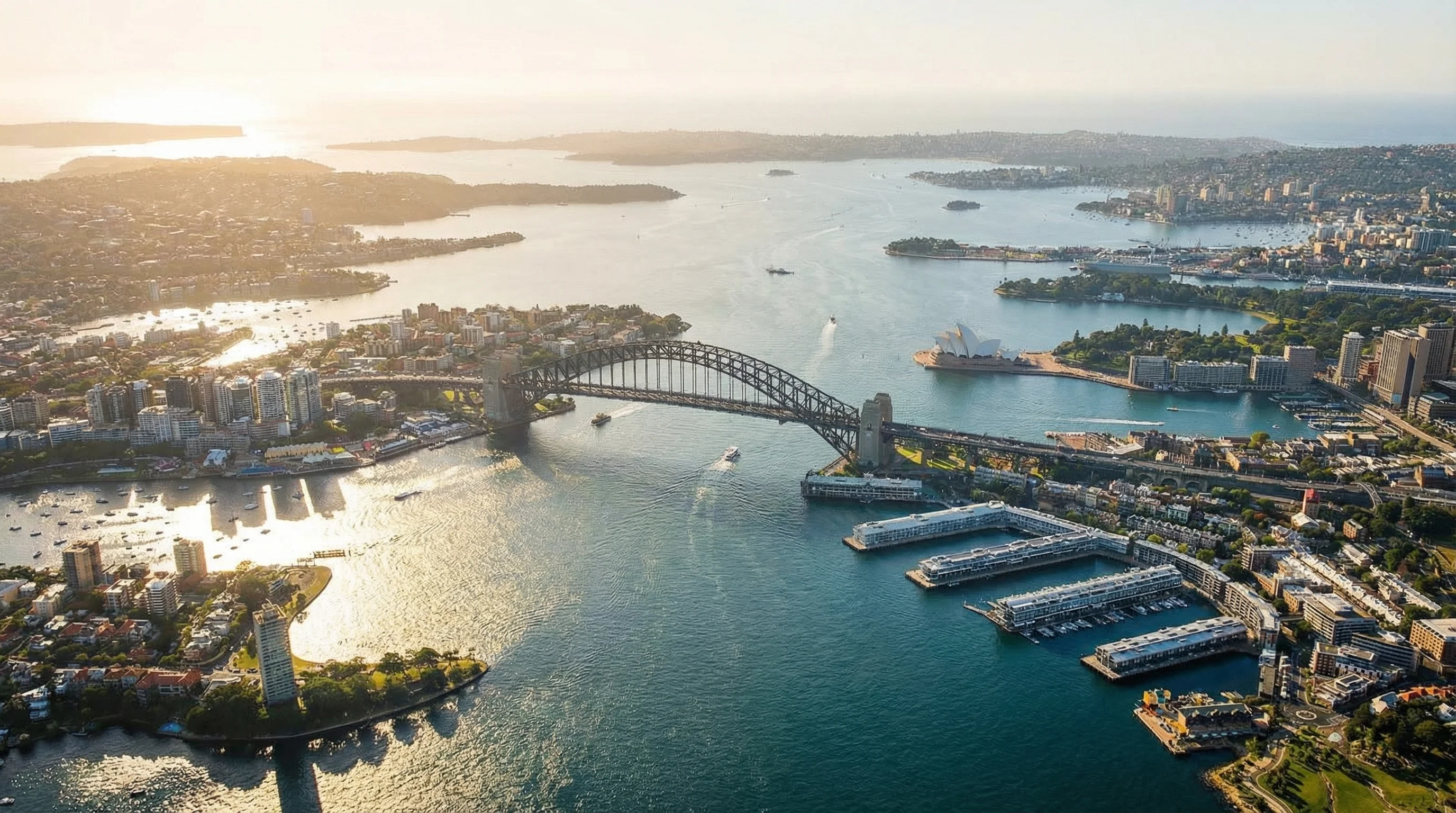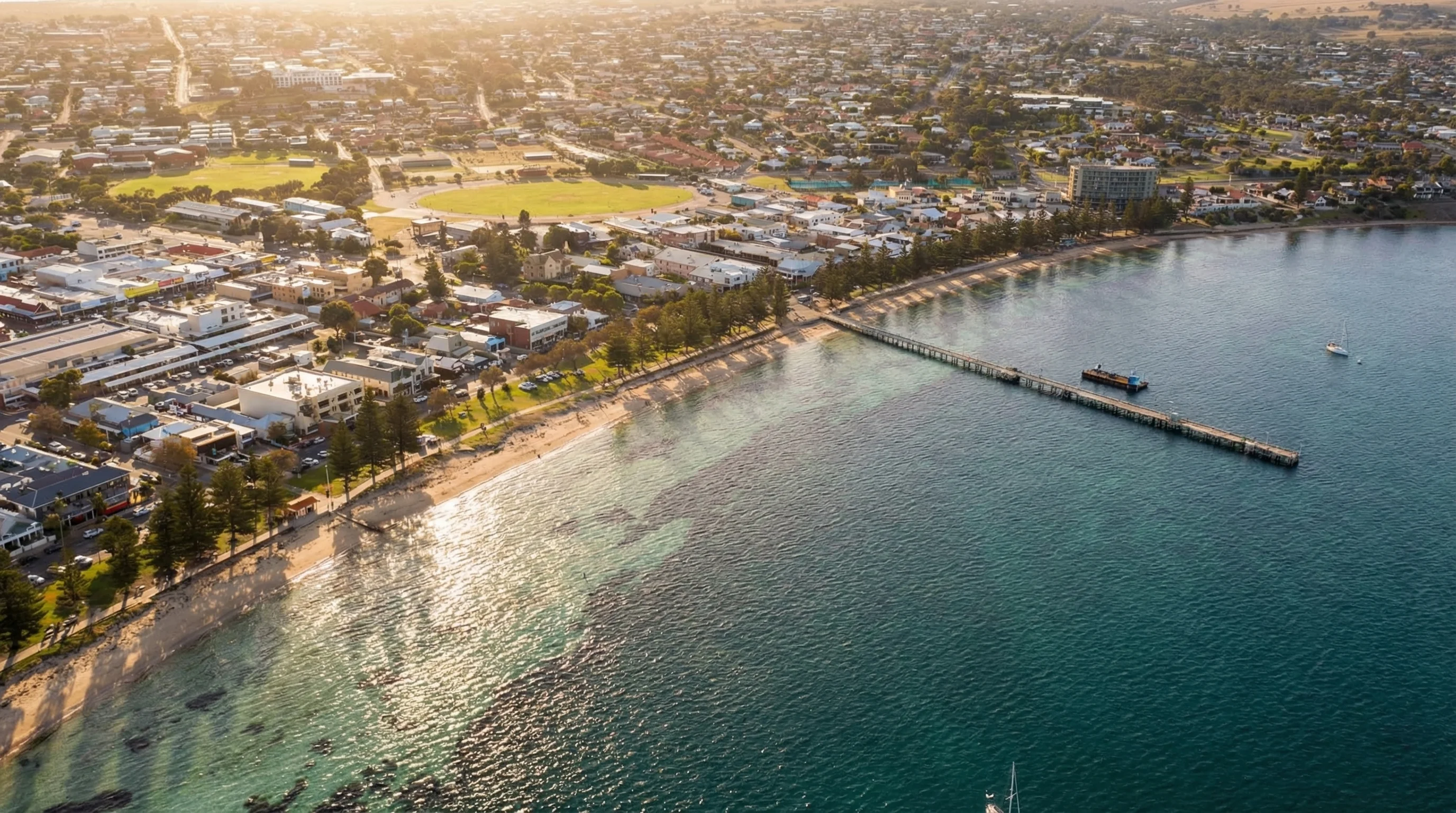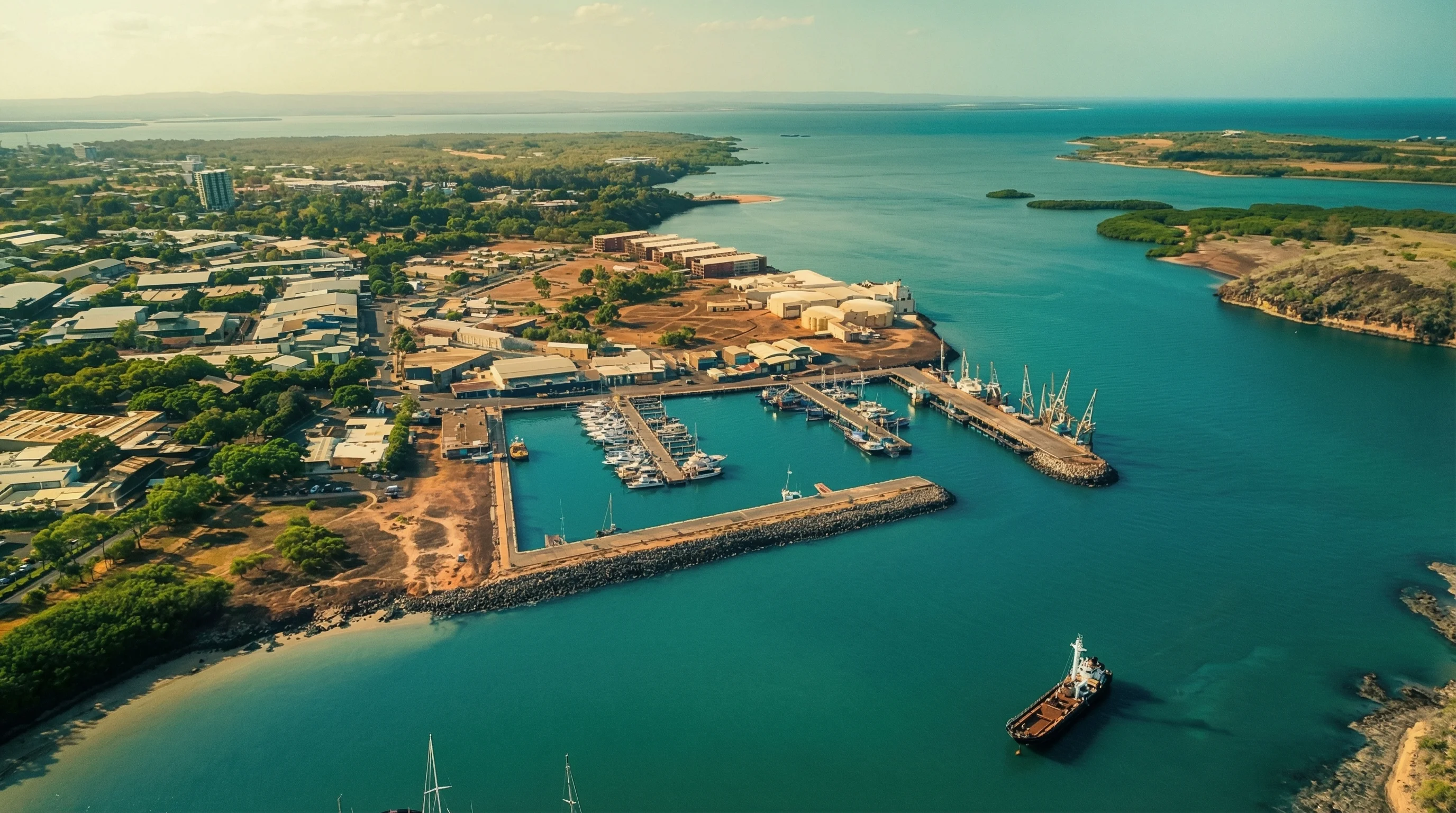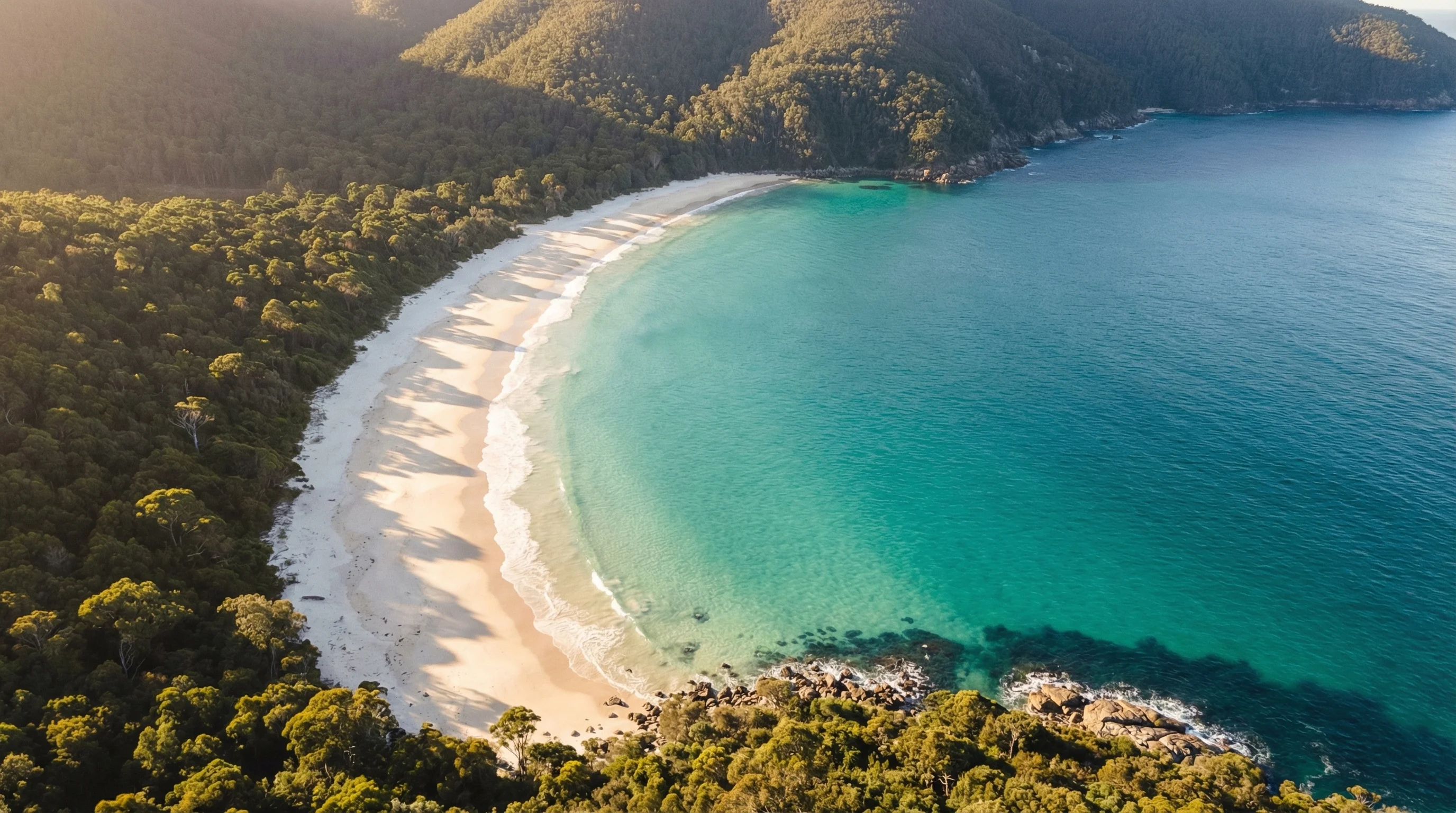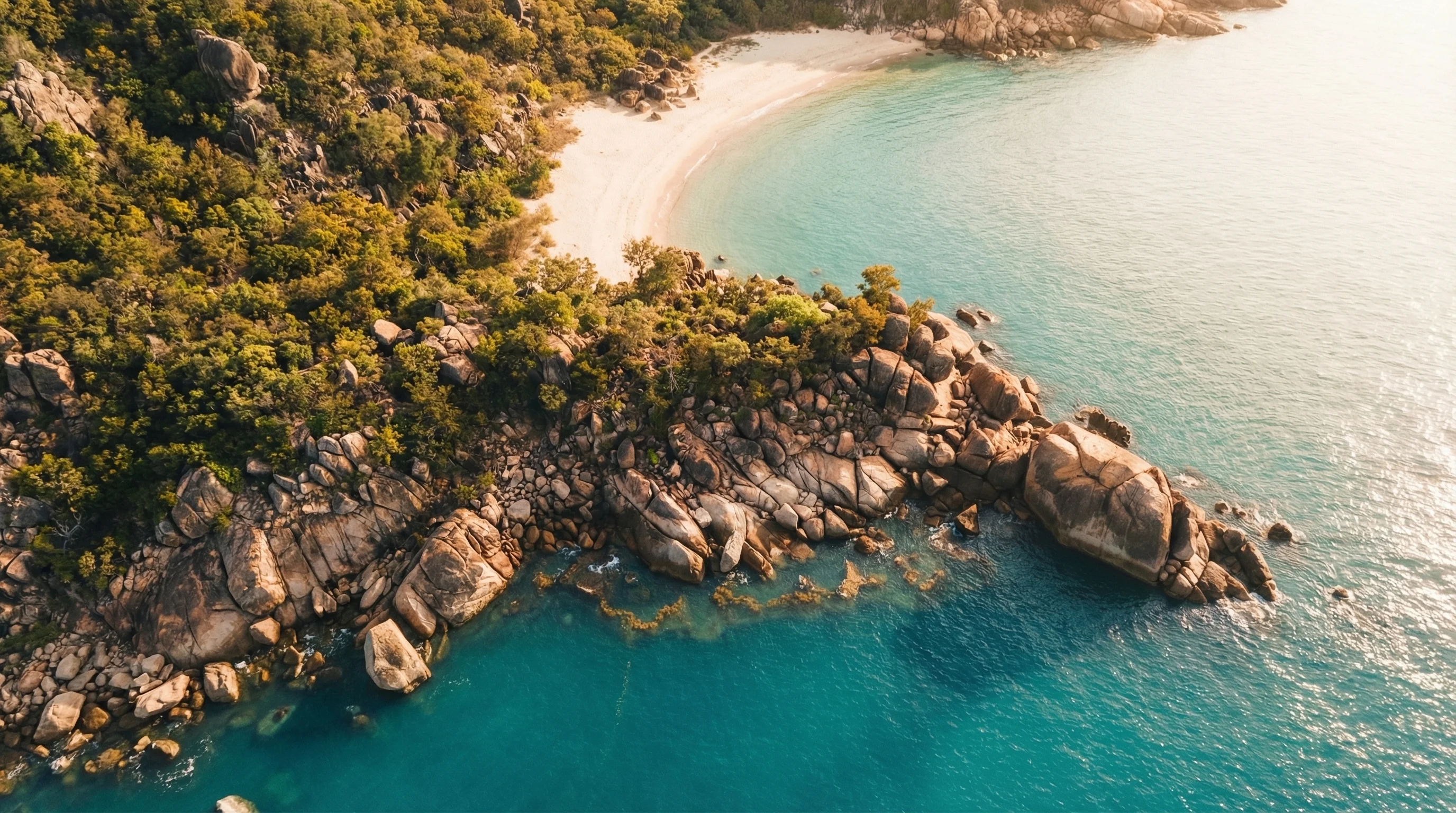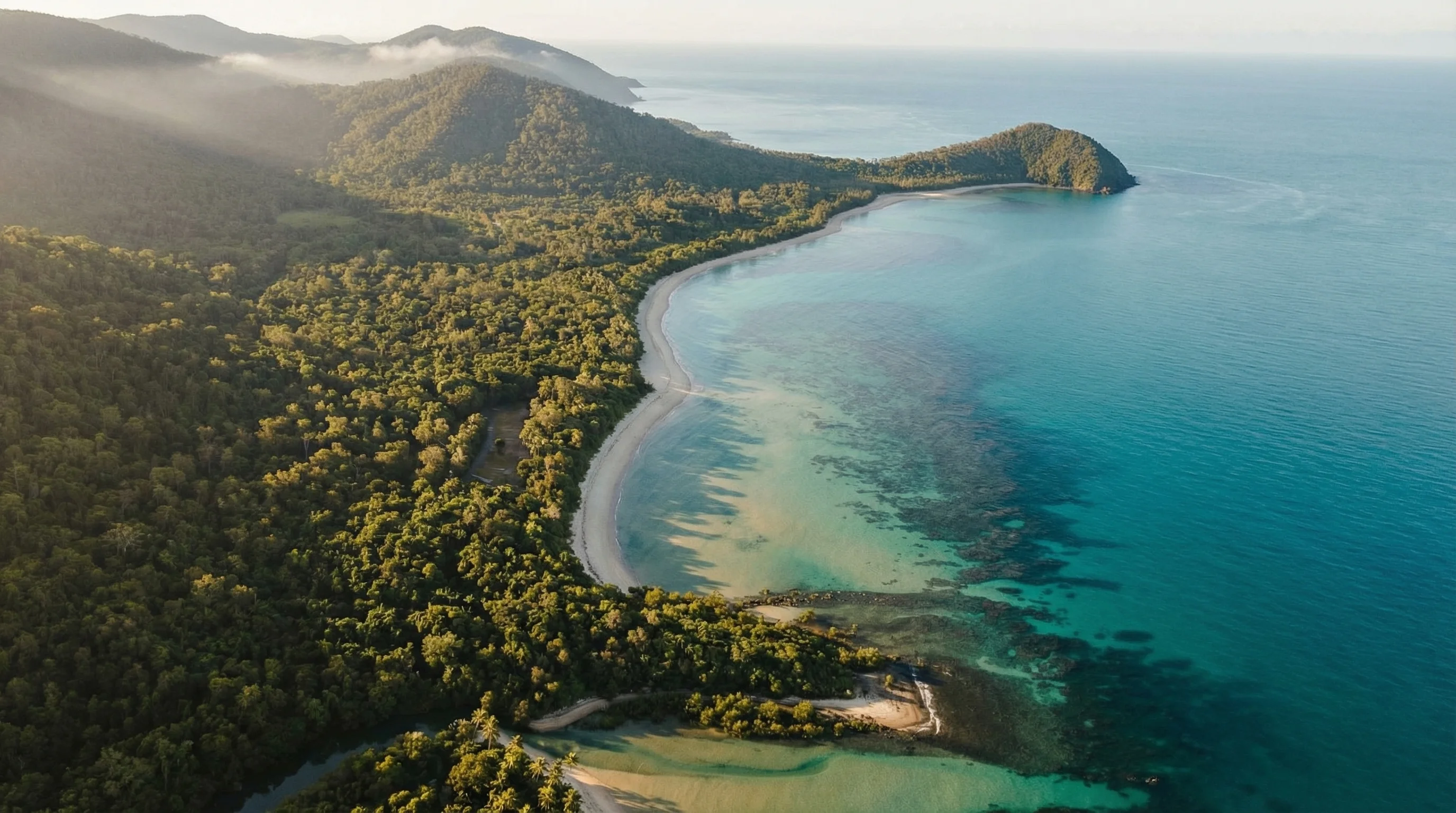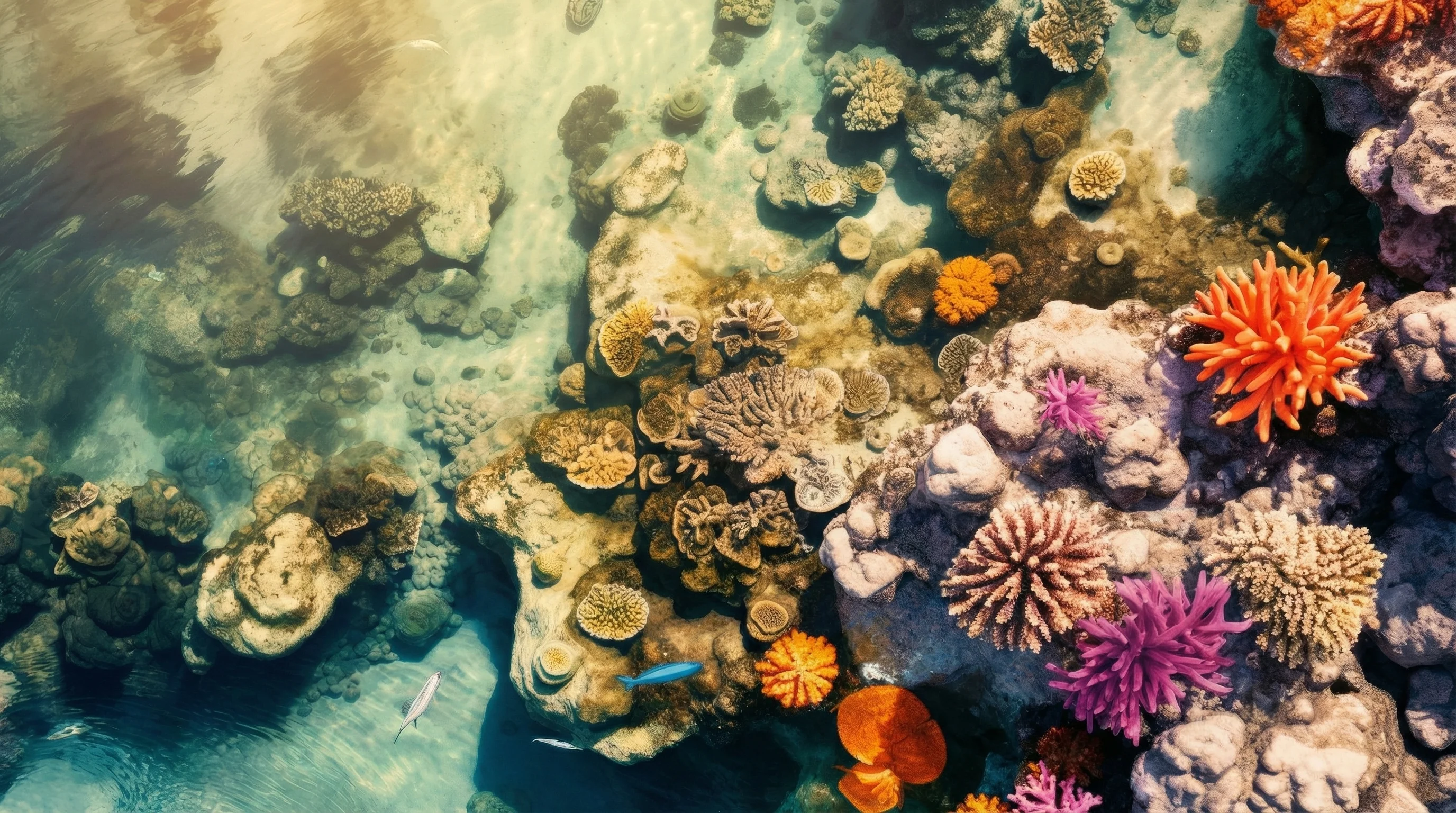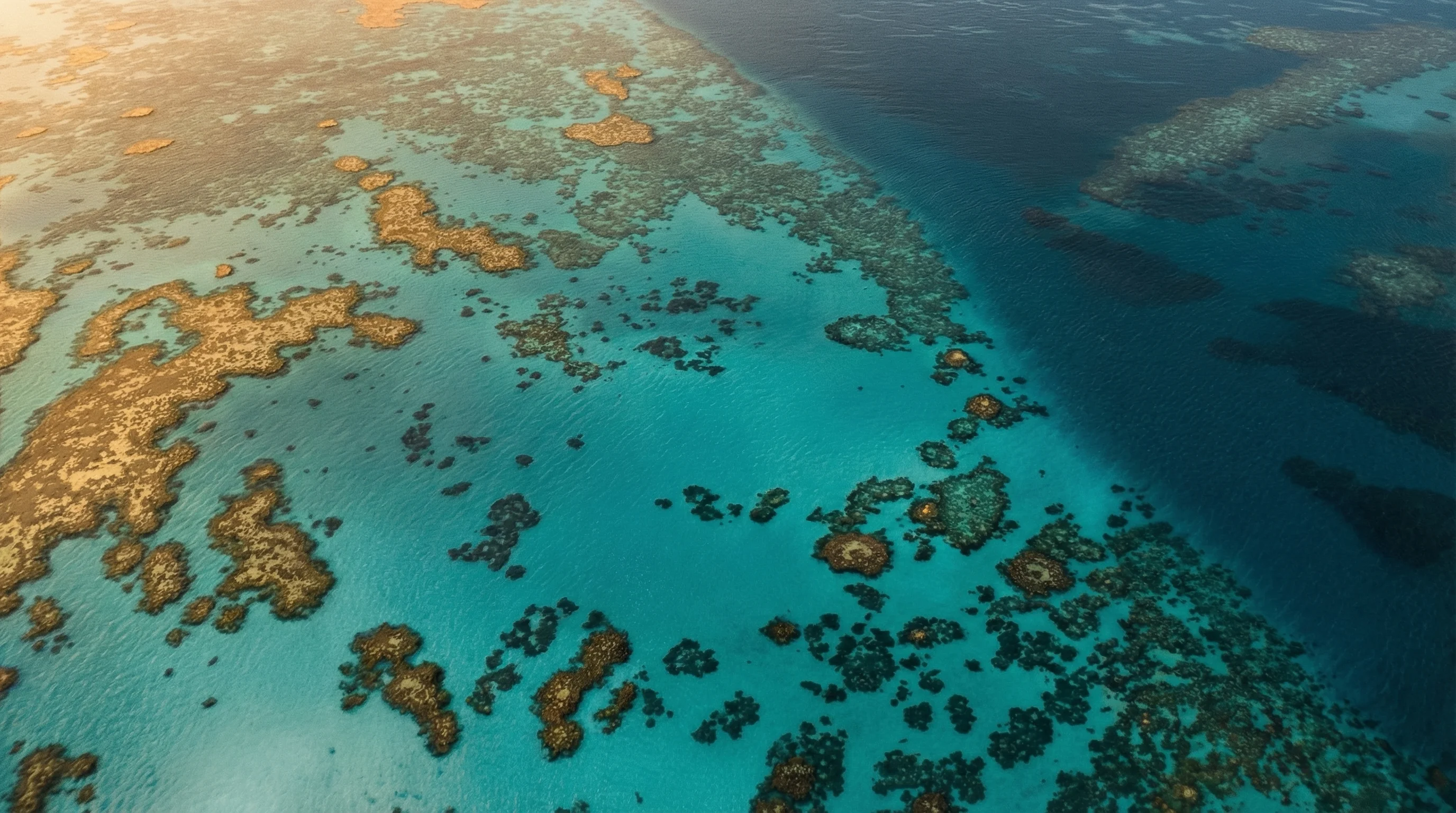
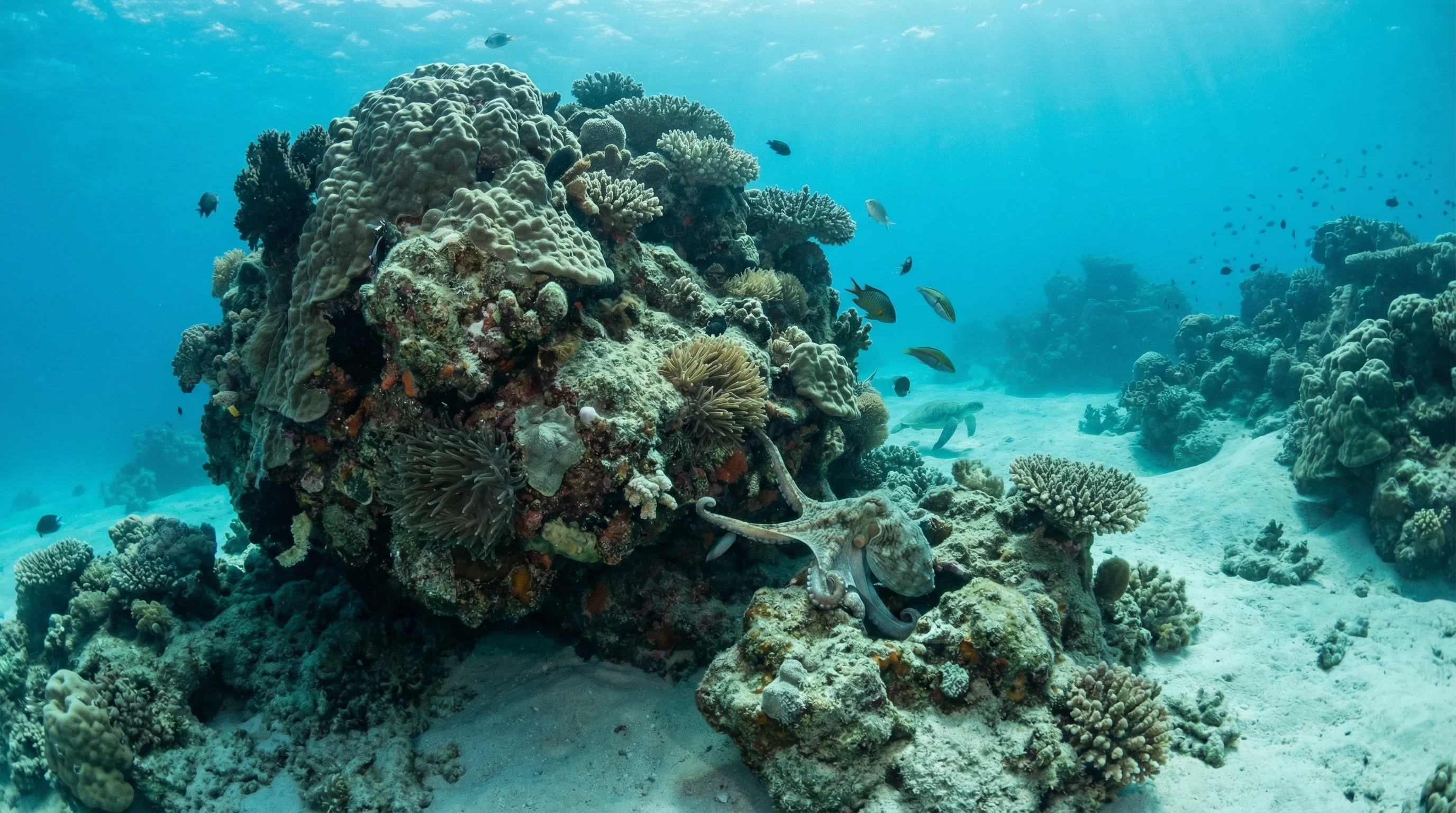
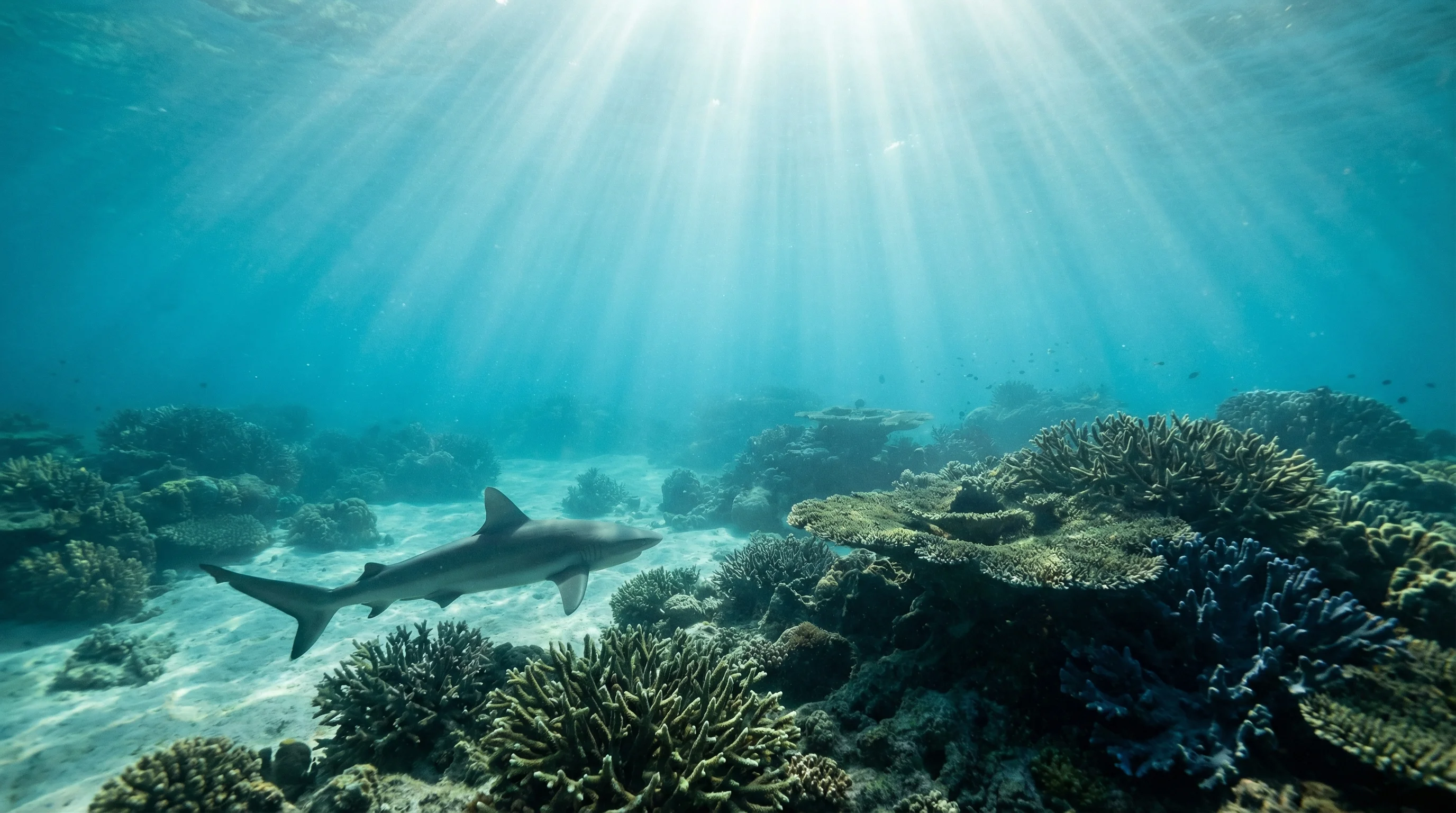
Queensland offers an exceptional spread of dive and snorkel sites stretching from the southern reefs near Lady Elliot Island through the Whitsundays and Townsville Region to the remote Coral Sea and Far North Queensland. Boat-access reef diving dominates, with pinnacles, walls, drift sites and wrecks all represented. The Cairns Region holds the largest concentration of sites, while the Coral Sea offers more remote, exposed conditions. Green Sea Turtle, Whitetip Reef Shark and Napoleon Wrasse are consistently observed across the reef system. Conditions are warmest from late summer into autumn, with cooler, clearer water drawing the strongest diver ratings from late autumn through spring.
7 areas
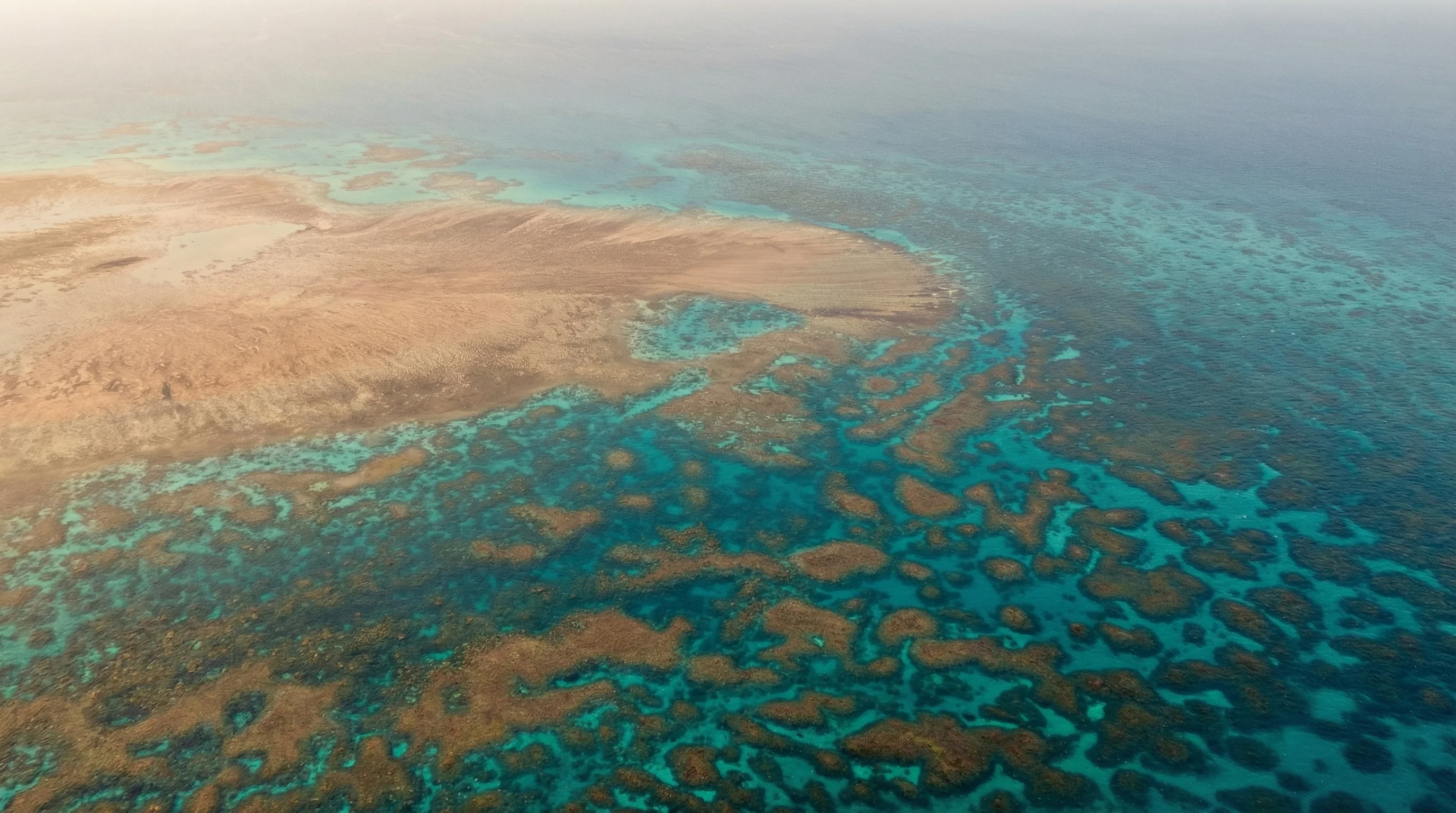 124
124Extensive outer reef diving with Napoleon Wrasse, reef sharks, and coral bommies across five distinct sub-areas.
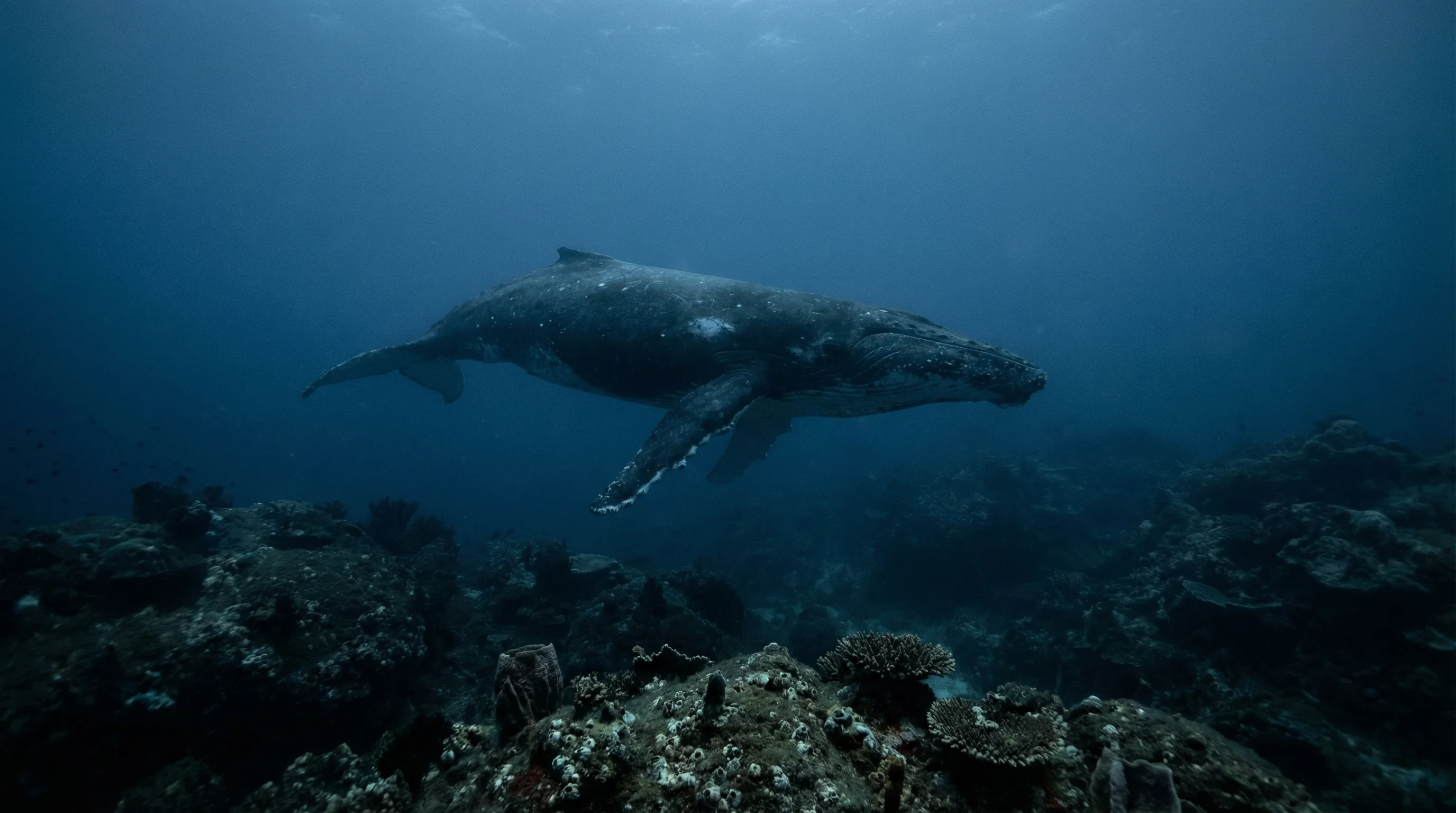 65
65Wrecks, drift reefs and Grey Nurse Sharks across three distinct coastal sub-areas, from the Sunshine Coast to the Gold Coast.
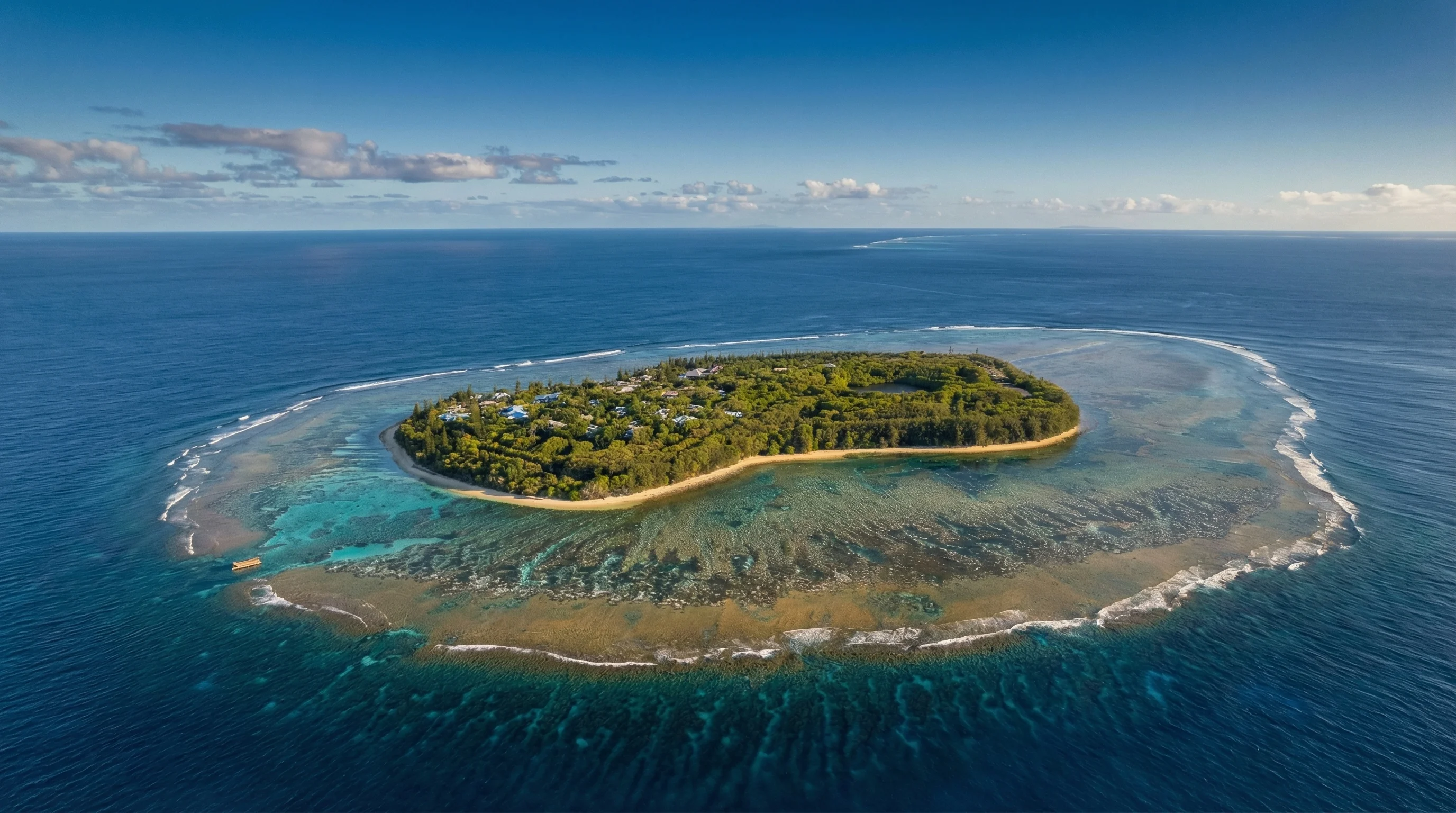 64
64Three sea turtle species, multiple shark encounters, and diverse reef structures across Queensland's southern island chain.
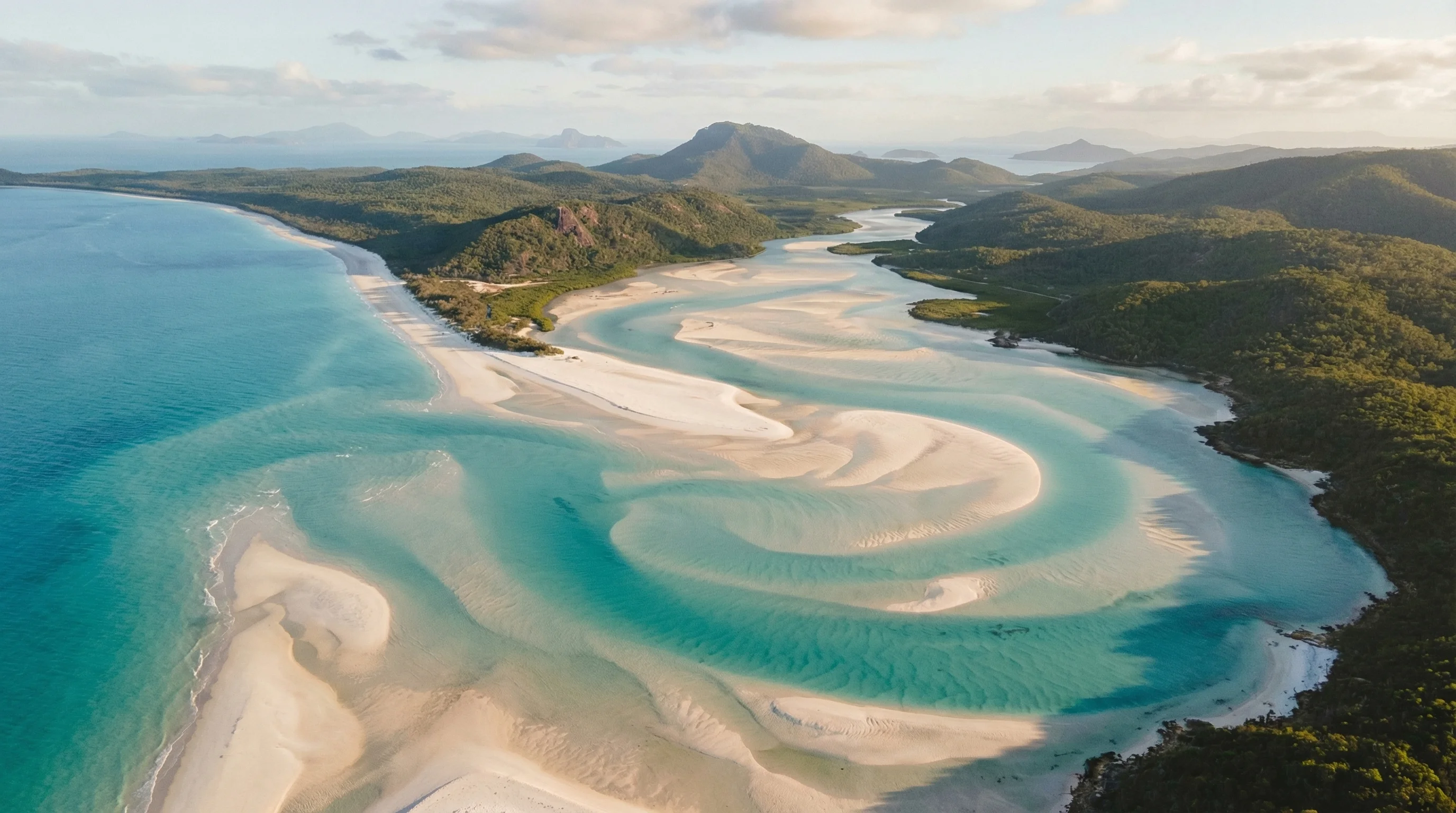
Queensland covers a wide stretch of coastline, so conditions vary by area. The band below shows the spread across its sites through the year.
Water temperature peaks in late summer, making early-year diving warm but often coinciding with lower visibility periods. Conditions improve markedly from late autumn, with cooler, clearer water through winter and spring drawing the highest diver ratings. Exposed sites in the Coral Sea and advanced drift dives off South East Queensland demand experience, while the majority of reef sites remain accessible to intermediate and beginner divers throughout the year.
123 operators


Reef-rich island diving with Napoleon Wrasse, Green Sea Turtle, and Reef Manta Ray across sheltered bays and deeper outer-reef walls.
Queensland spans a wide latitude range, so water temperature varies a lot by area: roughly 21-30°C across its dive sites. Check the individual area pages for local conditions.
Fin maps 386 sites in Queensland (355 scuba diving sites and 139 snorkelling spots, with some suited to both), organised into 7 areas.
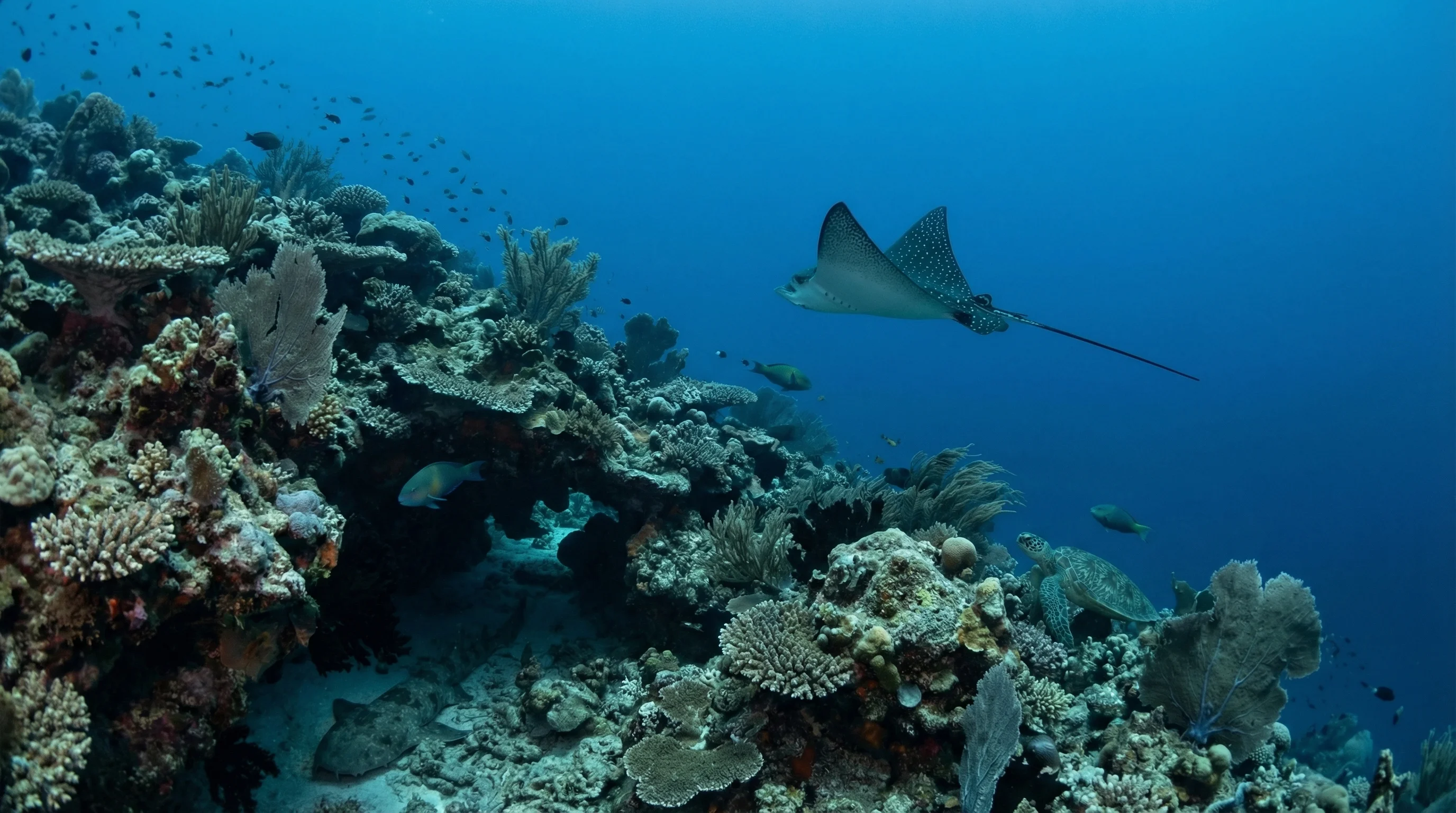
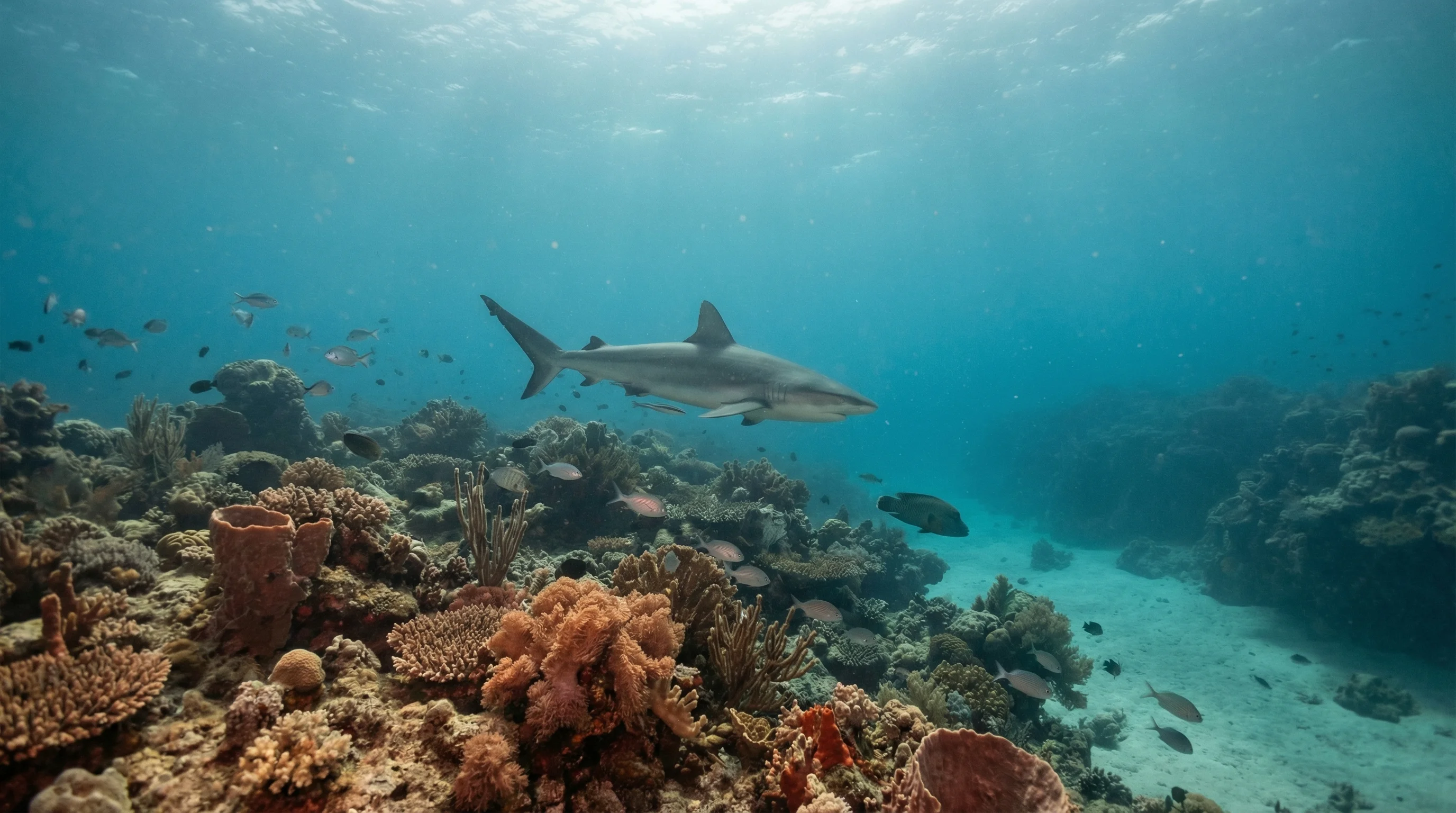
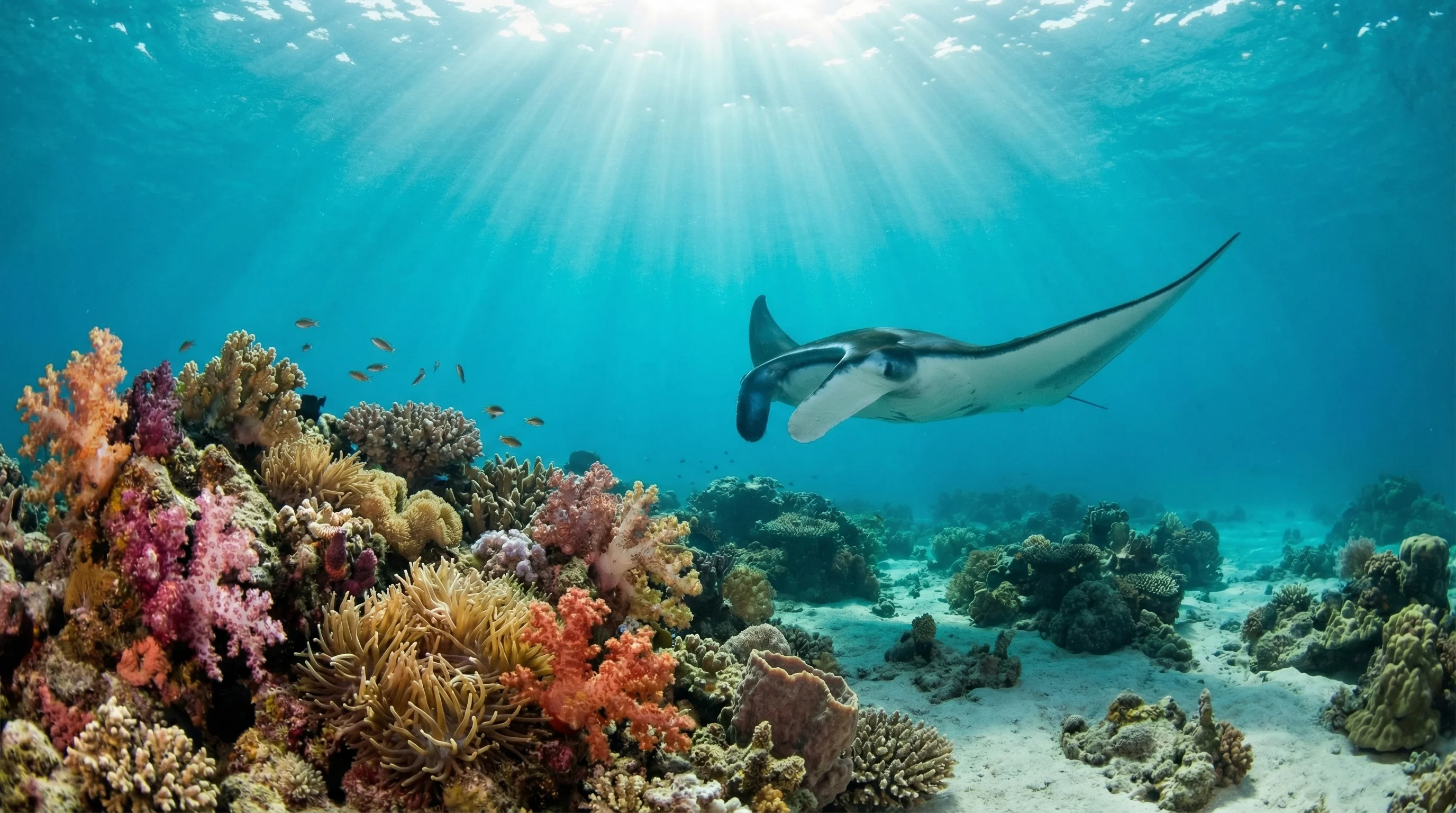
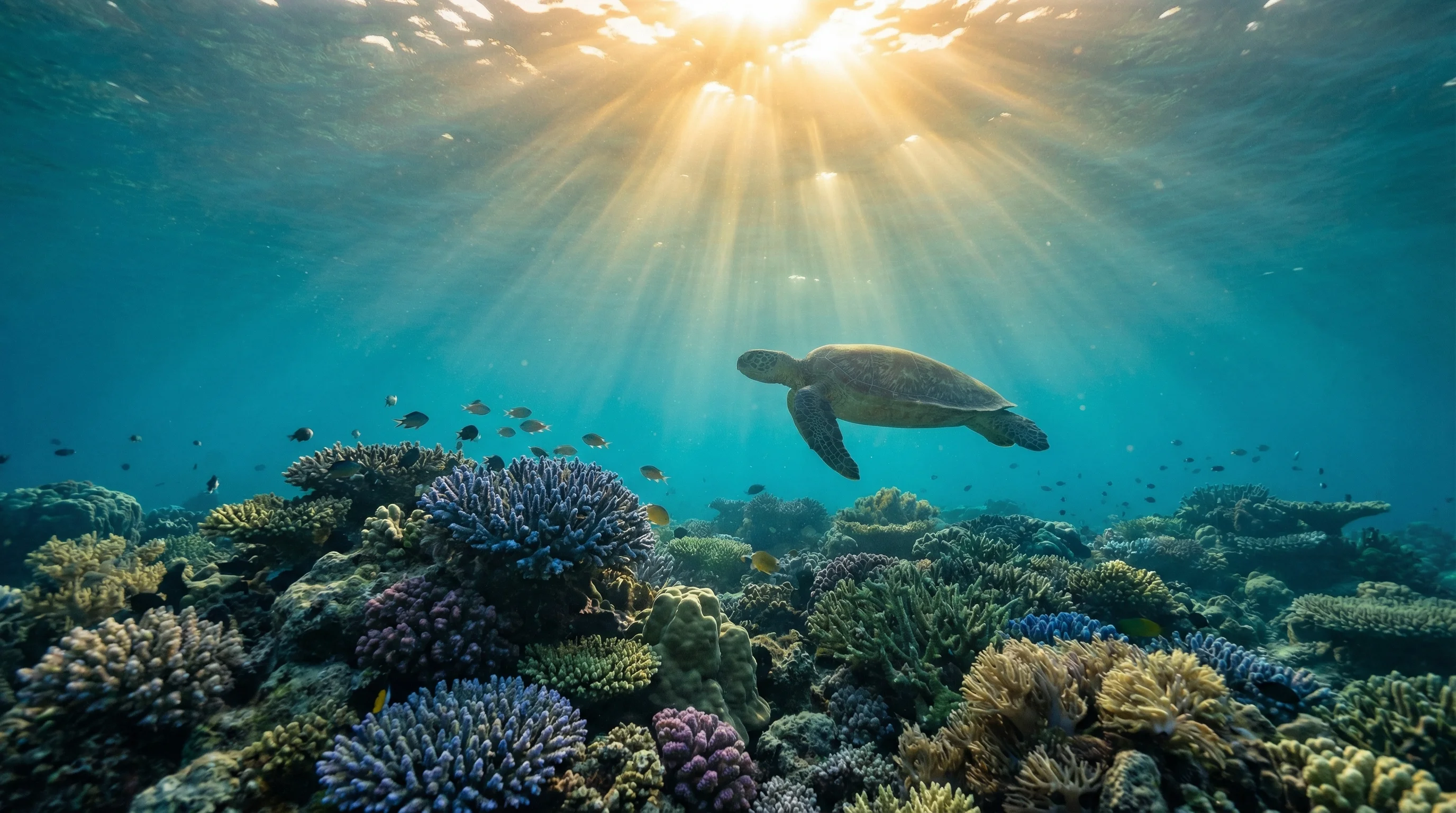
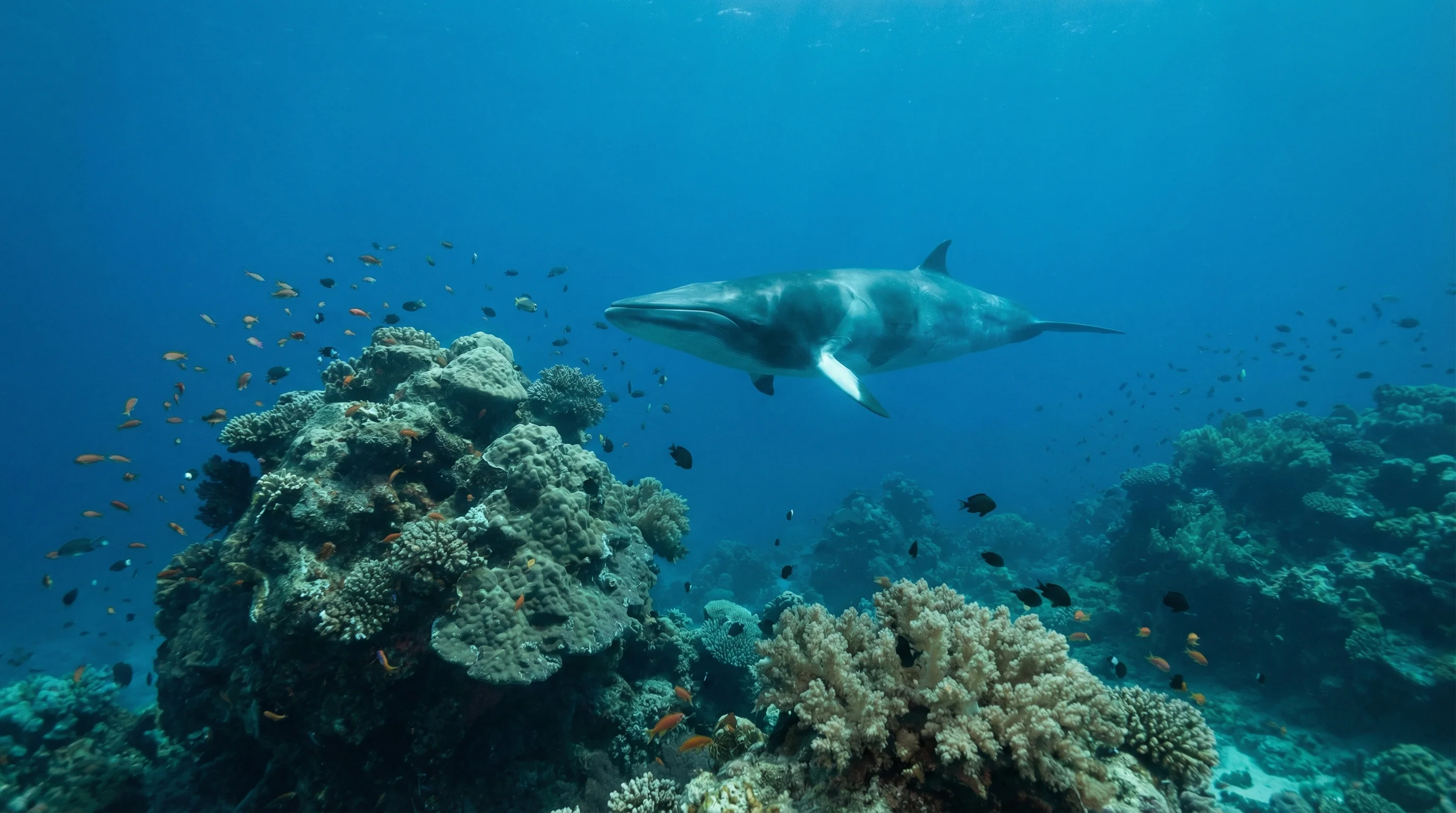
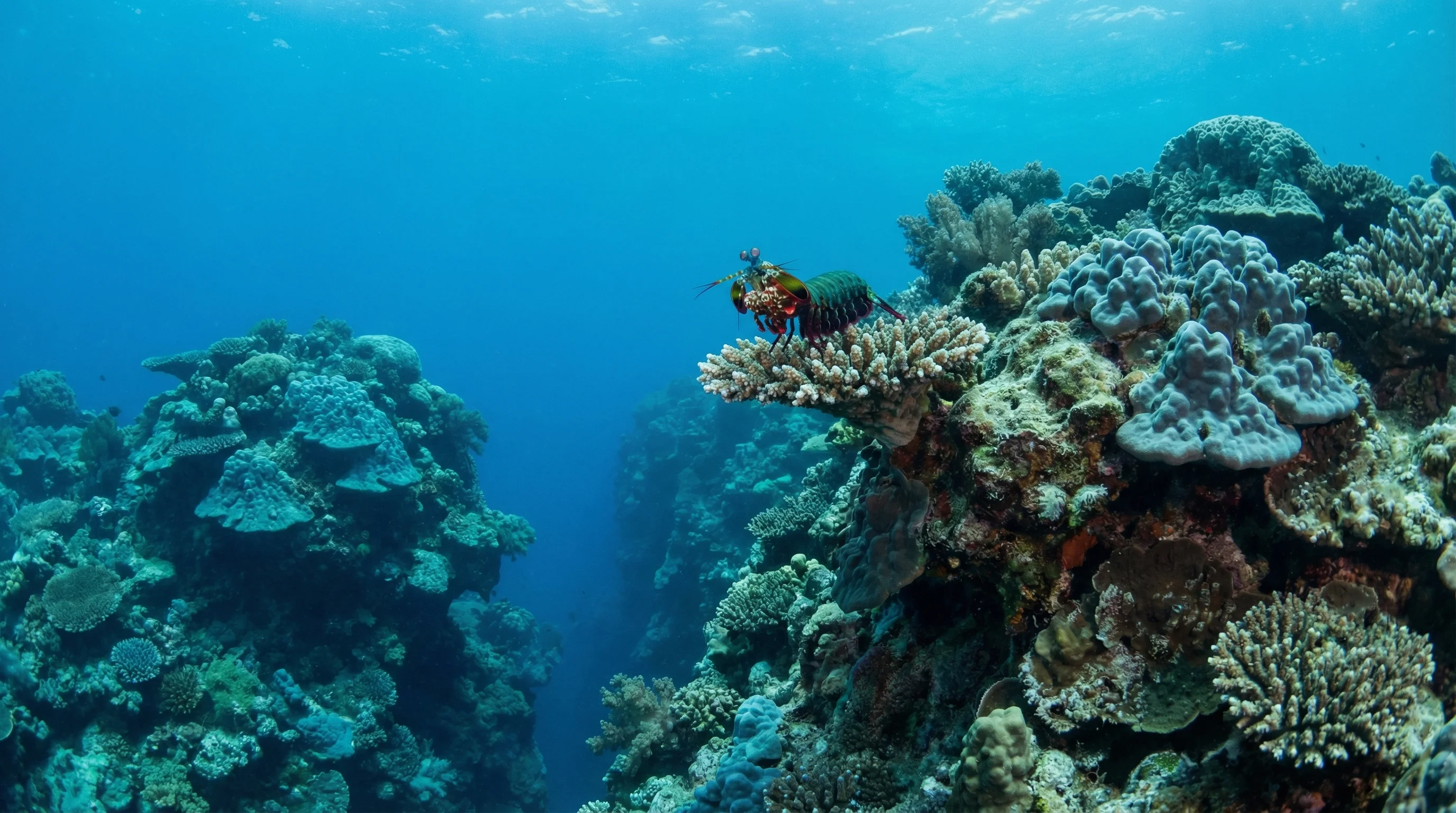
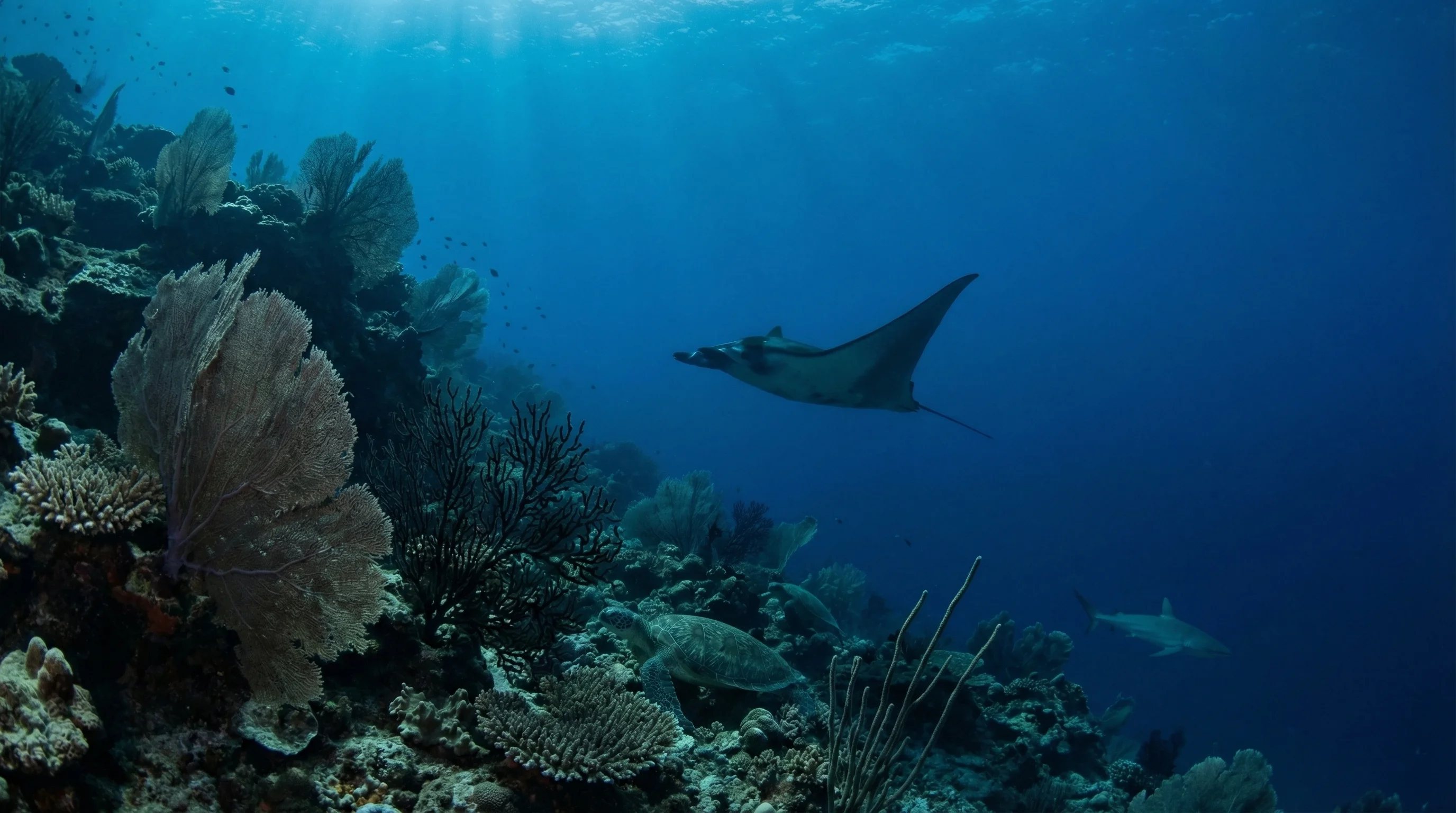
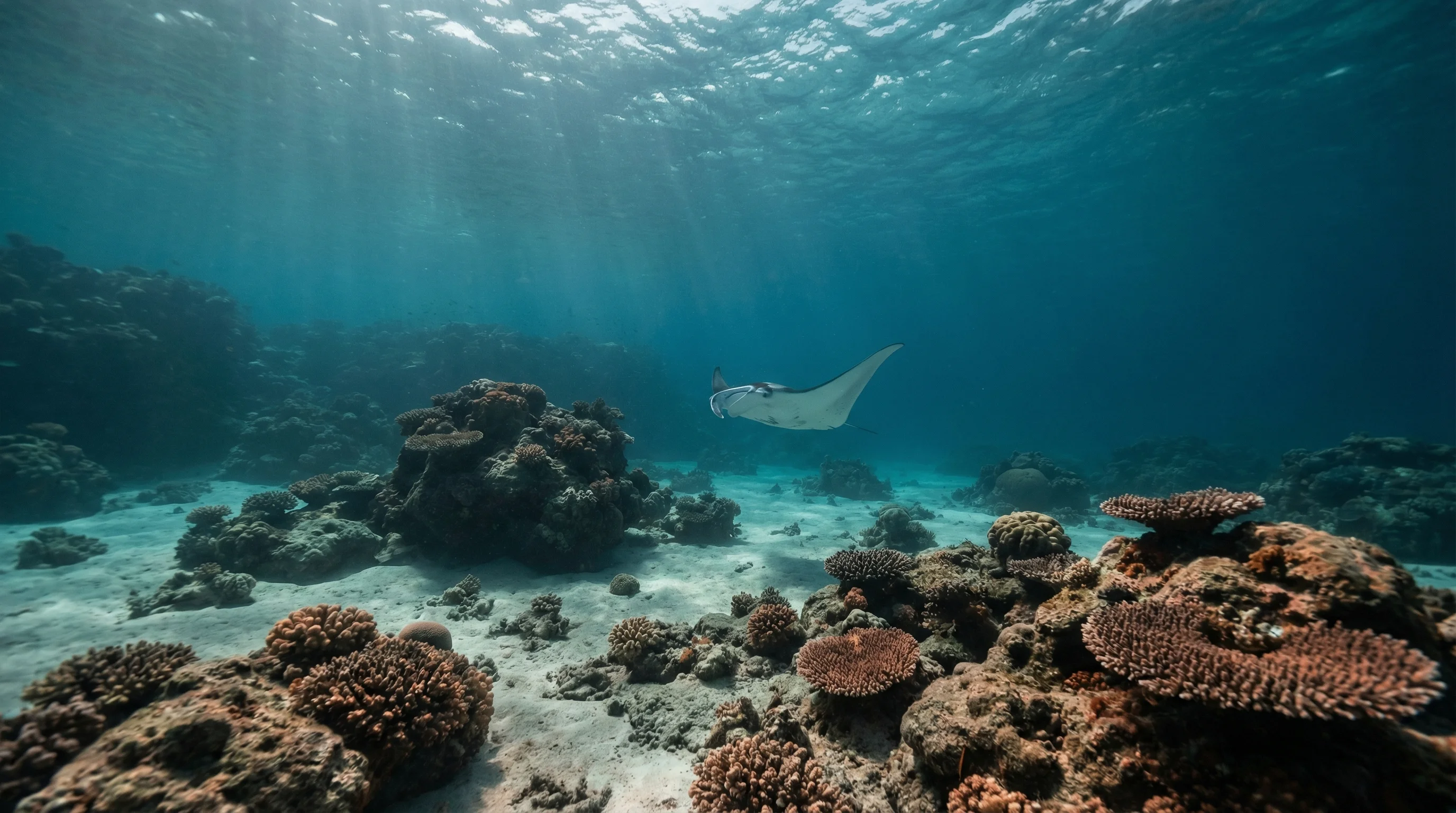
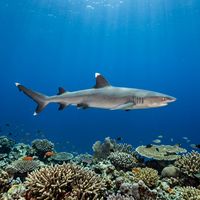
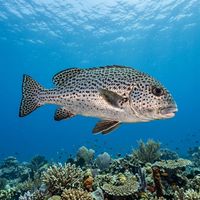
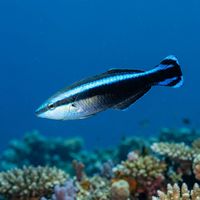
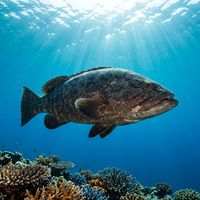
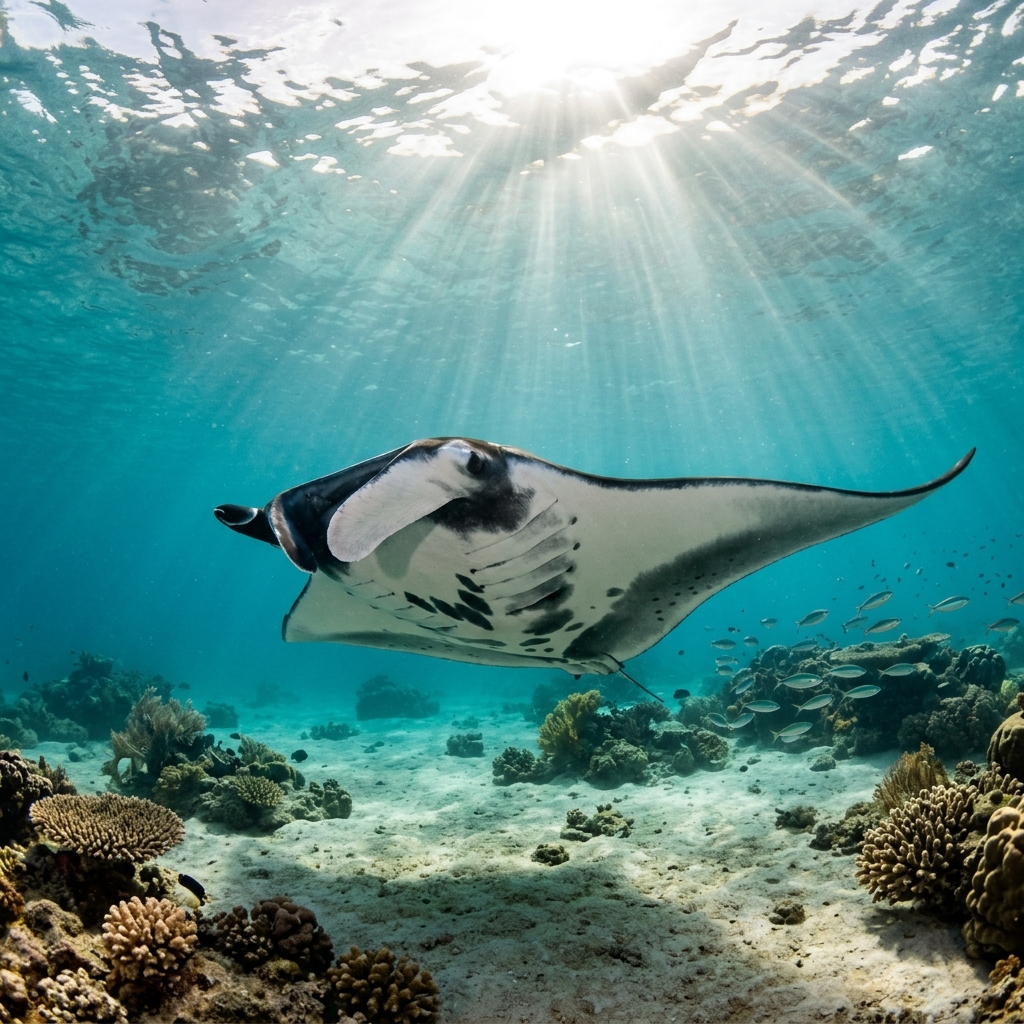
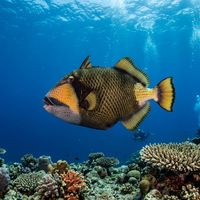
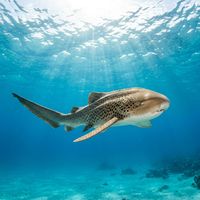
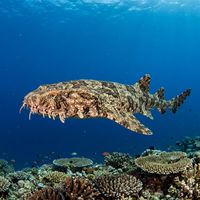
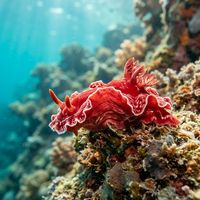
Queensland reefs have a rich and well-documented species list. Green Sea Turtle, Whitetip Reef Shark and Napoleon Wrasse are among the most commonly observed animals across the system. Reef Manta Ray, Zebra Shark, Ornate Wobbegong and Queensland Grouper are seen on occasion, and macro enthusiasts regularly find Chromodoris Nudibranch, Ornate Ghostpipefish and Robust Ghost Pipefish on reef structures.
A good proportion of Queensland's sites are rated for beginners, including boat-access reef dives at Lady Elliot Island, Heron Island and in the Cairns Region. Sites such as Steve's Bommie, Derry Reef and Pams Point offer manageable depths and mild conditions for those new to diving. Advanced sites like Wolf Rock and the drift dives off South East Queensland require solid buoyancy control and experience with strong currents.
The Cairns Region holds the largest number of sites and serves as the main hub for reef diving, while Far North Queensland and the Coral Sea offer more remote, expedition-style diving. The Whitsundays and Southern Reef provide a mix of sheltered and exposed reef sites, and South East Queensland stands out for its volcanic pinnacles and drift dives, including the well-known Wolf Rock. Townsville Region adds further variety with its own reef systems.
The vast majority of Queensland's dive and snorkel sites are boat-access only, reflecting the offshore nature of the reef system. Operators such as Tusa Dive, Pro Dive Cairns, Yongala Dive and Mike Ball Dive Expeditions run day trips and liveaboards to reach sites across the region. This means planning around operator schedules is an important part of organising a Queensland diving trip.