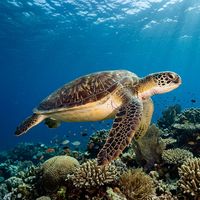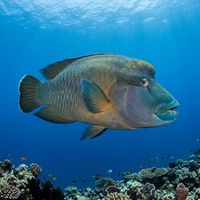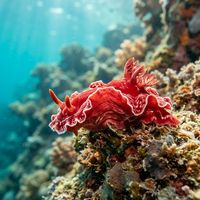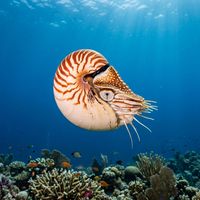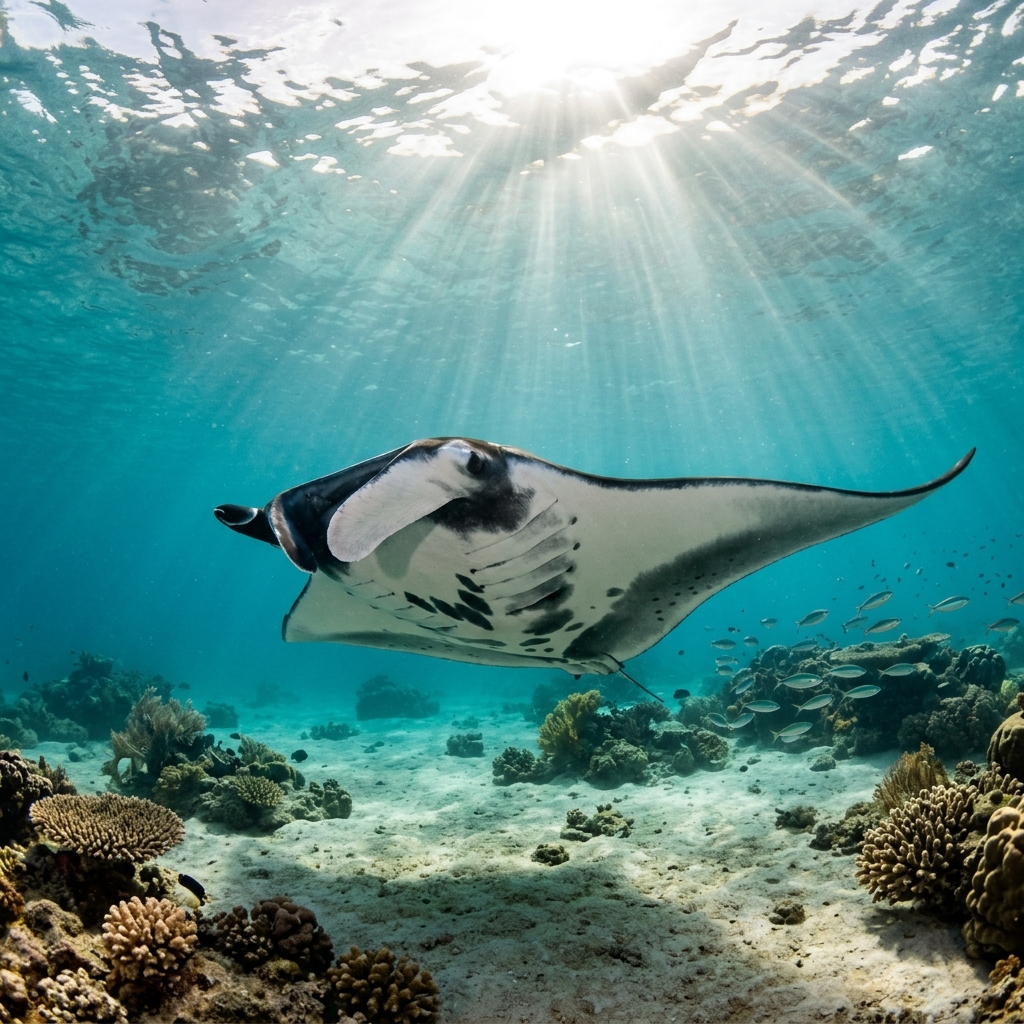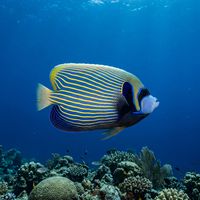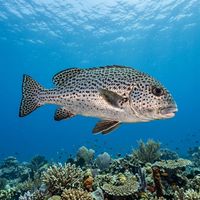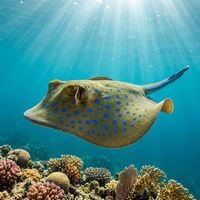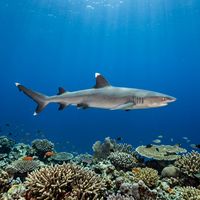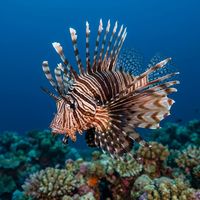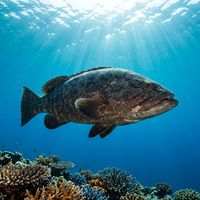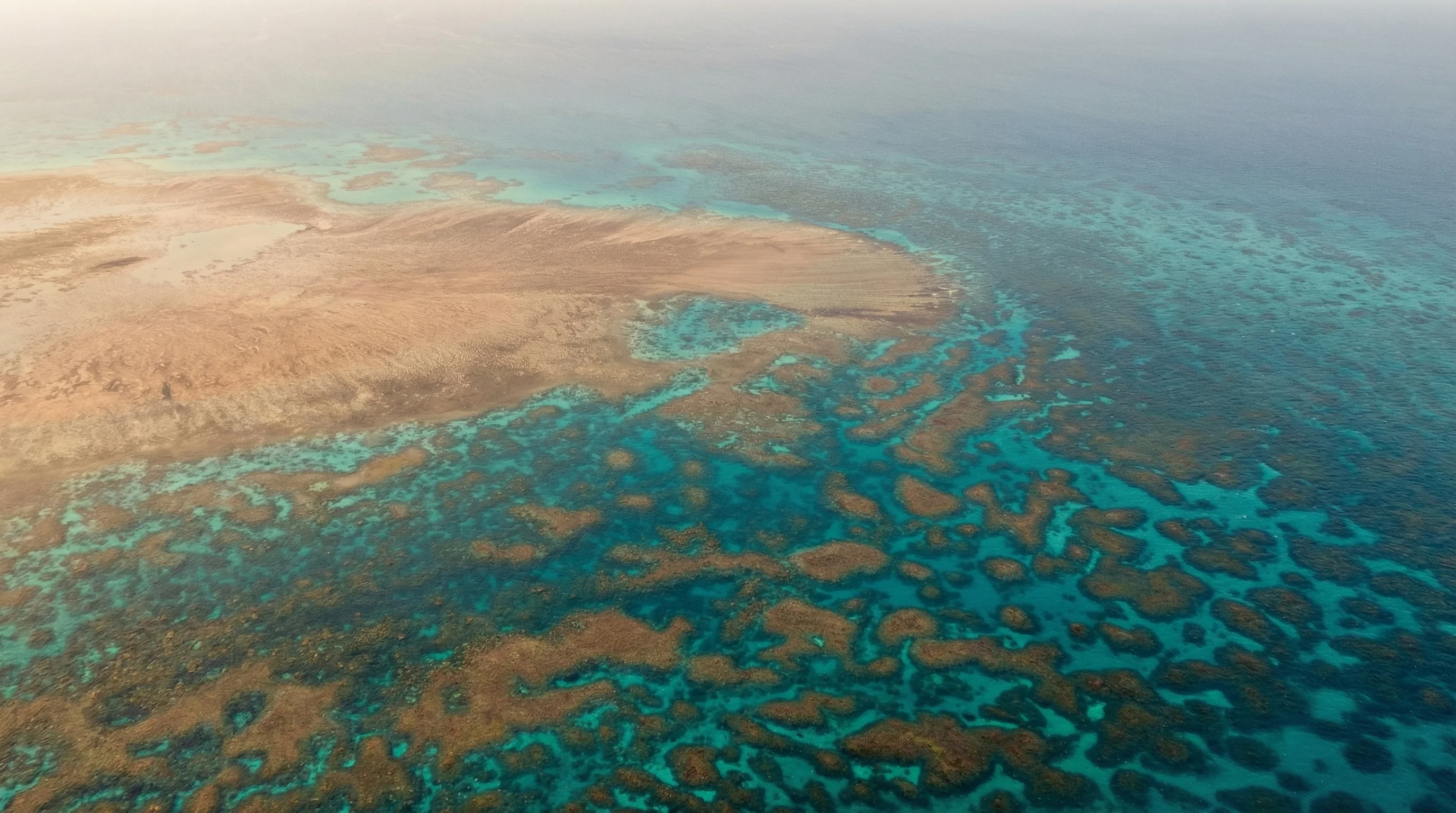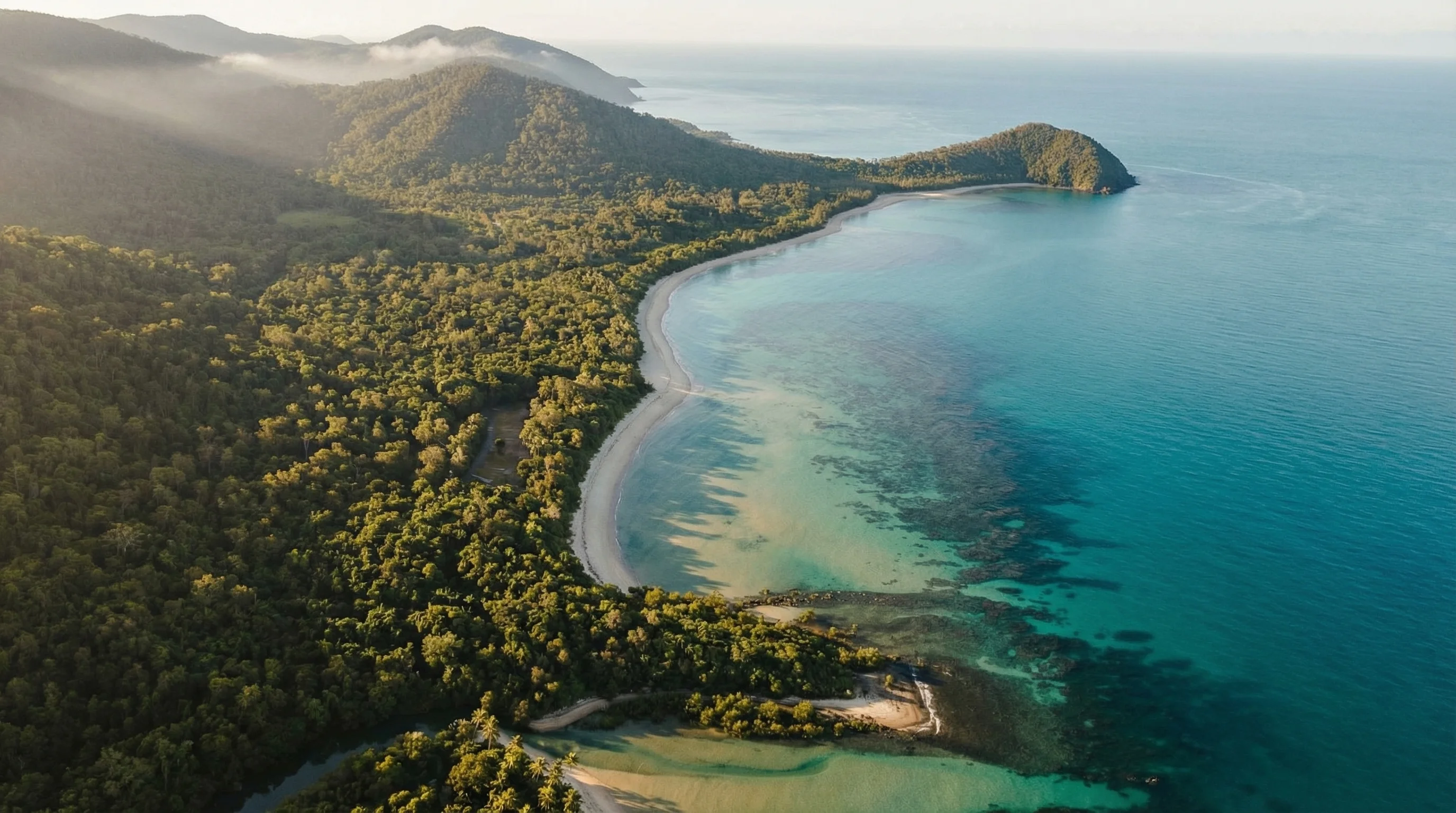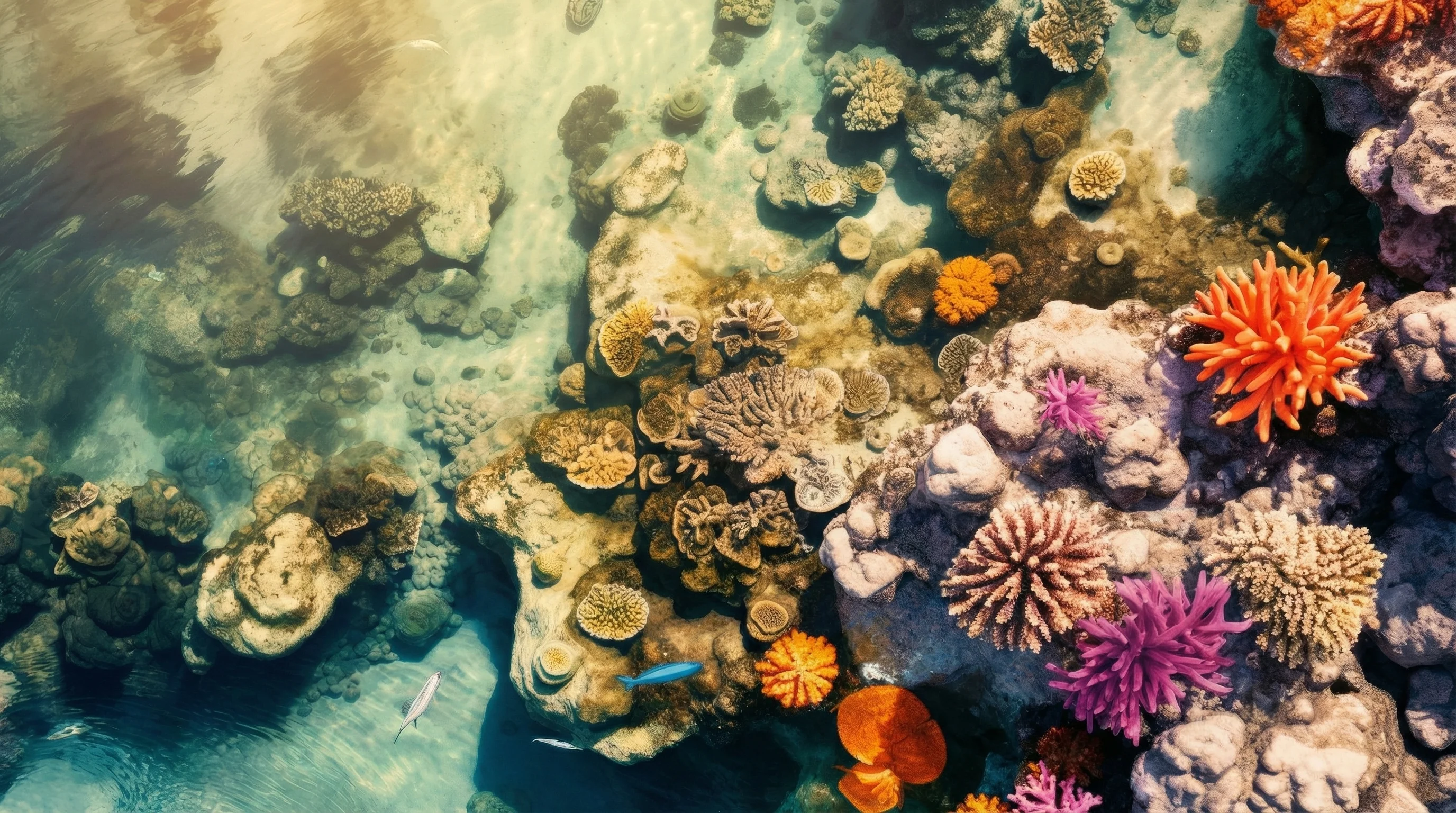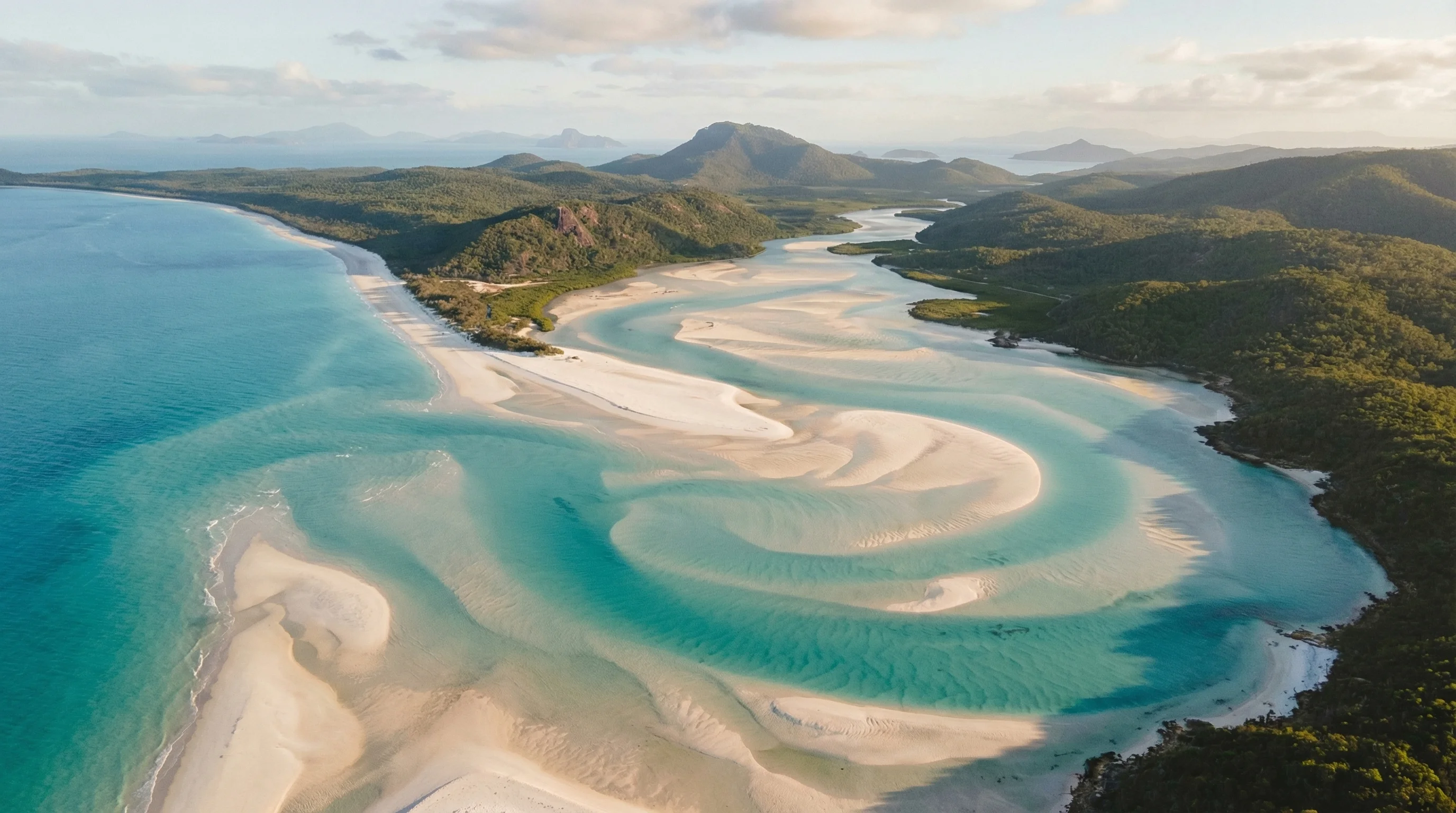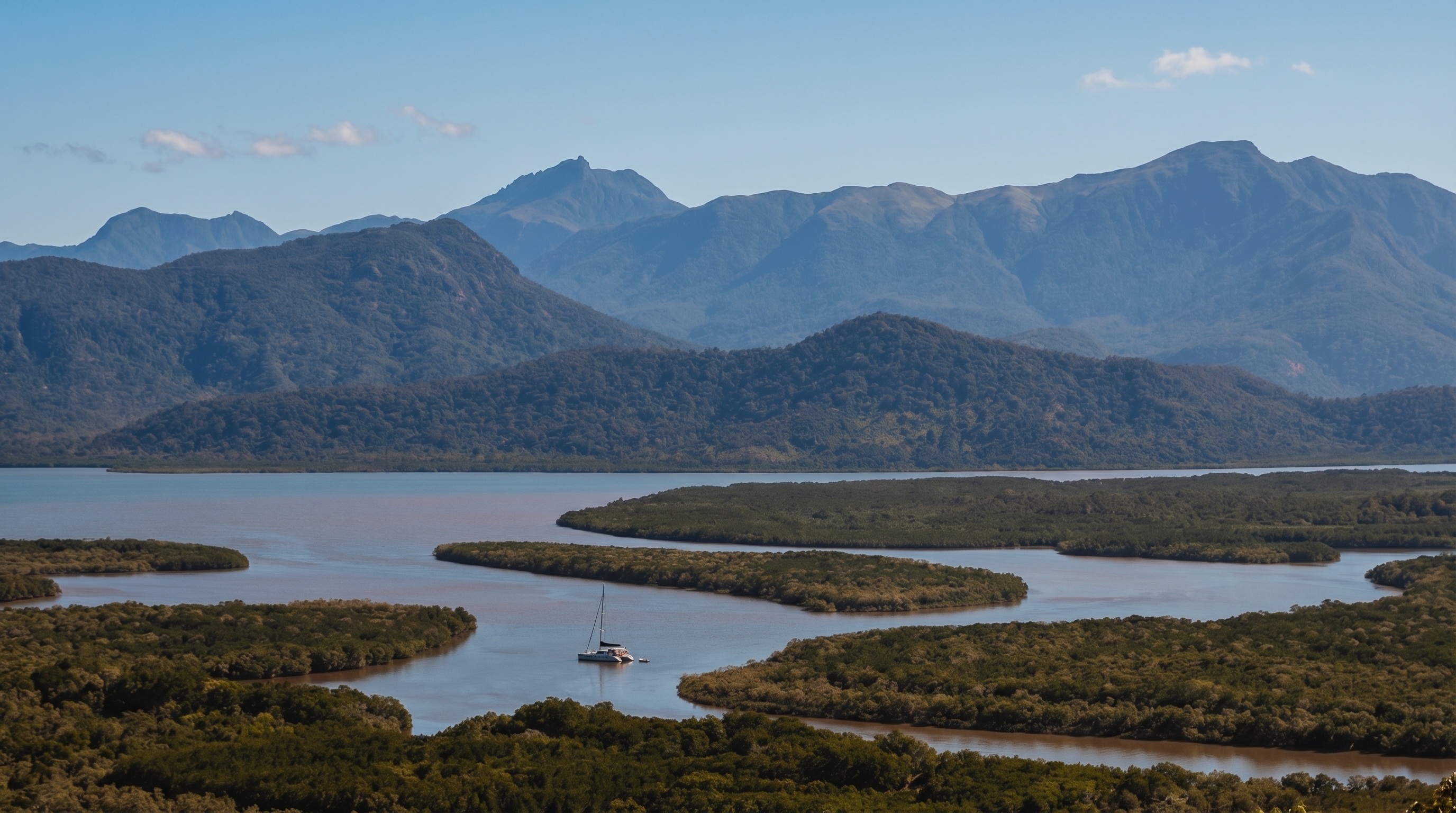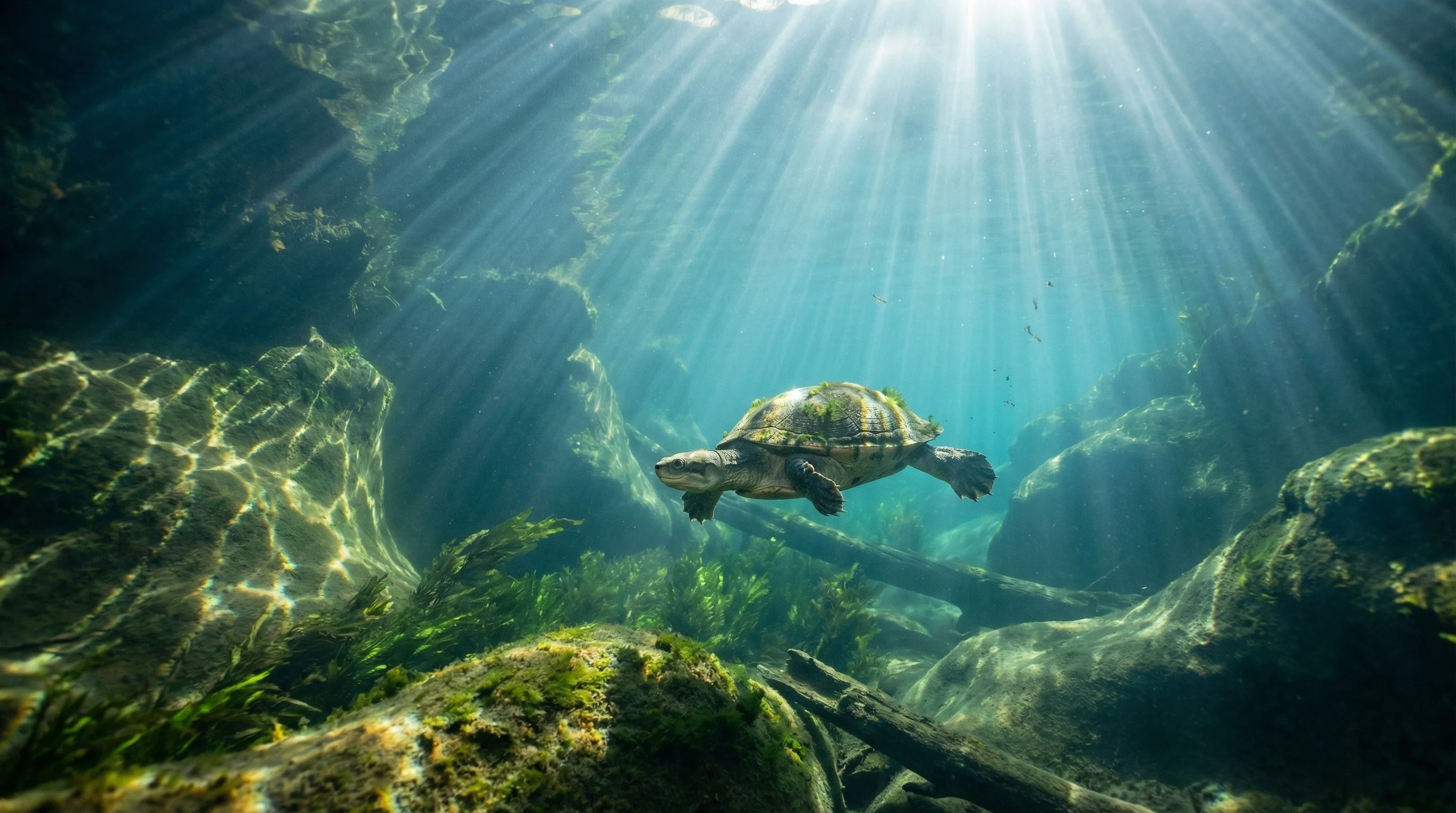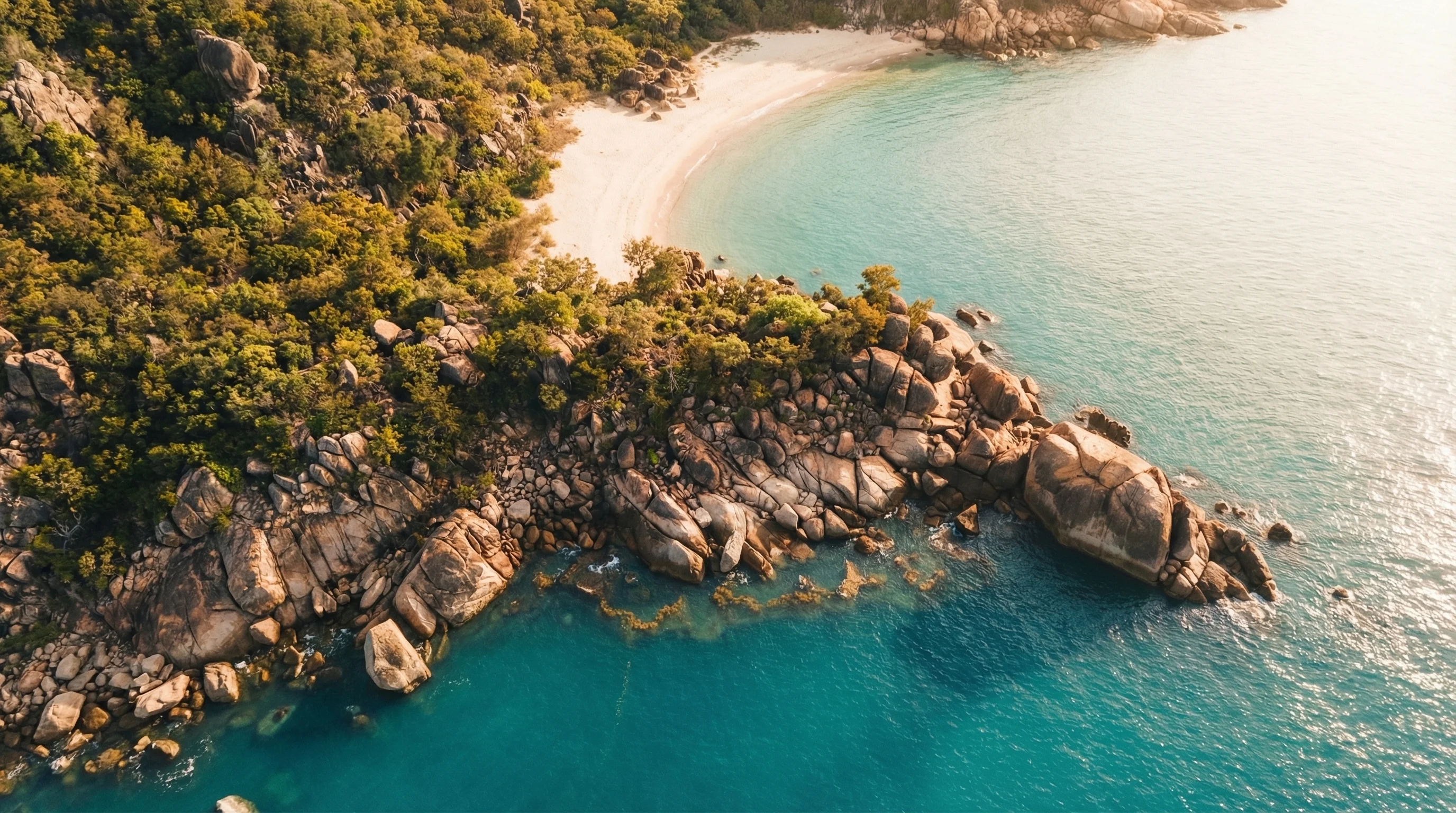
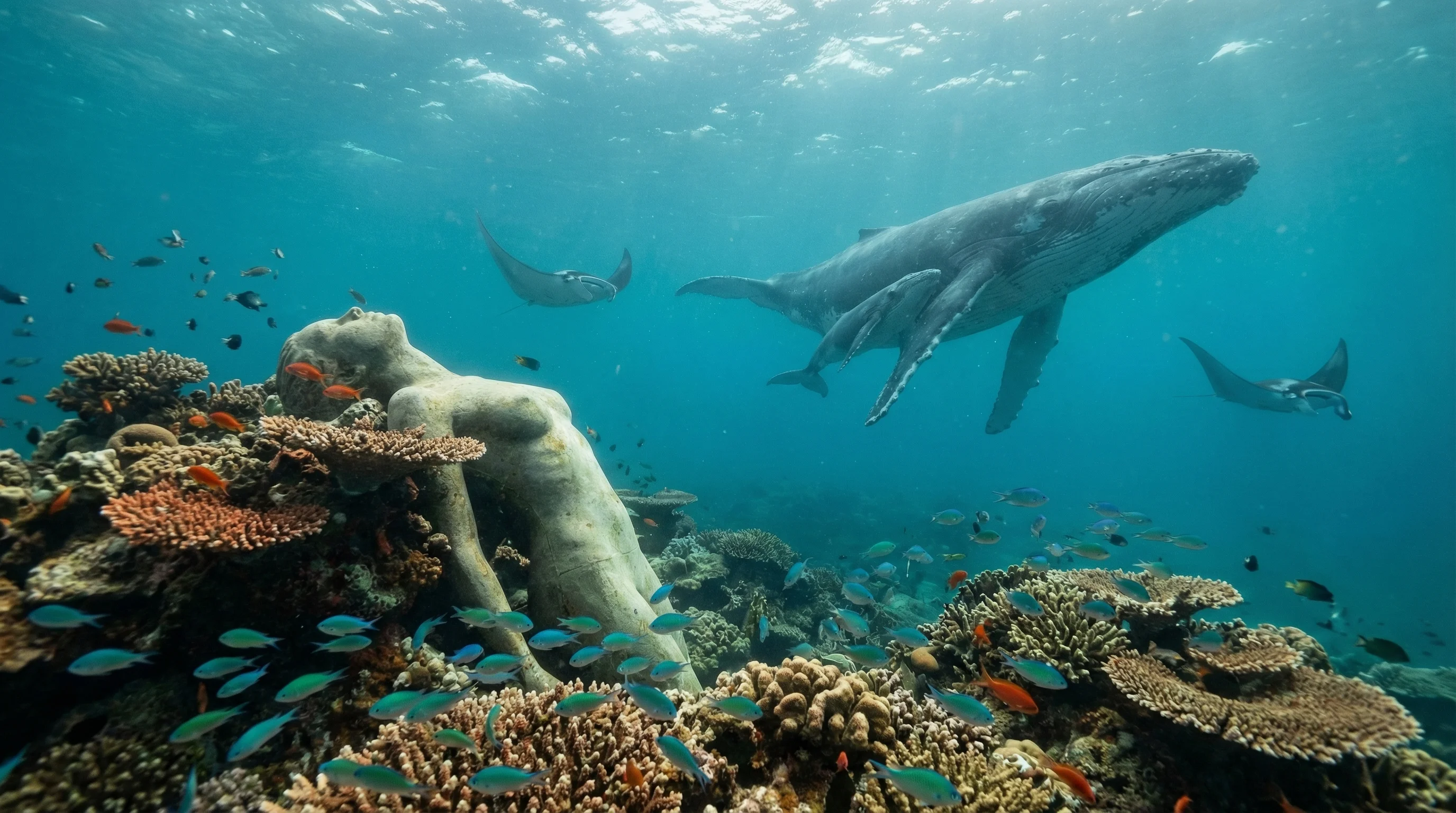
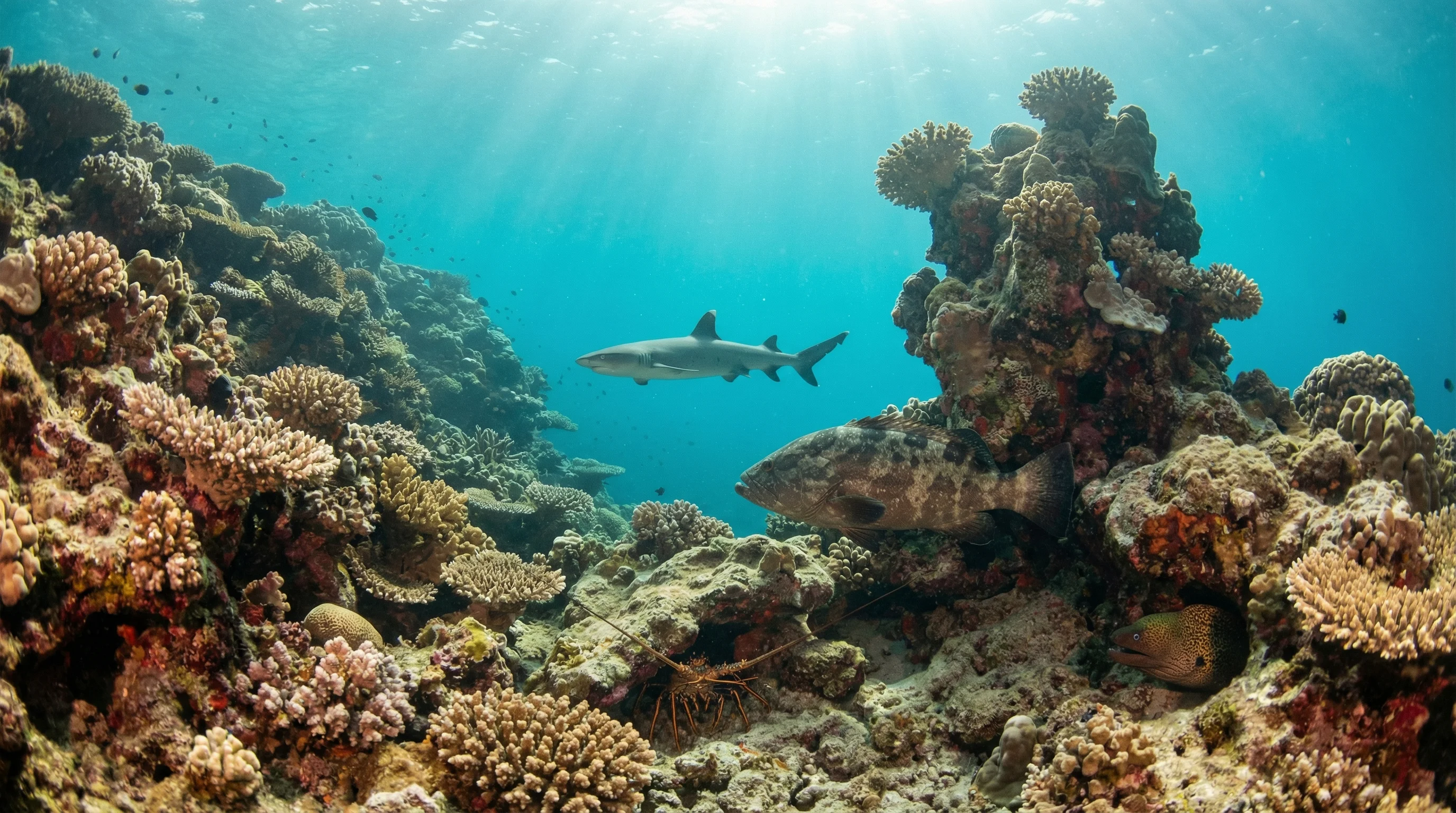
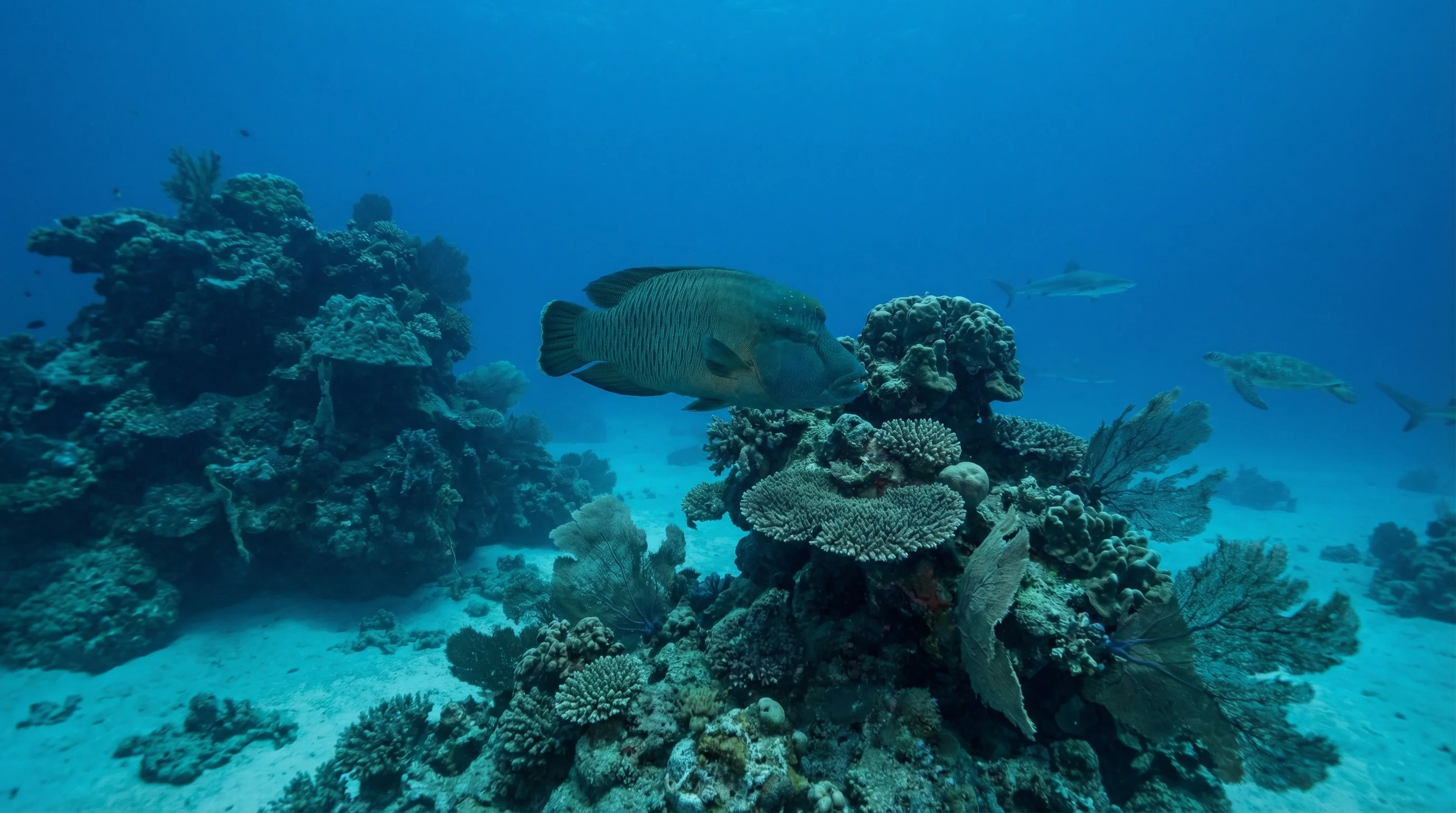
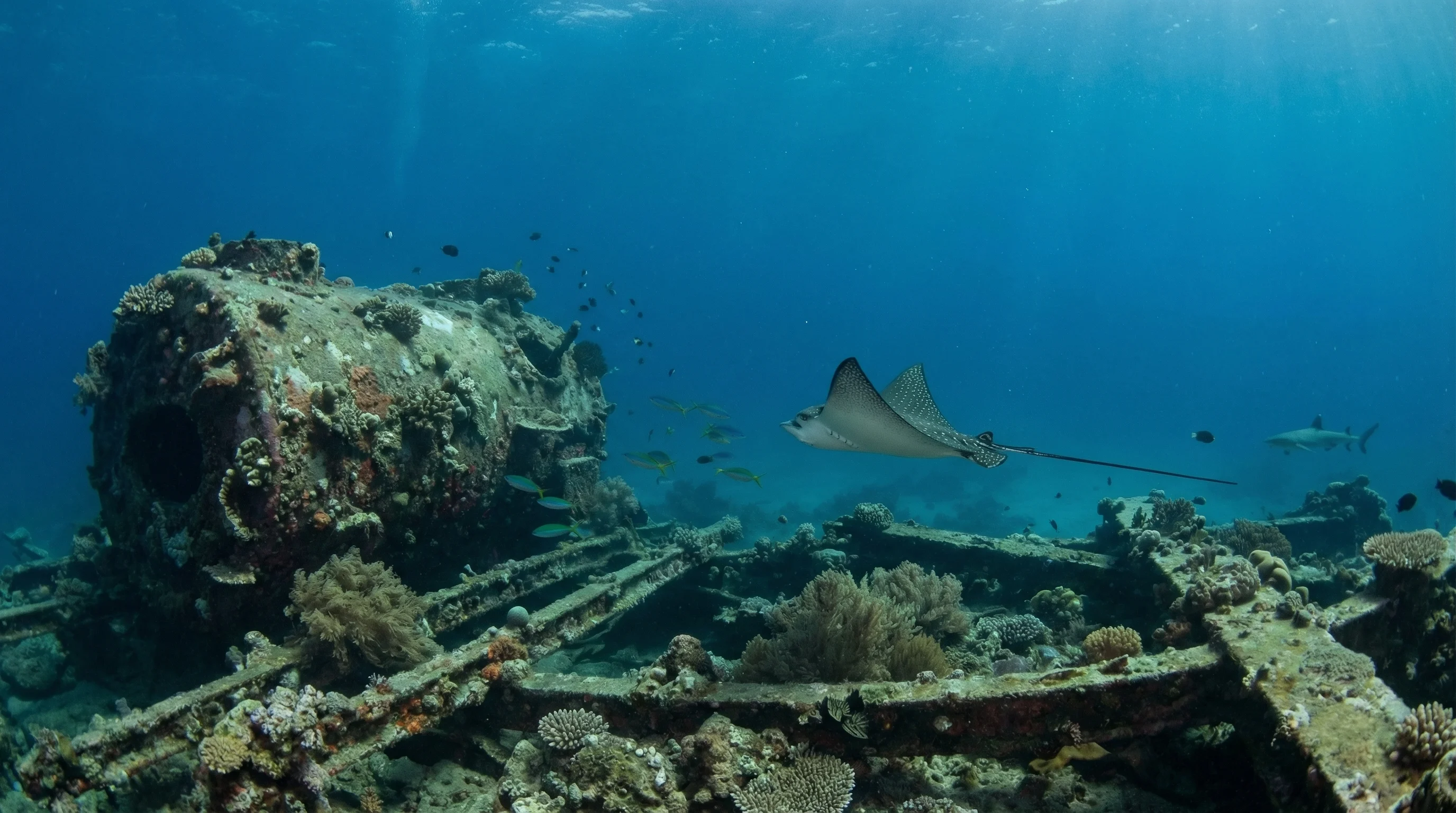
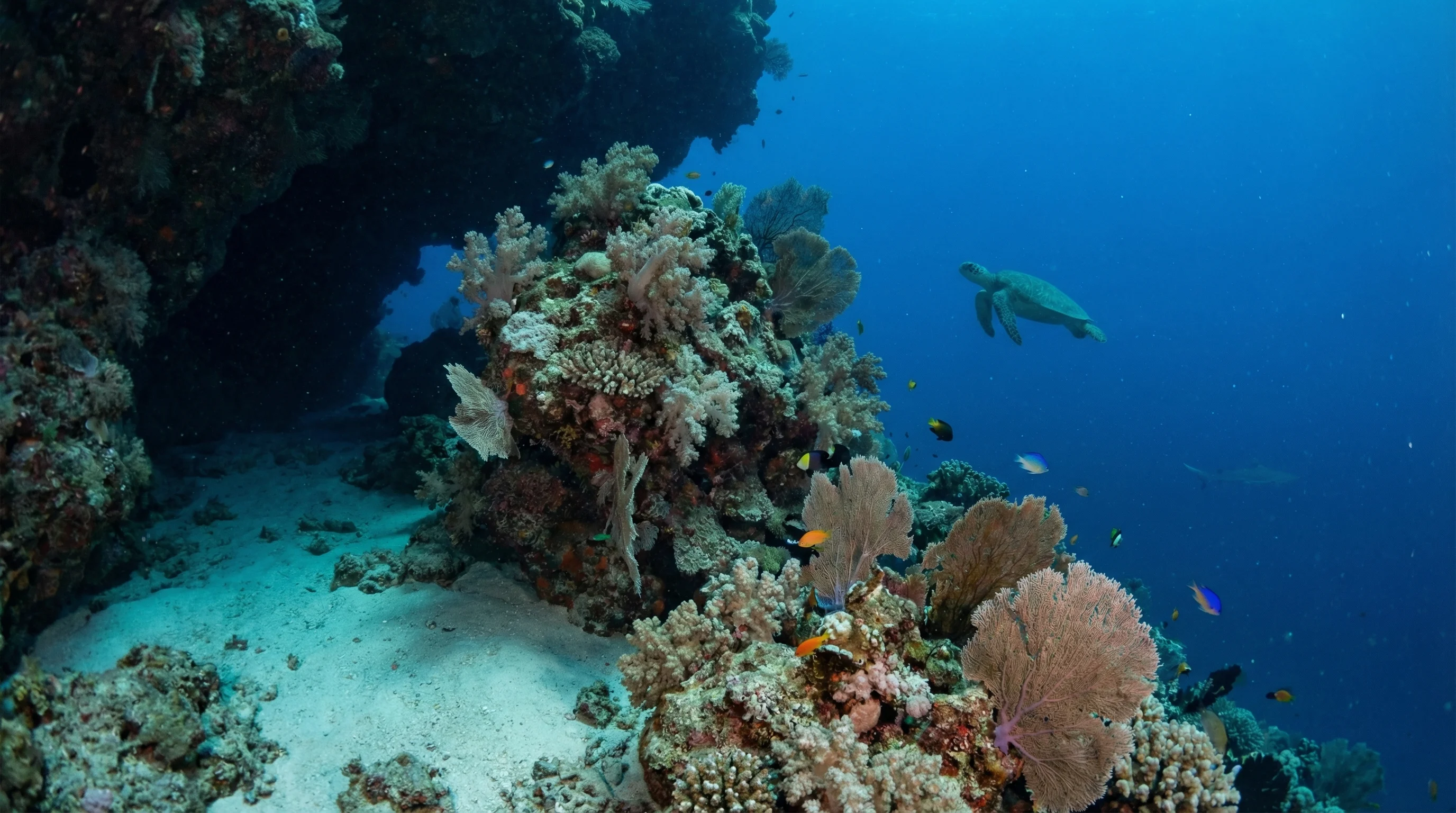
The Townsville Region spans four distinct sub-areas, from the close shores of Magnetic Island to the far outer reefs, with the Townsville Outer Reefs holding the greatest concentration of sites. Reef topographies dominate, ranging from shallow coral gardens and wall drop-offs to canyons and pinnacles, with the Coral Greenhouse adding an artificial reef dimension. Harlequin Sweetlips, Green Sea Turtle, Whitetip Reef Shark and Reef Manta Ray are regularly observed, alongside the striking Spanish Dancer and Nautilus. Cooler, calmer months from mid-autumn through spring offer the most favourable conditions.
4 areas
Monthly water temperature across Townsville Region's sites, from satellite sea-surface data corrected for depth. The band shows the site-to-site spread.
Water temperatures peak through the warmer summer months and ease through autumn into a cooler winter plateau, when conditions tend to be calmer and clearer. The best-months data points strongly to late autumn and spring as the favoured windows for diving, with May, June, September and October consistently rated highest. Exposed outer reef sites can experience stronger conditions in the wet season, making the calmer mid-year period particularly appealing for those targeting the deeper walls and canyons.
12 operators

28 more sites to explore
Outer reef diving spanning coral walls, pinnacles, an artistic artificial reef and a historic wreck, with Napoleon Wrasse and Reef Manta Ray among the regulars.
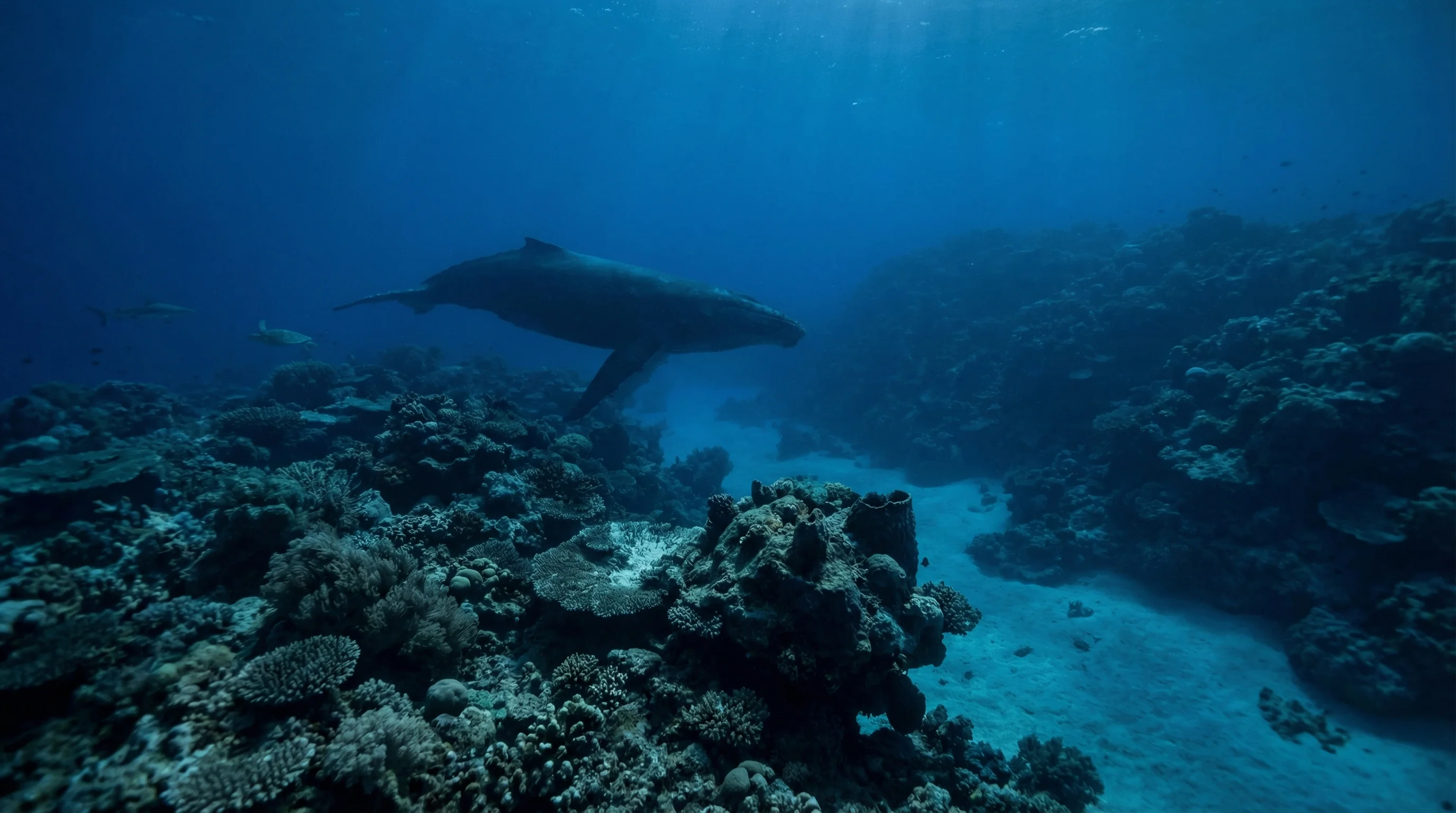
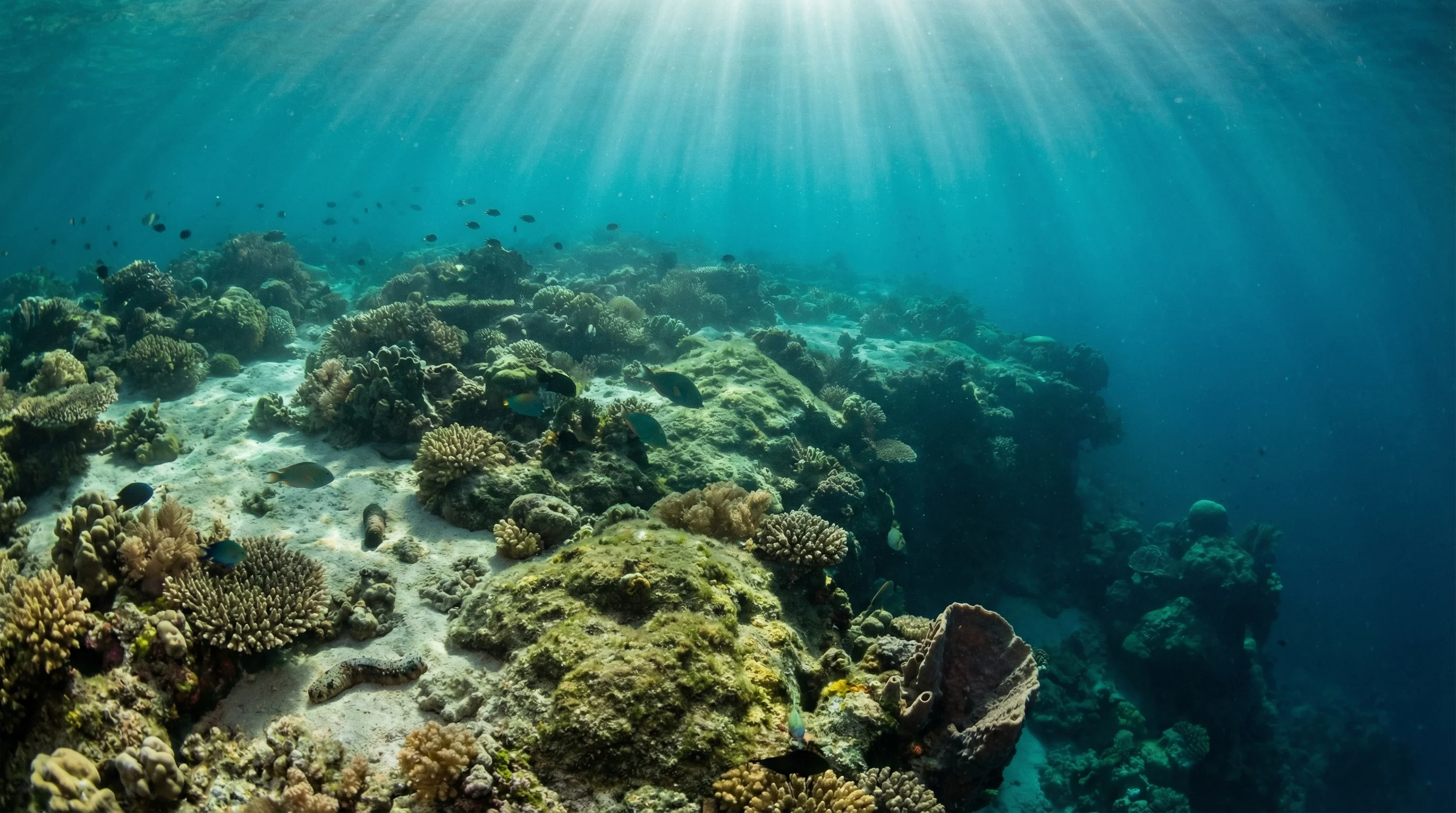
Water temperature around Townsville Region ranges from about 24°C in June to 29°C in January, based on satellite sea-temperature data for its dive sites.
In the warm season (about 29°C) a rash guard or 3mm shorty is comfortable in Townsville Region; in the coldest months (about 24°C) step up to a 3mm full suit.
Fin maps 40 sites in Townsville Region (36 scuba diving sites and 14 snorkelling spots, with some suited to both), organised into 4 areas.
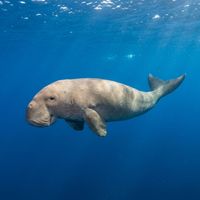
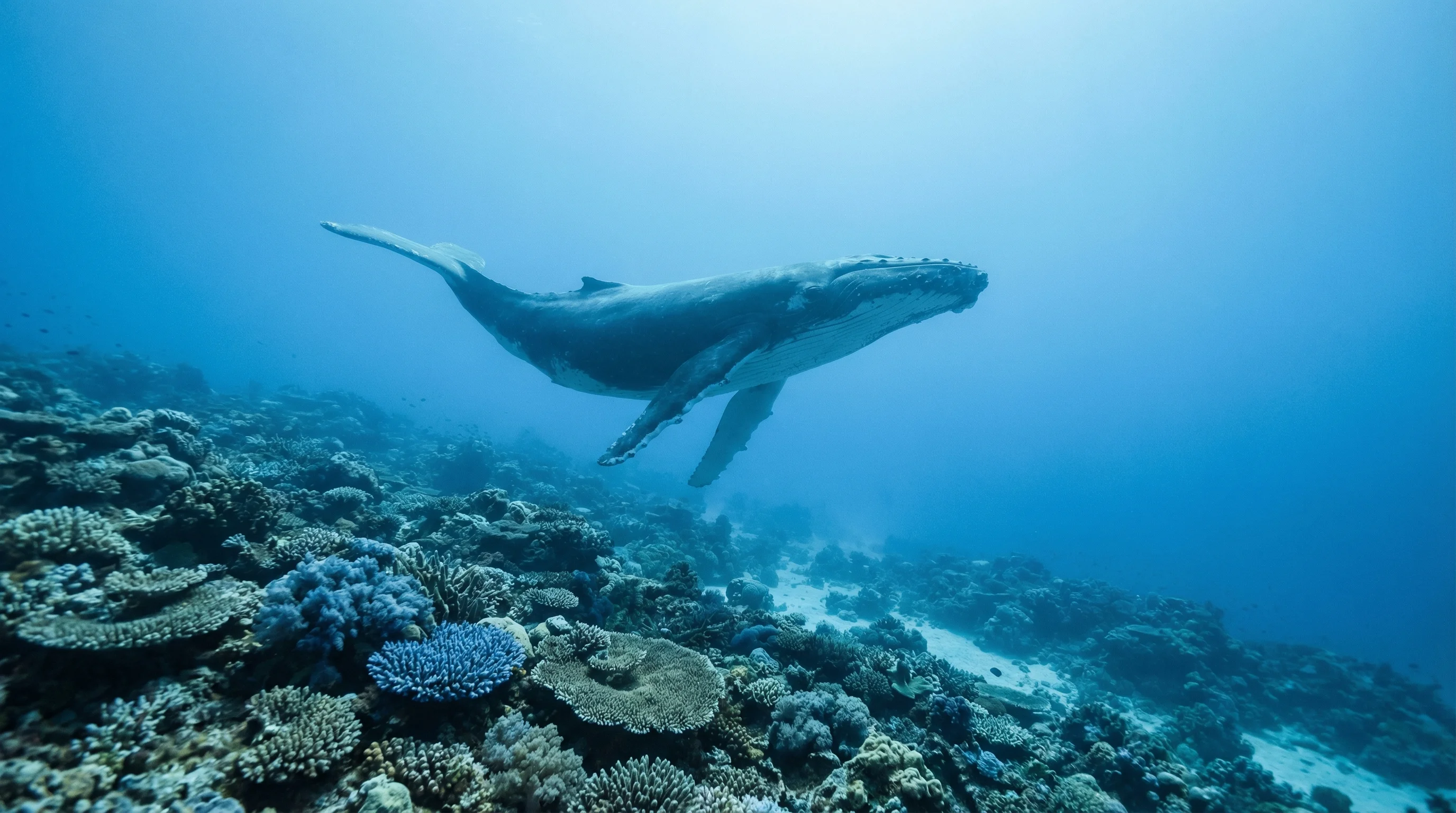
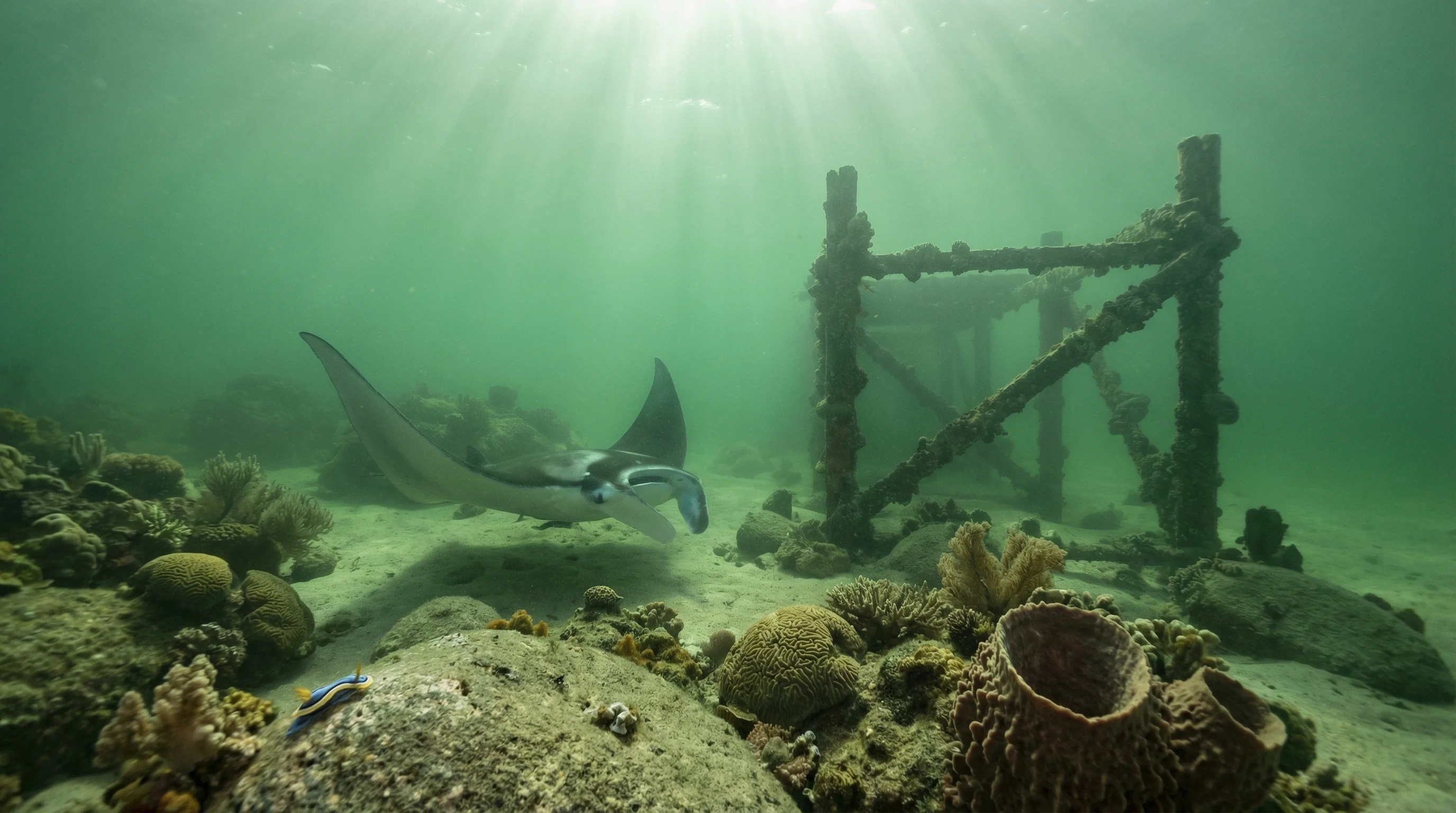
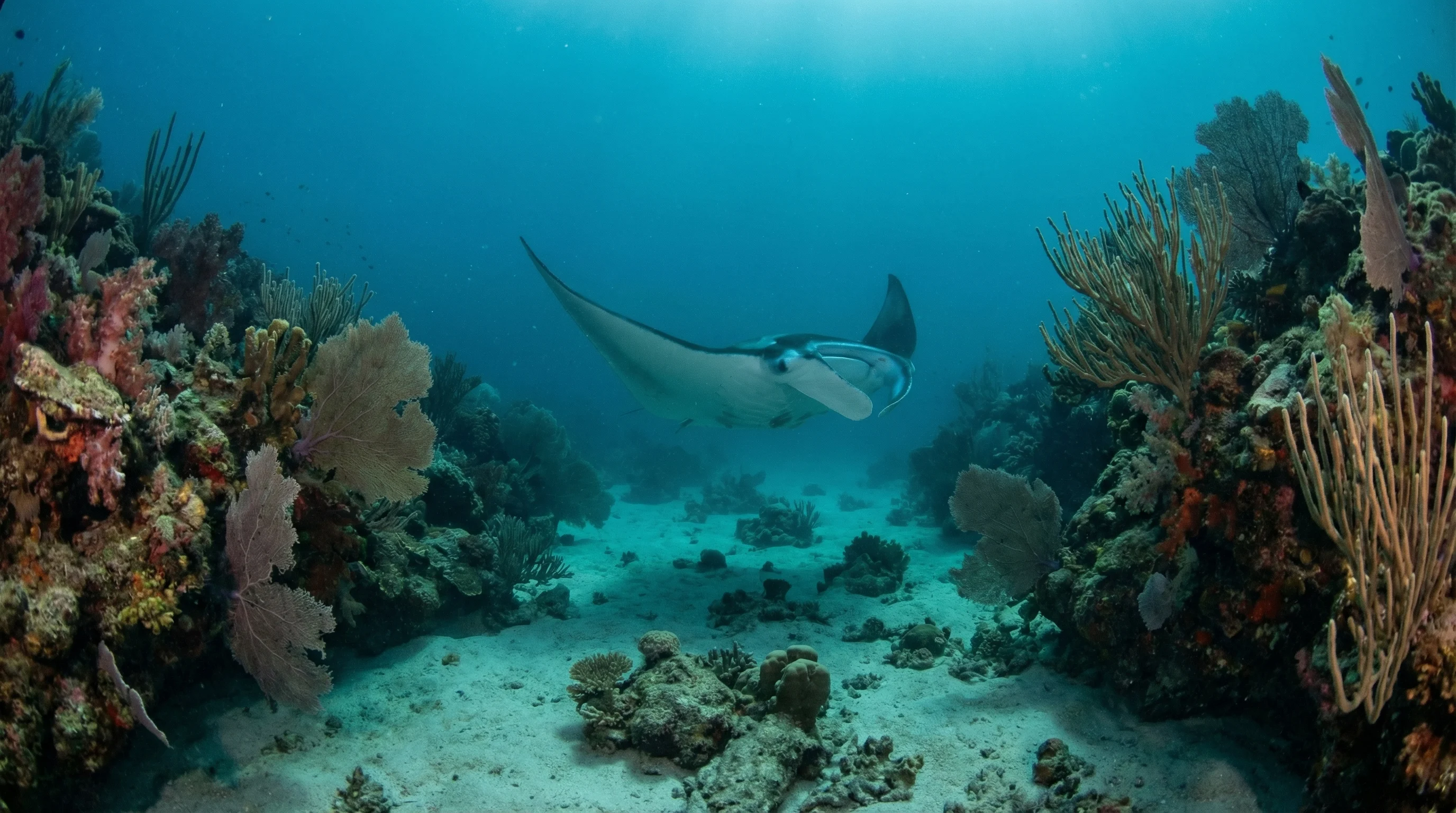
The region has a strong observation record across a wide range of species. Harlequin Sweetlips and Bluestreak Cleaner Wrasse are among the most frequently encountered, while Green Sea Turtle, Whitetip Reef Shark, Napoleon Wrasse and Reef Manta Ray are all commonly sighted. More unusual encounters include Nautilus, Spanish Dancer, Epaulette Shark and the occasional Dugong.
A good proportion of sites across the region are rated beginner-friendly, including Alma Bay, Big Broadhurst Reef, Lodestone Reef and the Coral Greenhouse. Most of these are boat-accessed outer reef sites with mild currents, though Alma Bay offers a straightforward shore entry. Intermediate and advanced divers are catered for at sites like Bowl Reef, Davies Reef and the Gothenburg Wreck.
The Townsville Outer Reefs account for the largest share of sites and offer the most varied topography, including walls, canyons, pinnacles and the Coral Greenhouse sculpture installation. Magnetic Island sits close to shore and includes the accessible Alma Bay for shore diving and snorkelling. Palm Islands and Hinchinbrook and the Cardwell Coast add further reef and coastal diving options to the north.
The majority of sites, particularly across the Townsville Outer Reefs, require boat access given how far offshore they lie. Alma Bay on Magnetic Island is a notable exception, offering direct shore entry for both divers and snorkellers. Operators including Pleasure Divers and Adrenalin Snorkel and Dive run trips to the outer reefs for those without their own vessel.