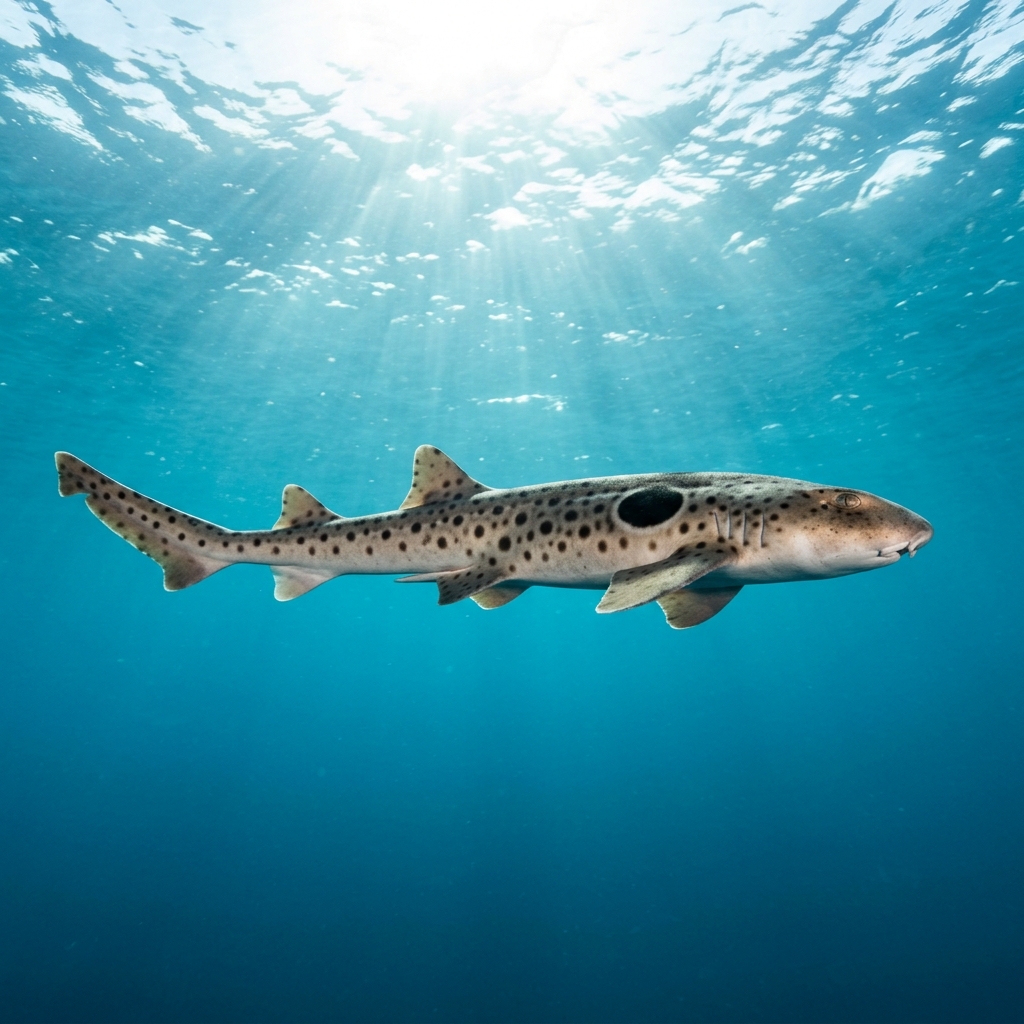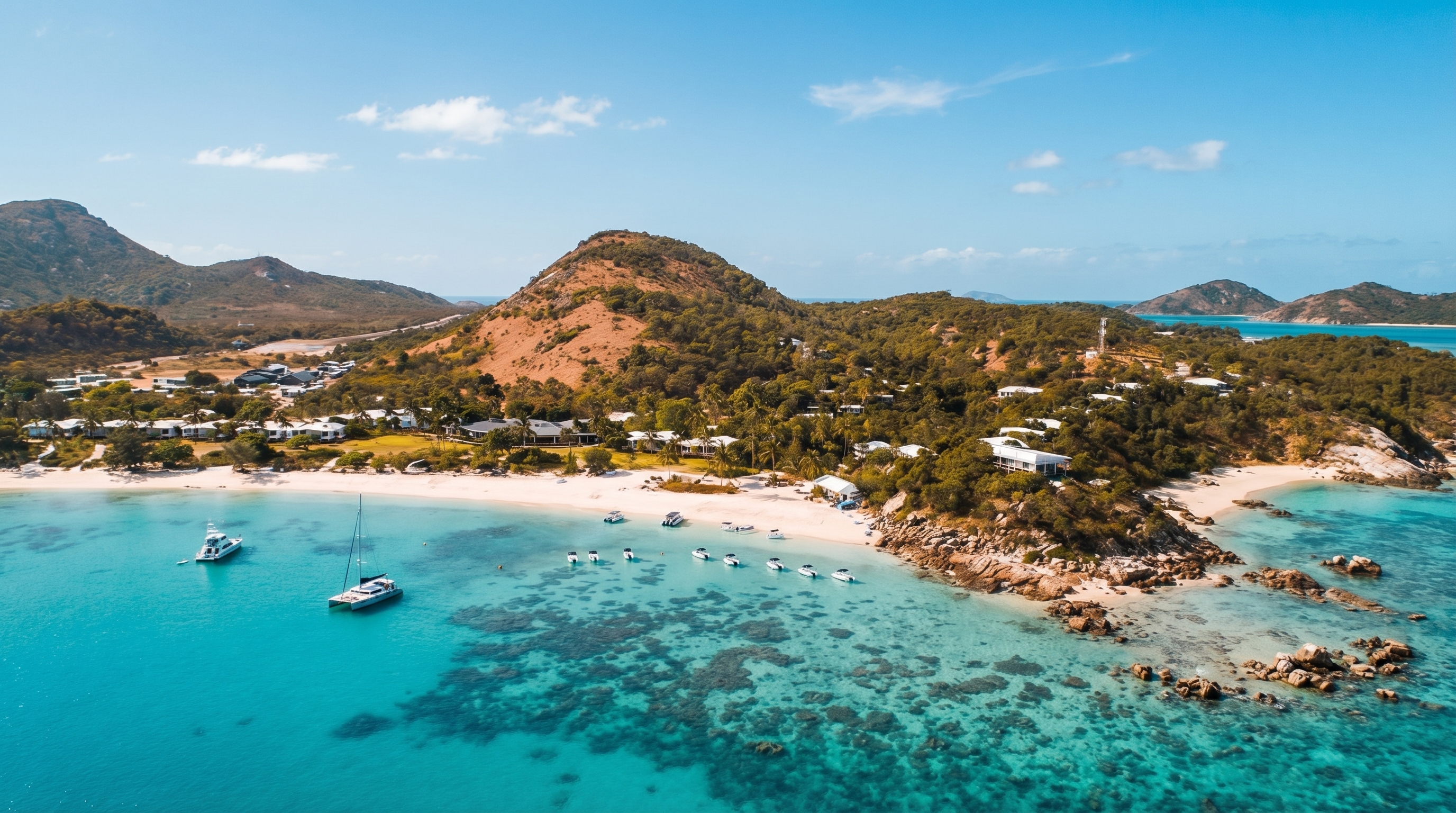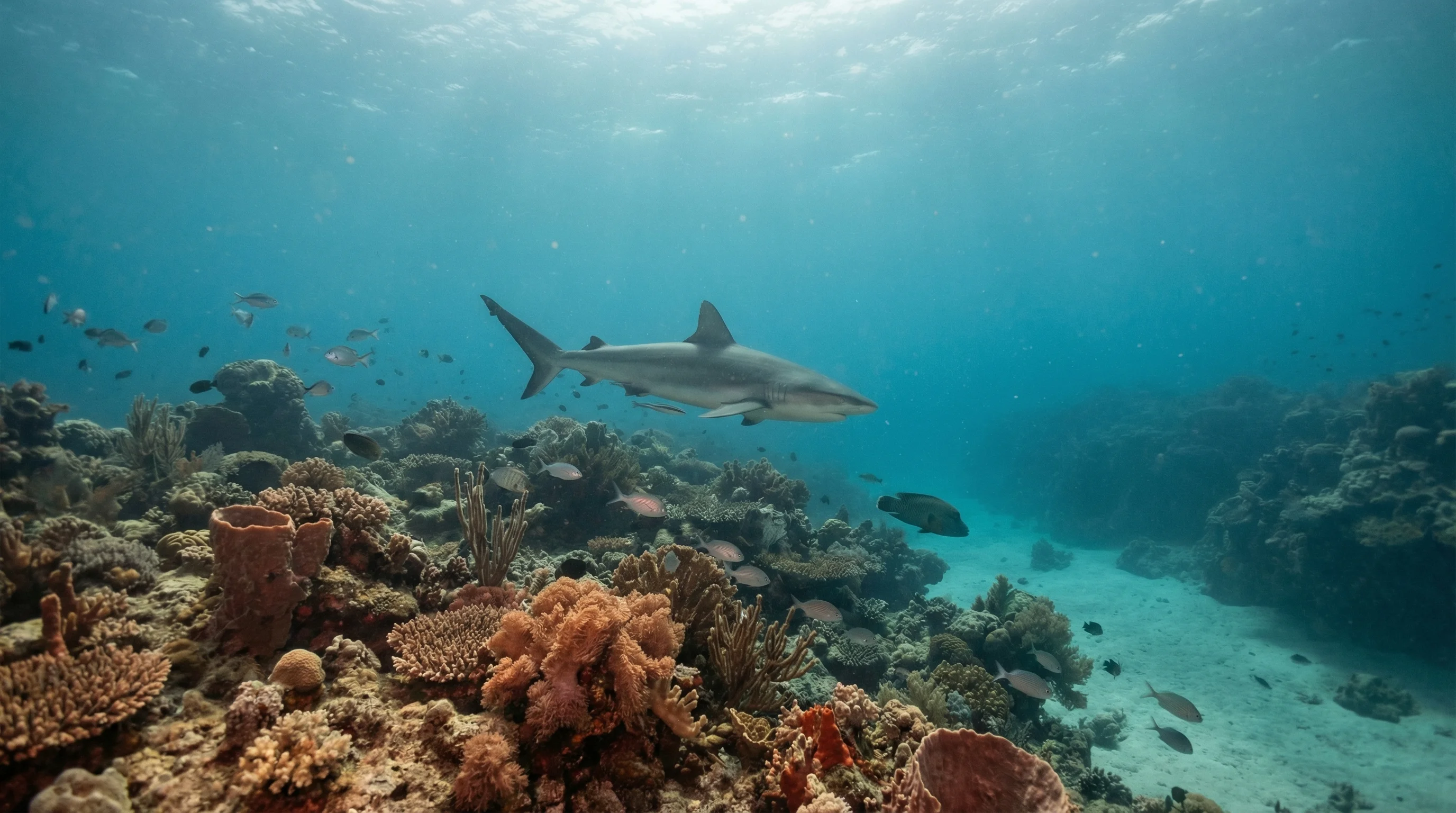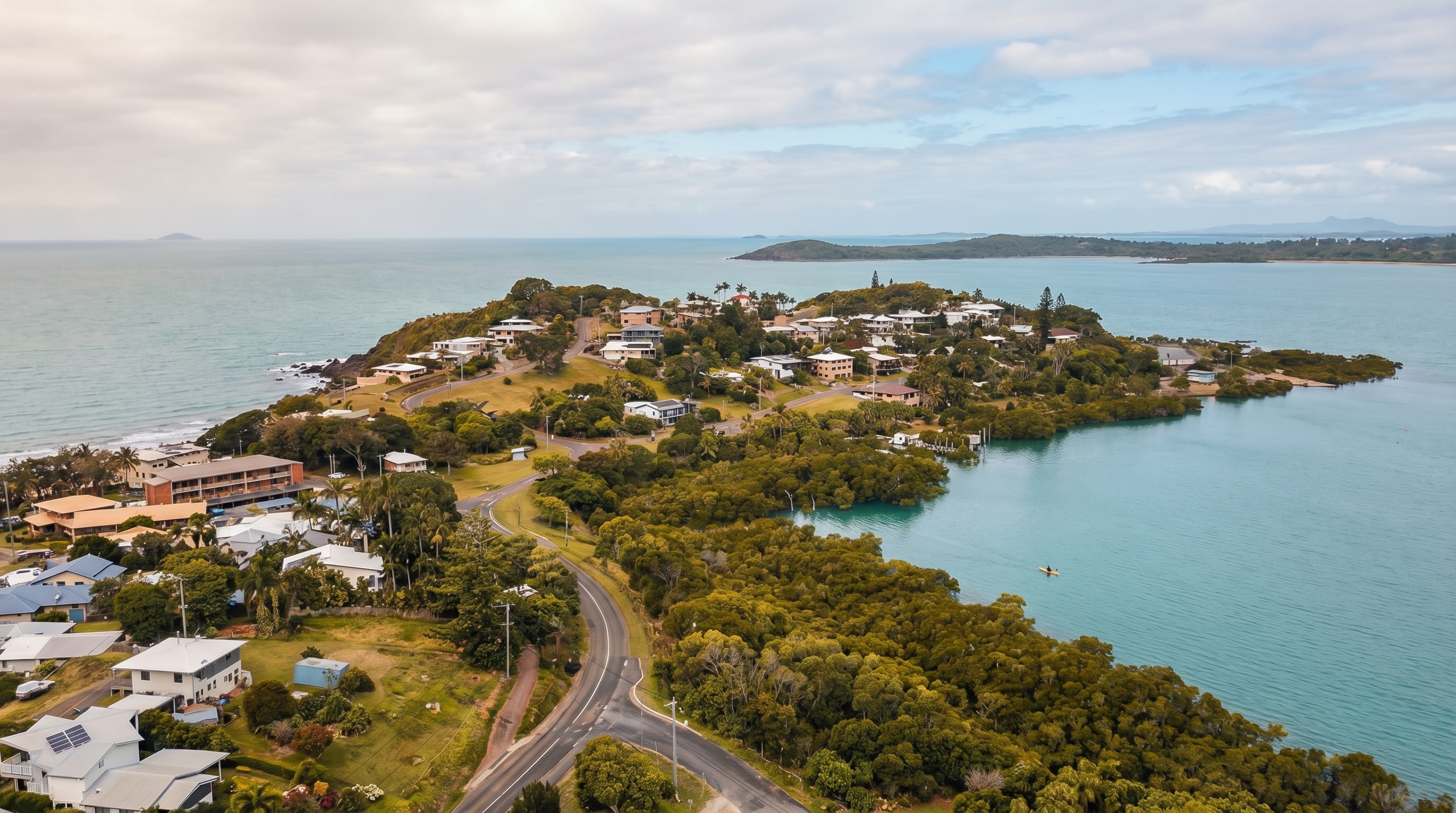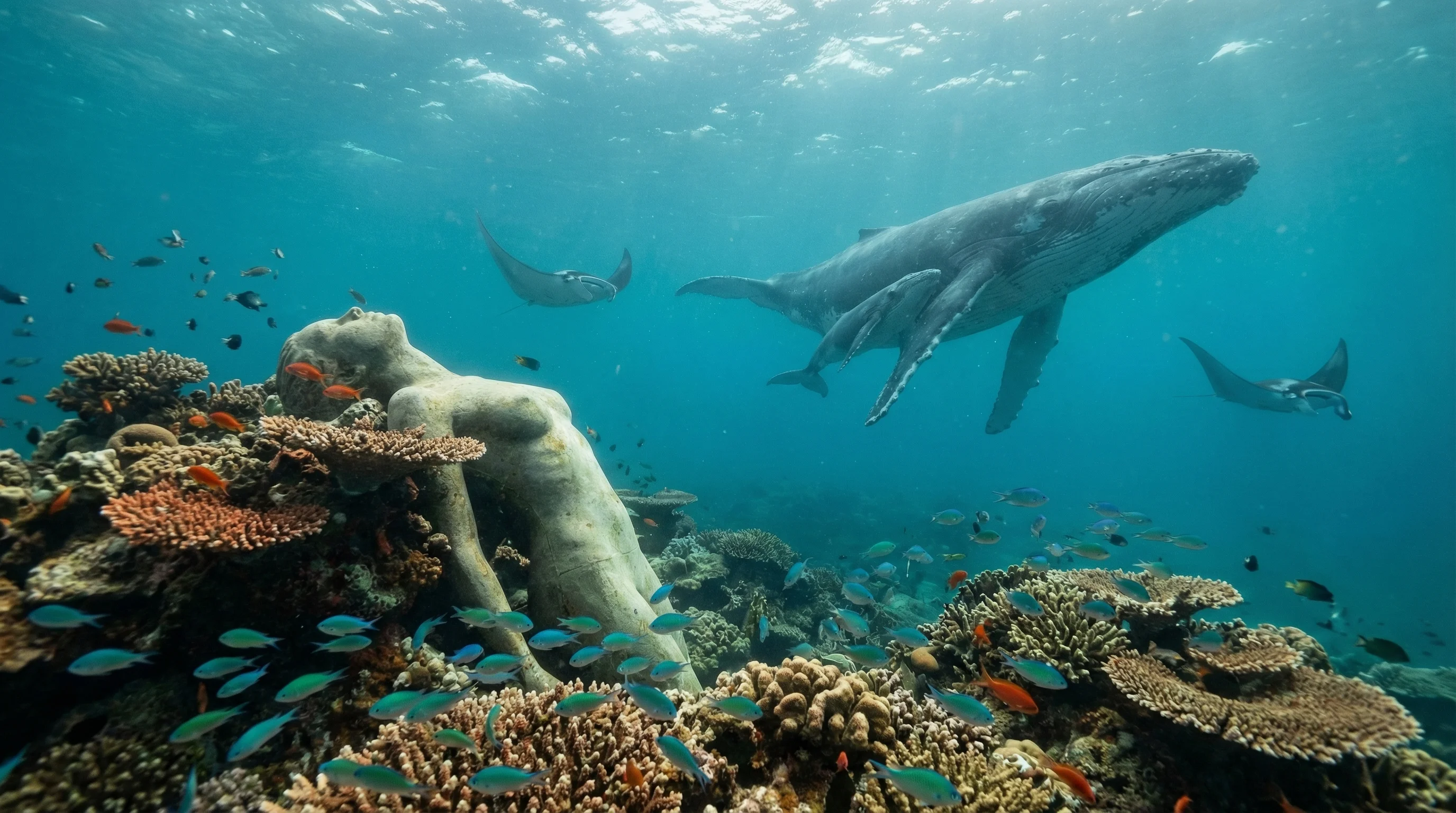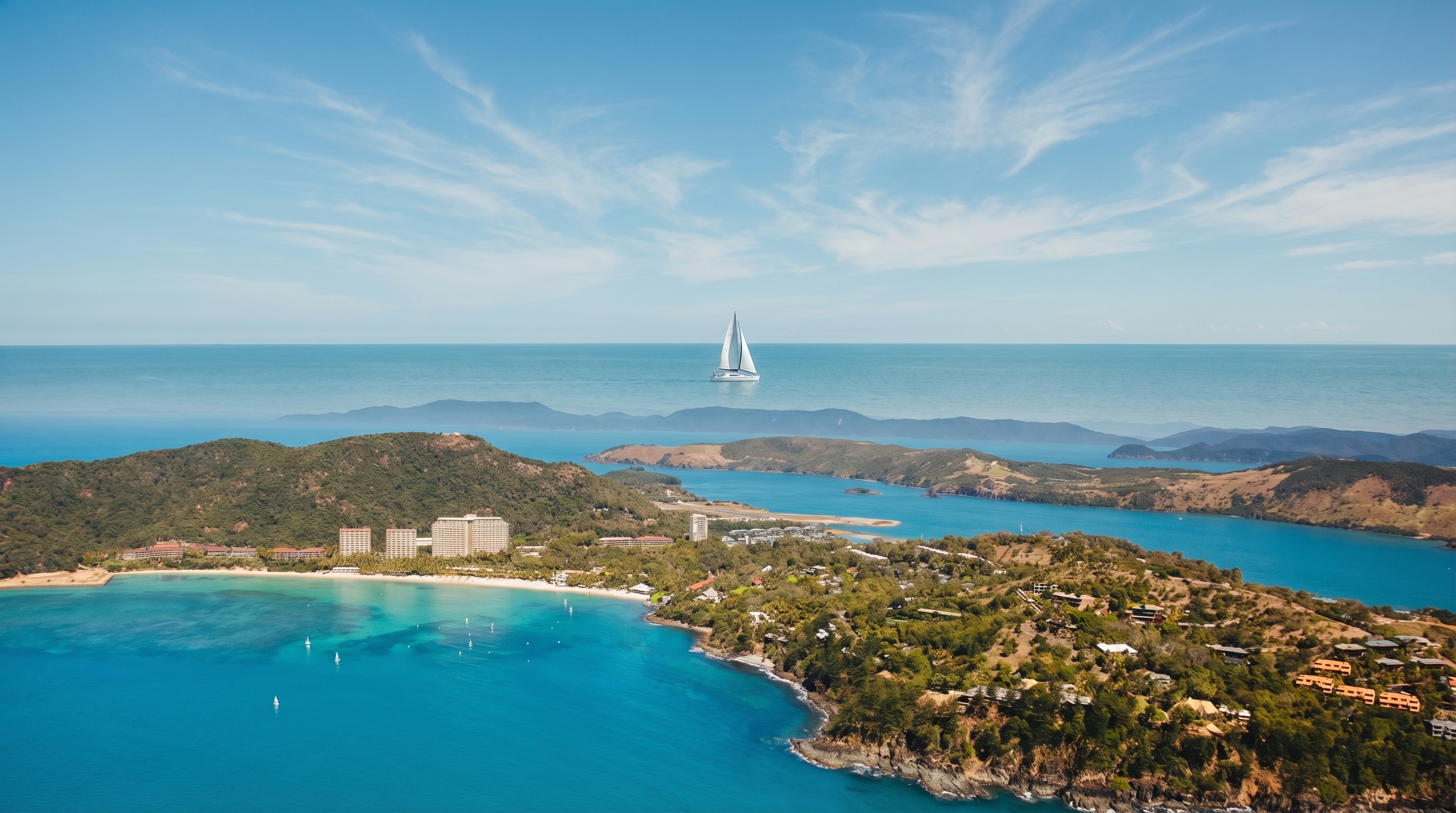
Hamilton Island offers a mix of reef dives, snorkel sites and boat-access walls across the Whitsundays. The Epaulette Shark is encountered at virtually every site, making it the region's defining species. Green Sea Turtle, Napoleon Wrasse and Titan Triggerfish are reliably common, while Mangrove Whipray and Humpback Whale add seasonal highlights. Visibility varies considerably through the year, and conditions tend to favour the cooler months from August through October.
Monthly water temperature across Hamilton Island's sites, from satellite sea-surface data corrected for depth. The band shows the site-to-site spread.
Water is warmest from December through February and cools noticeably by mid-winter. The best-months data points strongly toward August through October, when visibility tends to be at its clearest and conditions most settled. The summer wet season can bring reduced visibility, so divers prioritising clarity should lean toward the drier, cooler months.
11 more sites to explore
Water temperature around Hamilton Island ranges from about 22°C in July to 29°C in January, based on satellite sea-temperature data for its dive sites.
In the warm season (about 29°C) a rash guard or 3mm shorty is comfortable in Hamilton Island; in the coldest months (about 22°C) step up to a 3mm full suit.
Fin maps 11 sites in Hamilton Island (9 scuba diving sites and 6 snorkelling spots, with some suited to both).
Across Hamilton Island's dive sites, August, September, October and November are most often reported as the best months to visit.
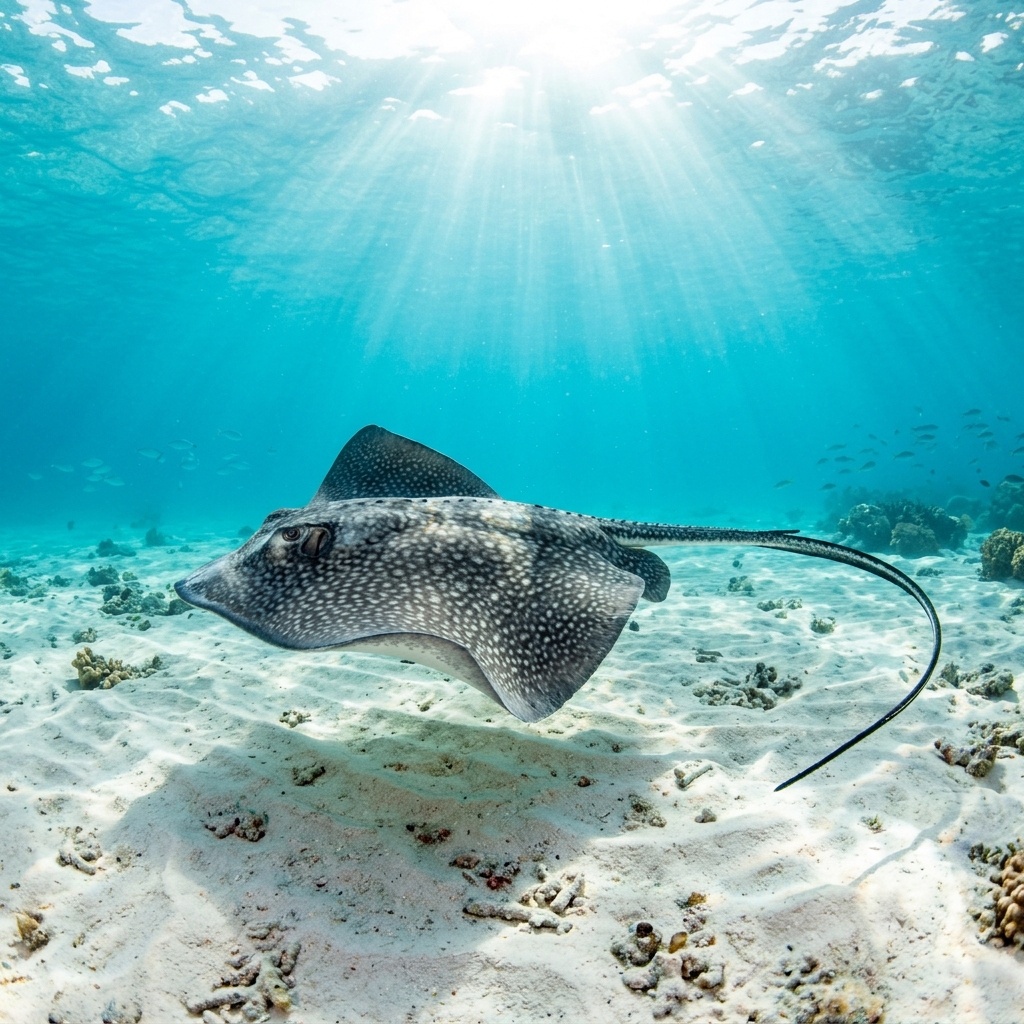
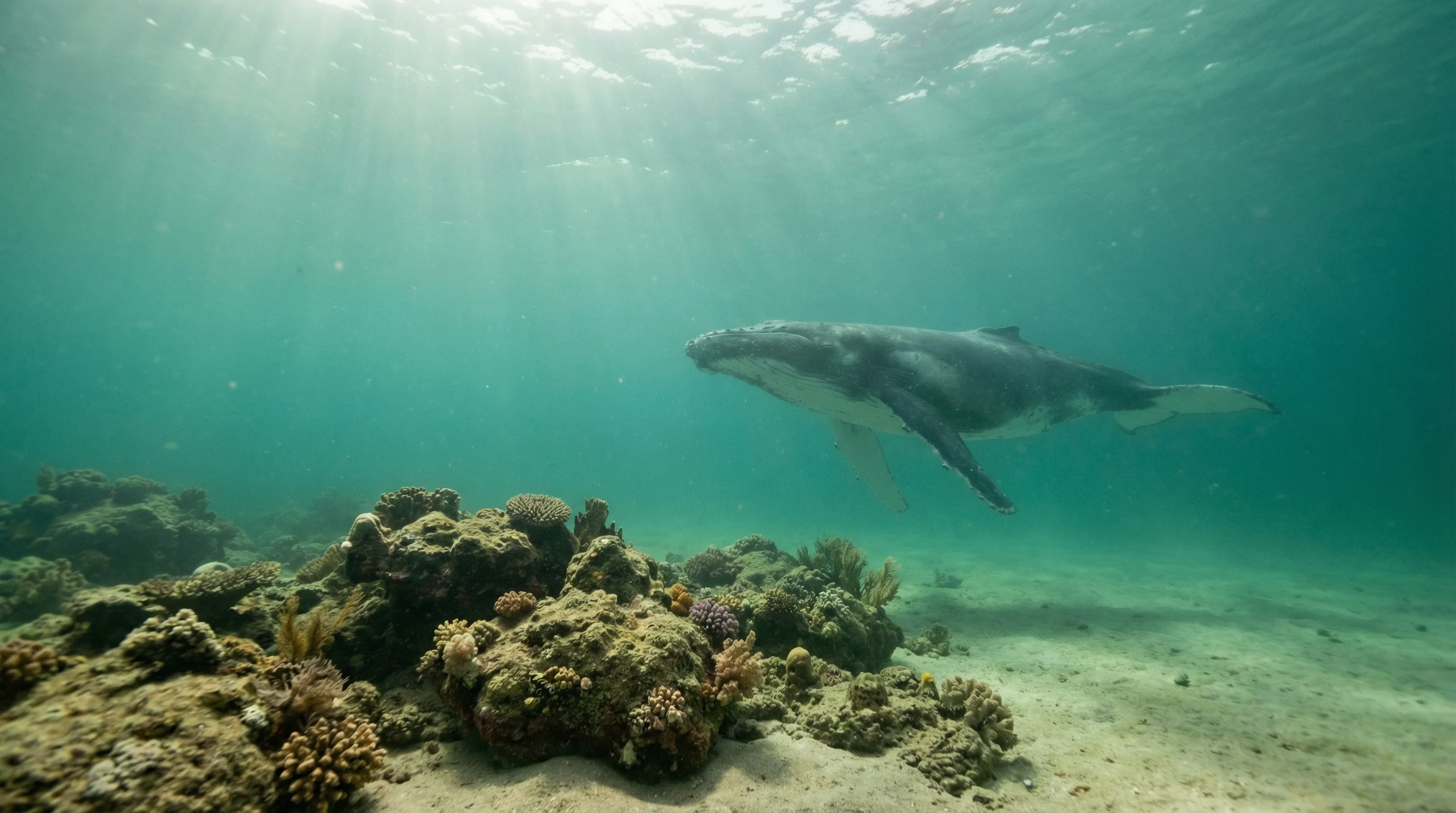
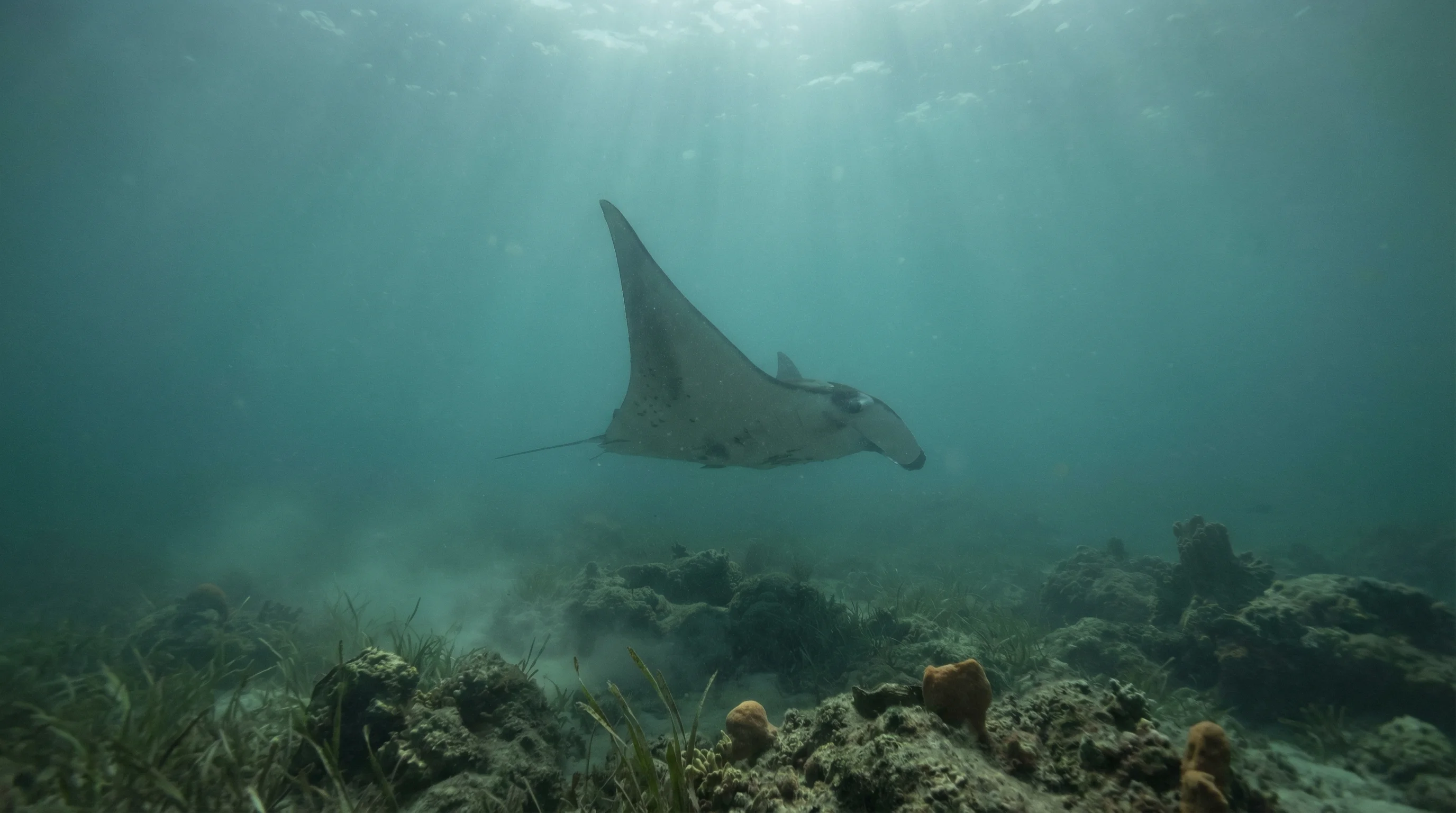
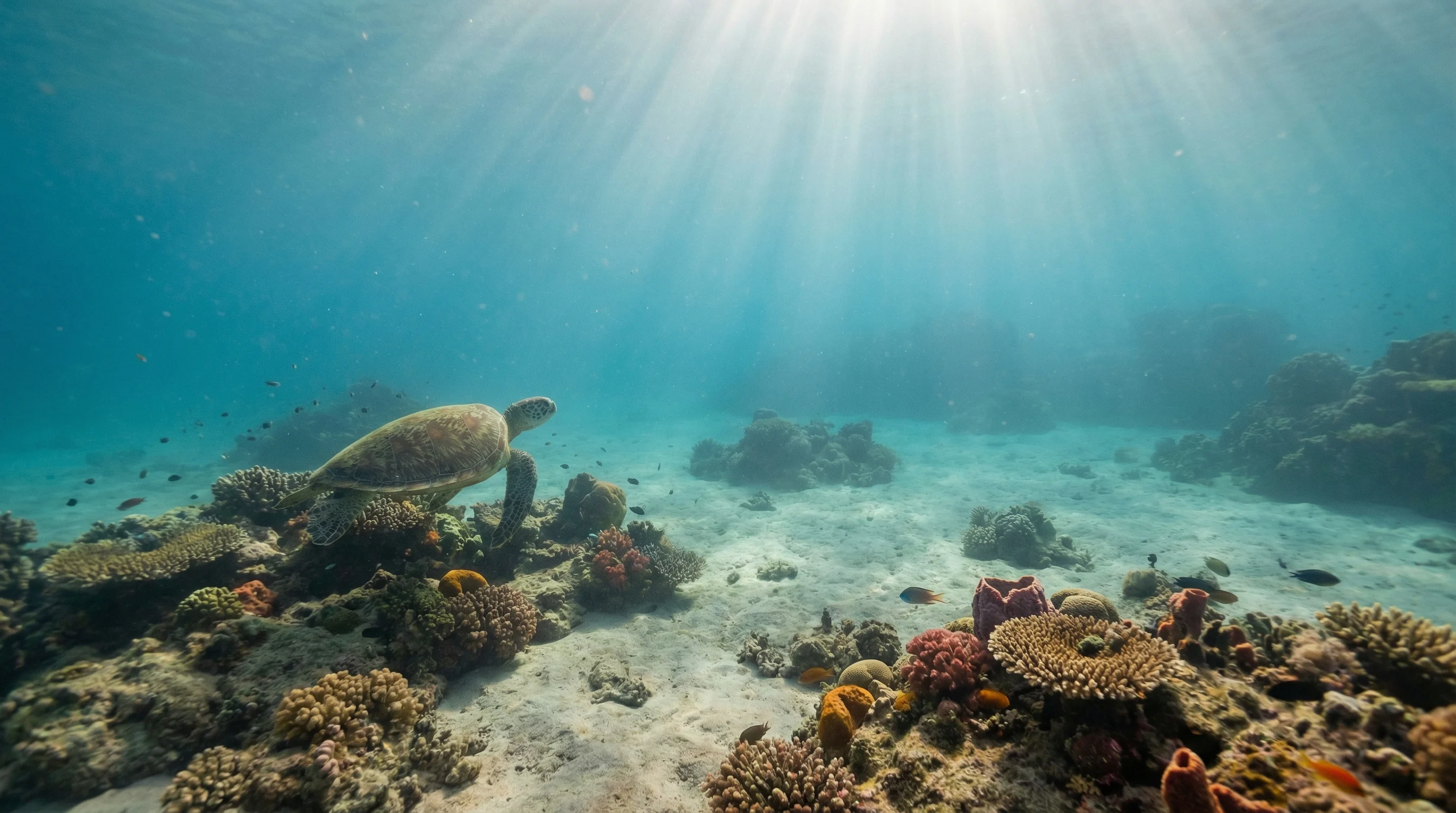
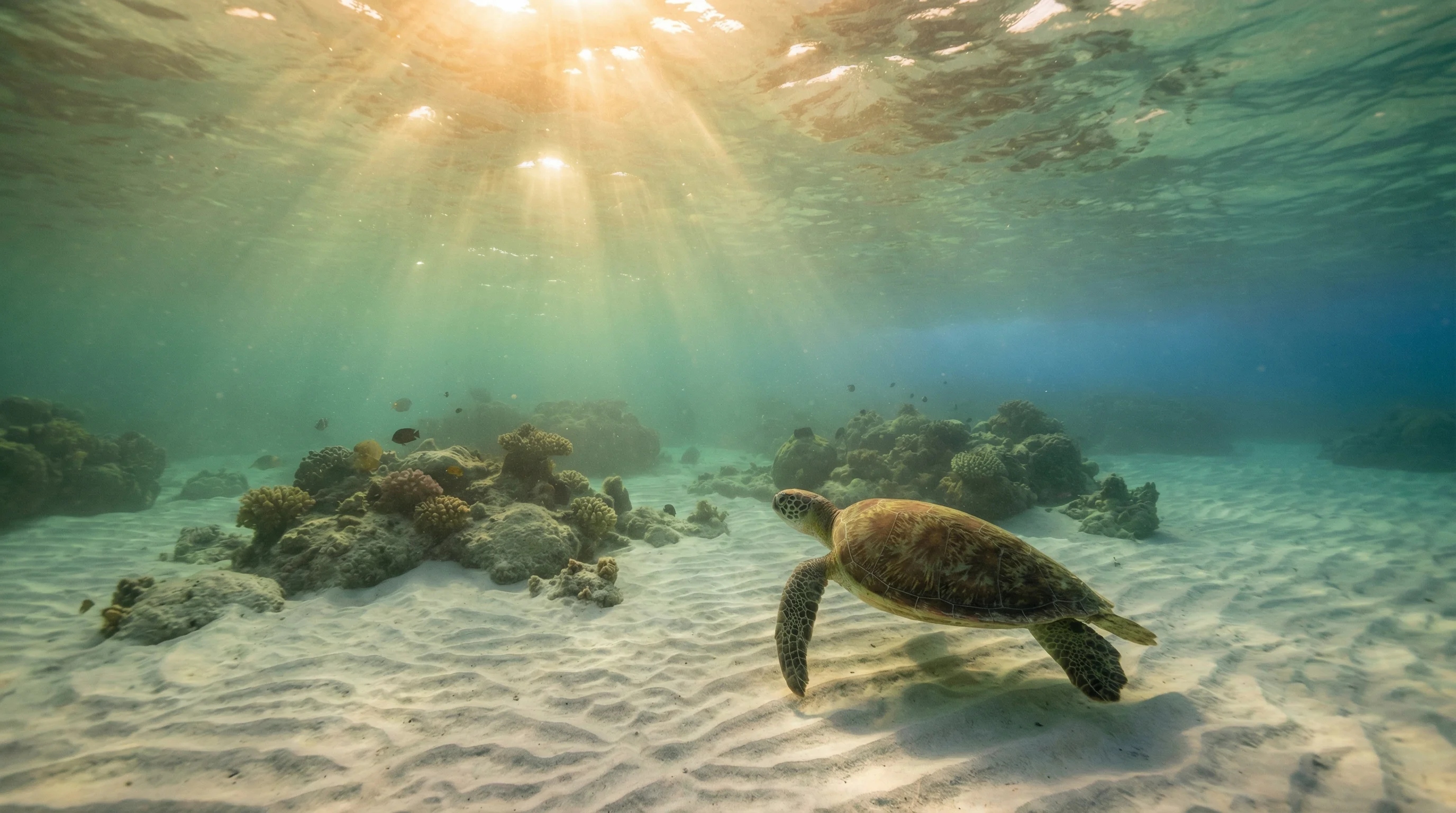
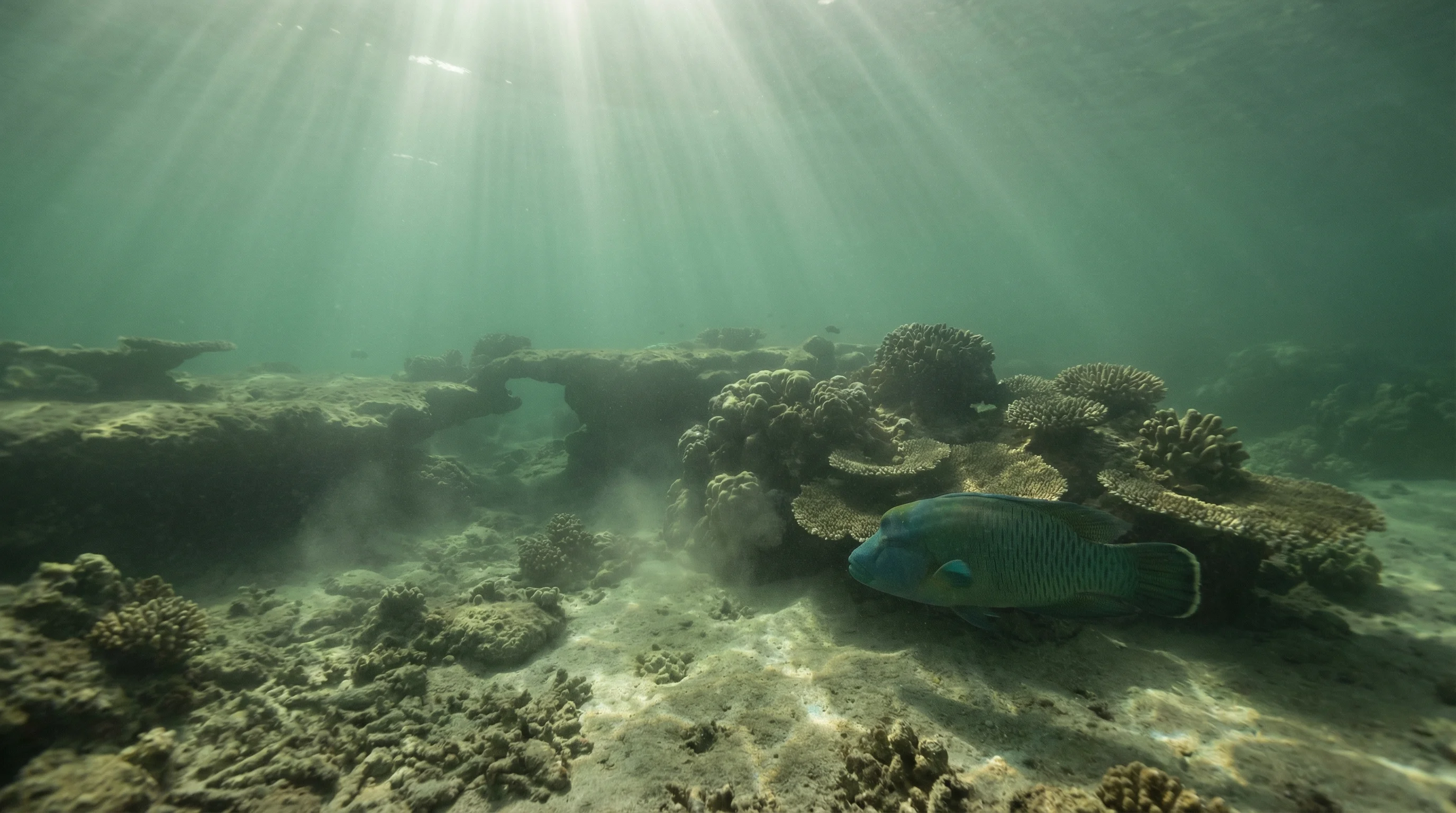
The Epaulette Shark is observed across virtually all sites and is the species most associated with Hamilton Island diving. Green Sea Turtle, Napoleon Wrasse, Titan Triggerfish and Moorish Idol are all commonly recorded. Mangrove Whipray appears occasionally, and Humpback Whale has been observed at a smaller number of sites.
The site mix includes a good number of snorkel-only and combined dive-snorkel sites, which tend to feature shallower, more accessible reef terrain. Several operators listed, including Reef Safari Diving and Aquadive, run guided experiences suited to newcomers. The variety of entry types means there are options for a range of skill levels.
The majority of sites are reached by boat, and a number of operators including Cruise Whitsundays, Ocean Rafting and Ricochet offer guided trips. Having multiple operators available means departure times and vessel styles vary, giving divers and snorkellers some flexibility in how they plan their day.
Visibility ranges from quite limited to very good depending on the time of year. The best-months data places August through October at the top of the range, coinciding with cooler, more settled conditions. The warmer summer months can bring reduced water clarity, which is worth factoring in when choosing dates.